
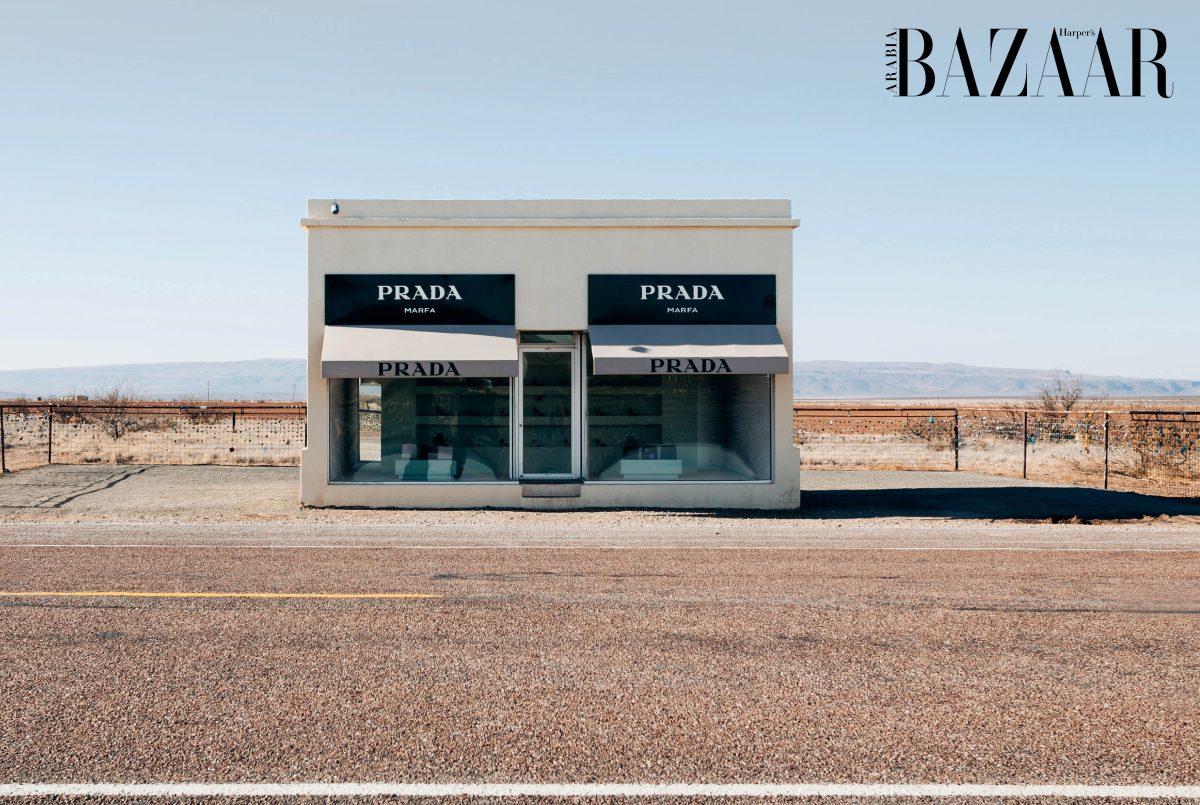
The Cult of Prada: How The World’s Hottest Brand Continues To Thrive In Fashion’s Ever-Changing Landscape
Zoomers and millennials agree that it’s the hottest brand in the world; we chart the rise and rise of the house that Miuccia built: from A to Gen Z
If there’s an art to world domination, Miuccia Prada has mastered it. Prada’s visionary designer has been generating cultish levels of admiration with her unique brand of (ever-evolving) awkward-chic for over 30 years. The newest group of fashion fans to have made the 73-year-old doyenne their cult leader and spawned a Prada renaissance? Gen Z, of course. But more on that later.
Prada is having a moment. The 110-year-old Italian house was heralded as the ‘World’s Hottest Brand’ in the most recent Lyst Index, the shopping app’s quarterly report of fashion’s most coveted brands and products. Lyst’s data showed that searches for Prada increased by 37 per cent in the last three months of 2022.
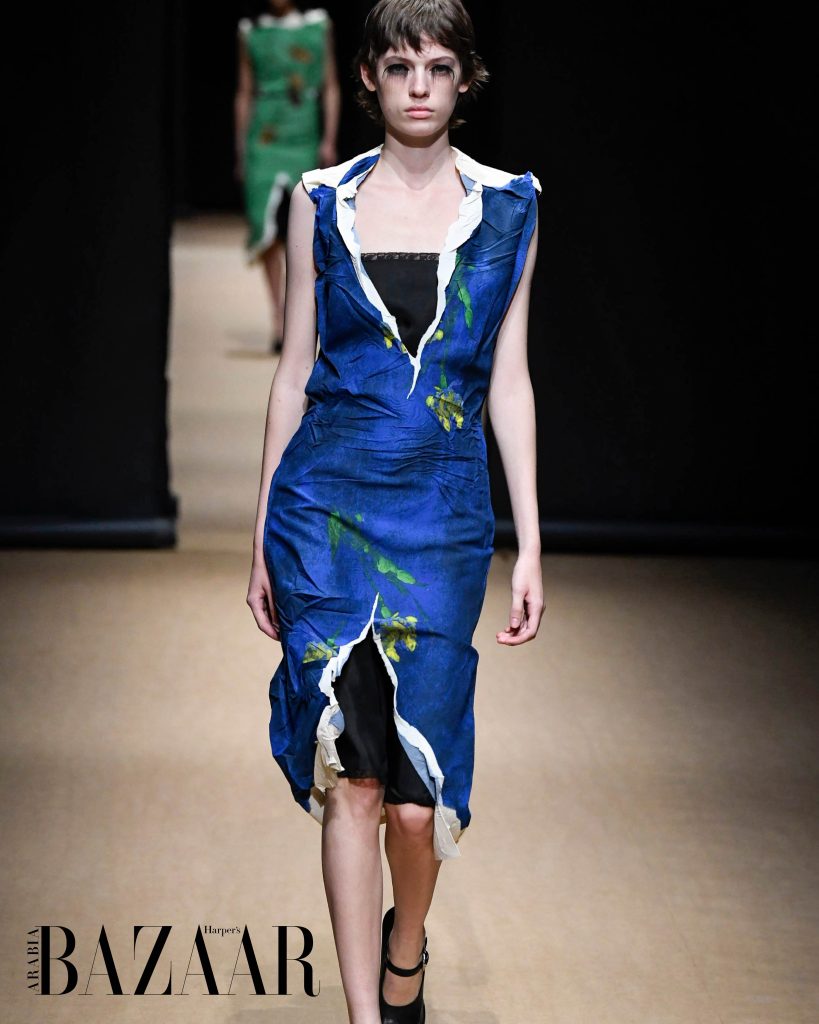
Buoying a luxury brand quite so successfully in such a challenging global market is no mean feat, but this isn’t the first time Miuccia has weathered economic uncertainty, letting it inspire poignant, if not always commercially successful, work. Take, for example, Prada’s Autumn/Winter 2009 collection, which was shown in the midst of the Great Recession. Wearing heavyweight wool knits and tweeds and wader-style boots, that season’s woman was defiant, formidable. The collection proved that Miuccia’s “sensitivity and powers of reactivity were second to none,” writes Susannah Frankel in the Prada Catwalk book.
Prada’s recent surge in popularity, especially among a younger audience, has been building for a few years. In the midst of 2019’s global lockdowns, Prada launched the Re-Edition collection. Named after the years they were originally issued, the 2005 and 2000 Re-Nylon bags were born, or rather re-born, in ECONYL® – a regenerated, recyclable nylon – and promptly adopted into the wardrobes of super-influencers and celebrities (Bella, Kendall, Kaia, et al). The little bag with the triangle plaque was a runaway success – again, and despite the economic odds.
The nylon bag was Miuccia’s first smash hit at Prada. In 1984, six years after taking the reins of her family company, she unveiled the ‘Vela’ backpack. Crafted from military-grade ‘Pocono’ nylon, it was radical – the antithesis to the traditional leather accessories that Prada had historically been known for.
“Suddenly nylon started to look more intriguing to me than couture fabrics,” she says. ‘I decided to introduce it to the catwalk and it challenged, even changed, the traditional and conservative idea of luxury. I am still obsessed with it,” says the designer on Prada’s website. Notably, Miuccia’s son, Lorenzo Bertelli – currently Prada Group’s Head of Corporate Social Responsibility and set to eventually follow in his mother’s footsteps as CEO – is credited with masterminding the Re-Nylon project and subsequent roll-out of regenerated nylon across Prada’s other nylon products. It marks a full-circle moment of sorts, the passing of the (very chic) baton to a new generation.
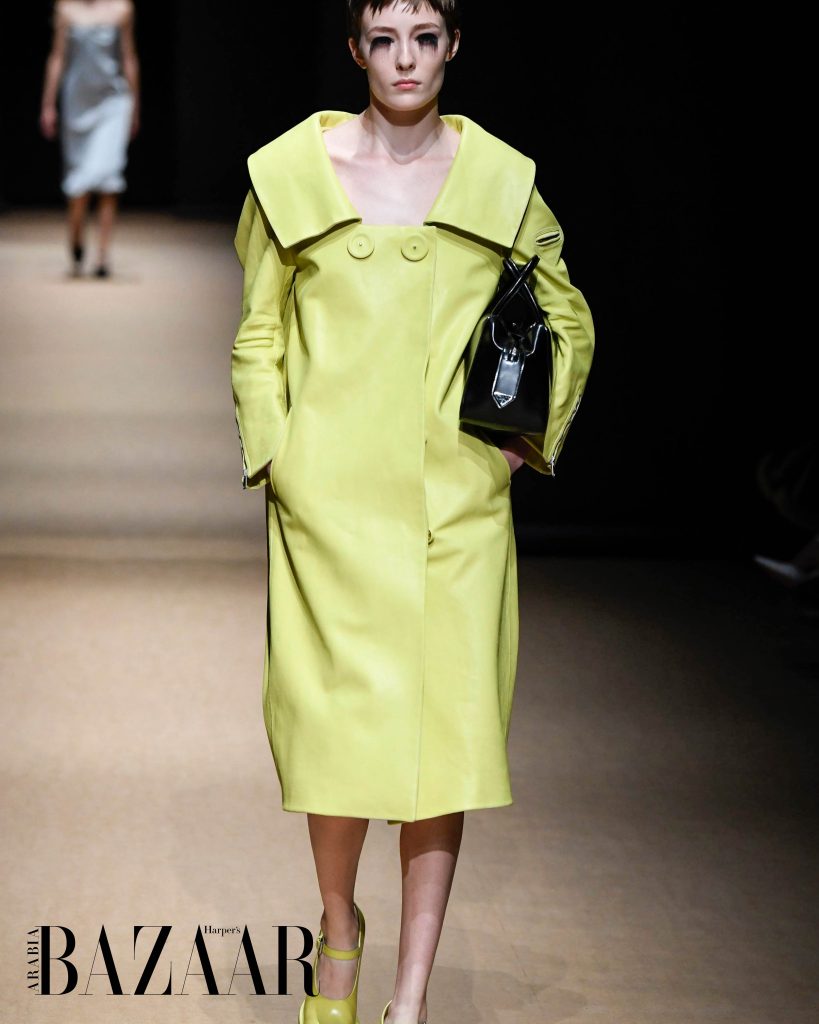
It was a genius move for several reasons, not least because Prada was able to tap into Gen Z’s fever for ’90s and Y2K style, as well as their focus on sustainability, opening the brand up to a new customer base. Additionally, the brand was able to leverage the demand for original versions of the bags seen on pre-loved platforms like Vestiaire Collective and Depop, where searches were soaring.
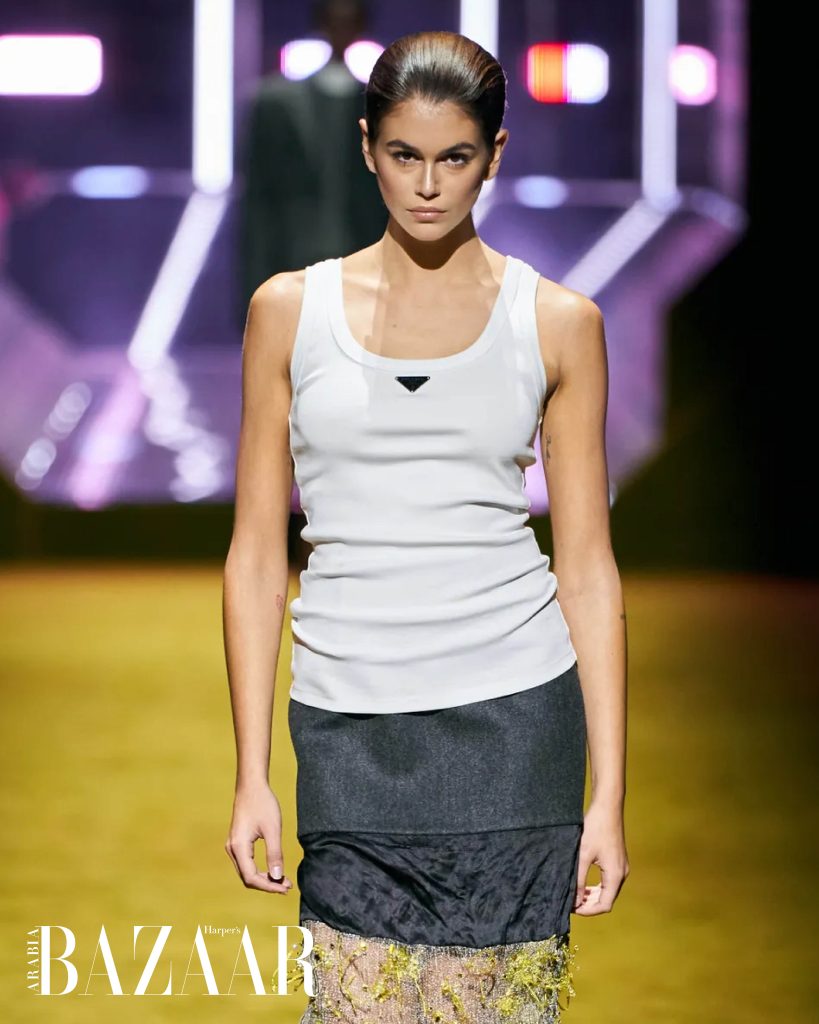
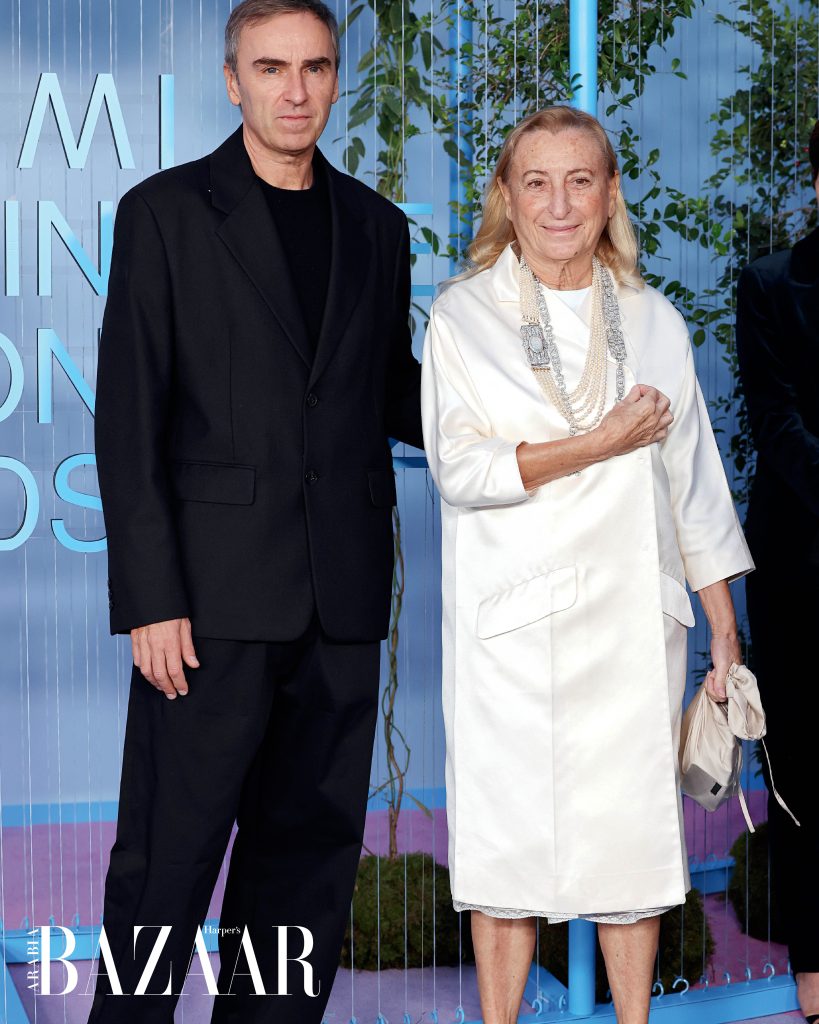
Why stop there? Logomania v2 was officially upon us, after all. Together with Raf Simons, who joined the house as co-creative director in 2020, Miuccia transplanted Prada’s recognisable triangle-shaped plaque onto pointed slingbacks, chunky loafers, the bucket hat (another re-issued style) and, most audaciously, the classic white tank – as worn by Kaia Gerber for the first look of the Autumn/ Winter 2022 show. The proverbial crowd went wild, and both tank and slingbacks shot to the near-top of Lyst’s product rankings.
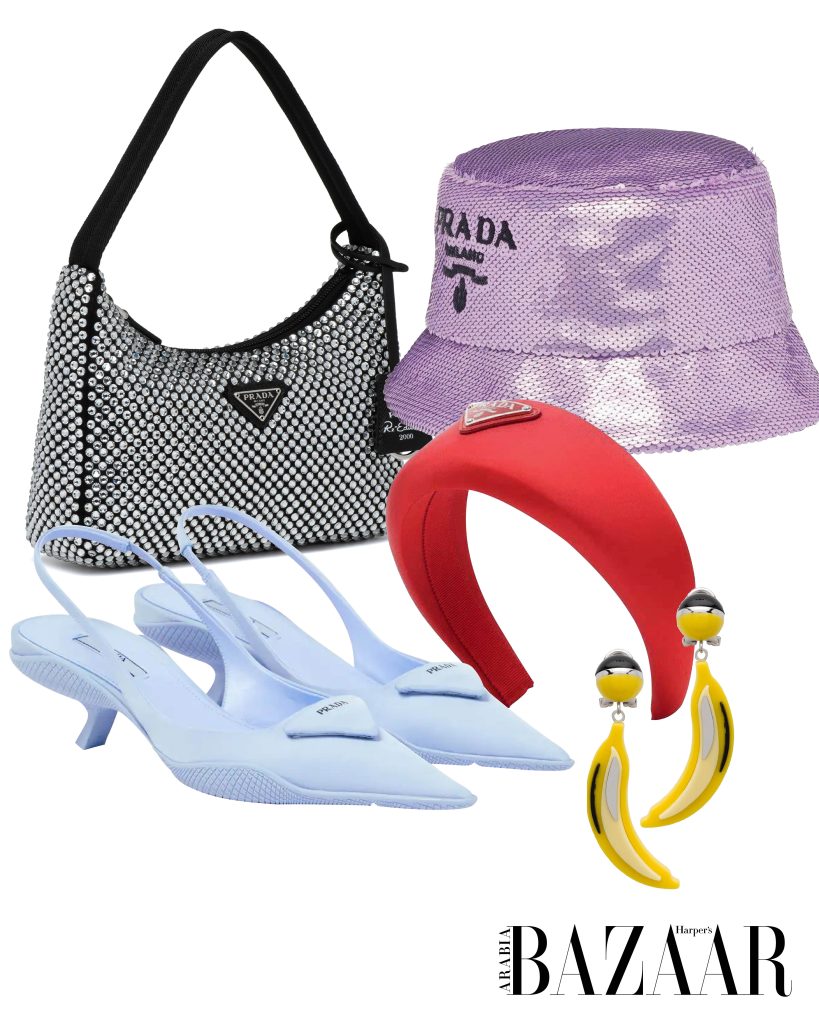
The appetite for pre-loved Prada – particularly amongst Gen Zers – shows no sign of waning, Depop tells us. There have been significant month-on-month increases in searches for Prada on the platform; at the time of writing this article, searches are up by 22 per cent for ‘Prada’, 10 per cent for ‘Prada bag’, 89 per cent for ‘Prada sunglasses’ and 51 per cent for ‘Prada tank.’ The story continues over on TikTok, where users are sharing their (new and pre-loved) spoils prolifically; the #pradabag hashtag alone has 135.9 million views.
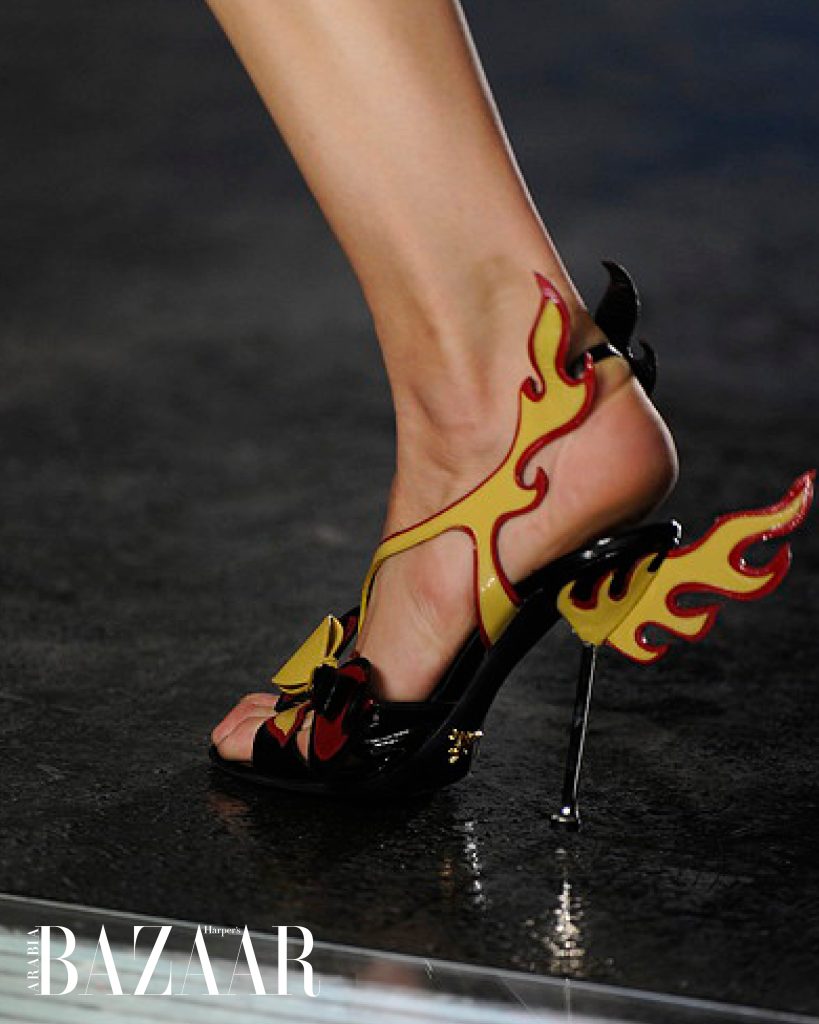
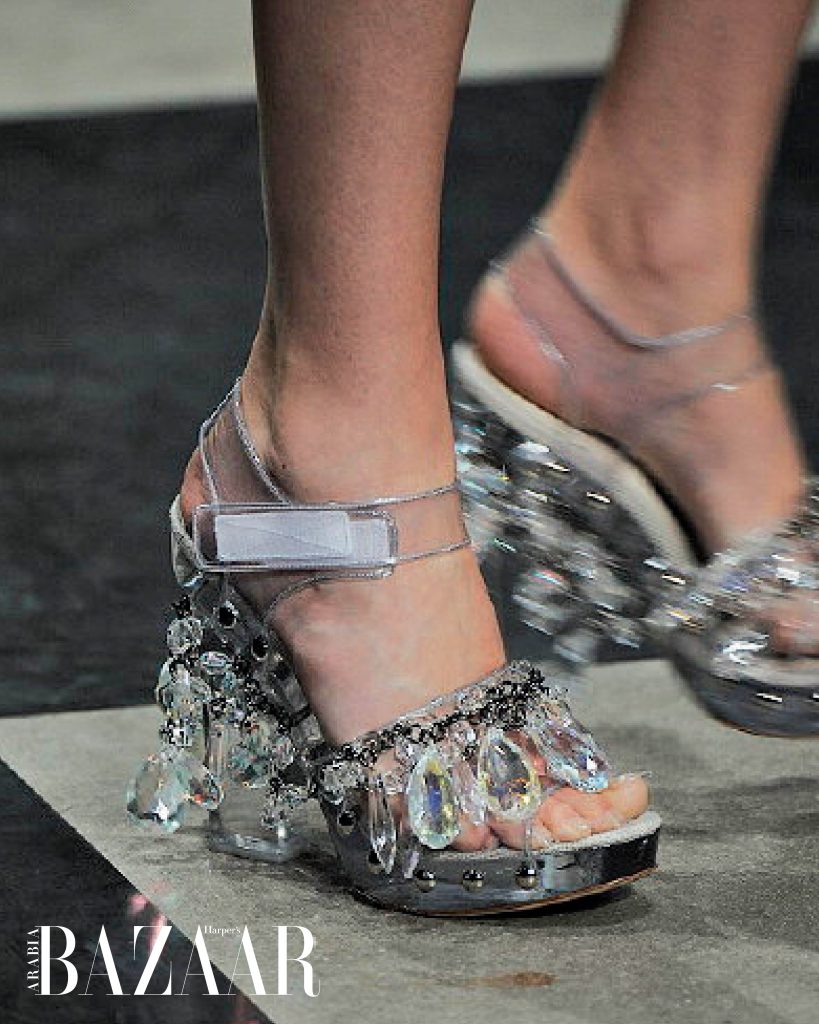
Aside from logomania, there is a smaller but significant cross-section of both Zoomers and millennials delighting in hard-to-find archive pieces. (The #vintageprada hashtag has a sizeable 7.8 million views on TikTok.) “I’m a sucker for the Prada nylon pieces but have found myself buying a lot of second-hand pieces from runway collections on Vestiaire, recently,” says Highsnobiety’s head of TikTok and Prada fan, Tora Northman. “I like mixing and matching old and new, and Prada is truly perfect for that.”
Northman practises what she preaches on her own TikTok, styling her favourite Prada loafers, logo-plaque shorts and tie with archive treasures. “I’ve got a few pieces from the Autumn/Winter 2018 collection,” she says, extolling the virtues of a grey cardigan with a bright-pink, furry collar.
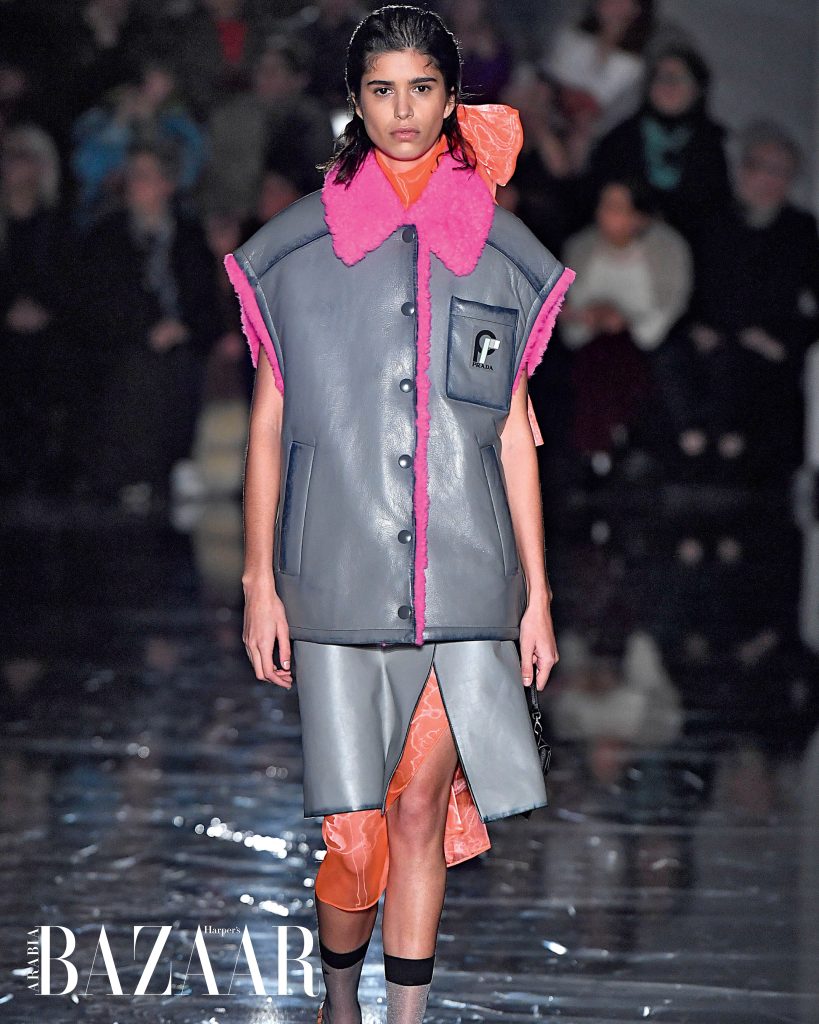
On her eBay watchlist? “Right now my fixation has been the Autumn/Winter 2002 collection. I’m obsessing over this one cropped leather jacket and the slouchy silk dresses.” The relative scarcity of these pieces makes finding them all the more joy-inducing. New York-based fashion historian Ruby Redstone recently scored a piece from her favourite Prada collection. “A mohair tank top with hand-beaded flowers from Autumn/ Winter 2017. I had been after it forever, and stumbled upon it when ducking into a consignment shop to escape the rain – total serendipity,” she says.
Ruby authors Old-Fashioned, a newsletter in which she shares her own historical research and fashion commentary, and regularly namechecks Prada as an enduring source of inspiration and reference point. I ask her what it is she loves about the Autumn/ Winter 2017 collection, in particular.
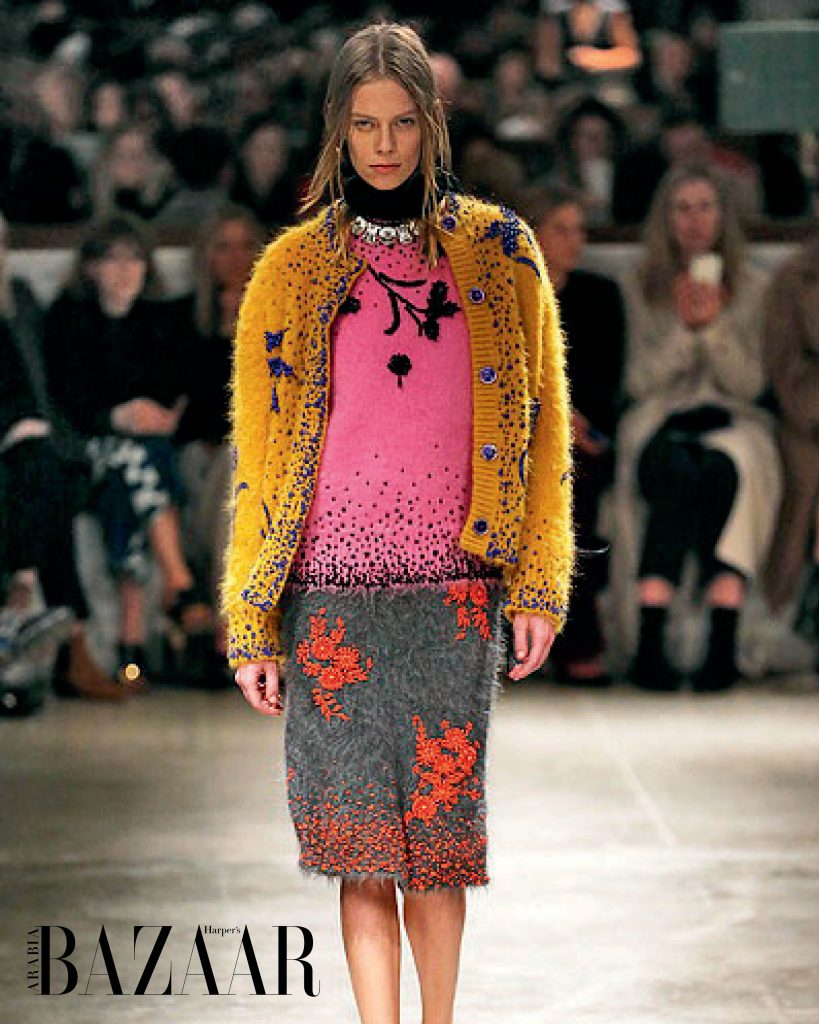
“It was one of Prada’s less commercially successful collections, but I find it perfect in every way,” she says. “It’s all the signature ‘unflattering’ elements of Prada kind of rolled into one: embellished mohair, heavy corduroy, fur newsboy caps, and skirts printed with cheesy romance novel illustrations by Robert McGinnis. I was reading recently that Miuccia Prada considers it her most personal collection, and I felt it made total sense that it was my favourite. It has all these myriad disparate details that somehow create a cohesive and emotional entire picture – just like a biography!”
Each collector I speak to favours a different piece or collection – a testament to Miuccia’s ability to conjure consistent desire, sometimes even more so in hindsight. “Every time I go back to look at a collection I loved, I end up finding something new to unpick,” says Ruby.
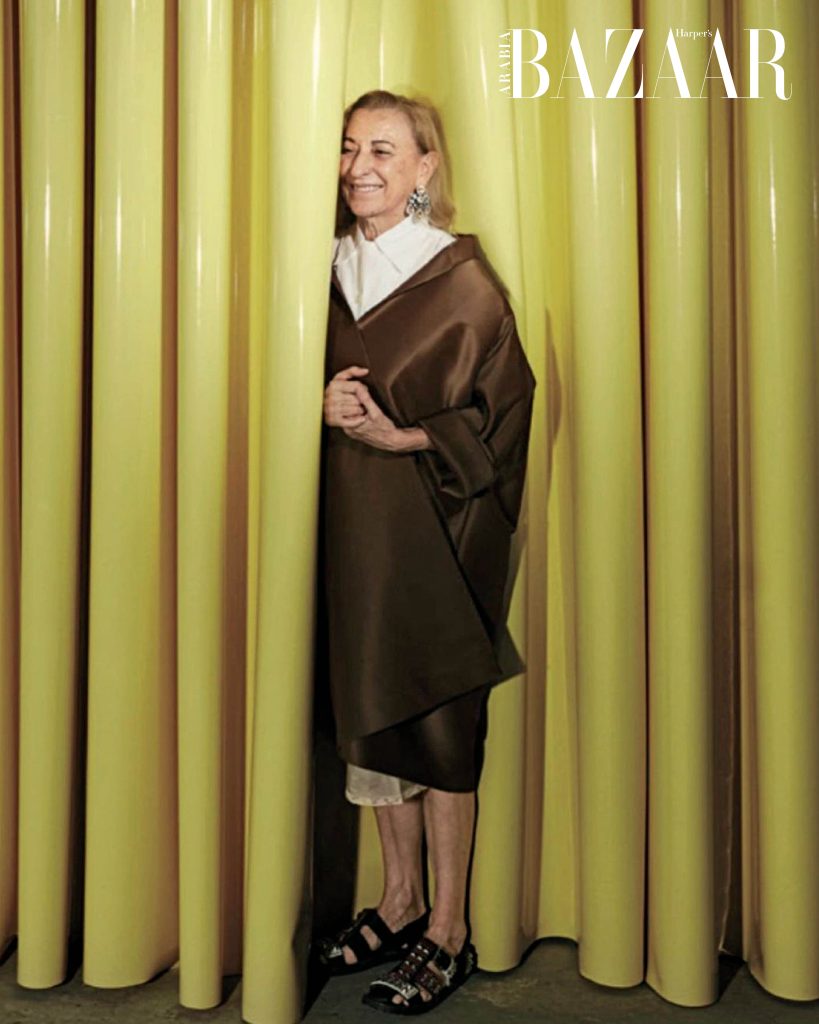
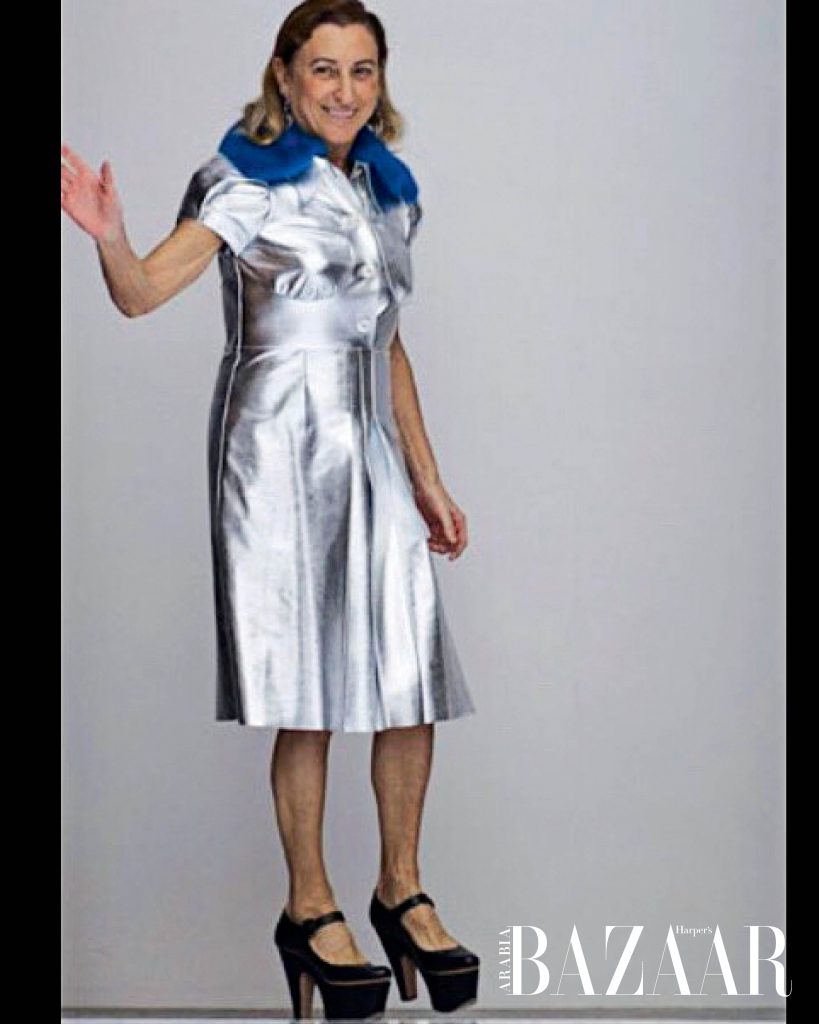
There are, of course, previous-collection pieces that have been immortalised (and thus rendered highly collectable) by the internet, easy to find on Pinterest and retired Tumblrs and, as a result, less often on resale sites – such is their digitally induced demand. Examples include SS00’s lipstick-print skirt, SS10’s chandelier shoes and SS11’s banana earrings, which Miuccia herself still wears.
Speaking of Miuccia’s personal style, it’s garnered a cult following of its own. This is largely thanks to the Instagram account What Miuccia Wore (@whatmiuccia), a comprehensive archive of Miuccia’s outfits throughout the decades.
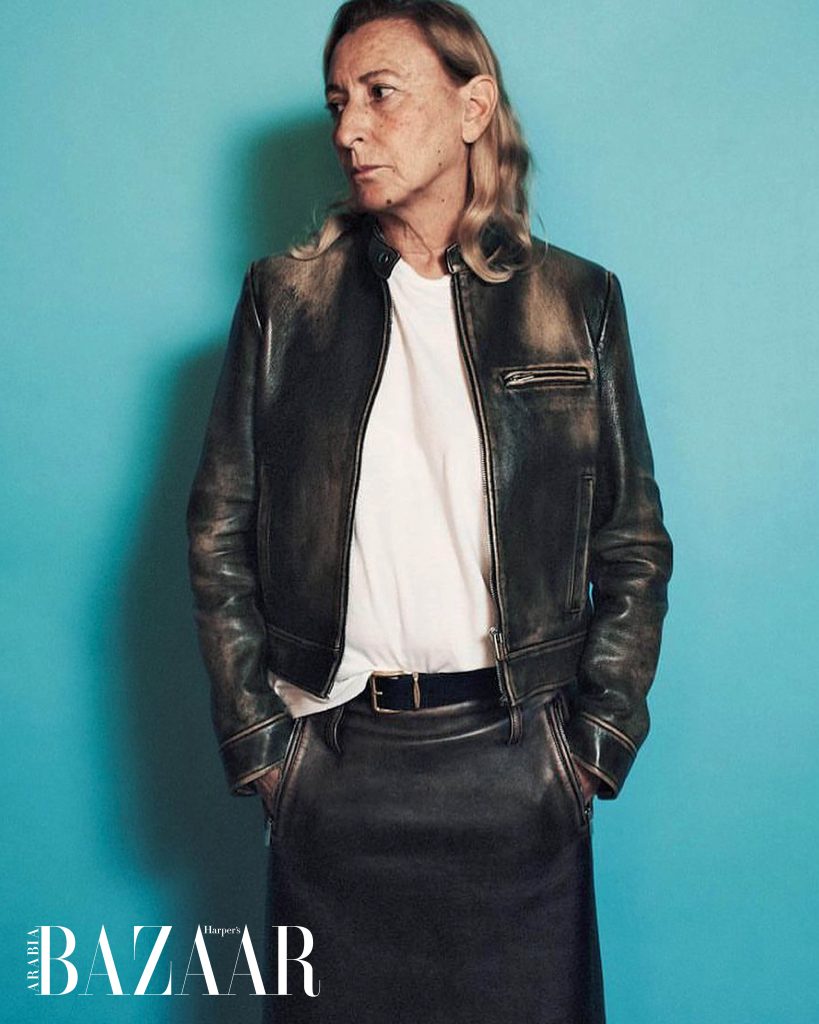
“I was always fascinated by [Miuccia’s] unique style and the parallel between her work and personal looks,” says @whatmiuccia founder, Guillaume Lavoie. “I got Instagram and discovered all these accounts dedicated to style icons. I was really surprised none were about Mrs Prada. I thought it would be interesting to document her style.”
What Miuccia Wore’s 45,981 (and counting) followers agree. The account has developed to include Guillaume’s show analysis alongside photos of Miuccia’s own looks, each item painstakingly ID’d by the author. “Pleated skirt, here in white cotton, raw-edged […] with Miu Miu SS22 leather belt,” he writes in a comment accompanying a snapshot of Miuccia in Paris. He identifies the coat as Miu Miu SS22, the disco sandals as Miu Miu Resort 2016 and even notes her cameo earrings.
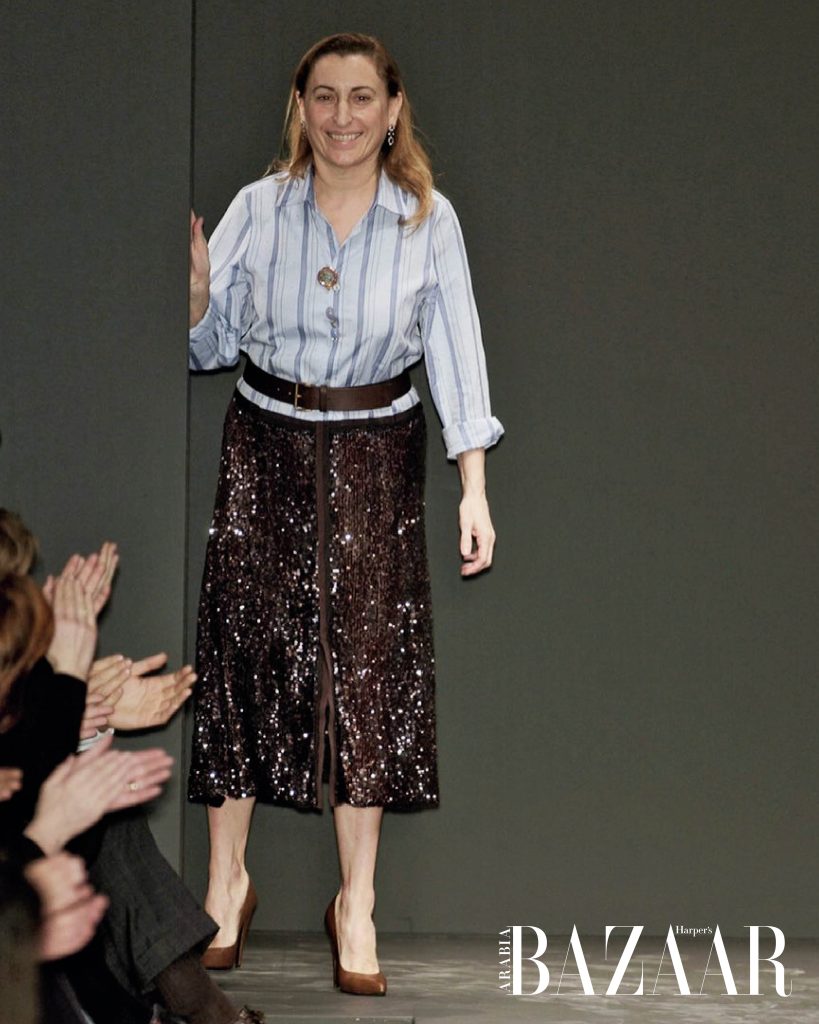
The level of detail is impressively forensic for a platform as ephemeral as Instagram, something I imagine Miuccia would approve of. Indeed, although the account is ‘unofficial’ as it were, its popularity captured the attention of Prada, who invited Guillaume to post from the Autumn/Winter 2020 show. “I met Mrs Prada for a minute but I was too shy to ask her anything,” he recalls. “I wish I had asked her what she thought of the account since it’s all about her image.”
In the past, Prada has been accused of being slow to get online. Thankfully, its newly engaged Gen Z customers have managed to coax the brand into the digital realm – all the way into Web3, in fact, with regular (sold out) NFT drops and an associated Discord community.
The brand’s Timecapsule NFT holders are also invited to attend exclusive physical events; last year, for example, community members were invited to a special installation by artist Damien Hirst, in Dubai. And as if that wasn’t proof enough that they are fully immersed in the digital universe, Prada even enlisted TikTok star Charli D’Amelio to be the face of Prada Linea Rossa – the label’s sports-inspired line – for Autumn/Winter 2022.

Uniquely, one is able to build a look that’s undeniably identifiable as the Prada uniform without the need for logo-adorned plaques or banana earrings, or in a pinch, any Prada items whatsoever, which is what makes the house’s aesthetic so beautifully democratic. Young Miuccia was a member of the Italian Communist Party, after all. Among the recurring characters on the Prada runway is the bookish knit (in cardigan or sweater form, usually grey), the unapologetically chunky loafer, and the librarian skirt – “one that hovered around the knee,” writes Susannah.
In 2004, the skirt even got its own travelling exhibition in the form of Waist Down. “We started with the skirt because the coat and skirt are the pieces I like the most,” Miuccia told The New York Times. “The skirt is a feminine symbol, and it’s also something you wear every day. It’s my T-shirt.” The designer’s obsession with uniforms is well-documented, and is ever-present throughout Prada’s collections.
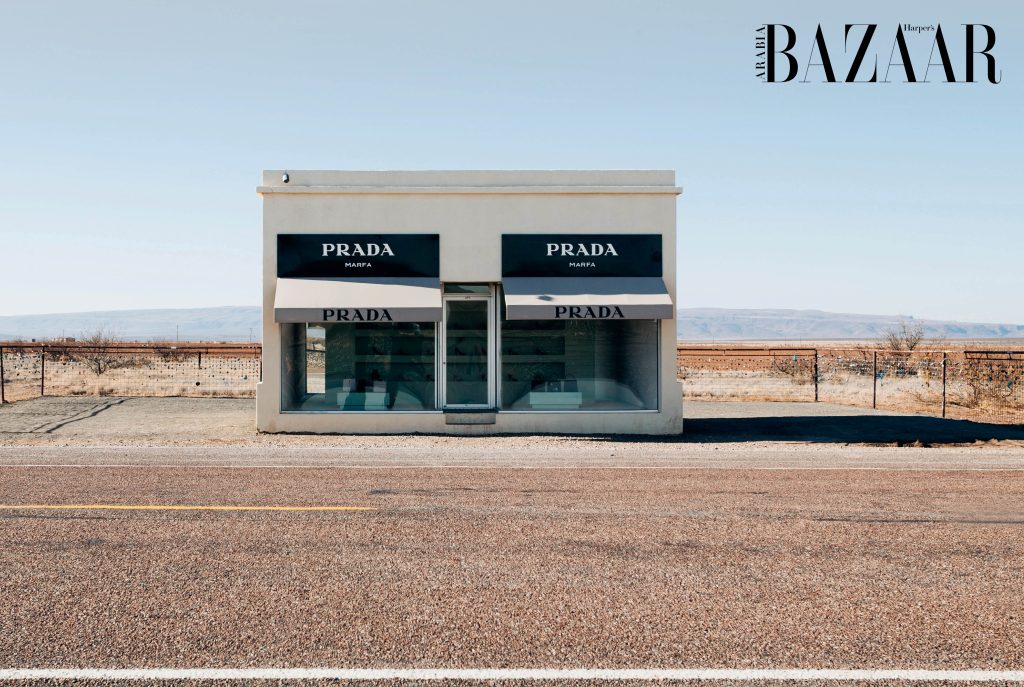
That’s not to say that Prada is ever predictable. What makes the brand as relevant now as it was in the ’90s are the unexpected dualities in each and every collection. Just when you try to pin Prada down – as journalists did when they fondly dubbed the Spring/Summer 1996 collection ‘ugly chic’ – Miuccia adds another unlikely juxtaposition to the mix. There was ‘clinical chic’ in 1995 and ‘sincere chic’ in 2000. The designer wasn’t very happy with the ‘ugly chic’ tagline (too reductive, perhaps) but she loved it when Women’s Wear Daily referred to the Spring/Summer 1991 collection as “The Flintstones meet The Jetsons.” It’s what Susannah calls ‘the Prada paradox’ and, as it turns out, it’s captured the attention of us all.
Images: Getty, Catwalkpix, Instagram @whatmiuccia, Photography: Shelby Cohron At Unsplash
From Harper’s Bazaar Arabia’s March 2022 issue.