
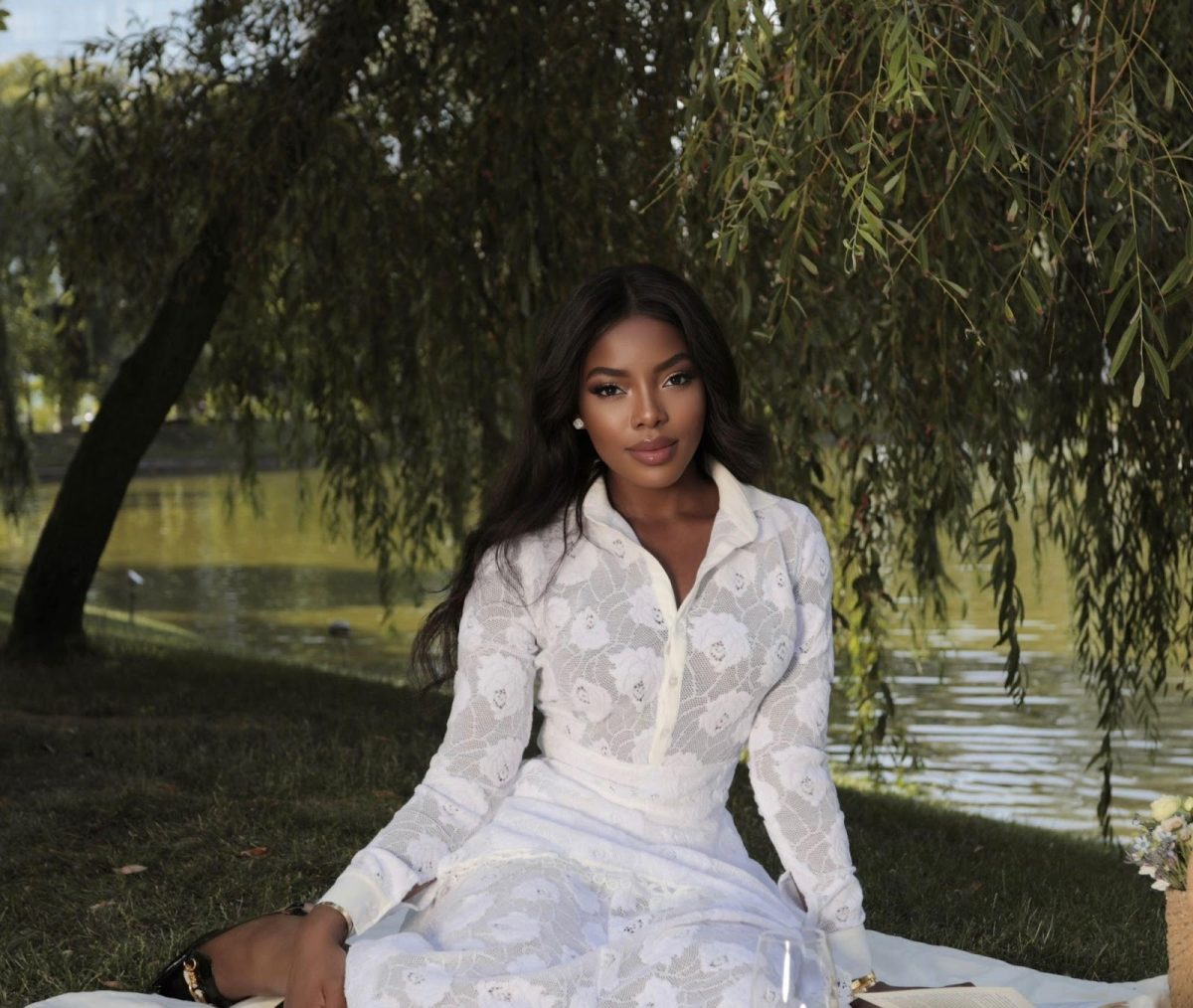
All Grown Up: Portia Antonia Alexis On Life After Influencing And The Future Of Luxury in Saudi Arabia
The British economist and mathematician analyses economic and consumer issues in the Kingdom
Portia Antonia Alexis shares her journey of what it was like becoming an accidental influencer and one of the first ‘academic influencers’ in contrast to the more traditional influencers of the fashion and beauty industry. She also reveals why she left it behind to focus on the consumer goods industry and academia. The young neuro-economist who has her eyes set on understanding markets better and providing reliable analysis for companies to benefit from, discusses the future of the luxury industry in Saudi Arabia for 2024 and beyond in an interview here.
All Grown-up Life After Influencing
How did you become an academic influencer, and what was your experience like?
That’s an interesting question because I never knew an ‘academic influencer’ could exist, which happened unintentionally. I started my Twitter and Instagram accounts in 2019 to share educational memes, posts, and books with my peers. It was a nerdy account that was only followed by my friends who were mathematicians or economists. We’d tag each other and laugh at memes we found about economics and share book reviews. At the time, I had no idea it would blow up. I found oddly that my followers were people interested in solving math and economic problems, and it grew and grew.
I had yet to learn that my core audience would be people studying math and economics both academically and out of general interest.
I also had no idea the pandemic would hit. When Covid happened my Instagram had 400k followers, and my Twitter had 50k followers, so 450k followers across all. I received messages daily from people globally asking me questions for help with their math and economics questions, book recommendations, all sorts. People were messaging me for help with equations, quizzes, and research. I was having people send me their various revision and homework notes for recommendations on how to solve math problems.
I got offered a book deal to write two economic and math books for teenagers and grew such that I couldn’t manage it with my actual work.
By the time the pandemic hit, there was a need for people to learn online, and as time went on, it became everything from math problems to essentially replacing the sort of conversations one would have with your cohort.
It got CRAZY. And I was doing everything to message everyone back but couldn’t keep up.
But it all paid off, especially when it came to getting a wealth of experience, which I believe is valuable in any field of work — credit to all of my engagements over time with professors, students, friends, family, and everyone else. For me, it was one step at a time, and now that I look back, I have so many people to thank.
Why did you stop posting educational materials on Instagram to focus on your career in consumer goods analysis and academia?
It happened naturally as the world stabilised and we returned to in-person learning. It was best for me as I didn’t feel I could keep up with my followers’ growth and demands, whilst pursuing my own career. I did not wish nor felt qualified to be an online teacher, a counselor, or a mentor to anyone. I was just a person who loved math and economics and wanted to share anything cool I found with others. But I was not equipped to handle the pressure and responsibility of the demands and I always wanted to ensure to answer every single question with the best answers and when I began receiving so many a day it was simply impossible.
As we moved back to in-person work after covid I also wanted to continue to pursue my career and growth in consumer goods analysis and academia, which are my passions. I have always been fascinated by how people make decisions, how markets work, how products are designed, how brands are built, and how trends are shaped. I wanted to apply my skills and knowledge to these fields.
I’ve focused on my work within consumer goods. In the consumer goods sector, I advise clients on consumer strategy, innovation, mergers and acquisitions, marketing, global expansion, etc. I also continued my research within neuroeconomics, the intersection of neuroscience and economics to analyze consumer behavior and why consumers make economic decisions when spending.
Taking time off a social media platform also gave me time for self-care. My work can be mentally very demanding and I’m incredibly technical, so it’s always nice to have time to just listen to your favorite music and cook your favorite food — yes, there are endless things to do.
How have you grown since returning to your industry?
I’ve experienced profound personal and professional growth. This journey has taught me the importance of depth in relationships and work. Consequently, I’ve become more attuned to my well-being, giving precedence to my health and cherishing moments with family and friends. My humility has deepened, and I approach life with heightened curiosity, open-mindedness, and gratitude. Professionally, expertise in the consumer goods sector and academia has expanded.
This transition has allowed me to focus on my holistic well-being. Self-care is crucial for long-term success and fulfillment. It’s a lesson I’ve come to cherish and advocate for. While it’s possible to set aside personal well-being for work momentarily, it’s not a sustainable or fulfilling approach. Maintaining this balance is advice I consistently share with others.
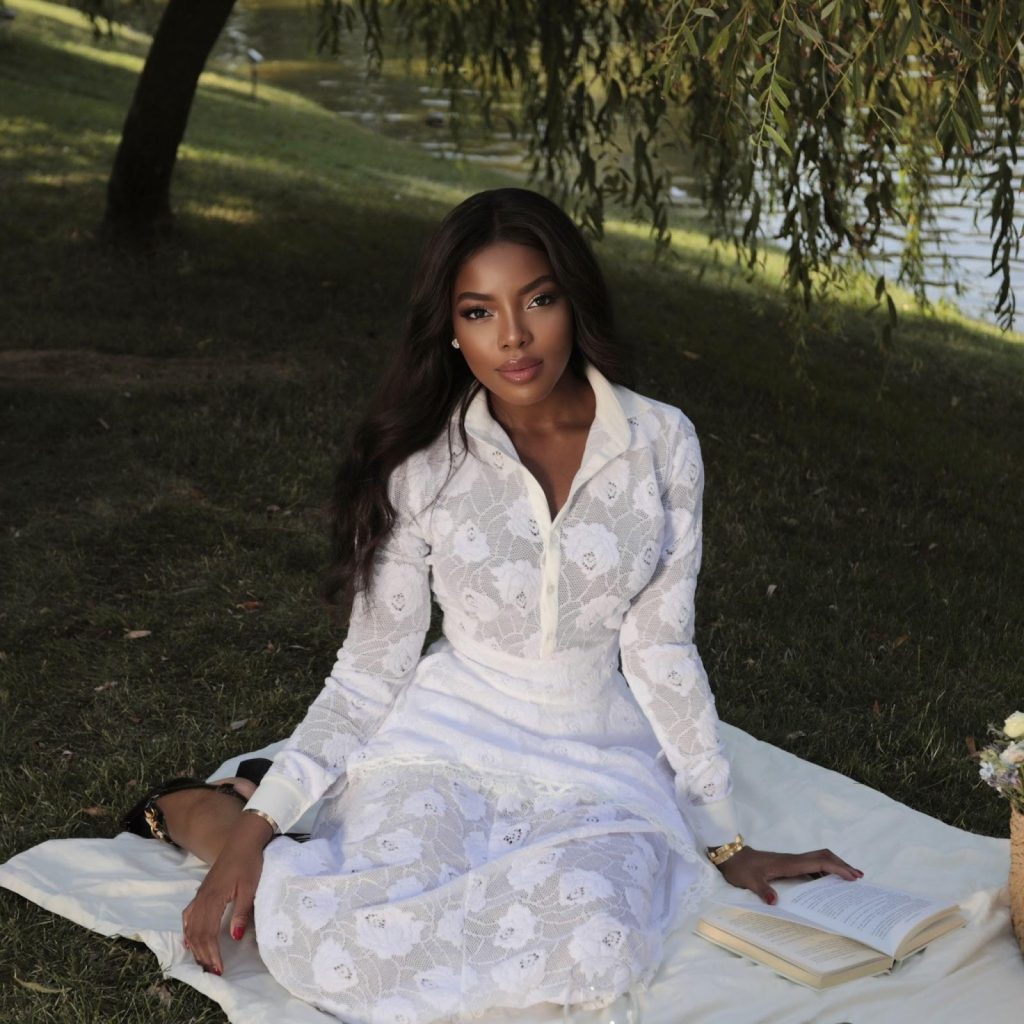
The Future of Luxury in Saudi Arabia
What are the main drivers of the luxury market in Saudi Arabia?
The luxury market in Saudi Arabia is intriguing, and many driving forces propel it forward. The nation’s demographic make up plays a pivotal role. KSA boasts a youthful and affluent populace with a strong inclination towards luxury commodities and services.
To paint a picture, a recent report highlighted that over half of the Saudi residents are 30 years old or younger, and intriguingly, the number of high-net-worth individuals (HNWIs) here is astounding, with 45 billionaires sharing a fortune of $200bn.
Delving deeper into the economic landscape, a visible push towards diversification exists. The nation is consciously veering away from its longstanding oil-centric model, casting its net over varied sectors like tourism, entertainment, culture, and sports. This paradigm shift undeniably opens new avenues for the luxury industry, which can tap into the great demand for lifestyle, leisure, and unique experiences.
It’s worth noting that the Saudi government is playing an instrumental role in this metamorphosis. They’ve introduced several measures, from enhancing tax benefits and streamlining visa procedures to aiding businesses that aim to usher non-Saudi professionals into the nation.
One must recognise the digital renaissance Saudi Arabia is undergoing. The nation is gearing up for holistic economic and societal progression by wholeheartedly adopting digital advancements and fostering innovation. Their substantial investment in fortifying internet services, e-commerce ecosystems, and online transaction methods is a testament to this.
A direct offshoot of these endeavours is the significant surge in online luxury sales, which skyrocketed from their pre-COVID levels. The revenue by companies in the luxury goods market came up to US$1,848.00 million in 2023, according to a report, with the market expected to grow annually by 3.91% till 2028. Complementing this is the country’s vibrant social media milieu. Platforms, ranging from Instagram and Snapchat to TikTok, have cemented their presence, serving as the preferred communication medium for consumers and luxury brands.
What are the main challenges of the luxury market in Saudi Arabia?
Navigating the luxury market in Saudi Arabia does present its unique set of challenges. Understanding and adapting to the nation’s deep-rooted cultural sensitivities is paramount.
You see, Saudi Arabia, inherently conservative and with a rich Islamic heritage, enforces stringent norms concerning attire, gender interactions, or alcohol consumption. These cultural paradigms often pose constraints, particularly for luxury categories such as fashion, beauty, and spirits. Hence, for luxury brands aiming to make their mark, it becomes crucial to approach the market with respect and adaptability, ensuring their offerings and communications harmonise with the local traditions and values.
From a market dynamics standpoint, the luxury sector in Saudi Arabia is undeniably competitive. With many local and global players vying for the consumer’s attention, standing out in such a saturated market becomes challenging.
Luxury brands must bring their A-game, ensuring they offer top-tier quality and carve out a unique space for themselves. And, in a market where consumers are evolving rapidly, becoming increasingly discerning, and having elevated expectations, brands must stay agile, continually realigning with the shifting preferences to remain relevant and desirable.
What are your predictions for the future of the luxury market in Saudi Arabia?
In contemplating the future trajectory of the luxury market in Saudi Arabia, I foresee a period of robust growth and transformation steered by a few discernible trends.
There’s a palpable shift towards sustainability and social responsibility. The modern-day Saudi consumer is increasingly mindful of the footprint of their purchases, both from an environmental and social standpoint. They’re gravitating towards luxury brands that are transparent about their processes – from sourcing to distribution – and are also demonstrably committed to sustainable and responsible practices. For luxury brands to resonate with this discerning audience, it’s imperative that they not just adopt these values at a foundational level but also articulate them effectively to their patrons.
Another trend that’s particularly heartening to witness is the burgeoning appreciation and support for local talent. There’s a renewed pride in the Saudi identity, culture, and heritage, manifesting in consumer preferences. They increasingly seek luxury commodities that echo their cultural nuances and national aspirations. This presents a golden opportunity for luxury brands to intertwine with local artists, designers, and entrepreneurs, crafting offerings that genuinely resonate with the Saudi consumer.
The digitisation wave, coupled with a thirst for unique experiences, is shaping the luxury landscape in the country. Today, Saudi consumers yearn for immersive, sensory experiences when they engage with luxury brands. Simultaneously, there’s an expectation for seamless accessibility to luxury, bridged by robust digital channels. For brands, the onus is creating rich, personalised experiential realms and ensuring their digital offerings are impeccable, catering to the tech-savvy Saudi consumer.
How do you think the intersection of tradition and modernity will shape the luxury market in Saudi Arabia?
The intertwining of tradition and modernity is a fascinating dynamic that has always been at the heart of Saudi Arabia’s cultural evolution, and this interplay will influence the luxury market in multifaceted ways.
As Saudi Arabia stands on the precipice of Vision 2030, a strategic framework aimed at reducing the nation’s dependence on oil, diversifying its economy, and developing public service sectors, this modern vision carries implications for the luxury industry. The juxtaposition of age-old traditions with current aspirations means luxury brands have a unique opportunity to craft a narrative that pays homage to the past while embracing the future.
Traditionally, luxury in Saudi Arabia involved an opulent aesthetic; however, the new-age Saudi consumer, educated globally and rooted deeply in their culture, is redefining it. It’s no longer just about the brand’s name or price tag. It’s about the product’s story, craftsmanship, and connection to cultural heritage.
Luxury brands that seamlessly integrate Saudi’s rich history, with its tales of Bedouin tribes, ancient trade routes, and majestic architecture, into their modern offerings will gain a significant edge. This blend will appeal to the older generation, who cherishes their traditions, and the younger demographic, who are global citizens and take immense pride in their heritage.
The modern Saudi woman, empowered with opportunities than ever, will be crucial in shaping the luxury landscape. Brands that recognise and cater to her evolving role balancing tradition with modern aspirations, will stand out.
In essence, the future of luxury in Saudi Arabia will be a harmonious blend of the old and the new, where brands that can strike this balance will thrive in an environment rich in history and forward-looking in its aspirations.
Follow Portia Antonia at twitter.com/PortiaAntonia
ITP Media Group newsroom and editorial staff were not involved in the creation of this content.
Images supplied