
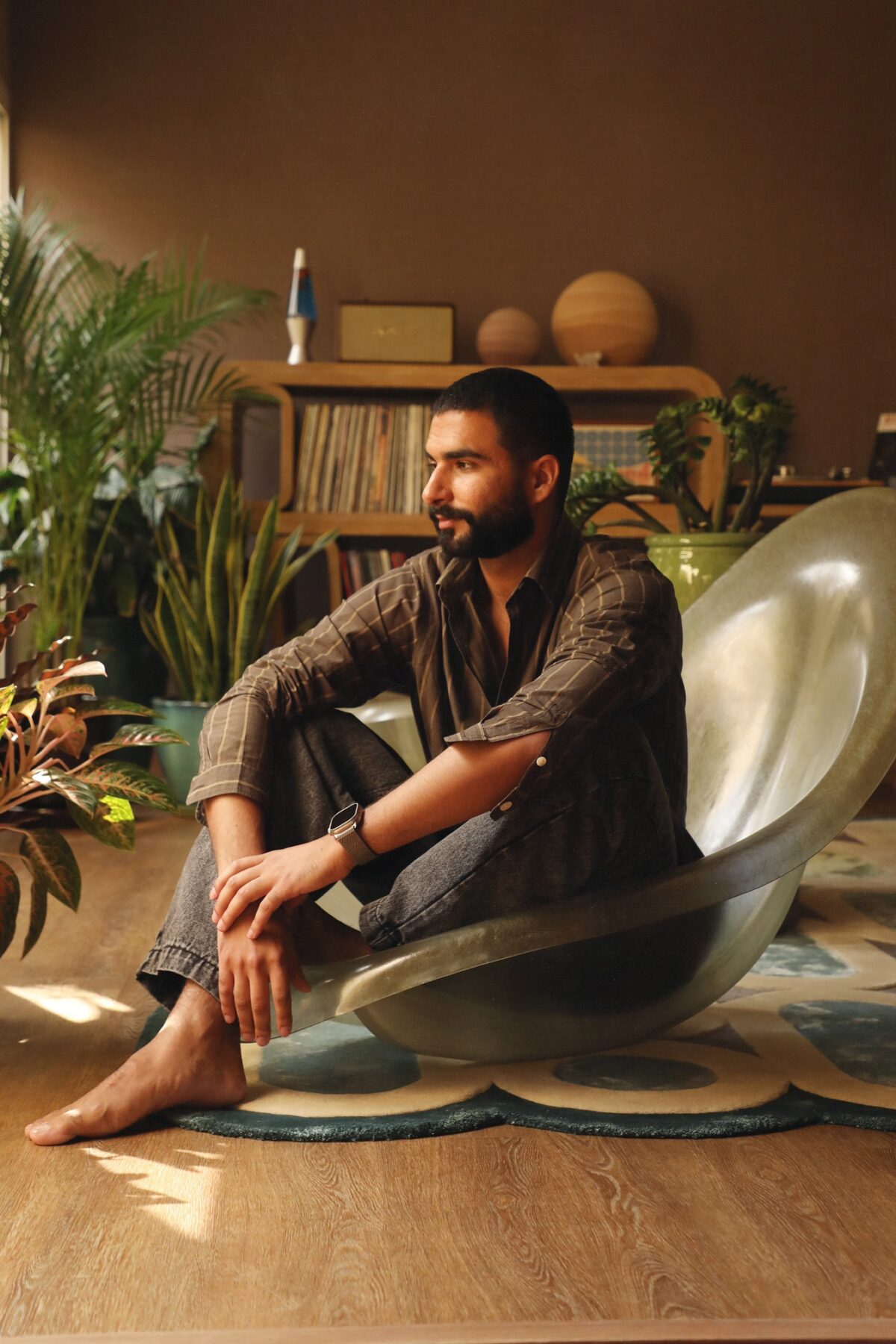
Emirati Furniture Designer Omar Al Gurg Shares Lessons From Kilimanjaro: Everyman’s Mountain
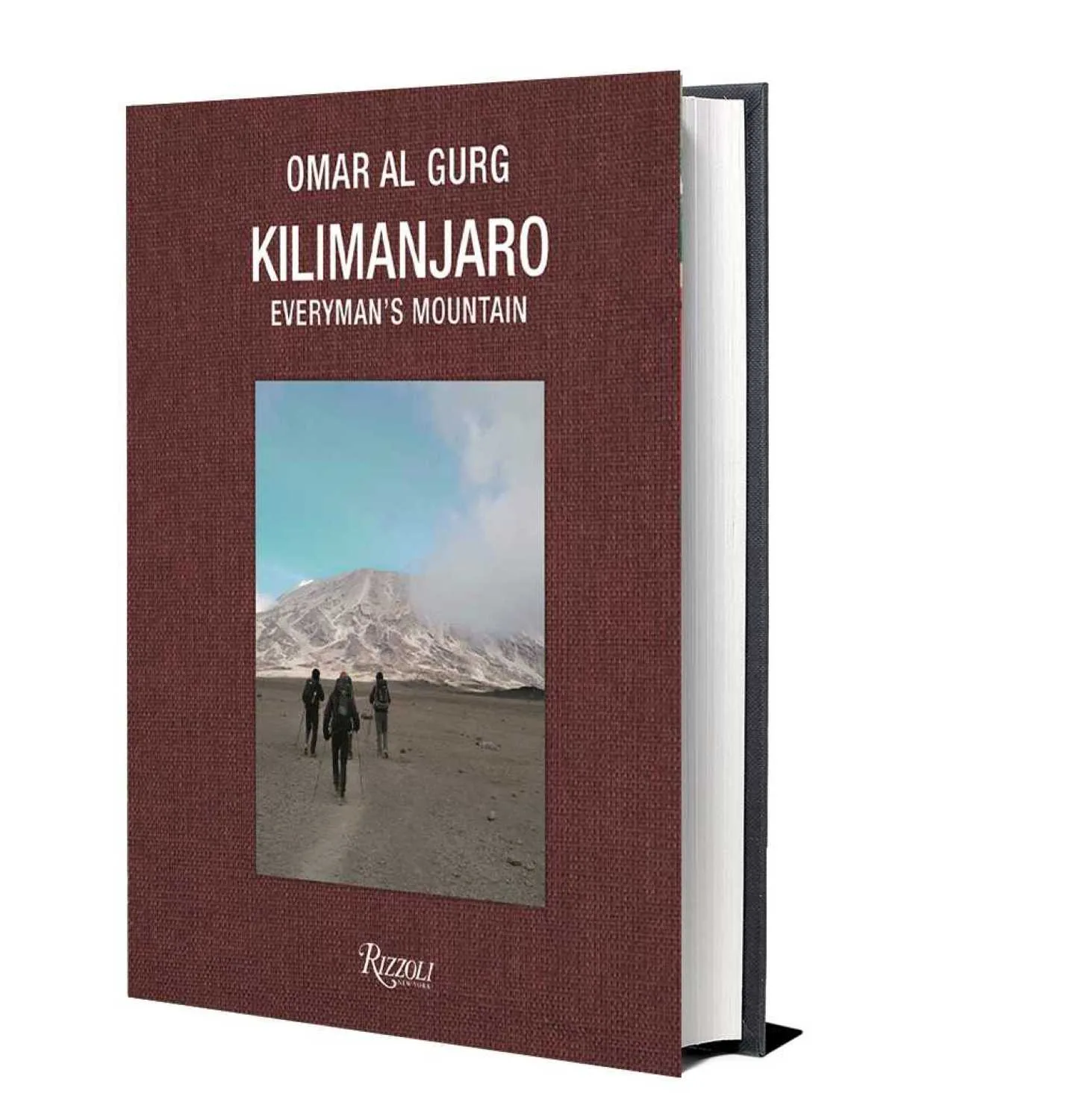
Emirati furniture designer Omar Al Gurg talks about his new book, Kilimanjaro: Everyman’s Mountain, and how capturing the world through a lens shapes the way he creates
Travel, photography, design… how do your worlds collide?
They’re all rooted in the same thing: curiosity. Travel is about adventure and stepping into the unknown, photography is about slowing down enough to appreciate a new environment and design ties everything together by taking what you learn through these experiences into something that can be meaningful for everyday life.
What came first?
Photography – it taught me how to notice details, textures, light and proportion, things that are easy to overlook. That naturally carried over into my approach to design, which fulfils a different part of me. Then travel is a wonderful nourishment for the mind and soul.
You call photography a meditative practice, distinct from your background in design. How so?
They satisfy two completely different parts of my personality. Design is about problem solving, and you’re always thinking about function, materiality and how the final product will exist in someone’s life. Photography asks much less of me – it allows me to observe without feeling the need to change or improve anything. I think the shift in mindset is what makes photography feel meditative. When I’m behind the camera, I’m fully present and not thinking about anything else. But they of course influence one another.
Which of your traits are apparent in both creative fields?
Observation is probably the biggest one. I’m always paying attention to the little things, such as the way light falls across an interesting surface. I’m also quite patient in both disciplines. I don’t mind waiting for the right light or spending a few extra days or weeks refining a product until it feels right. Neither photography nor design rewards rushing.
In what ways has travel shaped your design perspective?
I always come back with a better understanding of how people live, and what they value. Every place has its own rhythm that’s shaped by its climate, culture and traditions. Seeing that reminds me that there are many ways to design and the best design always belongs to the place and the people it’s created for.
And what about photography?
It’s reinforced that same way of thinking. I learned how to observe before I document, and by the time I pick up the camera, I’ve probably already spent enough time taking everything in. I think that patience has made me a more considered designer. Instead of trying to make a statement, I like to design objects that feel honest and timeless. Things that people genuinely want to live with.
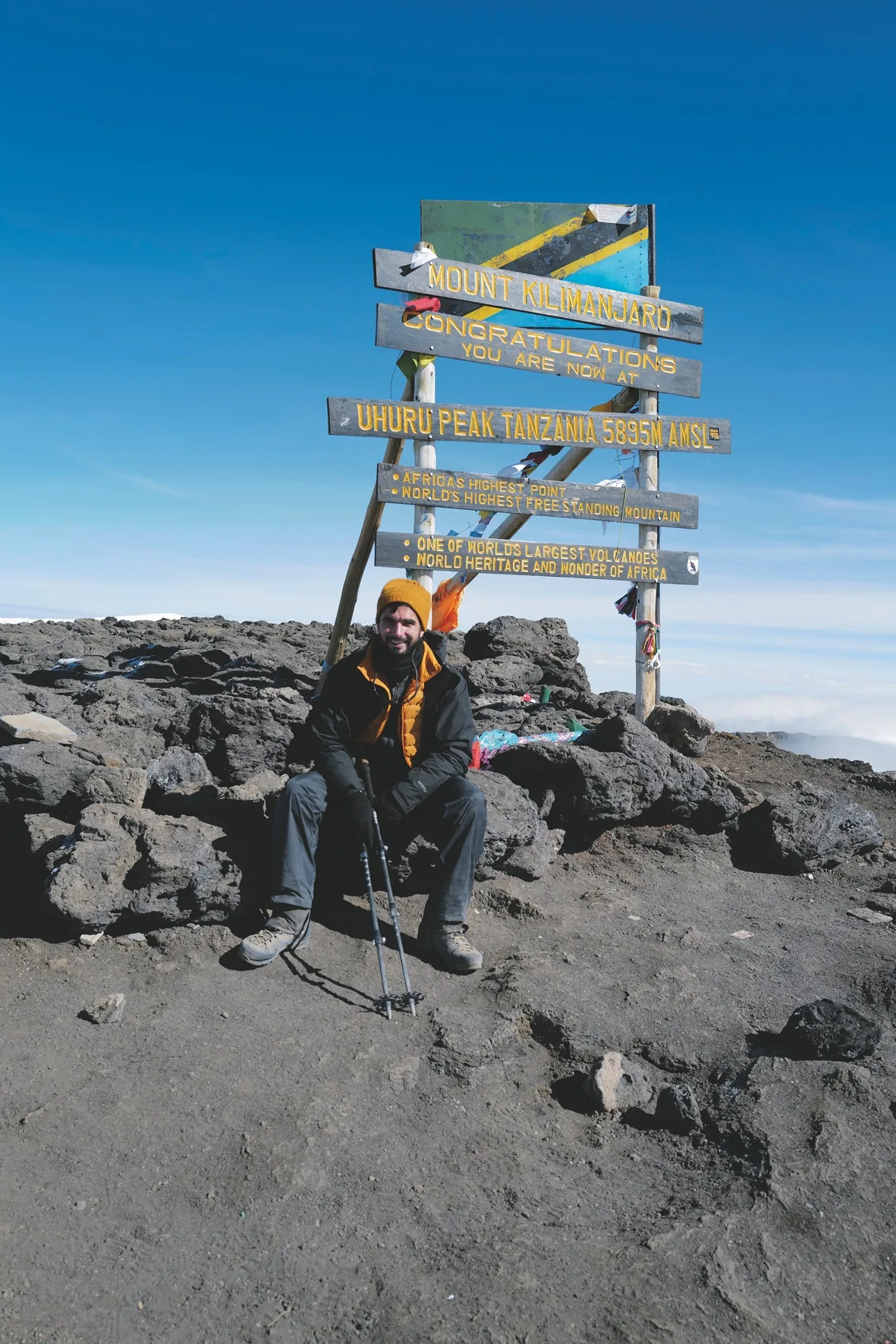
You climbed Kilimanjaro in 2021 – what impact did that journey have on you?
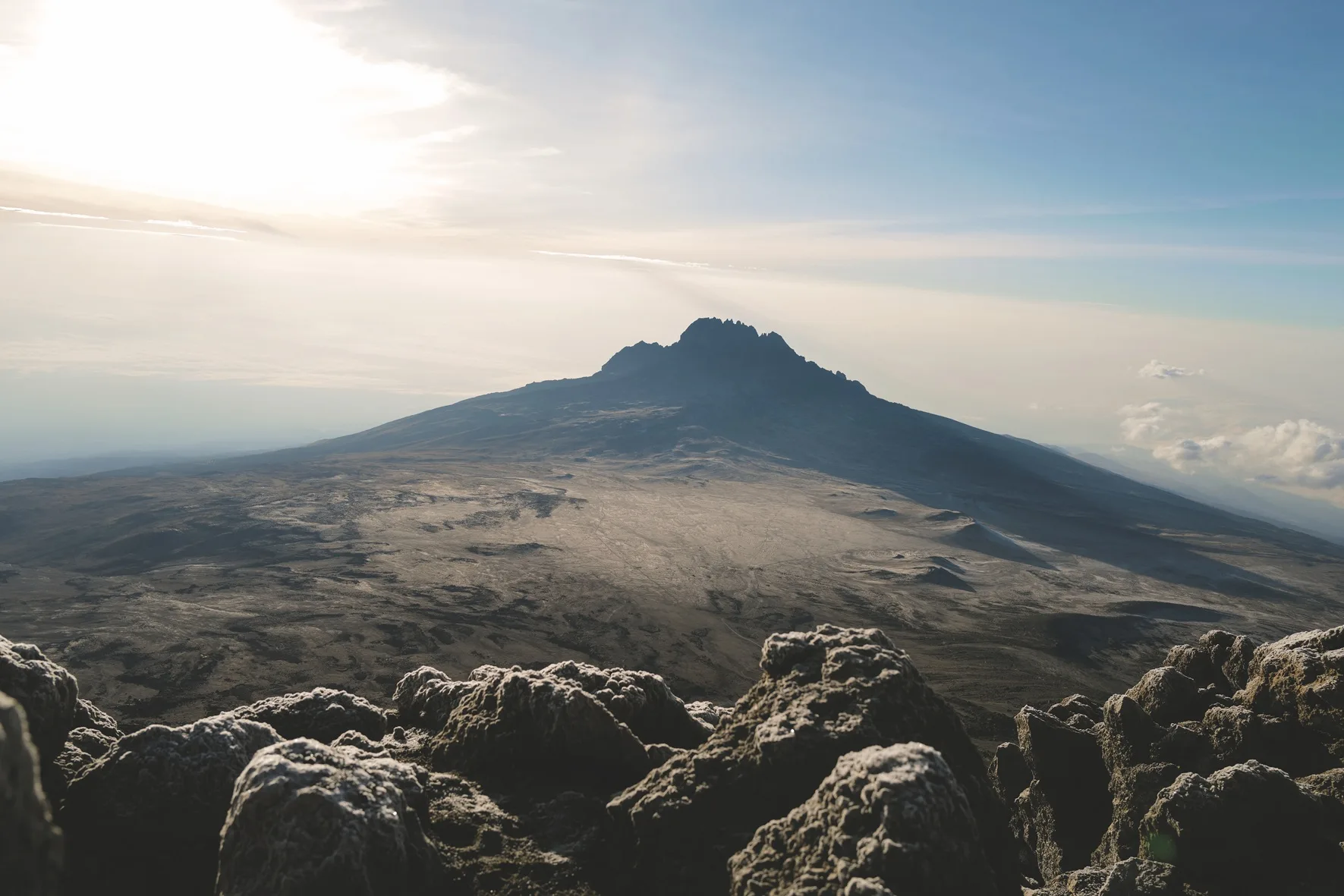
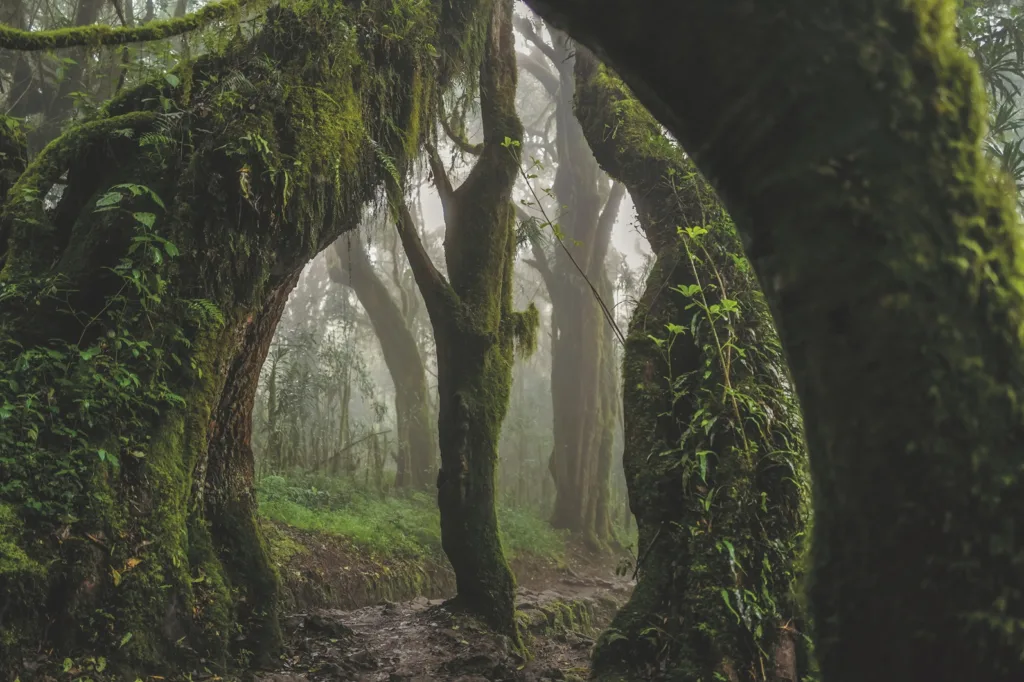
It gave me a real appreciation for just how resilient nature is. The landscape changes dramatically through each ecological zone, and yet every single environment has found its own way to thrive. It’s a reminder that nature is incredibly adaptable. Creatively, the experience reinforced the importance of slowing down. The mountain doesn’t reveal itself all at once, and photographing it became less about chasing the perfect image, and more about documenting that gradual change and transformation. The summit wasn’t the greatest reward. It was everything that happened on the way there, and on the way back down.
You said that the hike allowed you to slow down and appreciate the smaller things. In what way?
It’s made me more comfortable with taking my time. Some ideas take time to develop and the best thing you can do is sit with them rather than rushing to a solution. The experience reinforced the idea that good design doesn’t demand your attention, it quietly earns it.
Which place has inspired you the most?
If I had to choose, I’d say places like the Seychelles and Zanzibar, there’s a calmness to both. I find I do my best thinking when I’m somewhere that allows me to slow down. Being surrounded by nature and living at a different pace creates space for ideas to surface naturally. I return feeling clearer and more connected to what I want to create.
Lastly, how does Dubai fuel you creatively?
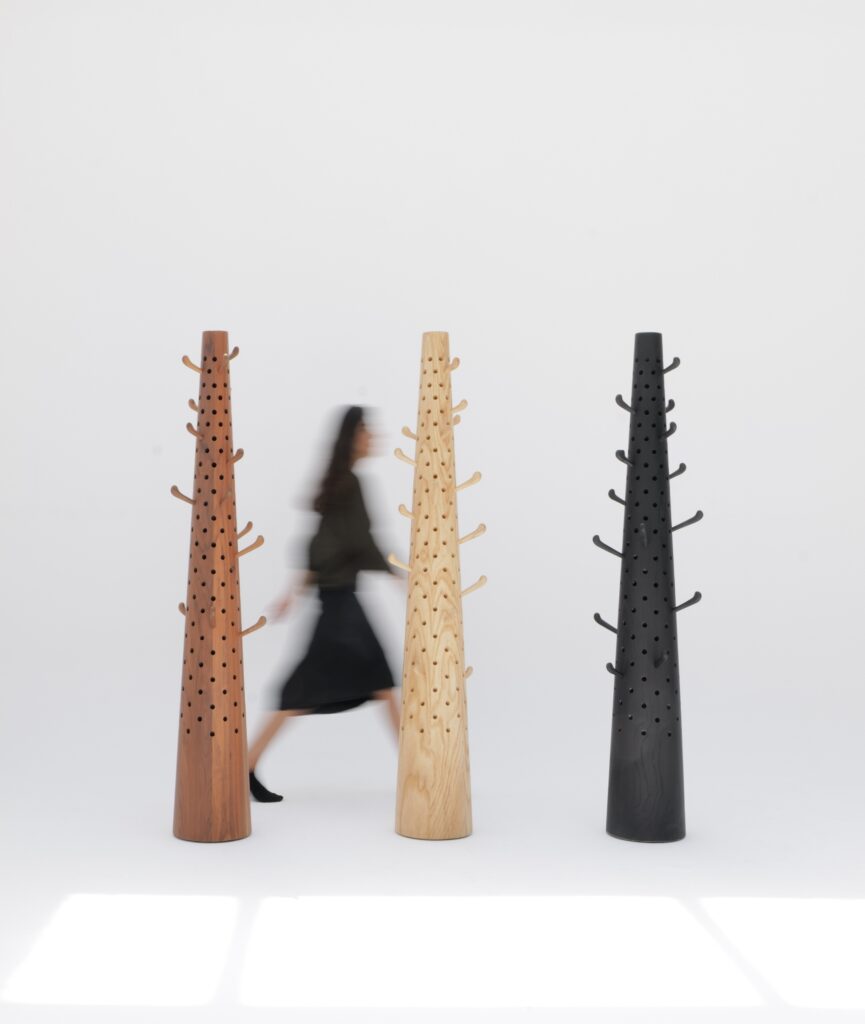
Dubai will always be home. I’ve watched it evolve, but my favourite memories are still the simplest ones that remind me of my childhood – the older neighbourhoods, the sea, heading to the desert. The city’s openness inspires me, where so many cultures and perspectives live side by side. It’s shaped the way I design, teaching me to be curious and open-minded. I often think, if I can create spaces or objects that bring people together, even for a short moment, then I feel like I’ve contributed to something worthwhile.
Images Supplied
Lead Image Credit: Emirati designer and founder of MODU Method, Omar Al Gurg
From the Harper’s Bazaar Arabia Interiors Summer 2026 issue