Skin Deep: Dr. Sheila Nazarian On Being A ‘Therapist With A Knife’
Netflix’s new series Skin Decision: Before and After has a refreshingly different point of view, and an equally powerful pair of female presenters set on defying the entire genre
How many of us have been hyper-analysing our facial angles on Zoom? With lockdown a mainstay and video calls a lifestyle, there’s been a sharp uptick in the desire for face and eye lifts – if not by way of actual numbers, by way of general dissatisfaction and discourse. And as timeliness goes, if you turn on Netflix right now, it’s likely you’ll see Skin Decision: Before and After staring back at you on the home screen under top picks.
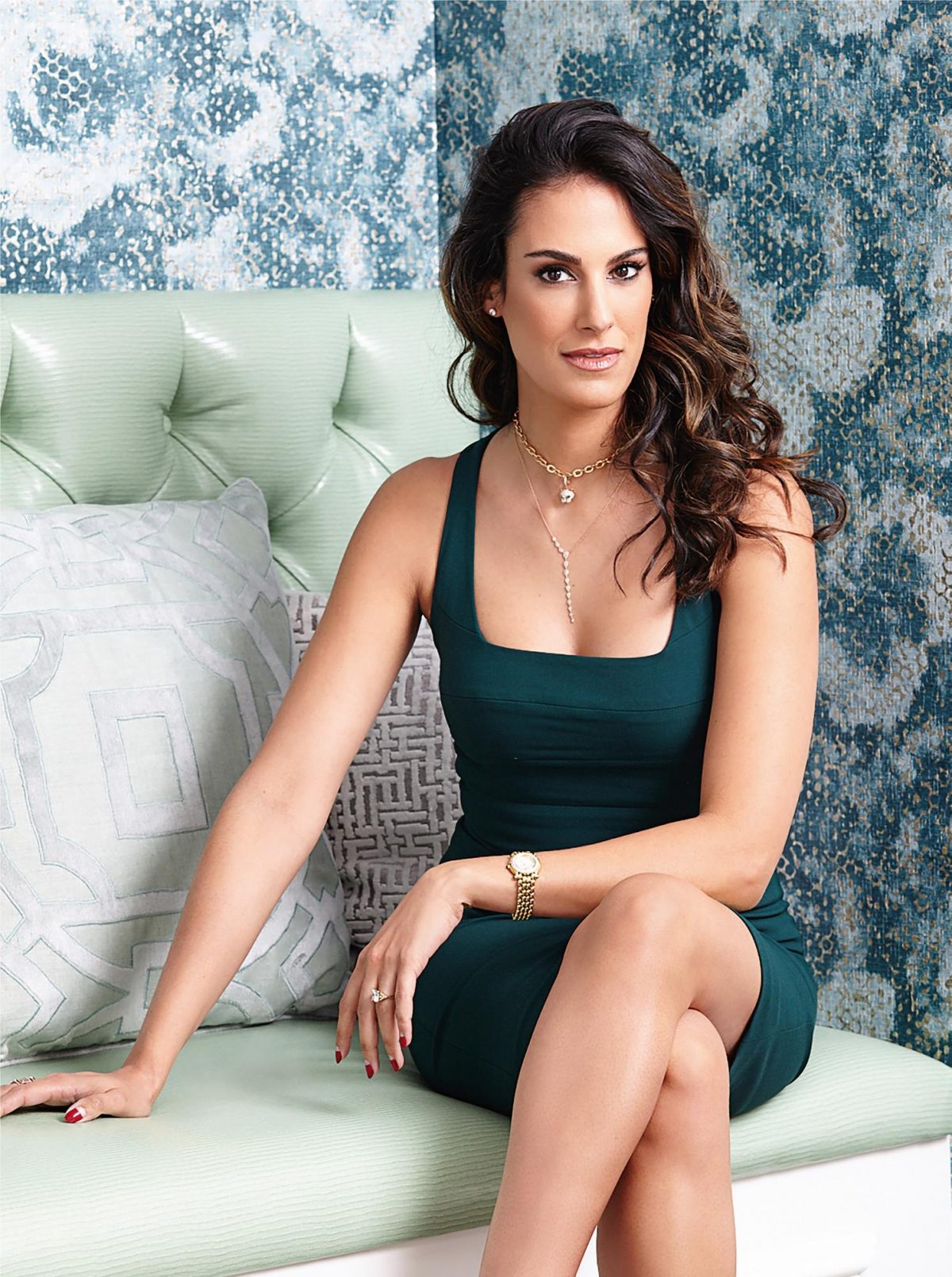
The show – joining a roster of cosmetic content – is a compelling watch, off-setting the stinging stigma surrounding the extremities of plastic surgery. Presented by plastic surgeon, Dr. Sheila Nazarian and skincare expert, Nurse Jamie Sherrill, the show eschews “brainless”, vanity-focused viewing in favour of “something more cerebral and wholly honourable,” Dr. Nazarian shares over Zoom with Bazaar. In an attempt to rewrite LA’s reputation of being a hotbed of selfie-takers, the show isn’t about defying the effects of gravity in a bid to be ageless.
The medical realities of cosmetic work have become a matter of public interest the world over in a catalogue of reality shows documenting the literal insides of people going under the knife to feel good in their own (or otherwise) skin. Unlike the usual offerings of perfection-driven shows based on the desperate necessity to hold on to the things that give women value, Skin Decision isn’t complicit in exploiting people’s insecurities. Moving away from vapid and unrealistic wish lists, the show is built on hard-hitting, life-altering stories where the carefully selected patients are given a chance to remove or at the very least, recourse the stories on their bodies, be it bullethole wounds or the scars from a slashing attack.
In spite of the graphic reminder of what patients are willing to endure in pursuit of transformation, Dr. Nazarian is prudent to not “make a spectacle of the patients” and to temper realistic expectations. Coming from a conservative Persian community, she was also walking a tightrope on what is considered appropriate and inappropriate within her own world. “It’s not like I’m one of those people who doesn’t have a lot at stake and nothing to lose,” she says. The show expressly celebrates the diversity of shape, colour and background, without fetishising one particular class, body type or perceived problem area. “I wanted the series to be meaningful and really move you.”
From residency to her now widely lauded reality show, Dr. Nazarian is “elevating the industry by showing exactly what plastic surgeons do and the level of impact we have on people. The timing of the show’s release was perfect because it was during the height of lockdown. Plastic surgeons are not considered essential workers but aesthetics is essential. We are doctors, just like any doctor.” To land in this moment now, Dr. Nazarian pushed through a punishing schedule – as well as three babies during her residency.
The hours were off the scale: “It was 120 hours before the rules changed to 80 hours a week. But being an outstanding surgeon isn’t enough anymore – especially for women. We have to advocate for ourselves even more and shout from the hills. I supplemented my knowledge by going to business school, so I have a deep understanding of marketing,” she notes.
And yet still, Dr. Nazarian received a bevvy of backlash pre-show for being ‘too successful’ by way of having a strong and magnetic Instagram presence, forcing her to “dim [her] light” for several years until she reconciled with herself and became a figurehead for female surgeons to know their worth. “The industry needed a loud person who says and shows how good they are at what they do,” adds Dr. Nazarian. “I want to be the voice that educates the world about what it is we actually do. And this show has really been a step in that direction.”
It’s tempting to dismiss plastic surgery as a narcissistic endeavour in place of other self-improvement ideas like cognitive behavioural therapy or life coaching, but Dr. Nazarian’s practice is built on the premise of a ‘no work, work’ look akin to the ‘no make-up, make-up’ look – the touted, ‘Natural by Nazarian’ method. As she says on the show, “We make people be the best version of themselves.” No matter how invasive the procedure is, the results complement and enhance the natural form, and facilitate an outside-in healing process.
The emotionally charged series (and outside of the show’s operating parameters) has naturally positioned Dr. Nazarian as a “therapist with a knife”, she says, where empowering women to take ownership of the decisions they make for themselves is part of her remit. One qualm her patients often vocalise is the guilt for investment in thy self. “I’ve noticed in Middle Eastern women, especially my generation and older, they feel the investment should be towards their children and not themselves. I always ask women, ‘do you want your daughters to feel that way about themselves? Do you want your daughters to feel guilty for investing in themselves?’ – that’s why I started injecting myself on my Instagram to show people that it’s absolutely OK to do this for yourself.” Some wise words from a truly positive powerhouse.
From Harper’s Bazaar Arabia’s September 2020 issue