
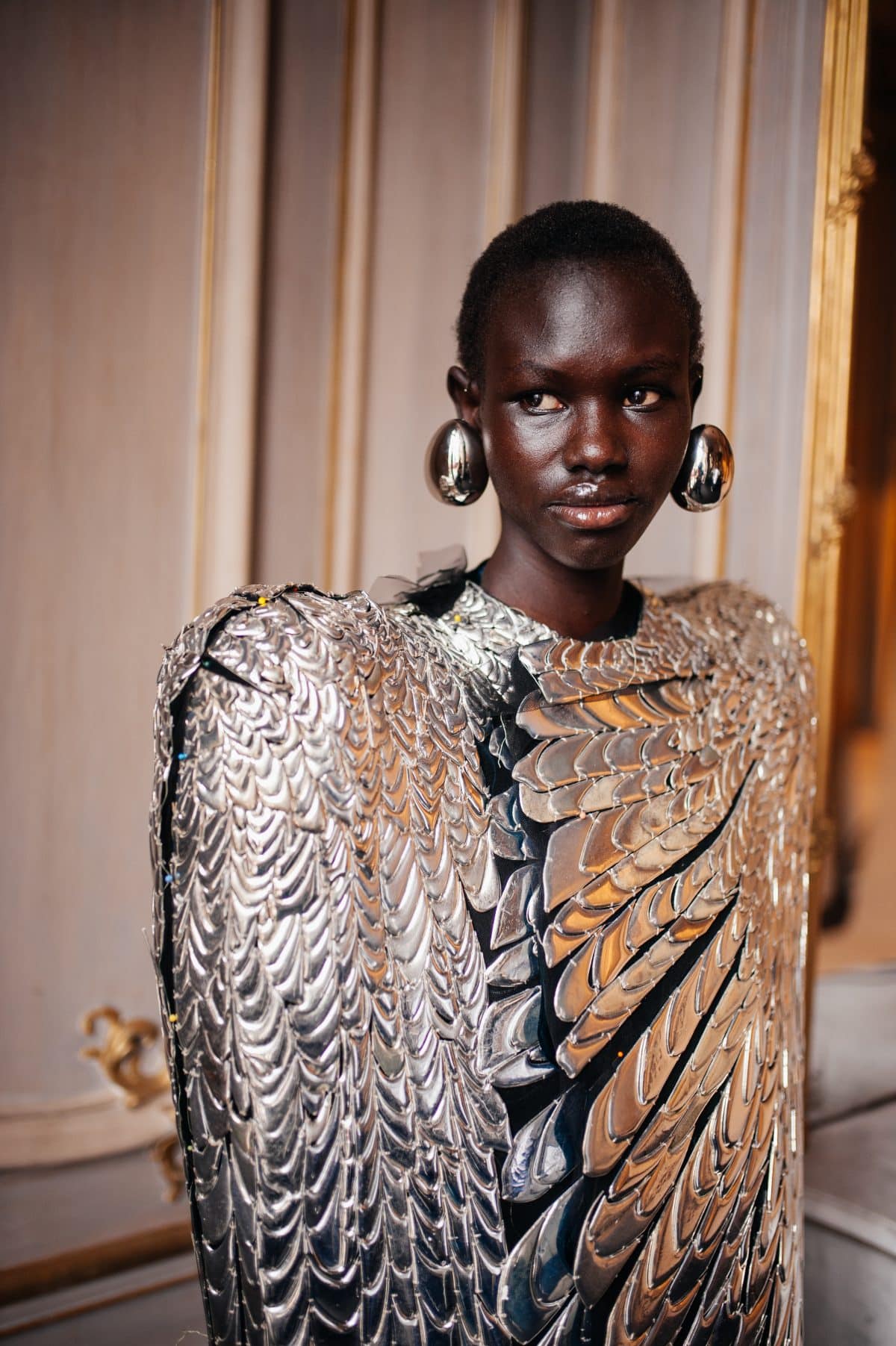
Behind the Seams: Inside The Making of An Haute Couture Collection
From the expert artisans to the craftsmanship behind each piece, Bazaar Arabia explores how fashion most coveted pieces are brought to life…
When it comes to the making of an haute couture collection, you’d be forgiven for thinking that the grand couturier, the title used to indicate the artistic director of a fashion house, is the most important person in the process. Of course they are integral, yet these one-of-a-kind collections are only made possible thanks to the skill and technical ability of a very small group of international craftspeople living in Paris.
Who Are Les Petites Mains?
If you have any interest in high fashion, you’ve probably encountered the term les petites mains. A French phrase that translates to the little hands, it refers to a group of highly talented artisans who are tasked with bringing haute couture designs to life, and it is in part thanks to their handiwork that allow couture houses to charge the high price tags that they do – from Dhs35,000 for a simple dress to Dhs4 million for the most elaborate of gowns.

Taking on average around four months to make, from an initial sketch to the catwalk, all couture collections start with the grand couturier deciding on a theme. Members of the design team are then required to do research, using their expertise to suggest techniques for achieving specific effects before the designer can sketch out his or her designs, which are then presented to the atelier head.
Unlike ready-to-wear, haute couture garments are made without a flat construction or pattern, but with a toile instead — essentially a prototype that is created of a garment to test the design, pattern, proportions, internal structure and placement of embellishments before the garment is made up in the final materials. Once signed off and the designer agrees to proceed to the next stage — the creation of the dress in its final fabric — that’s when les petites mains step in.
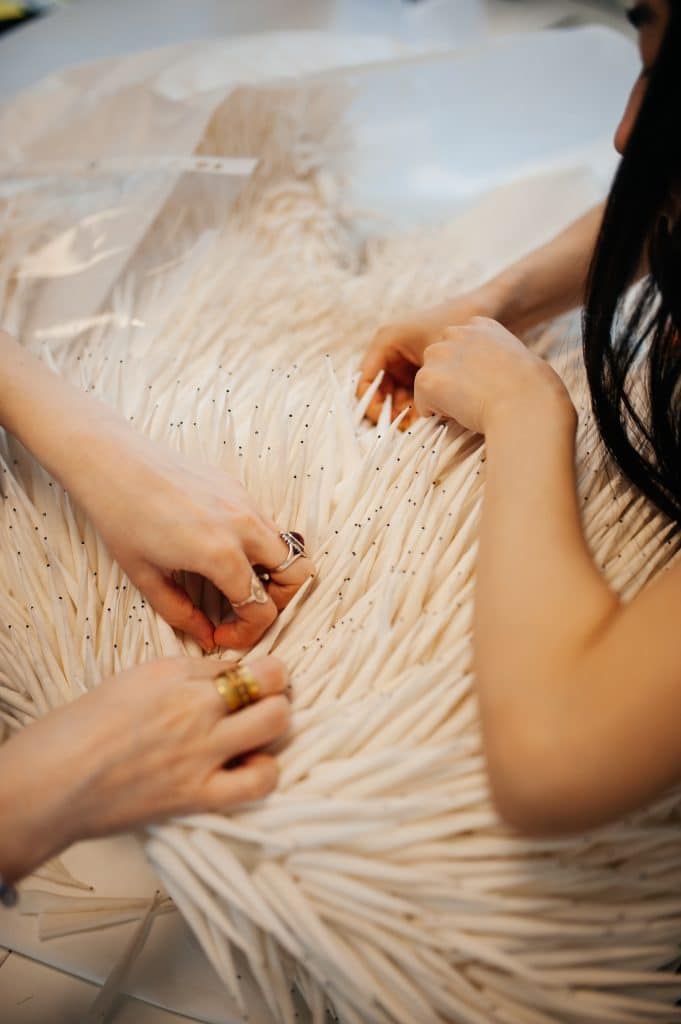
There are generally known to be two types of les petites mains: those who work in tailoring — physically making the garment — and those who work in sourcing, designing and making the fabrics that will see the designer’s vision come to life. According to the criteria required to merit the official haute couture label, a house is required to employ a minimum of 20 of these seamstresses in its atelier with larger houses like Dior, Elie Saab and Chanel employing at least twice this number as fashion week approaches and the work schedule becomes increasingly intense.
In fact, it’s not uncommon for three teams of seamstresses to work around the clock, each working eight hours a day.
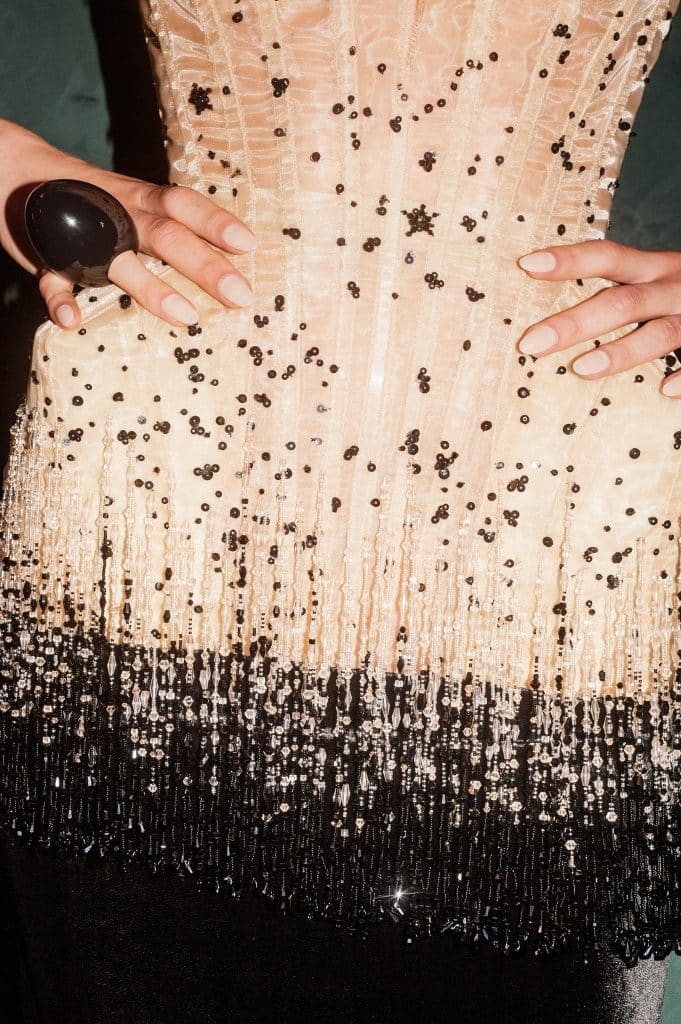
As to be expected, these aren’t your average seamstresses. It takes around ten years of study and professional practice to meet the standards required, and there are currently only around 2,200 petites mains in practice. Experts in all major elements of haute couture including embroidery, pleating, buttons, fabric flowers, feathers and jewellery; they create dresses that require several hundred hours of labour in total, with those embroidered or covered in sequins the most time consuming of all. What’s more, it’s not unusual to have up to 10 women, occasionally even more, work on a single dress.
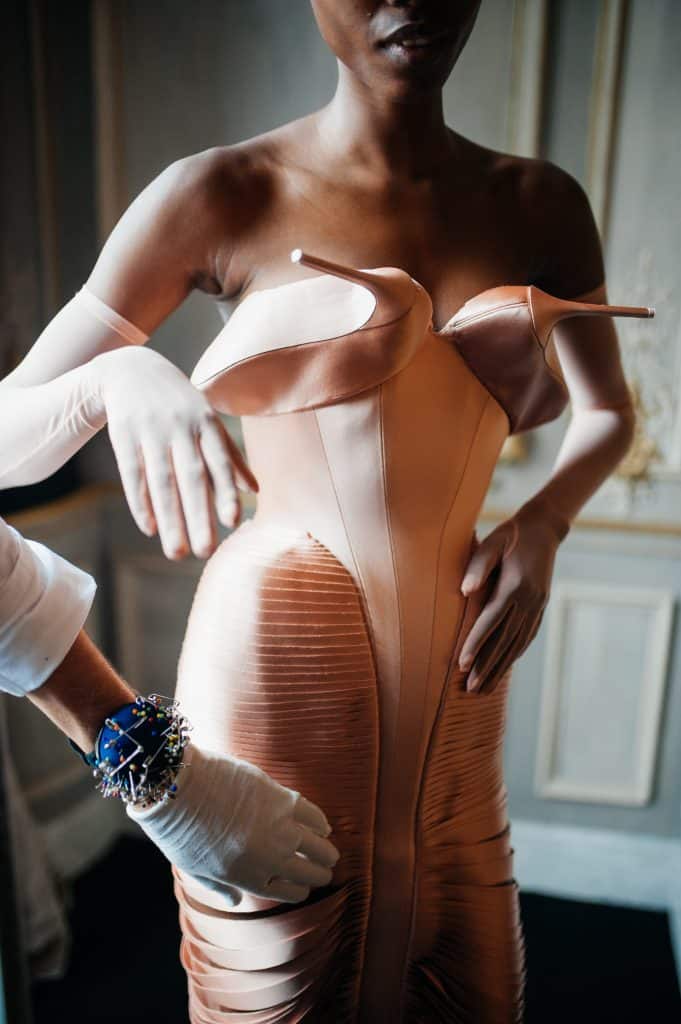
How Does A Seamstress Become A Petite Main?
Like many traditional trades, the skills of les petites mains are frequently handed down through generations, with many families of seamstresses remaining devoted to a specific fashion house for many years. That said, it wasn’t until 2016 that a designer truly celebrated the fierce loyalty of these unsung heroes of the fashion world, with Karl Lagerfeld putting them centre stage for Chanel’s A/W16 couture collection. In a touching tribute to the House’s employees, the Grand Palais was transformed into a replica of their workshops with tables, sewing machines, mirrors, pins, fabrics, multi-coloured threads, toiles and mannequins recreated down to the smallest detail. The seamstresses themselves were even brought onto the stage to plenty of applause.
As technologies advance to inject new excitement into the world of haute couture, there’s worry that the future of these incredible craftspeople may soon be at risk, with 3D printing, laser cutting and robotics making designs that no human seamstress, however skilled, could ever sew.
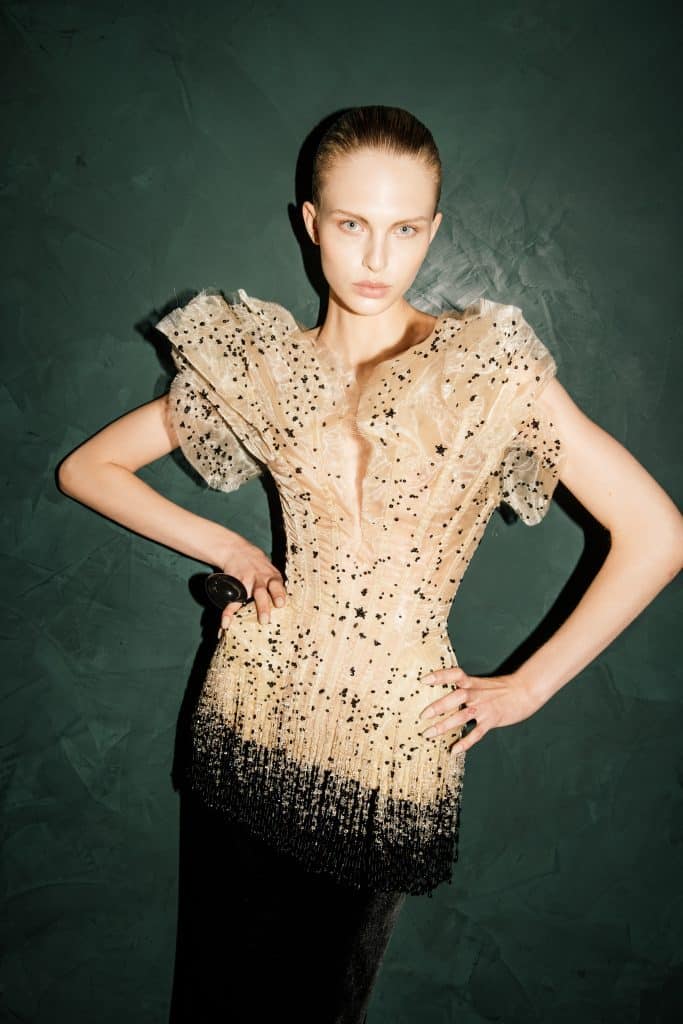
That said, we can only hope that true luxury designers will continue to view them as what they truly are – the ultimate purveyors of fashion excellence, craftsmanship, and creativity.
Haute Couture Week 2024-2024: Read More Here…
Haute Couture and the Royals: A Love Affair of the Ages
What is Haute Couture? Inside Fashion’s Most Exclusive Club
From Catwalk to Canvas: The Role of Hair and Make-Up in Bringing Haute Couture to Life
Images from Schiaparelli Haute Couture Autumn Winter 24/25
