
Diva At The V&A: What You Need To Know Before You Buy Tickets
It’s time to reclaim your inner goddess and start living large – outrageous demands and all – as a new exhibition charts the social, political and cultural impact of the diva
“She is such a diva.” Accompanied by a tut, an eye roll and a disapproving sneer, being called a diva has come to be an insult, an absolute slur. It implies outrageous, selfish, demanding and stroppy behaviour, from a woman, because it’s always a woman. The modern incarnation of the diva seems far from the original meaning of the word. Stemming from the Latin for deity, echoed by the Italian meaning – goddess – diva was a natural fit to describe powerhouse performers in the world of pop music, film and theatre throughout the last century, before those negative connotations started to slide into the divas’ DMs. Opera singer Maria Callas is probably the world’s best-known diva and Rihanna takes the title today. Umm Kulthum, “the star of the East” was a complete diva, as was Sabah, crowned with the nickname, “the diva of music.”
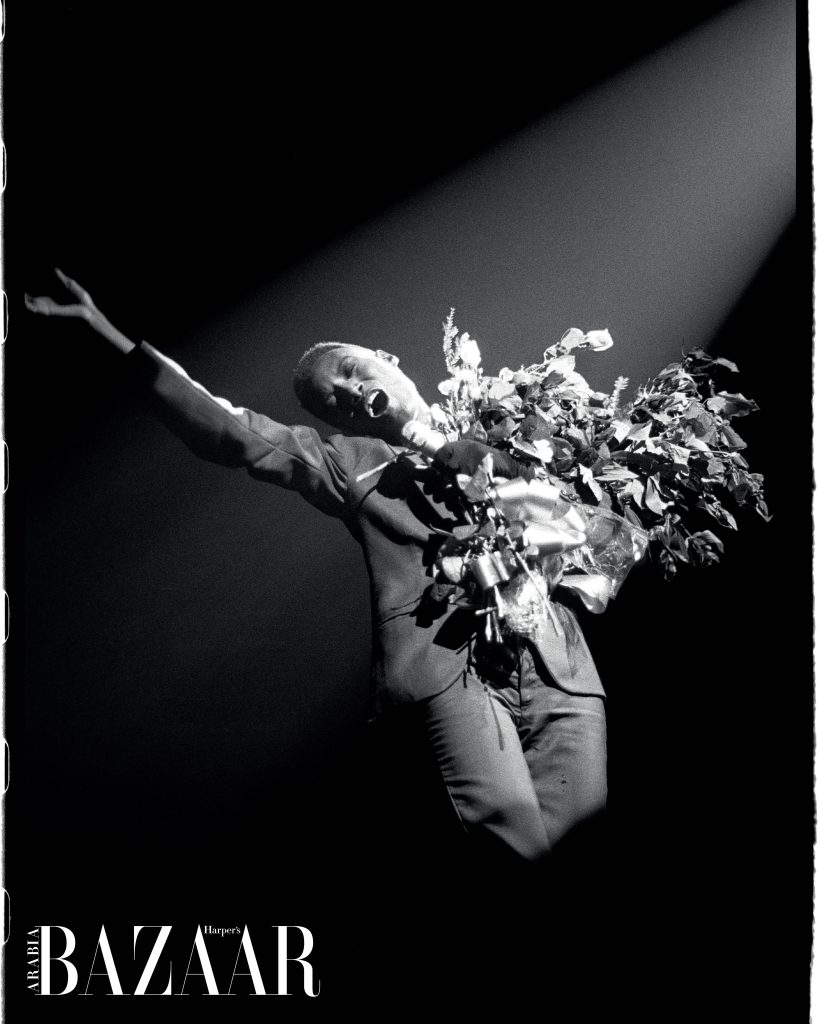
Today, divas are larger-than-life cultural icons. Whether singing about their hopes, dreams, loves and lusts or portraying femme fatales on the silver screen, the diva is more than a strong archetype or sexy caricature. A true diva’s performance is incandescent and resonates far beyond the medium of her art. Divas know their own mind and aren’t afraid to get whatever their heart desires. They can also morph into myriad guises, as their stagecraft requires, and know the power that their political views can hold. We should all be a little more diva-ish in our everyday lives.

In the early part of the 21st century, there were just a handful of divas, a rare coterie of legendary performers… but as the cinema industry boomed and pop music exploded onto the collective consciousness, more and more divas appeared on the scene. Likewise, as more women across the entertainment world received the diva tag, it’s fair to say that their, shall we say, quirky characteristics, grew too. The diva became synonymous with outrageous demands and mercurial behaviour. Madonna erupted into rage when she was sent hydrangeas – her most despised flower – and requests a brand-new toilet seat at every venue she plays. J-Lo apparently requires all-white decor in her dressing rooms and that her coffee is stirred counter-clockwise while Mariah Carey, who delights in her diva tag, has a long list of idiosyncrasies including refusing to be seen under florescent lights without sunglasses and wearing heels in the gym as she “can’t” wear flat shoes. Apparently her feet “repel them.” When asked to fly on a budget airline, Mariah acquiesced but promptly booked out the whole plane so she could travel alone. Although we would do the same, if we could. #Goals.
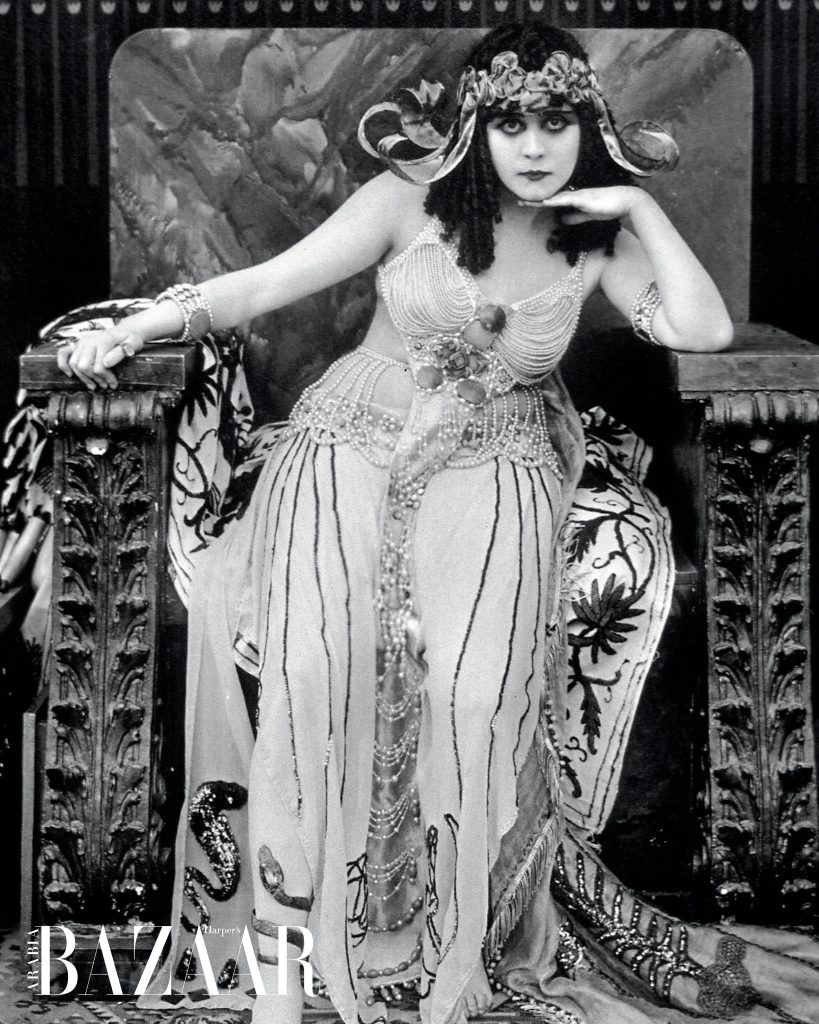
But at times, it seemed that the diva’s power as a performer was sometimes at risk of being overshadowed by scandalous gossip and revelations of requests for puppies to pet in their dressing rooms… Yet the diva soldiered on. Her dedication to the art of showmanship is irrefutable. Although, tellingly, there isn’t a male equivalent of the diva. Strong men are ambitious, determined, leaders… their demands are seen as evidence of their status. Conversely, when women ask for what they want, it’s always seen as a sign of being difficult. But if you don’t ask, you won’t get. And why wouldn’t you want to snuggle with a basket of fluffy puppies after a draining performance?
It’s clear that the misogyny in labelling these creative women negatively in their role as conduits for all the emotions humanity experiences is unbalanced. Divas can bring their audiences to tears with a single note while a glance can cause viewers to bask in transcendental joy. The diva might have grown into an overblown cartoon, but the tide is on the turn. It’s time to reclaim the diva as the dynamic changemaker the world needs right now. Everyone wants to slay… We’ve all learned to contour (paying homage to O.G. divas like Cher and Naomi Campbell)… And being a girl boss is the first rung on the ladder of any dreams of female entrepreneurship.
Diva Exhibition At The V&A
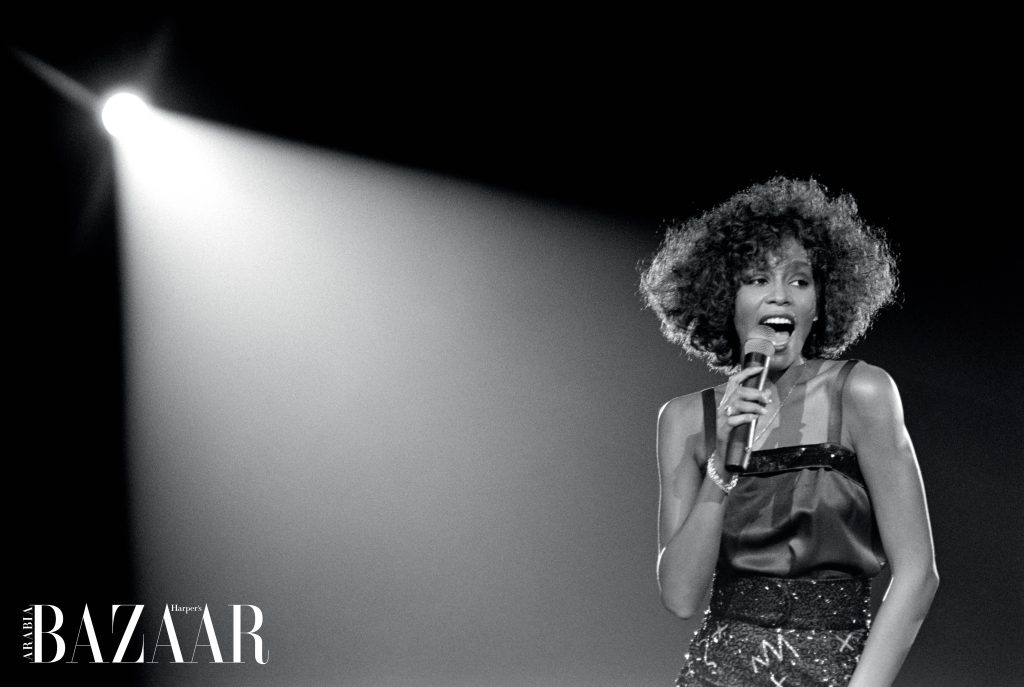
In London, a new exhibition at The Victoria & Albert Museum aims to reset the diva’s reputation on every level. DIVA is an immersive exploration across fashion, photography, music, costume and performance that will allow visitors, guided by a sonic headset experience, to get up close with some legendary pieces of diva memorabilia, including a dress worn by Marilyn Monroe in Some Like It Hot and the diamanté-studded wellies donned by Dame Shirley Bassey when she took to the main stage at Glastonbury.
“It’s an overdue subject to be explored,” Kate Bailey, performance curator at the V&A explained to Harper’s Bazaar Arabia. “‘Diva’ has become omnipresent, so it felt like the right time to examine the term, look at the origins and reclaim its performance context. It’s great to have this moment to recognise and celebrate the artistry of these iconic performers [too]. We celebrate female artists throughout the museum, but [this] brings the performer centre stage.”
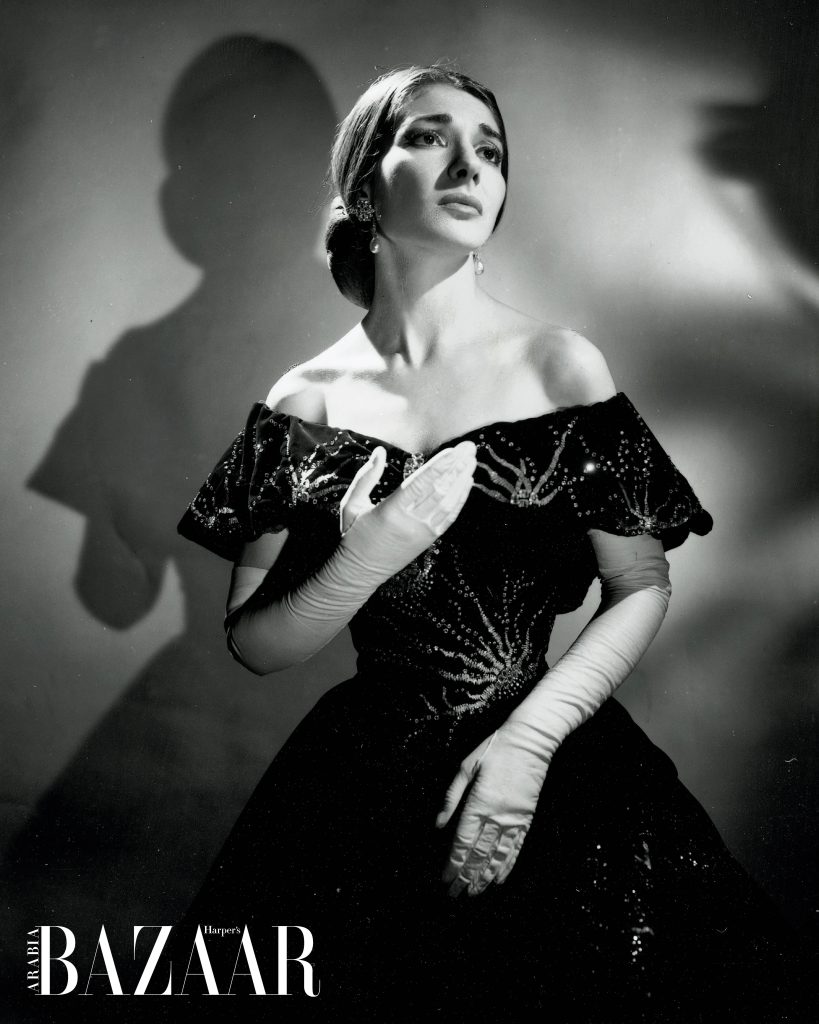
As visitors to galleries and museums are becoming more attuned to experiential exhibitions such as Yayoi Kusama’s Infinity Mirror Rooms and Infinity des Lumieres at the Dubai Mall, DIVA offers plenty of opportunities to indulge in a 360° immersion into the world of the diva. According to Kate, “It’s absolutely essential to bring together the performative nature of this subject and to offer that experience to visitors. Some exhibitions don’t necessarily need it but for this show, the diva is multisensory. Working with a theatrical approach and thinking about this exhibition in multiple dimensions is key because the diva occupies all those spaces, whether it’s voice, through spectacle, cinematography or staging.”
There will be a “very powerful soundtrack” to the show, which pinballs from silent movies to Hollywood’s golden age through rock and pop and onwards… but one thing that unites the diva, in every culture and discipline, is her desire for freedom through creativity. This attitude could be pivotal in how the diva reclaims her reputation – and continues to hold space in our consciousness.
Throughout the exhibition, the positive recurring traits of the diva are on show instead of a focus on the notorious negativity around the word. How will the diva move onto her next act? “There are ideas of a sense of status and reinvention or transformation but… divas are… boundary pushers,” Kate suggests. “[In the future] I think the way the diva is always embracing technology and spectacle will be a consideration. But also, the sense of what the voice allows you to do and what the voice does for the audience, is something that won’t change.”
While the diva is carving out a path in performance, the exhibition also sheds light onto her shift into different disciplines. “The big voices of the civil rights movement were soul divas, jazz divas, who used their voices, not just for people to enjoy, but to really campaign for change,” recounts Kate. By directing the lens onto the power that the diva holds away from the stage, DIVA moves beyond razzle-dazzle and places her as a force for political and social change. Fairouz, the prolific Lebanese artist, is included in the exhibition and
inspired the phrase, “Lebanese have disagreed on everything except Fairouz”.
“Whether it’s anti-Vietnam war or sexual liberation, with Judy Garland and Liza Minnelli championing equal rights… and Nina Simone and Lisa Franklin, who, through their voices… were trying to drive change,” says Kate. She believes it was “crucial” to include performers making a difference through social causes and politics (as well as those who have a predilection for sequins and a voice that could bring you to tears).
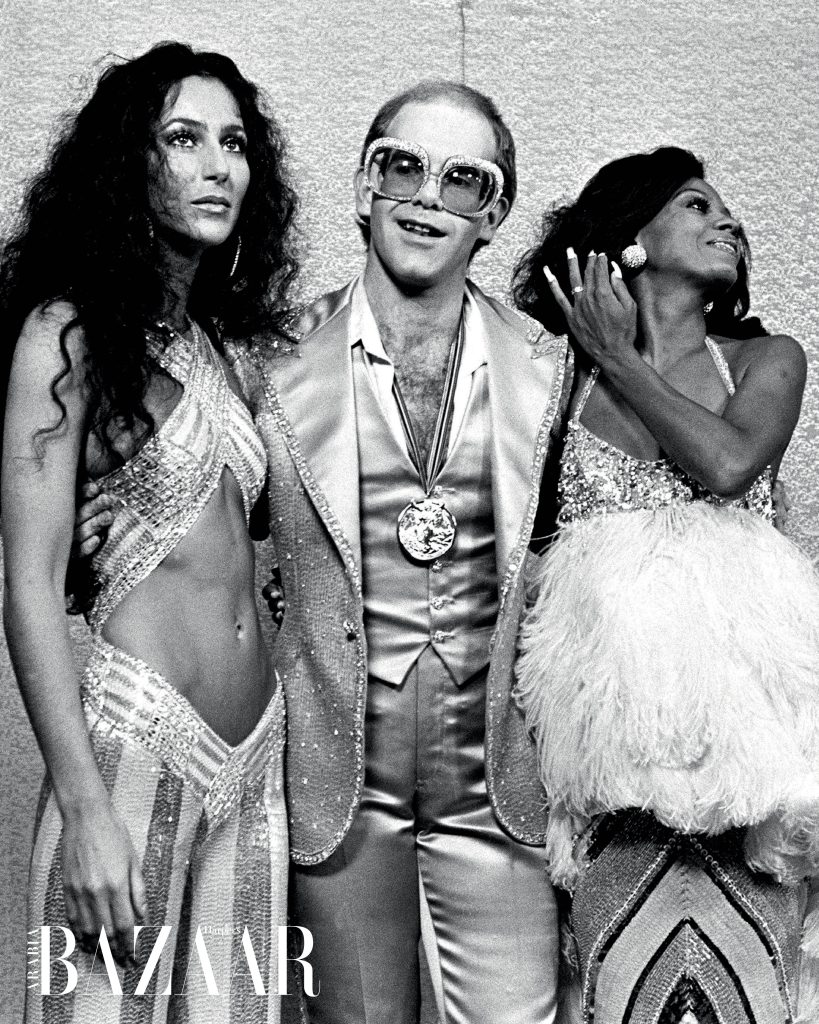
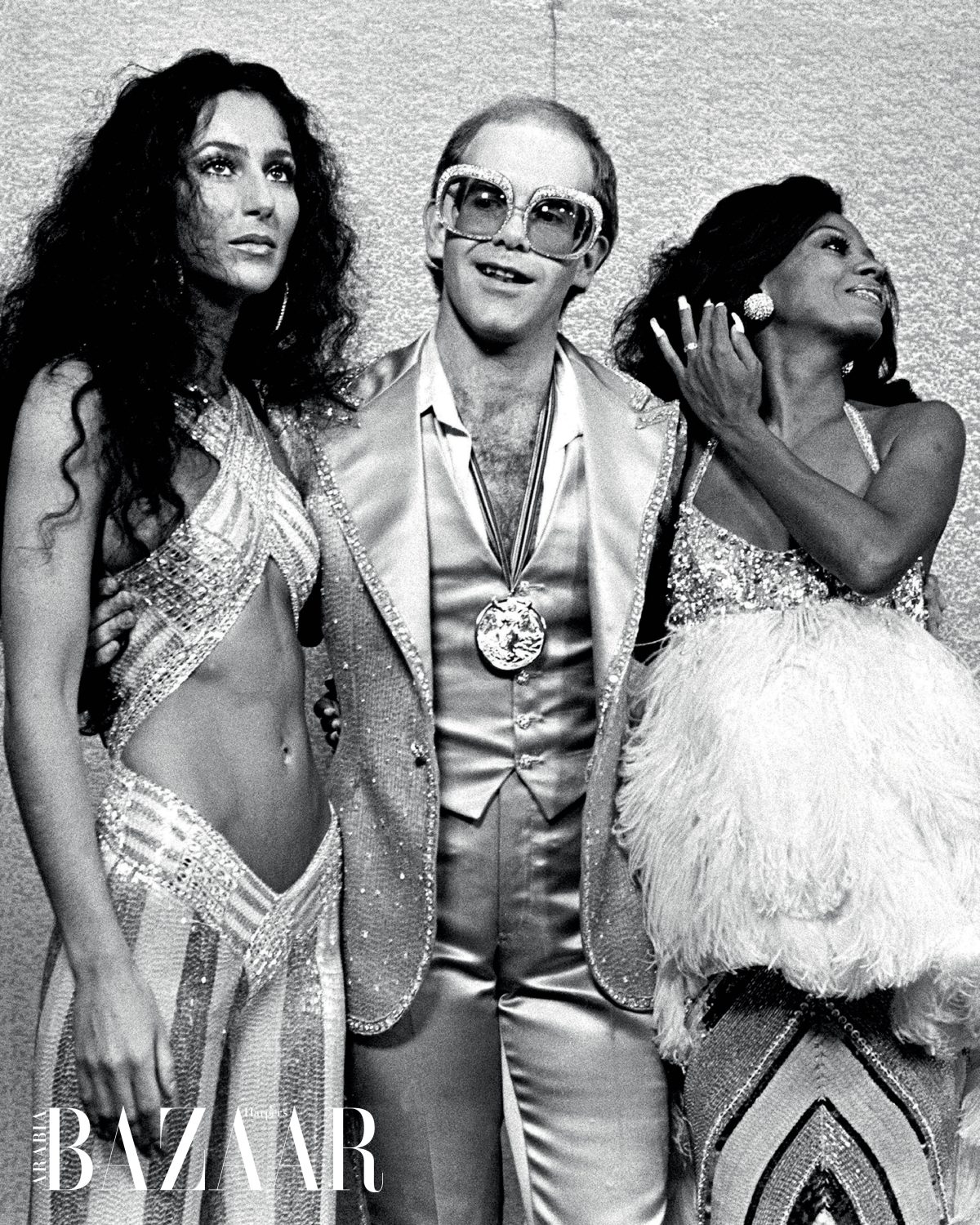
The fashion pieces form a particularly breathtaking element of the show. Elton John’s powdered pompidou wig, worn to his 50th birthday party, or Janelle Monae’s risqué pants prove that the diva has always understood the power of an epic outfit to transform their mood –and those of others around them. While every diva slays in her own lane, there are definitely traits that we can get on board with and choosing feel-good fashion is a defining quality of divadom we want to emulate. No longer a diss, being called a diva is a title once again bestowed on only the most iconic and legendary performers. And we’re more than ready to sprinkle a little divadom into our own lives, too.
How long is Diva on at the V&A?
Diva exhibition will be on from June 24, 2023 to April 7, 2024. For more information on how to book tickets visit vam.ac.uk/exhibitions/diva
From Harper’s Bazaar Arabia’s June Issue 2023