
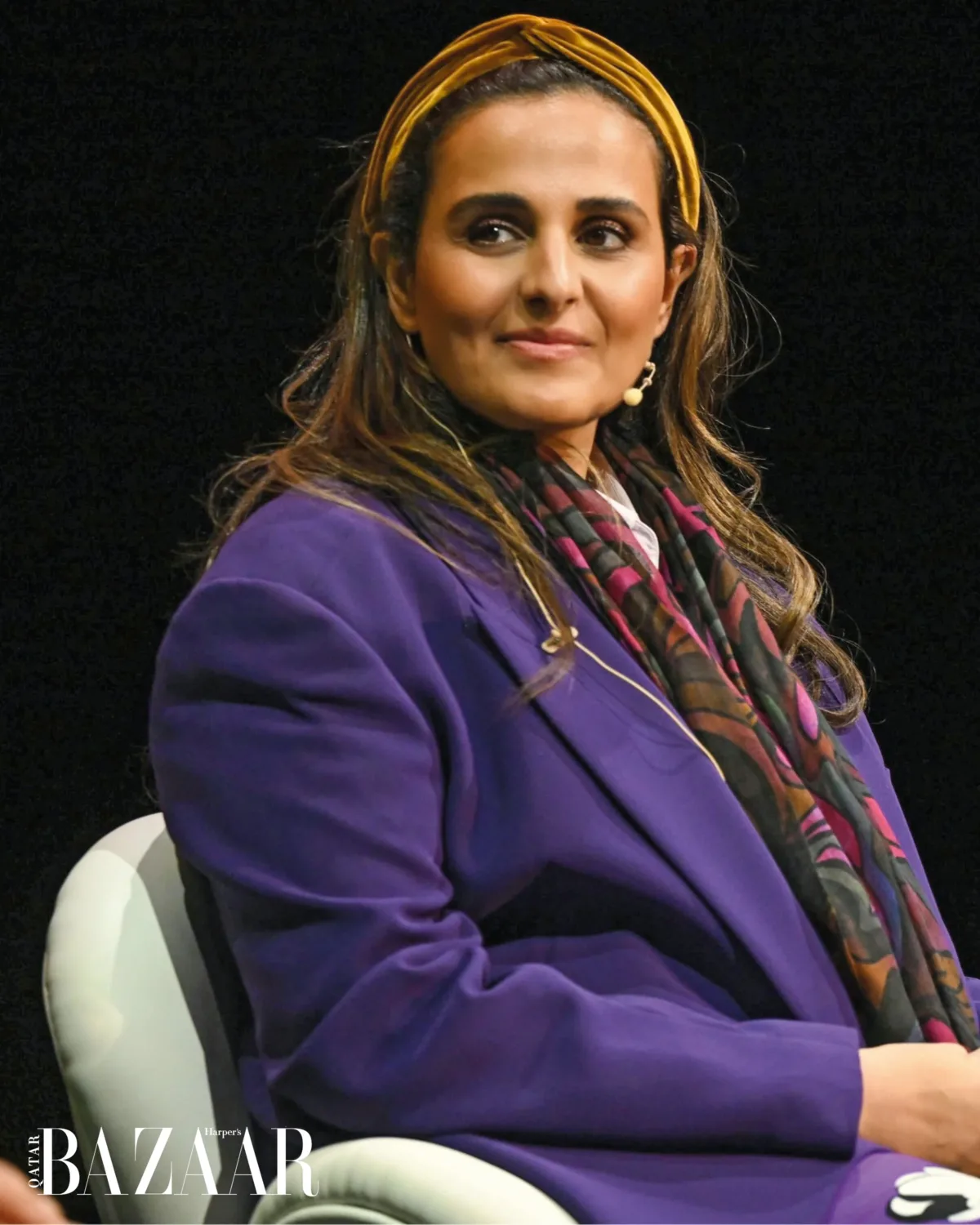
The latest inspiring edition of Art for Tomorrow, featuring H.E. Sheikha Al Mayassa bint Hamad bin Khalifa Al Thani, looked to find creative solutions to some of the world’s most challenging issues
For its latest edition, held earlier this year, Art for Tomorrow welcomed audiences to Milan. More than a conference, the annual event organised by the Democracy & Culture Foundation aims to analyse the effect the arts can and do have on society, bringing together experts, activists and practitioners for three days of debate, discussion, exhibitions, curated tours and more.

Opening against a backdrop of global uncertainty, Art for Tomorrow this year looked to explore where we are and where we are going via its theme, Overcoming, Together. Enlightening discussions over the three days included the power and perils of the rise of technology; the role of art in shining a spotlight on areas of global crises; and the ability of the creative economy to promote democratic values.
Its latest iteration was staged at Triennale Milano, a leading cultural institution and a bastion of both Italian and international art and design. The Milan institution in turn played host to Inequalities, an exhibition focused on the disparities shaping today’s global landscape – from economic and geographic to gender and ethnic.
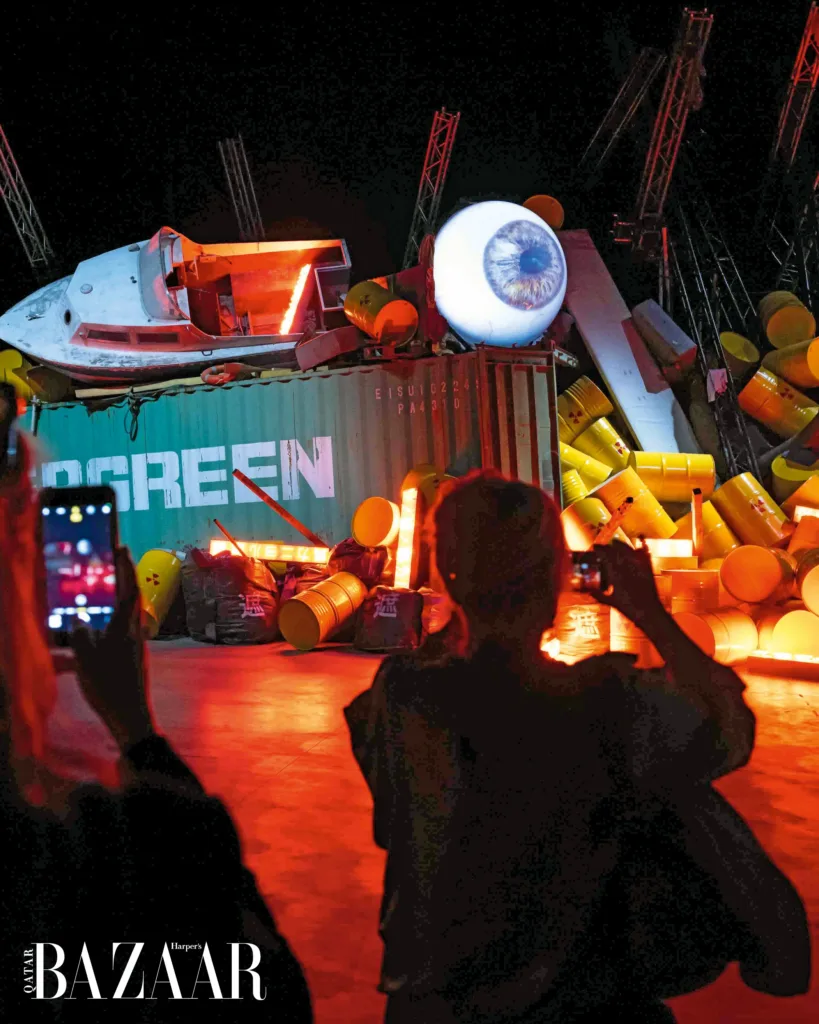
“In 2025, the world is facing unprecedented challenges, many of them rooted in the inequalities that have only been exacerbated by the triple threat of political, economic and climate crises,” organisers explained at the Art for Tomorrow opening. “These challenges can lead to fracture and isolation, turning away from each other instead of coming together, and leaving the most vulnerable behind. But change will only come if we turn outward instead of inward, to our friends, our communities and our planet. Art for Tomorrow 2025 is about tapping into this shared humanity to learn about creative solutions to the most entrenched problems.”
Speakers navigating these solutions included Jeff Koons, Shirin Neshat, Jiyoon Lee and Her Excellency Sheikha Al Mayassa bint Hamad bin Khalifa Al Thani, who was joined by Stefano Boeri, urban planner and president of Triennale Milano, and visionary British architect Lord Norman Foster, for a panel discussion entitled Culture for Tomorrow. With so much global uncertainty, Her Excellency reiterated the powerful role of culture in uniting people across divides, irrespective of race, nationality or creed. “Qatar plays a very active role politically in trying to mediate amongst conflict zones and nations that are in conflict,” she told audiences in her opening address. “From a cultural point of view, I think we’ve also used that as a form of mediation in terms of inviting people from all parts of the world to engage and to express their views artistically. As you know, culture is an open space.”

“We’ve built a 25-year strategy under the national vision of Qatar 2030,” she continued. “This year we’re celebrating 20 years of that. We’ve tried to invest in creativity and innovation through giving platforms to Arab designers from all around the world in different industries, whether fashion, film, design, art, performance, or music – to support them, and to give them residencies not just in Qatar but around the world. It’s really about empowering them to have a voice and to tell their own stories. Culture becomes a necessity, therefore, and not a luxury. I think when a nation starts to use culture as a form of public relations, it becomes a problem. Qatar has chosen to use culture as a means of real investment and human development, and we’ve seen the economic impact of that.”
For more information visit artfortomorrow.org
Images courtesy of Art for Tomorrow