
Architect Extraordinaire: Lina Ghotmeh to Design a New Contemporary Art Museum Amidst AlUla’s Serene Landscape

French-Lebanese starchitect Lina Ghotmeh’s bold buildings challenge our eye and our mind
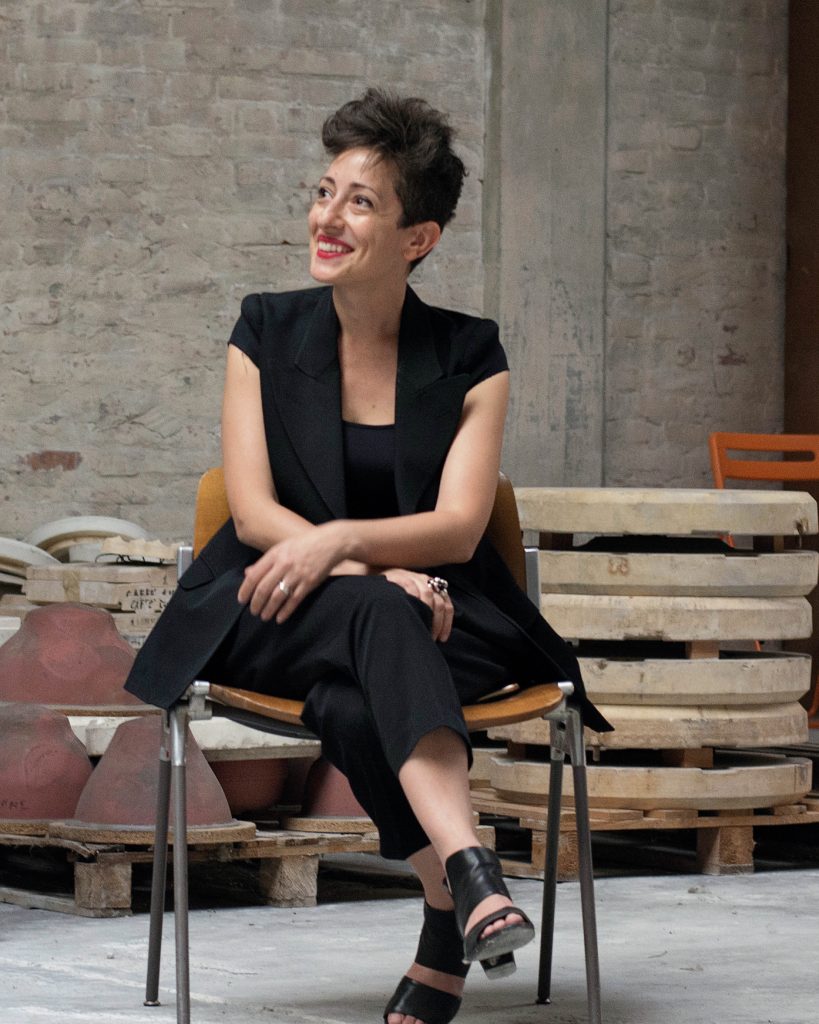
“I’m not afraid of complexity, not afraid of a contradiction, or of places that have challenges. Somehow these challenges become opportunities to allow new things to emerge,” muses starchitect Lina Ghotmeh when pressed as to how her heritage – she was born and brought up in Beirut – has influenced her design philosophy. “We’re subjective beings. So there is a sense of ourselves in what we do. Beirut is a city of diversity. I think of architecture as a space of tolerance, of being together.”
Now based in Paris, Lina’s 30-strong practice is firmly in the spotlight having not just won a much-coveted Saudi commission – the contemporary art museum in AlUla – that was put out to international competition, but also having this year’s prestigious Serpentine Summer Pavilion to her name.
No stranger to high-profile projects – her designs dot the global landscape from Japan and Estonia to France and her native Lebanon – the 42-year-old delves into anthropology and philosophy to continuously “push the limit of what we can do in architecture.”
A Sense of Place
It’s often thought there are universal codes when it comes to good design, but what makes all of Lina’s projects unique – while still having her unifying underlying ethos – is her unequivocal opinion that, “Every project is very different. My work is very much research-driven, it’s very much context driven, and when I talk about the context, I talk about the environment as well. The resources of the place, the culture, about the people who will inhabit the space and architecture. I’m trying to get to layers deeper than just the form, trying to really think about the experience and the sense of belonging. So I don’t see it as an international language. I don’t understand why we actually build the same architecture all over. We’re very diverse beings, and every building has to talk about the environment. If you’re building in the desert it’s a completely different approach to a building in Norway in the snow.”
The Making of A Museum
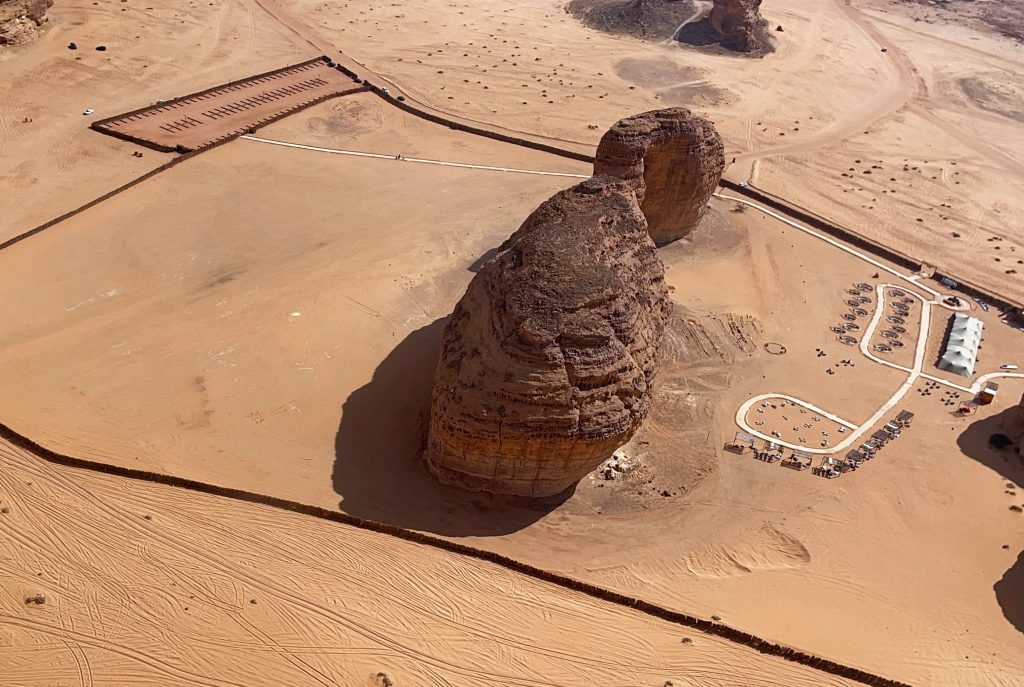
“It’s a great site,” Lina says enthusiastically when asked about her newly announced project in Saudi Arabia. “The history of the place is really fantastic. It’s a very ancient space.” How will she manage the duality of the project, given she’s building a contemporary art museum? “The project is a series of pavilions that intertwine with the agriculture oasis in which it is sitting. You have the desert, you have the agriculture, the nature; they are all present. And the building acts as a device to emphasise this variety of landscapes. It also is about building knowledge through architecture as it emerges in the traces of the ancient city that was there.”
Inner Space
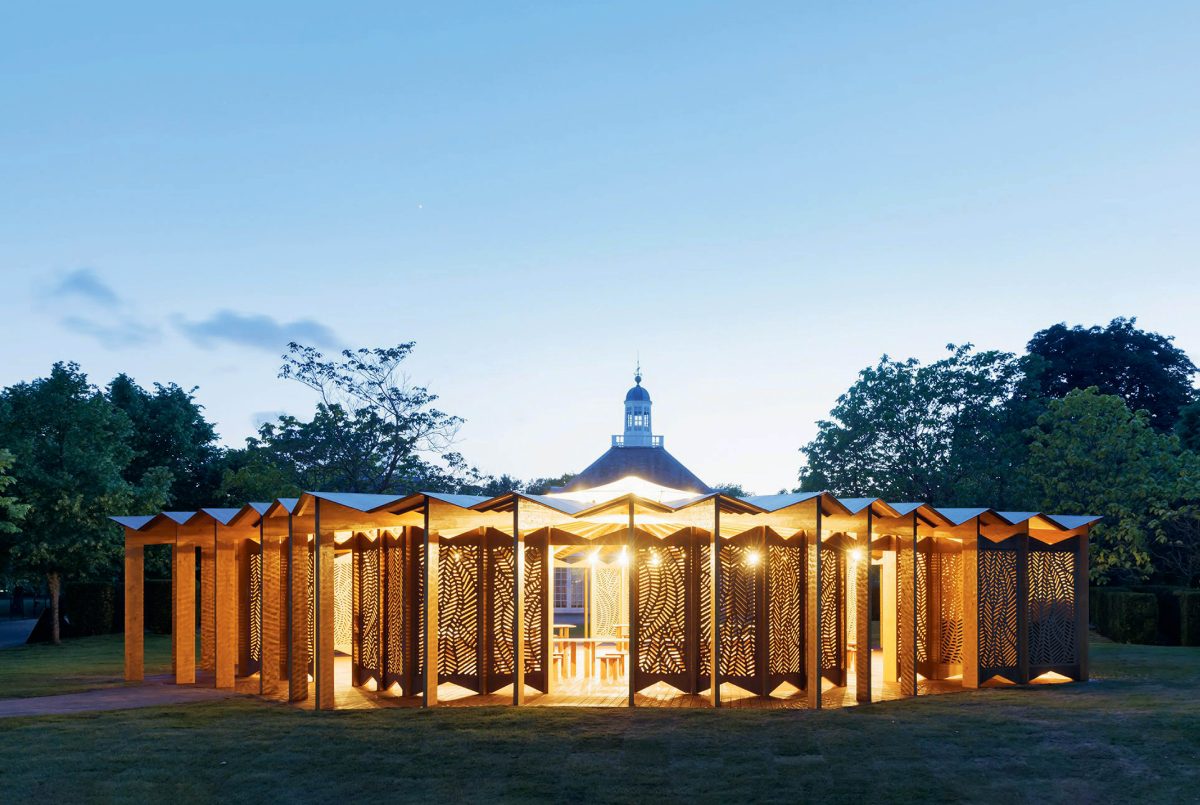
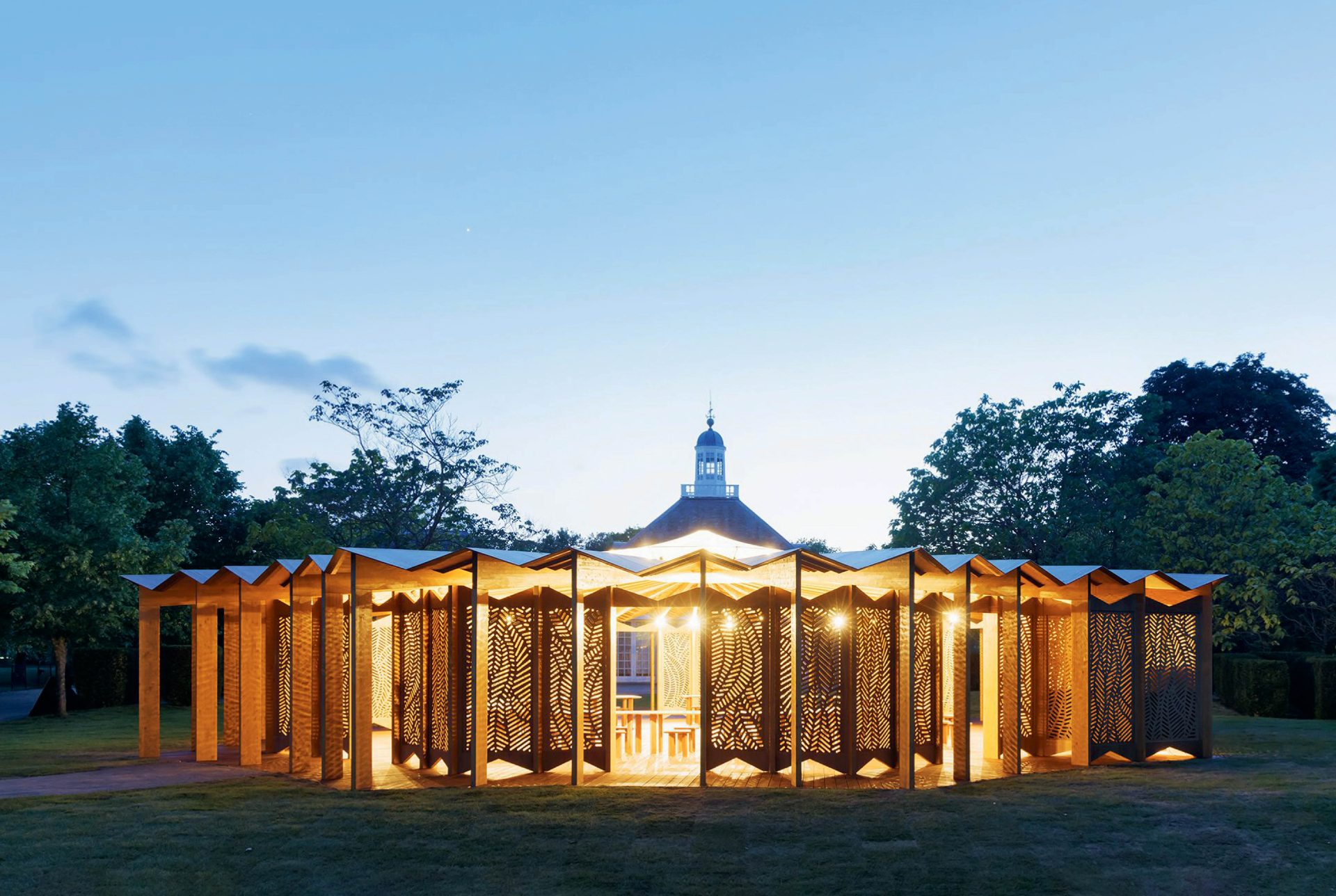
This summer saw the unveiling of the environmentally conscious, paredback, À Table pavilion – the latest addition to London’s annual Serpentine Gallery. “I was very excited to design a pavilion that is open to all people that also holds a strong message,” she says when asked about this prestigious commission that she constructed from plywood and timber. Designed as a place to gather and break bread together, rather than a place just to photograph and admire, this is a clear instance in which she “tried to shy away from just trying to make a sculptural gesture.” She wanted “to tackle subjects that are deeper than that.”
The response has been overwhelmingly positive from users and as an architect, she found it particularly gratifying to find people from different facets embracing her concept. “They said that ‘we feel like we are invited, we can use it, we can come in,’” she recounts. “This accessibility aspect made me think about how architecture can be perceived as an elite thing – if something is beautiful, then it’s inaccessible in a way. So how do we bridge that through architecture?”
A Distinct Aesthetic
“You would instantly recognise a project from Frank Gehry,” Lina muses when thinking about a footprint or style. “I try to let context dictate, but I think there’s a common thread [in my work] because of process. There’s a kind of serenity, a certain modesty, humility, but there is also a power – at least, that’s the feedback that I get.”
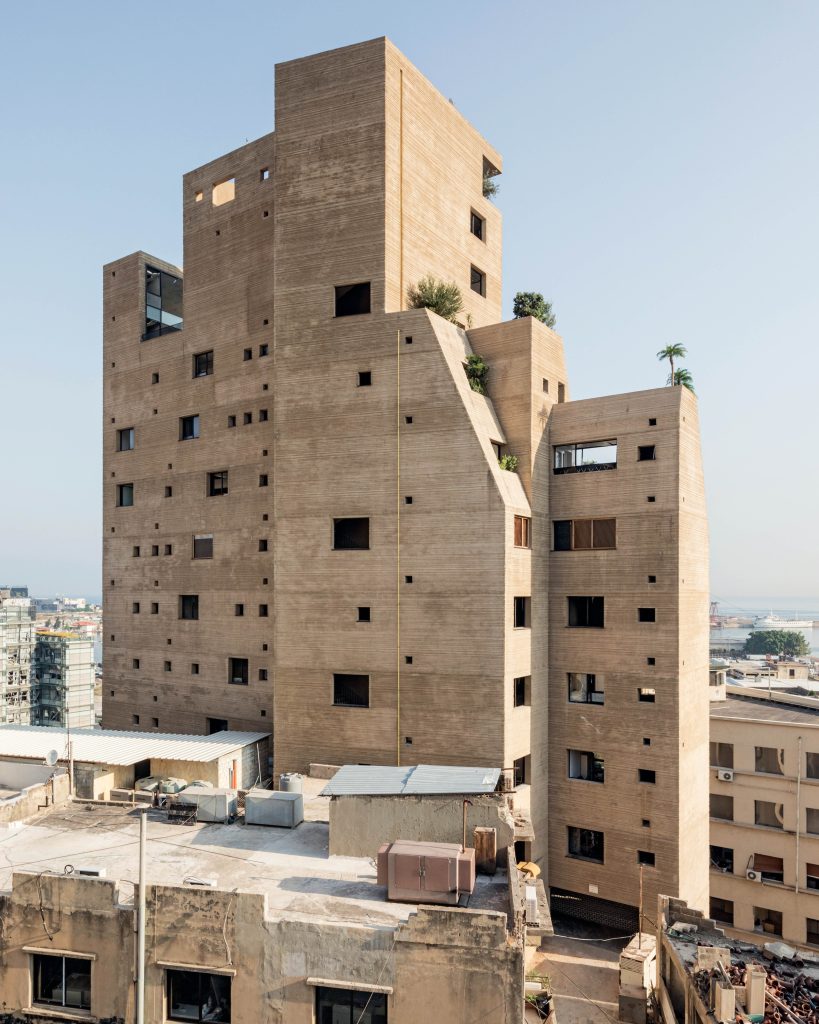
She warms to the theme when asked about the 6,200-square-metre leather workshop she masterminded for Hermès’ Normandy hub. “It is almost like a cloister with these jumping arches. And despite it being made out of brick, “There’s always this combination between presence and fragility, at the same time. The Beirut project is also kind of Brutalist, but its very sensitive nature is present,” as the façade was hand-finished by artisans. “You can really read this duality, which is really interesting.”
Fast Forward
Lina won’t be drawn on what else is in the pipeline, only confirming that the practice is in the running for several more competitions. Touching on the future, the subject inevitably turns to technology and the growing use of artificial intelligence to design. “It’s interesting to look at what tools we have. So I work with models, and with sketches and hand drawings or watercolours, and also work with 3D technology and AI. We tested it on one project just to see what it generated, like scripting, as I’m very much interested in narrative texts. It generated some very interesting configurations,” she muses. “But it’s off the ground, you know, it’s not contextual. So one doesn’t have to take it literally, but it could be some kind of tool to allow one to open one’s imagination.”
Images Supplied.
From Harper’s Bazaar Arabia’s July/August 2023 issue.
