
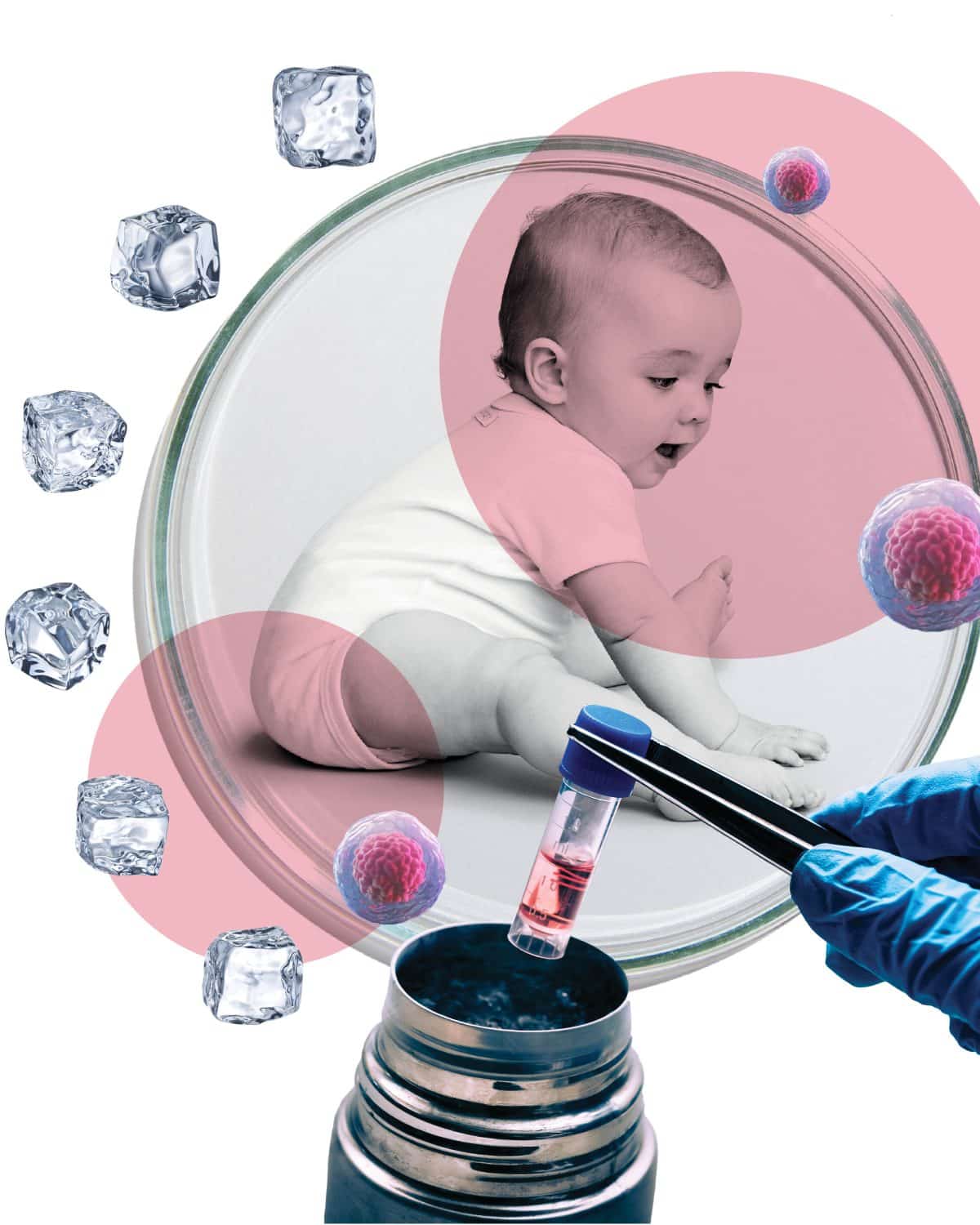
To Bank Or Not To Bank? What You Need To Know About Cord Blood Banking
When it comes to stem cells, that’s the question on everyone’s mind. Dr Jennifer Kasirsky, MD Consultant ob/gyn gives us an objective insight
Becoming a new parent involves making many choices, even before your child is born. There are strollers to buy, breast or bottle feeding to decide upon, sleep training methods to explore… Cord blood banking also falls under decisions to make before your baby is born.
You may have been approached by a myriad of cord blood banking companies offering to store blood from your baby’s umbilical cord as well as segments of the actual umbilical cord or placenta. This blood and tissue can in theory be used later in life for your child or another family member to ‘cure’ diseases.
Cord Blood Banking: What are the benefits and risks of collecting this blood and tissue?
Quite frankly, there are no risks to collecting these ‘body parts.’ It is all non-invasive and causes no harm to the mother or baby. The blood is taken from the umbilical cord after it has been clamped and cut – your baby is detached from it. The blood would otherwise be disposed of with the placenta, as would the cord and placenta.
The only risks are monetary. Are you spending money on a procedure that may not have any benefits? To date there are very few uses of cord blood.
Cord blood contains stem cells, primordial cells that can develop into certain parts of the body. The human body also has those types of cells in bone marrow. Bone marrow is the tissue inside your bones.
Stem cells can die in people with conditions like cancer, or who receive chemotherapy or radiation. If a person needs new stem cells, they may be able to get a stem cell transplant from cord blood or regular blood. Or they may be able to get a bone marrow transplant. New stem cells from the transplant can go on to make new, healthy cells.
“Are you spending money on a procedure that may or may not have any benefits?”
Life-threatening conditions that may be treated with a stem cell transplant include:
• Blood cancers, like leukemia and lymphoma
• Bone marrow diseases, like Fanconi anemia
• Certain anemias, like sickle cell disease, aplastic anemia and thalassemia
• Certain immune system problems, like severe combined immune deficiency (also called SCID)
• Inherited metabolism problems, such as Hurler syndrome and leukodystrophies
Scientists are studying whether or not cord blood can be used to treat other diseases and health conditions, like cerebral palsy, brain injuries, diabetes and Parkinson’s disease. According to the March of Dimes in the US, the likelihood of your baby or your family member needing to use the stored stem cells in their lifetime is 1 in 2,700. With that said, science in this area is rapidly expanding and we do not know what the next 20 years will hold.
I advise my patients to think of cord blood banking like an insurance policy. Sure, some insurance policies we use all the time, like health insurance. Some policies we use only with unfortunate events like auto insurance. Then there’s catastrophic events like your home burning down or being destroyed by a typhoon, these are one in a million events, but you are so grateful that you have insurance if it happens. Using cord blood isn’t a one in a million event, but it is rare. You would be so relieved to have that insurance though!
If you decide to go forward, do your research. How likely is the company you contract with going to be in business 20 years from now? What contingency plans do they have if they go bankrupt? Where will your blood be stored and where will you be in 20 years? Cord blood is considered human tissue or body parts so is it possible to export it to the country you think you will be in?
So, if the cost of banking stem cells is not prohibitive, my advice is to do it. Chances are you will never use it, but if you need it, you will be so thankful you made that decision.
From Harper’s Bazaar Arabia’s Junior Autumn/Winter 2023 issue