
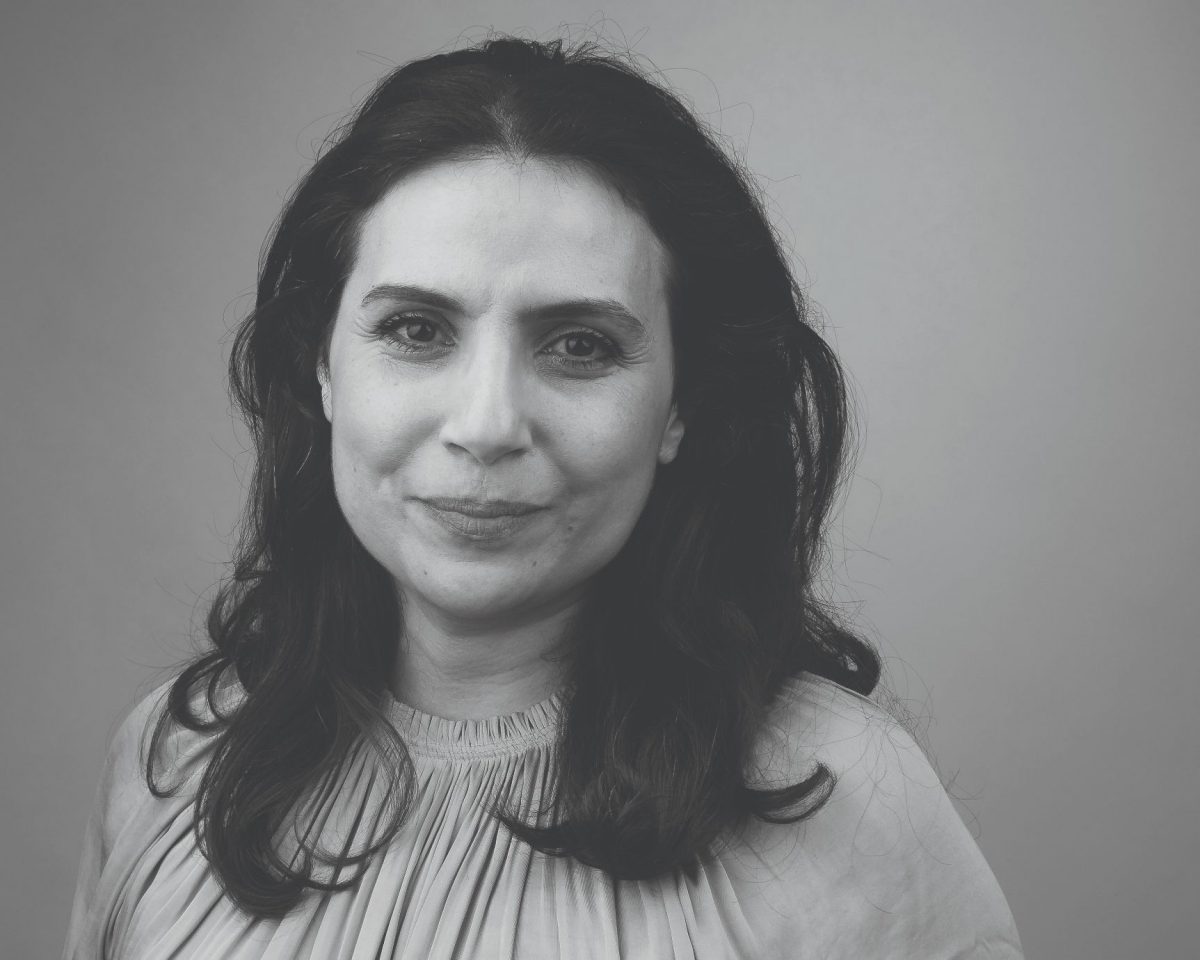
A Time For Peace And Equality: UN Women’s Susanne Mikhail On Taking Responsibility For Others During Ramadan
As the Holy Month reminds us how communal spirit can lift up humanity, Susanne Mikhail, UN Women Regional Director for the Arab States, and Harper’s Bazaar Arabia’s new columnist, explains why now is also the best time to take responsibility for all those who find themselves disempowered…
Slowly, an unsettling picture is becoming increasingly clear. A Polaroid drying in crisp air; first the contours appear, then the faces and, lastly, the colours settle onto the wet paper. What initially looks like confused shadows, suddenly sparks clear. The picture is one of inequalities between those who have and those who don’t. Disparities between and within nations have always existed, but the impact of COVID-19 has deepened and broadened these divides.
The Holy Month of Ramadan is a welcome reminder of our essential condition as a member of the human family. One very special aspect of the usual observance of Ramadan is the sharing of the Iftar meal at the maadat rahman, long tables set up on streets across the region, ensuring that the poor or those who cannot make it home in time will break their fast in the community where they live and work. Home-cooked meals are served to people from all walks of life on trestle tables under the beautiful zenat Ramadan, signifying the importance of mutual respect. With COVID-19 restrictions in place, it is all the more important to reflect on how we can continue to preserve and celebrate this communal spirit of caring for one another.
This year, Ramadan is observed while we are still in the grip of COVID-19 and the economic crisis it has provoked. Everyone has borne the brunt of the pandemic, but certain pressures are felt particularly heavily by women. Violence against women and girls, one of the most extreme forms of gender discrimination and inequality, was already at alarming levels prior to the pandemic. In 2019, it was estimated that around 243 million women and girls worldwide experienced domestic violence. During COVID-19, the reported rates of violence against women have increased significantly to become a ‘shadow pandemic’. Estimates indicate that for every three months of lockdown – an important measure to limit transmission – an additional 15 million women globally suffer abuse. The Arab States are making progress to address this shadow pandemic and implementation of these legislative and policy reforms is vital. In Egypt, Saudi Arabia, Tunisia and elsewhere, media campaigns raised awareness on violence prevention and where women can seek help; while in Bahrain, shelters for survivors of violence remained open and crisis-centre capacity was expanded. Police services in Jordan and Palestine adopted new and more effective ways to support women survivors. In the UAE, where sexual harassment in the workplace was outlawed in 2019, last year saw the adoption of a legal guarantee of equal pay for equal work by women and men.
To address the exacerbating impact that COVID-19 has had on the already-existing inequalities between women and men, women’s experiences and knowledge must inform the response and recovery process and lay a foundation for long-term action to achieve gender equality and empower all women and girls. Most Arab States countries are implementing gender-sensitive measures to chart the recovery, but more needs to be done to address the challenges facing women. UN Women and UNDP have created a database tracking the efforts of governments around the world to respond to COVID-19. Women are underrepresented in national COVID-19 response teams globally, and the Arab States region is no exception; of the 23 taskforces where the data is available, women constitute only 17 per cent of members. Women’s participation in, and leadership of, the recovery process must be increased, in order to ensure that everyone benefits, not only in 2021, but in the coming decades as well.
Ramadan recalls to us our shared responsibility to ensure that each one of us is treated with dignity and care, and to protect the rights of our sisters and brothers to live in peace and safety. When COVID-19 is behind us, we will share the joys of Ramadan together again, in a brighter and more equal future.
From Harper’s Bazaar Arabia’s May 2021 issue
