
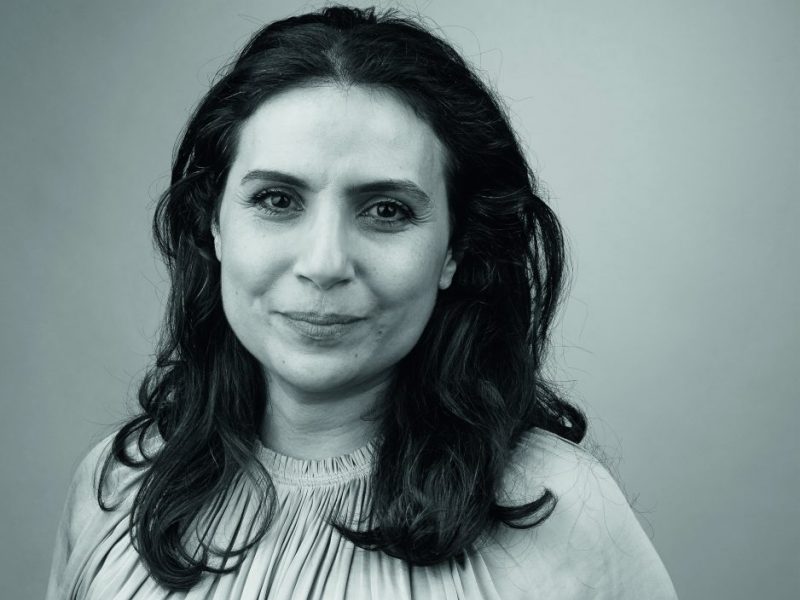
UN Women’s Susanne Mikhail Eldhagen On The Future Of Gender Equality In The Middle East Region
UN Women Regional Director for the Arab States, and Harper’s Bazaar Arabia columnist, looks forward to a new year where Arabs stick to their resolutions about mental health and their desire to build a more equitable society
While setting new year resolutions is not for everyone, it seems that whatever calendar is followed, the last days swell the veins of introspective reflection. What parts of our lives bring joy and contentment, and what is there to change? Putting aside that most resolutions are not fulfilled altogether, it is still fascinating to look at how the essence of these resolutions have evolved over time, as they – even if superficially – reflect elements of human aspirations throughout history.
The ancient Babylonians, who seem to be the first to initiate the tradition of delivering promises at the dawn of each year, had very distinct goals to be achieved, documented as far as 4,000 years ago. For them the year began not in January but in mid-March when the crops were planted and, during a 12-day religious festival, promises were shed like pouring rain. Mostly, these promises, which are some of the first to be recorded, were to the Gods, and were mainly about a peculiar segment of life affairs: namely paying debts and returning any objects they had borrowed. As remote as these resolutions might sound, it’s probably the historic version of the modern day ‘spend less and save more’ that has lead resolution lists worldwide for years.
In recent decades though, top resolutions have evolved not only about finances, but increasingly about health, mainly physical health, and more specifically about exercising, eating healthier and the classic oath to losing weight. However, an interesting shift has slowly emerged, as mental health is increasingly topping the lists of new year’s resolutions. According to the recently published Forbes Health/One Poll Survey, 45 per cent of respondents in the US pointed at improvement in mental health as one of their top new year’s resolutions. Exceeding the numbers on physical health; 39 per cent stated improved fitness.
“Women play an outsized role in the care economy in the Arab States. Performing 4,7 times more un paid care work than men — the highest female-to-male ratio anywhere in the world.”
Susanne Mikhail Eldhagen
The shift is mainly amongst young people and despite the fact that this particular survey was conducted in the US, it reflects very well what is observed in other parts of the world, including our own Arab region. And while mental health issues affect women and men differently, anxiety and depression in particular seem to have increased amongst women – particularly during the pandemic. According to a UN Women study conducted by the end of 2021, two out of five women said that Covid has worsened their overall mental and emotional health.
Yet, it is not only about gender, as genetic, social, and economic differences all play a role in the development of mental health issues. And in our region specifically, a distinct contributing factor is more prevalent than other parts of the world – societal pressure; which at times comes with stereotyped expectations and therefore unrealistically heavy demands on women and men.
A regional UN Women Study showed that 45 per cent of men in the surveyed Arab countries, felt that the heavy pressure to bring an income had a direct effect on their mental health. Meanwhile women play an outsized role in the care economy in the Arab States, performing 4.7 times more unpaid care work than men – the highest female-to-male ratio anywhere in the world. Limiting the ability to fulfill professional dreams.
But there is an exciting evolution in the region, where easing the pressure of, at times, fixed expectations on gender roles, specifically on the young, opens up for more equal societies, which will support coming generations in leading a future in line with their dreams. May 2023 be the year where aspirations and resolutions are fulfilled.
From Harper’s Bazaar Arabia’s February 2023 Issue