
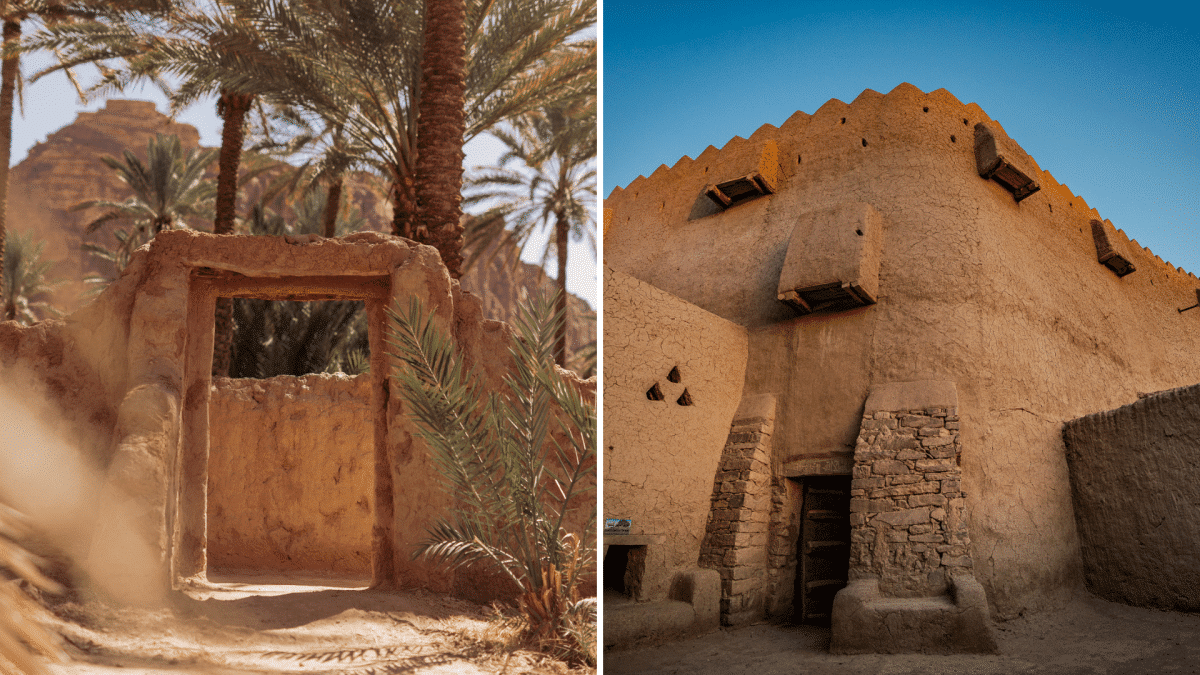
AlUla’s Ancient Kingdom’s Festival Brings the History of the Arabian Peninsula to Life
The event shines a light on the rich background of Saudi’s more remote areas
When one thinks of the Kingdom of Saudi Arabia, it can be easy to focus on the towering skyscrapers and nascent institutions of Riyadh, symbolising the KSA’s continuing push towards modernity and globalisation as the country opens up to the rest of the world. But this ignores an older and far more fascinating facet of the history of the Arabian Peninsula; one that is slowly but surely being unearthed in the nation’s remote county of AlUla.
Situated some 1,100km from Riyadh, AlUla is a place of both incredible natural beauty and cultural heritage; over 22,000 square-kilometres of lush oases and riverine valleys, vast sandstone mountains, and ancient settlement and temple sites, some of which date back thousands of years.
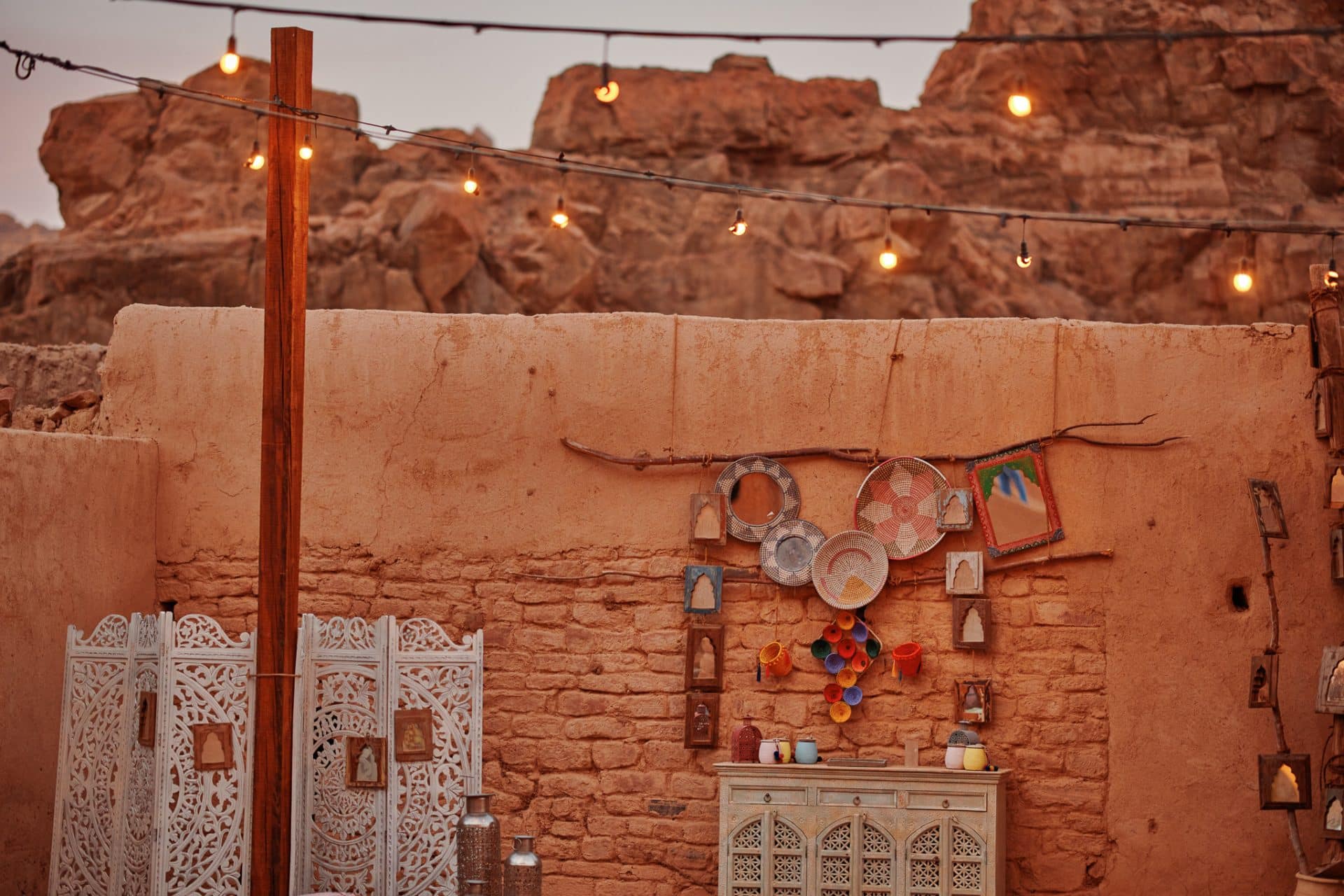
In its second edition which ran through mid-November to early December, the Ancient Kingdoms Festival quickly established itself as one of the KSA’s premiere heritage festivals, inspired by the eponymous ‘kingdoms’ of the Dadan, Lihyan and Nabataean peoples. Yet, there is evidence of a human presence in AlUla as far back as 200,000 years ago. This rich and multifaceted tapestry of history has made the region a hub for ongoing archaeological activity, attracting experts from across the globe.
“The history of Saudi Arabia is one that connects us to Rome, Greece, Egypt and Mesopotamia; we are a peer of ancient civilizations, rather than on the periphery,” Leila Chapman, Narrative Experience Expert for the Royal Commision for AlUla, told Harper’s Bazaar. “As we look to Vision 2030, we wanted to start that legacy of recognising what is in the past,” she explained, “while also recognising the future that is to come.”
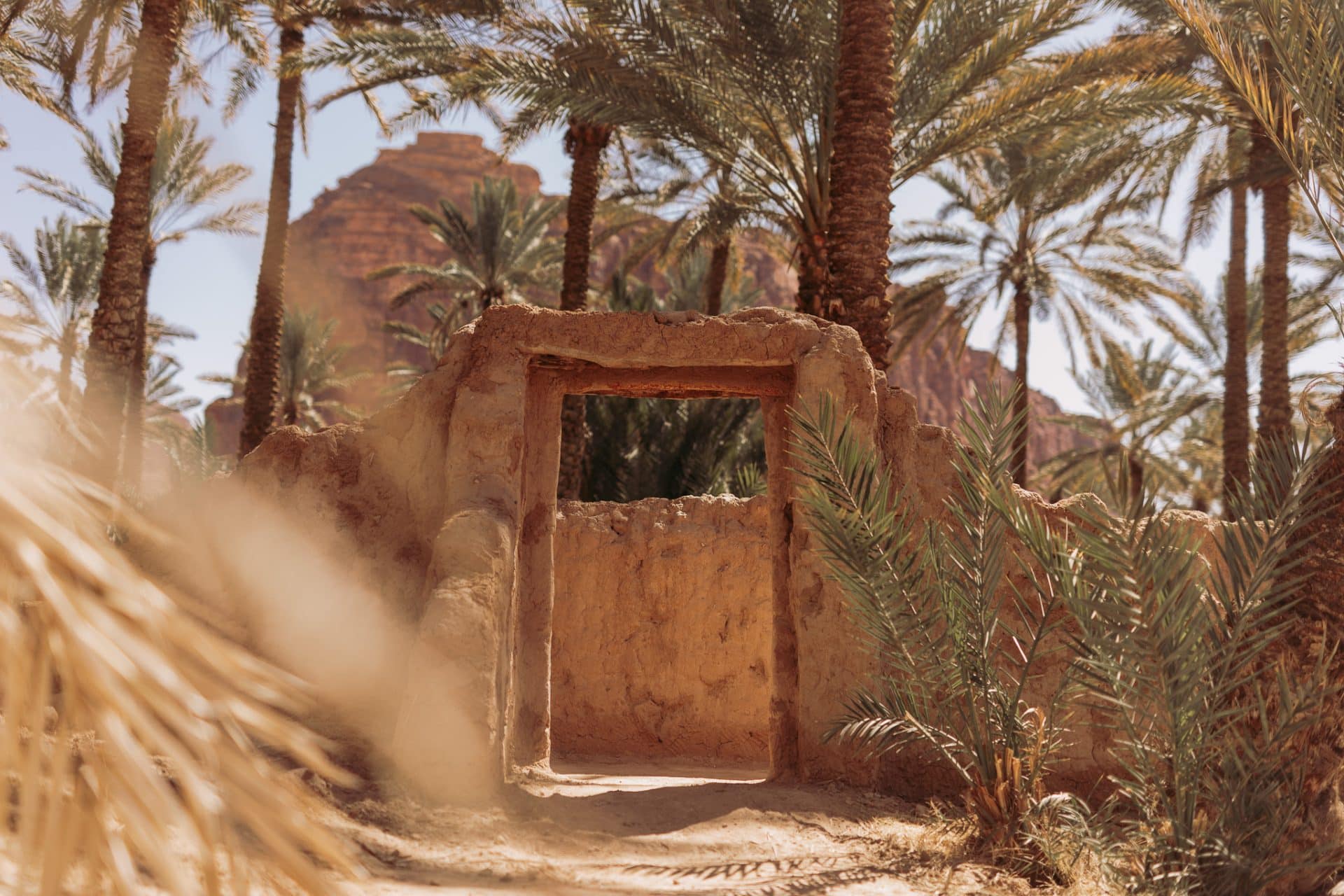
The event featured many unique and immersive experiences that illuminate the ancient history and cultures of the many diverse people that once called the north western region of the Arabian Peninsula their home. Centred around the oases locations of AlUla, Khaybar and Tayma, visitors wer invited to enjoy a massive collection of archaeological sites in this sprawling ‘living museum’.
This latest edition also celebrated two milestones for 2023, the first of which is the 15th anniversary of the recognition of Hegra as a UNESCO World Heritage Site; the first such designation within the KSA.
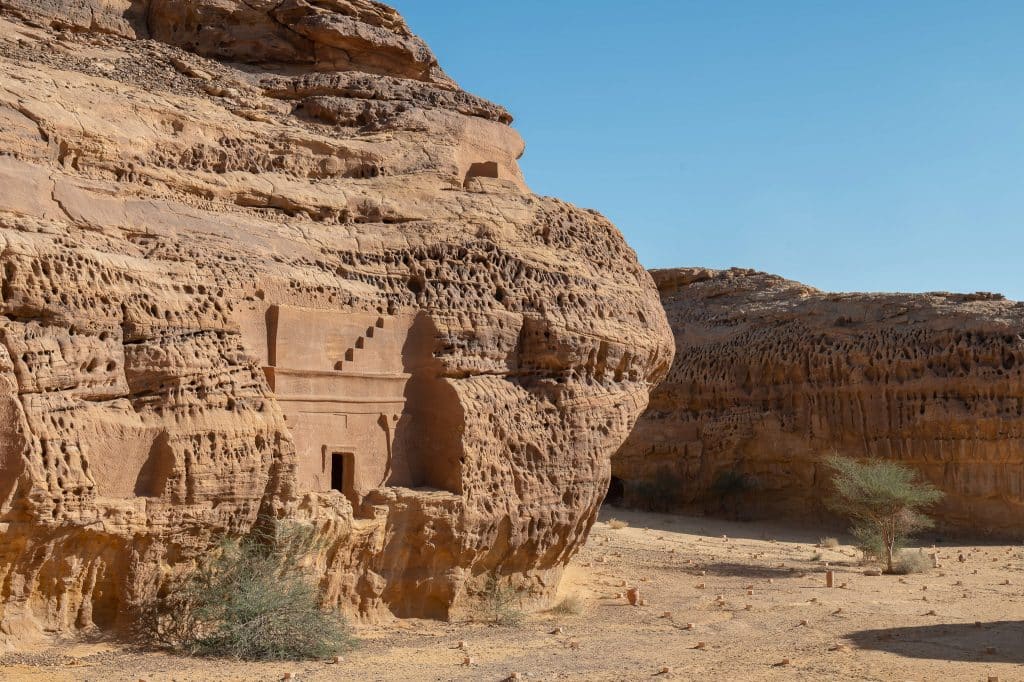
Hegra was the principal southern city of the Nabataean Kingdom, and features more than 100 incredibly preserved tombs decorated with elaborate carved facades, hand tooled into the surrounding sandstone outcrops. It was later occupied by the Romans after they conquered the Nabataeans in 106 CE, becoming one of the most distant outposts of the Roman Empire.
As such, Hegra was very much the heart of the 2023 Ancient Kingdoms Festival programme, hosting a full suite of innovative experiences for visitors. The ‘Living Museum Tour’ offers a cutting-edge Augmented Reality tour that takes visitors to the heart of the Nabataean story with unprecedented access to Hegra’s tombs and hidden ceremonial chambers. There is also ‘Hegra After Dark’, a historical-inspired, interactive night time journey through the site’s tombs, and the ‘Hegra Nature and Wildlife Tour’, in which visitors explore and admire the beautiful natural landscapes of the area.
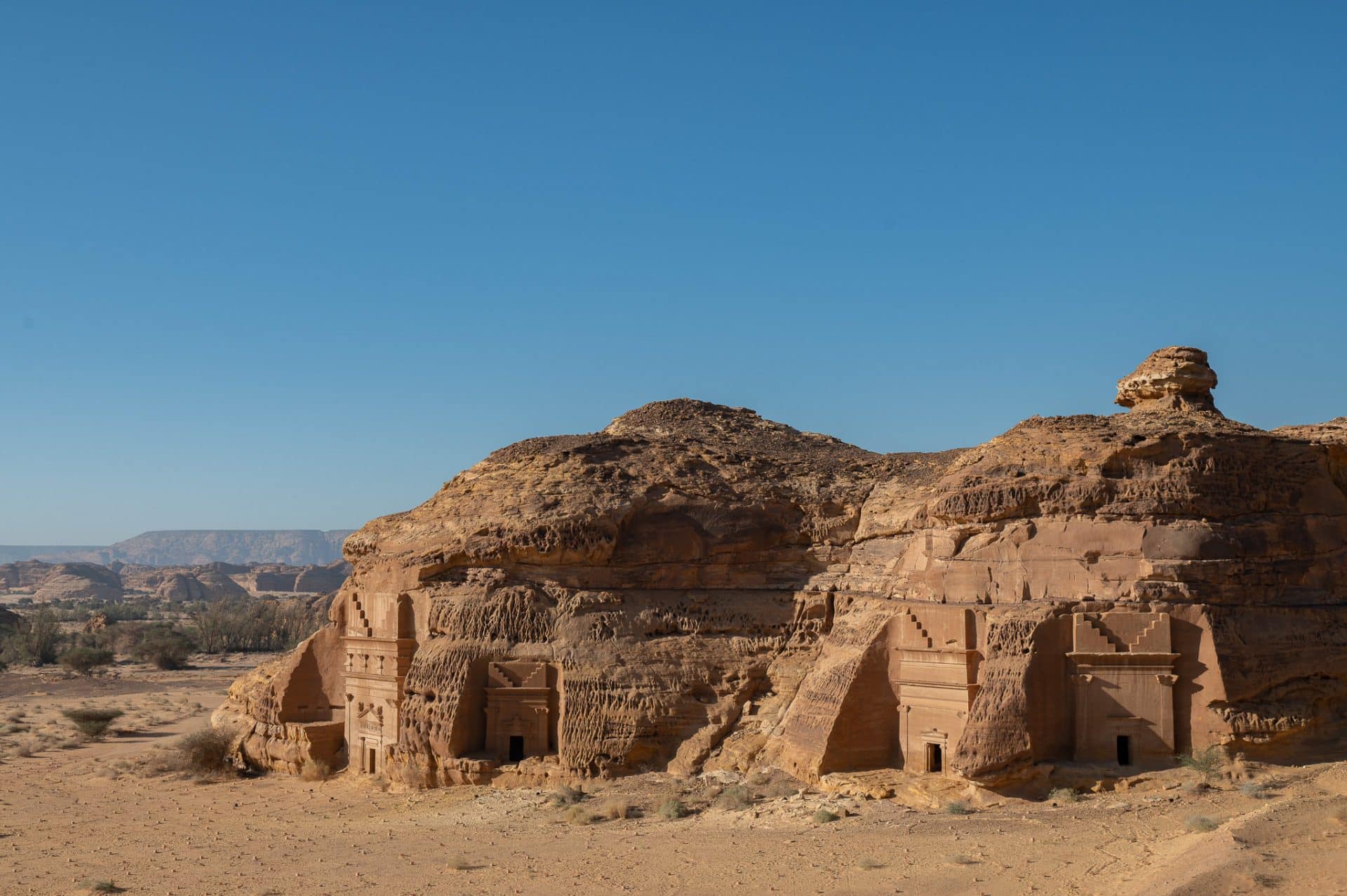
At the Hegra Welcome Centre, visitors discovered Hinat, a Nabataean woman who lived over 2000 years ago, brought to life through an ambitious combination of archaeology and forensic technology. There was also the ‘Life at Hegra’ in-situ exhibition, curated by AlUla heritage experts, highlighting the details of Nabataean life through a collection of fifteen archeological objects uncovered at the site itself.
“As an interpreter, I find interpreting uncertainty really wonderful because we all live in uncertainty,” said Chapman. “History isn’t in neat boxes. It’s not a story of a singular civilization. This is an era that was all interconnected, either through trade – such as the Incense Road – or through new developments in language; culture; arts.”
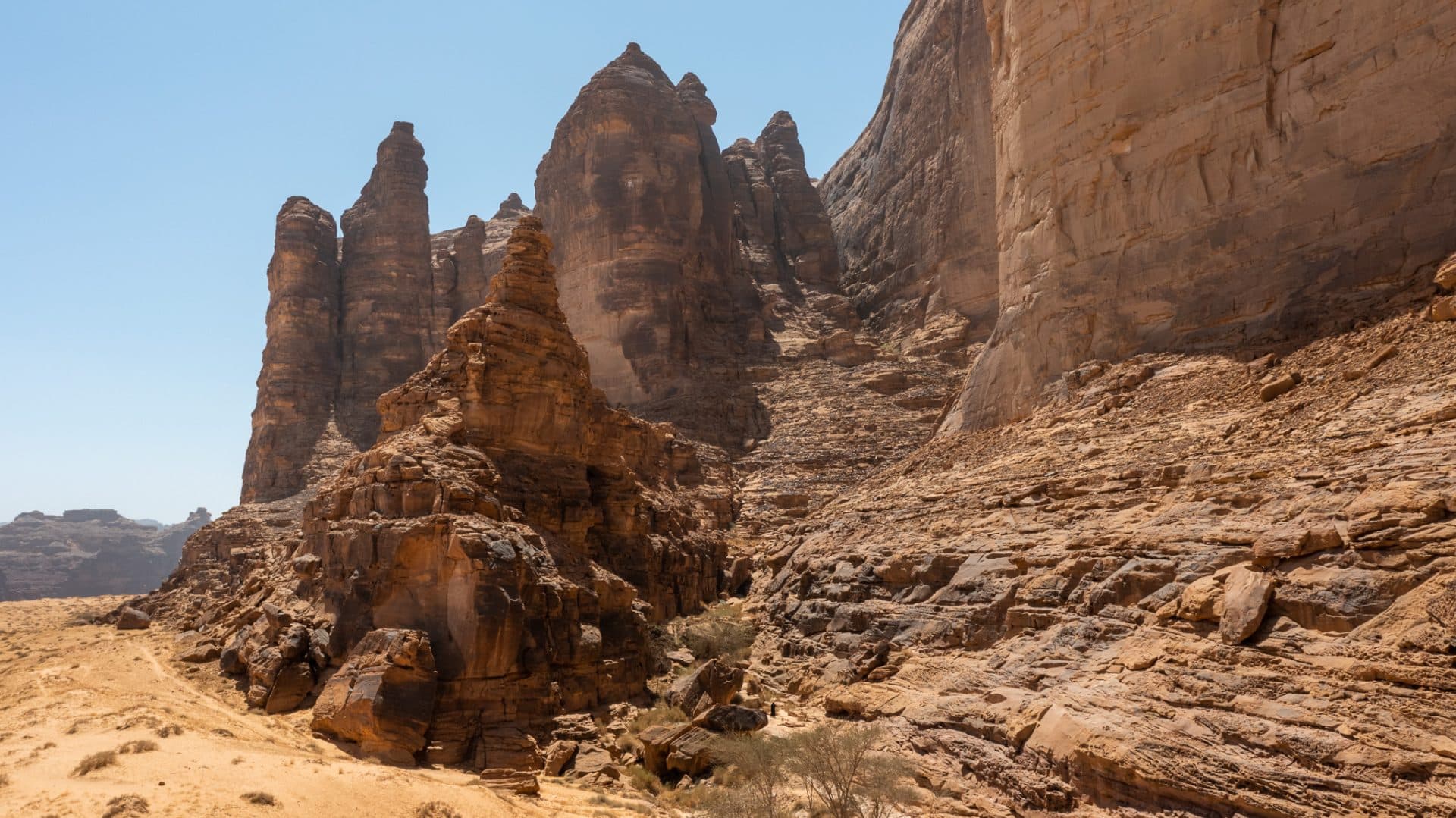
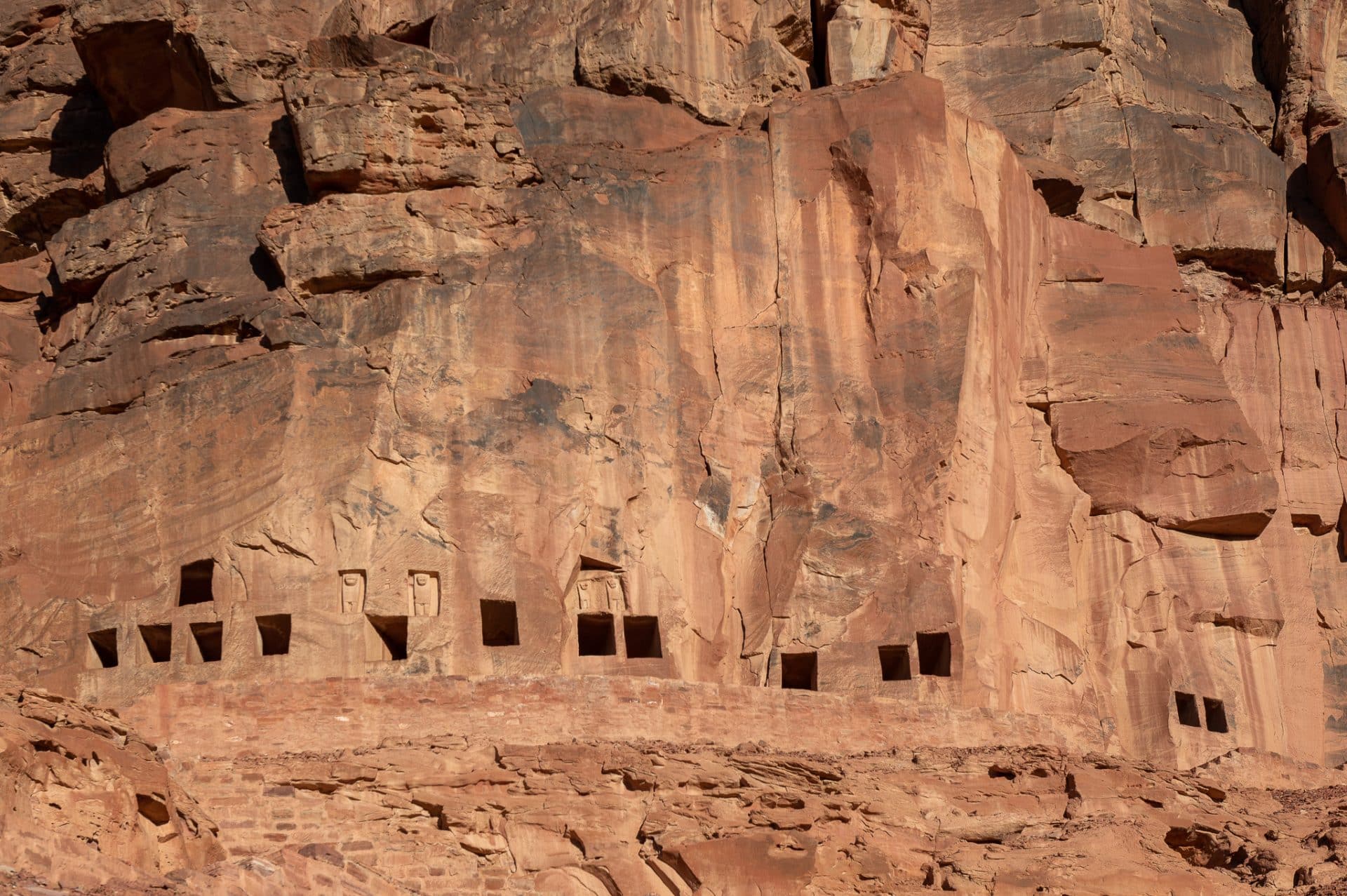
The second major milestone being celebrated at the Ancient Kingdoms Festival was the addition of a new World Heritage Site, Jabal Ikmah, which boasts the largest concentration of well-preserved Dadanitic and Lihyanite inscriptions in the world. Hundreds of individual rock carvings decorated this ‘open library’, detailing everything from rituals and cultural practices to relations with other nations.
“We have a philosophy that everything speaks,” says Dr. Helen McGauran, Heritage Curatorial Expert at The Royal Commission for AlUla. “We’re always looking for those things that the archaeologists are finding that we can start to weave into the greater narrative.”
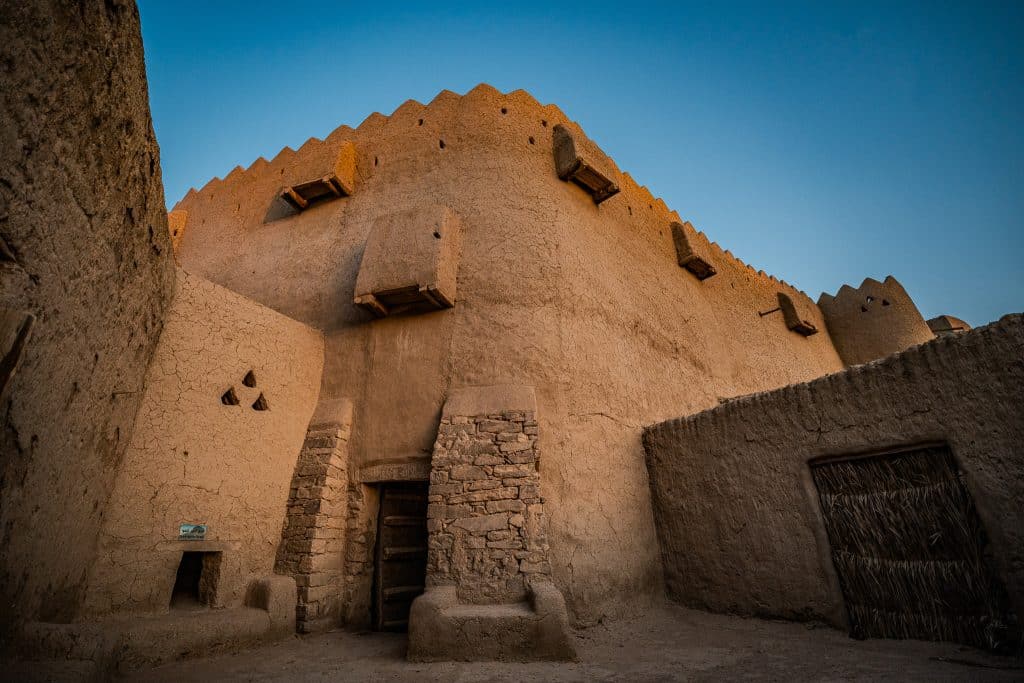
At Tayma – a seat of power for several different regional cultures that was once the residence of Nabonidus, the last native King of Babylon – guests enjoyed ‘Tayma LIVE!’, a re-enactment show presenting the site and the iconic landmark of Bir Haddaj. As one of the largest wells in Arabia, this hydraulic marvel dates back to the 6th Century, serving as a vital heart of community life for countless generations.
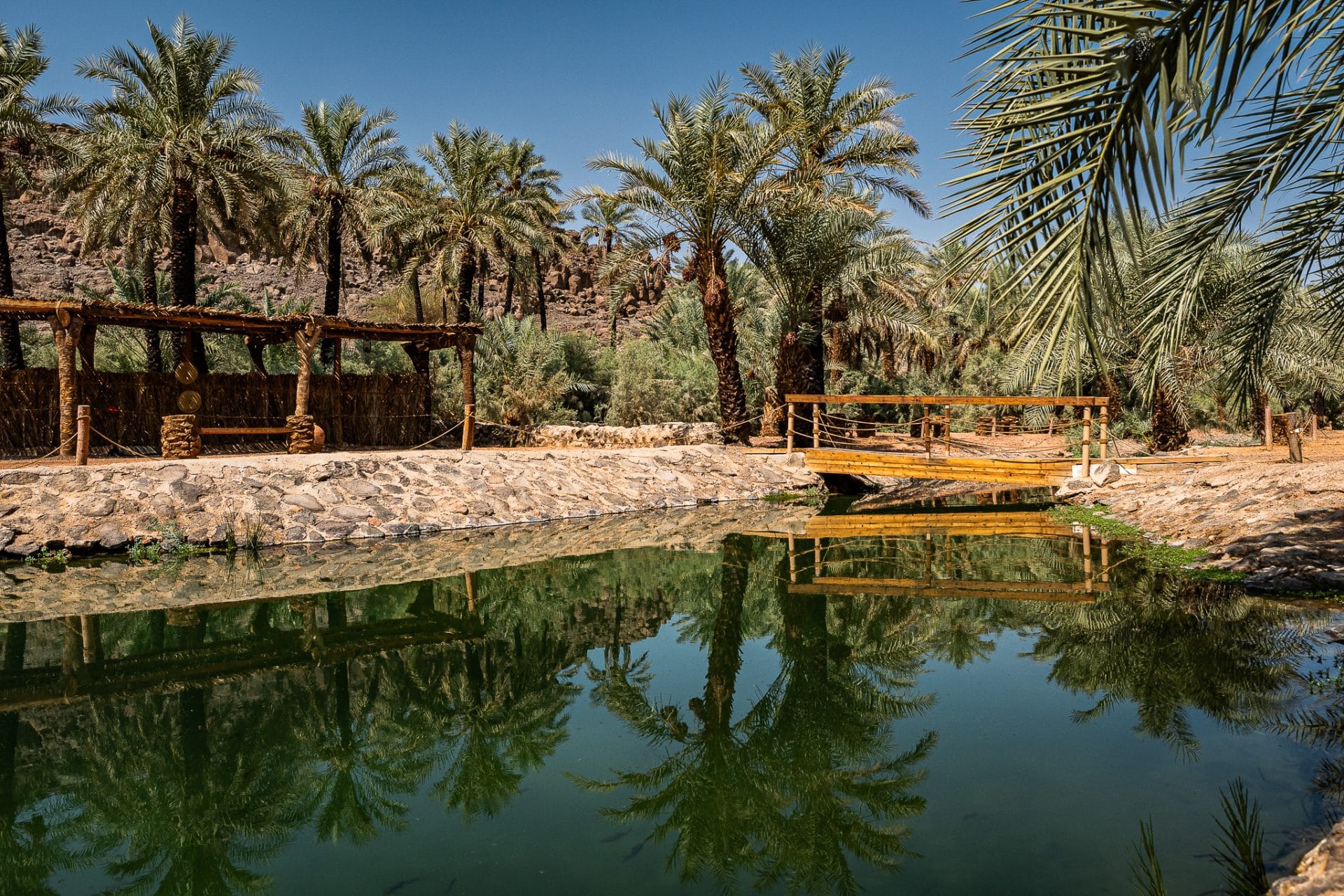
Festival-goers also visited the desert oasis of Khaybar and experienced the ‘Khaybar Bedouin Camp’. Hosted by locals, and set in grand tents inspired by centuries of bedouin tradition, visitors were offered traditional food and drink, as well as handicrafts and family-focussed heritage performances.
The second edition of the Ancient Kingdoms Festivals also saw Wadi Danan open to the public for the first time. Believed to have once been the ancient ostrich-hunting grounds of the Dadanic people, the site is rich with ancient inscriptions and petroglyphs, including the iconic ‘square-bodied’ ostriches.
“We have to be daring and bold,” said Chapman. “No matter what your interest is or your background, there is enough there for you to create your own menu of experiences that you will connect with.
“At the same time, we want our visitors to be active participants in the process of inquiry,” she concluded. “Our first commitment is to be relevant. We’re always trying to find those connections between the people we are hoping to engage with and the content that we’re trying to communicate.”