
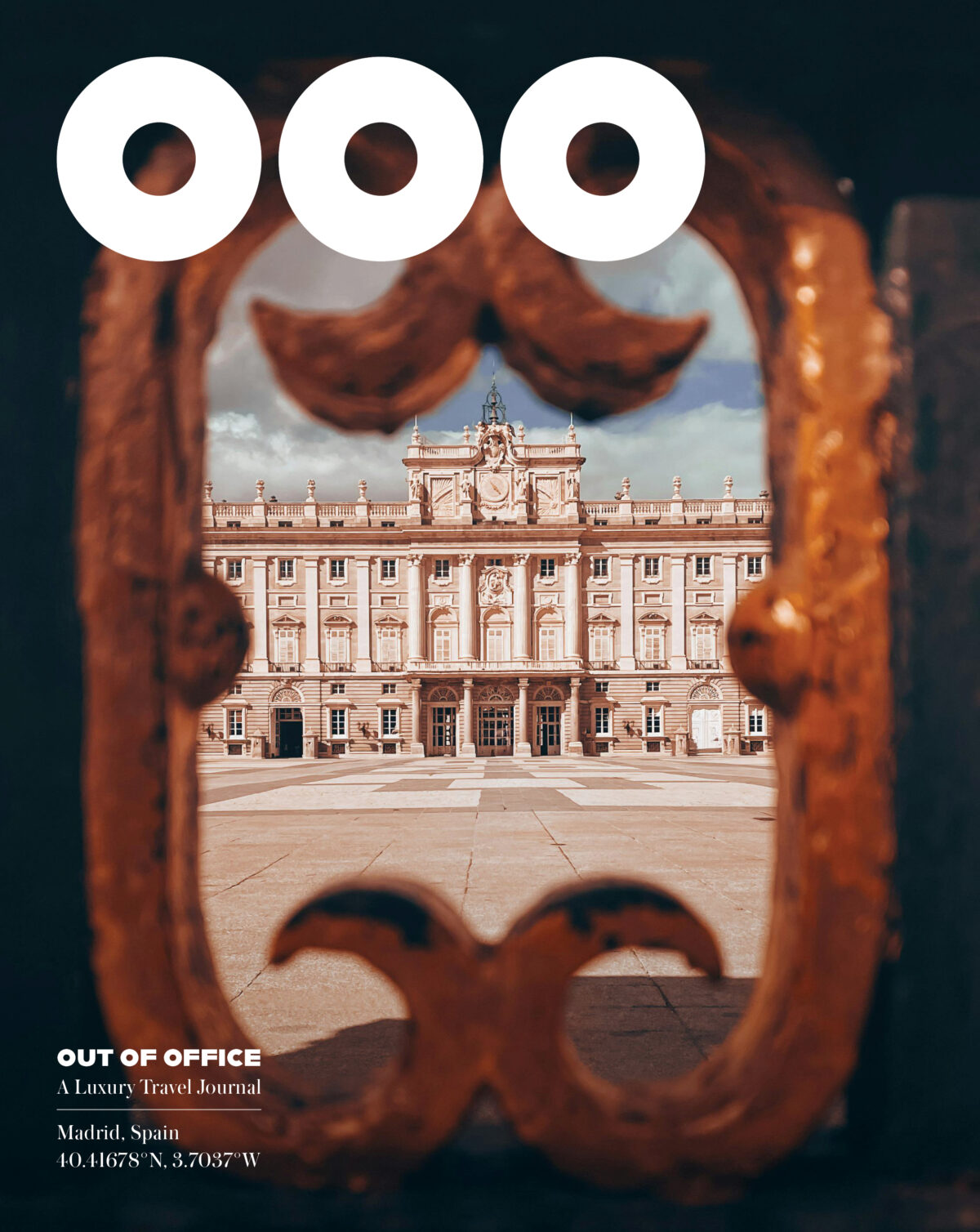
Keeper of The Greats: Madrid Delivers A Triple Threat of Art, Heritage, and Centuries-Old Traditions…
Out of Office’s Spring 2026 issue highlights the wonders of the Spanish capital, from museum exhibitions to day trips, where to stay, and more…
A few years ago, I found myself in Madrid for work. It was a quick 48-hour trip, two days jam-packed with appointments and tours; the kind of whirlwind visit that had me plotting my return well before my departure. On the very last day, my colleague organised a special experience. A guide met us at the back gates of an unassuming address and quietly ushered us in through staff doors, bringing us directly to the museum’s most notable works of art.
For a few blissful hours, we were alone in front of paintings by Caravaggio and Van Gogh, as our guide shared anecdotes about each piece, accompanying us from room to room with gentle urgency. The tour made a few things very apparent: an hour certainly wasn’t enough time to see all of the Museo Thyssen-Bornemisza’s wonders (even if visiting before opening hours), and Madrid’s offerings as a cultural hub are, indeed, expansive.
Many European cities claim to be pinnacle destinations of arts and culture, keepers of national heritage, and expert tellers of the continent’s most epic stories. Spain’s capital is next level – a triple threat, if you will, when it comes to preserving art, history, and tradition. Yes, it is known for its internationally acclaimed restaurants and world-class shopping destinations such as El Corte Inglés, Galería Canalejas, and Las Rozas Village, located a 30-minute drive from the city centre. But at its core, its spirit has been shaped by its many treasures and tales of the past.
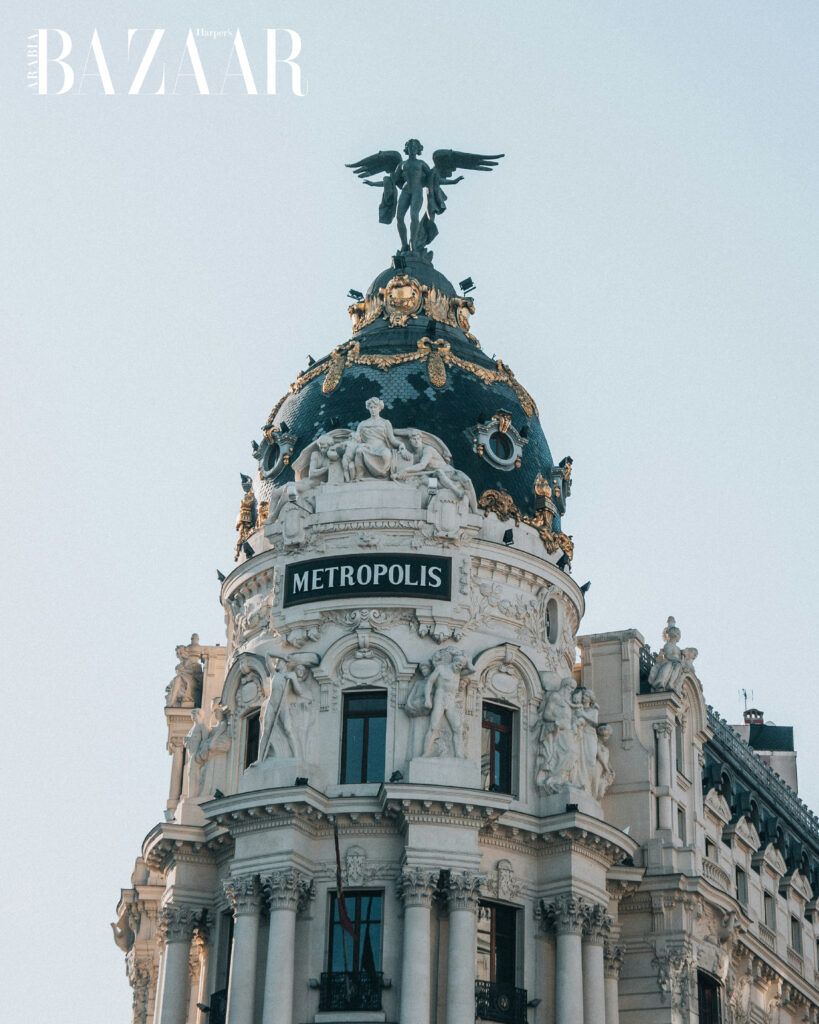
Take Gran Vía, for example – one of Madrid’s major streets. While it’s the perfect place to spend a leisurely afternoon perusing boutiques or enjoy a night out on the town, its early 20th-century architecture is particularly striking, influenced by a range of styles, from the Plateresque movement and Vienna Secession to Beaux-Arts, Art Deco, and Neo-Mudéjar.
What many people aren’t aware of is that this destination is home to the highest concentration of art per square metre in the world. Museo del Prado, famous for classical European paintings from the 12th to 19th centuries, created by masters like Velázquez and Goya; Museo Reina Sofía, which boasts a contemporary curation – and houses one of Pablo Picasso’s most famous paintings, Guernica; and Museo Thyssen-Bornemisza are all within a fifteen-minute walk from one another, forming Madrid’s celebrated Triángulo del Arte. Visitors planning to explore this art-filled district can book into the Mandarin Oriental Ritz for convenience. Located within close proximity to all three museums, it makes venturing to and from exhibitions and galleries a breeze. Alternatively, consider a stay at The Palace, a Luxury Collection Hotel, or the Four Seasons Hotel Madrid, which are also close by. After all, it is the kind of destination best experienced on foot.
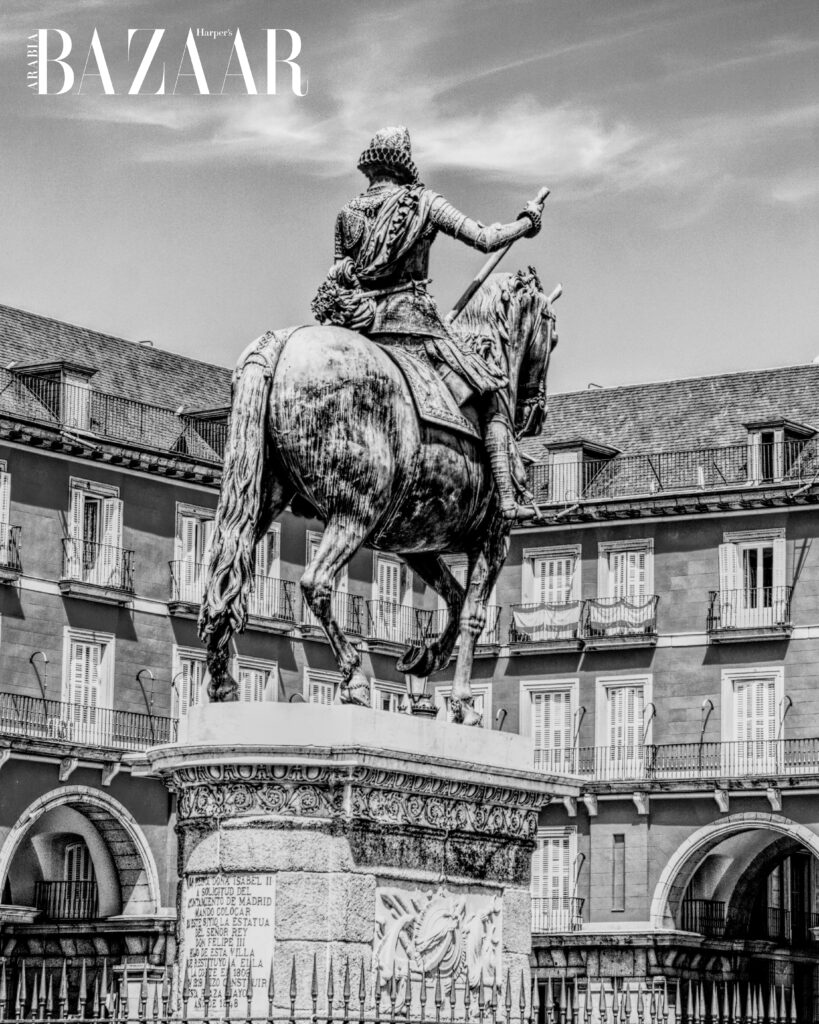
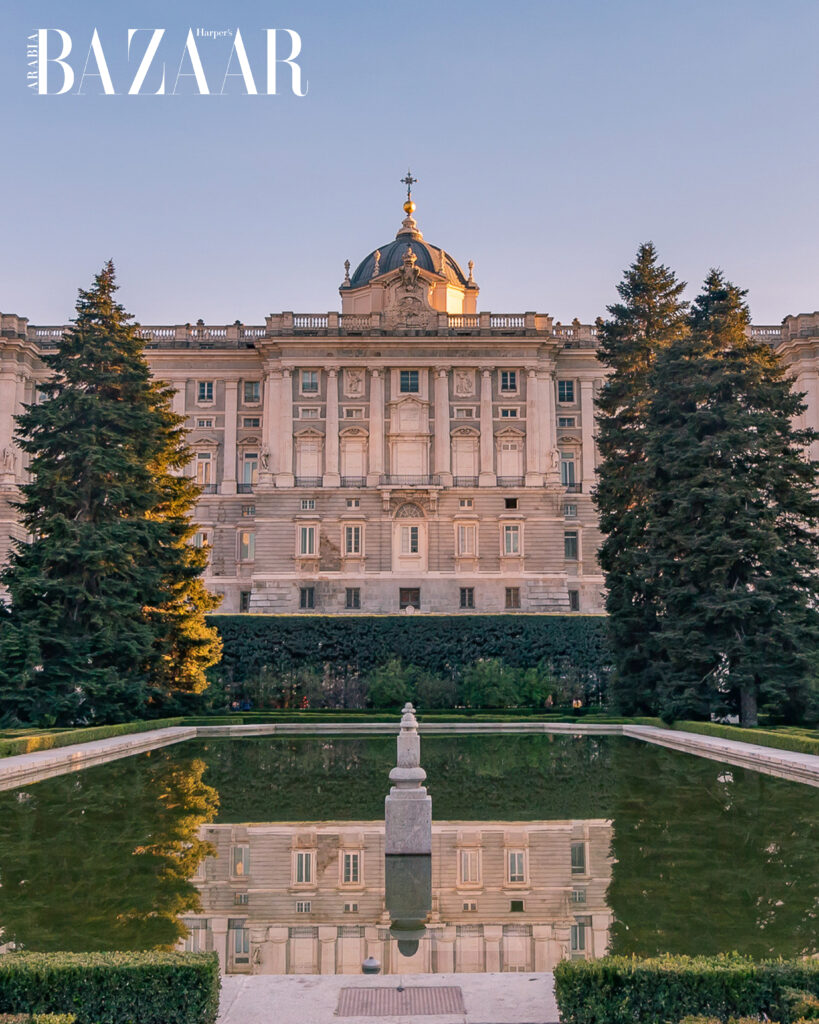
The royal palace is a must-visit for those seeking to broaden their knowledge of Spain’s rich history. Pass through Plaza Mayor, a historic square in the heart of Madrid – famous for its architecture and vibrant atmosphere – on your way before arriving at the gilded gates of Palacio Real. The official residence of the Royal Family, one of the largest and most notable regal residences in the world, is well known for its stunning Baroque architecture, opulent interiors, and grand art collection within the Galería de las Colecciones Reales; which showcases the history of the Spanish monarchy through centuries of art, design, and cultural patronage.
And, of course, no trip to Madrid is complete without experiencing flamenco dancing in an intimate tablaos. (Corral de la Morería, Tablao de la Villa, and Flamenco de Leones top our lists for some of the best venues the city has to offer.) It remains one of Spain’s most compelling cultural expressions – an art form rooted in centuries of tradition yet continually evolving. Recognised as UNESCO Intangible Cultural Heritage it blends rhythm, voice, and movement into a performance that reflects the true soul of the region.
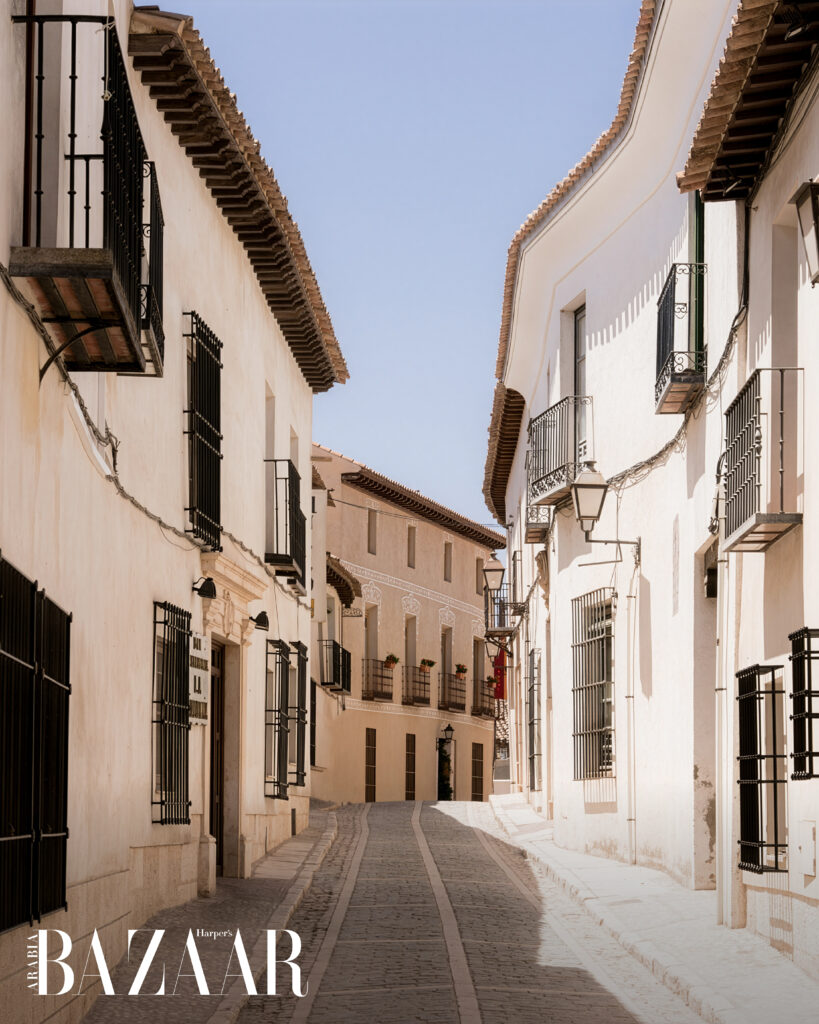
Greater Madrid has plenty to offer history buffs and architecture aficionados, from the Moorish walls and 15th-century castle, built in the Islamic-Spanish Mudéjar style, of Buitrago del Lozoya to the verdant hills and cobbled stone streets of Patones. Chinchón is particularly unique. This protected heritage site is famous for its circular square, which is surrounded by olive trees and dates back to the Middle Ages. Its Church of Our Lady of the Assumption, built in the Gothic style in the 1500s, is famous for not having a tower. The nearby clock tower, erected centuries ago, exists without being attached to a church – an unusual occurrence for the time of its creation. All three of Madrid’s UNESCO Heritage sites are a 45-minute car ride away, meaning it’s technically possible to visit the towns of San Lorenzo de El Escorial, Alcalá de Henares, and the Royal Palace of Aranjuez in one day, if you’re feeling energised and ambitious.
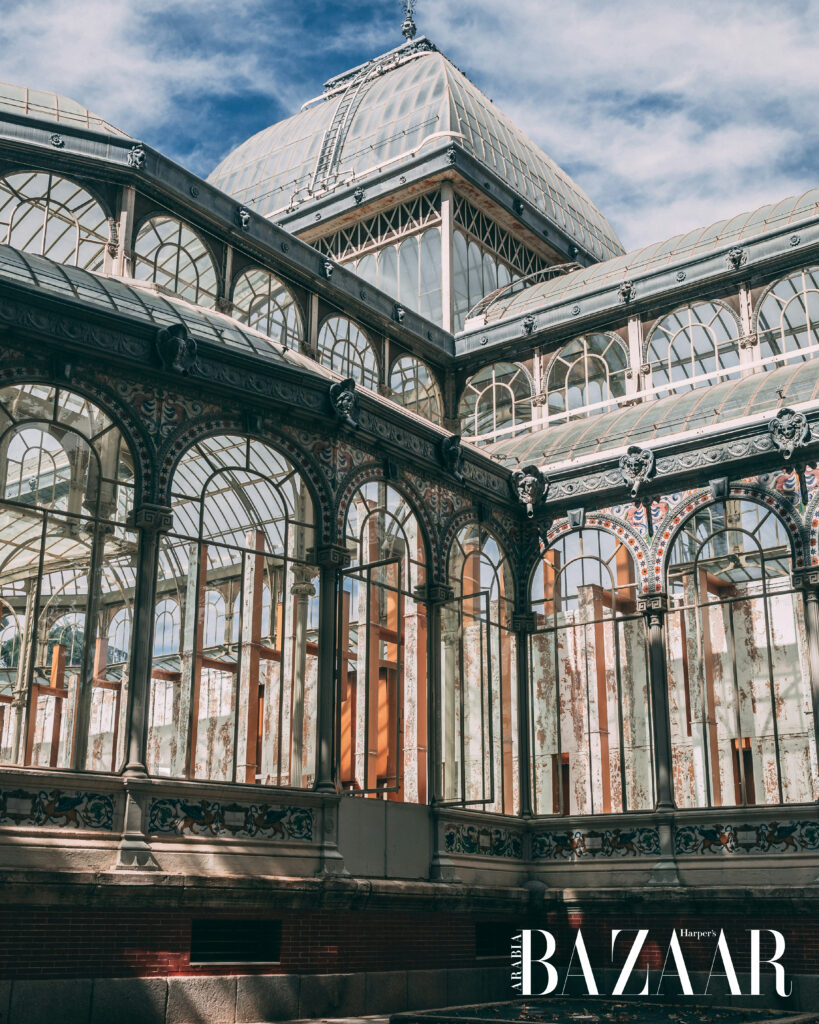
On a different trip to Madrid, a short stroll from my hotel brought me to the lush El Retiro Park, a sprawling green on the edge of the city centre filled with rose gardens, trees, and a man-made lake. At its heart sits the glassy Crystal Palace Madrid, a light-filled sanctuary that feels part conservatory, part art installation – and on a sunny day, there is no better place to picnic.
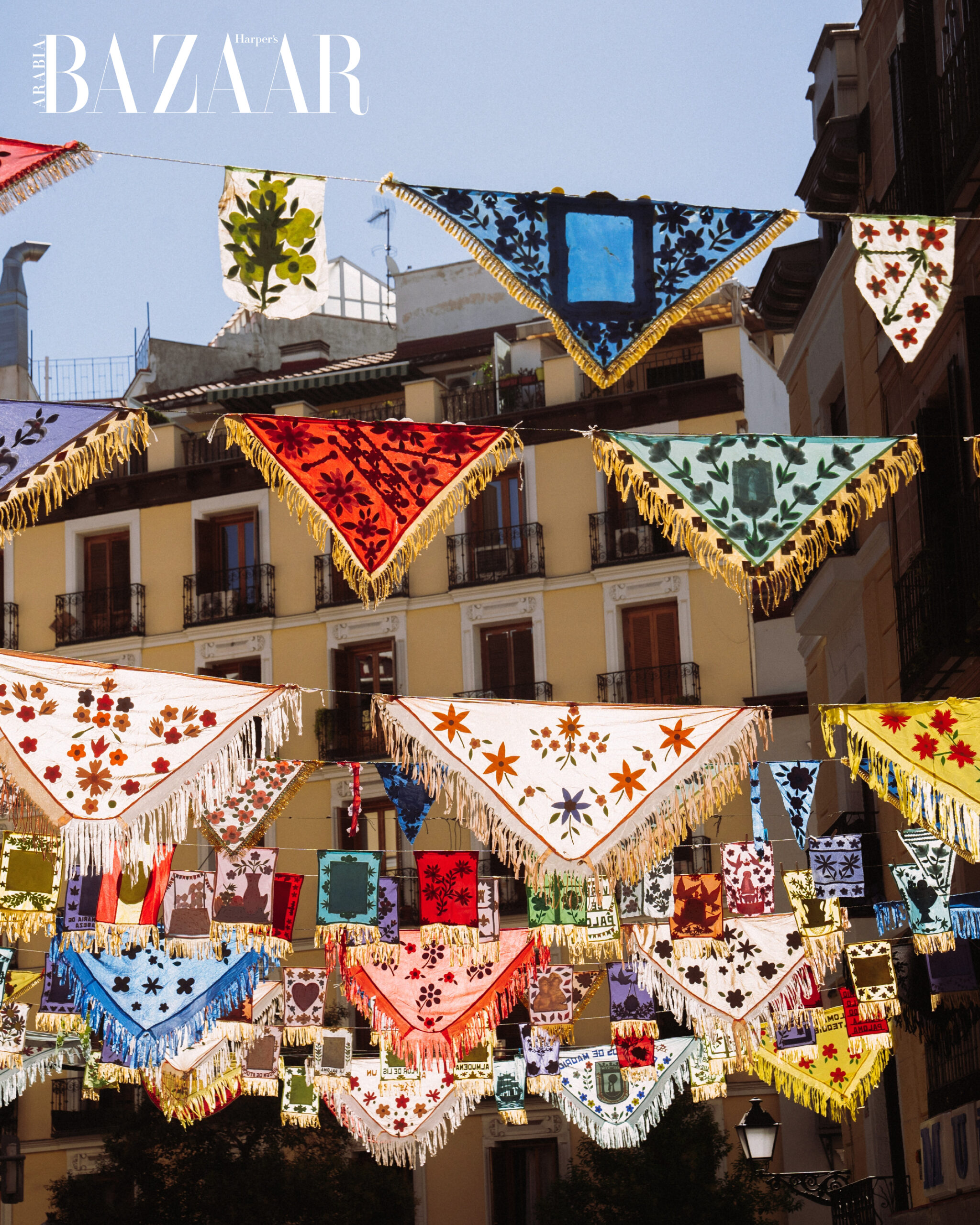
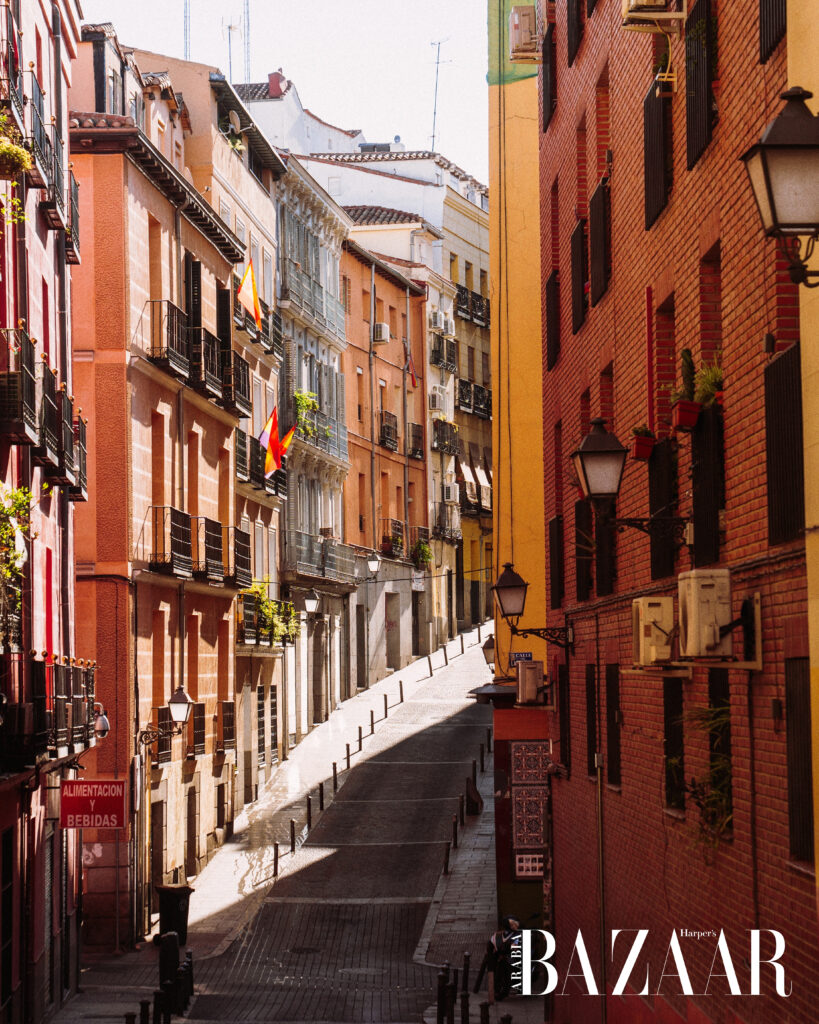
But you needn’t go far to seek out unique experiences within the heartbeat of Madrid’s bustling metropolis. In the upscale Barrio de Salamanca, boulevards and elegant façades give way to quaint cafés and high-end boutiques; the most luxurious ones are located along Calle de Serrano, which is nicknamed Golden Mile – Milla de Oro in Spanish. Malasaña offers something altogether different: vintage stores, street art, late-night bars; a creative, slightly rebellious energy. Then there’s Salesas, all concept stores and contemporary galleries, where you’ll spontaneously pop into boutiques and emerge with treasures. La Latina, with its winding streets and tiled taverns, comes alive on weekends when locals spill out onto plazas; hopping between tapas bars, beverages in hand.
It’s here, in these quaint neighbourhoods, that Madrid feels most itself: unhurried and joyful; rich in arts, culture, and its people.
For more information visit onlyinmadrid.me
Cover image photography by Wendel Moretti
Discover Out Of Office Spring 2026, available with the latest issue of Harper’s Bazaar Arabia, or order your copy of Spring 2025 here.
