
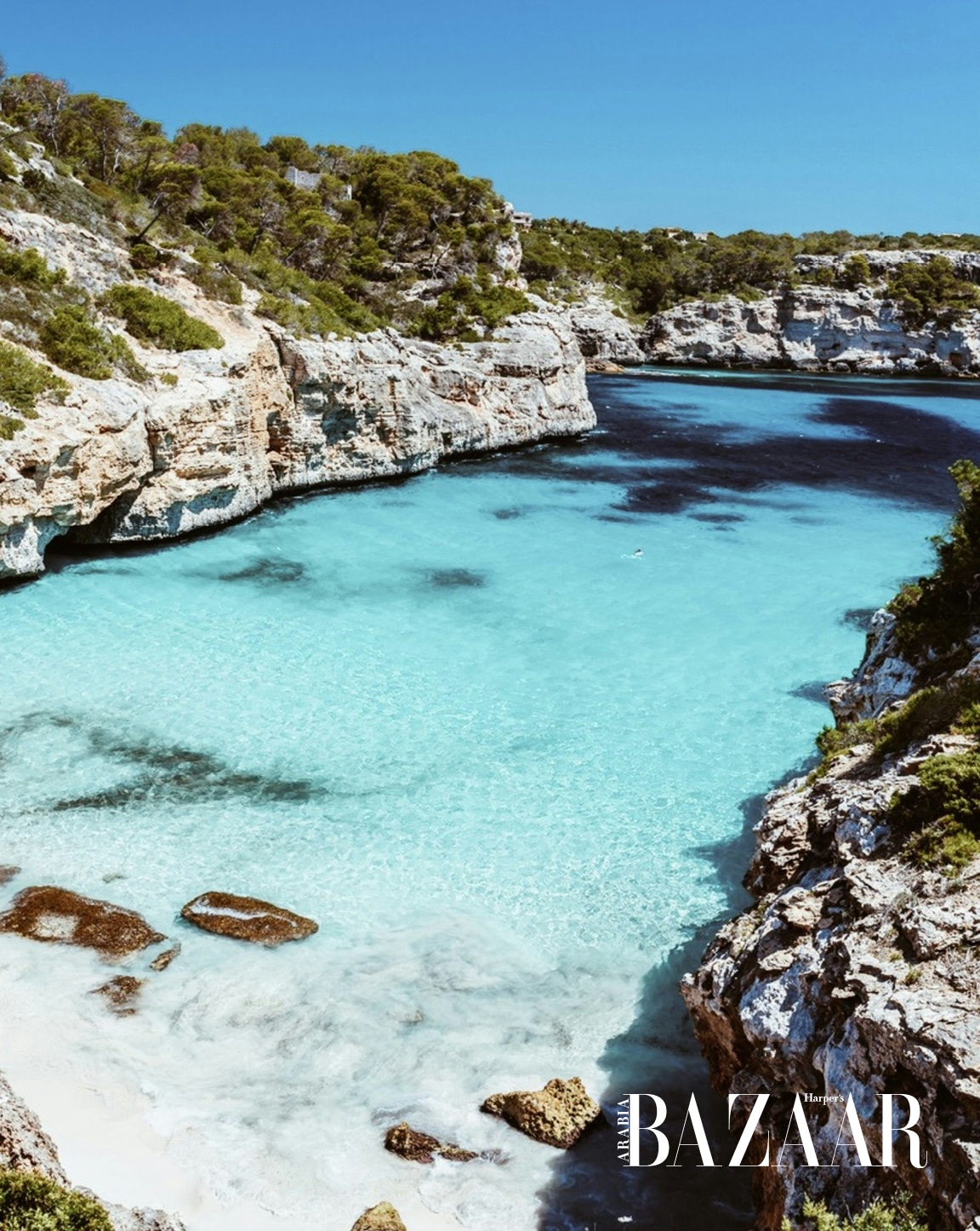
Why Every Wanderluster Should Experience The Unique Beat Of The Balearic Islands This Summer

Encompassing beautiful beaches, awe-inspiring natural landscapes, ancient towns and majestic historical monuments, Spain’s Balearic Islands are seeing a surge in GCC tourists
Spain official logo celebrates 40 years of life this year, and the blazing sun at the heart of its design is a true-to-life depiction of the endless warmth that the European gem exudes.
Still, reducing Spain to sunshine and beaches would be just as foolish as attributing its growing popularity to fiestas and flamenco. Year after year, tourists from all over the world — particularly those from the Gulf region — choose to flock to this Mediterranean paradise because, in its most authentic form, Spain is a captivating confluence of nature, history, and culture. The Balearic Islands located in the Western Mediterranean are perfectly representative of the country’s eclectic nature, explaining this heavenly archipelago’s trending popularity among GCC tourists.
Each of the three main constituents of the Balearic Islands — Mallorca, Ibiza, and Menorca — has its own unique charm, but one characteristic they all share is fusing together a seaside Mediterranean lifestyle with rich history and cultural heritage. The “magic island” of Ibiza needs no introduction. Beyond its iconic nightlife scene that illuminates Ibiza Town, the Mediterranean island is a natural paradise and historical haven. From coves and pine forests that surround the deep blue sea (at Sant Josep de sa Talaia, for instance) and charming rural villages, to biodiversity reserves and the UNESCO World Heritage site at Dalt Vila, the charming island has something for everyone. Lovers of archaeology can head to the Puig des Molins museum and the Phoenician settlement of Sa Caleta to discover the fascinating remains of a bygone era. Packed with luxury hotels, natural coves, great weather, luxury services and an impressive lineup of incredible restaurants, the island’s popularity is unwavering for good reason.
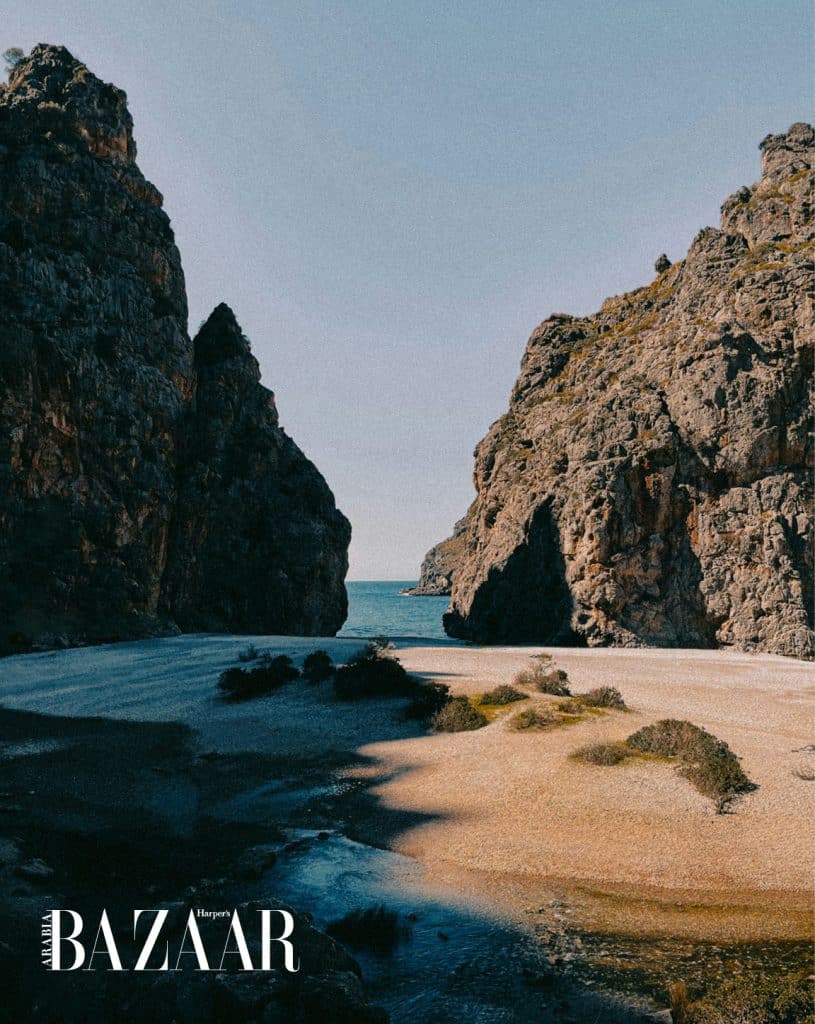
Dubbed an open-air museum and declared a biosphere reserve back in 1993, Menorca is undoubtedly a historical hub of the Balearic Islands. At Es Born, the island and city’s iconic old quarter, history enthusiasts can roam around the streets of a rustic medieval town, taking in the splendour of its fortresses, castles, and palaces. Alternatively, those seeking to experience the island in a laid-back fashion can immerse themselves in the magic of fishing and sailing towns (including Fornells) as well as Minorcan coves (at Sant Lluís, for example), whilst diving aficionados explore the depths of the island’s many crystal-clear beaches.
Mallorca, the largest island of the archipelago, is a feast for both lovers of nature and history connoisseurs. For instance, the Song of the Sybil, an ancient chant, is known to reverberate within the walls of the majestic Palma Cathedral, which is adorned with Gothic-inspired art and architecture. Mallorca’s vibrant capital, Palma, offers the epitome of a lively Mediterranean experience whilst secluded villages such as Valldemossa, Deia and Sóller will allow visitors to clear their mind within an incomparably tranquil ambiance and their rich cultural heritage. One of the most up-and-coming Balearic Islands is Formentera, a short boat ride from Ibiza and a favourite spot of those in-theknow who enjoy the slower pace of the island. Bright white sandy beaches and sparkling turquoise water characterise the island, which is now home to first-class luxury hotels that are renowned for their high-end services, spectacular views, and close proximity to authentic Mediterranean restaurants.
Encompassing world-class gastronomy, unrivalled natural beauty and a rich cultural heritage, Spain’s Balearic Islands are a veritable feast for the senses, offering something new and unexplored to be discovered every time you return.
spain.info
From Out of Office’s June 2024 issue