

Indian Craftsmanship Was The Focus Of Dior’s Fall 2023 Show
All roads led to India as the French luxury house spotlighted the country’s craftsmanship that forms the backbone of European couture with their Fall 2023 show
On March 30, 2023 French fashion house Dior turned Mumbai’s Gateway of India, an arch-monument built in the 20th century, into the runway for its Fall 2023 show.
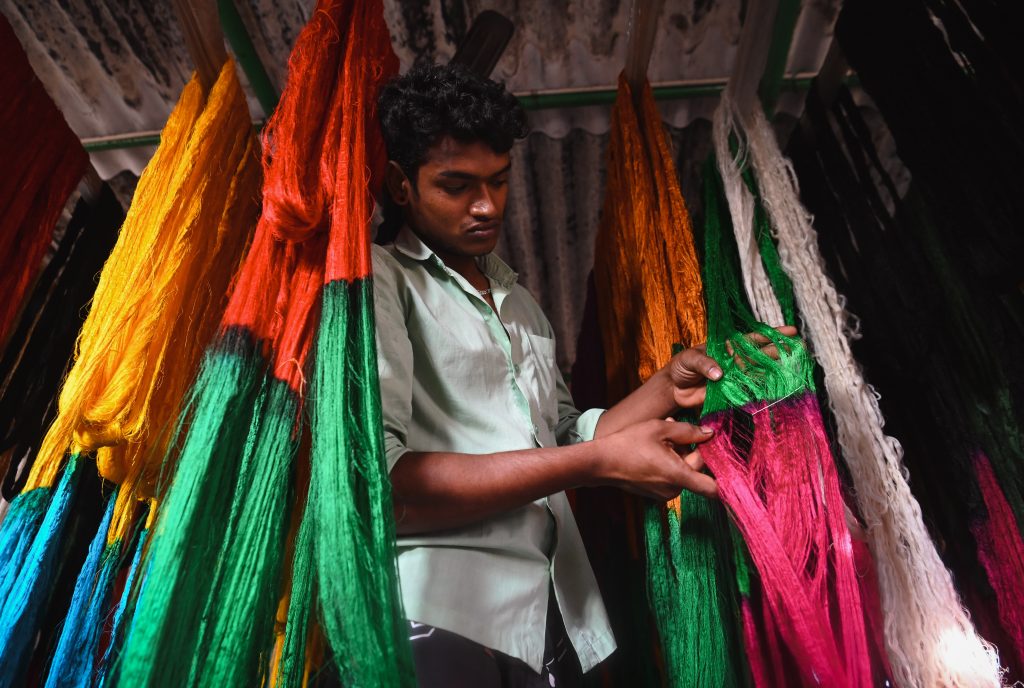
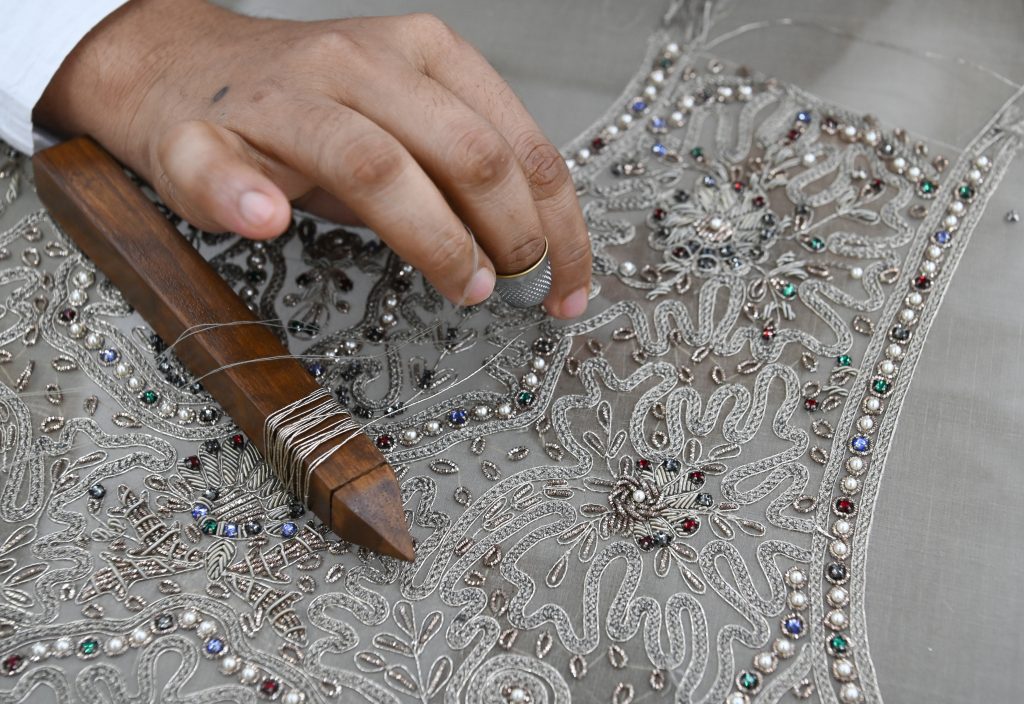
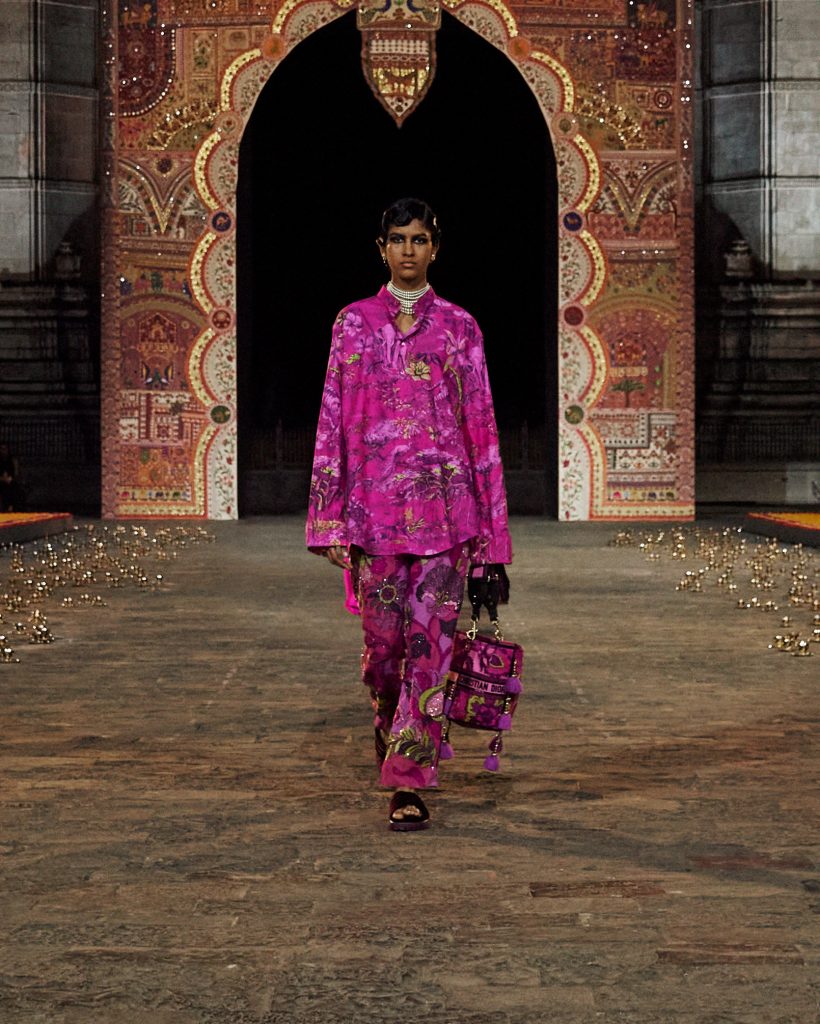
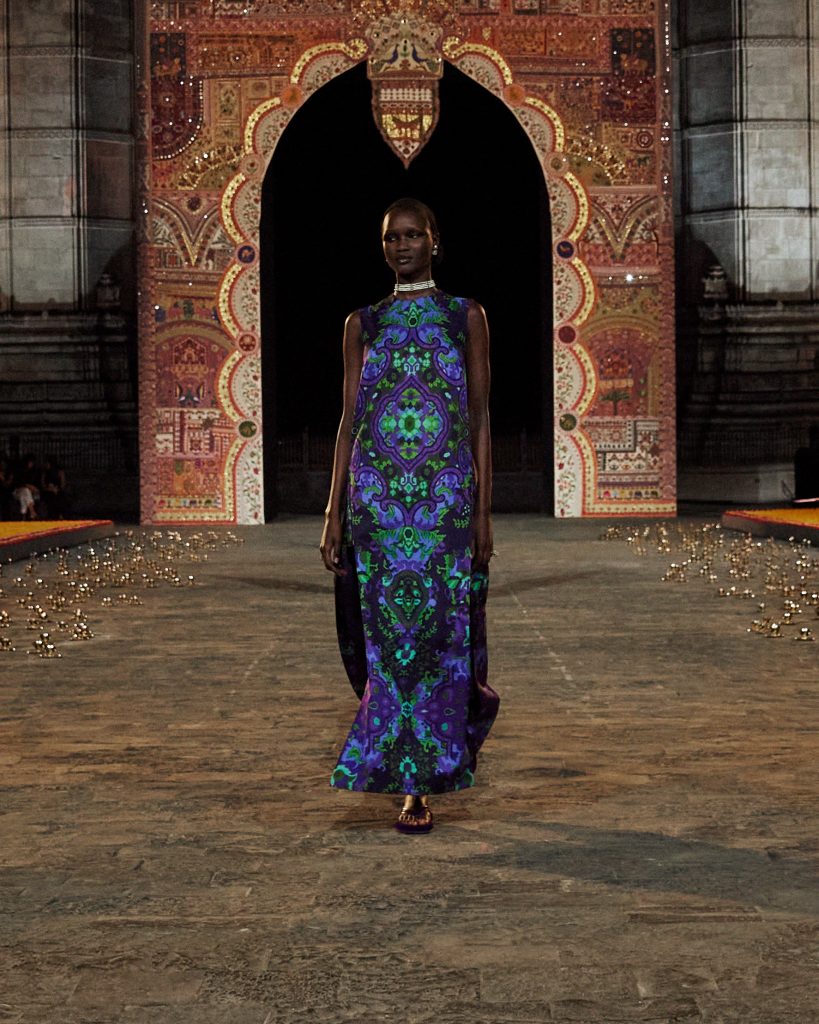
Models walked down the historic square dressed in sari-inspired drapes, kurta shirts, Nehru jackets and lungi skirts in an array of silks, saturated brights and Madras checks embroidered in India using indigenous techniques like aari, applique, zardozi, block printing, patchwork and mirror work.
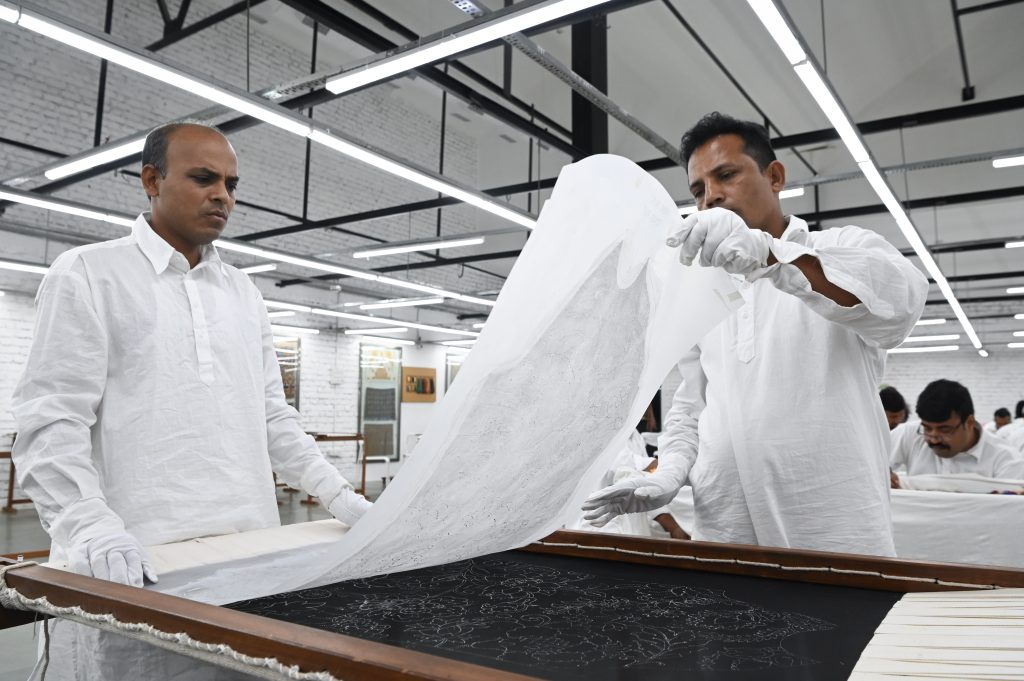
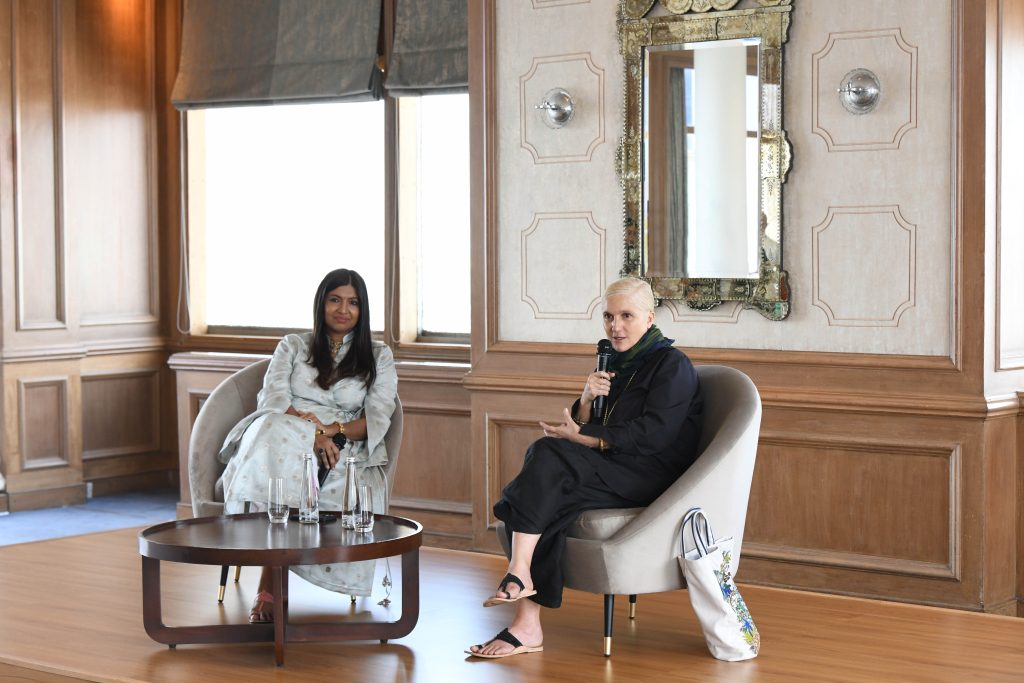
Ahead of the show Maria Grazia Chiuri, Creative Director of Women’s Collection at Dior, spoke about wanting to celebrate the creativity and culture of India through this destination showcase. “It’s about new ideas for a new generation, that it is possible to innovate (…) a paradigm shift, and changing how we speak about craft. We want to put dialogue at the heart of it,” said Maria Grazia. “Normally, a fashion show is 10 minutes—super short. Nobody knows what’s behind handmade outfits. We want to show what is really behind it,” she said.
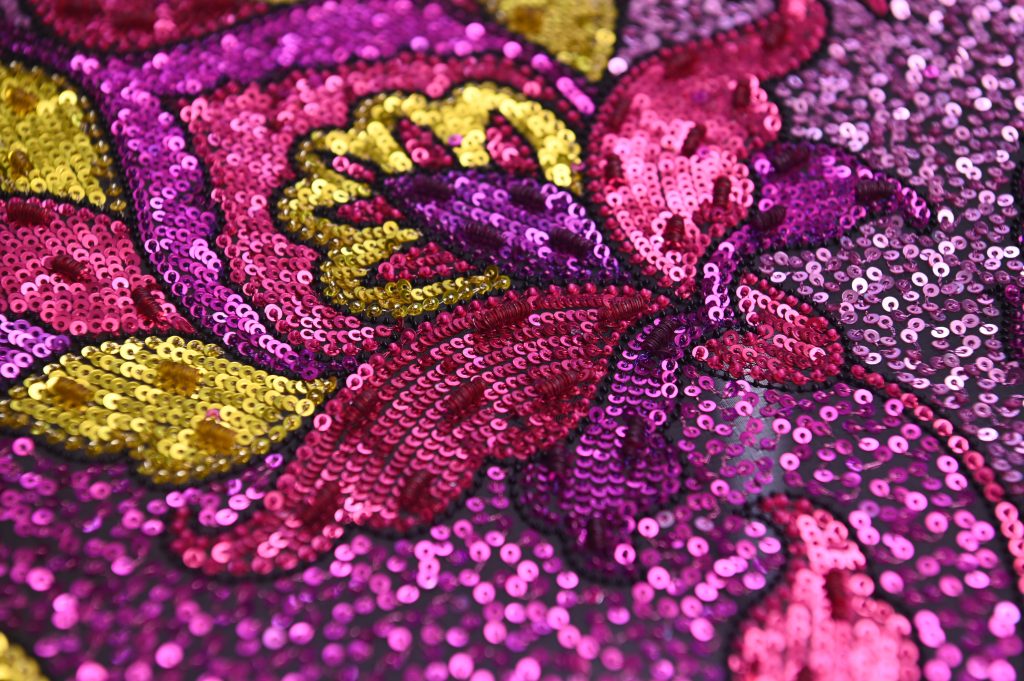
So, what is behind the scenes? This is where India plays a pivotal role. The country’s centuries-old legacy of hand embroidery, craft techniques and technical know-how is unparalleled. It’s this very savoir-faire that umpteen international design houses around the world rely on to realise their collections, but only a few openly speak about this connection.
Maria Grazia, on the other hand, has been vocal about the brand’s dependence on Indian artisans, particularly her long association with embroidery atelier and global export house Chanakya International. “For as long as I have known her, Maria Grazia has been personally invested in the preservation and sustainability of craft and culture,” says Karishma Swali, artistic director of Chanakya International and The Chanakya School of Craft, both headquartered in Mumbai.
While Karishma’s team works with many designers seasonally, this show was an extension of her (and her company’s) long-standing relationship with both Maria Grazia and Dior. They’ve partnered with the brand for the past 50 seasons now. Their ties to Maria Grazia run deeper, and go back over 25 years, to when she first met Nehal Shah — Karishma’s brother — in 1992, and went on to work with the Indian atelier through her tenures at Fendi, Valentino, and now Dior.
Since 2017, Maria Grazia has also been a supporter of the Chanakya School of Craft, a non-profit dedicated to upskilling women in Indian craft techniques typically passed down to men in India’s craft community. Immersive art installations created by students of the school have served as the scenography for Dior’s couture shows in the past.
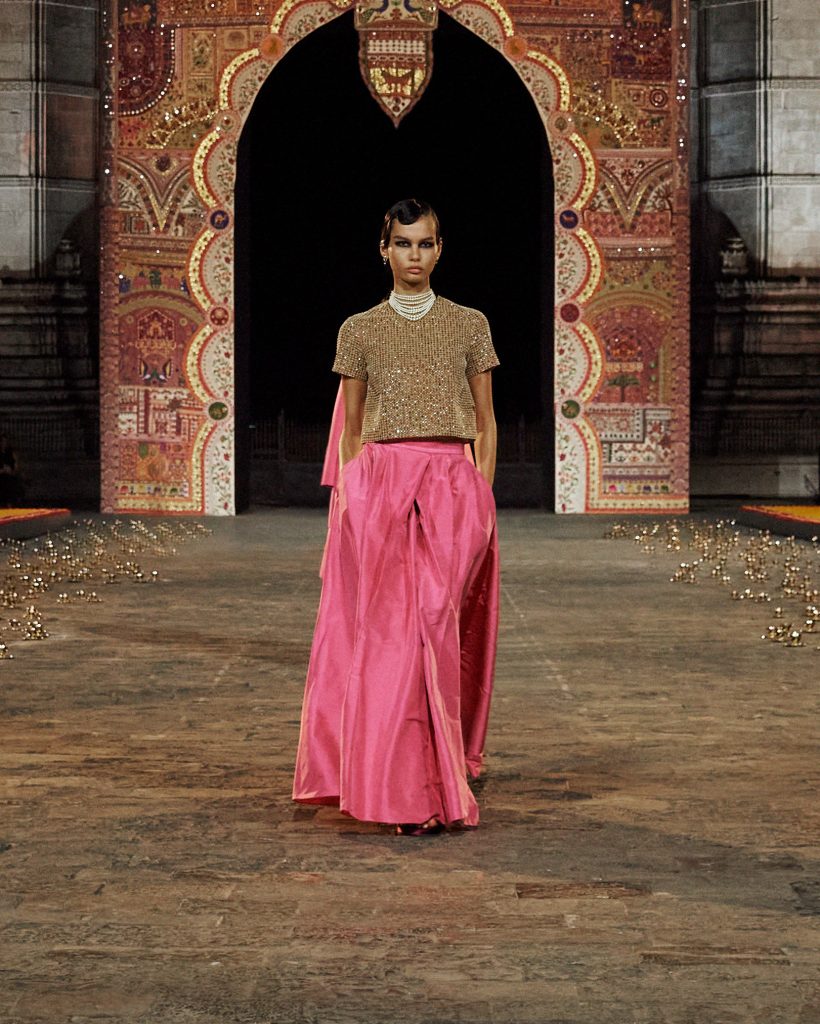
For the Fall 2023 show too, a site-specific 46-feet-tall public installation was created to frame the monument. It was inspired by the toran (a Hindu decorative door hanging to welcome guests), and created by 300 master artisans from the Chanakya atelier, as well as female artisans from the school over 35,000 hours depicting folk iconography.
Maria Grazia (the daughter of an Italian seamstress) and Karishma (whose family-run company works with 13th-generation master artisans) believe craft is their shared language, and both speak passionately about the need to preserve artisanal legacies. “We believe our role is to respect those hands, those of the artisan, which are truly custodians of our culture,” says Karishma. Maria Grazia additionally believes that embroidery — one of the first activities of humankind — is more than just decorative, it is a tool of expression.
Through their work together, both creative directors want to take a revivalist approach to craft techniques. “One of the many crafts we collectively revived is that of the chaand jaal, meaning silver network in English — a delicate lace that features braided coiled threads interlinked to form an intricate lace-like mesh.”
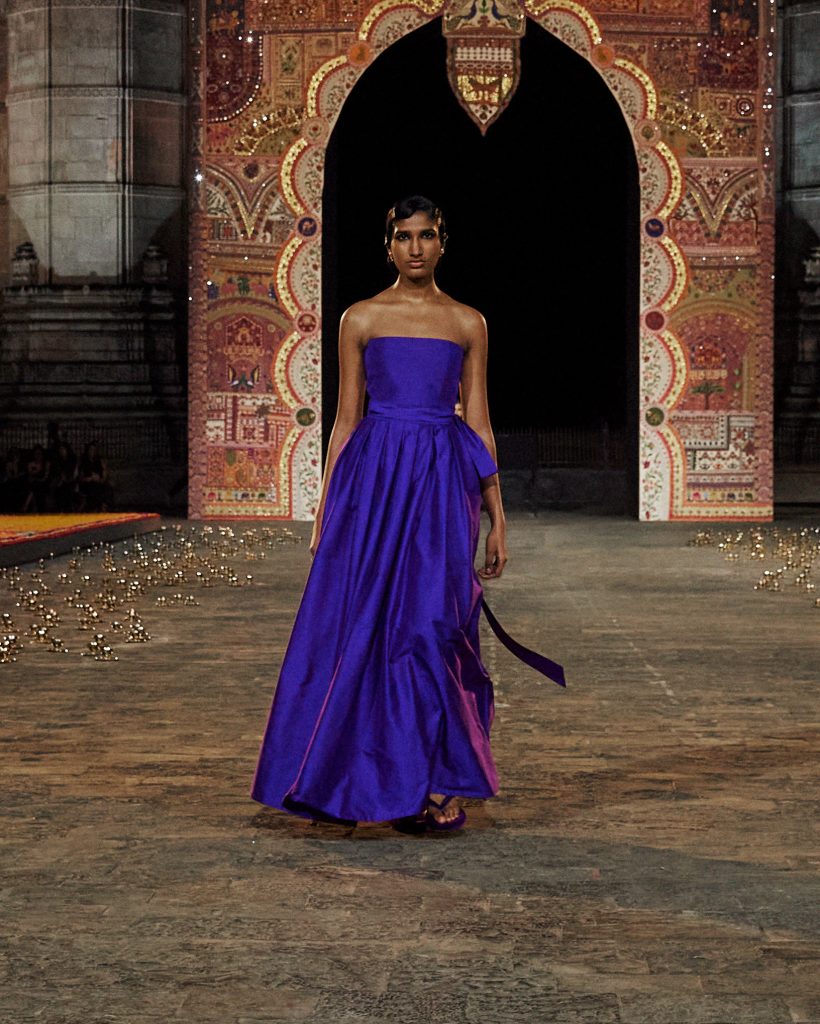
“This craft was used in Mughal times, where it was created with fine threads of silver, but had been forgotten in recent centuries,” explains Karishma. “The final embroidery, which we derived from vintage jackets within our archive, forms a self-standing decorative and detailed lace that was previously extinct, and was used for a dress in Maria Grazia’s debut show at Dior,” she carries on. It has been interpreted as delicate French lace using kasab and mirror work for this collection too.
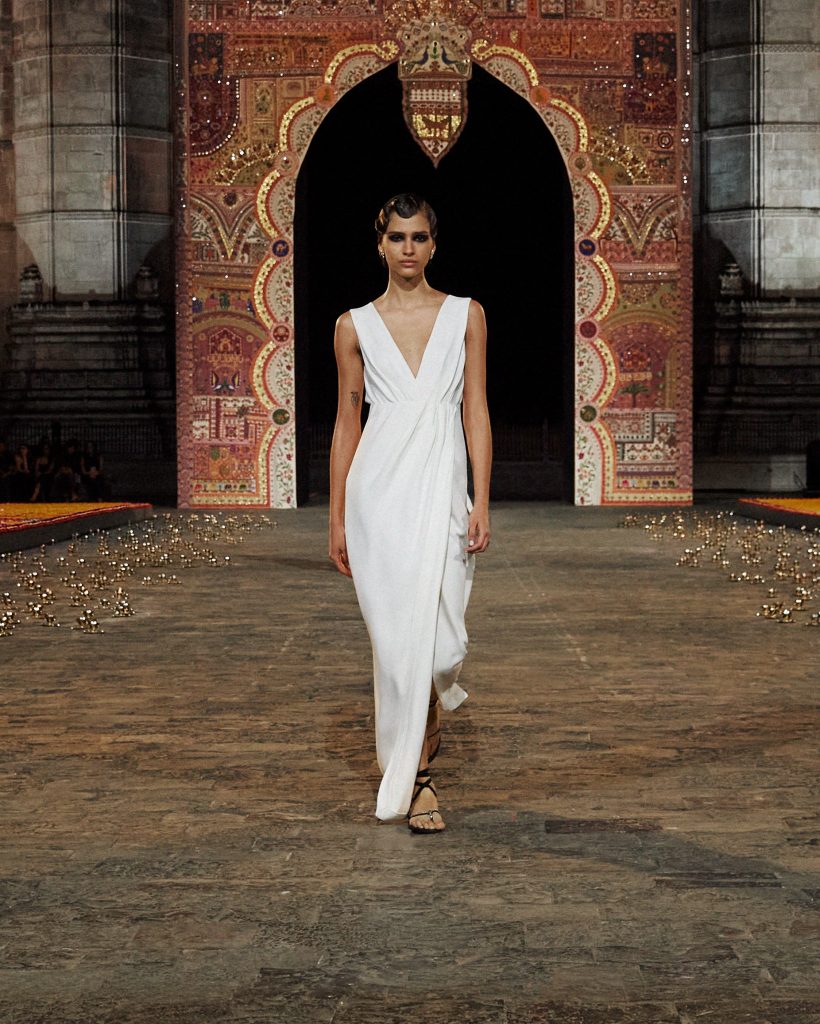
What’s also important, both Karishma and Maria Grazia attest, is longevity coupled with present-day relevance to create a new language. “Hand-embroidery is at the heart of Indian culture, and serves as a form of identity across its many communities. Even though techniques date back centuries, they remain a relevant means of exchange even today.”
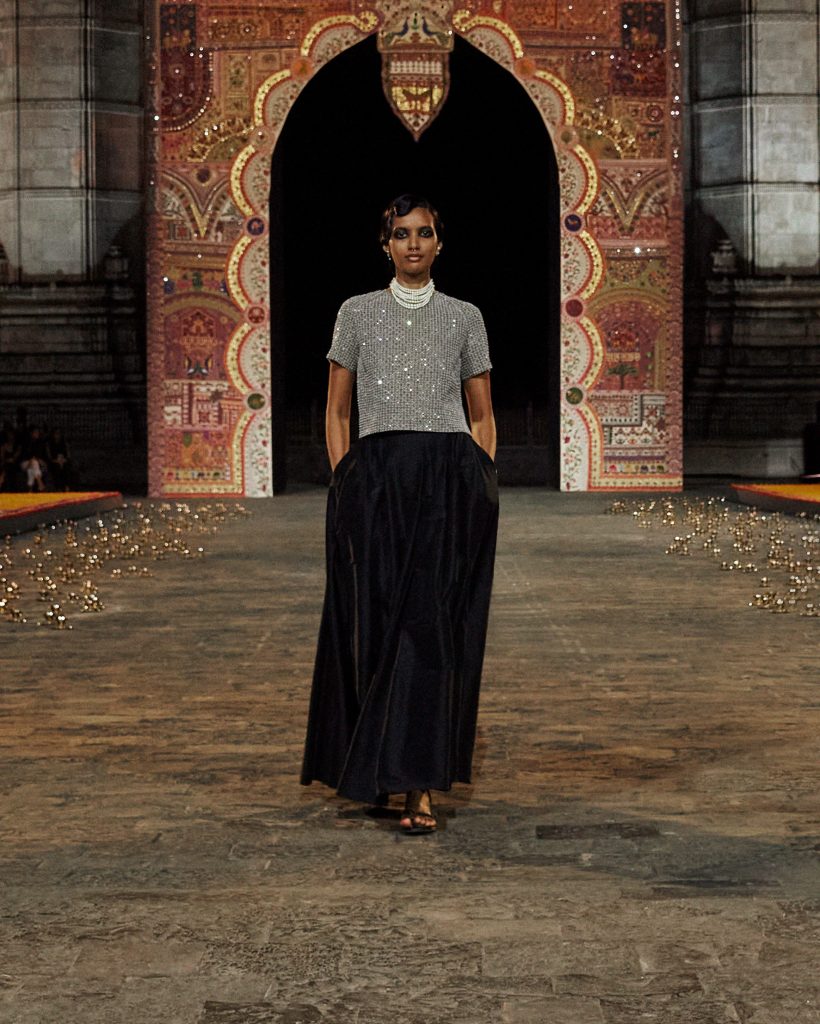
“Through a dialogue with Dior and Maria Grazia , artists, creators and artisans, we have the opportunity to continue the conversation on the infinite possibilities of craft and couture,” feels Karishma. For years, she says, they’ve brought parts of Mumbai to Paris. So the coming of Paris to Mumbai is a turning point.
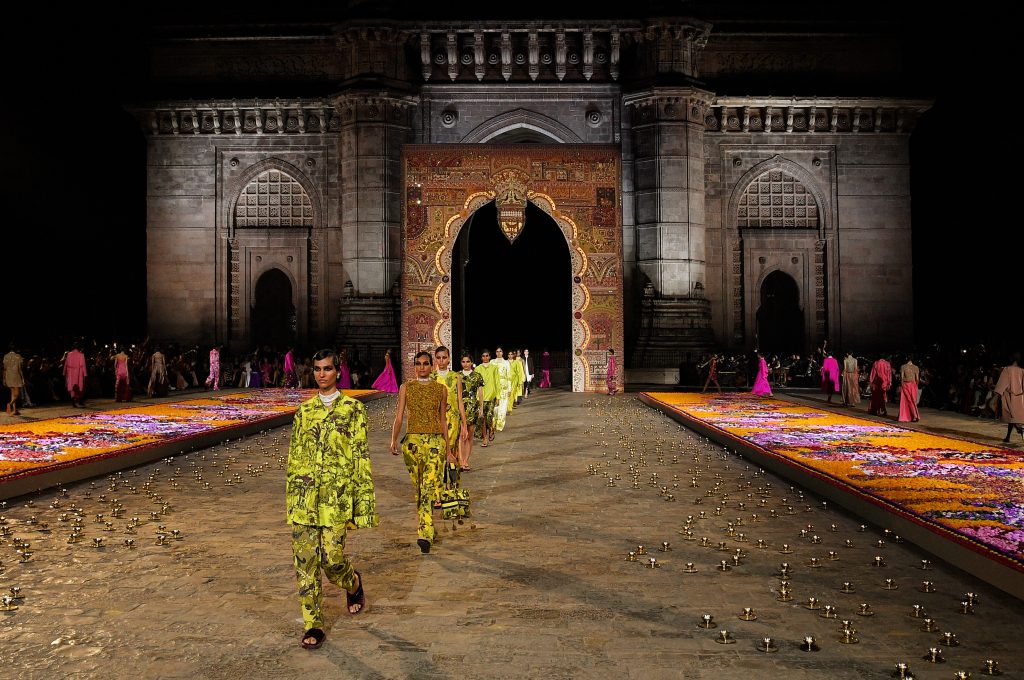
Credit for Indian craftsmanship that has been a long time coming.
Lead Image Courtesy of Dolly Haorambam
Images Courtesy of Sahiba Chawdhary © Chanakya School of Craft