
Evergreen Modernity: Patou’s Guillaume Henry On Creating The Luxury Sustainable Bag That’s Here To Stay
A signature bag created to bring a smile to the face of every woman who owns one
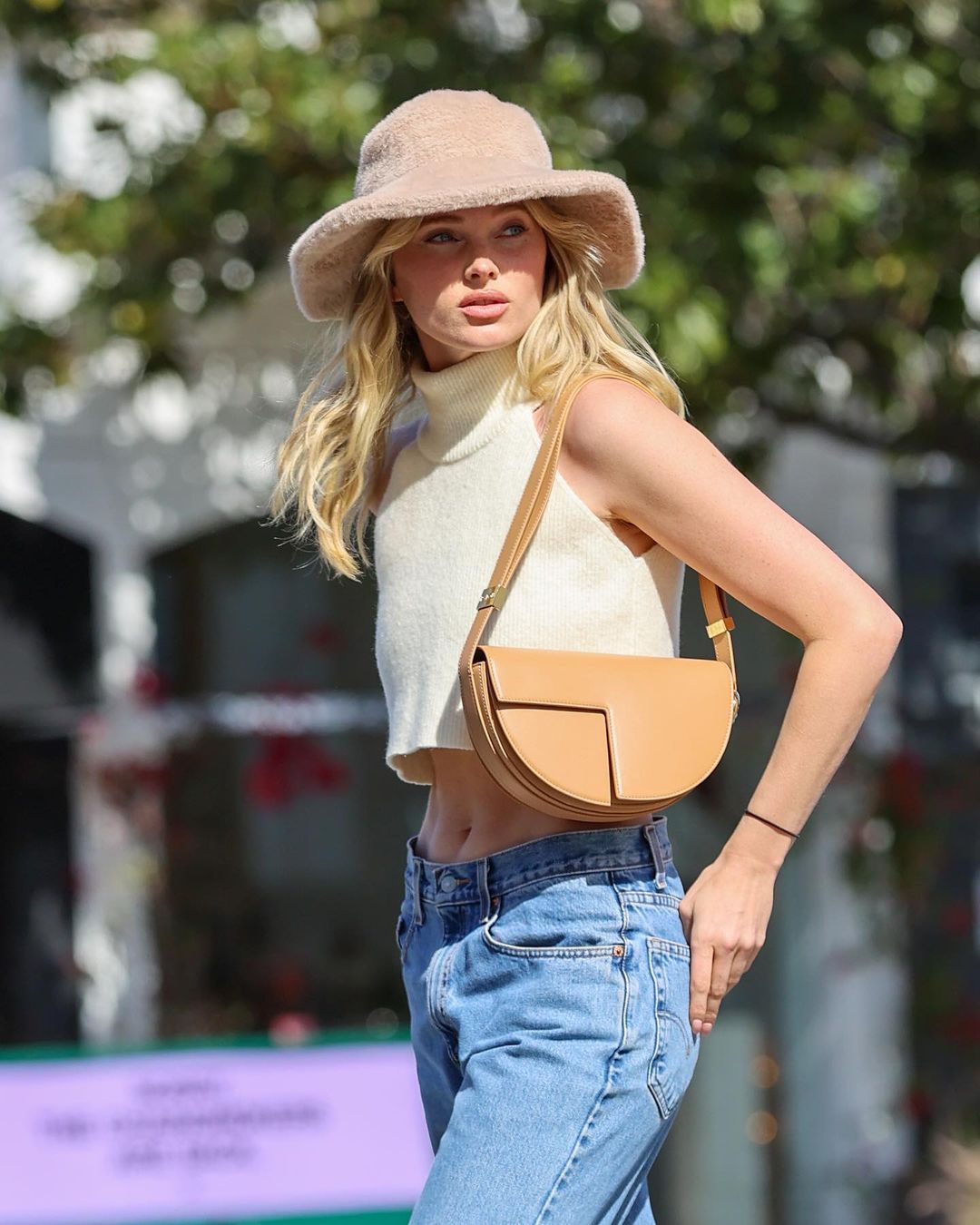
Four years after waking the sleeping beauty luxury brand Patou, which was originally founded in the 1920s, designer Guillaume Henry has finally decided to launch a signature bag for the house. Called Le Patou, the seasonless, sustainable, half-moon-shaped accessory is crafted with longevity in mind.
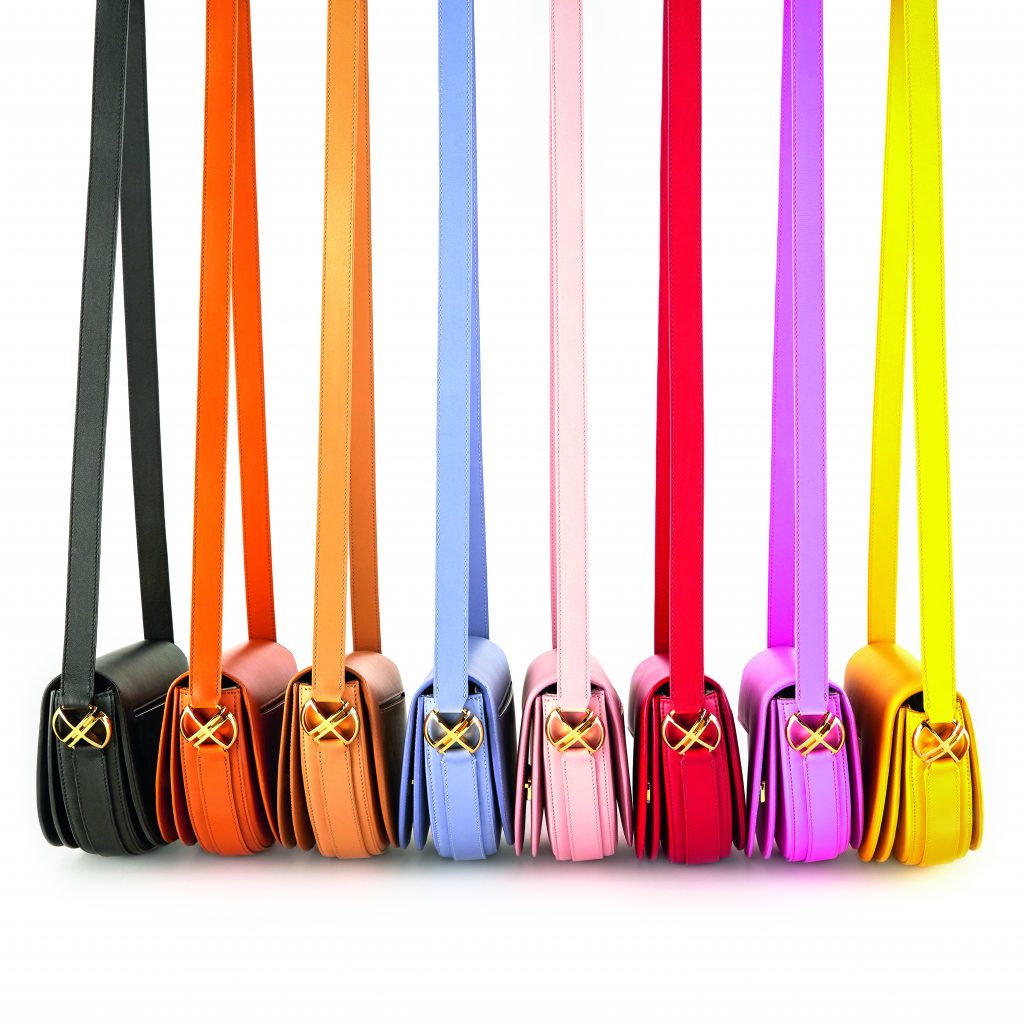
Guillaume’s leather shoulder bag was purposefully imagined as a standalone accessory that would exist outside of the cyclical nature of his ready-to-wear collections. Its classic yet playful shape is only updated via the colourways of the deadstock the designer has sourced. He has selected a myriad of both bright and playful, but also practical, shades to choose from to launch the bag. But once the leather supply is finished so is Le Patou – in that particular hue.
The concept of creating a sustainable bag with a timeless shape, in a material that is both luxe but also finite, is a clever strategy for the house. And at a price point that sits under that of most luxury brands, Guillaume has positioned Le Patou in that sweet spot many budding luxury clients are in search of. He has created a chic bag with strong design elements that make it easy to identify, practical to use and attainable, at least until they run out.
Here, the designer discusses what went into the making of an accessory he wanted to represent the essence of his brand…
Harper’s Bazaar Arabia (HBA): So let’s talk about the new bag. This is your first one for Patou, and in fashion, the launch of a bag is a real rite of passage that can catapult a brand to another level if it hits a chord with collectors. Why did you wait to have a few seasons under your belt before introducing your bag?
Guillaume Henry (GH): We really wanted to focus on the ready-to-wear to create a clear brand vocabulary, and build a true wardrobe for women and also pieces that were as sustainable or organic as possible. I’m a fashion designer because I love clothes. They are a part of your daily life and they have to follow you in what you do. It has to be a balance between aesthetic and need. For example, my first inspirations have always been the women I’m working with. They show me the way forward and help me to really focus on the vocabulary in terms of the clothes of the brand before branching out.
HBA: So why did you finally feel now was the time that the Patou bag needed to exist? The world has so many bags after all.
GH: It takes a lot of energy and effort to turn your collection into something that focused on the idea of sustainability and using recycled fabrics or organic fabrics. You also have to be sure that the people you’re working with are fair and honest. It is a long process. And with the bag, we had to find a way to create one that had all the values of Patou. It has to be both appealing and practical. It had to be recognisable as being from the brand as soon as you see it, just by its shape. So we turned the bag into a smile – because Patou is a friendly brand. I always say that the Patou woman is a woman you want to talk to.
HBA: It has a very timeless look to it and the logo is also very subtle.
GH: I always love the idea of timeless design. I love the idea of a dress, a coat or a bag that you can still wear in five or 10 years. This is something I really believe in. So we worked on the smile and we wanted to show a logo without showing a logo. The name of the founder is Jean Patou, and he invented the monogram. He was the first real designer to use his “J and P” as a brand signature. And those initials are beautiful in terms of design. When you fold the letters it creates a very nice symmetry. And so the bag is the J and the P folded together. In this way, it says what the brand is without it being stamped all over it.
HBA: The bag is also limited because you decided to create them in a sustainable way.
GH: I said to myself, can we do less, but better? Do we necessarily have to create fabrics to create something? Is it possible to create by using things that already exist? We tried working with many different materials, we tried mushroom, grapes, pineapple and cactus leather, but we still really don’t know how they’re going to age over time. I think it is still a little early [to work with those materials] and I want this bag to be timeless, both in its design but also long-lasting in terms of what it is made of. And I’ll be honest with you, a leather bag just gets better with time. It’s practical, it’s sensual and it changes. It tells a story with the passage of the years it’s been used and loved.
HBA: But you are not producing grand swaths of leather to create each bag. There are only so many of each colour because they are made of leather leftovers, isn’t that right?
GH: Yes. I spoke with suppliers who told me about their deadstock, I hate that word, so I call it “sleeping” stock. Some of it had been around for years, and nobody was looking at them. And they are beautiful and the colours are amazing! It doesn’t matter if the bag is connected to a particular ready-to wear collection. A bag should be able to have its own life outside of a brand’s clothing. And because we are limited to the leather that is available, each colour has a very limited and numbered run. So five years from now let’s say I spot a blue one, I know that, for example, we only made 60 of those. I know it’s part of a family of just sixty bags that are travelling around the world – and I just love that idea.
Lead Image courtesy of Instagram/@Patou
From Harper’s Bazaar Arabia’s July/August 2022 issue.