
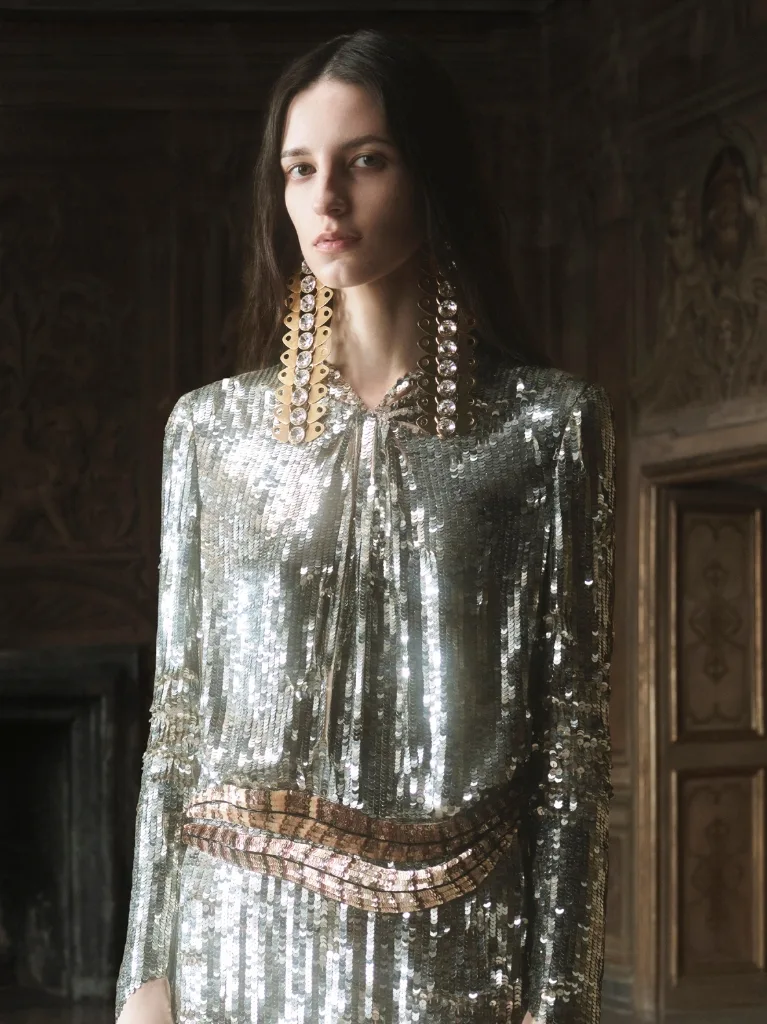
Fashion’s New Era Is Here: Spring Style Through Valentino, Dior, Gucci, Chanel and Givenchy’s Lens

The SS26 collections proving what changed, and what’s worth watching now
Fashion has spent the past few seasons in a frenzy of announcements. Creative directors have moved, and every house has promised a new chapter in their outlook.
Spring Summer 2026 is when that shift is truly being noted in the works. You can see it in what the collections prioritise, and what they leave behind.
Consider this a snapshot of the season through the houses with fresh creative direction, and the collections that show exactly how they want to be seen now.
Valentino
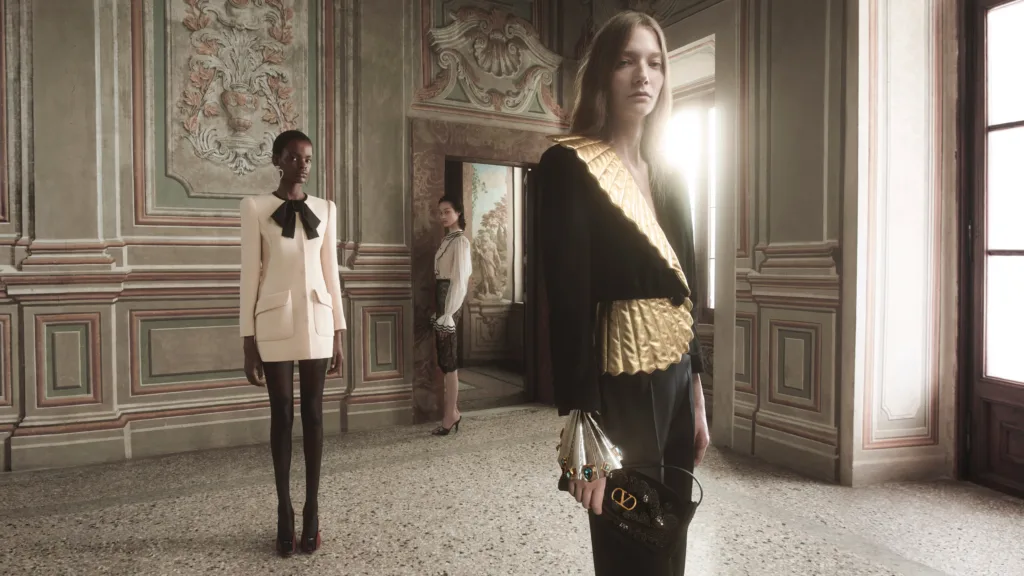
As of 2024, Valentino is in Alessandro Michele’s hands, the former Gucci creative director known for an eclectic, maximalist aesthetic. His Spring Summer 2026 (SS26) collection for the house is presented as Fireflies, built around a reference to Pier Paolo Pasolini, the Italian writer and filmmaker who used fireflies as an image of fragile hope under darker conditions. The show text also pulls in French art historian Georges Didi-Huberman, whose writing on the subject includes the line, “It takes almost five thousand fireflies to produce a light equal to that of a single candle.”
That idea carries into the way the season is presented visually, where the mood is quite romantic, with the collection incorporating lots of colour and volume. Heroine pieces and accessories, such as the Panthea and DeVain bags, also make an appearance.
Chanel
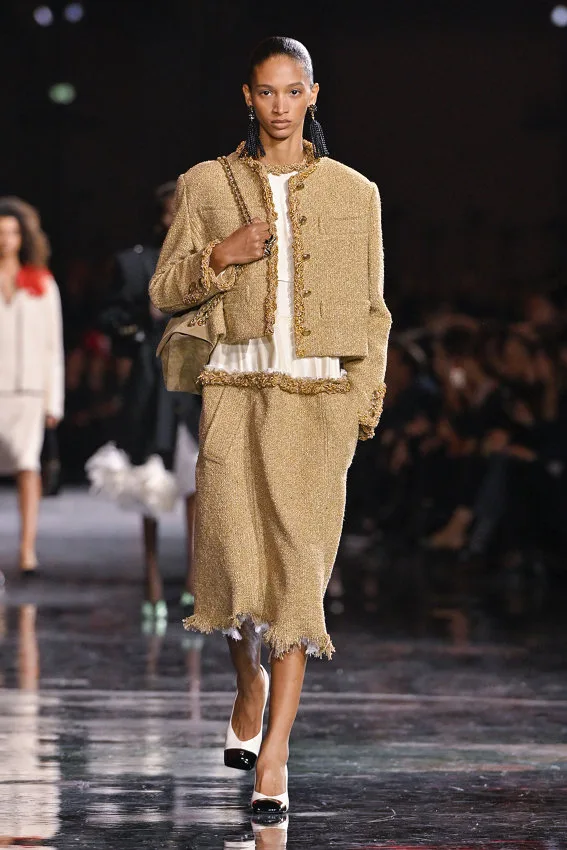
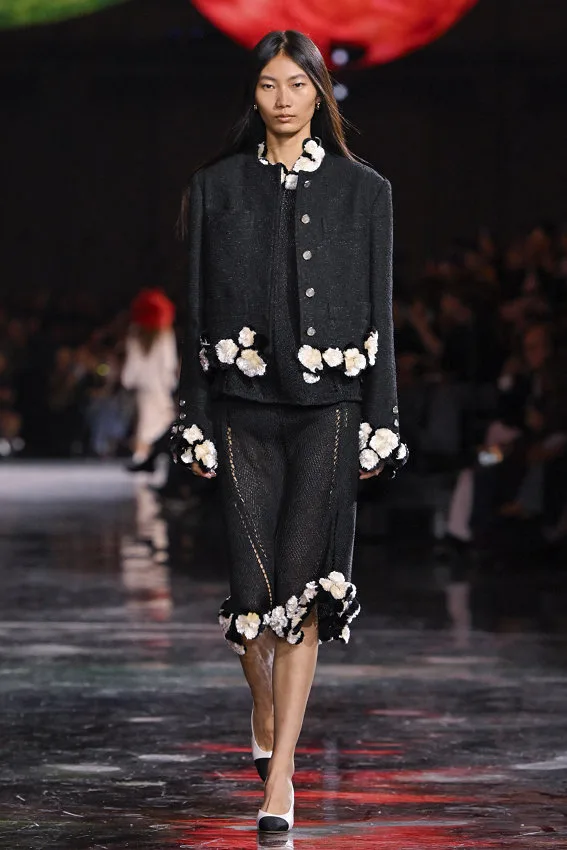
Chanel’s creative change comes with Matthieu Blazy being named as artistic director of fashion, and the SS26 collection is a tangible example of where he sees the house heading. The maison presented SS26 as an imagined conversation with Gabrielle Chanel, and a return to her personal style, expressed by masculine feminine dressing, which Gabrielle was revered for, and of course, the classic Chanel fundamentals, tweed, jersey, and silk, reworked and reinterpreted.
The collection is recognisable Chanel, but with a sharper emphasis on cut and construction. That aligns with why Matthieu makes sense here, because his reputation is built on craft, trompe l’oeil intelligence, and clothes that demand a closer look.
Dior
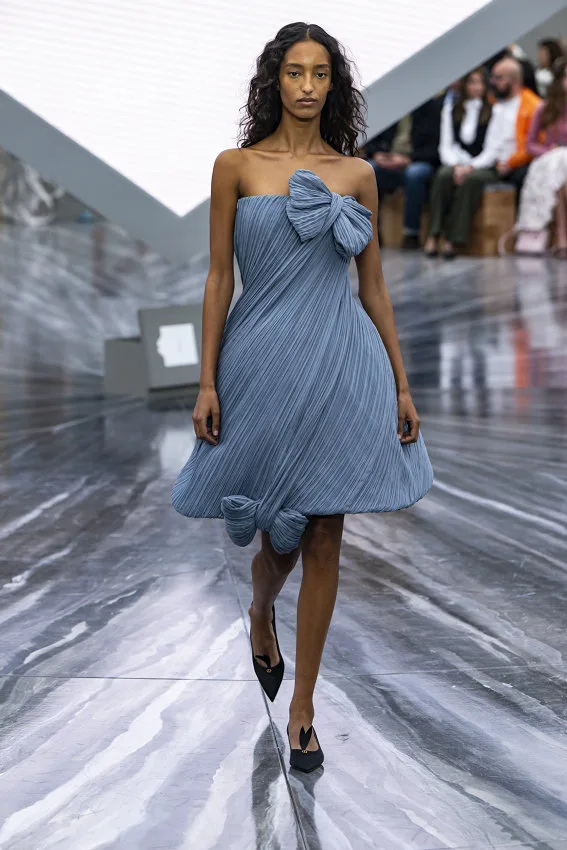
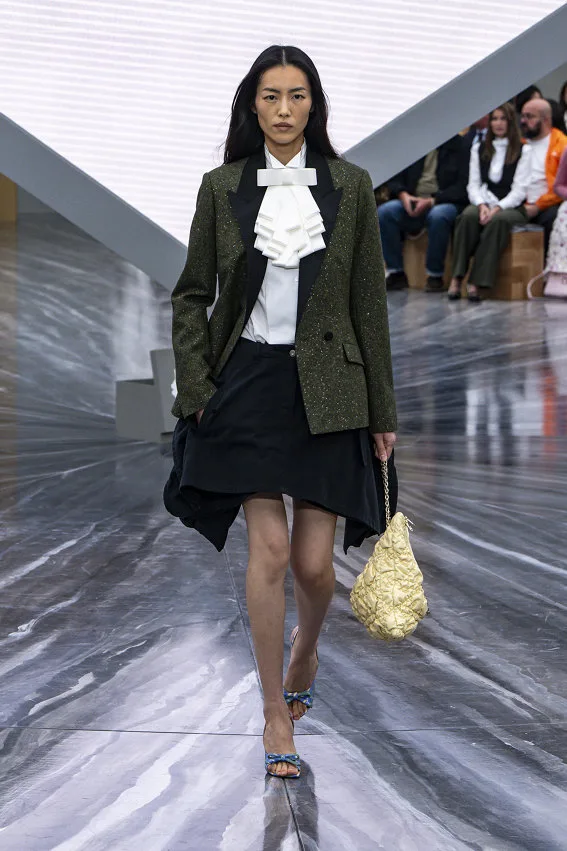
Dior’s reset is Jonathan Anderson, now steering the full house after taking over in 2025. For SS26 womenswear, he staged the show in a space designed by Italian filmmaker Luca Guadagnino, who was behind Challengers, and production designer Stefano Baisi.
The set did what Dior sets are meant to do, and gave life to Jonathan’s work. The collection included bib fronts, turndown collars, bow cravats, and plaids. Meanwhile, silhouettes played with volume and shape. Tailoring was also at the forefront, with shell-like dresses, embroidery, and coats.
Givenchy
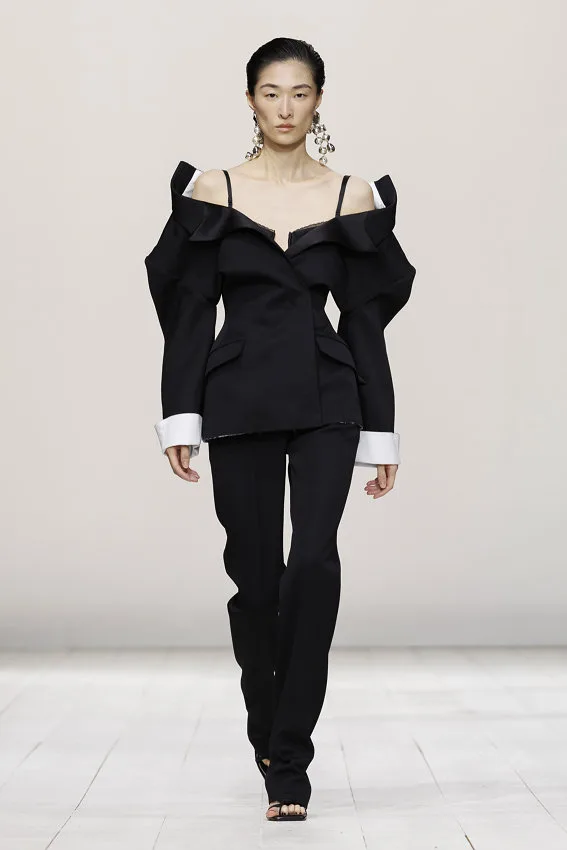
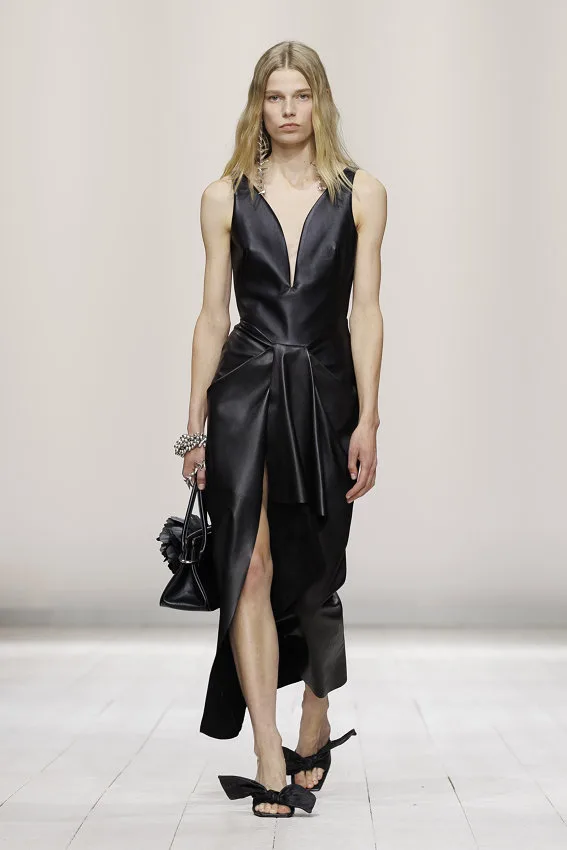
Givenchy’s new era is Sarah Burton, overseeing both women’s and men’s. Her first seasons have quickly pulled the conversation back to her remit in mastering silhouette and sculptural tailoring.
Shown at Paris Fashion Week, the SS26 show was described as Sarah’s second ready-to-wear outing for the house, with the highlight being how she let a sensual elegance seep into the house’s clean pieces through tailoring, dresses, and detailed necklines.
Gucci
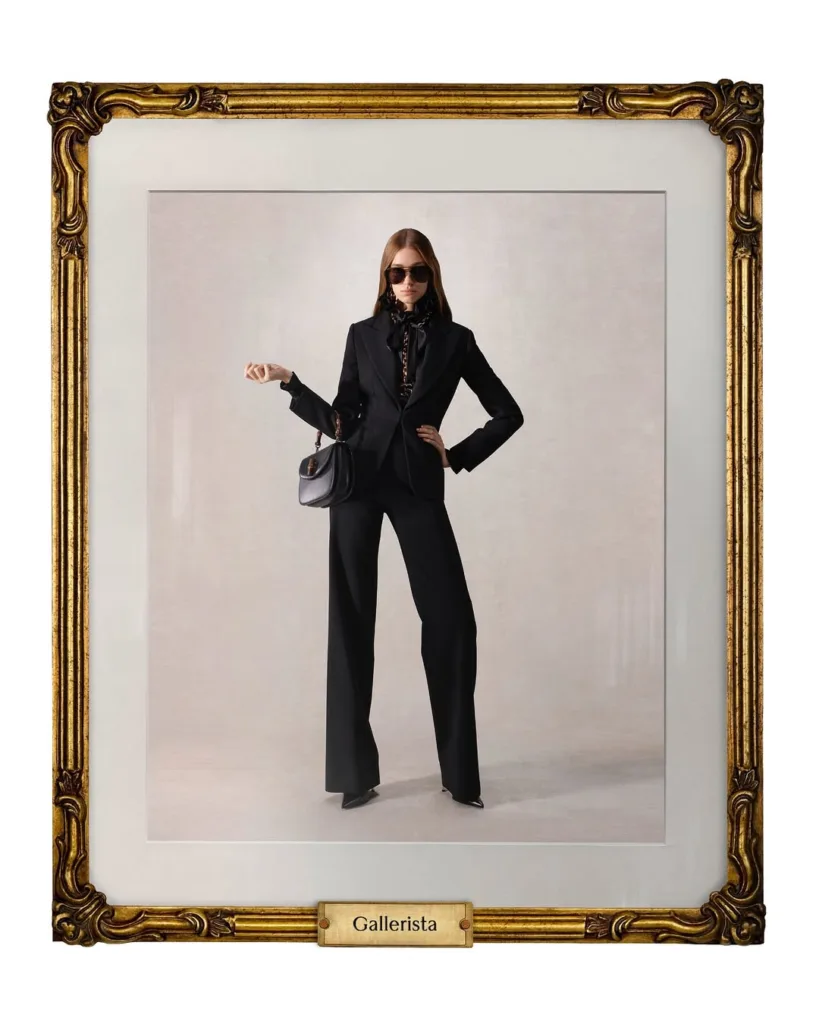
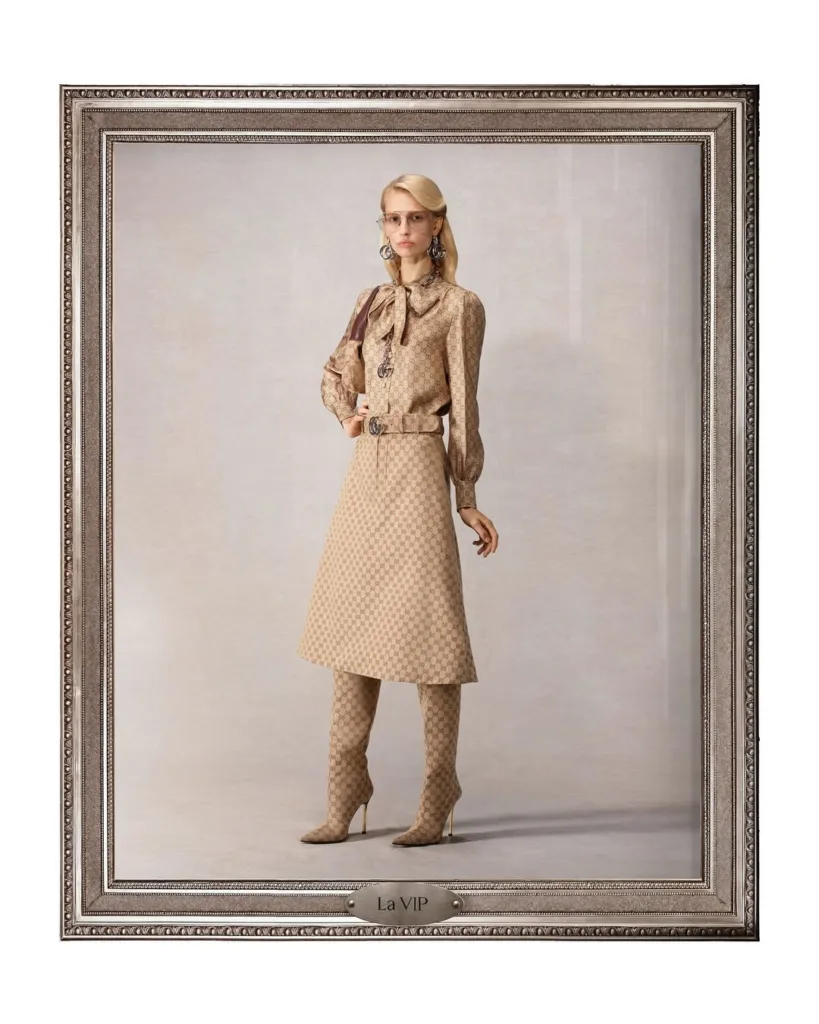
Gucci’s creative change was arguably the biggest headline of the cycle, with Demna appointed artistic director. His SS26 debut was presented at Milan Fashion Week in September last year, with the collection delivered through a deliberately cinematic format, including a screening and a heavy emphasis on narrative.
The presentation opened with a nod to Gucci’s origins, titled ‘L’Archetipo’, a monogrammed travel trunk that honours its origins in luxury luggage. From there, the logo mania was evident, with looks built around top to toe GG monogram, plus shirts worn open down to a GG buckle belt.
Tom Ford
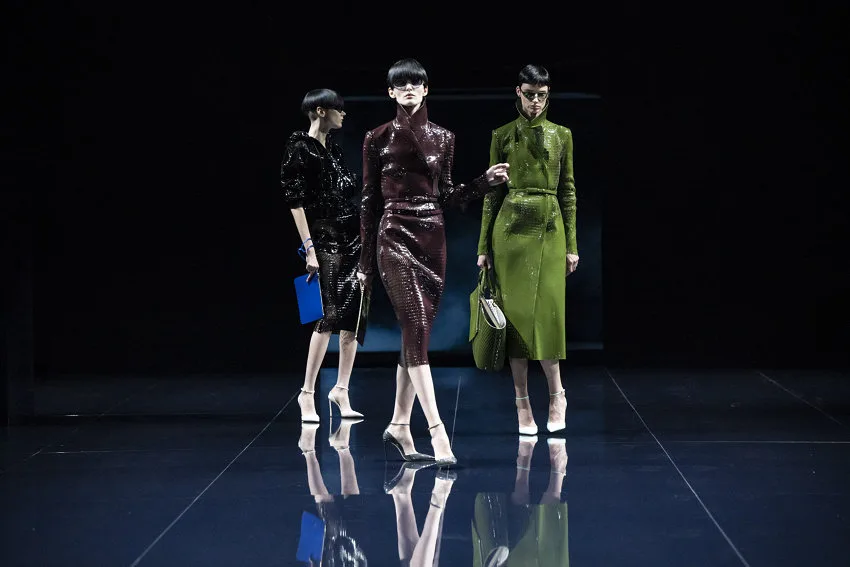
Tom Ford was taken over by Haider Ackermann, with the brand positioning SS26 as a runway statement of modern glamour and sensuality. On the runway, the looks are a testament to what Haider did best, which is colours and lines used strategically.
The line included satin suiting in lime, baby pink, and mint, plus draped dresses and skirts in punchy shades that stood out against the glossy-finish flooring, and a dark, nightclub-like stage.
Mugler
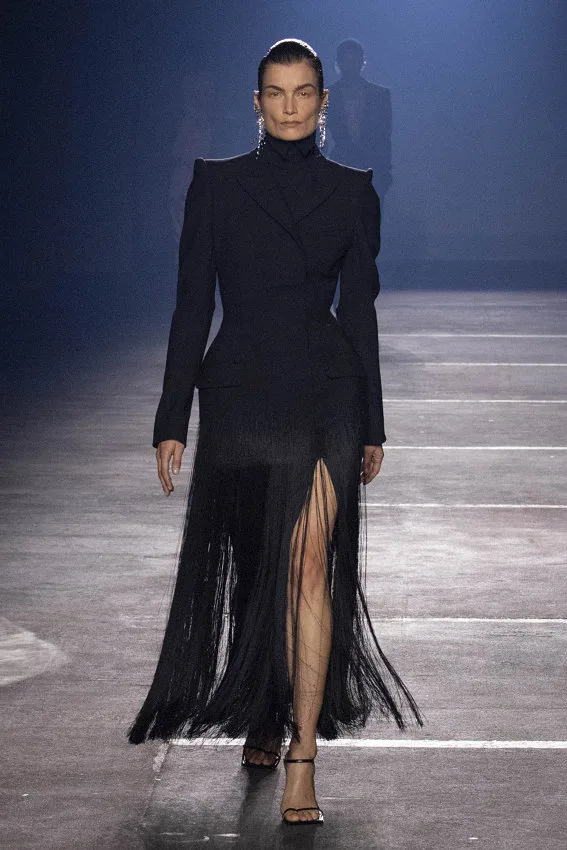
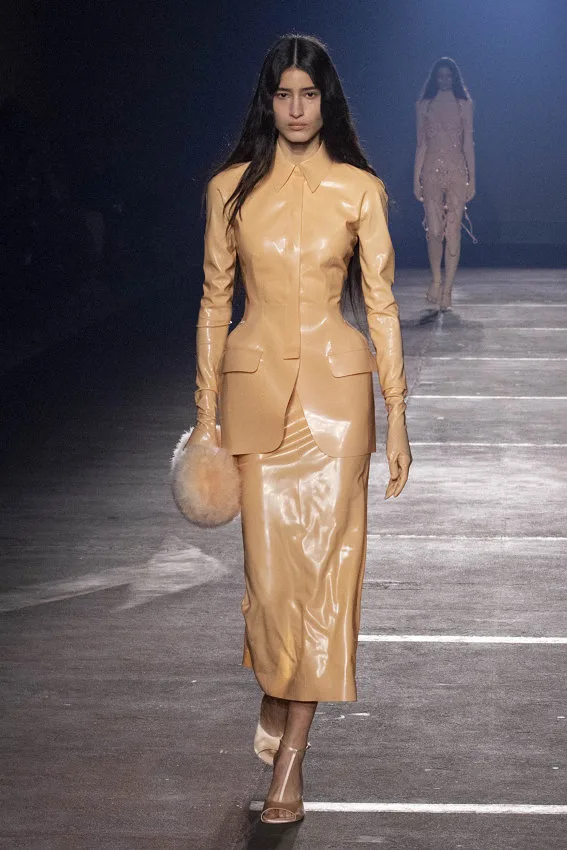
Miguel Castro Freitas joined the brand in April 2025, with SS26 as his debut season. Mugler introduces Miguel’s first chapter as “Stardust Aphrodite,” describing a mythology of glamour and femininity shaped through mythological archetypes.
On the runway, the overarching palette was neutral with beiges, browns, and black but with pops of chartreuse and peach. Strong shoulders ran through the collection, with sharp blazers pulled into cinched waists to exaggerate the line of the body. That tension stayed consistent across the show. It was described as a collision of expression and futurism, built through sheer materials, bold tailoring, feathers reworked, and the push and pull between vulnerability and power.
Lead Image Supplied