
Rhapsody in Blue: Alexandre Arnault On Disruptive Marketing, Lighting Up Harrods and Asking Beyoncé and Jay-Z To Front A Tiffany & Co Campaign
What happens when one of the oldest jewellery brands in the world adds a disruptor-scion into the mix? We speak to the head of product and communications at Tiffany & Co about the intersection between hype and heritage
Whilst Audrey Hepburn gazing through a window in an LBD is likely the most loved, and certainly the most referenced, of all the Tiffany touchstones, that famed scene is only one shimmer in the galaxy of starstudded pop-culture moments that have come to define the legendary jewellery house.
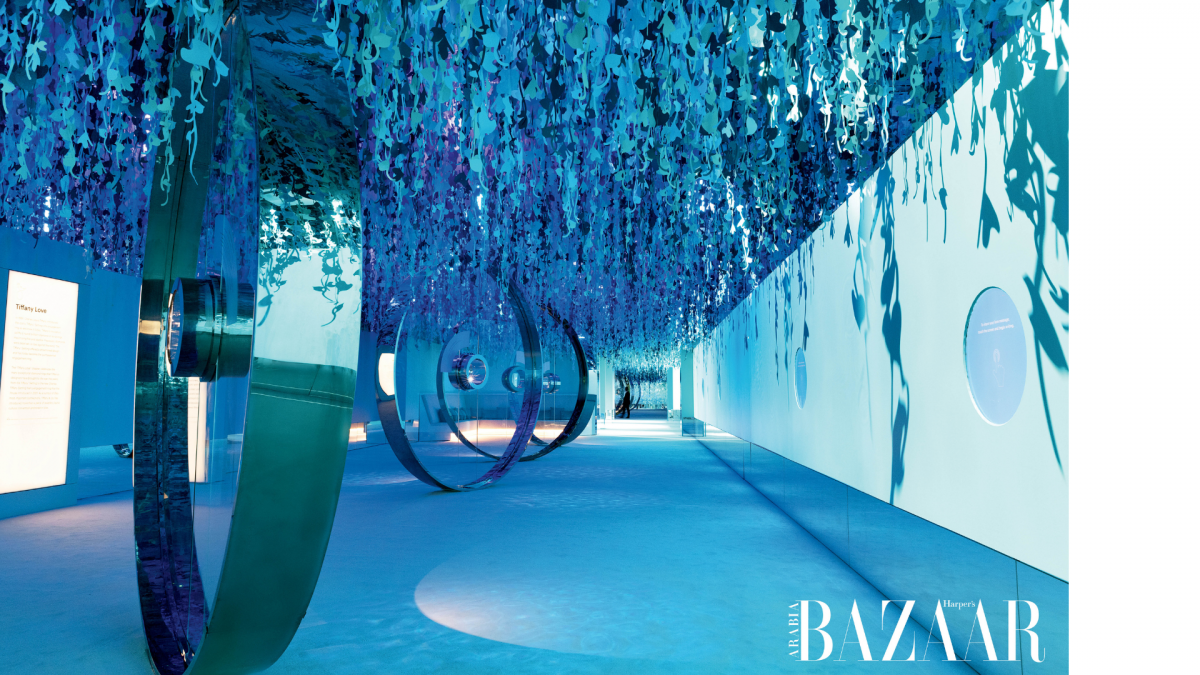
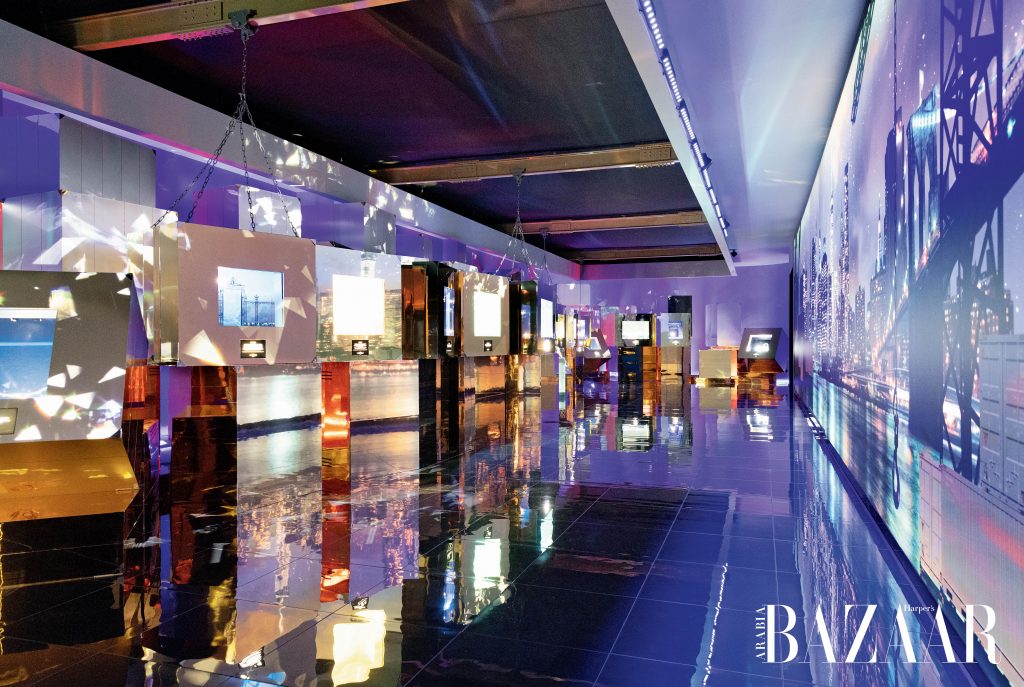
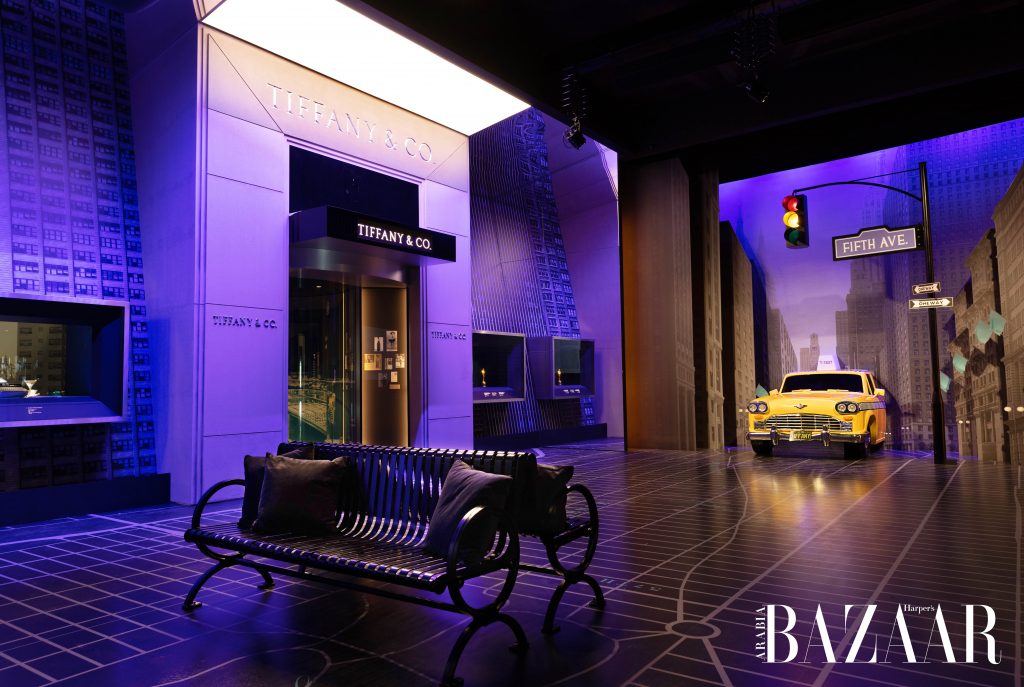
This past summer’s exhibition at The Saatchi Gallery (so chosen to celebrate 150 years of the brand in London), captured these vignettes perfectly, showcasing memorabilia that included everything from Princess Diana in a gold Tiffany set at Wimbledon in the ’90s, to Grace Jones in Elsa Peretti’s famous ‘Bone’ cuff, via replicas of the most witty and creative of the brand’s iconic window displays over the decades. The exhibit, titled Vision & Virtuosity, paid homage to the house’s inherent playfulness alongside its technical mastery and art, with visitors invited into an immersive brand universe that included a life-size recreation of Fifth Avenue (yellow cab and all), the original script from Breakfast at Tiffany’s penned by Truman Capote, and a VR activation where you could try on the famed Tiffany diamond in all its 128.54-carat glory.
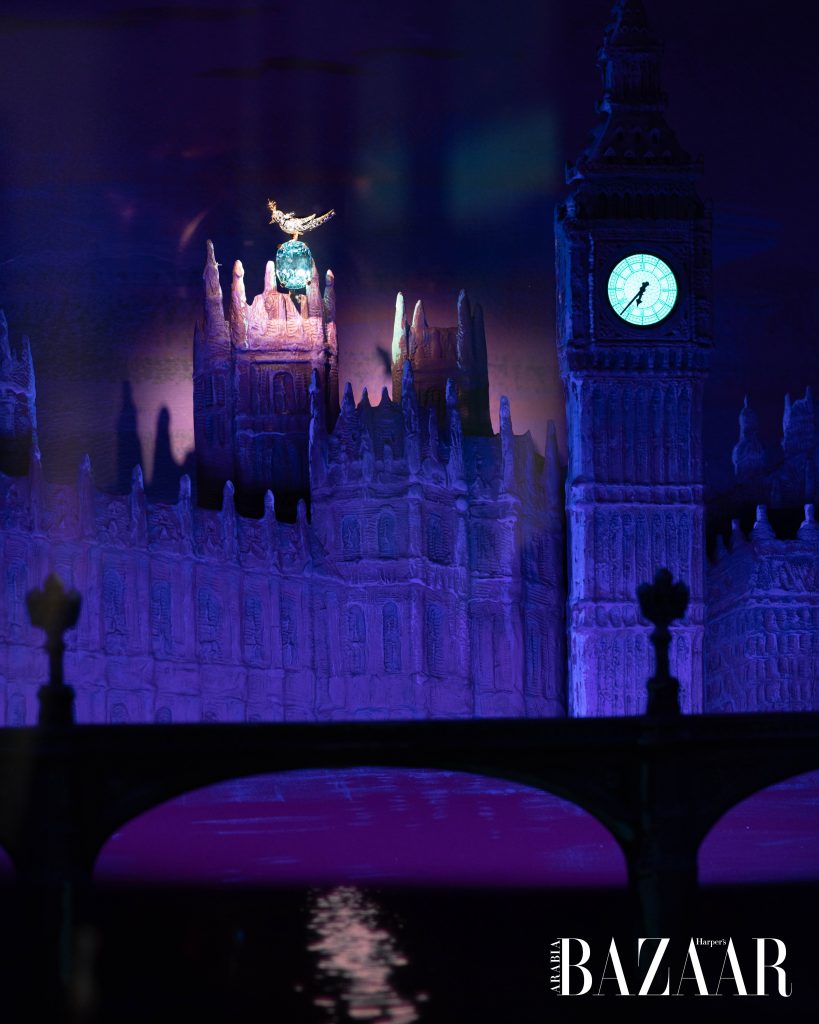
The same week that the exhibit was launched, the brand turned Harrods’ signature white exterior lightbulbs to Tiffany blue; a whimsical yet impressively brazen marketing move that left absolutely no room for ambiguity: hello, London. Tiffany calling.
It’s a disruptive manoeuvre that has Alexandre Arnault written all over it. The 29-year-old scion of LVMH chairman Bernard Arnault, Alexandre has proved that his truly innovative approach to making brand noise is worth its weight in (sustainable) gold. Having revolutionised the conglomerate’s luggage label Rimowa, Alexandre has now jumped ship to head up product and communications at LVMH’s newest crown jewel, having acquired Tiffany & Co. last year for $16 billion.
Among his first moves? Getting Beyoncé and Jay-Z to front a campaign where the couple pose in front of Equals Pi, Jean-Michel Basquiat’s famous work, painted predominantly in Tiffany blue. The story goes that Alexandre was having dinner with the couple (as you do), and whilst initially they weren’t sold on being shot for the campaign, Alexandre showed them a picture of the painting by way of clinching the deal. The rest, as they say, is pop-culture history.

We got a chance to ask Alexandre about this first-hand when Bazaar Arabia sat down with him in London, on the opening day of Vision & Virtuosity…
Congratulations on lighting up Harrods. That was quite bold… “Honestly, it was super fun and we’re very proud of it. It was the first time anyone’s done it.”
It almost seems like a signature move of yours now to be doing big things like this. What other tricks have you got up your sleeve? “We can’t ruin the surprises. But we’ve definitely had a great time, whether it was Times Square or Harrods, or my favourite which was projecting Beyoncé and Jay-Z onto Niagara Falls, and then it turned Tiffany blue. That was pretty cool.”
It seems that you’ve begun to modernise the brand more than ever. But what’s the best thing you’ve discovered about its almost two-century long history since you joined? “The love people have for it. Whenever I go to a dinner party and tell people I work for Tiffany, they smile and all have a story. Also being such a big part of people’s weddings. I got married a year ago, and it was the best day of my life. And it is people’s best day, so to be able to be such a big part of it emotionally is unbelievable. I don’t know any other brand like this that can be so present – not only on the day itself, but forever.”
So considering how much the brand means to so many people, how do you feel about taking on that mantle of responsibility? “We definitely have to be very careful with the way people view the brand, which is what we’re trying to do. One of the great things about being so well-known is that everybody looks at you. One of the worst things about being so well-known is that everybody has an opinion, so whatever we’re going to do will not please everyone. We have a point of view that we’re trying to share with the world of inclusivity, awareness and diversity. And if not everyone likes that, so be it. So that’s kind of like the responsibility.”
Have you always had that sense of confidence? “Yes. Especially for Tiffany. When I arrived at the company I’d seen the studies of awareness – we have 99.5 per cent awareness in the U.S., so if you take 100 people and put them in a room randomly across the country, not a single person won’t know about Tiffany. I don’t know of any other luxury brands that have that level of awareness in people’s minds.”
Can we talk about Beyoncé and Jay-Z? Is it true that the clincher was you showing them the Basquiat painting? “I think so. You know, I was having dinner with them in L.A. and I was pitching the idea. It was back in February 2021, so it was full-on Covid everywhere. The campaign was going to be about love and it was going to be in the Fall. And I said, you know, the world is going to be rid of Covid… so much hope. Let’s tell a love story. And they weren’t blinking. Then I said, ‘By the way, we just bought this [painting] and we can put it in the ad.’ And Jay-Z had his hair… at the time [like Basquiat] so I think it clicked that way. I think I kind of went overboard because we didn’t really have the authorisation of the estate, but then we negotiated everything.”
Where do you think digital plays a part at Tiffany? “In a heritage house it plays a big part because that’s where the clients are today. We need to be where they are, so we will continue to innovate in every way we can, whether it’s the distribution or virtual try-on.”
How do you walk the line between making a brand desirable and ‘hot’, considering your heritage, but also making it accessible on some levels, too? “When you’re so big, like us, it’s pretty easy because you talk to different demographics. We can talk to people in very different ways, across mediums. You don’t read the same newspaper that a 16-year-old-girl does, or spend your day on TikTok. But we can have different messaging all under our same umbrella, whether it’s super-accessible silver jewellery or very high-end. It’s all about segmenting the communication.”
Photos: Courtesy of Tiffany & Co.
For Harper’s Bazaar Arabia September 2022 issue.
