
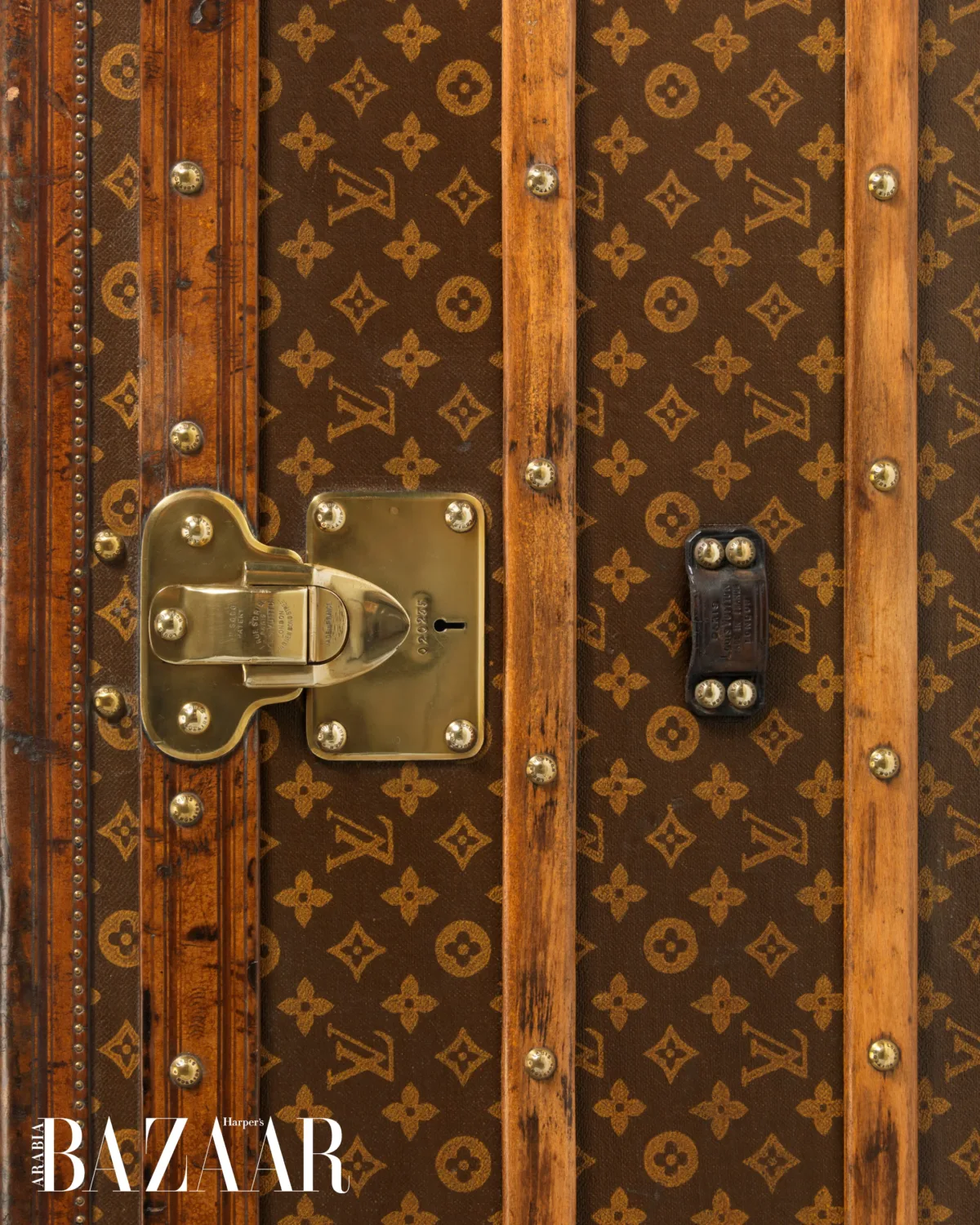
130 Years In The Bag: Louis Vuitton Is Celebrating Its Extraordinary Legacy With Exclusive Limited-Editions
Celebrating its 130 birthday, the legend that is the Louis Vuitton LV Monogram lives on (and on)
Many credit Gabrielle ‘Coco’ Chanel and her interlocked CCs with the most recognisable initials in fashion; others swear by Christian Dior’s simply-chic CD stamp, or Yves Saint Laurent’s three intimately intertwined initials (sadly just two circa 2012). But towering above them all is Louis Vuitton’s LV – initials so iconic that the brand’s full name is no longer necessary. Two initials that remain unrivalled, synonymous with luxury, craftsmanship and global desire, with no indication of fading from fashion’s elite hierarchy.
Louis Vuitton was born in 1821 in the Anchay region of eastern France, into a family of millers whose lineage stretched back centuries. Long before Paris ateliers and monogrammed trunks, Louis’ world was shaped by forests, watermills, and manual labour. From a young age, he worked alongside his family, grinding grain and shaping timber, unknowingly honing the discipline and craftsmanship that would later define his legacy.
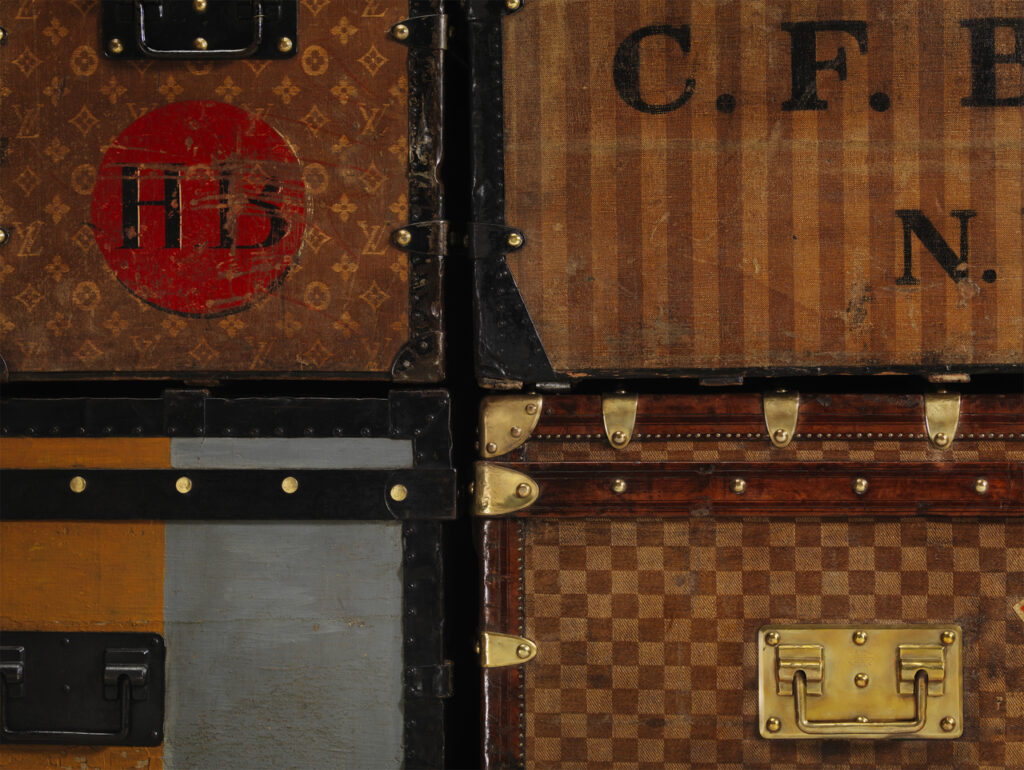
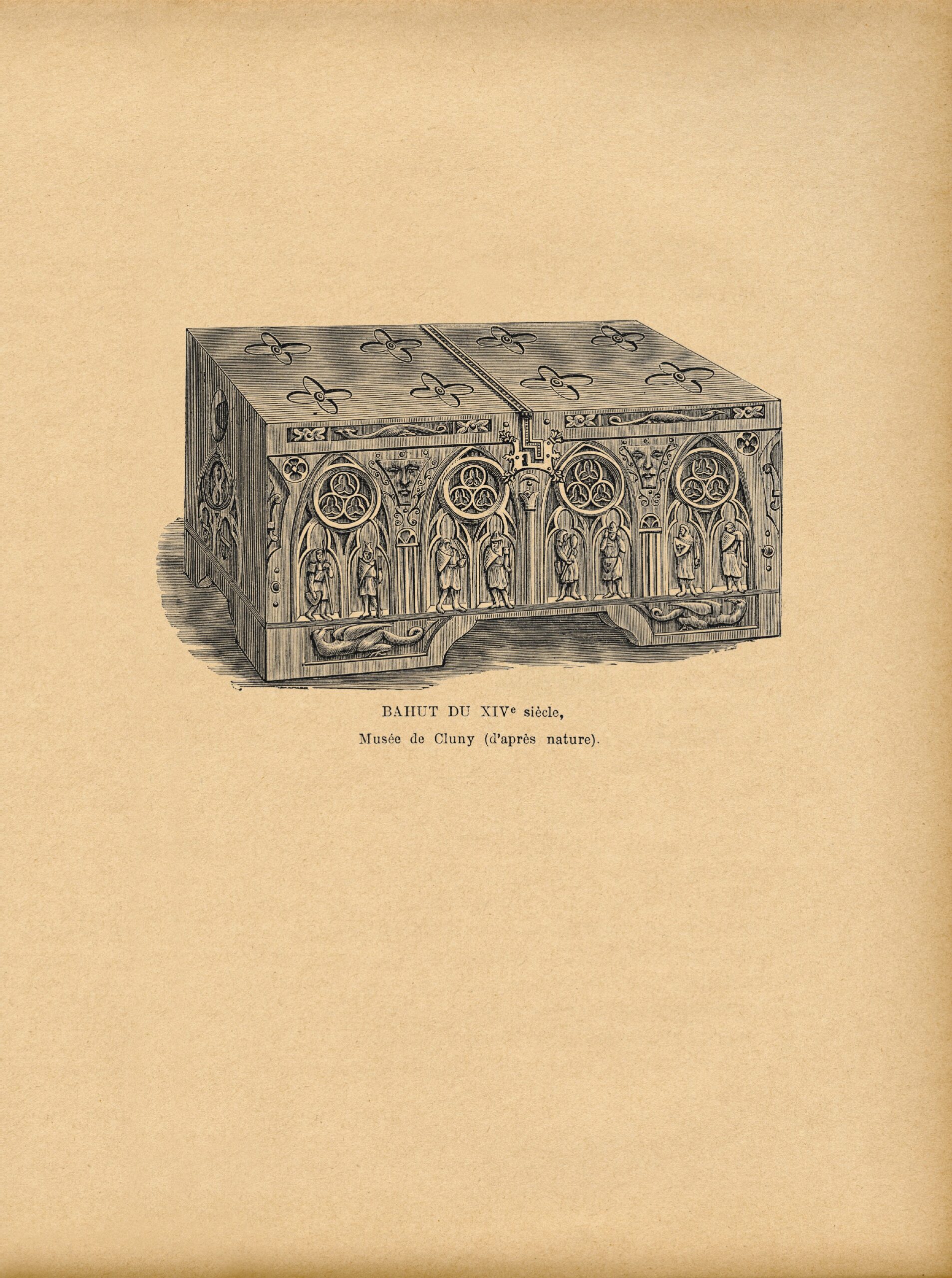
At just fourteen years old, Louis left home for Paris, embarking on a journey that mirrored the ambition of the burgeoning city itself. He survived by taking on whatever work he could find – labourer, stable boy, lumberjack – each role sharpening his resilience. In 1837, his life-path changed forever, when he secured an apprenticeship under Romain Maréchal, a renowned trunk-maker. What followed were 17 years of rigorous training, precision and refinement, nearly two decades that would quietly lay the groundwork to create the most influential luxury house in the world worth over $40 billion (and counting) today.
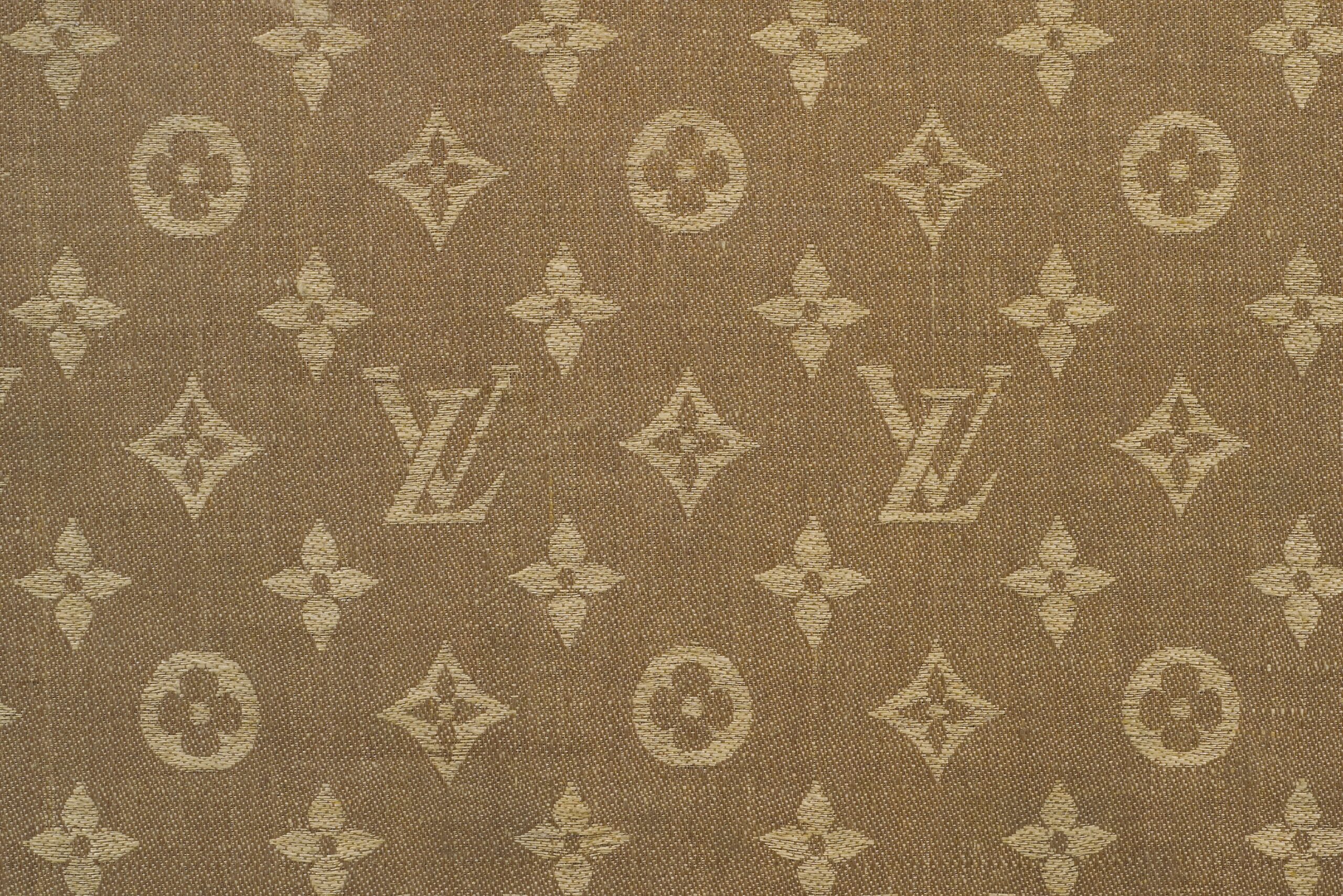
It was Louis Vuitton’s son, Georges, who gave the house its most enduring signature: the LV Monogram. Created in 1896 as a tribute to his father, the emblem has not only withstood the test of time, but transcended it. A sophisticated fusion of his father’s initials, the geometric motifs of the family’s Asnières kitchen tiles and neo- Gothic artistic influences, the monogram was originally conceived as a means of protecting the house’s creations from imitation. At a time when luxury travel trunks were painstakingly handcrafted, the Monogram was a shield: a coded surface of quatrefoils and interlocking initials designed to make imitation obvious and ownership unmistakable. It was one of fashion’s earliest acts of brand defence, long before logos became a status symbol or intellectual property became a battleground. What began as a practical safeguard has since evolved into one of the most legendary symbols in fashion history. Originally called L.V. canvas, it was renamed the Monogram canvas from 1986, and now celebrating their 130th anniversary, the initials remain as an instantly recognisable stamp of luxury and legacy.
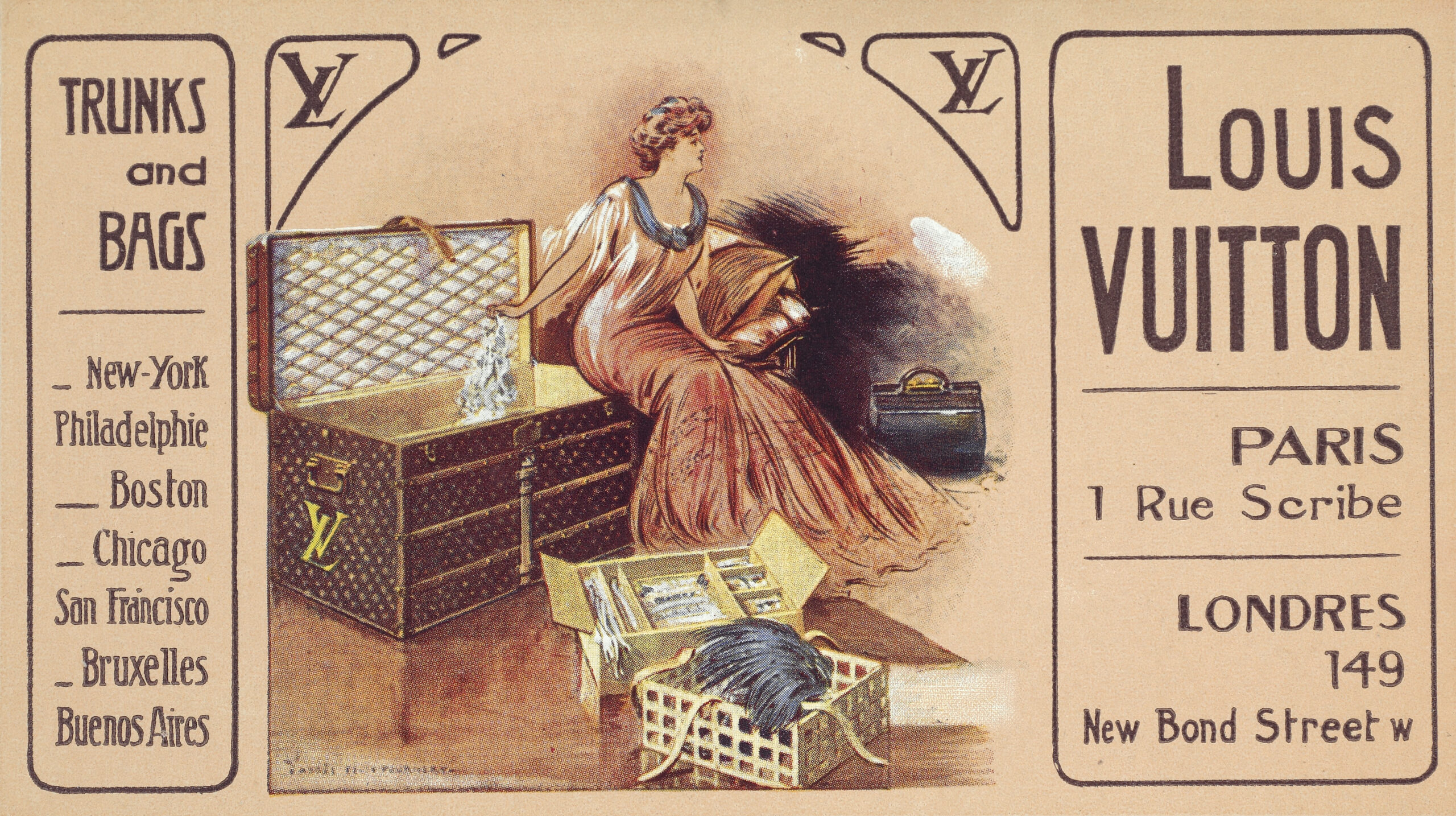
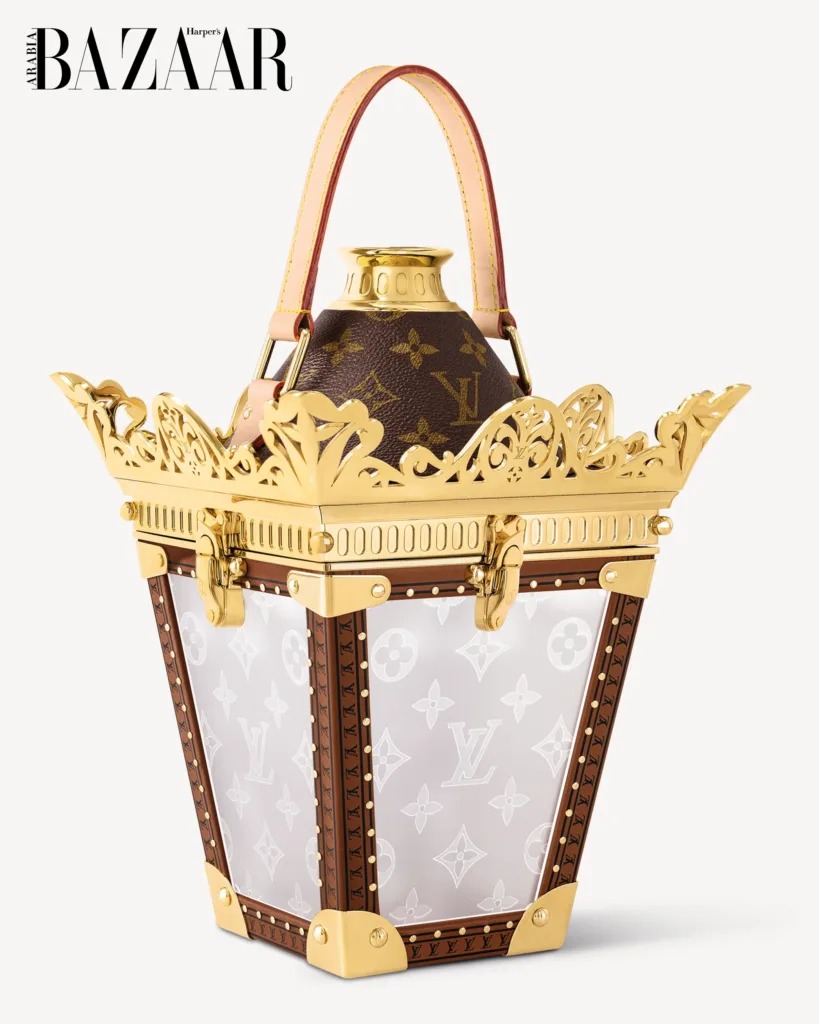
Uniting generations, creatives and collectors alike, there is no denying that the house of Louis Vuitton stands as a cultural icon – one that shapes trends while fuelling both inspiration and aspiration for those looking in from the outside. Its influence extends far beyond fashion, occupying a rare space where heritage and modernity exist in constant dialogue. Central to this legacy has been a lineage of transformative creative visionaries. Marc Jacobs redefined the house across both women’s and men’s collections introducing RTW lines and creating theatrical fashion shows instead of the usual walk-on, walk-off shows (1997-2013). Next came Nicolas Ghesquière, whose original sporty and rich vision for the brand, leading the women’s collections since 2013. Meanwhile, the men’s universe has been shaped by equally innovative figures. Virgil Abloh, Artistic Director from 2018-2021, whose residence reshaped luxury through the lens of street culture, famously designed 47 pairs of bespoke Louis Vuitton x Nike Air Force Ones for the SS22 men’s collection. The current men’s Creative Director is Pharrell Williams (appointed in 2022) who continues to blur the boundaries between fashion, music and global culture, progressively updating the brand for a new generation, less familiar with its heritage.
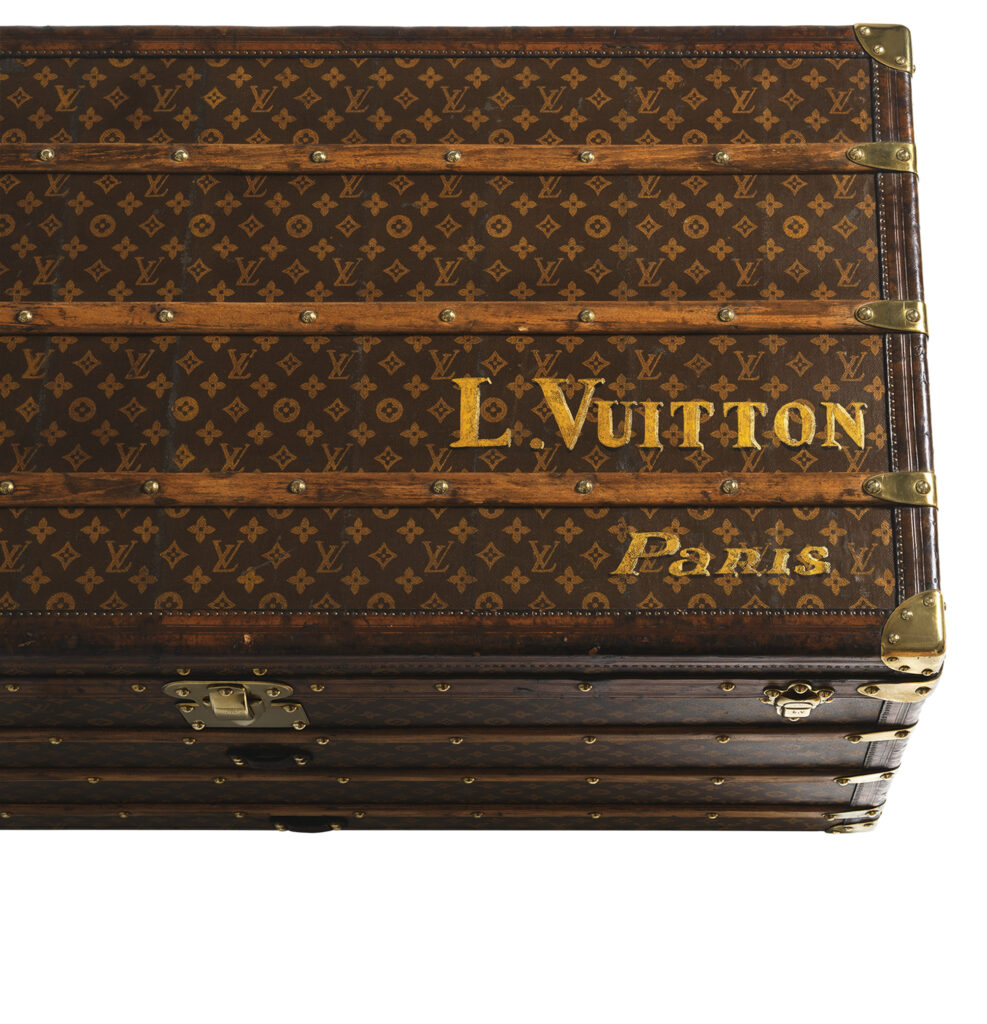
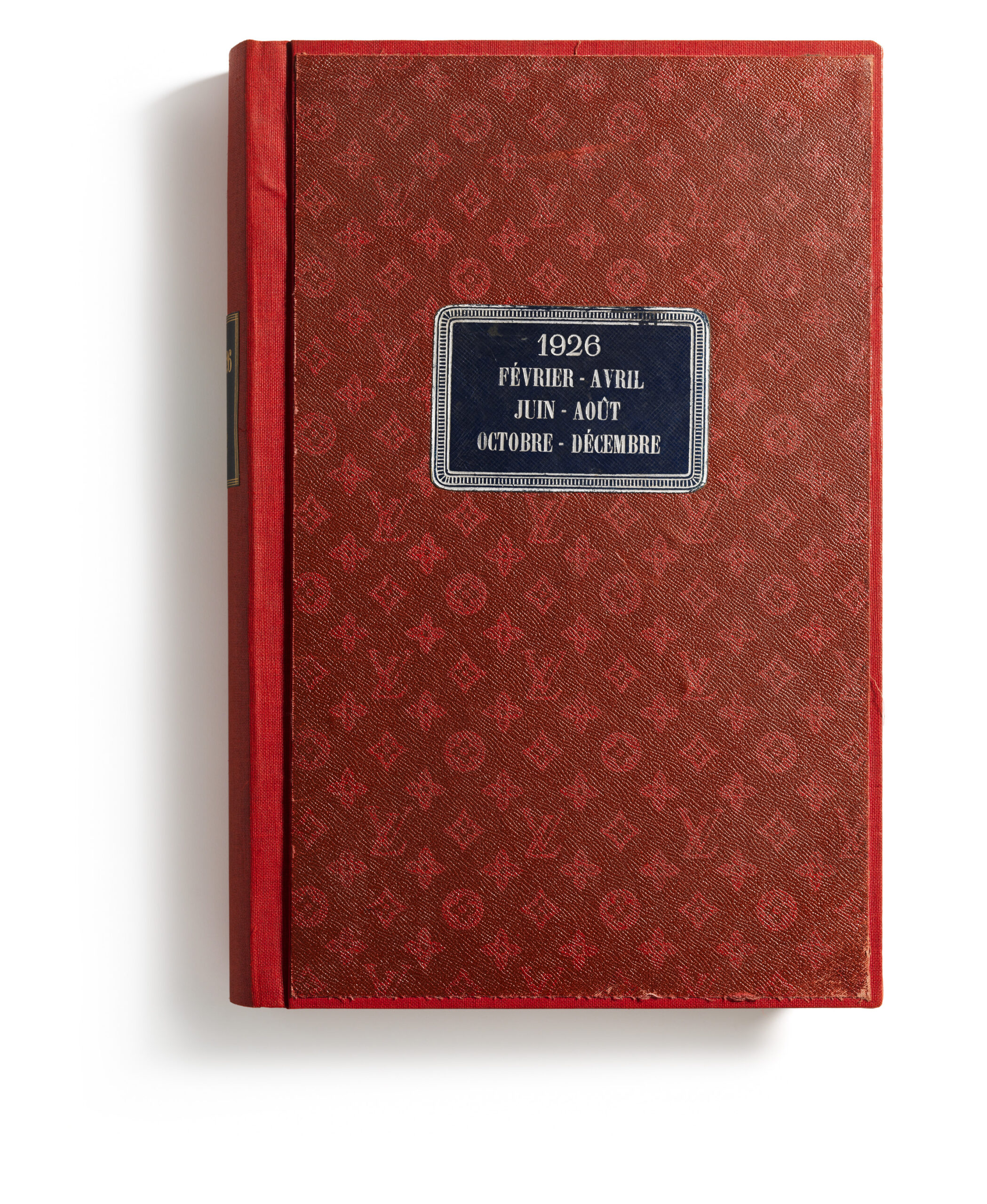
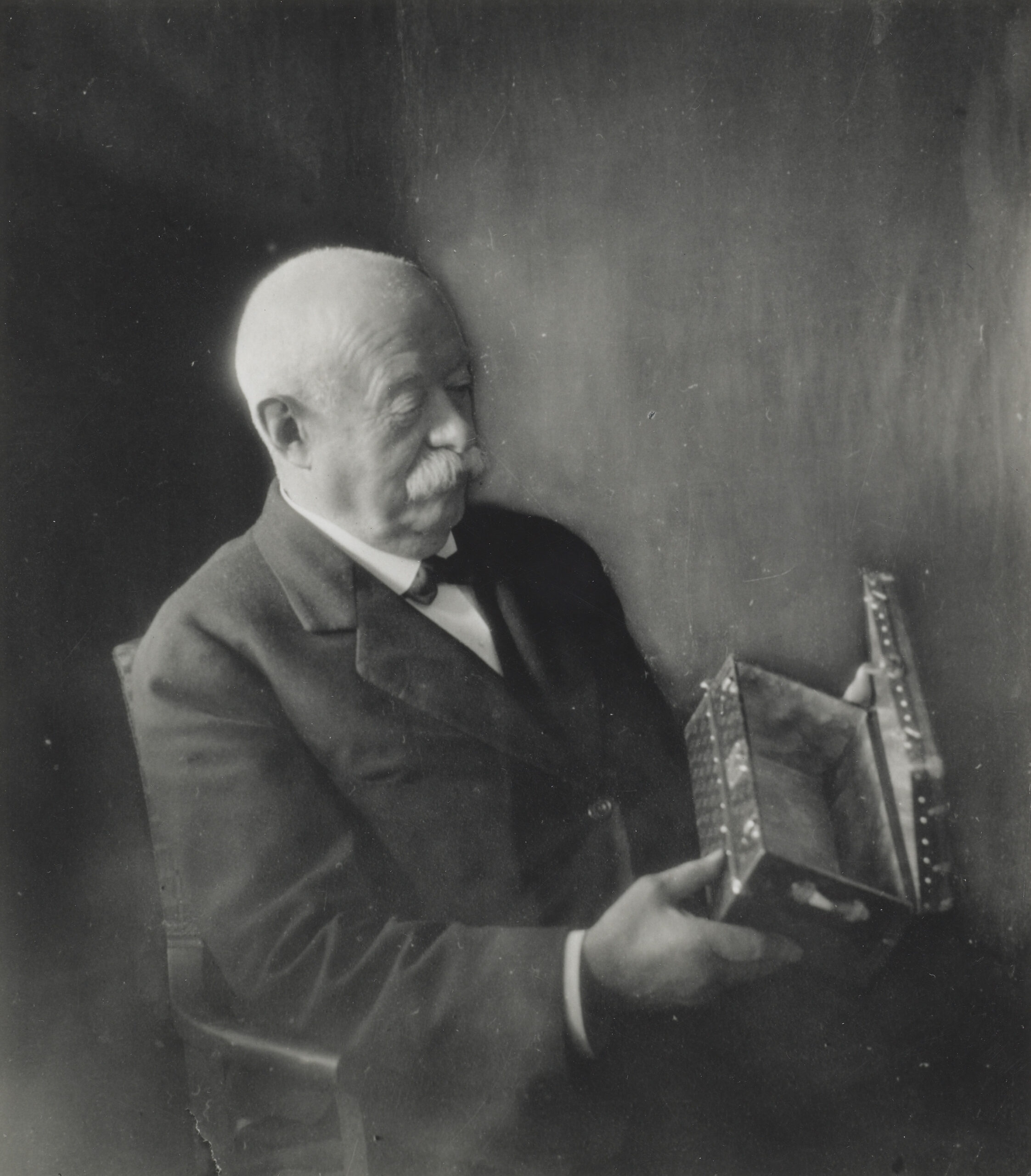
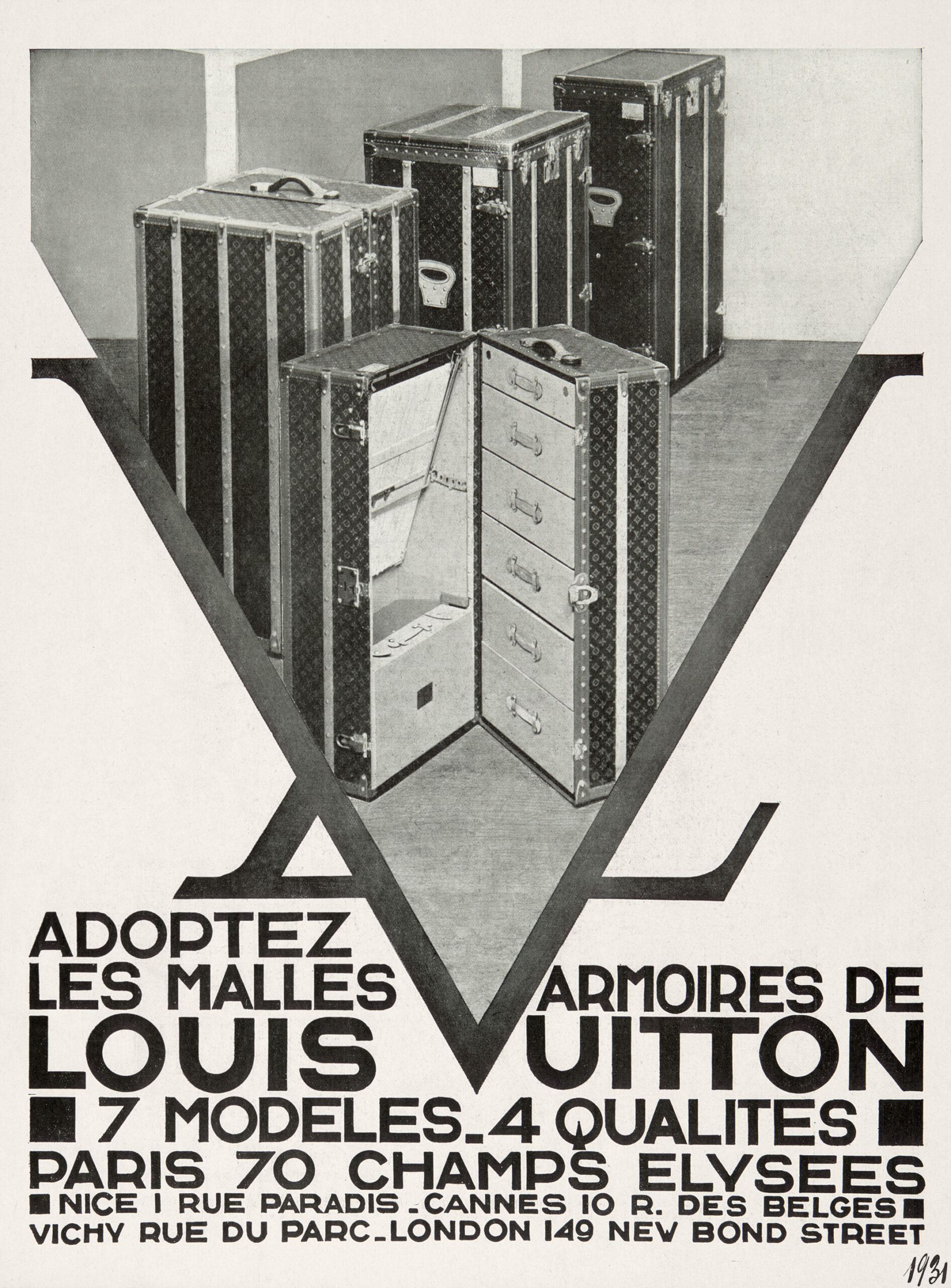
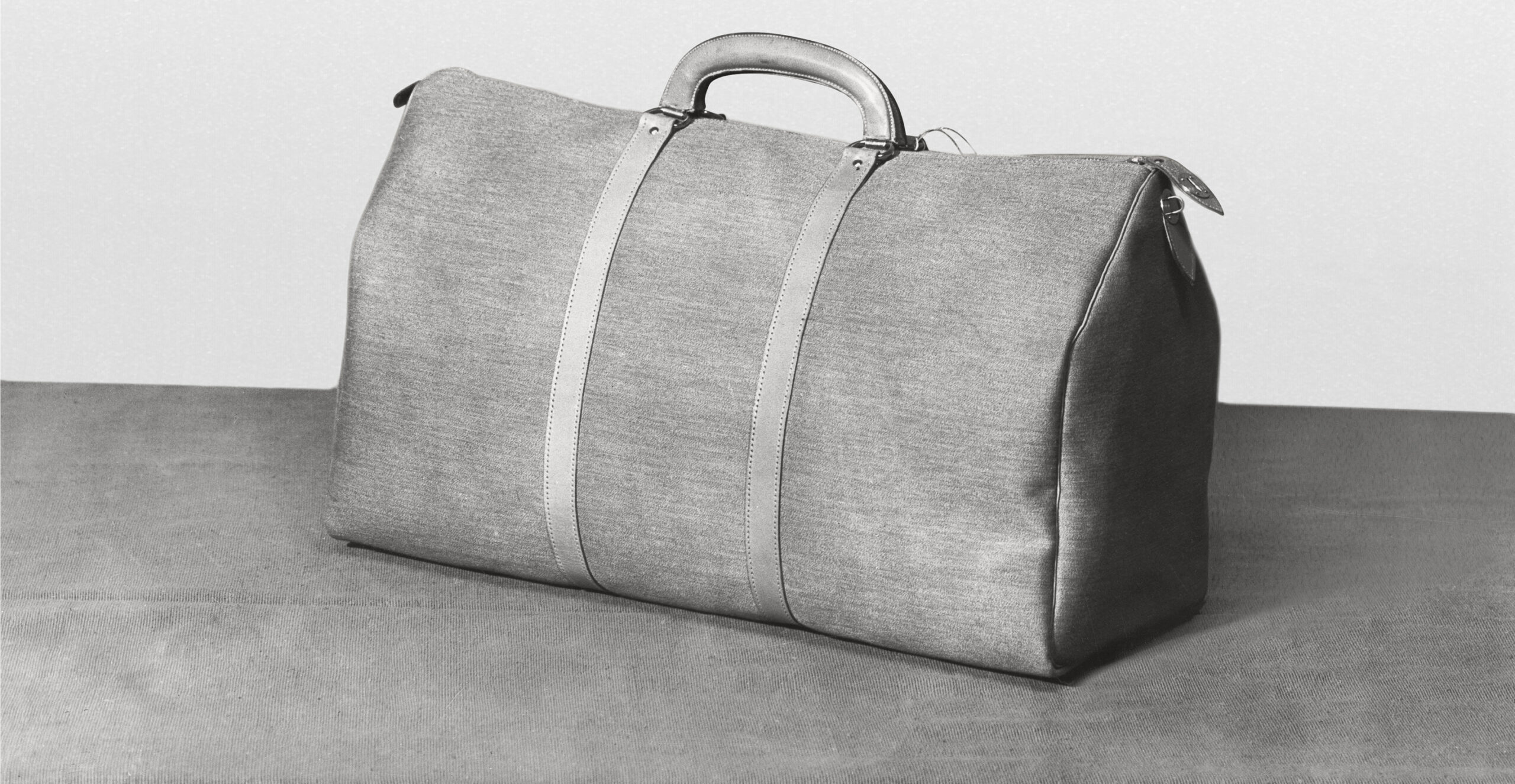
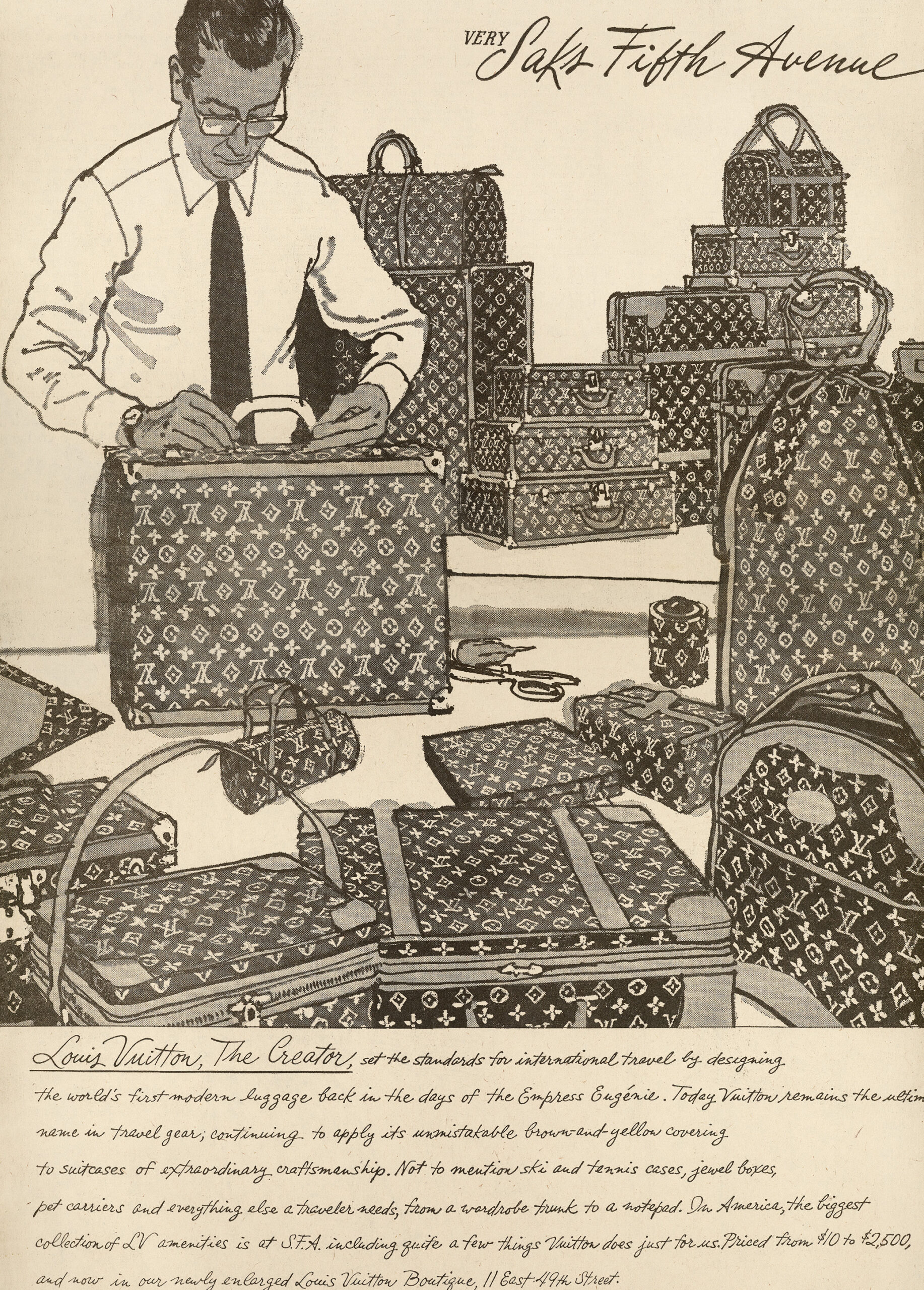
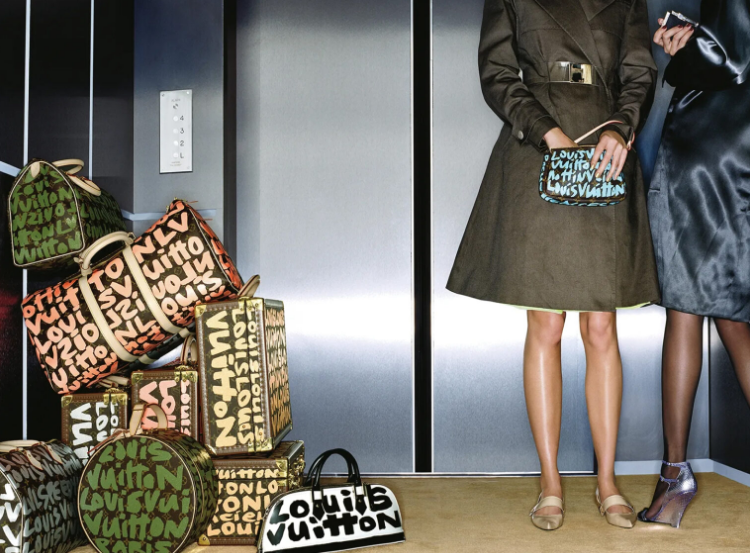
Complementing these creative eras are Louis Vuitton’s collaborations – cultural moments in their own right – with some of the world’s most compelling artists and creative minds. While other luxury brands have made their emblems untouchable, Louis Vuitton swiftly travelled with the times and leant into working with artists who have used the enduring stamp as their canvas. Stephen Sprouse came first, with his neon-graffiti scripts covering everything from the Speedy to the Neverfull. As Friendster, MySpace and Facebook started becoming a thing, millennials started seeing their poster child’s sporting the design – enter Rihanna, Agnes Dean and the newest girl-about-town, Kim Kardashian.
Takashi Murakami’s blooming cherry blossoms then took over, with more noughties celebs and original influencers Paris Hilton, Britney Spears and Jessica Simpson parading the boldly graphic design. The Louis Vuitton Murakami Cherry Blossom Pochette even made an appearance in “you can’t sit with us” Regina George’s bag of choice in cult film, Mean Girls.
Artist Jeff Koons used the Masters via Mona Lisa (and friends) to add his surreal/pop spin on the LV initials, while American streetwear brand Supreme injected their red and white brand Pantone into the Monogram but made it LV. These partnerships transformed the maison’s codes into canvases, cementing Louis Vuitton’s position not just as a fashion house, but as a living, evolving cultural institution which didn’t dilute the Monogram – it reasserted control over it.
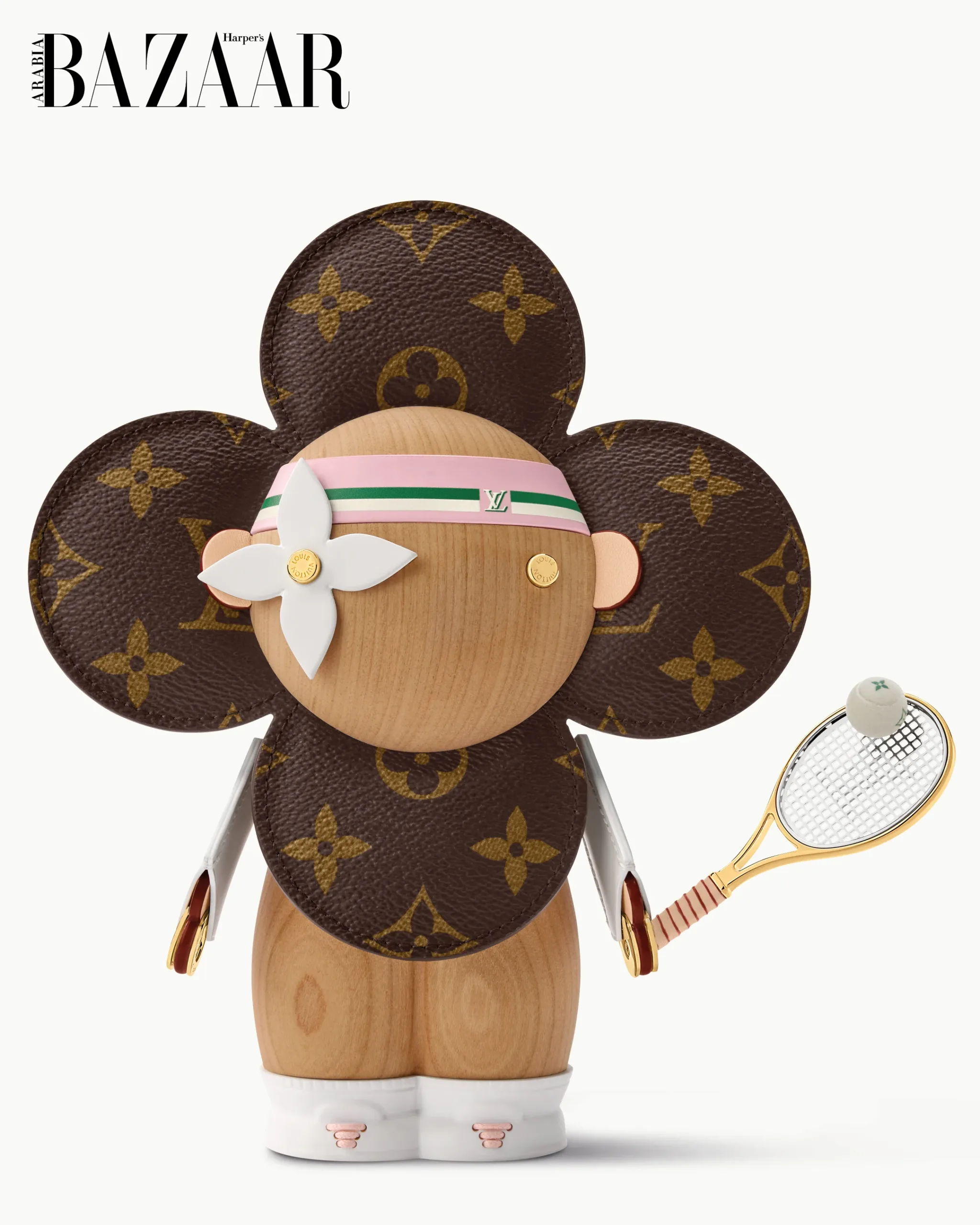
Over centuries, the Monogram has come to define luxury travel and lifestyle, adorning everything from leather goods and ready-to-wear to the delightfully unexpected: Vivienne dolls, pinball machines, popcorn boxes and pétanque sets. Today, the LV Monogram feels even more whimsical, wondrous and delightfully offbeat than ever – proof that true icons never stand still.
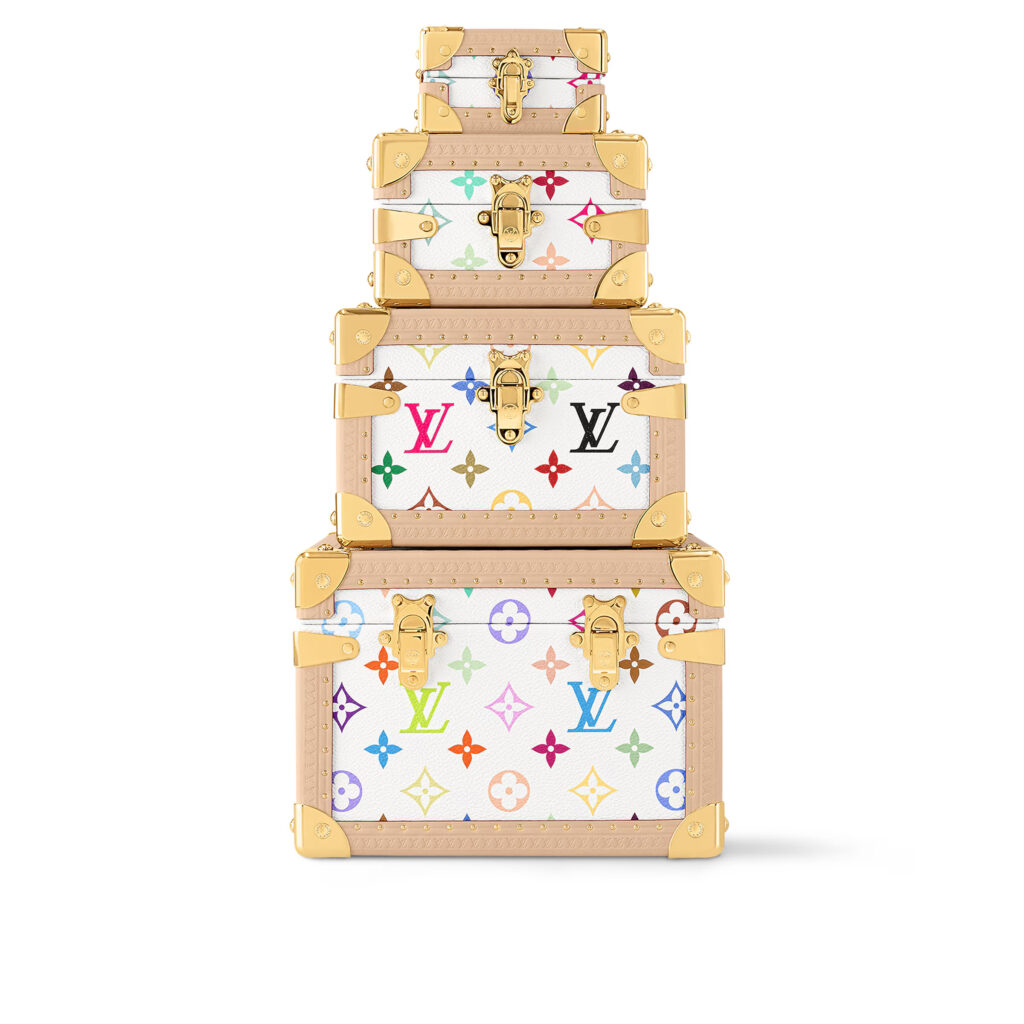
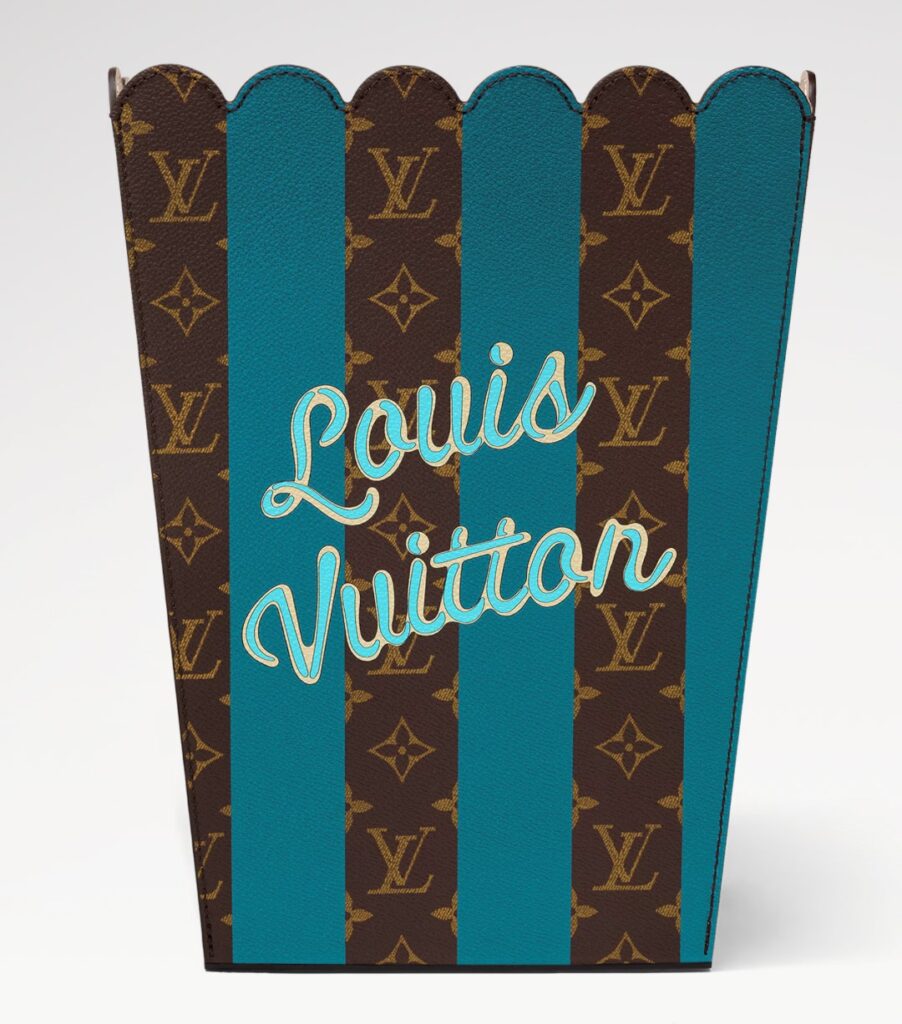
Buy One, Get One More
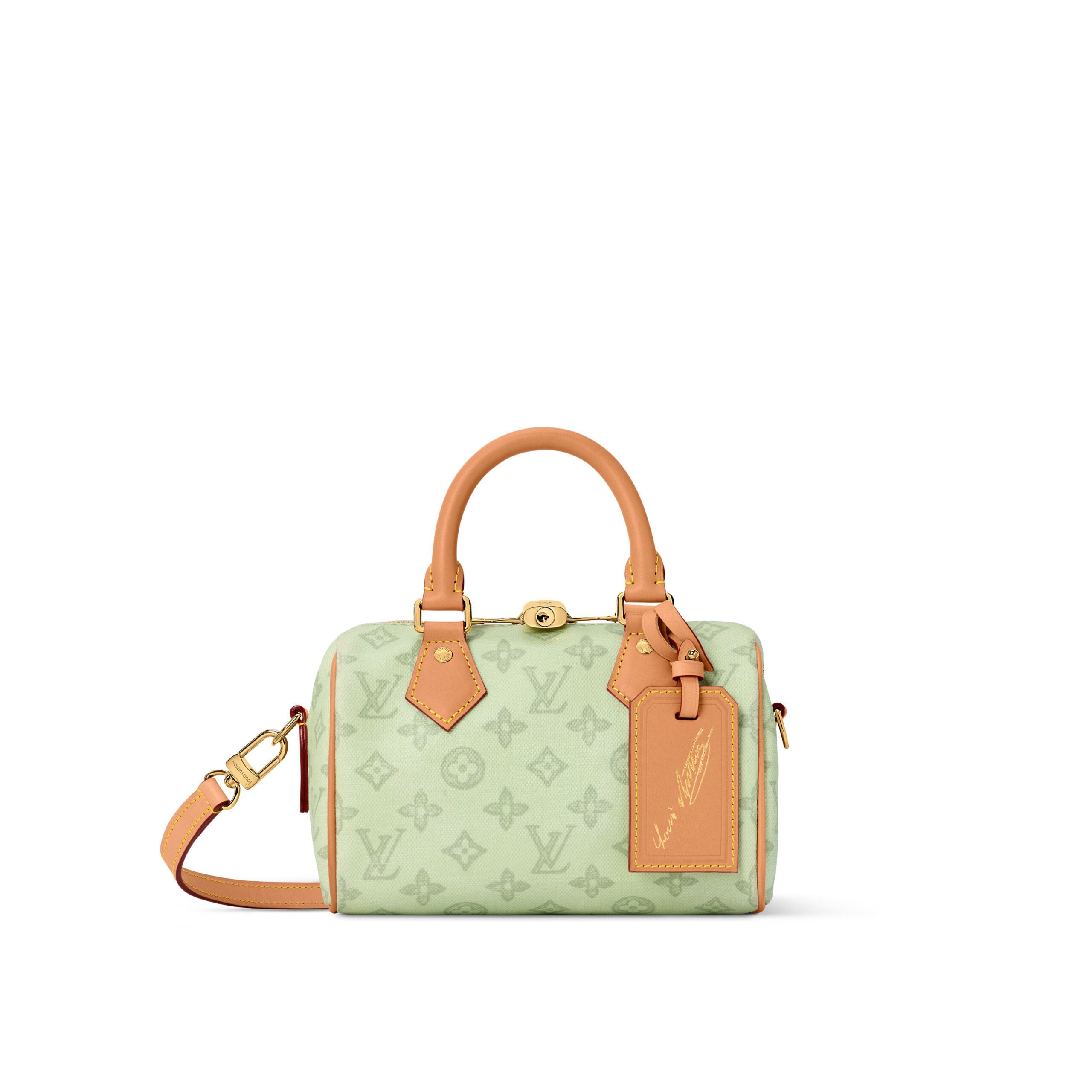
To mark this milestone birthday, the house of Louis Vuitton will celebrate with special-edition anniversary bag collections. They include the Speedy, the Keepall (1930), and the Noé (1932) which was originally designed to carry five bottles of Champagne. Also expect The Alma (1992), a tribute to Parisian architecture, and the Neverfull (2007), the carry all which became the ultimate Y2K companion.
- The Monogram Origine
Revisit the first 1896 pattern through a brand-new Monogram canvas with traditional jacquard weave crafted from a linen and cotton blend, in a palette of soft pastel hues.
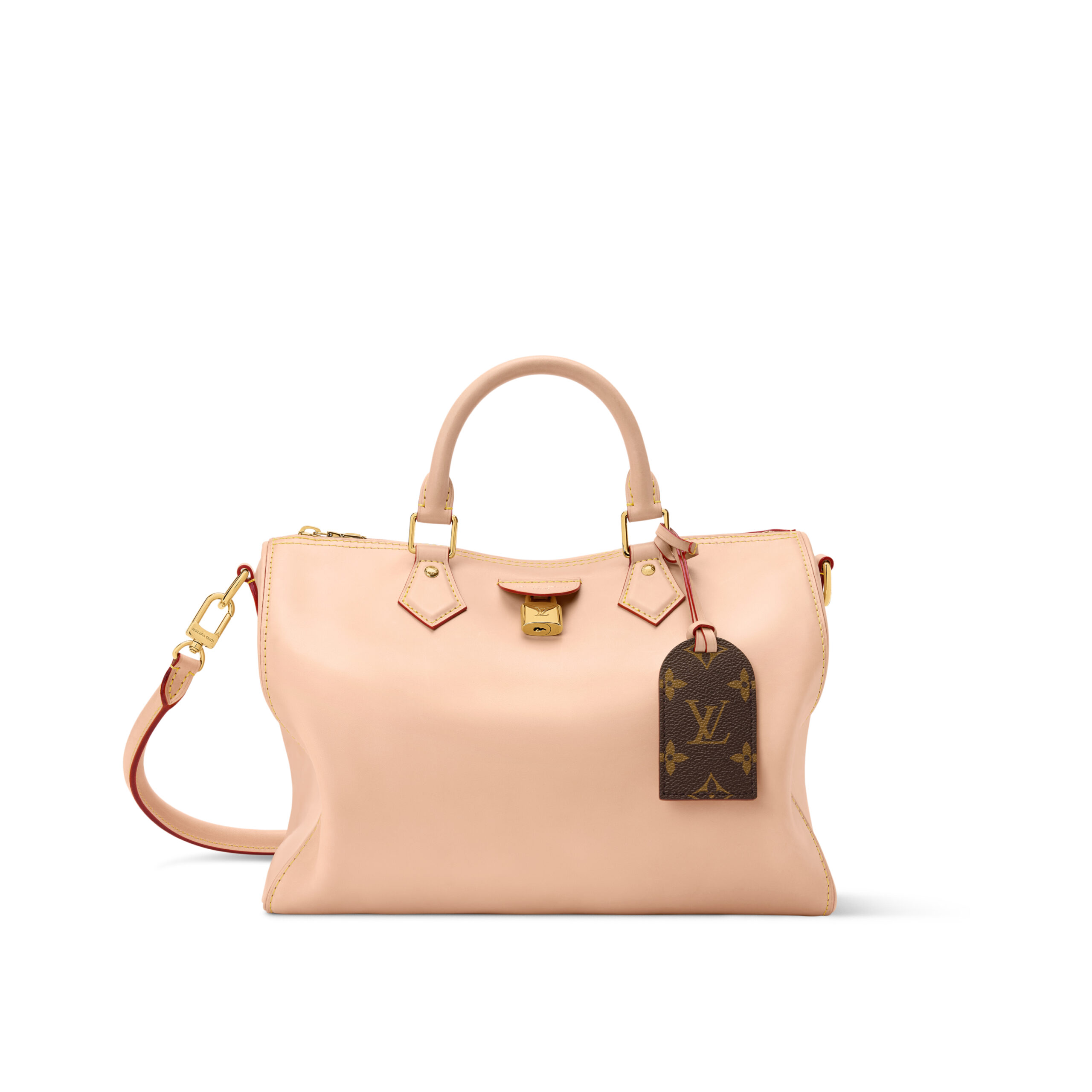
- The VVN Collection
An ode to Louis Vuitton. Crafted from the finest natural cowhide, each piece develops a unique patina over time.
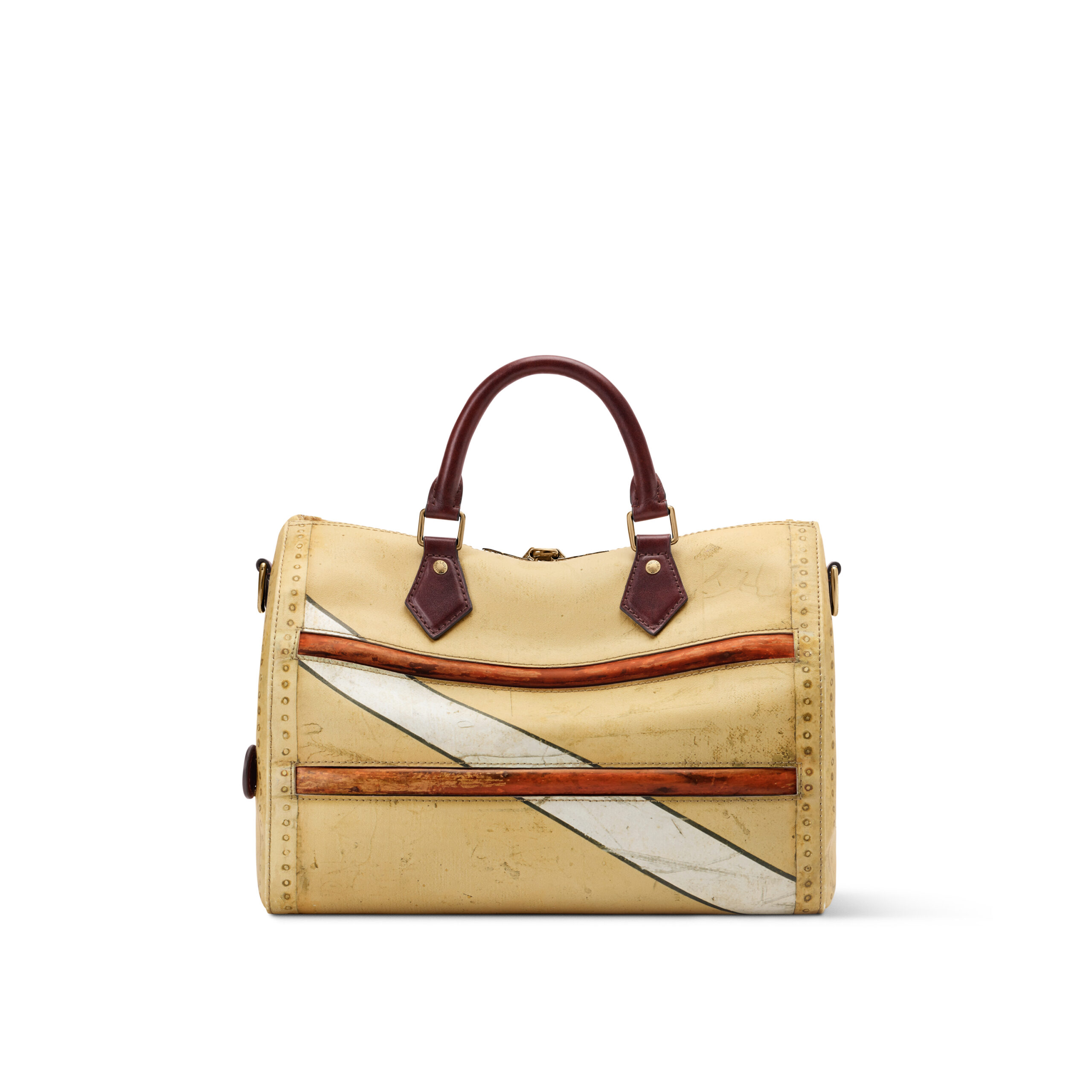
- The Time Trunk Collection
This bridges past and present through bold trompe-l’oeil printing that reproduces the textures and metallic details of Louis Vuitton’s historic trunks.
Images Supplied
Lead Image Credits: The Low Trunk in Monogram Georges Vuitton Canvas circa 1906
From Harper’s Bazaar Arabia February 2026 Issue