
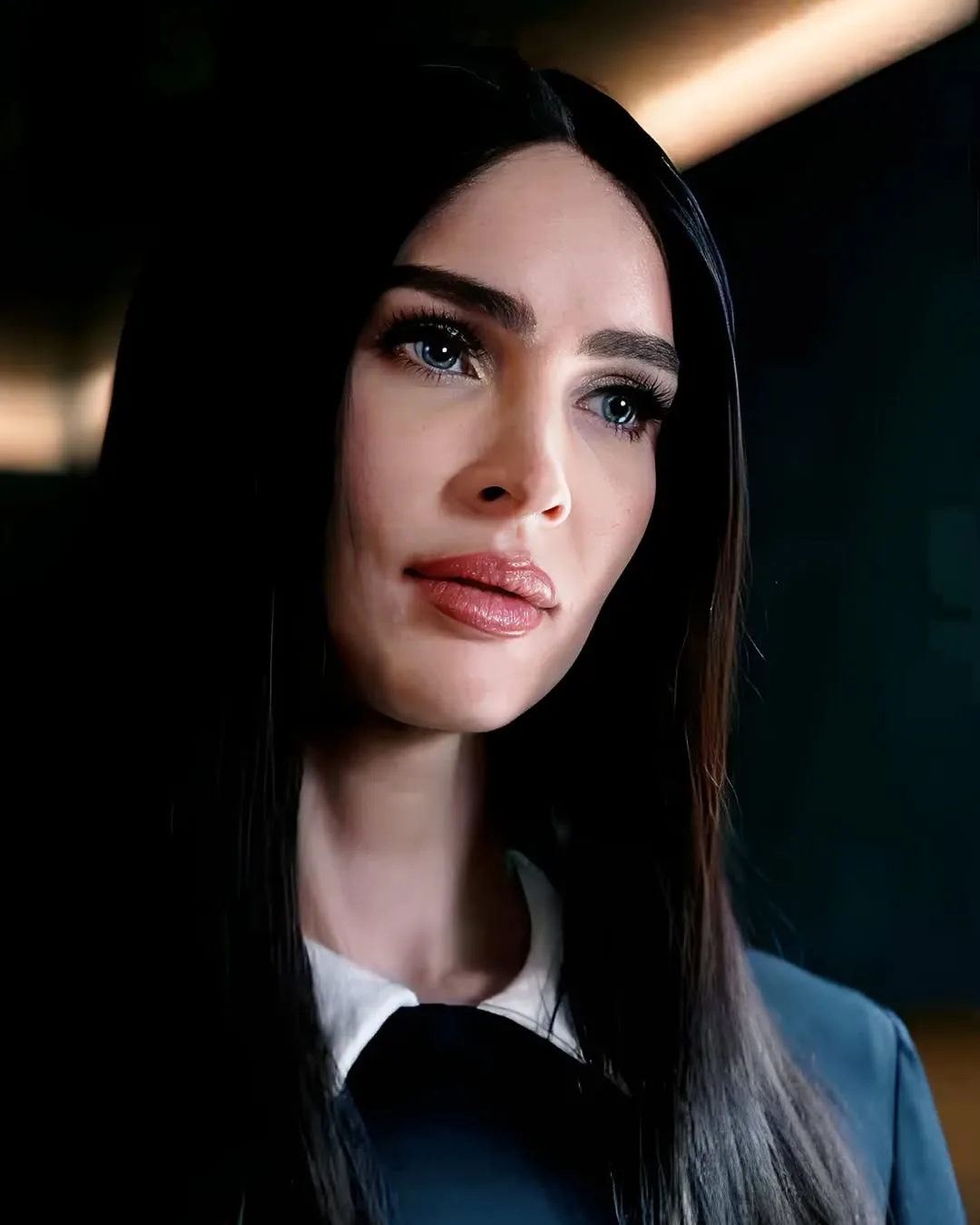
(Bot*)ched: Young Women Are Now Turning To ChatGPT For AI Glow-Up Advice
Across social media, young women are sharing how they’ve turned to ChatGPT to help them ‘Glow Up’. with a neatly curated action plan delivered in seconds. The reality? A minefield of racial beauty bias, homogenisation and colourism
“You’re using ChatGPT all wrong,” insists one TikTok creator to her 190,000 followers. She’s not alone. Scroll a little further and you’ll find a wave of similar content all echoing the same message: if you’re not using the chatbot to generate your personalised glow-up plan, then what are you doing?
ChatGPT, we’re told, can make your life and by extension, you, better in every way. With just the right prompt, the A.I tool becomes your 24/7 aesthetic strategist, helping you to become your “hottest self.” At first glance, it seems clever. A free virtual nutritionist, personal trainer, skincare expert, colour consultant and beauty guru, all rolled into one. Upload a selfie, and allow the bot to tailor its advice to you. Today, when the best beauty consultations can be increasingly pricey and hyperexclusive, it’s easy to see why A.I’s impersonal, judgment-free approach feels both accessible and compelling.
Fatima, who is based in the UAE, turned to ChatGPT at the beginning of the year. “Everyone on my TikTok was talking about glow-ups. I felt pressure to look my best by summer,” she says. “ChatGPT gave me a whole plan, including workouts, skincare, and even meal ideas, in literally minutes.” Nadia, also based in the region, had a similar experience. “It was easier than talking to someone, and far less awkward. You just type in your question and it tells you what to do.” No searching for the right person or booking appointments and negotiating payments.
But what seems like a good deal and an empowering tool to have on hand, can, like so many things, turn out to be something else entirely. ChatGPT’s responses are only as good as the data it’s trained on, which largely comes from the internet, including forums, blogs, and social media platforms. It reflects dominant narratives, but lacks the nuance of a real-life expert. It cannot understand context, personal history, cultural identity or contradiction. And while it might feel ‘personalised,’ its idea of beauty is rooted in algorithmic repetition and so, in reality, is anything but personal.
Often ideas are largely shaped by Eurocentric standards, narrow body ideals, and years of digitally manipulated beauty content. Without realising, users can end up in a feedback loop of increasingly narrow prompts, chasing a version of themselves that looks nothing like who they are. And scarily many of these ideas come from misogynistic, hate-filled forums.
Social media has repeatedly been linked to low self-esteem and mental health struggles among girls and young women. Research published by the American Psychological Association shows that girls between 10 and 15 who spend more than an hour a day on social media report higher levels of emotional distress, lower self-esteem and increased anxiety. A UK survey by Dove also found that 94 per cent of women aged 18 to 30 feel pressure to look a certain way online. In addition, the prevalence of beauty filters has been shown to directly increase body dissatisfaction, with people reporting that they made them feel worse about their appearance.
A.I. glow-up culture doesn’t exist in a vacuum, it feeds into, and heightens, these pressures. What seems like a practical self-improvement tool becomes another cog in the machine that pushes impossible beauty standards onto women. “It’s just another way to make women feel like they’re never enough,” says Mina, a fashion PR in Dubai. “Even the glow-ups ChatGPT suggests are political. The faces that are seen as desirable on social media — lightskinned, racially ambiguous, but still rooted in Eurocentrism – are the same ones A.I tells you to recreate. It excludes women who look like me.”
While these platforms may appear neutral, they’re shaped by the same biases baked into our culture and data systems. And when applied to beauty routines, the result is predictable: a narrow, homogenous version of desirability that marginalises the very features most common in Black, Arab, South Asian and other non-Western communities.
In the Middle East, this takes on added weight. Beauty standards here are rick with cultural specificity — thick brows, kohl-rimmed eyes, olive-toned skin, modest fashion, and distinct regional rituals. Instead of celebrating these features, A.I often erases them out. In the pursuit of universal beauty, it defaults to Western norms, and as a consequence, anything that is different is treated as something you should work on to remove. It reinforces colourism and harmful ideals already present in parts of the region. For example, a report found 40 per cent of women in Saudi were using skin lightening products. If A.I glow-up plans subtly prioritise lighter skin tones as ‘desirable,’ they’re validating these damaging beliefs.
For beauty, especially in the Middle East, this should be a wake-up call. If A.I is to become the future of beauty, it needs to be built on inclusive data, informed by culturally specific knowledge, and presented with full transparency. More importantly, consumers need the media literacy to question the authority of a chatbot, no matter how persuasive or easy it sounds.
Tech and beauty critics agree that using A.I tools for feedback and advice on our looks can be dangerous. And while some users appreciate A.I’s lack of judgement, mental health professionals warn that overreliance on chatbots can disrupt emotional development. The danger isn’t just a questionable skincare suggestion, it’s the quiet absorption of a value system that was never designed to include everyone.
The appeal of glow-ups is nothing new. We’ve long outsourced beauty upgrades to others, including stylists, hairdressers and aestheticians. But when the outsourcing is to a machine that’s trained on bias, the glow-up becomes less of a transformation, and more of a homogenisation. And the cost? A generation of young women learning to measure themselves against a standard built by data that doesn’t reflect their lives, their heritage, or their worth.
Lead image courtesy of Instagram /mfxdaily
From the Harper’s Bazaar Arabia September 2025 Issue.