
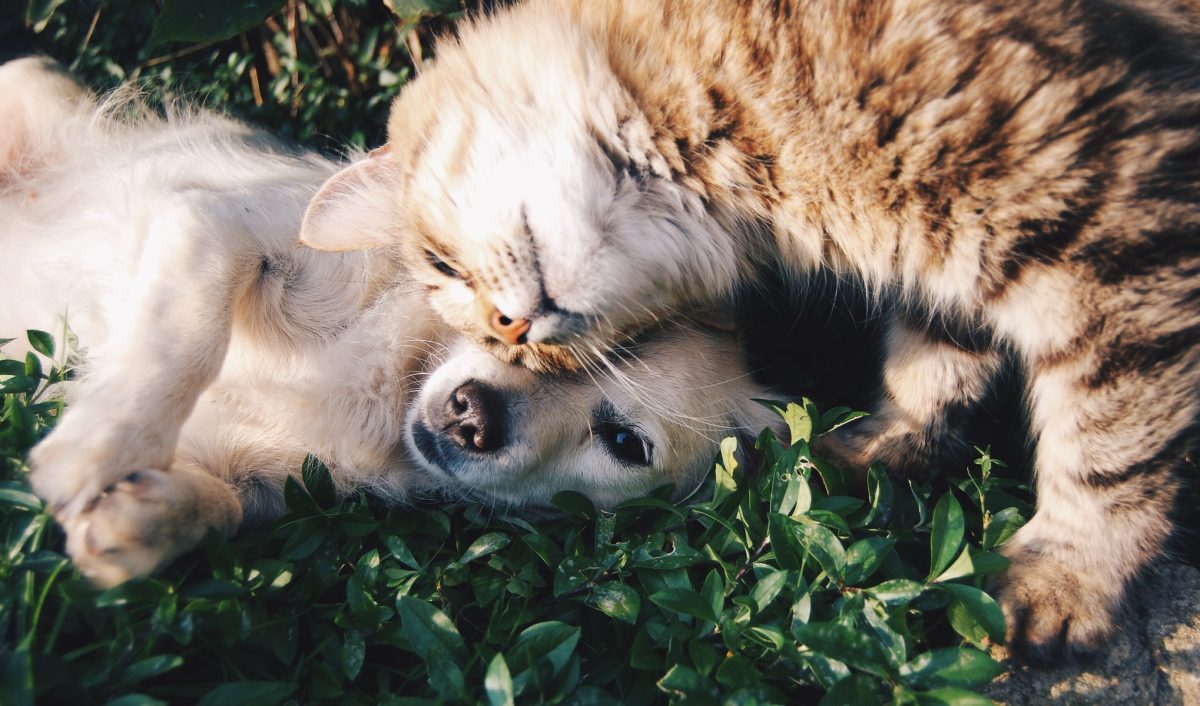
AlUla Has Launched a Centre For Stray Cats and Dogs
The clinic will help to control the population of strays, while also providing medical support and adoption programmes
The Royal Commission for AlUla, created in July 2017 by Royal Decree, has recently constructed a centre to help with population control of stray cats and dogs. The centre will also provide the animals with quality healthcare protecting and treating them from diseases. This facility, scheduled to open this month, marks the first government sector entity in Saudi Arabia to create a holistic animal welfare programme.
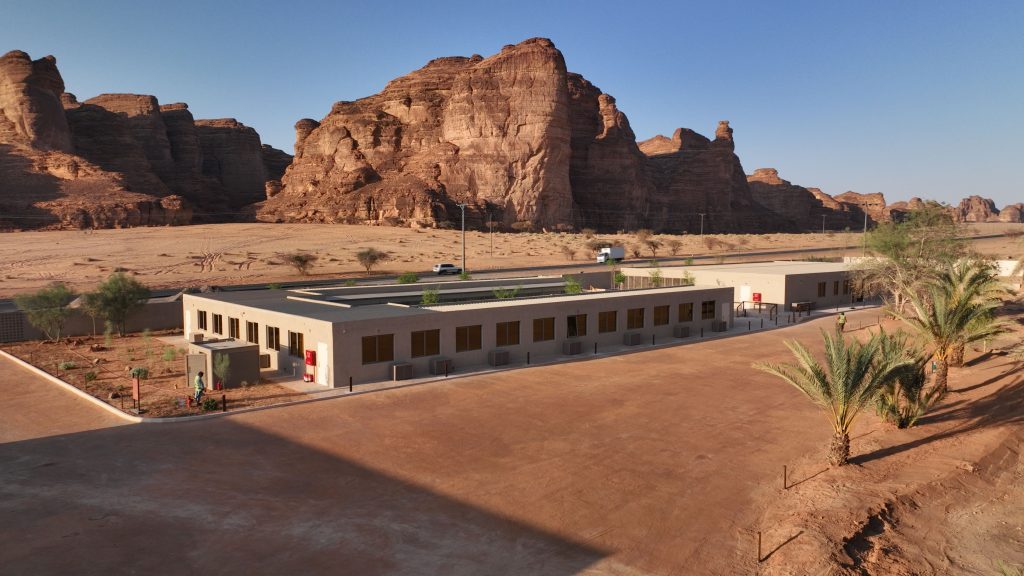
The centre will have a Trap-Neuter-Return clinic to safely and effectively control the population of strays. The animals will then be checked by expert veterinarians making sure the right care is provided to them. The centre shall also encourage adoption programmes for the animals to find new forever homes. Adoption programmes from the Canaan Dog Sanctuary and Arabian Mau Sanctuary will ensure animals have been neutered/spayed, vaccinated and medically examined prior to owners adopting them. Additionally, educational sessions for residents will be hosted in a chance for them to learn about the long-term goals of AlUla.
The facilities creation comes after Saudi and international archaeologists discovered the earliest evidence, in Arabia, of dogs being domesticated. The archeologists unearthed dog bones next to their owners with evidence of arthritis in the dogs. The discovery depicts how dogs spent years by their owners sides during the 5th and 4th millennia BCE conveying animal welfare to be deep-rooted in AlUla history.

“The new animal welfare programme is an important step in RCU’s goal to improve people’s quality of life in AlUla while also humanely tackling the problems caused by the overpopulation of stray cats and dogs,” said Yassin Akkad, senior specialist of Animal Welfare at RCU. “By providing our community with the best international standard veterinary services and the introduction of our TNVR programme, will be positively impact the population of free-roaming dogs and cats in AlUla by reducing their numbers and improving their quality of life.”
For more information visit The Royal Commission for AlUla website.
Lead image courtesy of Unsplash