
Can Saudi Arabia Become a Consumer Brand?
I See Saudi Arabia Everywhere
Cardi B is everywhere on my timeline. Salammm alayykum alayykum asalaaaammm… If you know, you know. After performing in Riyadh last year, she shared her experience of Saudi Arabia with millions of her followers, attempting to speak Arabic and talking warmly about her time in the Kingdom. It struck me because it was another example of something I’d been noticing: Saudi Arabia seems to be appearing everywhere in my world. And not only on my timeline. I see it everywhere in London.
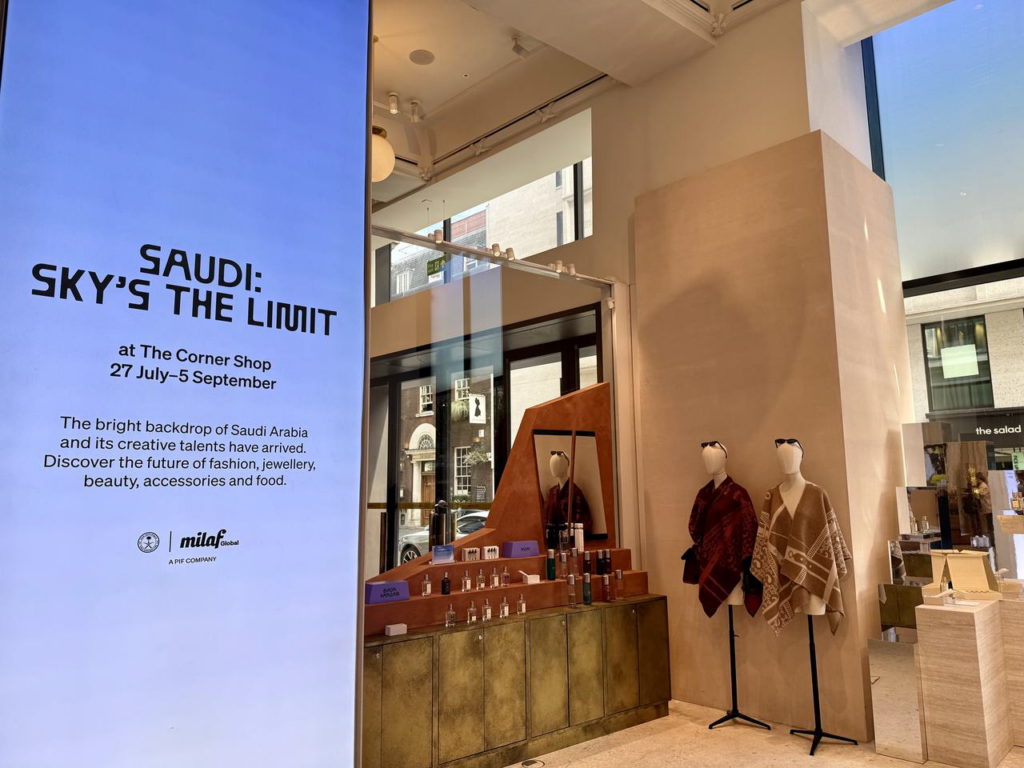
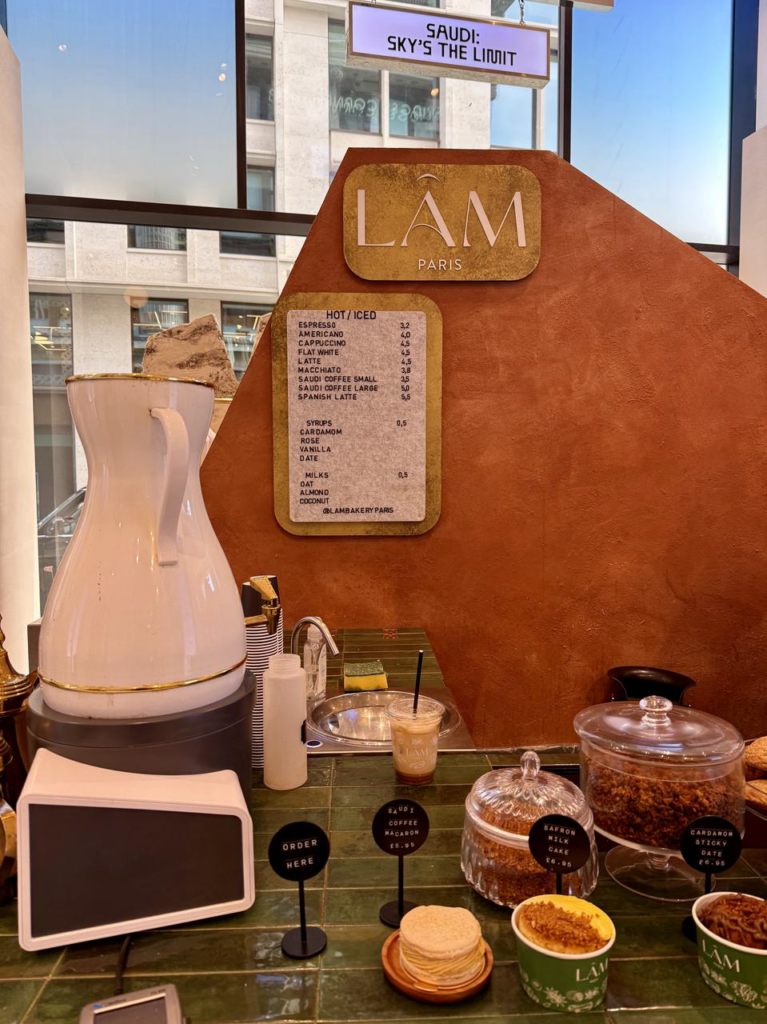
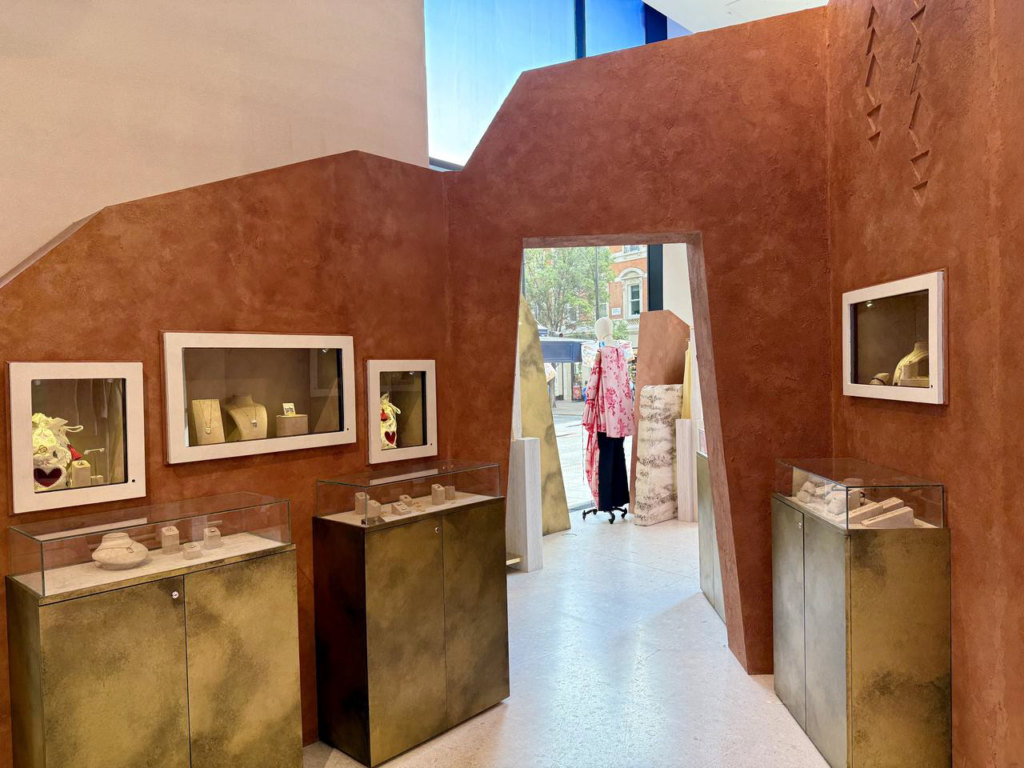
Last week, I walked into Selfridges and found Saudi Arabia through Sky’s the Limit .25 Saudi brands across food, fashion, beauty and lifestyle took over the Corner Shop for six weeks. Titled “Saudi Arabia… Horizons Without Borders”, the ambition was to introduce Saudi brands and products to international consumers and support local businesses as they expand into global markets.
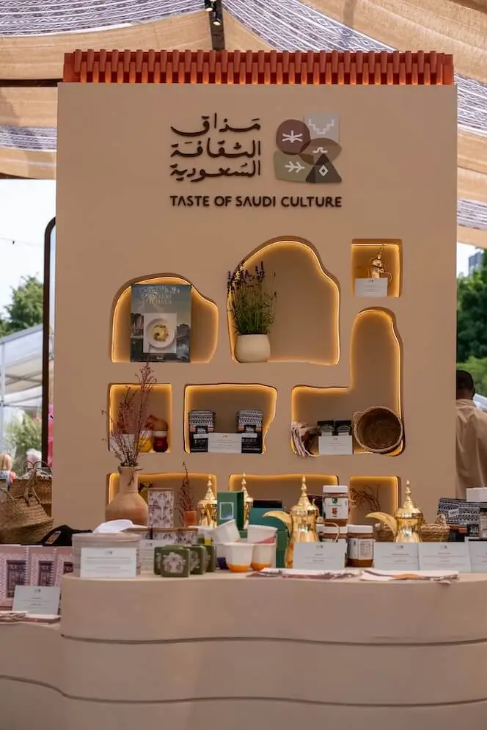
A few months ago, I tasted Saudi culture and drank Saudi coffee at the Taste Festival
while a Saudi band was playing nearby. And before, I could experience Saudi Arabia at the Outernet in Tottenham Court Road. Thousands of Londoners sipped Saudi coffee, tasted Saudi dates and had their names written in beautiful Arabic calligraphy.
At first glance, this seemed to be another series of cultural activations in a city that hosts thousands of pop-ups and marketing and PR activations every year. However, looking at the wider picture, I couldn’t help but wonder whether Saudi Arabia is trying to achieve something much bigger than changing perceptions and boosting tourism.
Saudi Arabia isn’t only asking the world to visit. Increasingly, it’s presenting its culture to the world through things to wear, eat, drink, experience and buy.
From Consumer to Producer
For decades, Saudi Arabia has been an important market for global brands. Walk through any of Riyadh or Jeddah’s major malls and many of the world’s biggest fashion, beauty and luxury names are there. It’s not difficult to understand why. Saudi’s luxury market alone was worth an estimated $11.1 billion in 2025, while Saudi residents spent almost $28 billion travelling abroad in 2024. Global brands, especially within luxury, have long competed for the spending of the Kingdom’s affluent, internationally exposed consumers.
But what happens when the flow starts moving in the opposite direction? Can Saudi Arabia go from being a major consumer of global brands to a producer of brands the world wants to consume?
The backdrop to all of this is, of course, Vision 2030, Saudi Arabia’s sweeping economic and social transformation programme launched in 2016 to diversify an economy historically
dependent on oil. Tourism, culture, entertainment and creative industries have become important parts of that diversification.
The shift is already visible in tourism. In 2025, the Kingdom recorded 123 million domestic and international tourists, with non-religious travel accounting for 52% of inbound overnight visits. Sporting events, concerts and access to heritage sites are broadening the reasons international visitors come to the Kingdom.
A Growing Pride in Cultural Identity
Saudi Arabia has a remarkably young population with 71% of Saudis under 35. This generation has grown up exposed to western culture, food, fashion and entertainment. At the same time, this generation is experiencing a renewed emphasis on Saudi culture and identity.
What interests me is what happens when this generation stops being just a consumer, and starts becoming a producer.
Women’s rights reforms and wider social changes under Vision 2030 helped pave the way for a new wave of female entrepreneurs and businesses to flourish in the Kingdom. One of those founders is Yara AlNamlah. In February, AlNamlah’s Moonglaze became the first Saudi beauty label to enter Sephora Middle East. AlNamlah’s vision is to make Saudi and Arab brands recognised globally for quality and creativity, while remaining true to the needs of beauty consumers in the region. Meanwhile, Ulta Beauty Middle East added Asteri Beauty to its shelves. Founded by architect Sara Al-Rashed and shaped by desert roots, Asteri is on a mission to solve unmet needs with desert-proof, halal, vegan products.
In fashion, the Saudi streetwear label 1886 was founded in Riyadh in 2016 by Fahad Al-Jomiah and Khalid Al-Jammaz. They conceived the idea while studying in London: a fashion brand that felt modern while remaining distinctly Saudi. A decade later, their clothes are being sold at Selfridges.
What Can South Korea Teach Us?
This has led me to think about what it takes for a country to become a consumer brand. It’s hard to discuss this topic without mentioning the rise and popularity of all things “K”: K-beauty, K-pop, K-food and K-drama. Across major shopping areas in Europe you’ll increasingly find stores dedicated to K-beauty brands, while major retailers like Boots and Sephora now stock K-beauty products alongside legacy European beauty offerings.
South Korea exported $11.4 billion worth of cosmetics, making it the second-largest cosmetics exporter, behind France and ahead of the US.
This success extends across other categories. K-food exports reached a record $12.34bn by November 2025, with the Korean government explicitly identifying the global popularity of Korean culture as one of the drivers. After decades of American pop culture dominance, a 2025 global Hallyu survey found that foreign consumers of Korean cultural content spent an average 17.5 hours a month watching K-dramas.
The rise in demand for “K” brands, products and culture is not an overnight success. It emerged over decades, combining South Korea’s economic development and deliberate government support for cultural exports. While policy and government support helped set the infrastructure, the achievement wasn’t simply exporting beauty, food or music to the world. The bigger achievement was giving ‘K’ meaning and creating distinctly Korean categories of music, drama, beauty and food that consumers far beyond Korea wanted to consume.
Could Saudi Arabia Make the Same Leap?
Saudi Arabia is nowhere near that point yet. But some of the ingredients are beginning to appear: a young generation of founders, distinctive cultural codes, investment and brands beginning to test themselves beyond the domestic market.
The Kingdom also has products and traditions that are distinctly Saudi. Saudi coffee and dates are central to Saudi hospitality, while oud and Arabian fragrances have been part of regional beauty rituals for centuries. Modest fashion and traditional crafts offer further cultural codes for Saudi founders to reinterpret for consumers beyond the region.
And this is key. Cultural distinctiveness is not enough on its own. If we can learn anything from South Korea’s success, it is that cultural distinctiveness only becomes powerful when it translates into brands and products that consumers elsewhere actually want. The Selfridges takeover offers a glimpse of where Saudi Arabia is today: 25 brands under one Saudi roof, giving international consumers an opportunity to discover them. Saudi Arabia will need more brands that can build recognition and consumer demand beyond the Kingdom and sustain that success independently of Saudi-backed activations. The bigger test will come when those brands no longer need to sit inside a Saudi-branded space: when a Saudi beauty brand competes on the same Sephora shelf as global names, or a Saudi fashion label sits at Selfridges alongside international designers, and consumers choose them because they genuinely want the product.
While governments can invest in industries, create infrastructure and give their brands international exposure, what they cannot guarantee is cultural desirability. That ultimately belongs to consumers.
Saudi Arabia has opened its doors and is becoming a destination the world wants to visit. The next question is whether it can become a global consumer brand: a source of brands, products and culture the world wants to consume.
Lead Image Courtesy of Taste Festivals
Imagery Supplied