
We Dive Deeper Into Cartier’s New Greco-Roman High Jewellery Collection
Cartier’s latest exhibition in Rome includes an olfactory exploration through its jewellery archives, showcasing the influence of Greco-Roman classical antiquity on the Maison’s cosmos
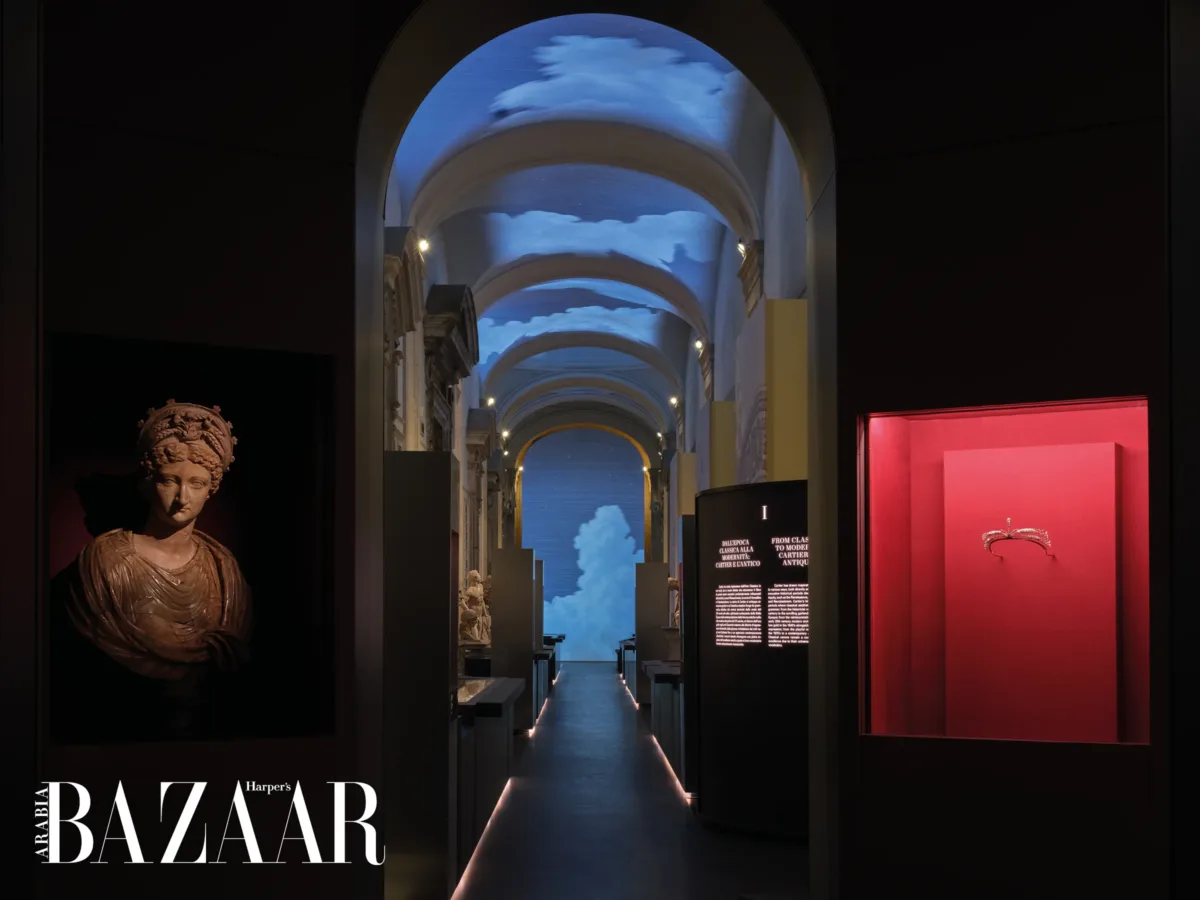
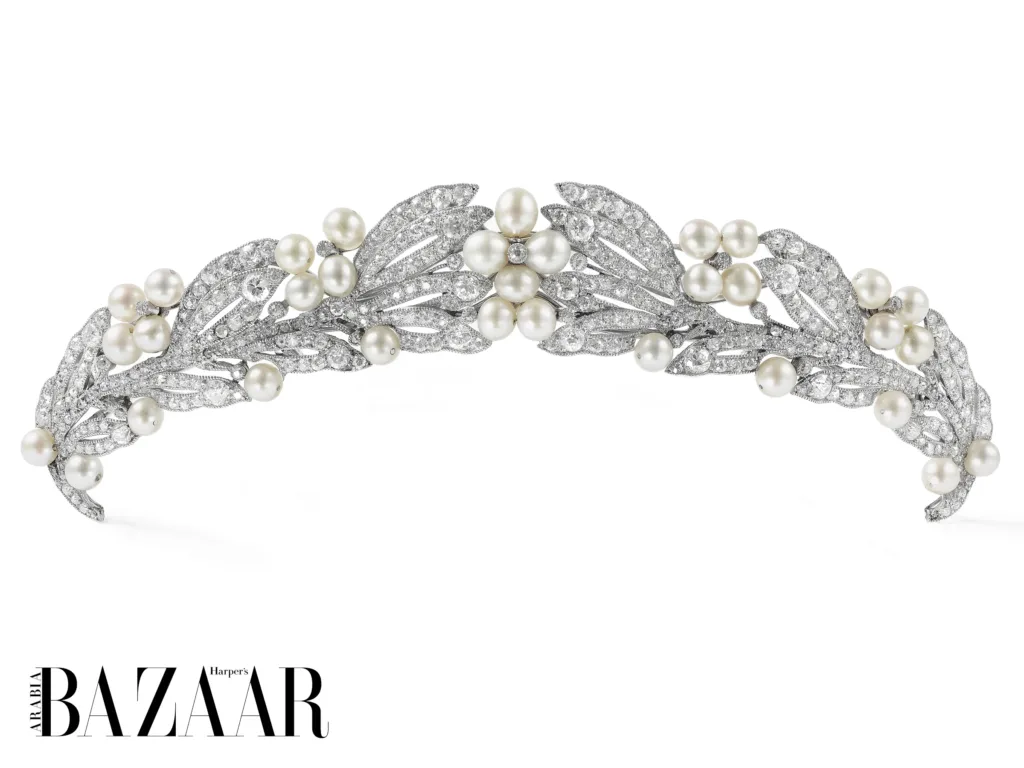
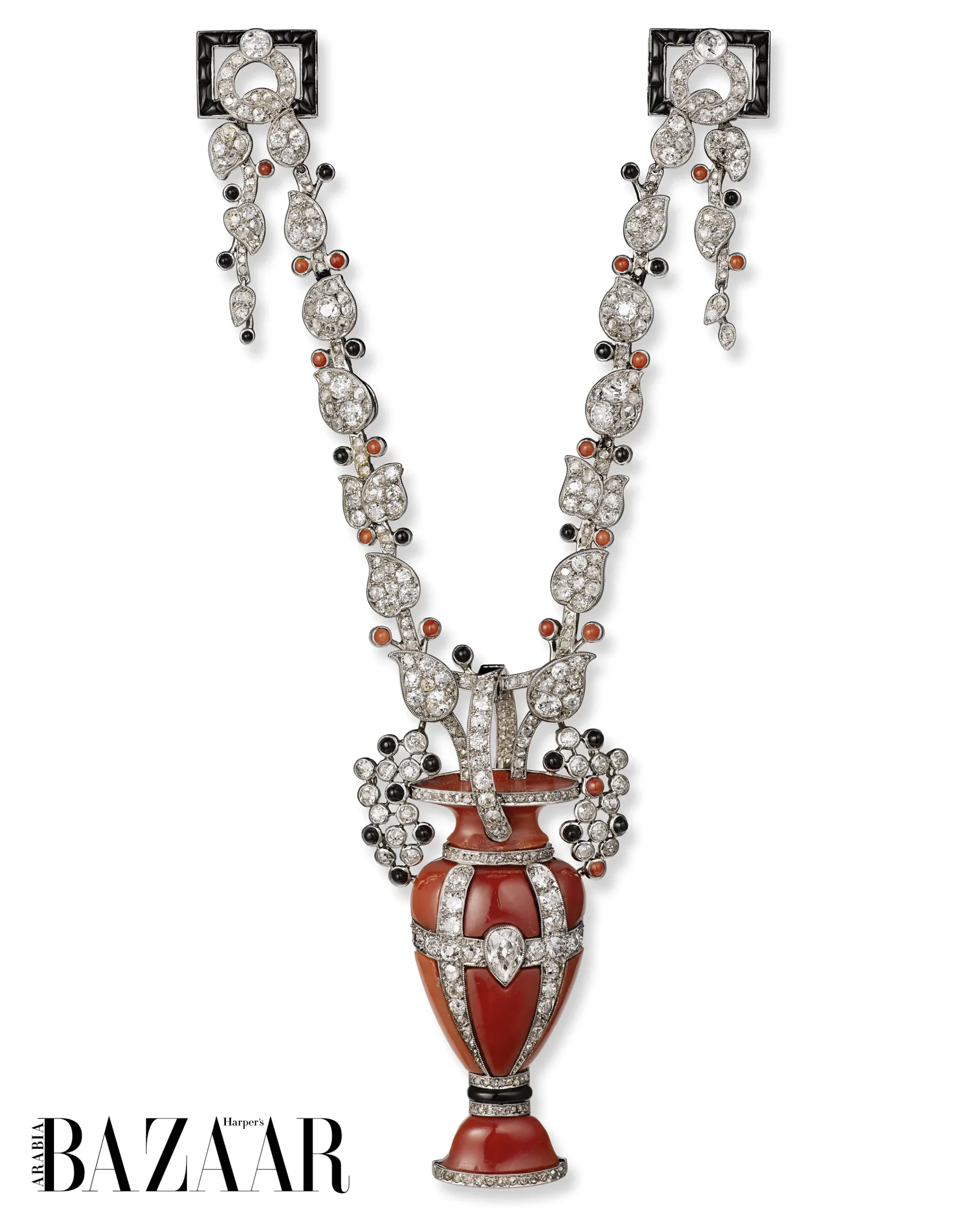
This confluence of history and craftsmanship provides an incredible journey through aesthetics, art and memory that celebrates the profound relationship between Cartier, Italy and, in particular, Rome. It also explores how, since it was founded in 1847, Cartier has long drawn inspiration from classical antiquity, frequently reinterpreting the aesthetic and symbolic repertoire of ancient Greece and Rome, transforming millenniaold motifs into singular, modern jewels. Through comparing the ancient deities of Palazzo Nuovo – Aphrodite and Dionysus, Apollo and Hercules, Zeus and Demeter – with the Maison’s creations, the exhibition simultaneously examines the mythological influence within Cartier’s work, inviting visitors to rediscover the ancient models that have inspired its pieces since the beginning of the 20th century.
However, what is perhaps most intriguing about Cartier & Myths is its use of olfactory elements to draw parallels between past and present. Conceived as an immersive experience, the exhibition blends visual and aromatic references that create a connection between myth and ingredient, antiquity and today. “It was important to have a total vision of the jewels because in classical antiquity, part of a word for this was cosmos,” adds Stéphane Verger. “Cosmos was the universe, the order of the universe, but also the order of the human body. And so, the jewel is part of this cosmos that is also the perfume and also the context of the human being. Therefore, it was very important for us to have an exhibition with senses.”
“Many ingredients are related to myths and [Greek] gods, so perfumes and ingredients were part of that antiquity before us,” adds Maison Cartier’s perfumer, Mathilde Laurent. “So, it was totally logical for me that Stéphane and Bianca wanted to complete the exhibition with smells of perfume in an olfactory way.”
Thus, Mathilde explored Cartier’s olfactory archives to find different perfumes that would relate to the pieces on display at Palazzo Nuovo. Not new, but rediscovered scents that showcase how Cartier’s perfumes – as well as its jewellery pieces – over the years, have drawn much inspiration from myths.
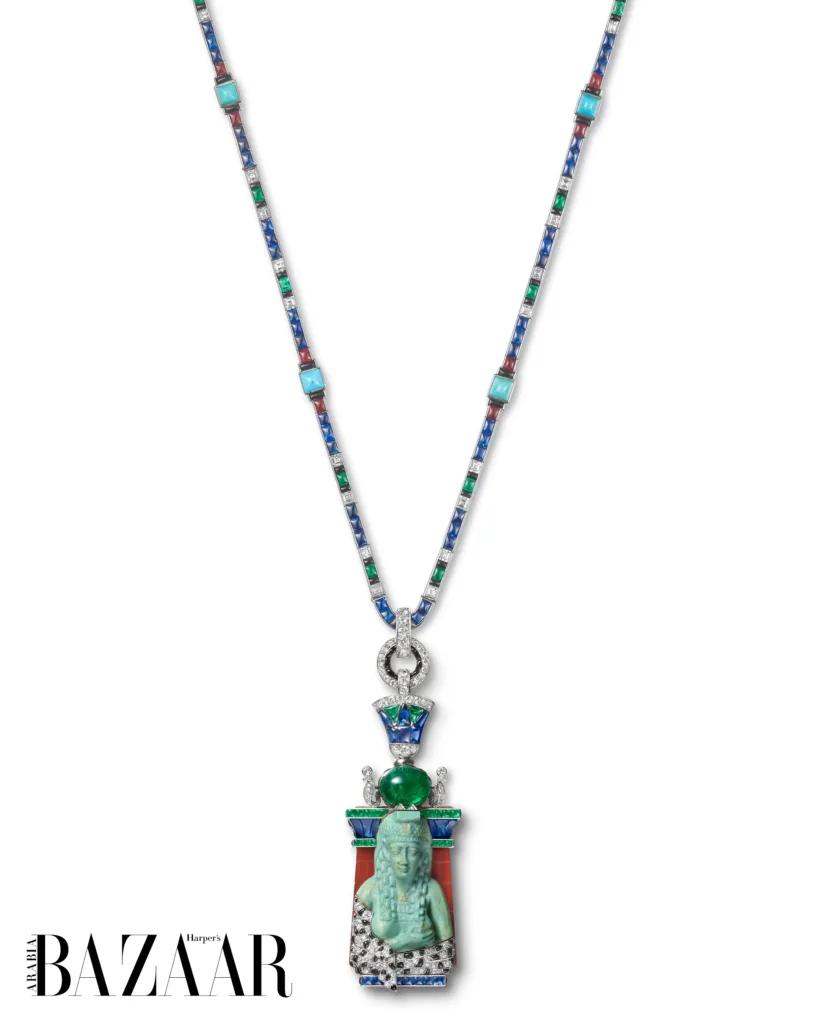
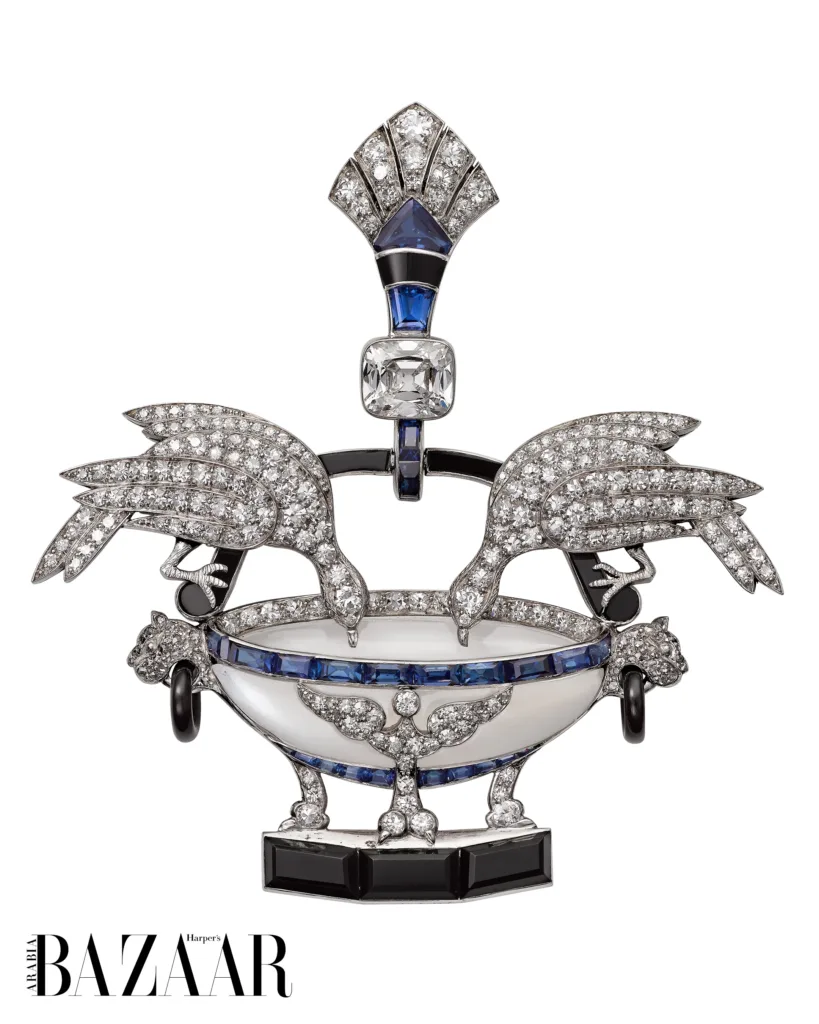
A notable piece of Cartier Egyptian Revival jewellery.
While some rooms, jewels and scents are paired with ancient sculptures, in other rooms, the myth is jewel enough. “In the Palazzo Nuovo, there is a little room with the most famous statue of antiquities, Capitoline Venus,” explains Stéphane. “The room is like a little temple, and the perfumes were very spontaneous. There are no jewels, because the body of Aphrodite [also known as Venus] is enough with some perfume.”
“Venus was also said to have a rose scent,” Mathilde continues, “so this is how it came for me, just to add this perfume I created which is a tribute to the rose. It was an immediate correspondence between the smell of the flower on the branch and the smell she has of rose. In antiquity and many religious books, Venus has a natural smell of rose. This is why the room is perfumed in a very precise and technical way to give the feeling that we smell her body.”
In curating the scents, there were three focal elements, explains Stéphane. “The three concepts for jewels in antiquity are beauty, tactic and practical intelligence, so the perfumes we curated are these same three concepts.” Speaking of how the perfumes were curated, Mathilde adds that it was a unique creative process. “They are all inspired by myth, yet the process is totally different. For example, to create the rose, it was a quest for reality; for the most realistic possible rose, the smell of a fresh leafing rose. For fire, I had created a perfume as a tribute to fire as the origin of perfumery, as perfume comes from the Latin word per fumum, meaning ‘in the smoke of the fire’. Perfumery was born from the sacred practices in antiquity of burning ingredients, aromatics, flowers and wood – all the scents that trees can give. Perfumes come from the smoke that humans used to merge and elevate in the sky to speak to the [Greek] gods.”
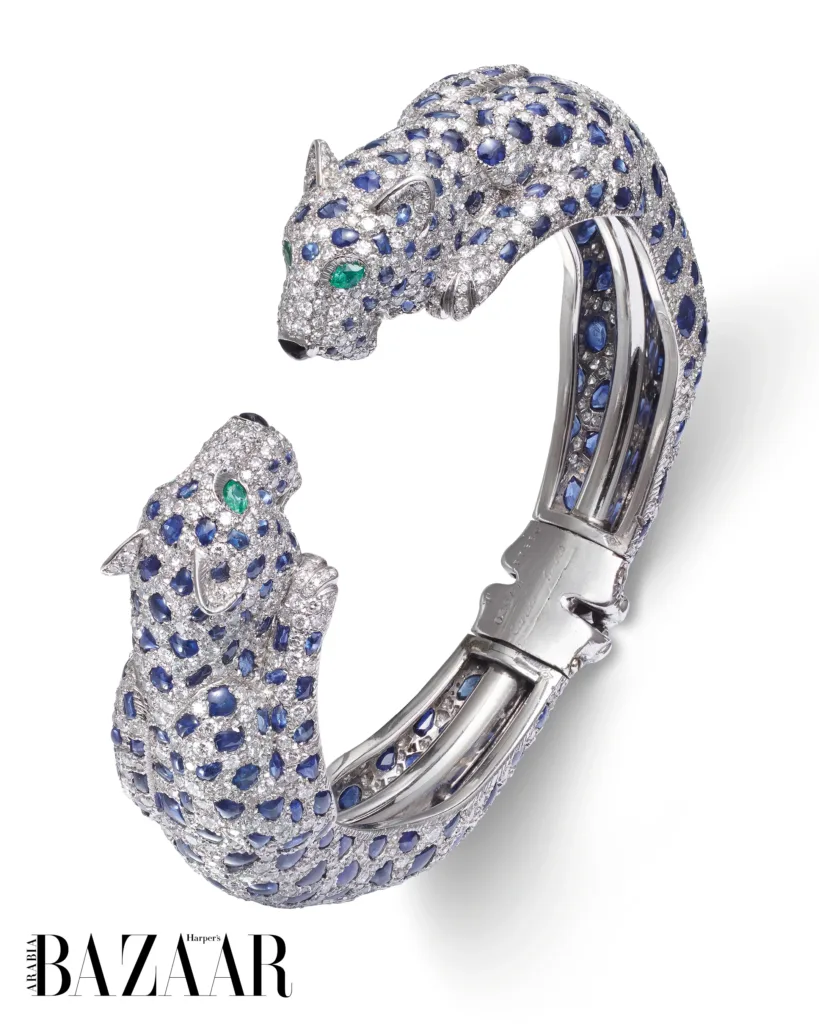
The third process was for the room of Dionysus the La Pantera, to express the smell of the panther, Mathilde explains. “The myth of the panther perfume is said to be 300 years before Christ and it’s very important for perfumers. Not only does the panther hunt by smell, she smells good too – not like an animal, but like a goddess. So, again, this process was totally different to create a perfume that is one of the goddesses.”
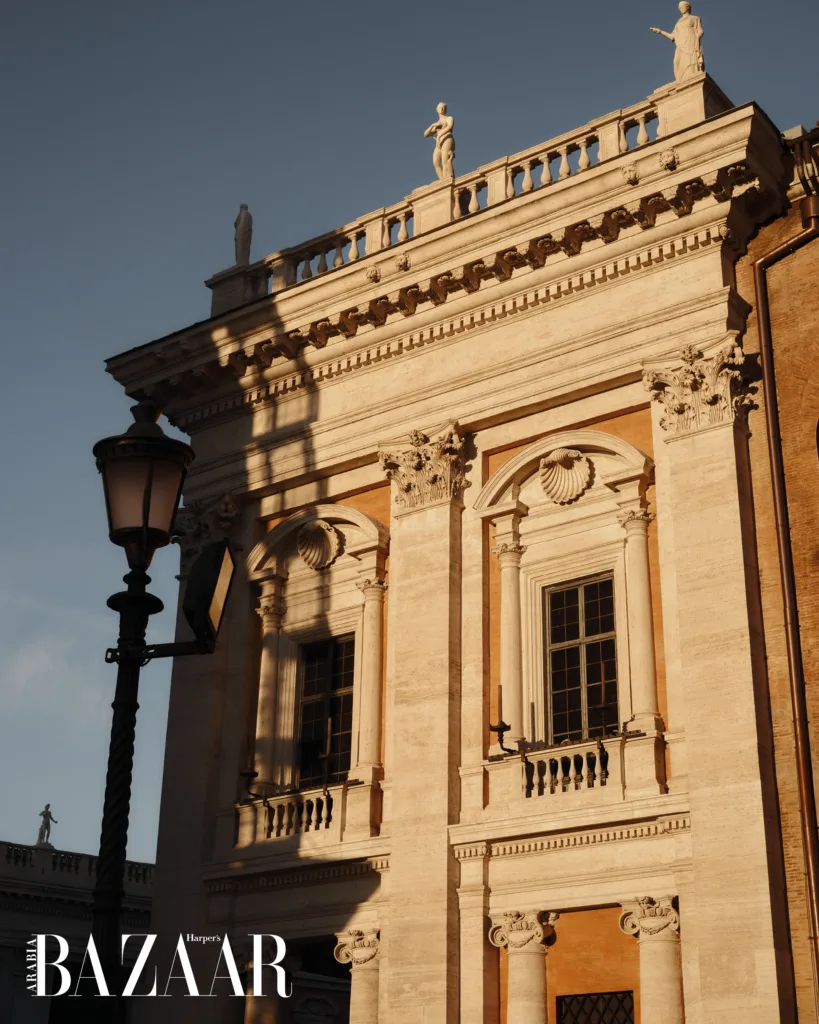
Lead Image Credits: The showcase presents jewellery from Cartier with marble sculptures from Cardinal Alessandro Albani’s collection, which formed the basis of the museum’s original contents.
Images Supplied
From Harper’s Bazaar Arabia January 2026 Issue