
The D-List: Diving Deep Into Demna’s Era At Gucci
For over a century, Gucci has shaped the fashion conversation. Now, the Italian icon begins its next chapter as creative director Demna steps into the spotlight with his debut show, Primavera
Love him or loathe him, the fashion world – and its ever-watchful audience – paused the moment the first model stepped onto the catwalk for Demna Gvasalia’s debut public show for Gucci. Few designers working today command quite this level of attention.
With an eclectic résumé that began at Maison Margiela and Louis Vuitton before culminating in the launch of Vetements in 2014, the Georgian creative steadily carved out a reputation for reshaping fashion’s cultural conversation. His most defining chapter came at Balenciaga, where his disruptive vision propelled the house into a new era of relevance and commercial success, pushing the brand firmly into the billion-dollar stratosphere.
Now, with his move east from the storied French maisons to one of Italy’s most iconic fashion houses, expectations are immense. Demna arrives at Gucci with a mandate to reinterpret its codes – bringing with him the instinctive understanding of contemporary culture that has made him a voice for a generation.
Gucci’s legacy is no trivial matter. Spanning more than a century of luxury, drama and reinvention, it remains one of the most storied maisons in fashion history. Today, the interlocking GG stands among the most recognisable logos in luxury. Yet the story began modestly in 1921, when Guccio Gucci opened his first shop in Florence with a singular focus on two things: luggage and leather goods. What followed was a constantly evolving narrative – one that continues to be revisited and reinterpreted through film, books and cultural storytelling.
History, however, would shape the house’s most enduring signatures. In the aftermath of World War II, leather became scarce, forcing artisans to rethink the very language of luxury. Out of necessity – and ingenuity – came the bamboo bag. Its distinctive curved handle, painstakingly shaped over an open flame, was unlike anything seen before. Hollywood quickly took notice: Ingrid Bergman and Elizabeth Taylor carried it with effortless glamour, soon followed by Sophia Loren and Gloria Vanderbilt, cementing the piece as an emblem of postwar elegance.
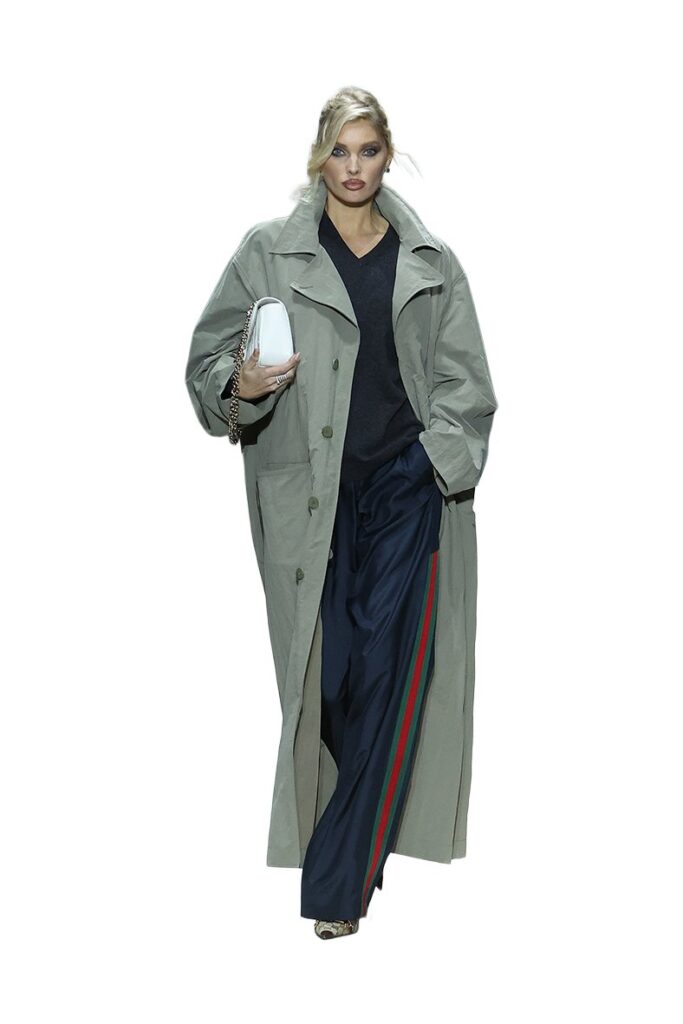
Around the same time, another hallmark was born from constraint. The now-famous green and-red Gucci stripe – today emblazoned across bags, shoes and scarves, emerged during the same period of material shortages. Ever experimental, Guccio began working with alternative materials such as canvas and webbing when leather was difficult to source. From this pragmatic innovation came a house signature that would endure across generations of creative directors.
In the early 1950s, the horsebit loafer – worn by JFK, Francis Ford Coppola and the ultimate Italian style icon Gianni Agnelli – became as much a status symbol as it was a stylish accessory. Alongside the bamboo bag and the striped web, it completed a trio of design signifiers that would define Gucci’s visual language for decades.
Style historians endlessly reference the iconic Fifties Constance bag, introduced in 1961, and swiftly rechristened ‘The Jackie’ after Jacqueline Kennedy Onassis famously wielded it as both shield and signature amid the glare of paparazzi. Equally legendary is the Flora print, crafted in 1966 for Grace Kelly during her visit to the Milan boutique, when Rodolfo Gucci commissioned Italian illustrator Vittorio Accornero de Testa to design a silk scarf worthy of royalty.
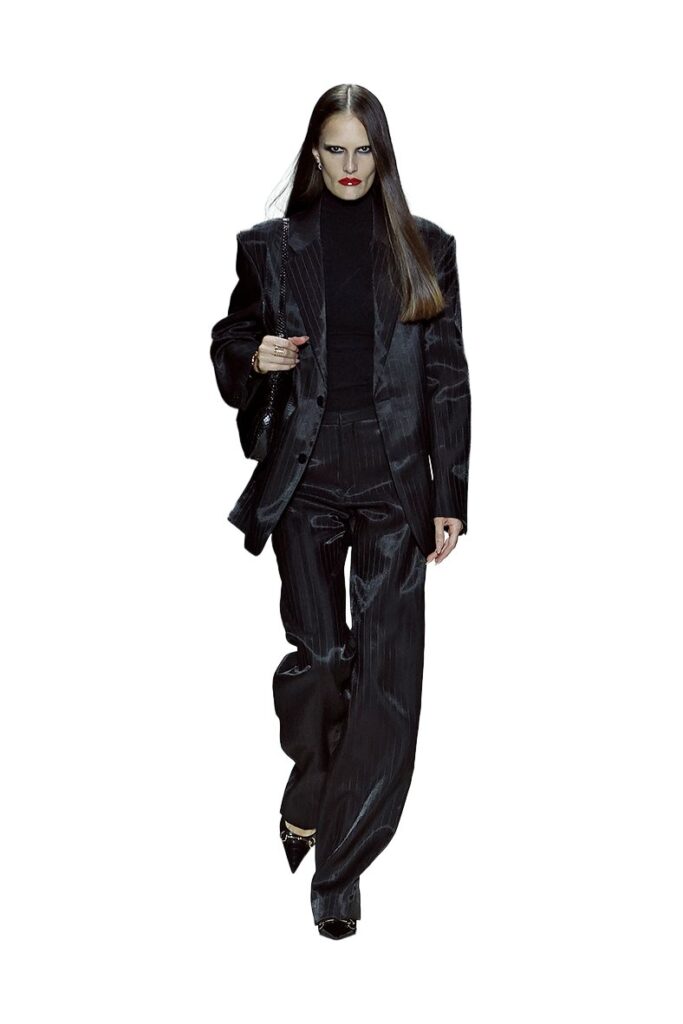
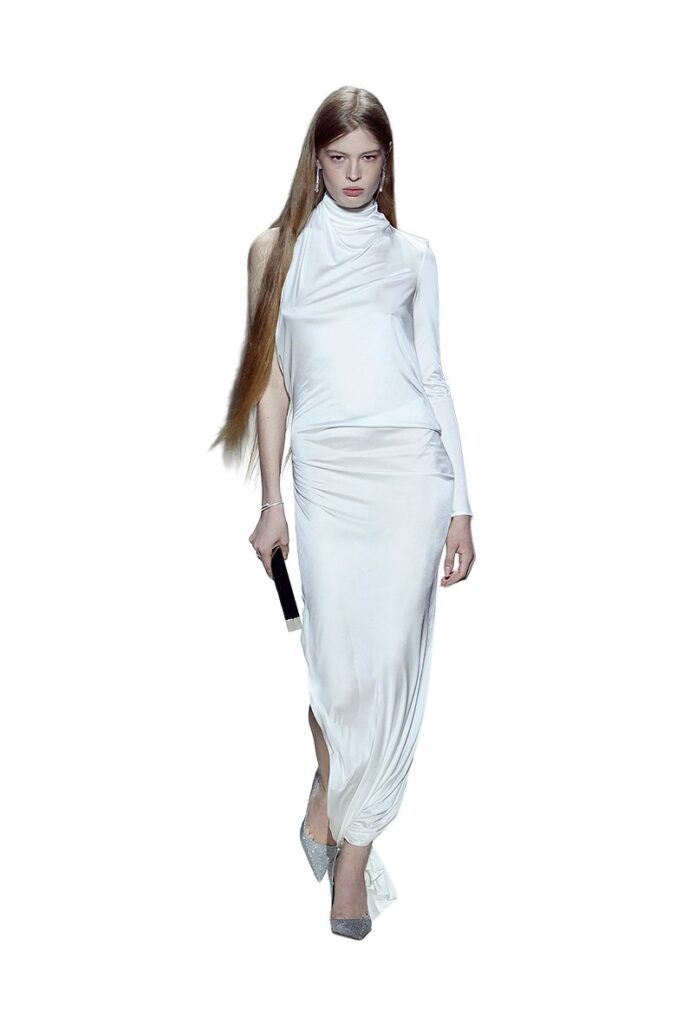
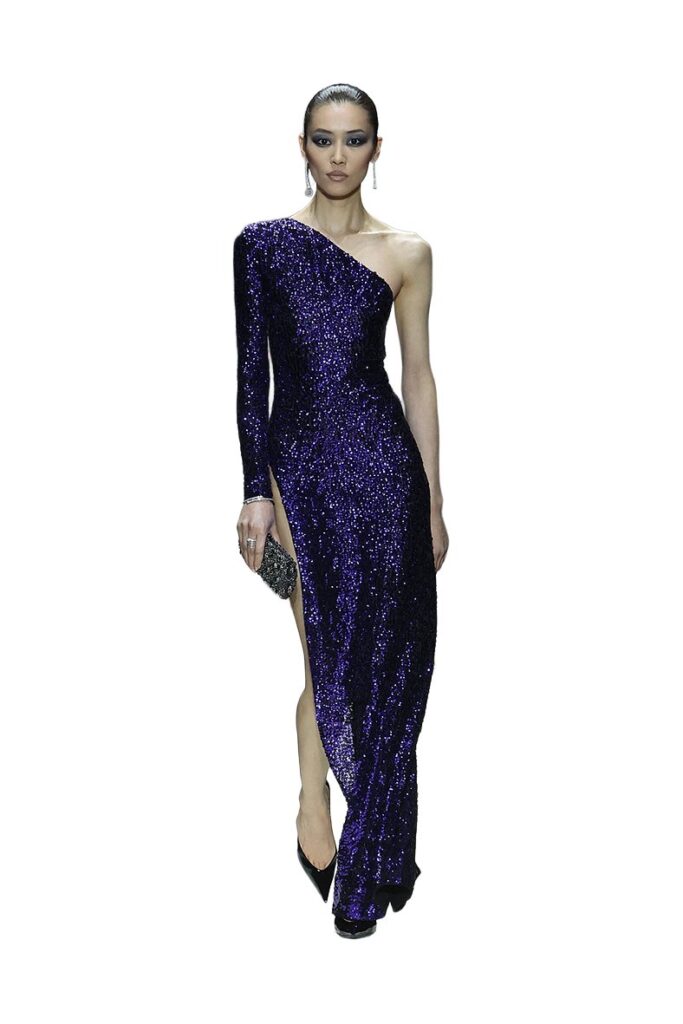
The 1980s and early ’90s proved a turbulent period for Gucci, marked by internal feuds and financia instability. That uncertainty came to an end in 1994 with the arrival of American designer Tom Ford, whose vision would redefine the house. With velvet suits, impossibly low-slung hip-hugging trousers and slippy, satin dresses, Tom Ford’s Gucci introduced a new language of unapologetic sensuality. The era remains one of fashion’s defining resets – a moment that changed not only how Gucci was worn, but how it was perceived.
For the modern audience, Gucci’s cultural resonance is unmistakable – whether it’s Jared Leto arriving at the 2019 Met Gala carrying a replica of his own head as an accessory, or Lady Gaga’s magnetic portrayal of Patrizia Reggiani in the 2021 cinematic spectacle House of Gucci, recounting the dark intrigue surrounding the orchestration of her ex-husband’s murder. Gucci, undeniably, is a house where fashion intertwines with history, myth and endlessly compelling stories.
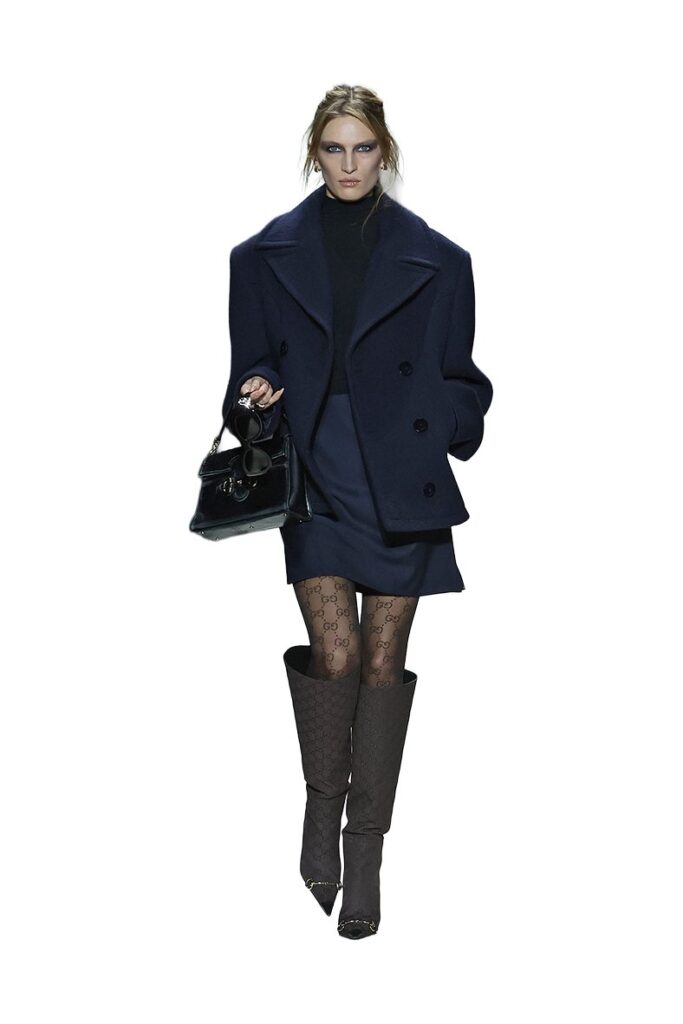
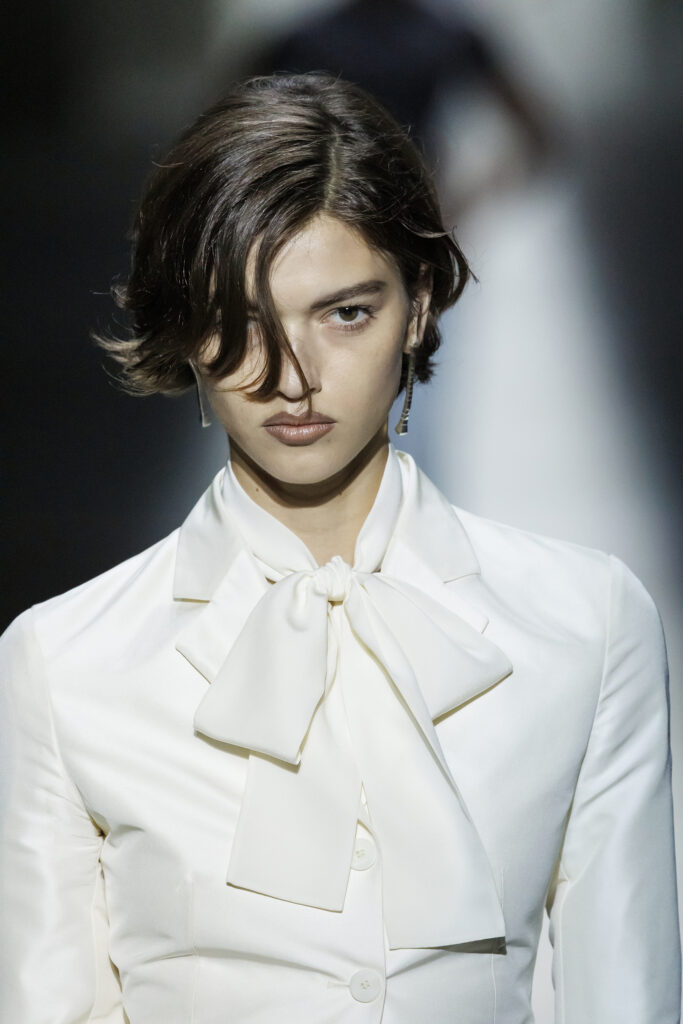
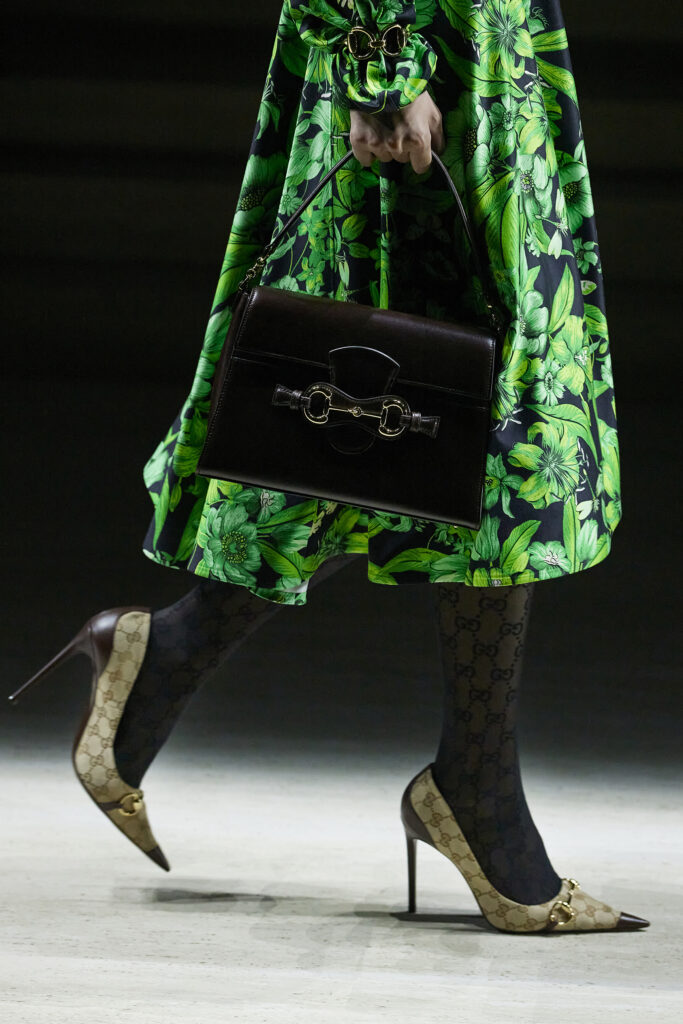
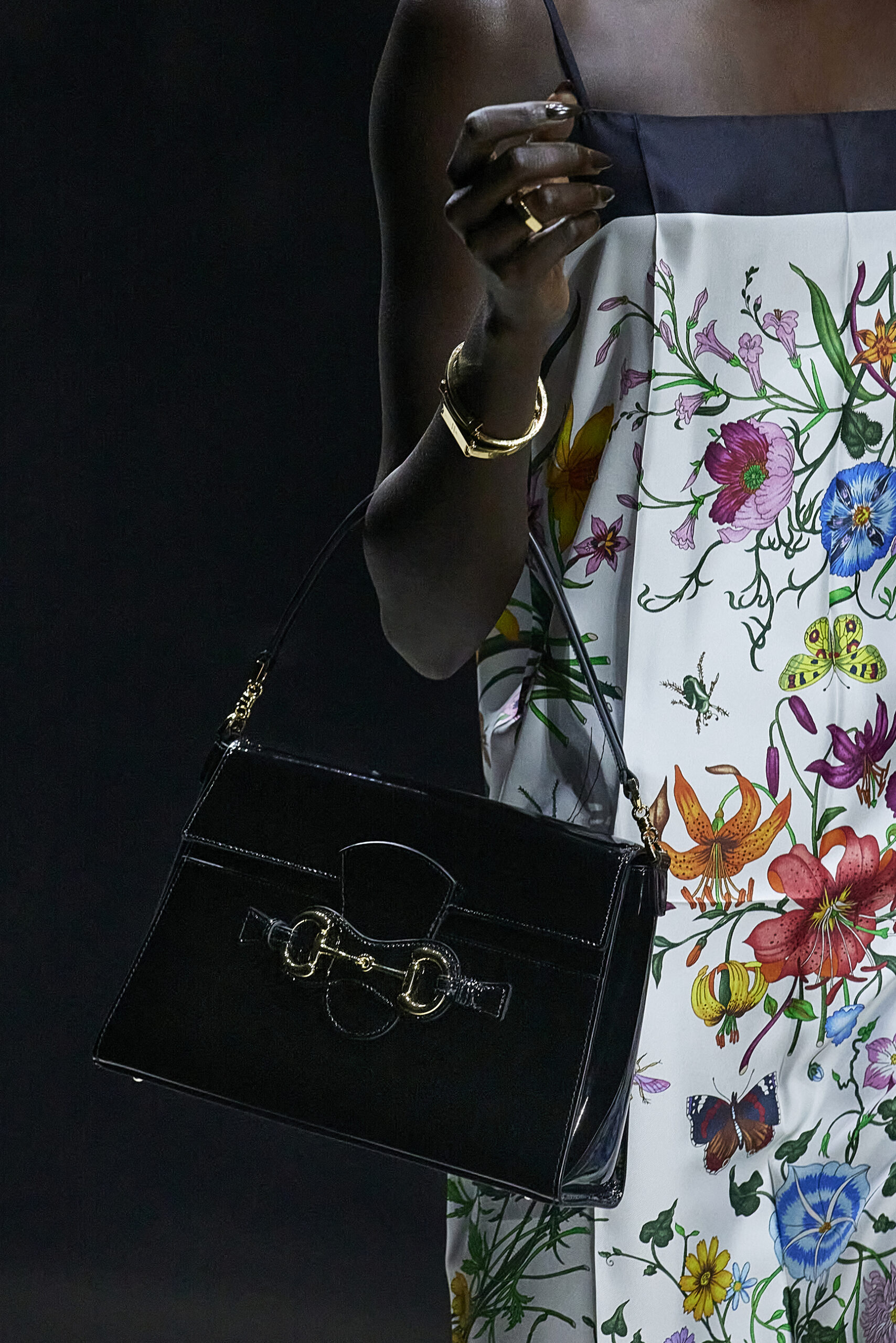
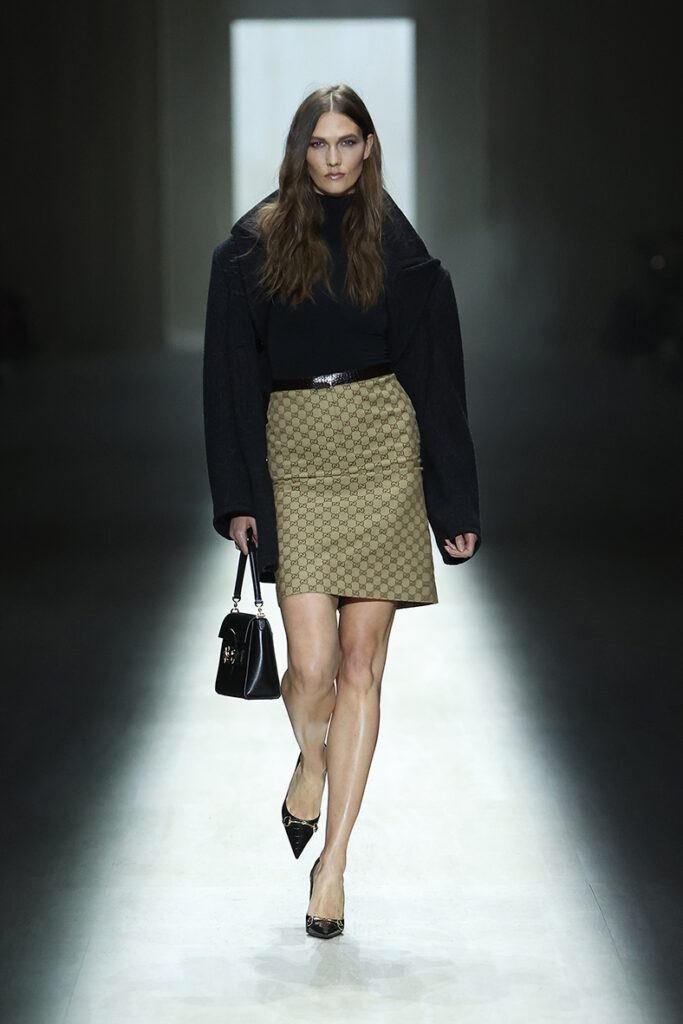
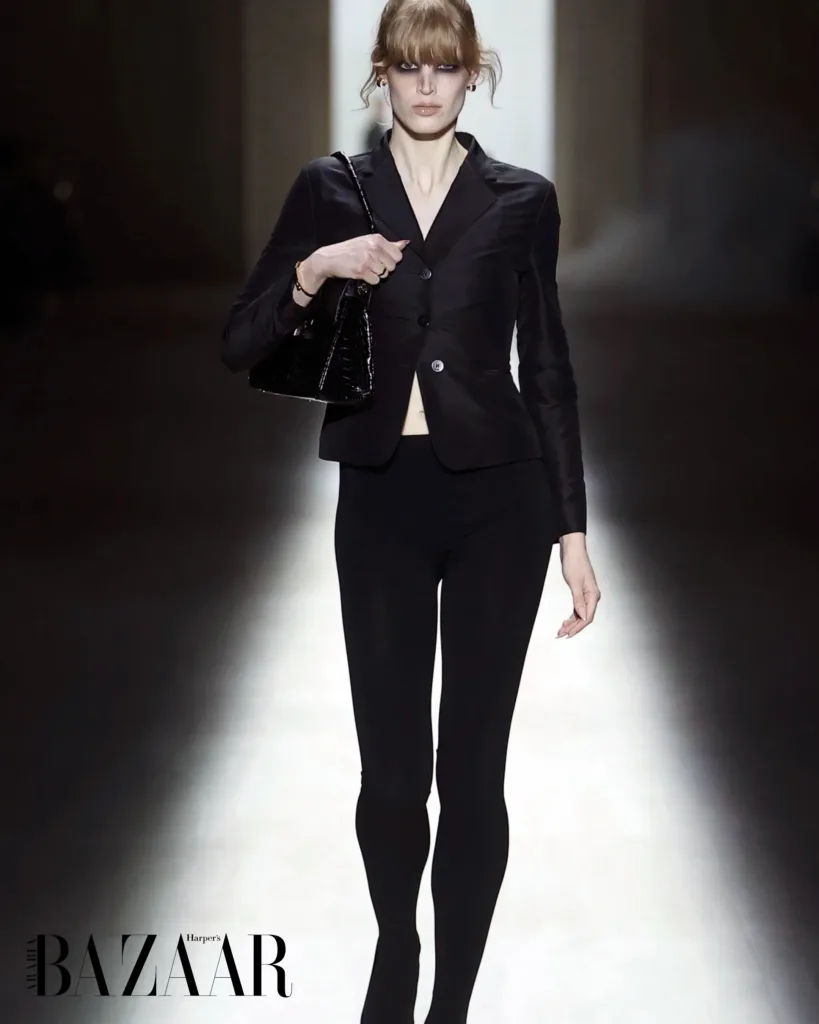
Successors including Frida Giannini, Alessandro Michele and Sabato De Sarno each brought their own sensibility to the house, expanding its visual language for new audiences and cultural moments. Yet Tom Ford’s tenure still looms large in the brand’s collective memory – perhaps why echoes of that era could be felt in Demna’s latest collection. Rather than revisiting it outright, he reframed that spirit for a contemporary audience – many of whom may not be steeped in Gucci’s past but respond instinctively to its present-day energy.
If the collection reads as a nod – perhaps even a subtle homage – to Tom Ford’s Gucci, it is ultimately filtered through Demna’s own perspective. As the designer explained: “This collection, and my overall vision for Gucci, is built around a sense of pragmatism: products that can be enjoyed by a variety of people, that enrich their lives and make them feel great, that can stand on their own, without the need for pseudo- intellectual justifications.”
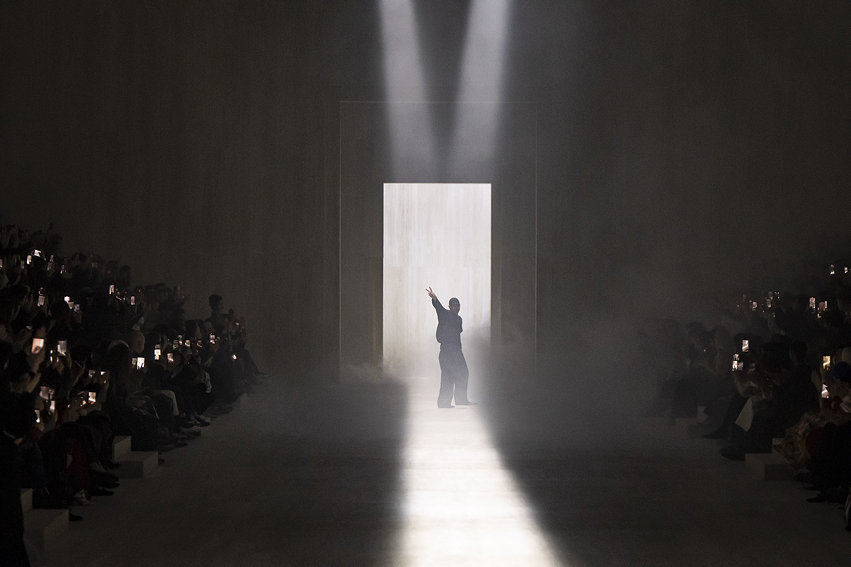
True to form, Demna also left his unmistakable signature on the show itself. One of the longest runways ever constructed created a sense of scale and spectacle, while the casting – spanning ages, identities and archetypes – reinforced the idea that Gucci exists as a cultural touchpoint for many different people.
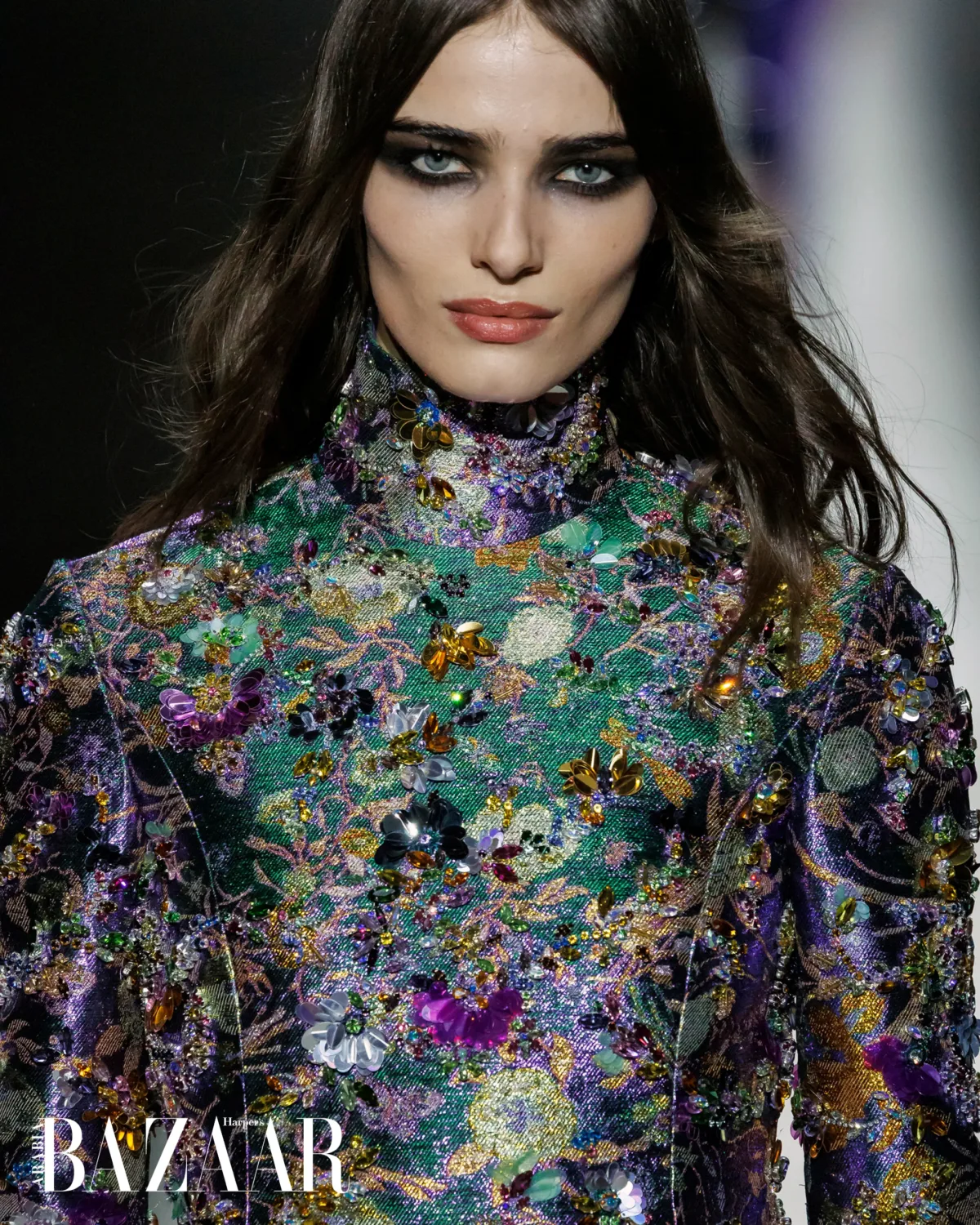
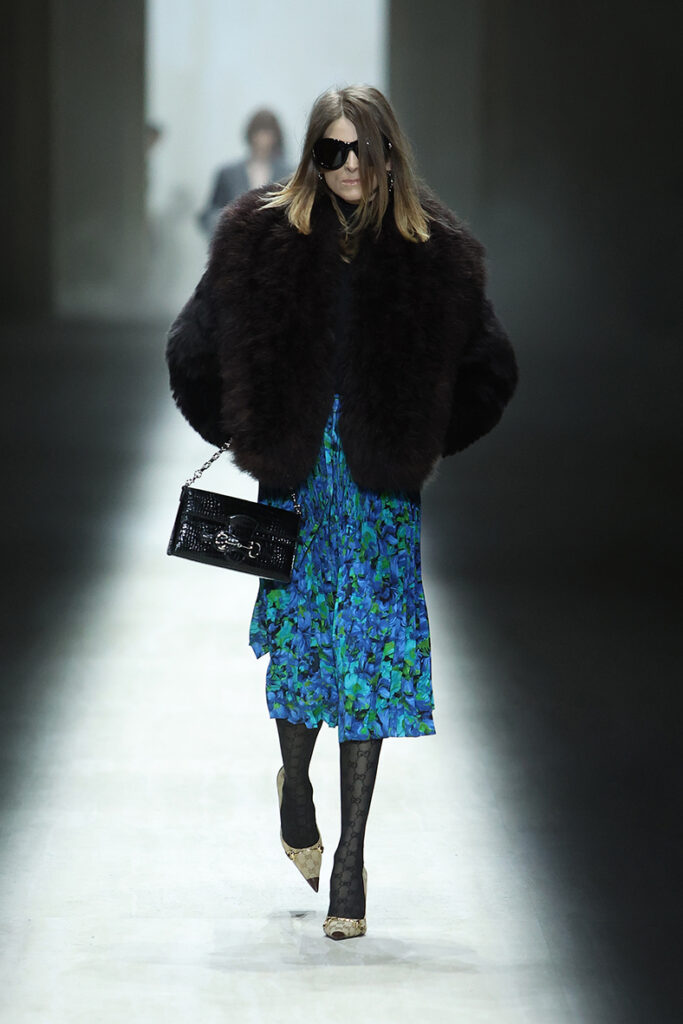
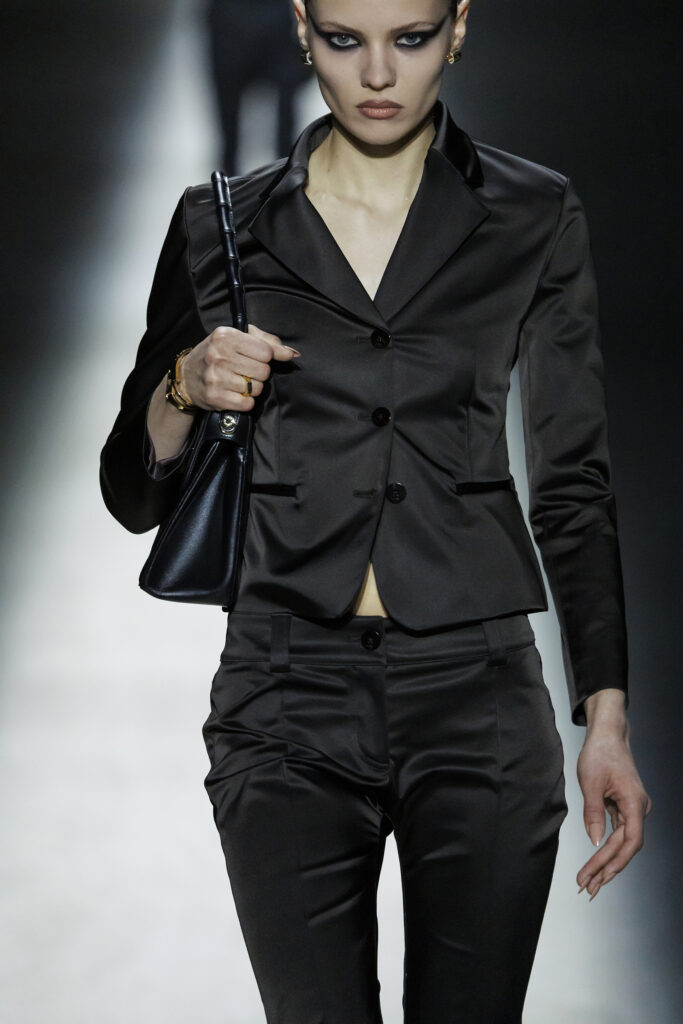
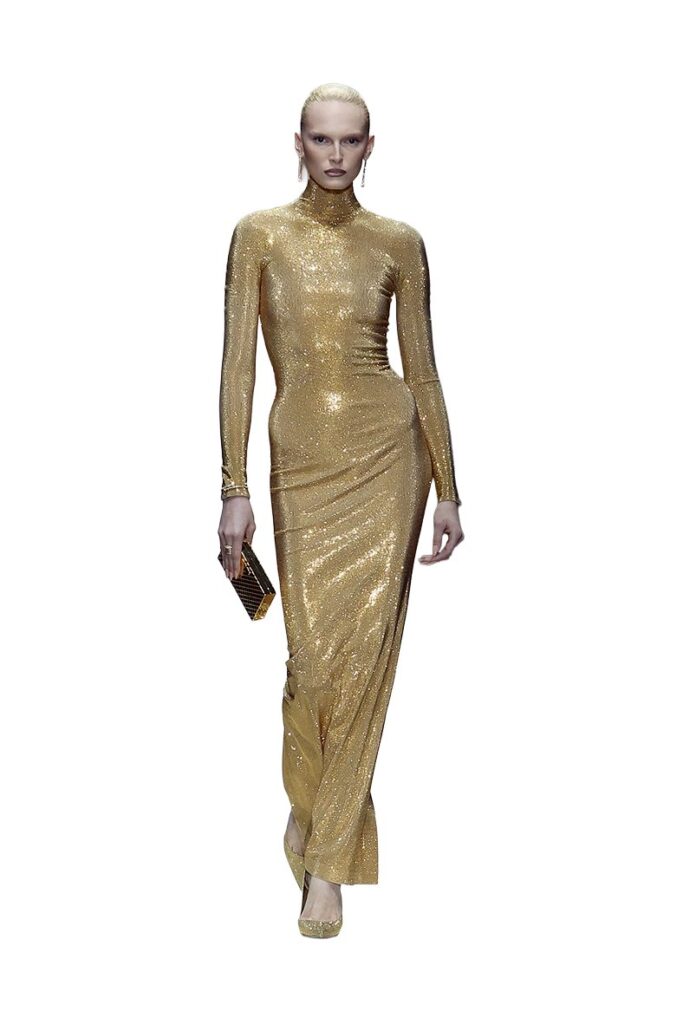
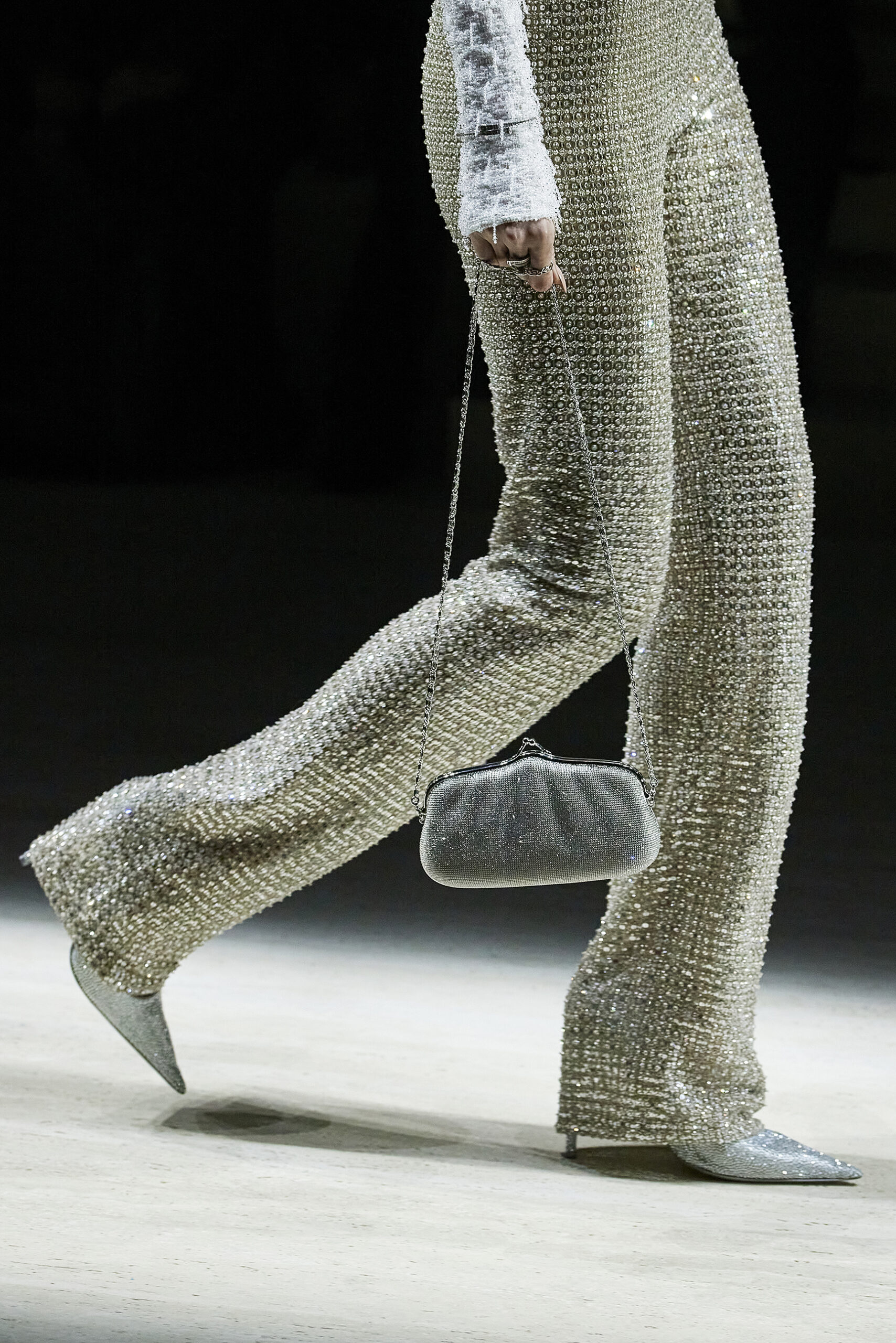
On the runway, the message was clear: the body was back at the centre of the conversation. Leggings transformed into trousers and stirrup silhouettes paired with cropped tops and heels suggested a sleek, after- dark glamour reminiscent of 1990s Hollywood Hills – a vocabulary Demna understands fluently. Elsewhere, tailoring proved a highlight: slouchy or razor-sharp suits demonstrated an assured approach to structure, while the iconic Flora slip dress was reimagined for today. The familiar Gucci stripe ran down reinvented track pants, bridging the house’s heritage with a contemporary athletic ease. Eveningwear provided another standout moment, with intricately beaded dresses styled with matching shoes, bags and jewellery, each look forming a statement of modern glamour.
What ultimately emerges is a designer intent on building forward rather than simply looking back. Demna’s Gucci is grounded in pragmatism – clothes designed to be worn, enjoyed and integrated into everyday life – with him sharing: “Gucci is a brand, but it is also a shared cultural touchpoint that speaks to a wide variety of people, reflected in the range of archetypes, tastes, identities, and dress codes of Primavera: a palette of stylistic propositions for those the House already speaks to, and those I hope for it to speak to.
Images Supplied
From Harper’s Bazaar Arabia April 2026 Issue