
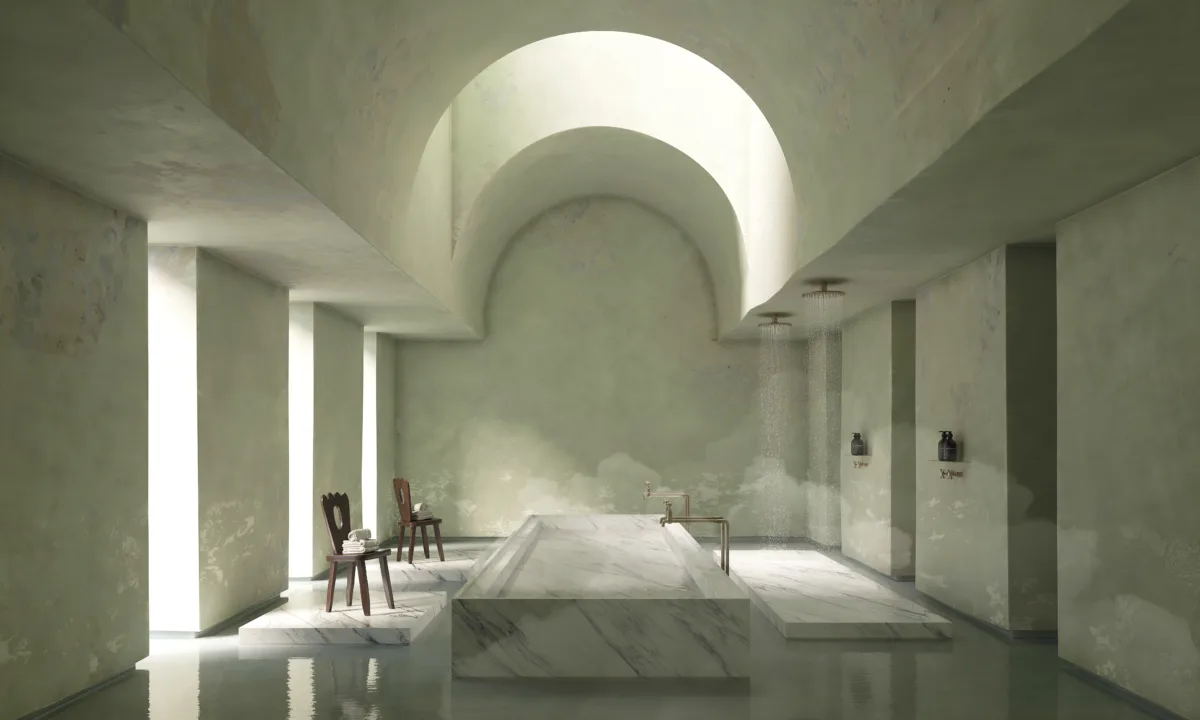
The 5 Trends Shaping The Future Of Design & Architecture
Discover the five latest design trends from Cosentino that are changing the way we think, feel, explore and connect, with tips from Rania Hamed, founder of VSHD Design for introducing them at home
Are you a design aficionado or someone with an affection for aesthetics, who likes to stay informed on the industry’s most innovative and transformative trends? Then you’re just who made the team at Cosentino had in mind when it developed its first-of-its-kind Global Trend Report, Shaping Tomorrow: Future Design & Architecture. Engaging over 200 experts from around the world to gain insights about the future of design, the 400-page report unveils five macro trends – inspired by culture, nature, heritage and emotions – that are shaping tomorrow. The result is a fresh approach that tailors local and global perspectives to inspire aesthetes, connecting people, personality and place.
From the Beginning
‘Origin’ is the first trend that calls for a return to roots, where everything can be traced to history and heritage. Ancient culture comes alive with geometric shapes and primitive art, and locally sourced materials are favoured, bringing meaning and soul to objects, and places.
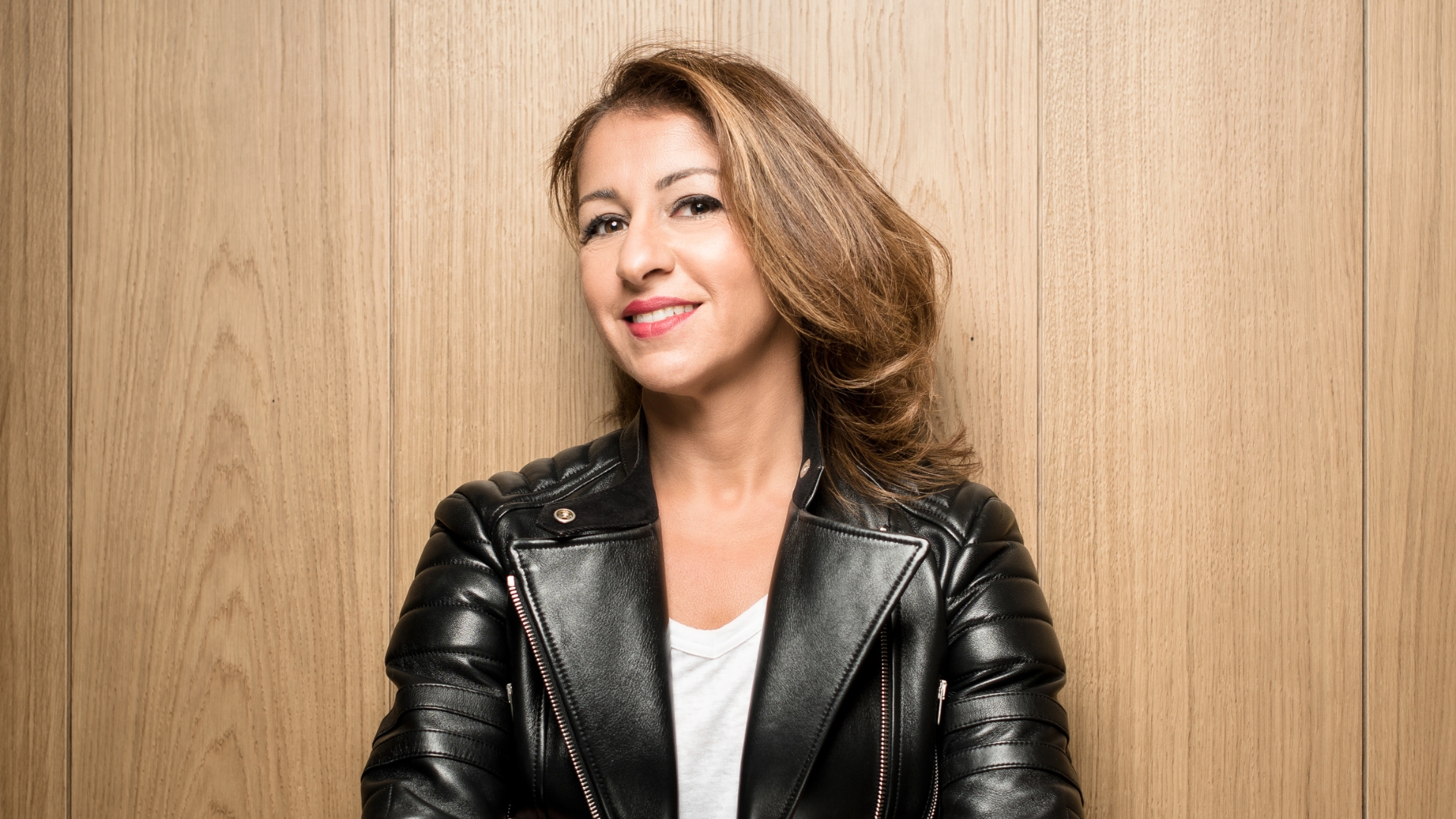
“At VSHD, we’re always particular about incorporating timeless design elements such as clean lines, neutral colour palettes and high-quality materials that transcend trends,” says Rania. “We avoid ‘trendy’ design features as they may quickly become outdated, and we always prioritise quality craftsmanship and durable materials that can withstand the test of time whilst maintaining their beauty.”
Serenity Calling
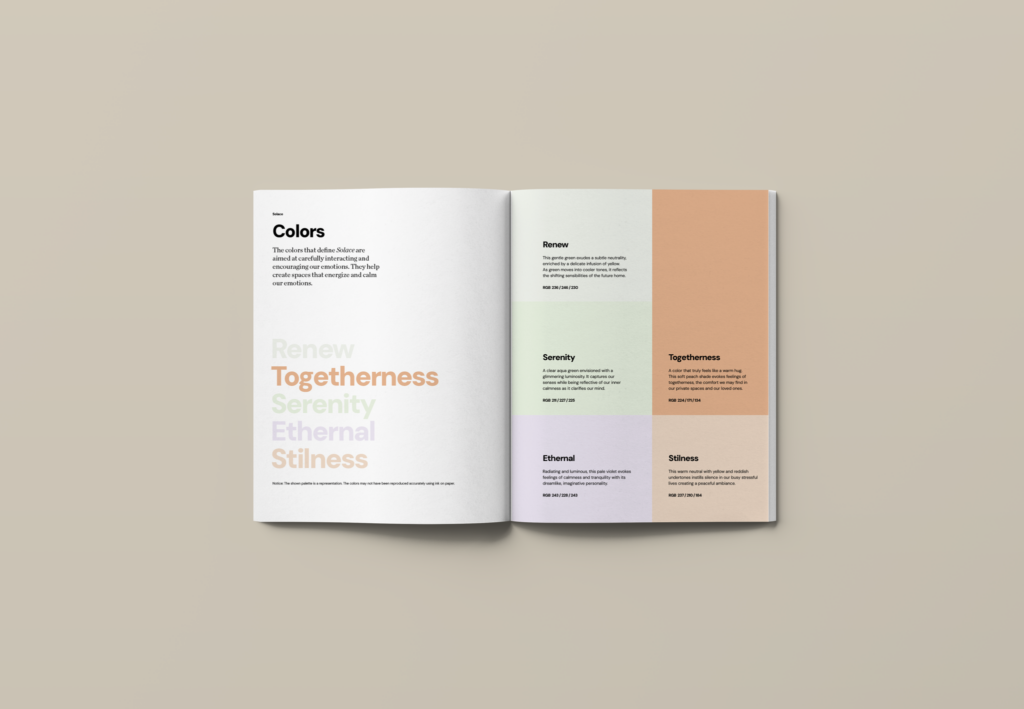
Inspired by the elements of nature, the ‘Solace’ trend beckons the inherent need to find calmness in chaos. A few of the micro-trends that create an aura of serenity include the flow of energy, natural light, and sensorial spaces reflecting peace and harmony.
“We always strive to use soft, muted tones for tonal harmony rather than high-contrast, vibrant colours. Monochromatic or nature-inspired palettes are ideal, and we’d suggest incorporating wood, stone, linen, cotton, clay and wool,” says Rania. “Embrace imperfections for authenticity and character and celebrate quiet beauty and impermanence.”
In Touch With Nature
A love letter to Mother Earth, ‘Nature’ is a trend that responds to the climate crises, focusing on sustainability, humanity, and man-made elements that respect nature. Organic shapes, flora and fauna, and renewable sources and materials are considered in every aspect.
“To celebrate human craftsmanship, use handmade, locally sourced items that minimise environmental impact. Design elements should be inspired nature, not imposed upon it – think biomorphic shapes and soft transitions,” advises Rania. “And you can promote communal living and interaction through shared, flexible spaces.”
Urban Living
For the ‘Urban’ trend, it’s about balancing innovative technologies and climate change. There’s a real shift in interior design towards spaces that allow people to co-work and cohabitate, as adaptable spaces for work, play, study and relaxation become a necessity.
“Technology should serve both people and the planet – subtle, helpful and energy-efficient,” explains Rania. “We always use smart home systems to reduce consumption, and incorporate modular tech solutions, such as movable partitions with embedded power or acoustic control. Choose recyclable, renewable and low- carbon materials in finishes and furnishings. To design co-working and co-living spaces, think about shared kitchens, communal tables and flexible seating zones.”
Awe & Wonder
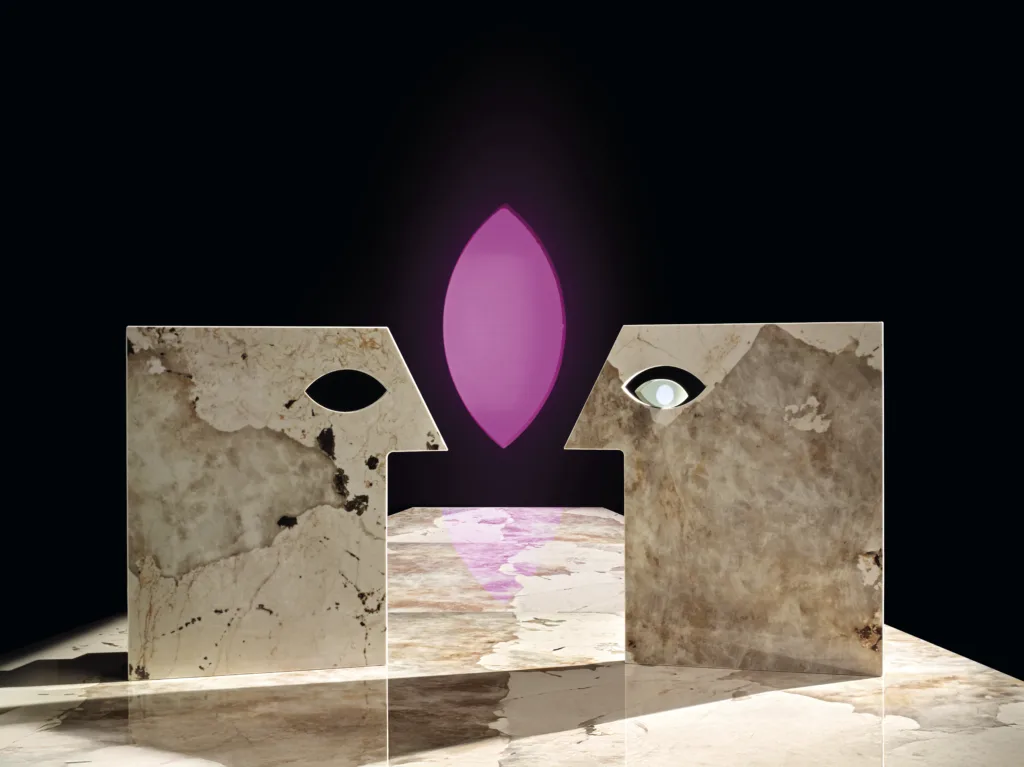
The ‘Wonder’ trend celebrates diversity, collaboration, and inclusivity. Inspired by the world that surrounds our lived experience, this trend is led by experiential elements and a human-centred approach that transforms every emotion into something extraordinary.
“To create contrast, mix rough and smooth textures and natural and refined materials. To shape mood, use ambient, accent and dynamic lighting,” Rania advises. “Incorporate artifacts, patterns and narratives to weave cultural heritage and personal stories into your space and use symbolism (like ancient geometric motifs or sacred shapes) to trigger a deeper emotional response.”
Lead Image Supplied