
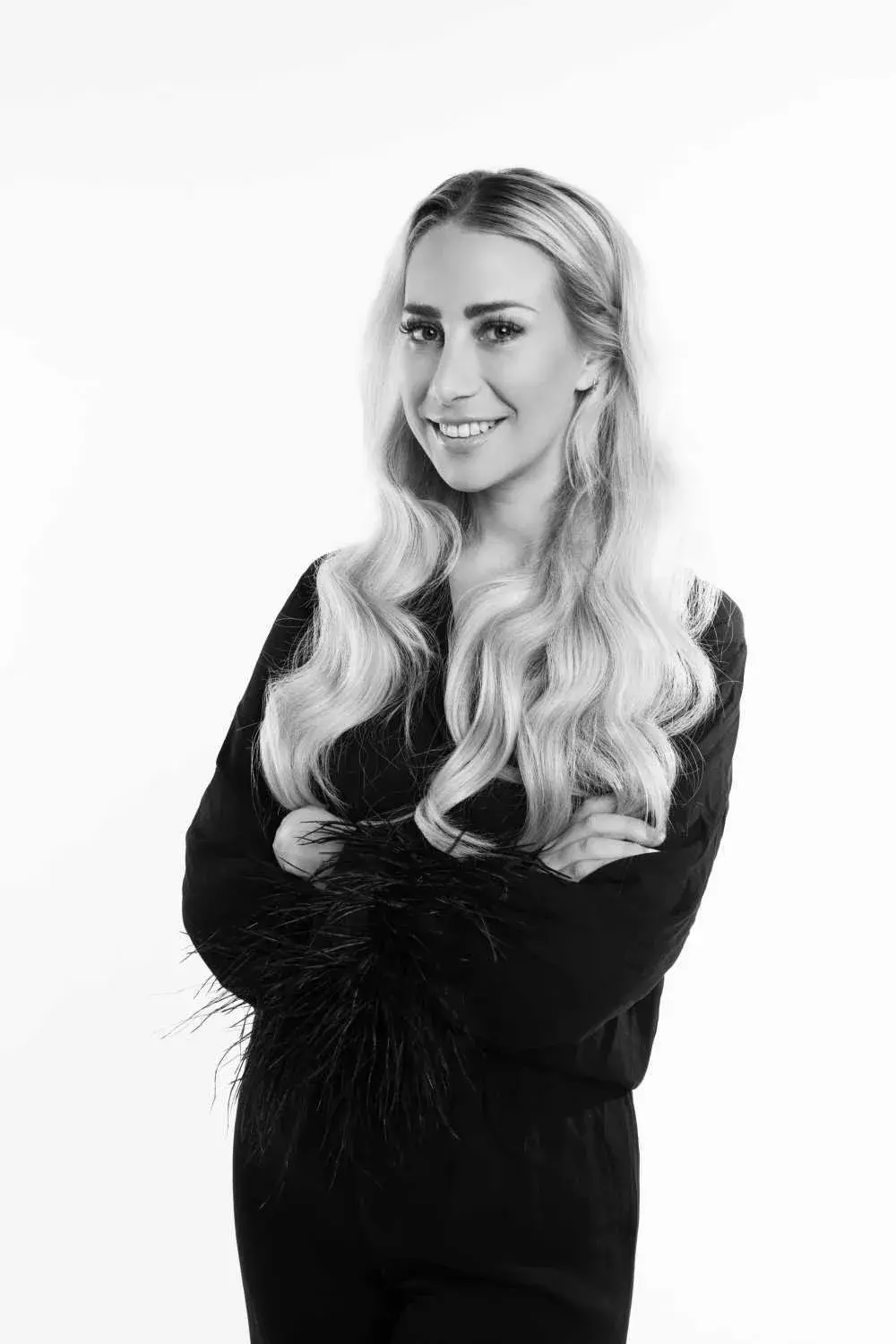
Editor In Chief Olivia Phillips Asks: What Becomes Possible When We Choose To Play Nice?

On the cusp of World Kindness Day, Harper’s Bazaar Arabia Editor in Chief Olivia Phillips asks
Remember a few years ago when kindness – or at least the aesthetic of it – was the hottest accessory on Instagram? “Be kind, everyone is fighting a battle you know nothing about,” floated across twee little tiles, the new “Live, Laugh, Love”. A fair sentiment, sure, but one that became so over-quoted it lost almost all meaning – like trying to meditate while your phone won’t stop pinging.
Then the mood shifted. Maybe the world hardened us. Maybe we got exhausted by anything that felt too toothless. But lately, I’ve been reading about the death and subsequent resurrection of the girlboss; once kind-of cancelled, now creeping back into relevance. This time, though, she’s not stomping in stilettos over anyone in her way; she’s trying to square ambition with humanity. It’s a recalibration we’re all attempting, in life and online.
Which brings us to this month: The Kindness Issue, anchored around International Day of Tolerance on the 16th and World Kindness Day on 13th. Call it kindness, call it compassion, call it whatever you like; the label doesn’t really matter. What matters is the intent. And maybe the crazy part is choosing softness in an industry famously built on barriers: exclusivity masked as aspiration; beauty measured against the narrowest possible standard; body positivity embraced… but only up to a sample size.
So we asked Danae Mercer, a woman who has built a platform on radical vulnerability, to unpack the contradiction in buying Skims while preaching self-acceptance. Robin Givhan took on a question that feels almost subversive: can fashion still show us the light when cynicism feels like a default setting? And we looked at leadership through a different lens, one defined not by power moves but by empathy. Because the modern woman at the helm isn’t feared. She’s followed.
The question this issue poses isn’t “Can we be kind?” It’s asking “What happens if we choose to be – especially when it’s not always easy?”
