
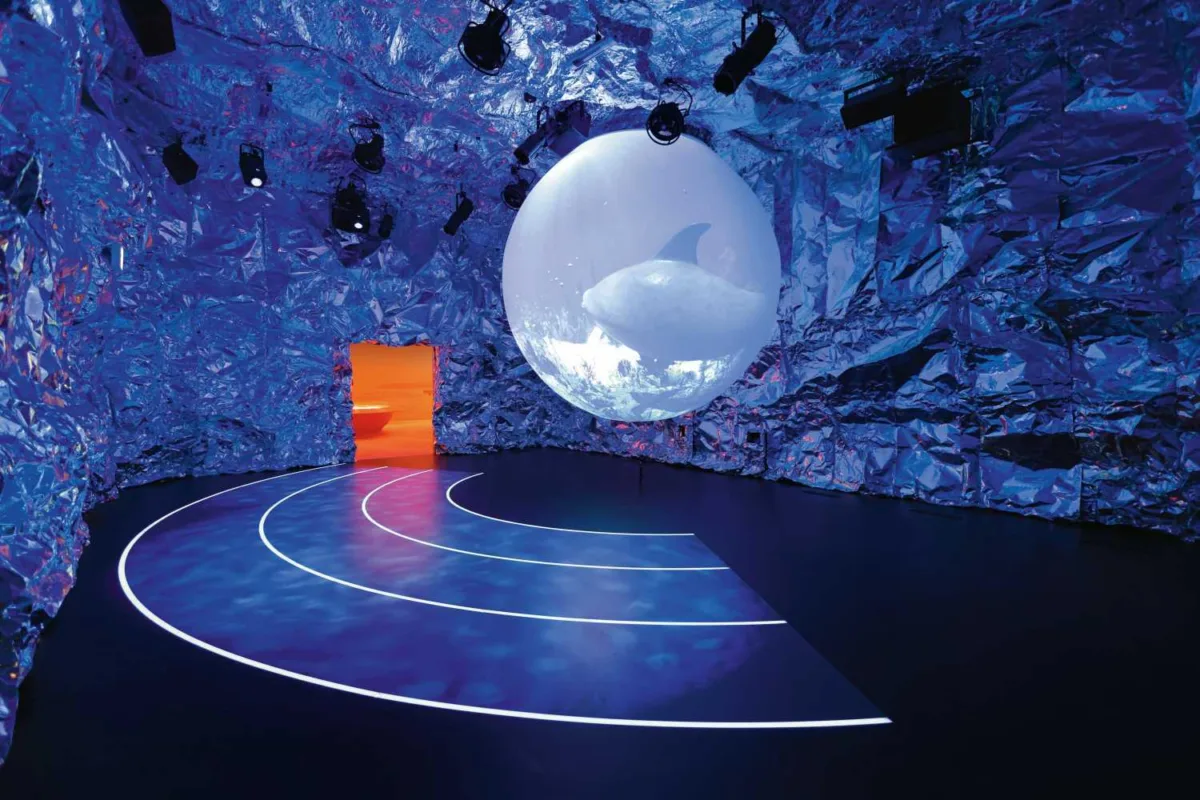
Expo 2025 Osaka Places The Middle East At The Heart Of The Design Dialogue
Blending millennia-old civilisations with cutting-edge visions, the Middle Eastern pavilions at Expo 2025 Osaka reimagine what the future can look like
At Expo 2025 Osaka, the Middle Eastern pavilions are presenting a rich tapestry of innovation and tradition, curating immersive insights that blend ancient heritage with futuristic ambition. From sustainable architecture to digital storytelling and cultural showcases, countries across the region are showcasing their pioneering identities while embracing global dialogue. These pavilions stand as vibrant beacons of a region in transformation – rooted in history, yet boldly looking forward.
KUWAIT
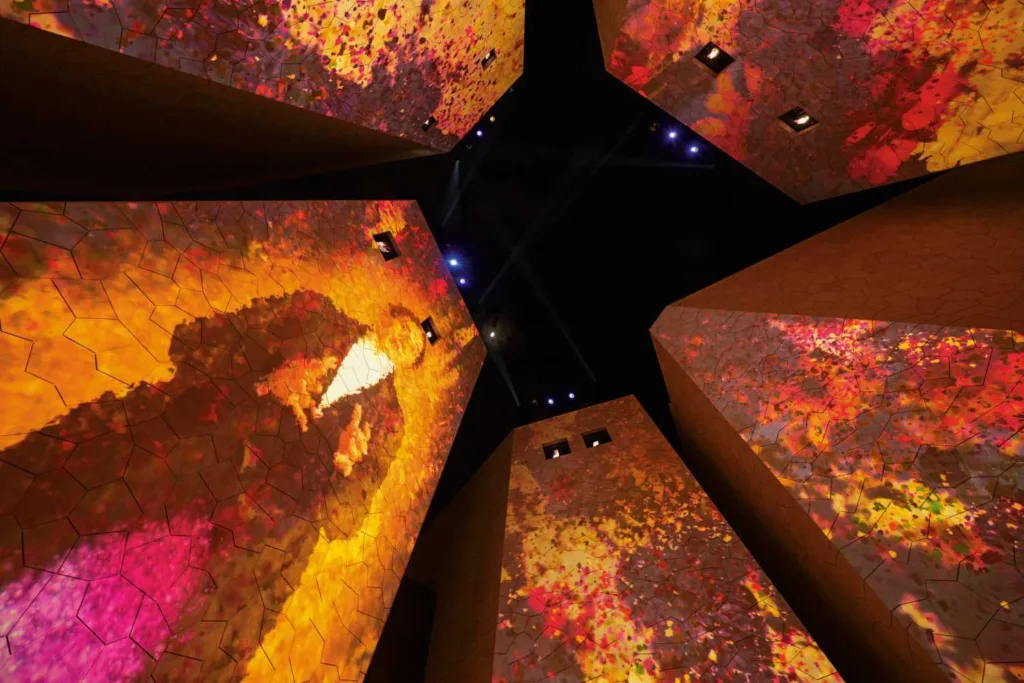
Kuwait’s pavilion represents a dream for the country’s future – a ‘new Kuwait’ that aims to transform it into a global powerhouse. The architectural masterpiece stands out in the Expo’s Empowering Lives section, with its base and roof connected by a central dome, and design inspired by Kuwait’s picturesque seas and deserts. The experience, curated with all five senses in mind, showcases the country’s innovative spirit and rich cultural heritage. Visitors can expect an immersive journey into the heart of Kuwait with the pearl show, a lighting ceremony that symbolises the country’s impressive revival and connection to its maritime legacy.
QATAR
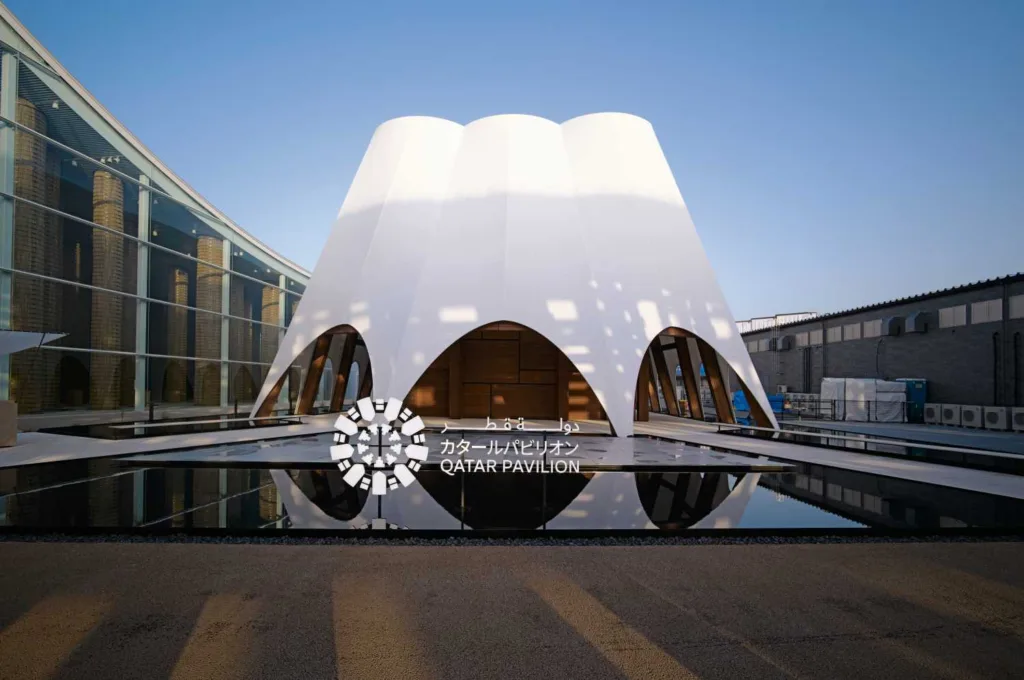
Recalling Qatar’s traditional dhow boat construction techniques and Japan’s wood joinery heritage, Qatar’s pavilion has married cultural references to highlight relations between the two countries. Designed by Kengo Kuma & Associates, the space sheds light on Qatar and Japan’s connection to the sea. “Nature, quietness, and openness are key to the pavilion, reflecting Qatar’s position between different powers in the world,” says Kengo Kuma, one of the most renowned Japanese architects and founder of Kengo Kuma & Associates. “Every element of this pavilion is coming from the experience in Qatar, including the limestone floors, which mirror the sand of Qatar’s coast.”
UAE
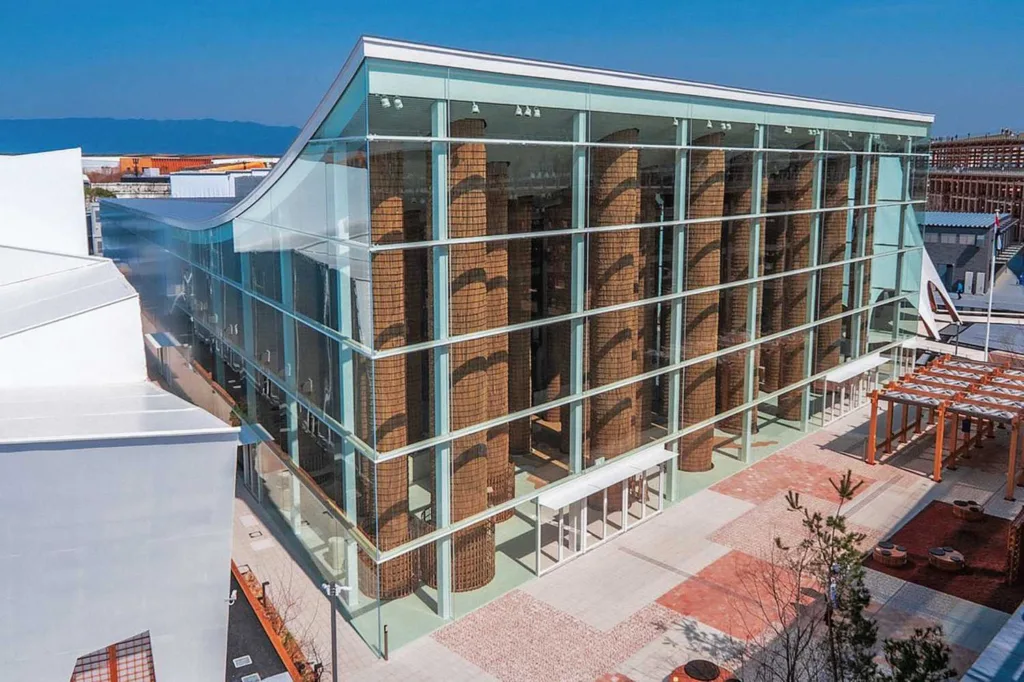
One of the Expo’s largest, the UAE pavilion combines tradition and innovation with 90 wooden columns. Evoking the date palm, the design models sustainability, conservation and collaboration. Built using agricultural waste such as palm tree stems and a sustainable alternative to concrete, datecrete, the structures bring Emirati heritage together with Japanese wooden construction techniques to showcase a more resourceful and flourishing future. Designed by the Earth to Ether Design Collective, an interdisciplinary network of Emirati and Japanese creatives, the pavilion is dedicated to a world where all life forms thrive. Inside, visitors are taken on a multisensory journey that pays homage to the UAE’s changemakers – the explorers of space, pioneers in healthcare and advocates of sustainability.
SAUDI ARABIA
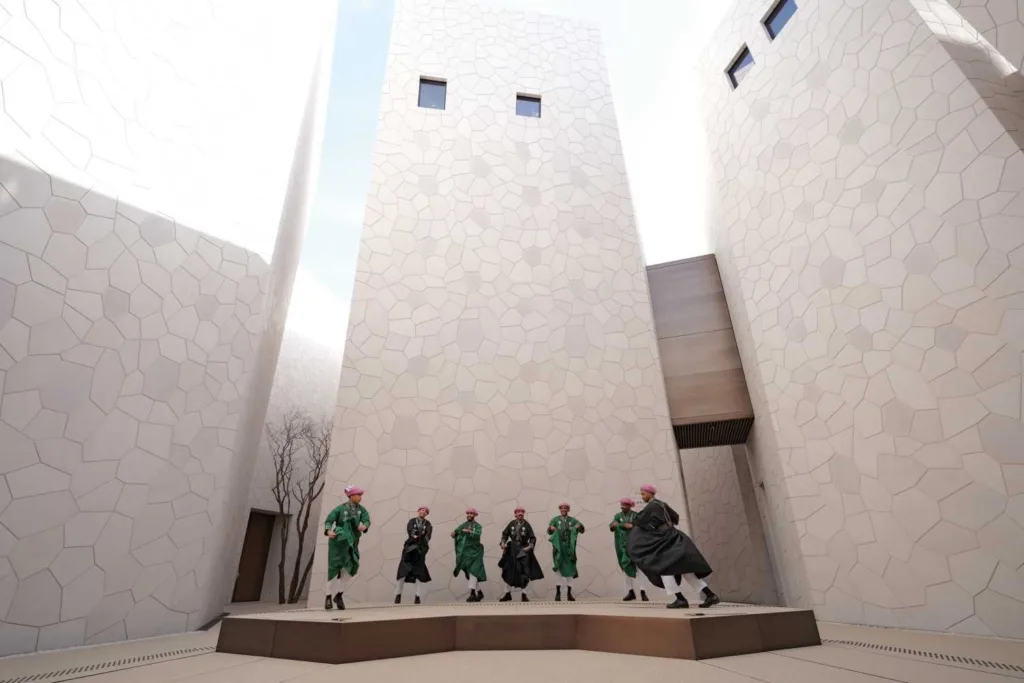
Designed by Foster + Partners and located on the Yumeshima waterfront, the Saudi Arabia pavilion is a spatial experience that explores the culturally rich towns and cities of the Kingdom and its charming streetscapes, inviting visitors to discover the wonders of the country. “The project is a celebration of Saudi Arabian culture, evoking the captivating natural landscapes that define the Kingdom,” says Luke Fox, Head of Studio, Foster + Partners. “Every element has been carefully considered to create a one-of-a-kind experience that is highly sustainable and accessible to everyone.” The pavilion has been designed with sustainability at the forefront; the project has achieved the Japanese green building rating system’s highest level (CASBEE) with net zero operational carbon. Planted with native Saudi Arabian flora, the forecourt leads to the Saudi Courtyard, which envelops guests in moments of quiet reflection during the day and transforms for vibrant performances by night.
YEMEN
A sensorial journey through Yemen’s heritage and aspirations, visitors are welcomed by traditional Sana’a-style columns and Hadrami arches, leading to displays of Yemeni artifacts such as pottery, palm-frond baskets, and illuminated models of archaeological landmarks. The pavilion is home to a reflective floor that interacts with ambient lighting and scents of aromatic plants like Mashqar, creating an immersive atmosphere. Multimedia presentations showcase Yemen’s natural beauty and cultural narratives, while monthly photographic exhibitions provide evolving perspectives. With this marriage of tradition and innovation, a global audience is invited to experience the country’s enduring legacy and future potential.
OMAN
A poetic interplay of land, sea and sky, the Oman pavilion is an architectural tribute to the nation’s enduring connection with nature. Inspired by the gentle rhythm of water and the curves of Oman’s landscapes, the design evokes both ancient maritime heritage and future possibility. A central virtual experience, crafted by Omani innovators, envelops guests in a fluid, dreamlike journey through time. With each step, the pavilion reflects Oman’s vision of harmony – between tradition and technology, environment and progress – offering a serene yet striking portal into the soul of a nation shaped by its visual richness.
Expo 2025 Osaka runs from 13 April until 13 October 2025
Images Supplied
From Harper’s Bazaar Arabia Interiors Summer 2025 Issue