
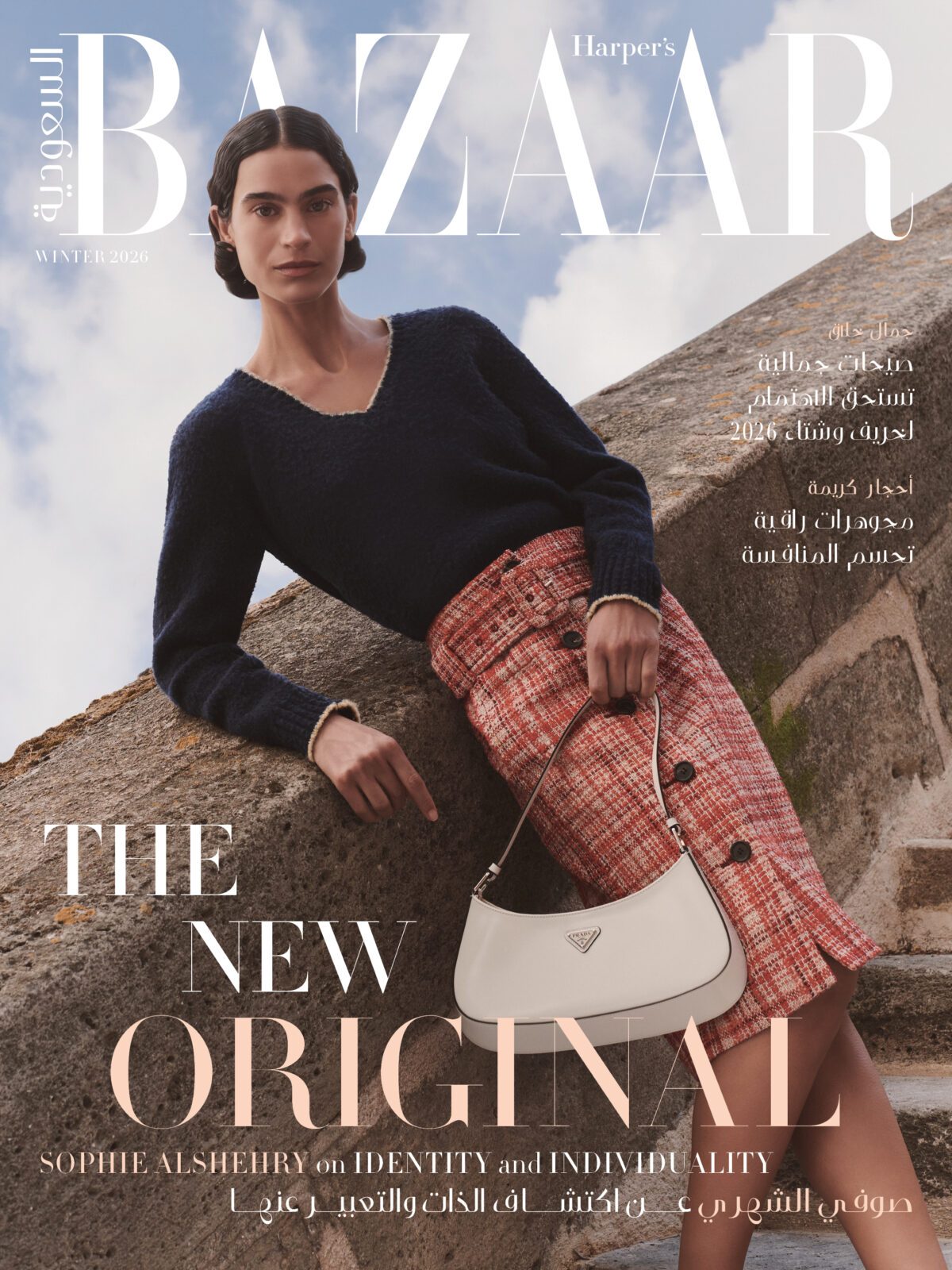
Sophie Alshehry Is The Harper’s Bazaar Saudi Winter 2026 Issue Cover Star
For Sophie Alshehry, the Saudi-American model on the rise, every day is a new opportunity to choose who she wants to be – contradictions and all
The New Original: Sophie Alshehry on Identity and Individuality
A Face Like Mine
It wouldn’t be unusual to find Saudi-American model Sophie Alsheshry skipping down a New York City block donning an all-lace ensemble with a bathing suit underneath, the birth mark on her chest on display.
“As a kid I hated it. Now it’s one of the things I love most about myself. I was born on August 7th, so I say I’m marked with a seven,” she tells Bazaar Saudi over Zoom when asked about the speckled constellation below her collar bone. “It has a different texture to it, it’s a bit funky looking, and I think that’s really me: I’m a bit odd around the edges.”
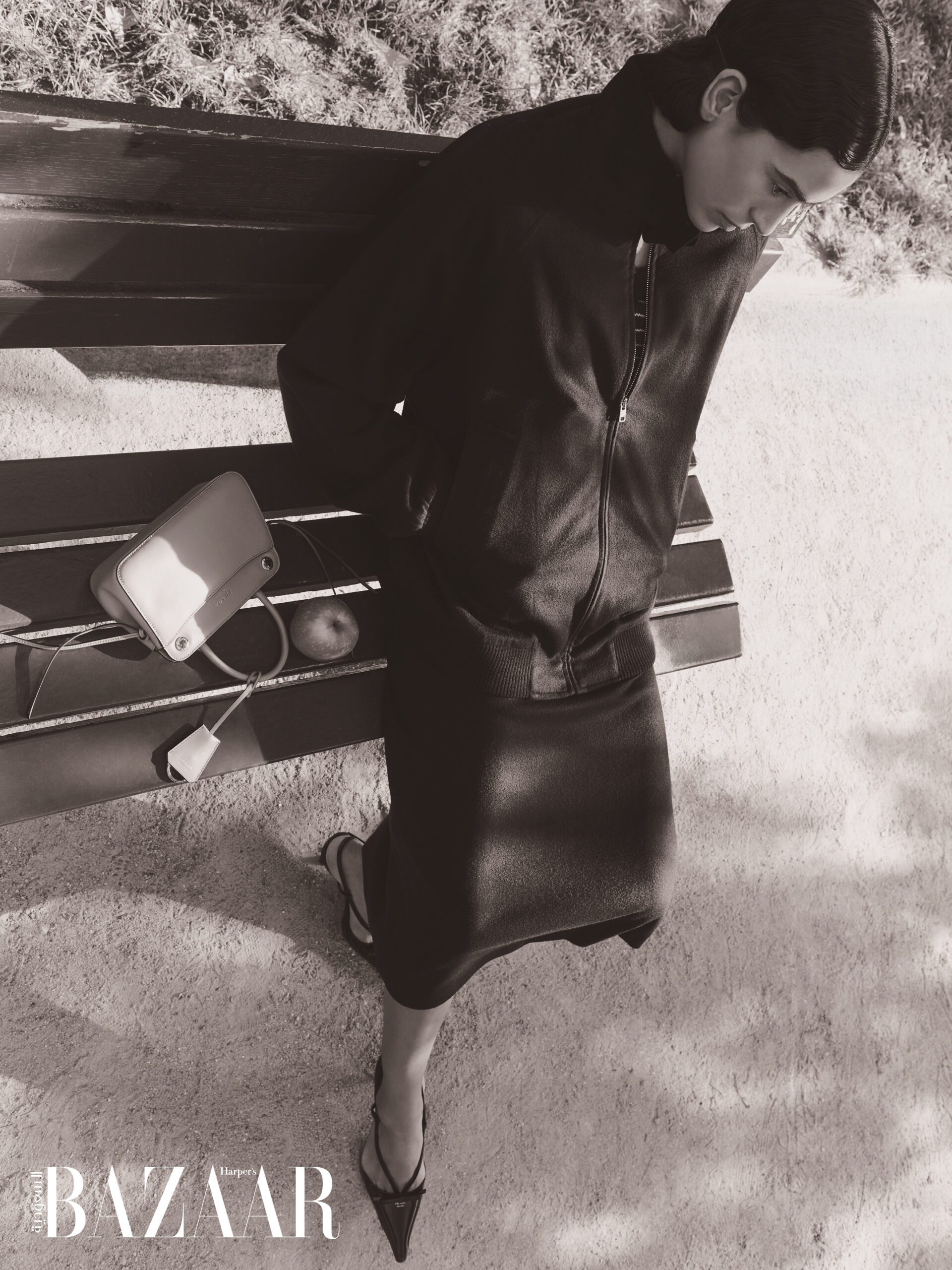
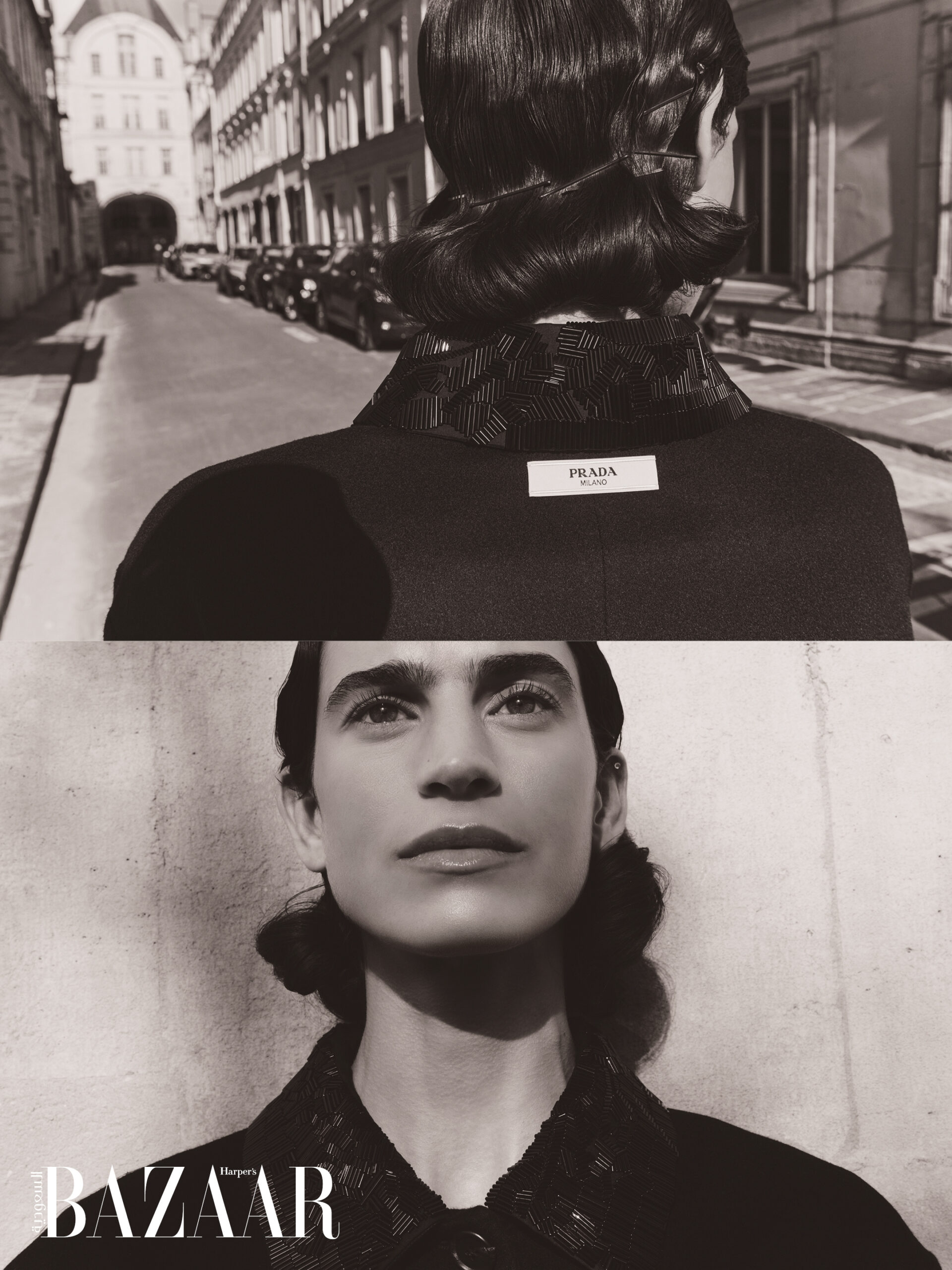
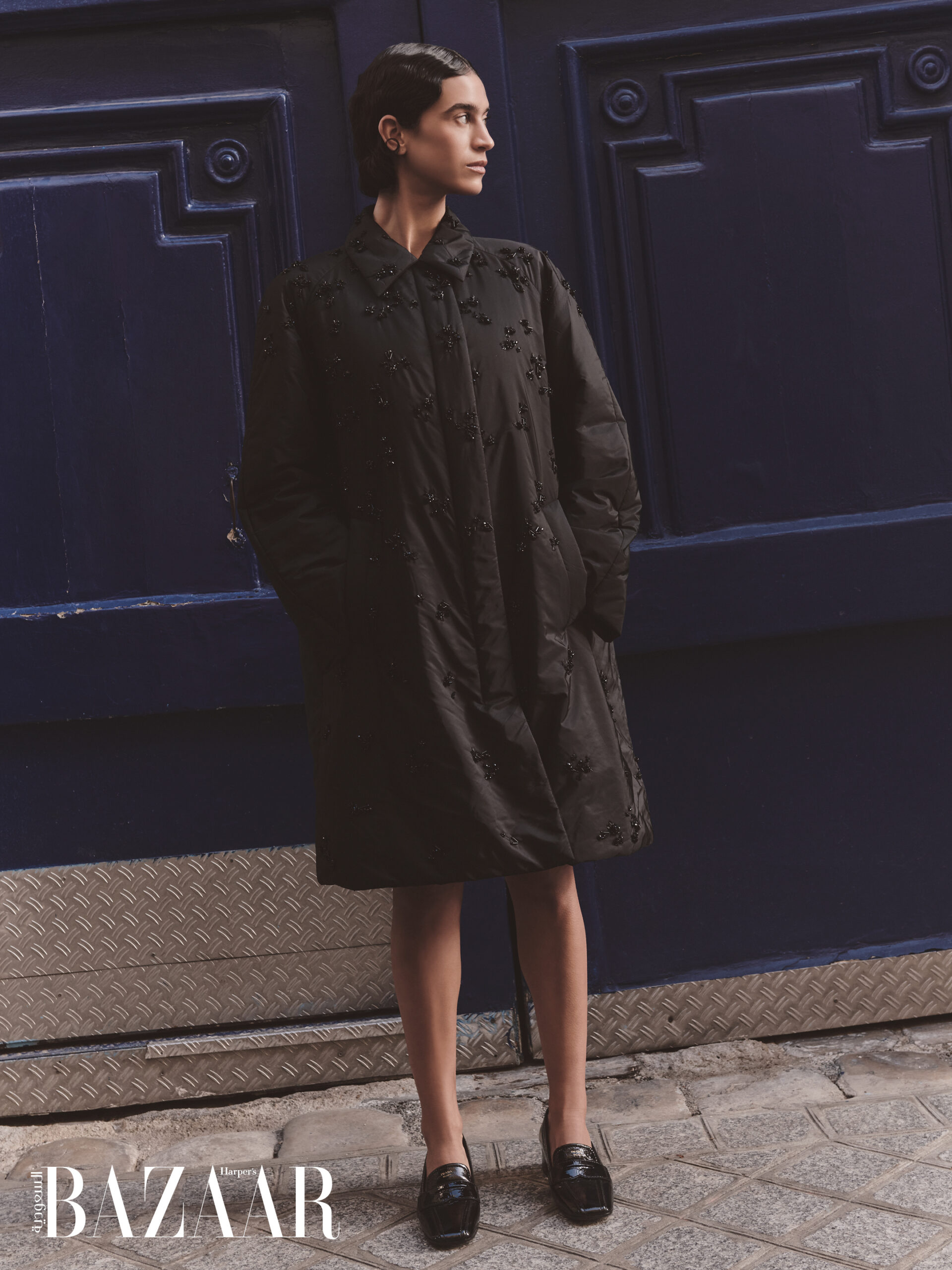
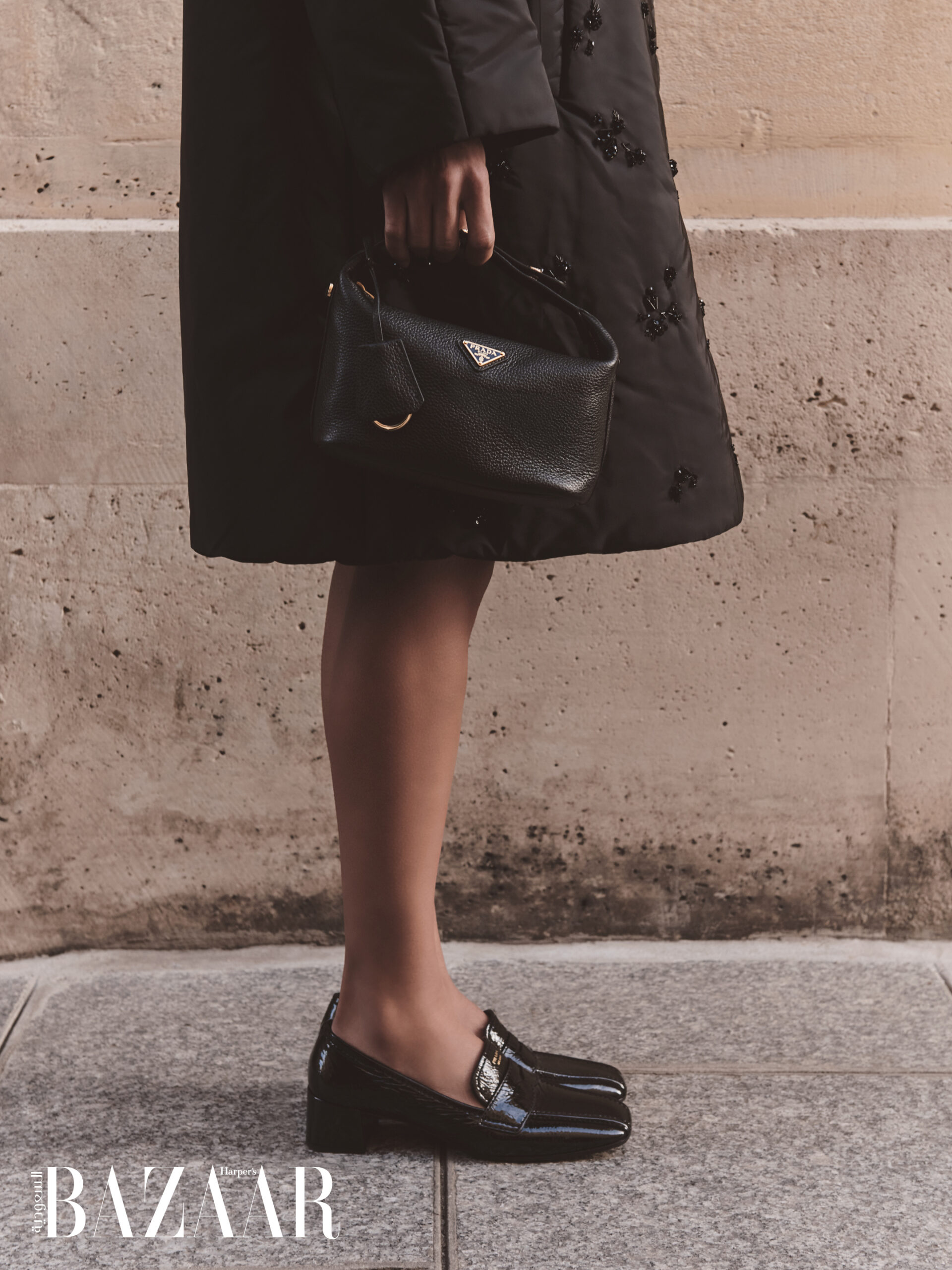
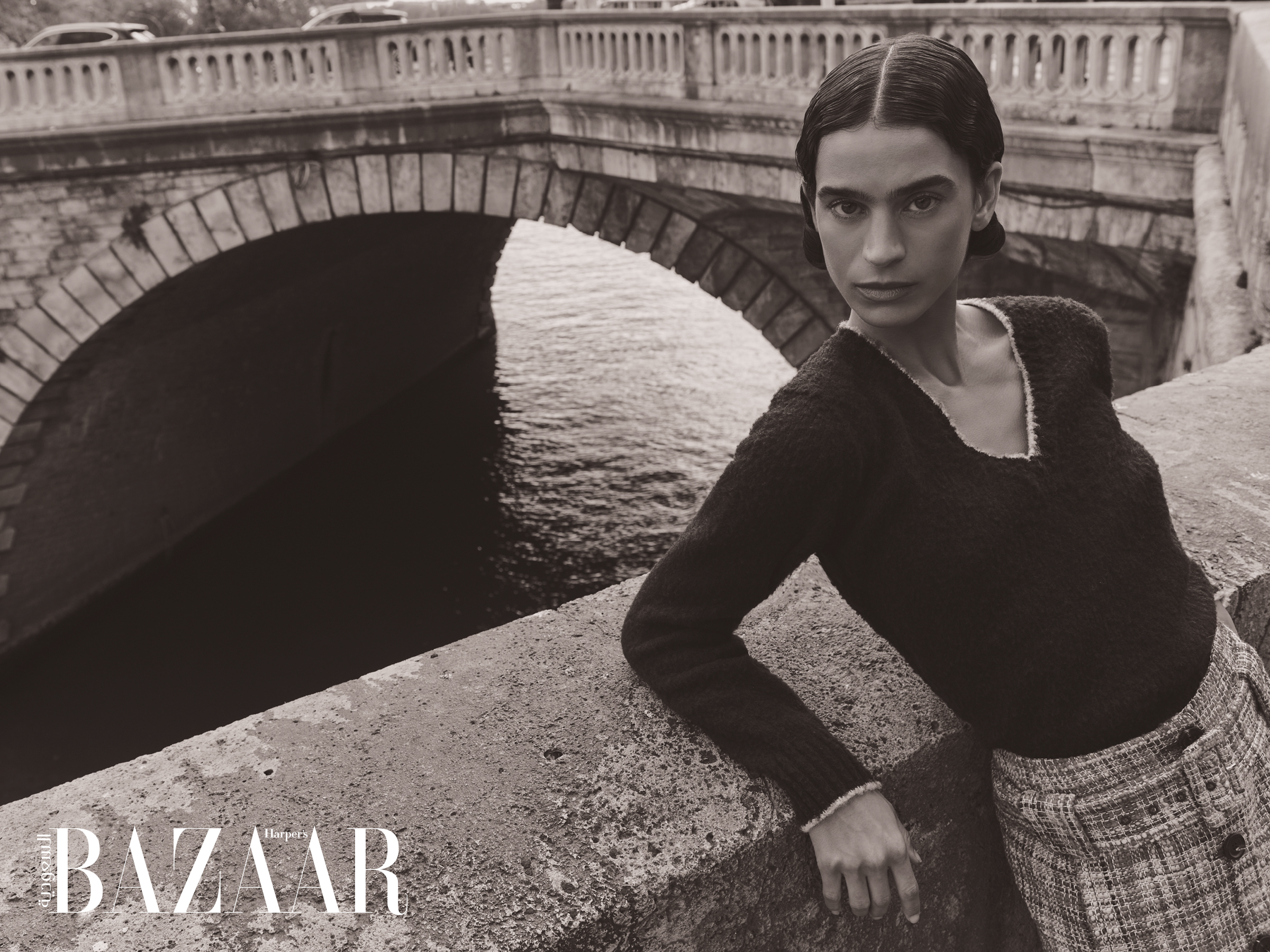
You wouldn’t know it from Alsheshry’s cover shoot with Harper’s Bazaar Saudi – in which she is prancing, not around New York but Paris, and not in swimwear but in Prada. Whether she’s wearing a long black coat and a handkerchief tied around her head or a dark knit tucked into a tweed skirt, she appears almost too demure for the twenty-something who describes herself proudly as “quirky.”
And yet, there is a look in her eye that hints at the real woman beneath the character she’s playing on set. It is the gaze of a casual rebel à la Jean Seberg with the iconoclastic whimsy of Miuccia Prada herself. This is evidenced not only in the way Alsheshry challenges conventional ideas of beauty and glamour, but in her willingness to use her growing platform to draw attention to the ongoing violence and humanitarian crises across the region, revealing a political consciousness and a youthful rigour to question the world beyond her fashionable orbit.
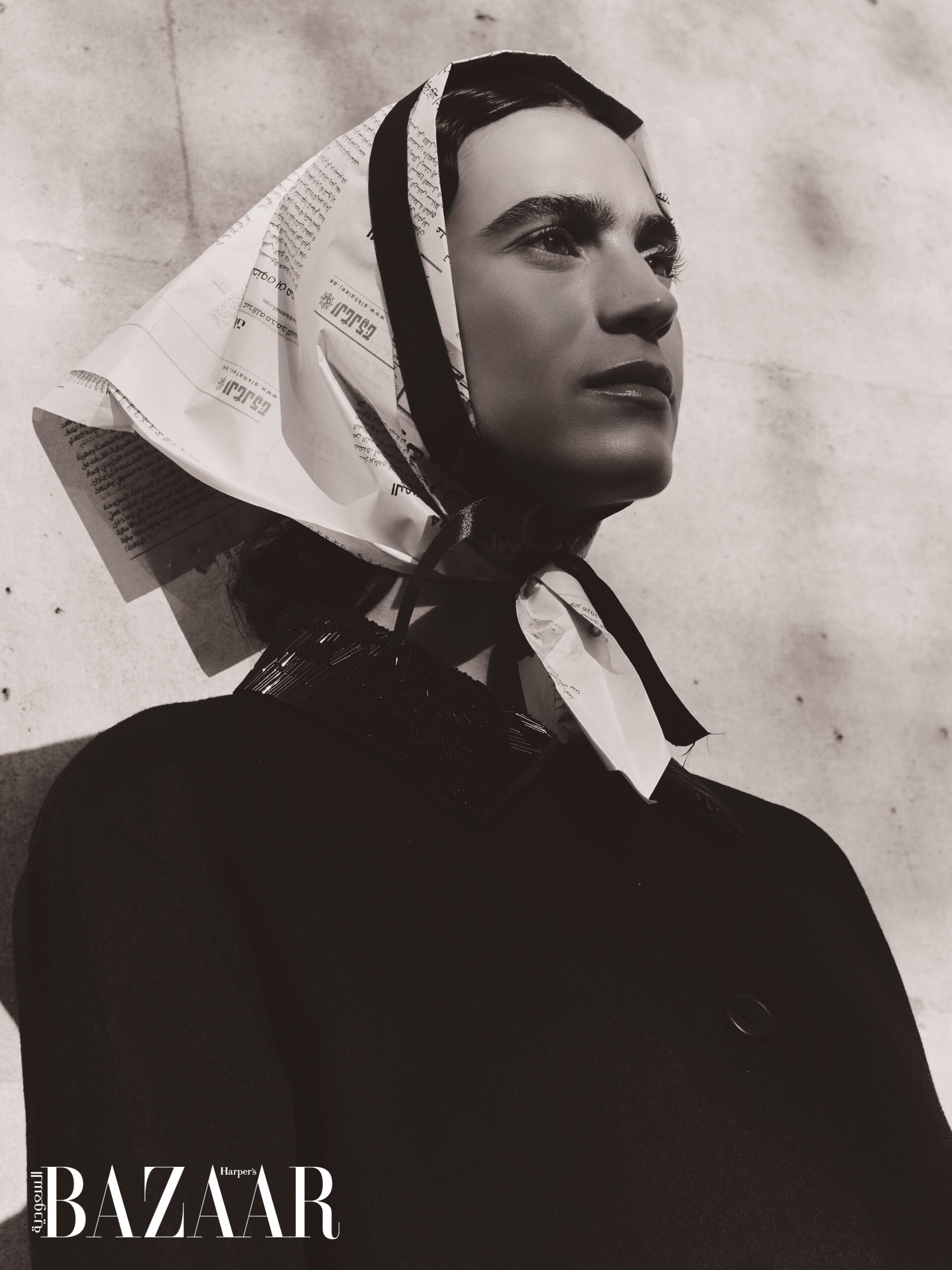
“As women, it’s so important to use our voices because that’s always been seen as a masculine thing. But we’re proving that it’s feminine too, and that women are strong. In nature it’s the lioness that goes out and hunts. We’re not silenced in nature, we should not be silenced as human beings either,” she proclaims. Alsheshry is quick to credit her ability to speak out firstly, to her mother, who taught her that to be beautiful is to be a good person, and secondly, to those who came before her in the fashion industry. She references Miuccia in particular, whose political activism as a leftist and feminist translated into designs that subverted societal expectations and rejected gender norms. “It’s because of women like her that we have the space to use our voices today.”
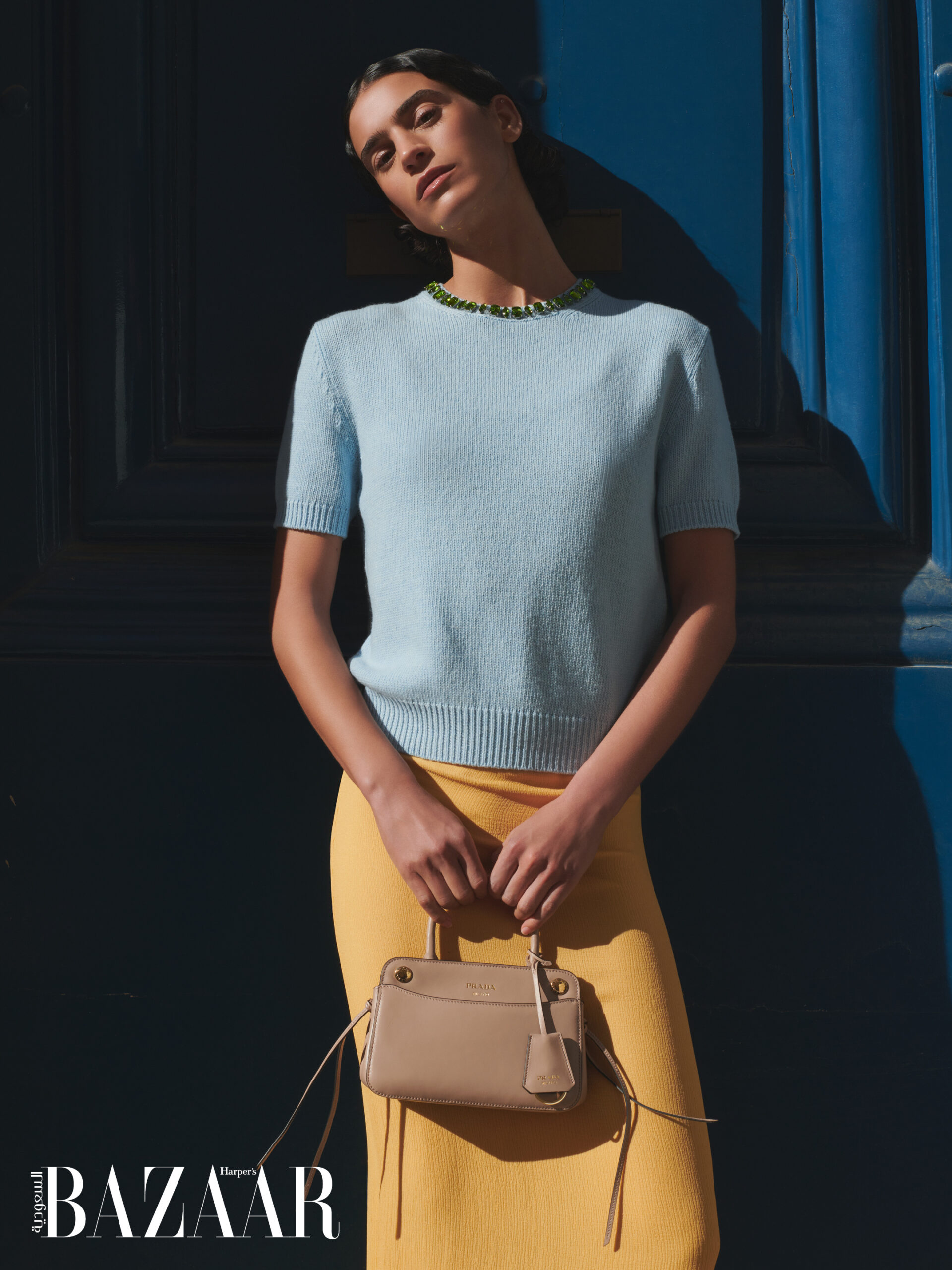
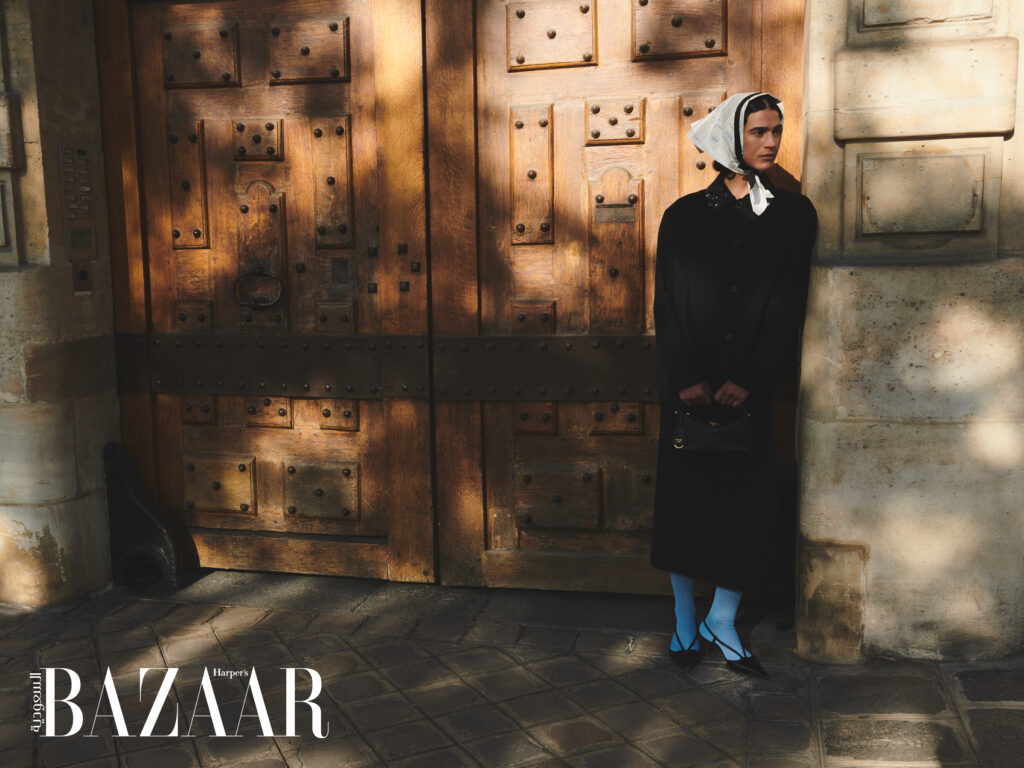
When Alsheshry logs into her video call she is in her Manhattan apartment, the extent of which can be seen in full behind her. She lives in Hell’s Kitchen, a neighborhood she picked because of its centrality. At the drop of a hat, Alsheshry is ready to dash off to a casting anywhere in the city, or to the airport for a last-minute work trip to Spain, France, Italy, the UAE, or wherever else the job takes her. Her short dark curls are pinned back to show off a pair of thick brows arching over eyes that are hazel in the morning light but can appear blue, even a bit gold, depending on which way she turns. Being half-Saudi, half-American makes for an ethnically ambiguous look, and one that has caught the attention of the modeling world. In the past year, she has landed campaigns for Tory Burch, Ted Baker, and Bloomingdale’s, and has worked with brands that range from up-and-coming designers to luxury fragrances. Like the aforementioned birth mark, Alsheshry’s mixed identity is something she has learned to love. But coming to terms with her background hasn’t been an easy process, and it’s still very much in flux.
“I really struggled with my identity because in Saudi I wasn’t Saudi enough, but in the U.S. I wasn’t white enough. I didn’t fit in anywhere,” she says of her upbringing, which was split between Saudi Arabia and the U.S. Alsheshry was born in Dhahran to a Saudi father and an American mother, and they moved to the States when she was five. After her parents divorced a few years later, Alsheshry moved around a lot with her mother – a blonde-haired, blue-eyed Wisconsin native, which explains the friendly lilt in Alsheshry’s voice. Reminiscing about her childhood, she recalls living on a farm in the Midwest where she woke up early to feed cows and chase tadpoles. She also remembers being aware, from a young age, that she could never fit the Western beauty standard her own mother personified: “I wanted to crawl out of my skin and into something that was accepted.”
It’s no surprise that Alsheshry was drawn to New York City the first time she visited at the age of 11. Here was a place where you didn’t have to be defined by your background; where you could be multiple things without having to identify as anything at all. A decade went by and, after getting her degree in finance, the desire to be in New York persisted. So the newly minted graduate packed a bag. “In New York you don’t have to have a label, you can just exist and evolve into whoever you want to be. I’ll always take pride in being a Saudi woman and a mixed woman, but I think there’s something so beautiful about being able to rediscover and recreate yourself every day.”
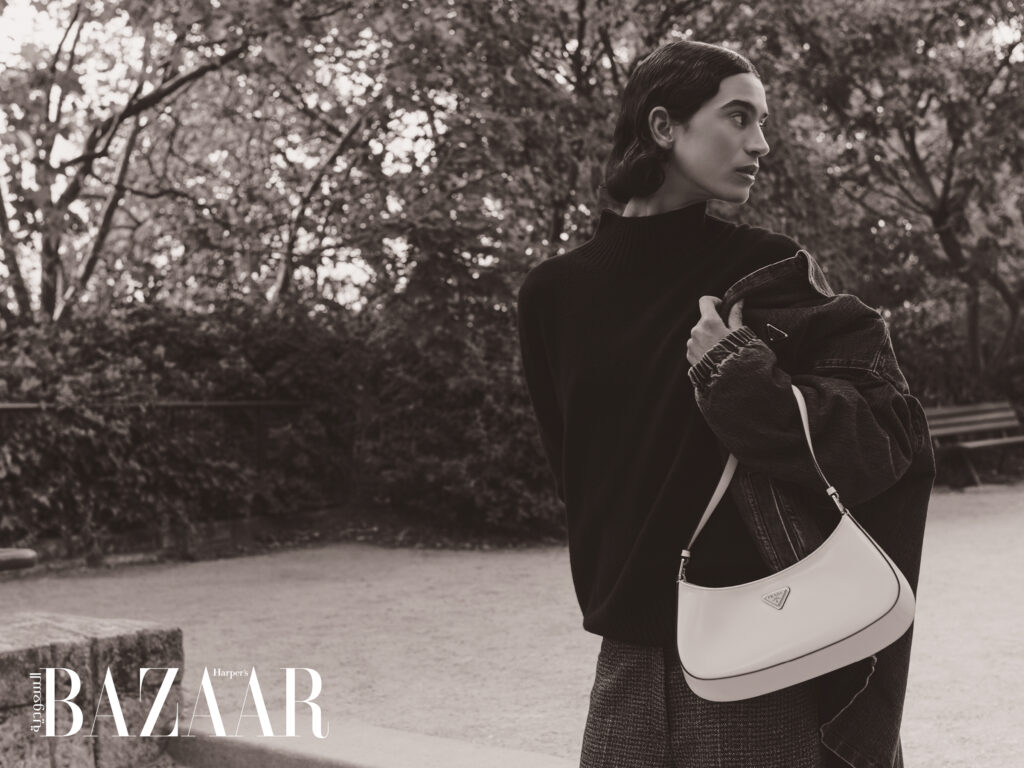
The move came off the back of a senior year in university that played out during the pandemic, when classes were moved online and the Black Lives Matter movement regained momentum following the death of George Floyd in the summer of 2020. A reckoning about the representation of non-white communities across the creative industries was underway, and Alsheshry felt called to meet the moment by channeling her hard-won pride in being Arab in a professional and public way.
“I’ll always take pride in being a Saudi woman and a mixed woman, but I think there’s something so beautiful about being able to rediscover and recreate yourself every day”
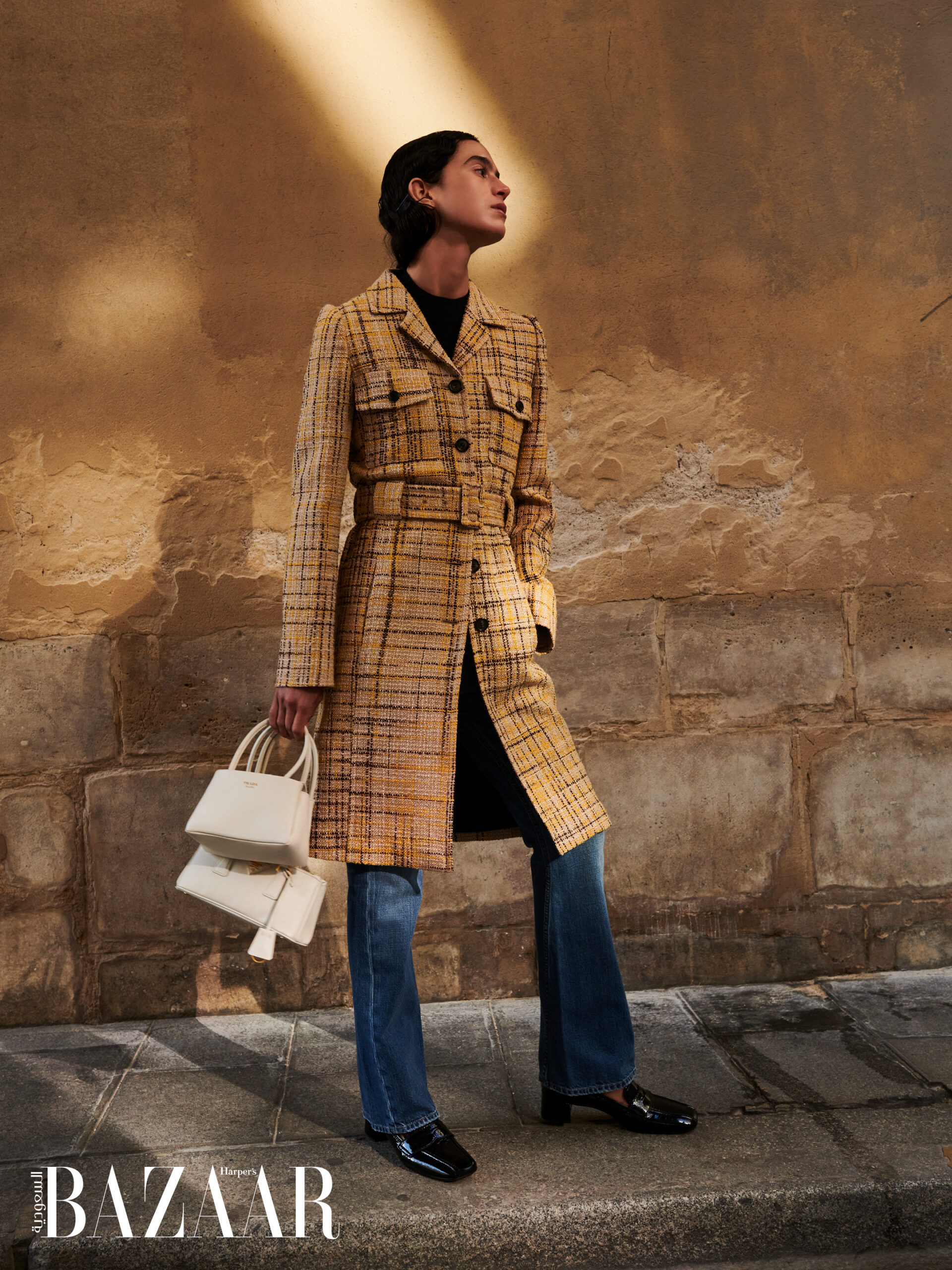
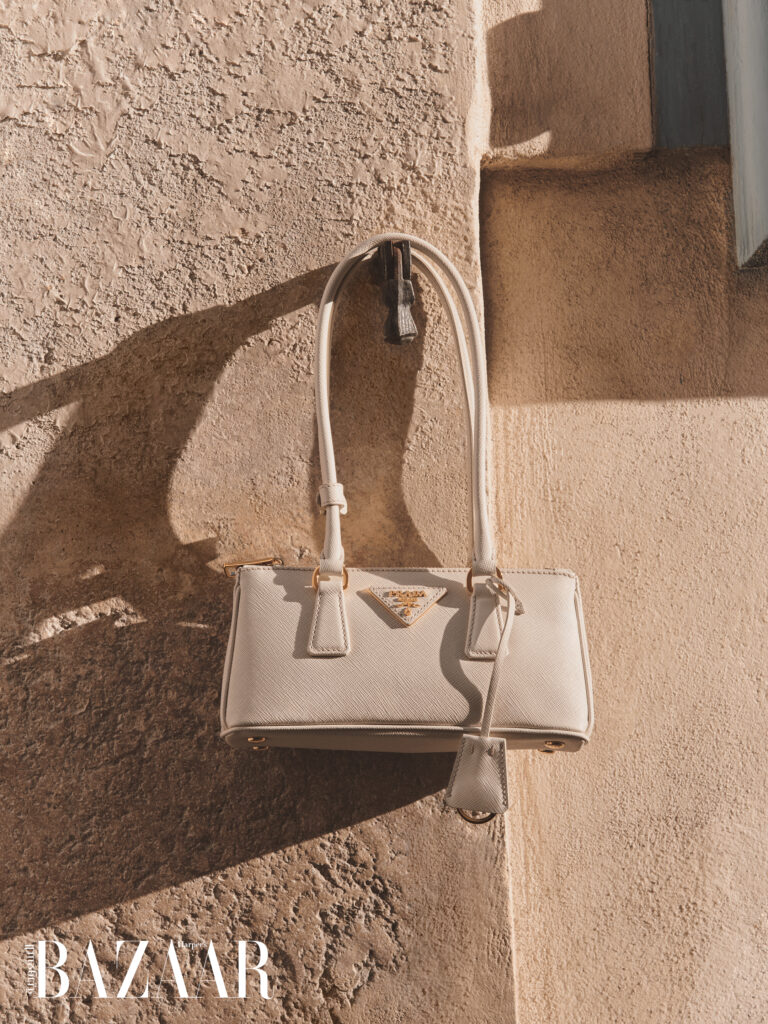
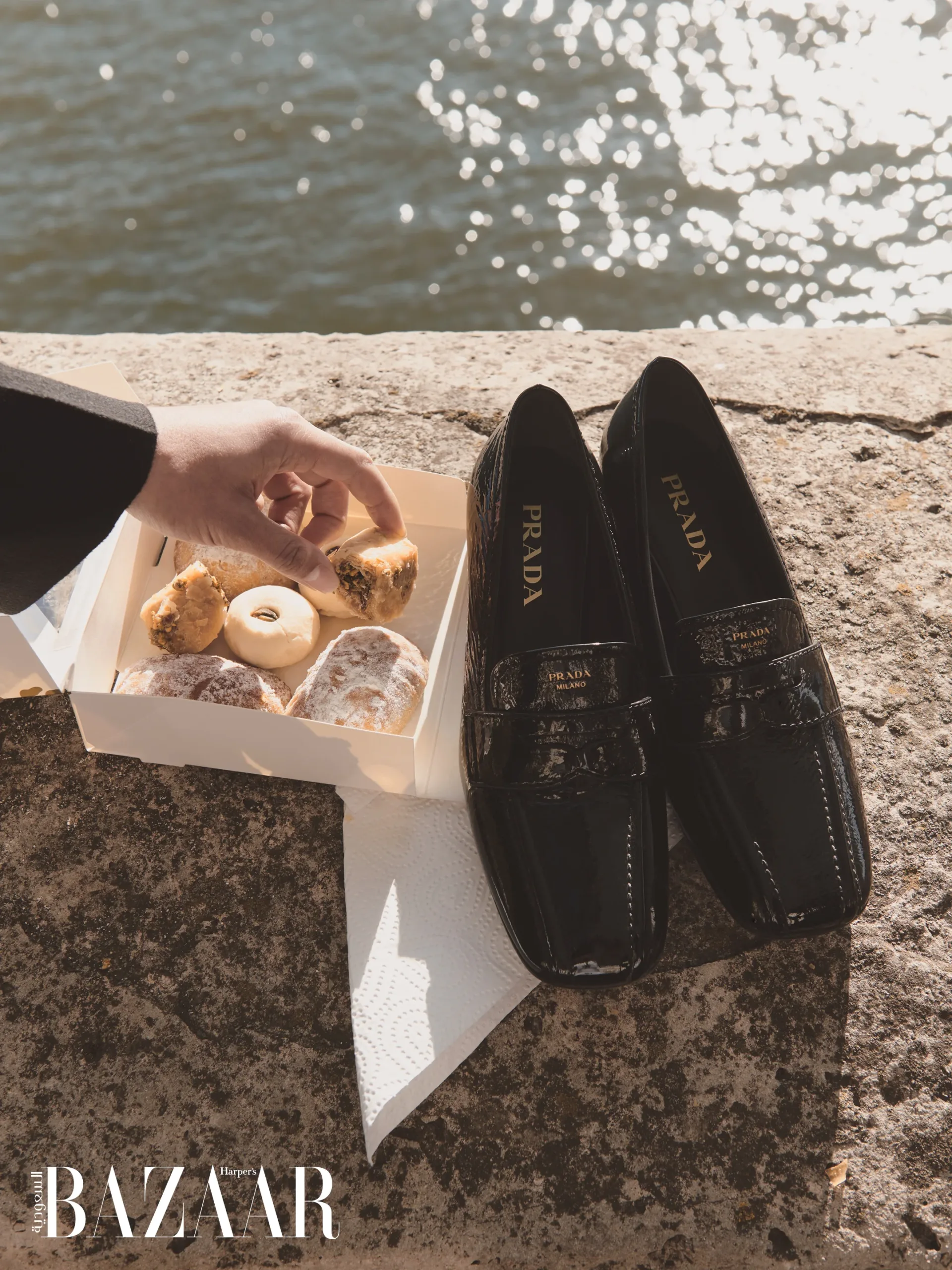
“I had always had it in the back of my mind that I wanted to model, I think because of how much as a kid I saw the media portray Middle Easterners in an unfavourable light or as cliched tropes,” Alsheshry explains. “Everything was either negative or non-existent, and that irked me. But then I saw the opportunity for a face like mine to be shown.”
“I really struggled with my identity because in Saudi I wasn’t Saudi enough. But in the U.S I wasn’t white enough. I didn’t fit in anywhere”
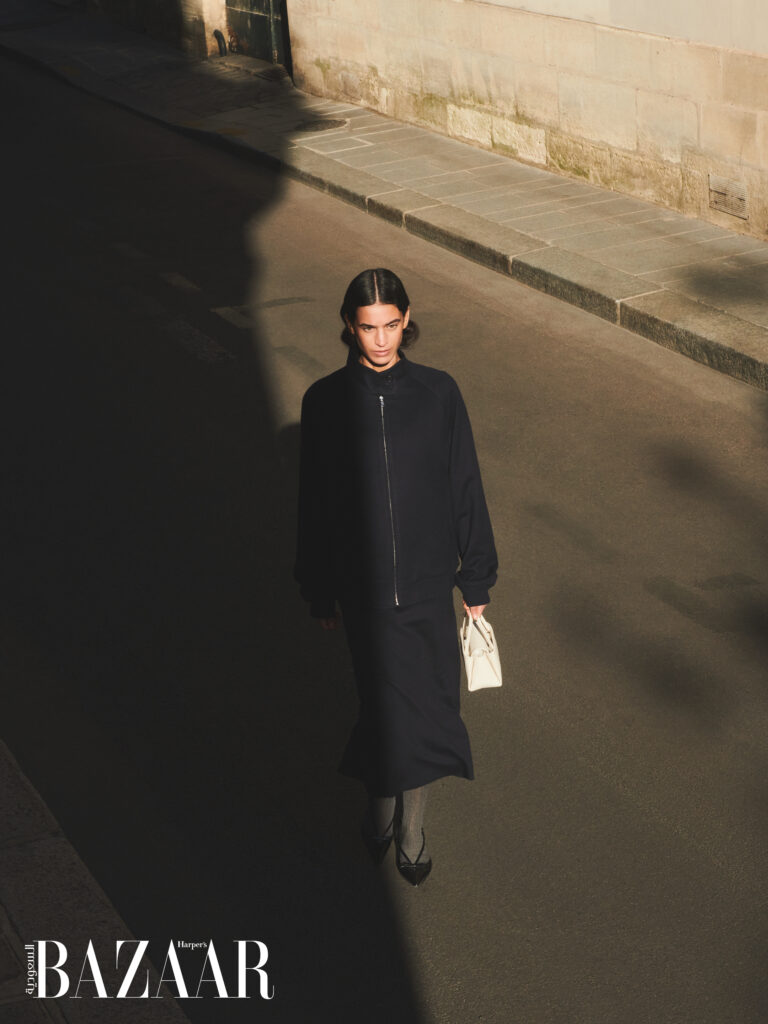
Alsheshry is not naïve, however, to the pitfalls of toeing the line between respecting her culture and remaining true to herself, especially in the name of representation. Since she started modeling over five years ago, her DMs have occasionally received criticism and unsolicited opinions about the way she dresses. Alsheshry is the type to rework a low-rise pant from a thrift shop to fit her lithe frame and pair it with a cropped white t-shirt or a simple black tank – but she celebrates any woman whose sartorial aesthetic reflects who she is and what she believes, whatever that looks like. She offers Jeddah-based Hessah Hassan as an example of someone whose style inspires her, even if the digital creator’s considered penchant for longer hems and extra layers is different from Alsheshry’s sartorial aesthetic.
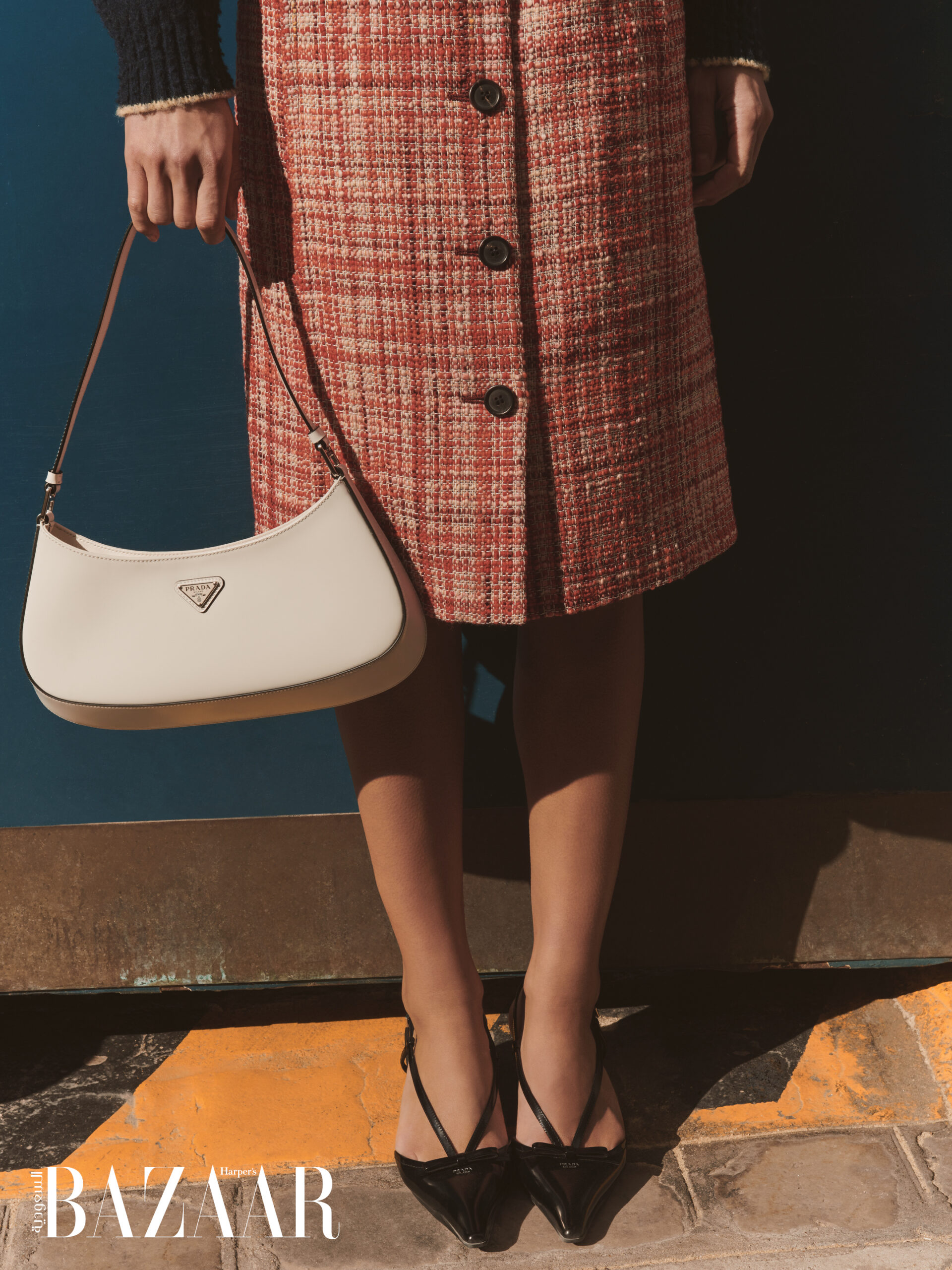
She knows she can’t be everything to all Arab women. Instead, she hopes to embody the possibility of what it means to be Arab, among many other things. Because just as her identity can be mixed, so too, can her way of living. One facet of who she is doesn’t cancel out the other, even if they’re contradictory.
She is Arab regardless of what she wears, and she is a woman however she decides to express it. She is American like her mother and Saudi like her father. From the former, she inherited her perspective on what really matters, which is not how you look but what you do; from the latter, she got her espresso-colored locks and her olive-toned complexion and, her dad insists, those unique, kaleidoscopic eyes which come from his own father – a man whom he described as the family peace-maker when tucking a young Alsheshry in at night and recounting stories from his childhood in Saudi Arabia.
“My grandfather may have passed away many, many years ago, but I find so much joy in the fact that my father gets to see his father’s eyes every time he looks at me,” she says. “One of the coolest things about being Saudi and mixed is that I get to be so many parts of all of those who came before me while still creating a version of who I want to be today.” Alsheshry may have come to New York to chase her dreams in a place where she doesn’t need labels, but she doesn’t reject them either. She is loud and proud and evolving, and that’s the end of it.
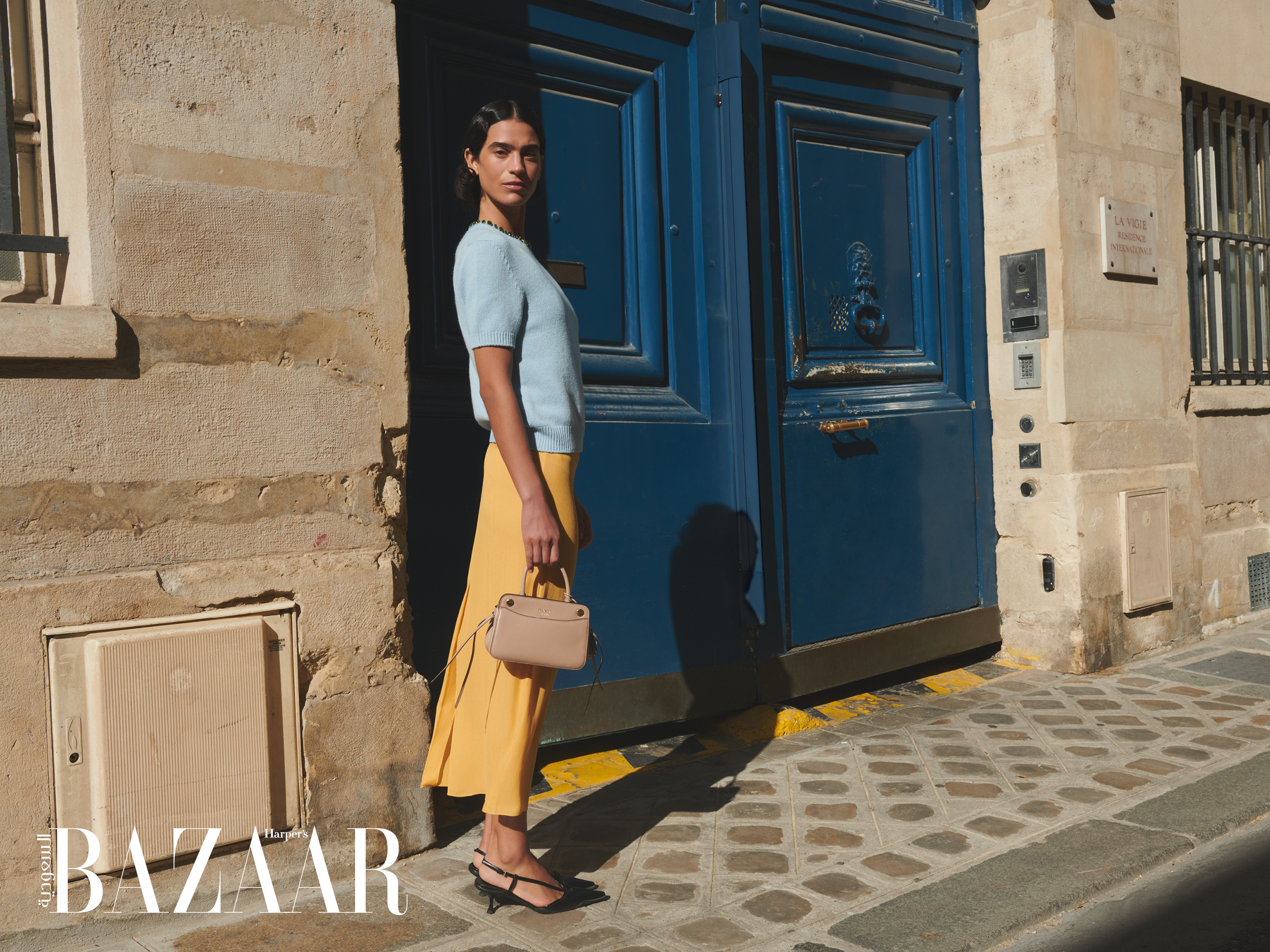
Lead Image Credit: Jacket in Cashmere; V-neck Sweater in Cashmere; Midi Skirt in Double Cashmere; Cleo Shoulder Bag in Brushed Leather, all Prada
Photography: Jonas Bresnan at MINK MGMT. Creative and Fashion Direction: Kim Payne. Model: Sophie Alshehry at JAG Models. Make-Up: Anna Sadamori at Shortview Artists Management. Hair: Jean Luc Amarin. Executive Producer: Steff Hawker. On-site Producer: Soffia Potapova. Styling Assistant: Louis-gui Pradere. Lighting Assistants: Loc Boyle and Sophie Kuch.
From the Harper’s Bazaar Saudi Winter 2026 issue