
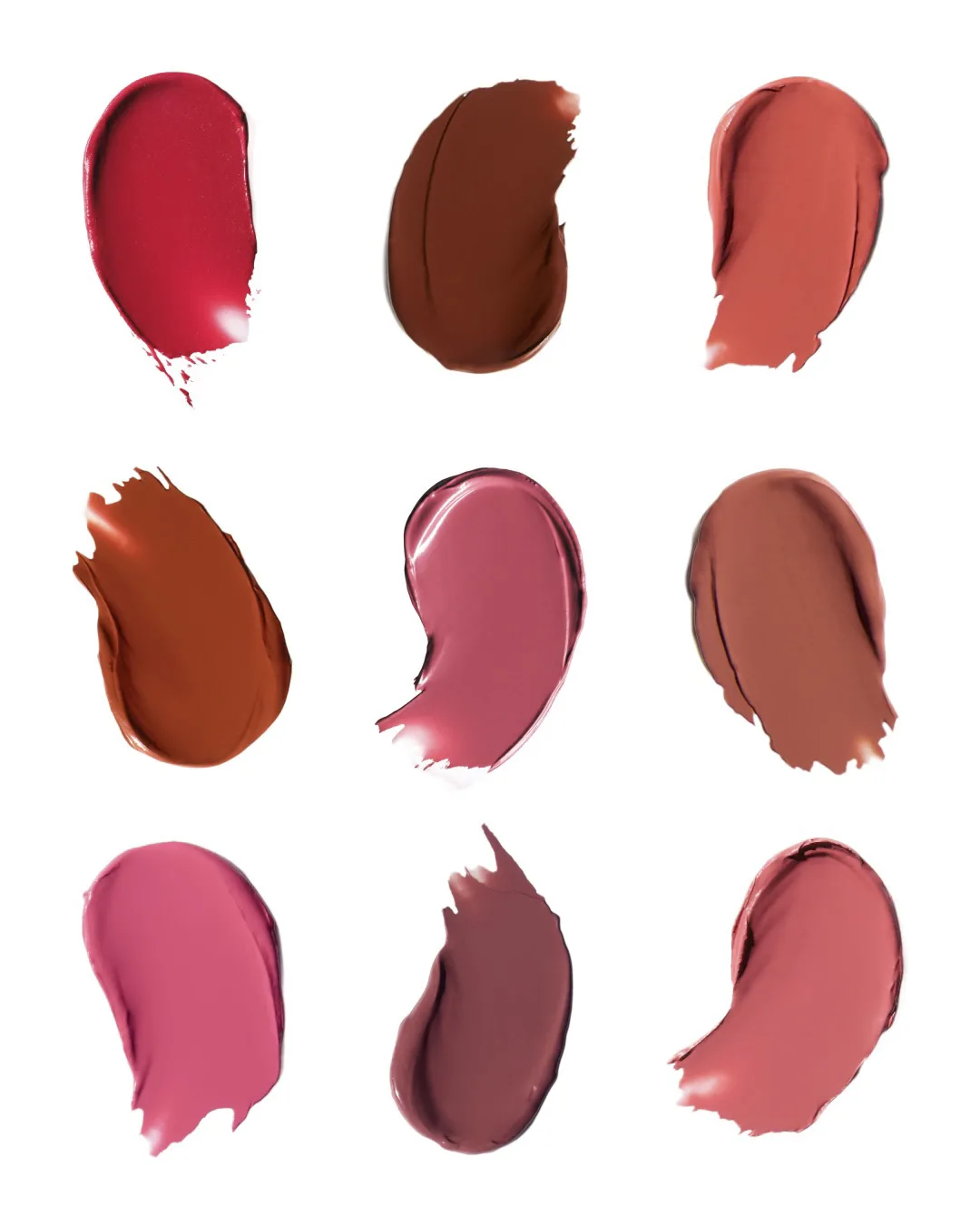
How To Choose The Perfect Shade Of Lipstick For A Whiter Smile

The right lipstick can do more than boost your confidence – it can also help lift your teeth to feel a little brighter and whiter
The right lipstick does more than define the lips. It can subtly transform the way an entire face looks – and, surprisingly, even influence how white your smile appears. While the effect is optical rather than dental, choosing the right undertone can create an instantly brighter-looking smile without a whitening treatment in sight.
“Lipstick can completely change the way we perceive the colour of a smile. It is essentially a matter of contrast,” explains Dr. Mutaz AlBeetar of Apa Aesthetic. “Cooler tones – such as blue-based reds, berries and certain fuchsias – can create the impression of a brighter, whiter smile because they contrast beautifully with the natural warmth that exists in tooth colour.”
The principle is simple: shades with cooler or blue undertones can visually counterbalance the warmer tones naturally present in teeth. On the other hand, orange-based reds, warm corals and certain terracotta shades may emphasise yellow or golden undertones, making the smile appear less bright by comparison.
That does not mean warm lipstick is off limits. The most flattering shade ultimately comes down to the individual. “But there isn’t one universal lipstick shade that works for everyone,” says Dr. Mutaz. “The natural shade and translucency of the teeth, the complexion, and even the undertone of the lips all influence the final effect.”
It is also worth remembering that the pursuit of a brighter smile should not become a pursuit of an unnaturally white one. “One of the biggest misconceptions in aesthetic dentistry is that brighter automatically means more beautiful,” he says. “Teeth are naturally dynamic. They have translucency, texture and subtle variations in tone, and those qualities are what allow them to interact with light.”
So before reaching for the whitest-looking lipstick on the shelf, consider harmony rather than extremes. “The right shade depends entirely on the individual. Skin tone, lips, facial features, age and the overall aesthetic of the person all matter,” Dr. Mutaz explains. “My goal is never simply to create the whitest smile possible; it is to create the most harmonious smile possible.”
Lead image courtesy of @rhode
