

Inside Cartier’s Women’s Pavilion at Expo 2025: A Global Stage for Change and Collaboration

Art, architecture, and activism collide to ignite conversations, challenge perspectives, and shape a more equitable future
On March 8, the world marked another International Women’s Day — a time to honour the progress made, acknowledge the hurdles that remain, and celebrate the individuals driving change. With this momentum still fresh, Cartier is once again leading the conversation, reaffirming its commitment to empowering women on the global stage.
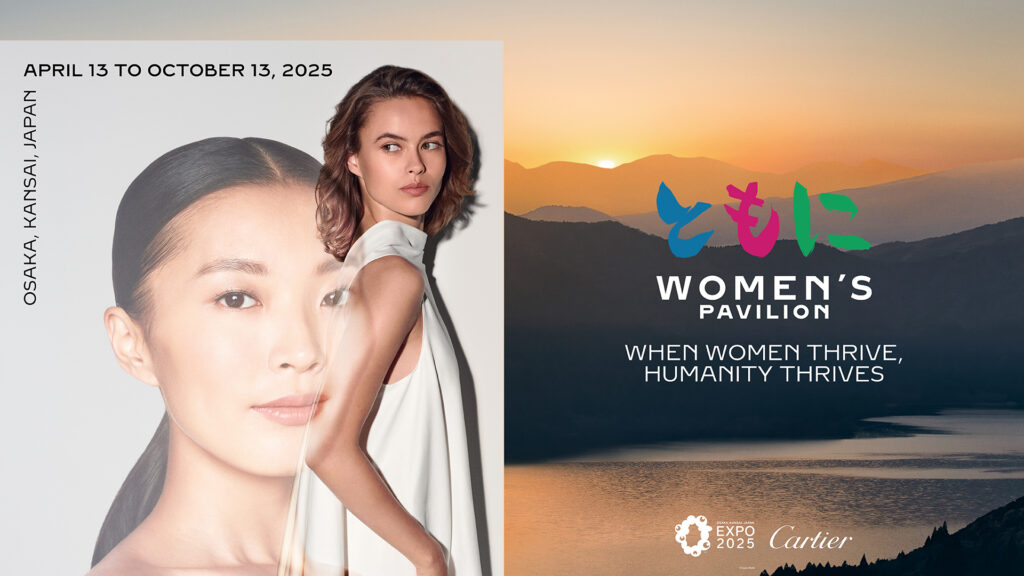
That commitment takes centre stage at Expo 2025 Osaka, Kansai, Japan, where Cartier will present the Women’s Pavilion — a powerful symbol of collaboration, creativity, and progress. Running from April 13 to October 13, 2025, this dedicated space is a catalyst for dialogue, challenging perceptions and championing a future where opportunities are not defined by gender.
For Cartier, this is a continuation of a legacy. Women have long been at the heart of the Maison’s creativity, shaping its designs and narrative. The Women’s Pavilion embodies this philosophy, offering a platform for visionaries, disruptors, and innovators who are reimagining what is possible.

At its core, the Pavilion carries a simple but powerful belief: progress is only possible when everyone — regardless of gender — has the opportunity to thrive. Cyrille Vigneron, Chairman of Cartier Culture and Philanthropy, describes it as more than a space; it is a transformative experience. A continuation of the journey that began at Expo 2020 Dubai, this next chapter in Osaka will amplify voices, share stories, and drive conversations that leave a lasting impact.
Reflecting Expo 2025’s overarching theme —“Living Together, Designing Together, For the Future” — the Pavilion expands its focus beyond gender equality to explore the deeper relationships between people, nature, and sustainability. The Japanese phrase “ともに生き” (Living Together) captures this sentiment, encouraging visitors to think about how societies can co-exist with the environment in a more responsible way. Meanwhile, “ともに輝く” (Designing Together) speaks to the power of collaboration, reminding us that the most meaningful change happens when diverse perspectives come together.

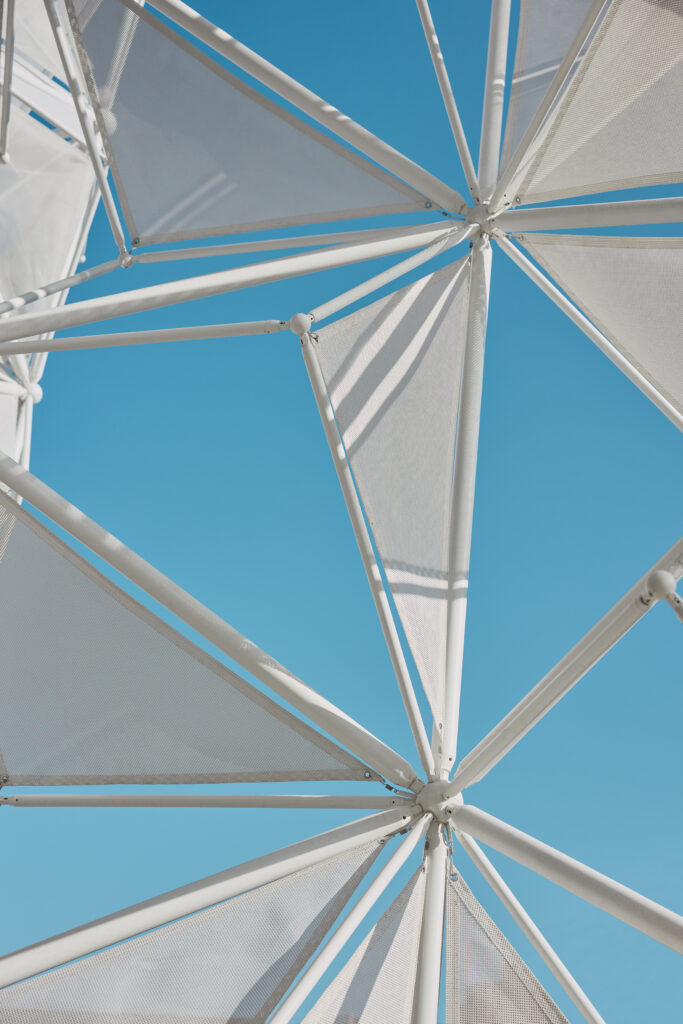
This vision is brought to life through striking architecture by renowned Japanese architect Yuko Nagayama. Her Kumiko-inspired façade is a bridge between heritage and modernity. Originally designed for Expo 2020 Dubai, the structure has been repurposed for Osaka, reflecting Cartier’s dedication to sustainability. Locally sourced trees will later be replanted, reinforcing the Pavilion’s commitment to nature’s regenerative cycles. Every element tells a story of balance — between craftsmanship and consciousness, between tradition and evolution.
Inside, the experience becomes even more immersive, curated by visionary artist Es Devlin. Renowned for crafting stories that resonate across generations, Devlin envisions the Pavilion as an instrument of storytelling, where personal experiences merge with global challenges. Visitors will be invited to participate in an evolving dialogue, leaving their names as part of the Pavilion’s living story — a symbolic gesture that reinforces the power of identity and collective change.
This collaborative spirit continues through the work of an extraordinary group of artists. Japanese filmmaker Naomi Kawase sets the tone with a cinematic prelude, while Mélanie Laurent crafts an evocative exploration of empowerment through sculpture, sound, and virtual reality. Hiro Chiba’s chlorograph portraits, in collaboration with Laurent, bring a tactile dimension to the exhibition, while multidisciplinary artist Mariko Mori presents a piece centred on unity and shared humanity. Landscape designer Toshiya Ogino introduces a garden that mirrors Japan’s shifting seasons, a quiet yet powerful tribute to nature’s constant evolution. Meanwhile, Chitose Abe of Sacai reimagines the concept of uniforms, designing attire for the Pavilion’s attendants that embodies harmony and modernity in equal measure.
At the heart of the Pavilion, the WA space is a living, breathing forum for conversation, a place where bold ideas collide, perspectives shift, and collaborations spark into life. Here, across six key themes — Mother Nature, Business & Technology, Education & Policy, Arts & Culture, Philanthropy, and Roles & Identities — changemakers, thought leaders, and activists from around the world will come together to tackle some of the biggest questions of our time. It’s about action and about finding new ways to create a more inclusive and balanced future.
For Cartier, the Women’s Pavilion stands as a statement of progress, a space designed to spark meaningful conversations and drive lasting impact beyond the Expo. It’s about creating a legacy that inspires action and challenges the status quo. As June Miyachi, President & CEO of Cartier Japan, puts it: “What can each of us do to thrive together, irrespective of gender? I hope the Women’s Pavilion can serve as a catalyst for each visitor to feel, think, and act towards a brighter future, accelerating change together.”
And that’s the real power of the Pavilion — it’s not just about who walks through its doors, but what they take with them when they leave. As the world turns its gaze toward Expo 2025 Osaka, Kansai, Japan, Cartier extends an open invitation: to listen, to engage, and to step into a future where every voice carries weight, every perspective holds value, and every vision has the potential to shape the world.