
No Single Story: What Does It Mean To Be A Woman In The Middle East?
Forget everything you think you know. For International Women’s Day, Bazaar Arabia asked women from Muscat to Riyadh, Dubai to Casablanca to answer a simple question: what does it actually mean to be a woman in the Middle East right now? The results are a compelling portrait of power, ambition, faith, restraint, visibility and choice. No simplification. Just one region for itself…
Farah Tajeddin
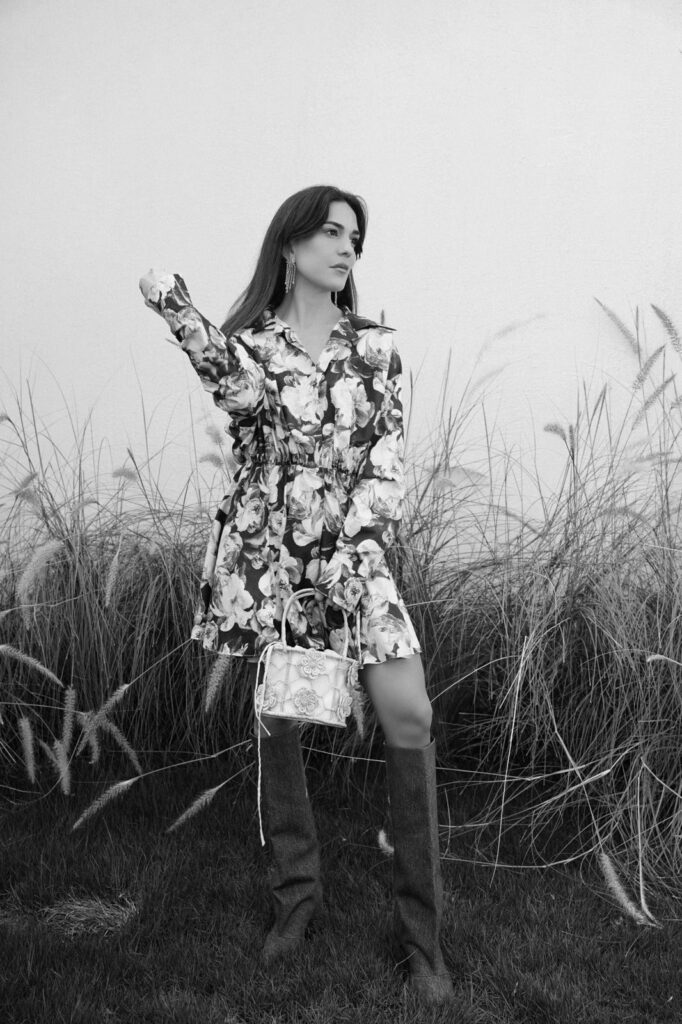
Age: 35, Job title: Founder of The Art Supper, Nationality: Jordanian, Based in: Riyadh
What does being a woman in the Middle East give you that people often misunderstand or overlook?
It gives me the world; a life steeped in culture, layered in heritage, anchored by deeply rooted family and strengthened by a community that uplifts its women. What is often misunderstood is that what outsiders label as limitation is – in reality – structure, belonging and legacy. We are not silenced here; we are regarded, honoured and celebrated.
What does it demand of you – emotionally, socially, or professionally?
It demands emotional intelligence as armour. You learn when to speak silk and when to speak thunder. Professionally, it asks you to be undeniable – not loud, just impossible to overlook.
A stereotype about women here that you’re tired of correcting?
That we are restricted. In truth, many of us are intentional. There is a difference between limitation and choice – and we master choice.
A rule, spoken or unspoken, that you’ve rewritten for yourself.
That approval is a prerequisite. I replaced it with alignment. If my soul agrees, I proceed.
What kind of power are you still learning to claim? Resting power.
The kind that doesn’t prove, push, or perform. Just exists – radiant, grounded, unquestioned.
What do you hope the next generation of women here will inherit, and what should end with us?
I hope they inherit self-trust without hesitation. I hope comparison, apology for ambition and fear of visibility ends with us.
Francesca Hilton
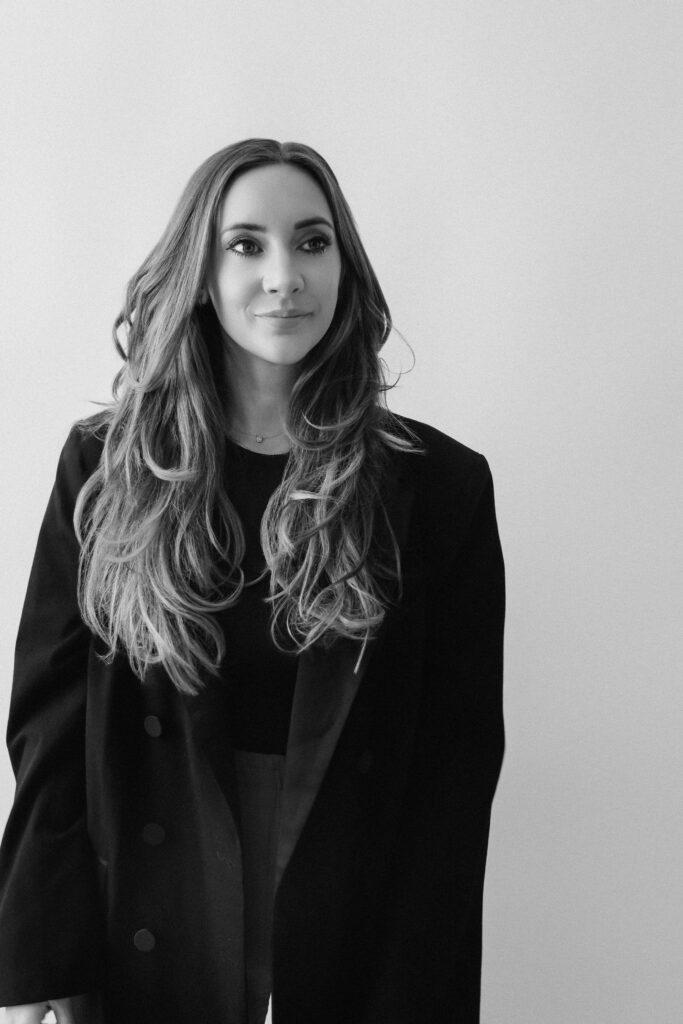
Age: 39 Job title: Co-founder of Saudi Life: Unpacked, Nationality: British, Based in: Riyadh
What does being a woman in the Middle East give you that people often misunderstand or overlook?
Daily growth. I’m forever learning living in Saudi Arabia. No two days are the same, and I try to absorb it all!
What does it demand of you – emotionally, socially, or professionally?
Patience. Learning a new way of life. Especially in Saudi, often this can be a beautiful and slower pace. Moving abroad is never easy, but slowing down, taking your time to settle in… that’s what being an expat in the Middle East teaches you. Take your time.
A stereotype about women here that you’re tired of correcting?
That women don’t thrive in Saudi Arabia. Some of the most inspiring, and strongest females I know live and work in Saudi. Don’t doubt them!
A rule, spoken or unspoken, that you’ve rewritten for yourself.
That you cannot start something new as a female in Saudi Arabia. Saudi Life: Unpacked is a podcast, events platform and community for both locals and expats. I would never have thought I’d have seen the day this was created, let alone by me! But my Co-Founder, Lily and I are so proud of the synergy that we have created amongst our guests and community.
What kind of power are you still learning to claim?
That it’s okay not to be able to balance it all, all the time. Mum life, work, wife, the power to let go of the guilt, and to remain true to my ‘why’ is the superpower to keep coming back to.
What do you hope the next generation of women here will inherit, and what should end with us?
To inherit; the fire in our bellies for the future! To end: imposter syndrome.
When do you feel most yourself?
When I’m in my routine, I’m the best version of myself.
What is something you no longer apologise for?
Being me! I am who I am, and I’m proud of that person. As I approach 40, I’ve learned to never apologise for being my most authentic self. I’ll never be everyone’s cup of tea, and that’s okay.
Mona Kattan
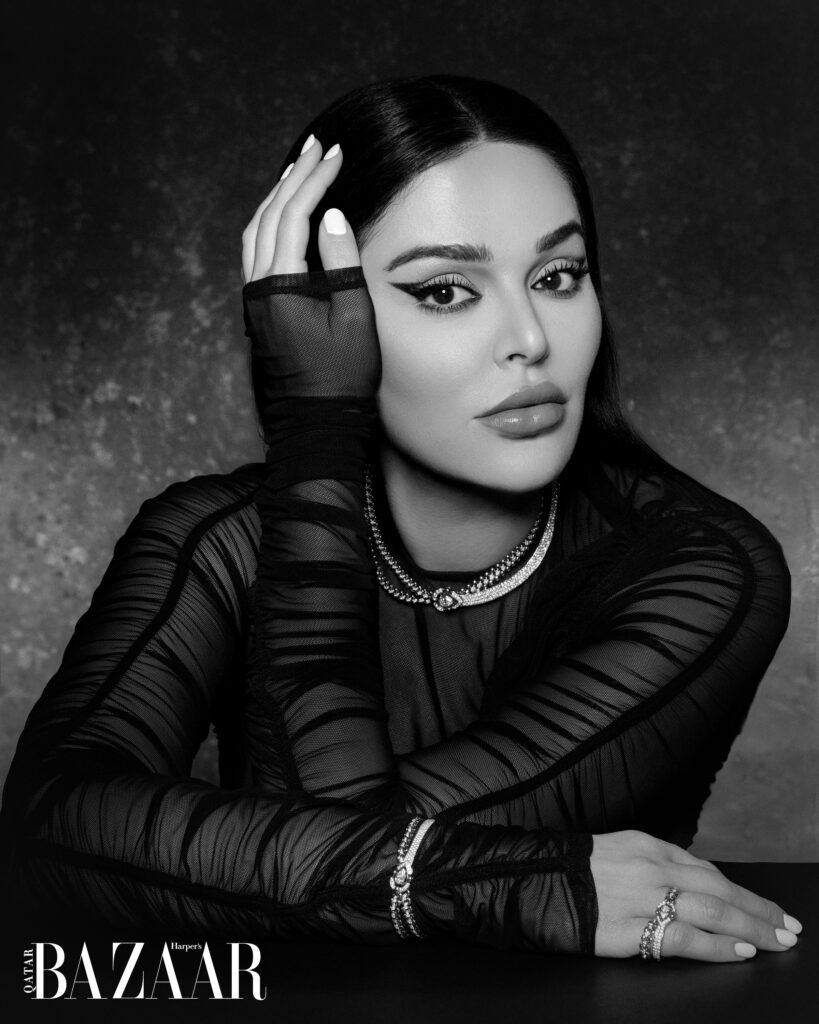
Age: 40, Job title: Founder of Kayali, Nationality: Iraqi-American, Based in: Dubai
What does being a woman in the Middle East give you that people often misunderstand or overlook?
A deep understanding of cultural duality. I was raised in the US, but I’ve lived in Dubai for almost 24 years, and that blend has really shaped how I see the world and how I build and lead. What people often overlook is how globally minded this region truly is. Women here are highly educated, entrepreneurial, and forward-thinking, while remaining deeply connected to family and tradition. That ability to move fluidly between heritage and global ambition has influenced how I approach [everything]. It has taught me that identity can be layered, and that there is real power in embracing every dimension of who you are.
What does it demand of you – emotionally, socially, or professionally?
Adaptability and emotional intelligence. Living and building a brand at the intersection of cultures means you are constantly navigating nuances. Emotionally, it requires staying grounded in who you are while remaining open to growth. You learn to listen carefully, to lead with empathy, and to be thoughtful about how your voice and decisions impact others. Professionally, it asks you to operate with both global ambition and cultural awareness. There is a responsibility to build something that resonates internationally while remaining authentic to where you are rooted.
A rule, spoken or unspoken, that you’ve rewritten for yourself.
The idea that success requires you to operate purely in your masculine energy. For a long time, I was told that success meant being tough, and while leadership requires decisiveness and confidence, it’s equally important to stay connected to your feminine energy. That means trusting your intuition, processing your emotions, and remaining in tune with your inner voice. For me, everything shifted when I stopped trying to suppress that side of myself and instead embraced the balance between the two.
What kind of power are you still learning to claim?
Taking up space without shrinking. As women, we are often conditioned to soften ourselves to make others feel comfortable. I am actively unlearning that. For me, it means standing tall, owning my voice, and allowing myself to shine authentically without diluting who I am.
What do you hope the next generation of women here will inherit, and what should end with us?
I would love to see young women grow up knowing they don’t have to choose between ambition and softness, tradition and modernity. I hope they inherit a world where their voices are valued, their ideas are encouraged, and their aspirations are supported without hesitation. This is also something we are deeply committed to through Kayali Cares – our initiative focused on giving back and uplifting communities, particularly women. It’s important to me that our brand doesn’t just speak about empowerment but actively invests in it.
Done Explaining- A unanimous shift away from apology culture
- 100% referenced boundaries, self-trust, or no longer apologising
- 83% referenced choice, alignment, or not needing permission
- 83% rejected diluting femininity to succeed
- 61% reference no longer managing perception to make others comfortable.
Manayear M. Alsharek H
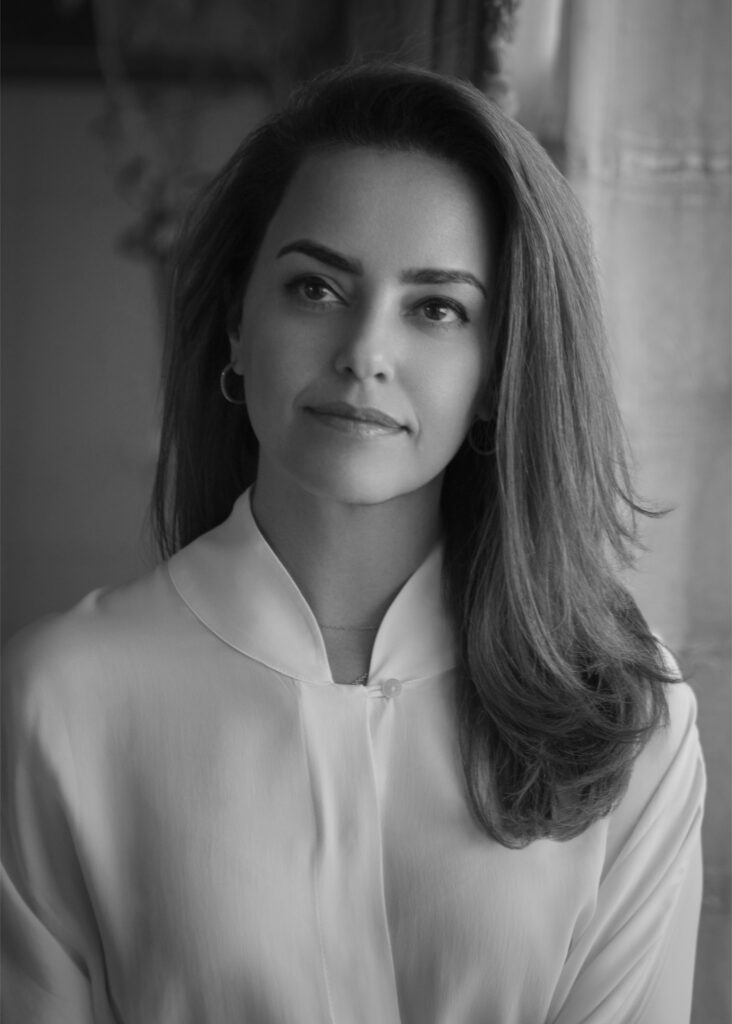
Age: 42, Job title: Co-founder & CEO, Panther Holdings, Nationality: Kuwaiti, Based in: Saudi Arabia
What does being a woman in the Middle East give you that people often misunderstand or overlook?
Access to build. We started building our ground operations in tourism in 2017, two years before the country even issued tourist visas. Nobody asked us to wait for permission. The assumption from the outside is that women here operate within constraints. The reality is that one of the largest economic transformations in modern history was underway, and the door was open. We walked through it.
What does it demand of you – emotionally, socially, or professionally?
Constant calibration. You learn to read every room before you speak. Who needs formality, who needs warmth, who needs numbers before they’ll take you seriously. Professionally, the demand is to re-establish your credibility with every new partner or new government relationship. Not just what you know, but who you are. The demand is to keep proving without letting the proving exhaust you.
A stereotype about women here that you’re tired of correcting?
That we’re one thing. Either we need saving or we had everything handed to us. There’s rarely room for the version that’s more complicated than either headline. The story people want to hear about us is always simpler than the truth. What’s strange is that both versions, the victim and the beneficiary, manage to leave out the work entirely. A rule, spoken or unspoken, that you’ve rewritten for yourself? That you need formal education to work in a field. I don’t look at someone’s degree when I’m hiring. I look at their experience and whether they’re actively developing themselves. A person who is committed to their own growth can learn to master any field.
What do you hope the next generation of women here will inherit, and what should end with us?
I hope they inherit the permission to be many things at once; someone who doesn’t have to pick a single label to be legible. We spent a lot of energy making ourselves readable to rooms that weren’t really trying to read us.
When do you feel most yourself?
Somewhere between the desert and the unfinished problem. At AlMashael, our retreat in the royal reserve outside Riyadh, there’s no phone signal, no performance. But I also feel it when I’m deep in something unresolved. Understanding the problem and then building the solution. I’m most myself in the work, not in the presentation of it.
What is something you no longer apologise for?
Taking my time. I used to feel pressure to scale faster, decide faster, say yes faster. I’ve learned that the best decisions, both in business and in research, come from sitting with things longer than people are comfortable with.
Redefining Power. In 2026, power isn’t necessarily louder; just more deliberate
- 67% describe power as rest, stillness, restraint, or slowing down
- 44% explicitly cite emotional intelligence as a core leadership skill
- 33%name discernment or selective energy as power
In a region stereotyped as restrictive, the biggest tension named is not freedom – it’s rest.
Kubi Springer
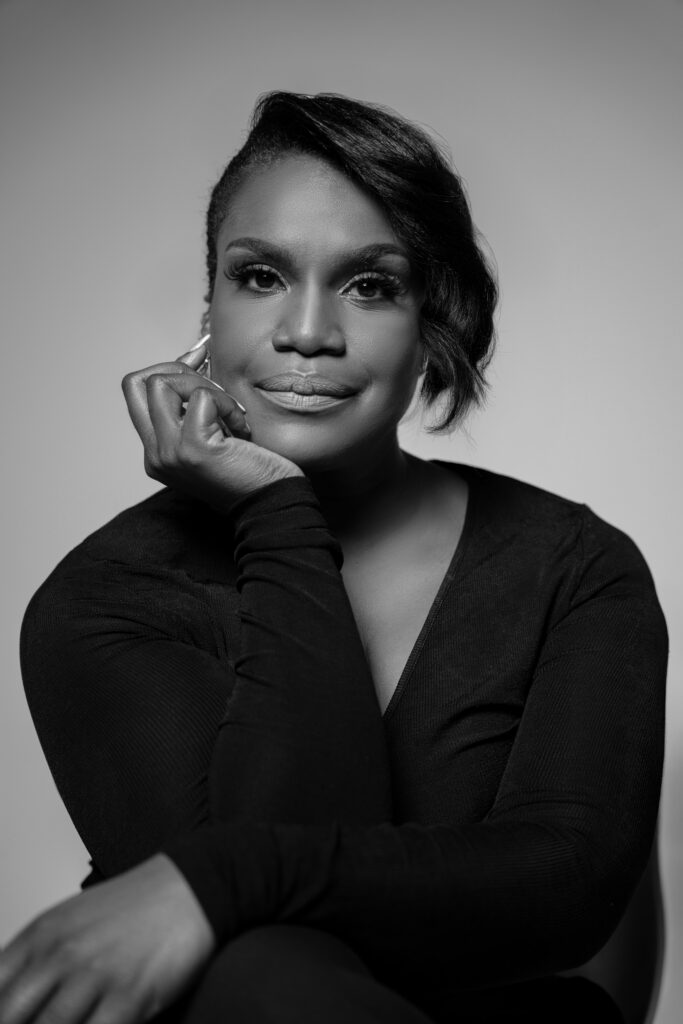
Age: 47, Job title: Head of Agency For Authority By Avantgarde, Nationality: British, Based in: Dubai
What does being a woman in the Middle East give you that people often misunderstand or overlook?
What’s often overlooked is the level of agency and ambition women here hold. There’s a powerful mix of tradition and modernity that creates women who are globally minded, culturally grounded, and deeply strategic about their futures.
What does it demand of you – emotionally, socially, or professionally?
It demands emotional intelligence and adaptability. Women here navigate multiple expectations at once; family, career, culture, and visibility, and they do so with a resilience that is both quiet and formidable.
What is something you no longer apologise for?
For taking up space or for grounding my life in faith. God is my anchor, giving me confidence in the storm, clarity at crossroads, and strength when things feel uncertain. It has shifted my focus from chasing money to pursuing purpose, and that has changed how I lead and how I live.
A rule, spoken or unspoken, that you’ve rewritten for yourself.
The rule I’ve unlearned is that women must simplify themselves to succeed. I’ve embraced the idea that you can lead an agency, build a platform, host conversations, and still hold space for family and self. Success doesn’t require choosing, it requires owning all parts of who you are.
Maha Gorton
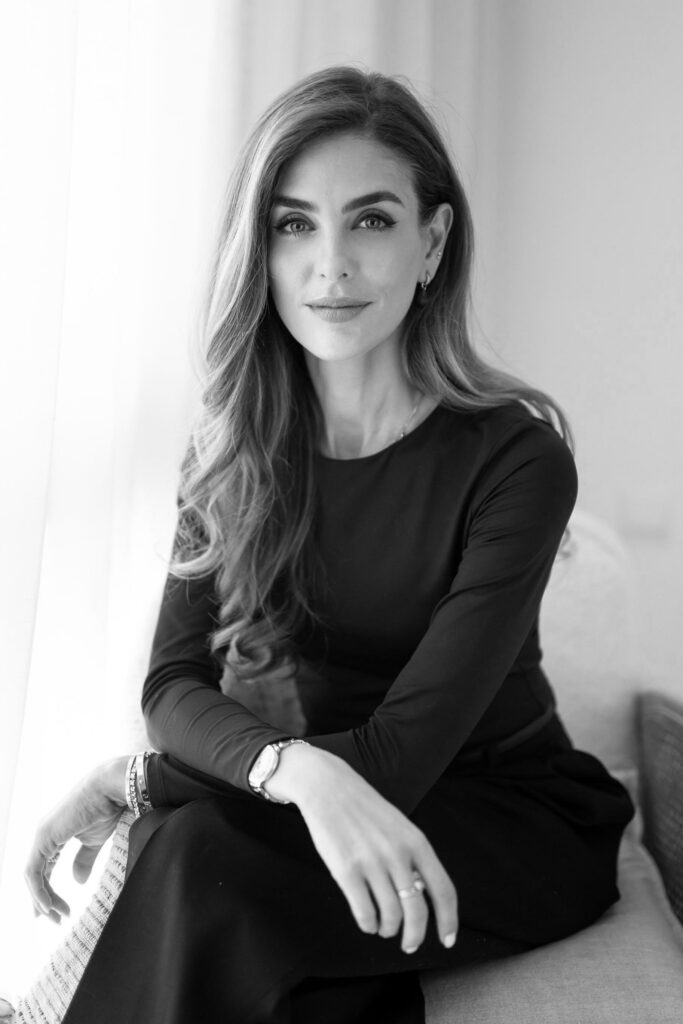
Age: 41, Job title: Social Impact Leader, Nationality: Emirati, Based in: Dubai
What does being a woman in the Middle East give you that people often misunderstand or overlook?
It gives me rootedness. A deep sense of belonging to family, to community, to something larger than myself. There is a strong intergenerational thread here that shapes how we lead and how we build. Ambition is rarely individual; it’s tied to collective progress. I believe that that grounding creates leaders who think long-term.
What does it demand of you – emotionally, socially, or professionally?
It asks you to hold multiple roles with intention. There is always – rightly – an expectation of presence and this requires the consistency to show up daily in every sphere of life. Impact here is relational. It’s built through trust and sustained over time.
A stereotype about women here that you’re tired of correcting?
That women’s empowerment here is new or externally driven. Gender equity has been embedded in the values this country was founded upon. Women have always been integral to the economy and the very fabric of our culture; they/we have been part of nation-building from the outset. The platforms may evolve, but the principle is not recent.
A rule, spoken or unspoken, that you’ve rewritten for yourself.
That enduring everything quietly is strength – and that I am responsible for everyone else’s comfort. I’ve rewritten that. I can be kind without carrying what isn’t mine. Boundaries are not a rejection of care; they are what make it sustainable.
What kind of power are you still learning to claim?
Discernment. Knowing what deserves my energy – and what doesn’t. I’ve spent years building, stepping forward, saying yes. I’m learning that power is also the ability to choose carefully, to protect focus, and to honour my capacity.
What do you hope the next generation of women here will inherit, and what should end with us?
I hope they inherit systems that support them – in healthcare, in the workplace, in policy and in the community. Not just encouragement, but infrastructure. What should end with us is the instinct to minimise ourselves in order to make others comfortable.
When do you feel most yourself?
When I’m building something – whether it’s a new initiative or just a deeply meaningful conversation. I feel most like myself in spaces where purpose and people intersect.
What is something you no longer apologise for?
Being authentically vulnerable. I’ve learned that openness is not weakness – it builds trust. And trust is where real change begins.
90% of women interviewed Define Power as restraint, Not Dominance
Kate Barry
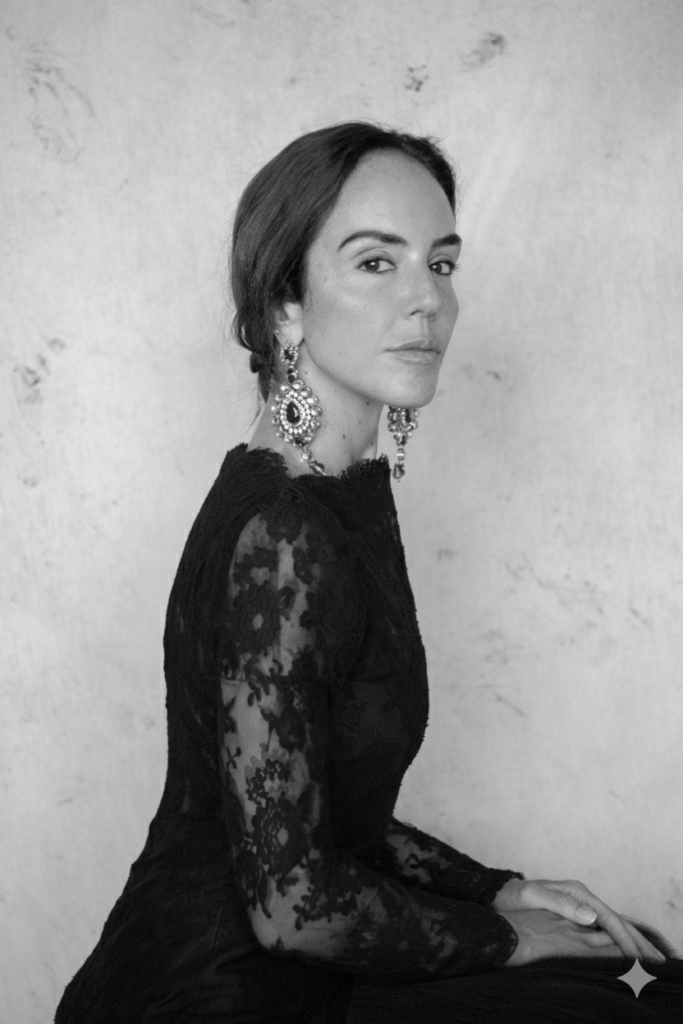
Age: 46, Job title: Founder of Easto, Nationality: American, Based in: Dubai
What does being a woman in the Middle East give you that people often misunderstand or overlook?
My mother and grandmother used to say, “Rule through femininity, not by trying to be like a man.” Passed down through generations of Armenian women shaped by the Middle East, that belief taught me that strength can live in intuition and grace. As the firstborn granddaughter raised in the United States, it felt distinct from what I saw around me – until I met my Latin, Arab, and Indian friends at university and realised we were cut from the same cloth. Professionally, I found a place where ideas are met with openness and ambition is nurtured. 18 years ago, I arrived here feeling like 60 per cent of myself and discovered what 100 per cent felt like.
What does it demand of you – emotionally, socially, or professionally?
It doesn’t feel like a demand so much as an invitation. Life here encourages openness in a way that feels increasingly rare in other major cities. Perhaps it comes with age, or perhaps it comes from witnessing new cities being built in real time, where dialogue, curiosity, and exchange are essential.
A stereotype about women here that you’re tired of correcting?
That everything here is somehow ‘fake.’ In reality, while life is undoubtedly visual and curated (as it is everywhere now), the relationships feel deeply real. There is a genuine sense of exchange, loyalty, and showing up for one another that I don’t often see elsewhere. The culture values the strength of the tribe, and that spirit continues today in the way men and women support, uplift, and grow together – making it one of the most honest and fulfilling environments I’ve experienced.
A rule, spoken or unspoken, that you’ve rewritten for yourself.
I’ve rewritten the idea that intuition requires immediacy. I trust my instincts, but I’ve learned to give them a moment – allowing space for clarity, patience, and the possibility of being pleasantly surprised.
What kind of power are you still learning to claim?
I don’t think it’s about claiming more power – it’s about refining how you articulate it. In a social media-led world, volume often passes for authority, but trust is built differently. Since launching EASTO, a strategic marketing and social programming consultancy, I’ve focused on communicating strength and discernment without competing with noise. I shape clarity, presence, and positioning for a living – and applying that same discipline to myself and my own business is simply part of the standard I uphold. Refinement isn’t hesitation; it’s strategy.
What do you hope the next generation of women here will inherit, and what should end with us?
A deep sense of true self-assurance – the certainty that they are intelligent, capable, and powerful without needing constant validation. I have two nieces, and it’s striking how much the world has changed – and how much it hasn’t. I want them to know they have the foundation to shine in any room, not because visibility is the goal, but because choice is. They are agile, resilient, and far more powerful than they realise. If anything, I hope they grow up with fewer doubts and more freedom – to trust themselves, to choose boldly, and to build lives that feel full and joyful.
When do you feel most yourself?
Anywhere I’m with my friends – who are really more like family. It’s casual, open, often a little silly, but always sincere. We inspire one another, challenge one another, and are constantly learning from each other. As long as I feel comfortable, curious, and surrounded by that kind of energy, I’m exactly where I need to be.
What is something you no longer apologise for?
Being fully myself – bold, energetic, and often surrounded by a table of equally spirited women and men. I’ve learned that joy is magnetic, and that confidence doesn’t need to be softened to be accepted. I’m genuinely happy with who I am, and I wish that ease and self-acceptance for everyone.
Imagery supplied
From the Harper’s Bazaar Arabia March 2026 issue