
Nicola Turner Decodes the New Language of Luxury in the Region
A leading expert in executive talent shares her insights on why visionary direction matters in purpose-driven branding
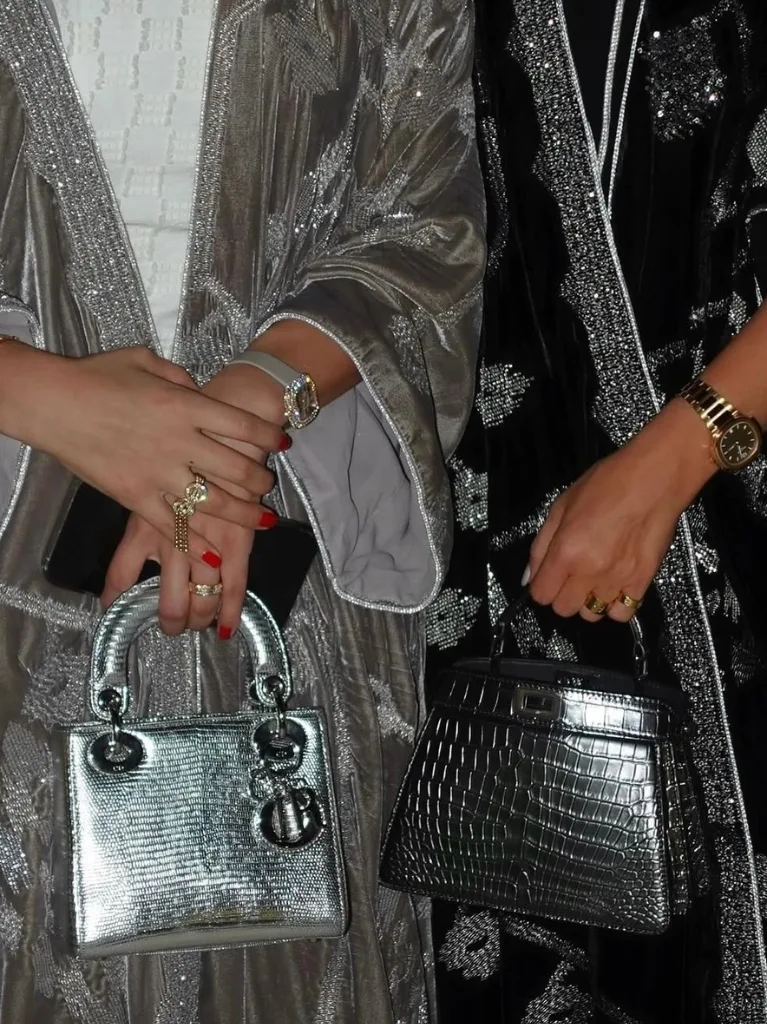
In the Middle East, the meaning of ‘high-end’ has undergone a significant change over the past few years, with consumers in the region rewriting its rules. Sustainability and cultural heritage have become the new status symbols, and people are now seeking fresh, authentic experiences that highlight individual taste, but more importantly, the stories behind them.
While brand identity and public perception are slow to shift, the transition toward a ‘worldly’ definition of luxury is driving significant internal change for regional businesses. As a result, brands must evolve strategically to align with these repositioned values. Naturally, the leaders of these companies are at the centre of this evolution.
Purpose is the New Glamour
Years ago, self-described ‘glamour’ revolved around the idea of opulence and grandeur, which ultimately involved high fashion, large businesses, and most of all, big money. However, these operations and leaders at the centre must now navigate a complex balance as they act to align with new talent, as well as the way their brands are portrayed.
Today’s consumers are more discerning, informed, and value-driven than ever before. With personal tastes now shifting towards sustainability, authenticity, and emotional connection, brands must act quickly and effectively to appeal to broader audiences, not just to remain in business, but also to compete with others who were earlier to start with this model.
Raffaele Breschi, the Chief Operating Officer of Arsenale Spa and the General Manager of Dream of the Desert, reflects upon this sentiment, saying, “Experiences that are ‘out of the ordinary’ are no longer about excess.” He adds, “They’re about intimacy, authenticity, and time well spent.”
Heritage Meets High-Tech in the 21st Century
As brands evolve, so too do the people who consume them. This is particularly true in the modern day, when artificial intelligence has allowed for great strides, especially for those in seemingly traditional businesses.
Fashion is one place where technology is powering major developments in both operations and sustainability. AI is particularly powerful in gauging how fabrics may stretch and move depending on the type of cut or material, streamlining the design process to ensure the final product aligns with aesthetic and functional requirements.
Of anything that has emerged in 2025, one message is prominent: people, especially those in the Middle East, are looking for experiences that tell stories, as well as items that have been enhanced by technology in order to be more sustainable.
From Boutique to Experience
Responsible practices are also making waves in physical settings. Hotels, fashion houses, and concept stores are crafting new experiences for a more conscious consumer — one who values environmental sustainability while also highlighting the people behind the brands.
These experiences within the region are ultimately a reflection of partnerships with regional creatives, who weave Middle Eastern heritage into their work. By infusing products with traditional patterns, calligraphy, and flavours, brands are investing in talent that possesses true cultural fluency and strengthens the local creative economy.
Voices of the Movement
Driven by resilience and determination, Middle Eastern women are proving that the past and future can coexist beautifully. By blending art, culture, and ambition, they are building fashion and beauty brands that bridge the gap between tradition and the modern world.

Dima Ayad, for instance, is a Lebanese fashion designer based in Dubai, whose clothing designs remain inclusive for all shapes and sizes. Huda Baroudi and Maria Hibri, meanwhile, are co-founders of the design studio Bokja, who create eclectic and colourful furniture and clothes in order to tell their stories. Lalia Al-Yousef, a world-class designer, has also led team projects for multiple high-profile companies, including the Her Surge for Water design competition.
Globalisation undoubtedly demands talent with the global acumen to navigate an increasingly interconnected world. With the Middle East projected to see a 50 per cent surge in travel spending by 2030, leaders must align their brand strategies with these shifting international dynamics. Ultimately, success will hinge on digital literacy — a trait that must be shared by brands, luxury leaders, and the workforce alike.
“Hiring the right people, those who can blend heritage with innovation, is more important than ever, especially in our customer-centric industry,” Adil Khammar, Country Managing Director at Nespresso UAE, emphasises.
Luxury with a Local Soul
The Middle East is celebrated for its intricate calligraphy, addictive scents, and sublime architecture — elements that are now defining the global luxury narrative. Consequently, today’s discerning clientele are prioritising engagements that feel truly rooted in their own history and geography.
Yet, this shift doesn’t end with just tradition or tourism. From augmented retail spaces to immersive online platforms, these modern touchpoints ensure the region has evolved from being a destination to observe to a world to inhabit.
In this era of ‘experimental luxury’, leadership has moved far beyond standard corporate management. Navigating the Middle Eastern landscape is now a sophisticated balancing act that requires harmonising vision with agility, local nuances with global standards, and tradition with innovation.
In this sense, a leader must know how to drive innovation while understanding local culture.
Lead Image Courtesy of Instagram/@fatmaa
ITP Media Group newsroom and editorial staff were not involved in the creation of this content