
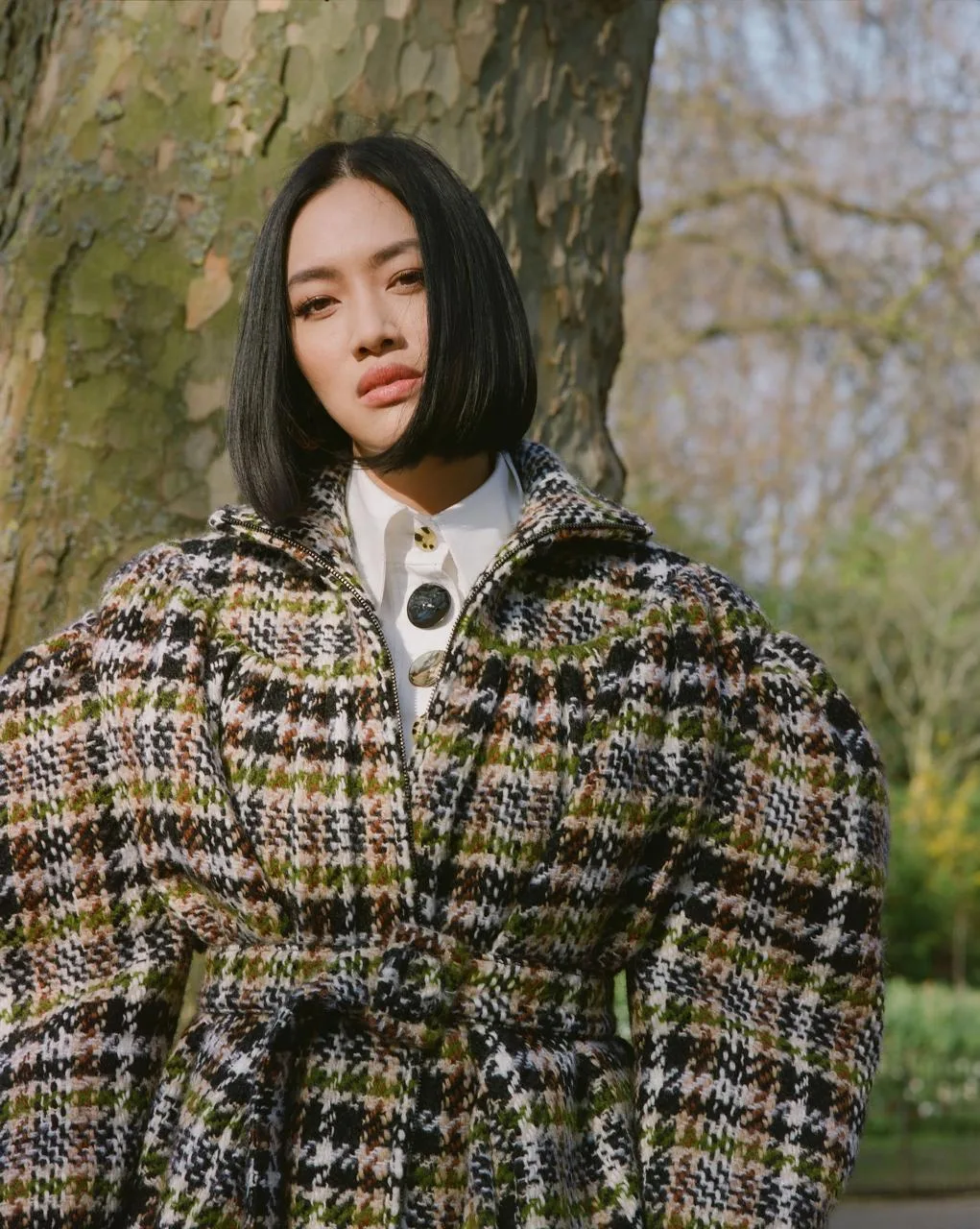
Inside Mytheresa’s Middle East Strategy: Tiffany Hsu on Ramadan Capsules, Colour Confidence and the Future of Luxury
From championing emerald-green exclusives to redefining the Ramadan capsule beyond cliché, Tiffany Hsu, Chief Buying Officer at Mytheresa, reveals how instinct, data and deep regional understanding shape the global luxury e-tailer’s edit
In conversation with Harper’s Bazaar Arabia during her Dubai stopover, the Taiwan-born executive reflects on the Middle Eastern client’s fearless embrace of colour, the evolution of exclusives, and why, in an AI-driven era, taste still reigns supreme.
You’ve worked in fashion across many different regions. Is there a homogeneous sense of taste, or is it geographically distinct?
It’s not really a difference in taste, as top clients globally are very knowledgeable about fashion. We’re not really here to educate them. The difference is driven by tradition, lifestyle, and social needs. For example, the functional needs of a client in the Middle East differ from those in Asia – the weather here is quite harsh in the summer so there’ll be different fabric choices – but the core appreciation for fashion remains consistent among our high-spending clients.
What surprised you most about the Middle Eastern client?
Nothing! My first job was at Feathers boutique next to Harrods so I have always catered to Middle Eastern clients – at least the ones who live in or visit London. When I started, I guess I was surprised by how fashion-savvy and expressive they are. People often assume that the need for modest dressing equates to a lack of interest in high fashion, but that’s not the case. They are extremely expressive and enjoy bolder styles within their own community and at home.
Mytheresa is now known for its Ramadan capsule drop; do you approach the collection to ensure it feels authentic rather than performative?
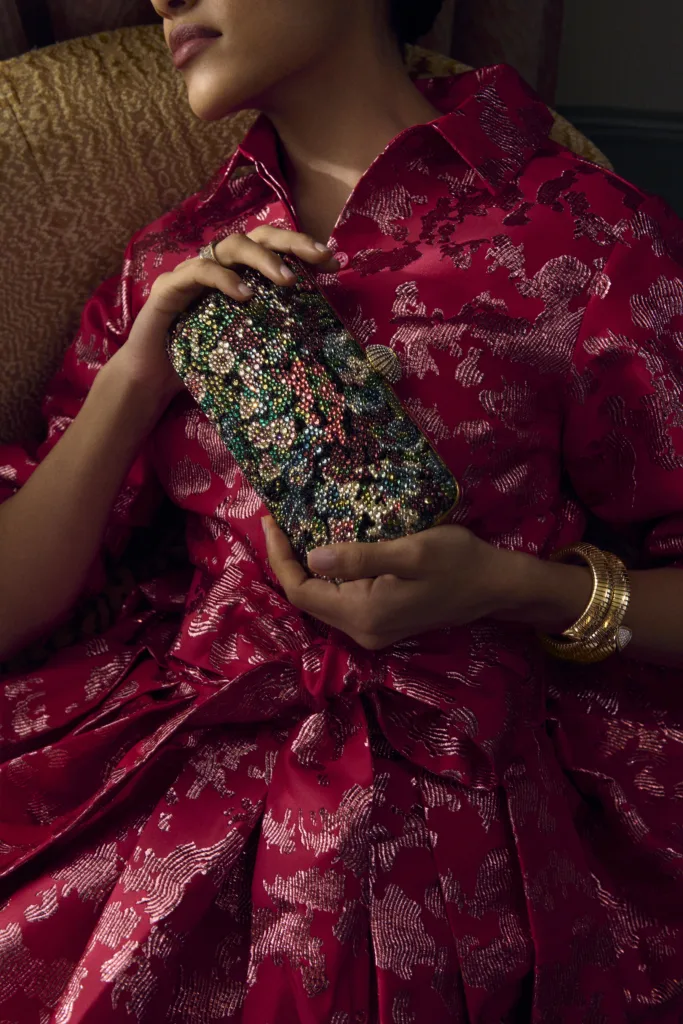
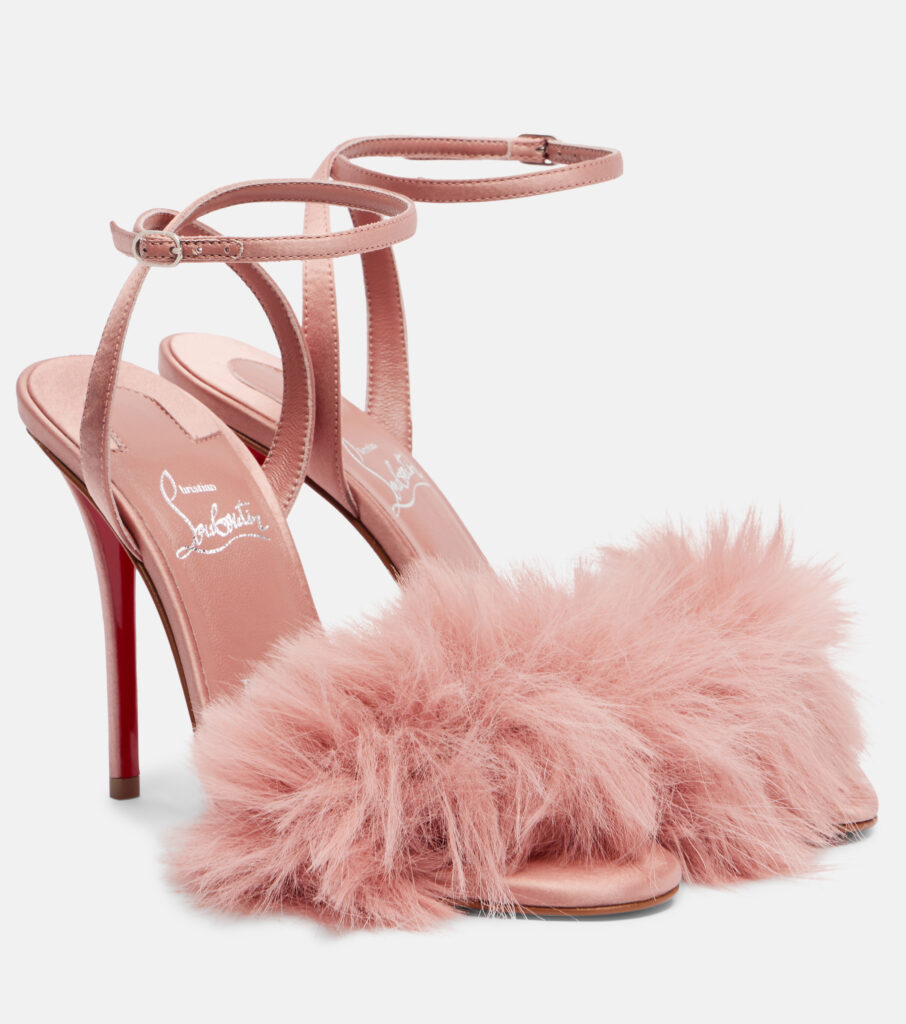
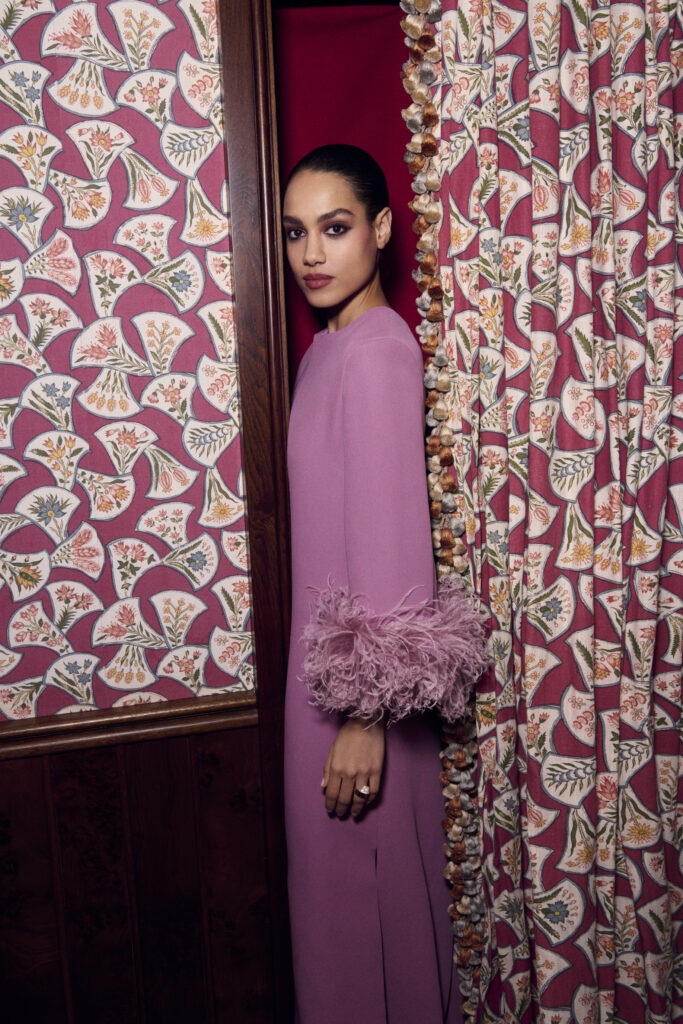
We avoid stereotypes. We don’t want to offer a ‘sea of kaftans.’ We focus on opulence and celebration, offering a selection that ranges from cocktail wear to evening attire. We provide longer lengths and modest options, but they are designed to be styled in various ways so they remain inclusive for everyone, not just those celebrating Ramadan. I’d say for at least the past four or five years we’ve done a dedicated campaign – working with local influencers, creating dedicated newsletters and assets just for the region.
Mytheresa is one of the few online brands with a bricks-and-mortar presence. Is a physical touchpoint important?
It isn’t a necessity, but it is a luxury to have. Mytheresa actually started as a physical boutique 20 years ago, so it’s part of our heritage. Having a physical presence creates a touchpoint for real-time conversation, which is harder to build solely through e-commerce, though our personal shopping team does a great job bridging that gap. Right now, for example, we have a Maison Mytheresa in St. Moritz. We do little pop-ups here and there to engage with our clients, and that is enough.
How do you balance the use of technology and AI with the need for human instinct and taste in the buying process?
While we use data analytics – often still relying on “old school” Excel – buying is still 100 per cent about instinct and taste. We would like to think that we have built a personality and a point of view as MyTheresa. There’s a lot of e-commerce out there! Everyone is convenient, everyone has everything, so what makes you stand out is really your assortment and your point of view.
You straddle both strategy and data-driven analytics, but you also come from a fashion background and have a very distinct aesthetic. How do you balance it all?
I guess I do balance the two, but it’s very hard to put it in a quantifiable sense. I think all business starts from a numerical and analytical point of view. It’s within the edit that you can drip in your personality. There are certain brands that I love more than others personally, so that’s when you start bringing in a little bit of your personality. Or brands that you think have the potential to expand – that’s also where you bring your perspective in. At Mytheresa, we like to think we’re a little bit more playful, a little bit more adventurous when it comes to offers. Just because a brand offers you only A doesn’t mean you can’t ask for B and C, especially if you can see your customer gravitating towards certain styles as time moves on. We also watch a lot of micro-trends and we’re really not afraid of them.
Where are the majority of your Middle Eastern clients based?
UAE and Saudi are the biggest. Obviously, we also have clients in the UK, but it’s harder to quantify whether they’re Middle Eastern clients or not. The same goes for somewhere like Paris – a lot of Middle Eastern clients shop there, so would they qualify as Parisian clients? It’s tricky. You can analyse by name, but it doesn’t really matter. For the Middle East specifically, though, UAE and Saudi are the biggest.
Are there distinct tastes or trends this market embraces more than others?
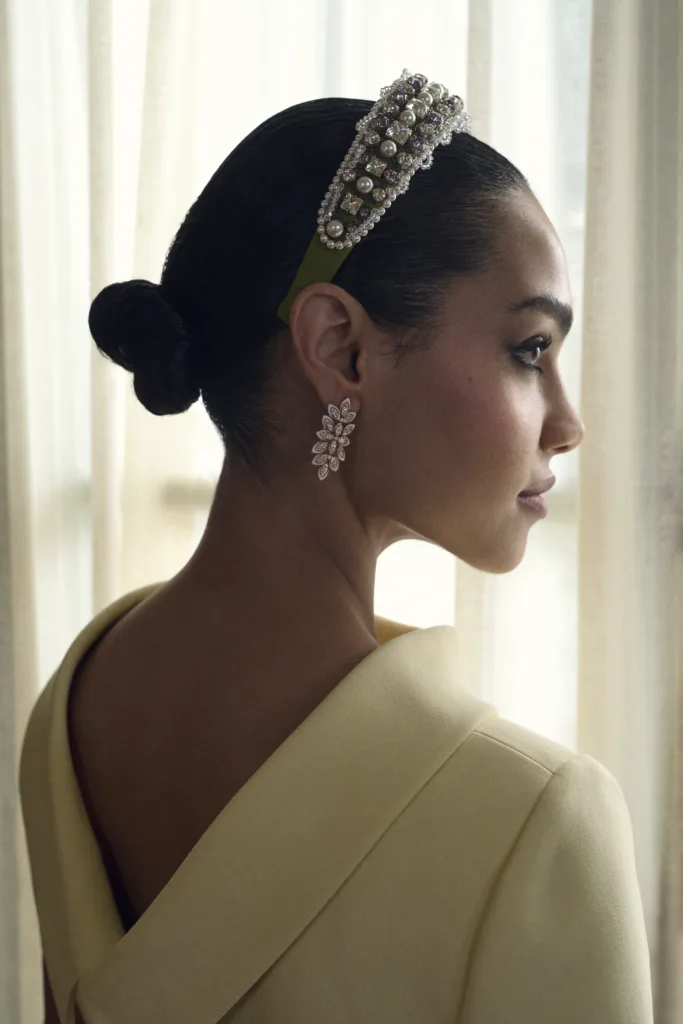
Middle Eastern clients aren’t afraid of colour. Whereas sometimes Northern Europeans stick to more muted tones and can be a bit demurer with metallics, gold and opulence. Middle Eastern clients really go all out. Whenever we have UAE capsules or more Middle Eastern-focused products, I always ask for emerald green or a mustardy yellow – dual tones that complement their complexion. They tend to be very popular.
Do you work with regional designers?
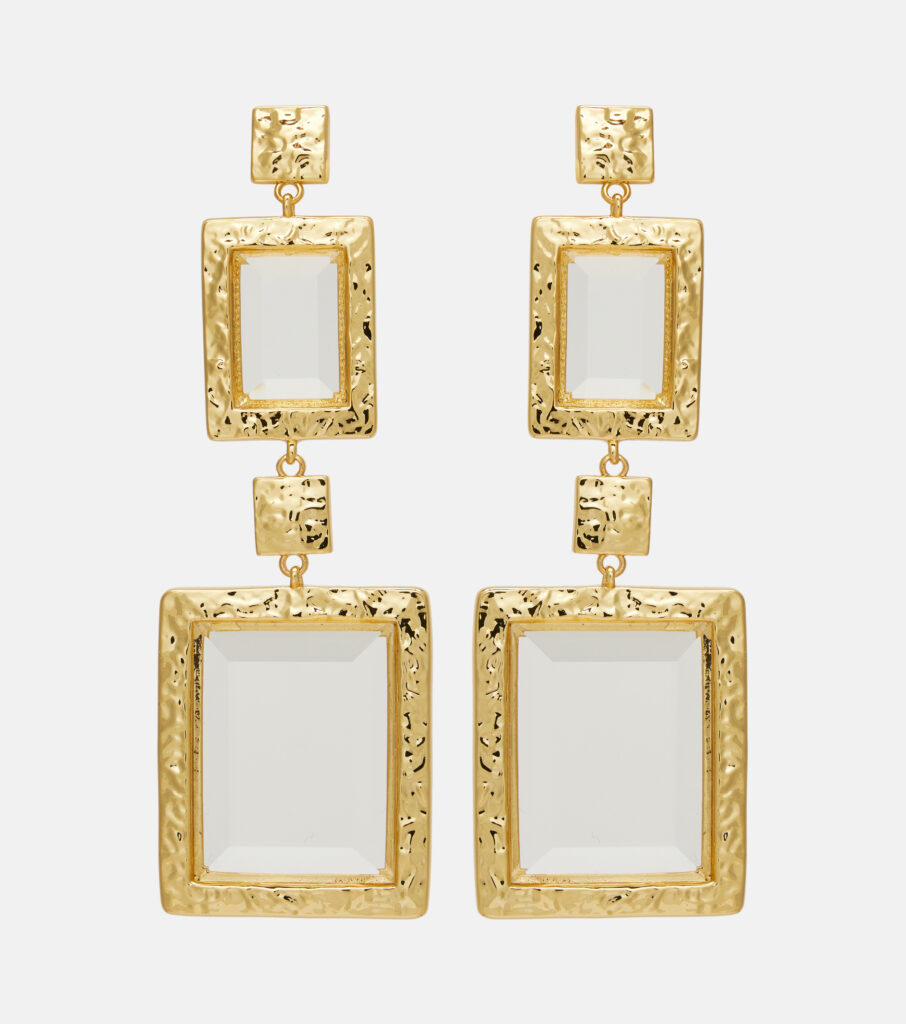
Yes, we do. We’ve worked quite a lot with Marmar Halim on exclusives and special colours. Elie Saab, of course. And some fine jewellery brands. We’re constantly looking because we want to make sure it’s not stereotypical – it has to be product that speaks to everyone else as well.
Mytheresa has a huge emphasis on exclusives and special collaborations. Has that always been part of the DNA?
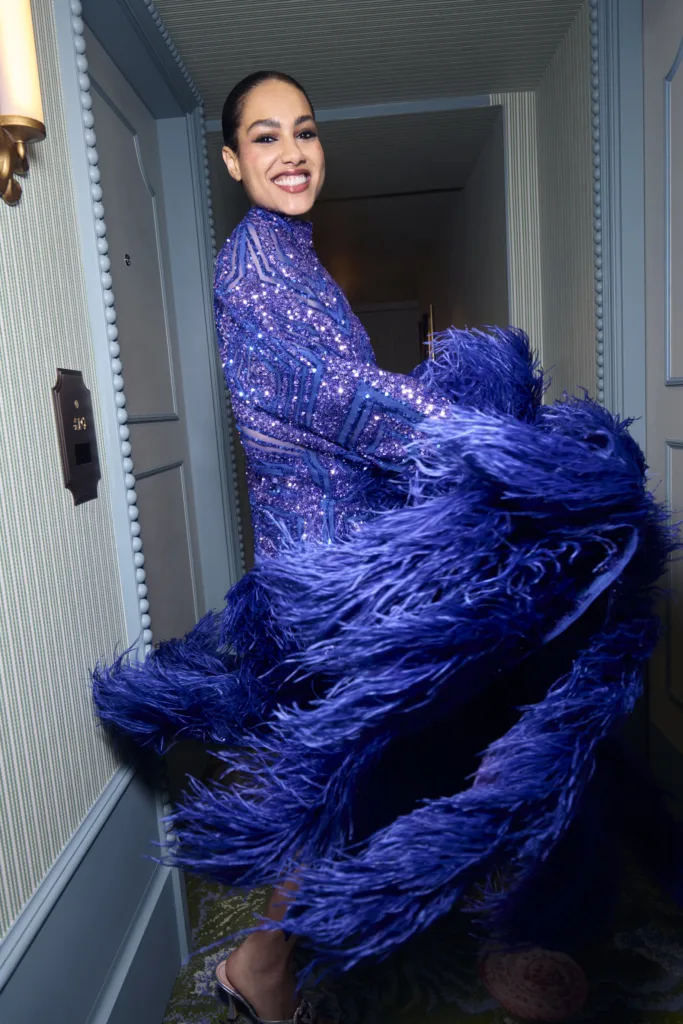
It’s something that’s grown with us. I’ve been with Mytheresa for ten years. It started small and now it’s a very important part of our business. It sets us apart and fills gaps in the market. We know our clients so well – we understand their lifestyle needs – and we want to make sure we have the product for that lifestyle.
Since you started in the industry – from Selfridges to now – how has luxury evolved? What’s stayed constant?
Instagram has completely changed how people shop luxury. When I started, it was very much an in-the-know world. Now everyone enjoys luxury and fashion. Teenage kids know all the brands.
Brands have also expanded into lifestyle. It’s become much more experiential. There are so many entry points now – phone cases, card holders, belts, sneakers. When I first started, luxury was for an elite group of people. Now everyone can own a piece of a luxury brand if they want to. It’s about brand awareness and engaging the next generation, not just about how many belts you can sell.
You trained as a designer. Why didn’t you pursue that path?
Honestly, my career evolved by accident. I was working at Feathers, a boutique next to Harrods, while I was a student. It was iconic. They’d been around since the Seventies. They were really my first mentors in buying.
I started as a shop girl and they offered me a job as a buying manager. When I finished school, they asked if I wanted to come on a buying trip. I was just filling in, really, but I enjoyed it.

Does your background in design and retail affect how you buy?
Absolutely. Serving clients helps enormously. Understanding clients personally and knowing what they need makes you a better buyer. You’re thinking from their perspective – what would I need if I were the client?
Do you still think fashion weeks are relevant?
Yes, absolutely. I still go to London, New York, Milan and Paris. Paris is probably my favourite, but it’s also the most stressful. Milan is slightly less intense. It depends on the season and the collections.
Any recent highlights?
Chanel was amazing. Bottega was amazing. I loved what Gucci did – I thought it was very smart. Alaïa was beautiful. I’m sad that Peter is leaving. Pierpaolo’s collection was super elegant. We have some very interesting collaborations coming with some of these brands, so watch this space.
Are there any red flags in the industry right now?
Sustainability of the business model. Not just organic cotton – but overselling product. When brands peak and then drop, it creates huge fluctuations. Some brands are more mindful and want to sustain the business long term.
There’s also the parallel market issue. Brands need to be conscious of longevity – how much product they release – so everyone can have a healthy business and the brand can be around for longer.
What are you excited about right now?
All the exclusives we’re launching in the next two or three months. It’s a lot of work – we develop them eight to twelve months in advance. There’s so much back and forth, trust between us and the brands, coordination across teams. But we want to bring our clients something different and exciting.
What’s next for Mytheresa?
We’ll continue with fun pop-up locations to engage with clients – I’d love to do one right here on the beach. The sky’s the limit.
We’ve opened lifestyle, kids, homeware – which is only in its second or third year – and there’s so much more to do. It’s incredible for gifting. Menswear is still growing. Fine jewellery is growing rapidly, and we want to expand that in the region. There’s a lot.


And personally, what do you like to wear?
I love Saint Laurent – that’s probably one of my favourite brands. Magda Butrym as well. Alaïa. And I love shoes from Amina Muaddi. If I look at my wardrobe, I probably have the most Saint Laurent and Magda.
For more information, visit Mytheresa.com
Imagery Supplied
