What Does Womanhood Look Like In The Middle East In 2026?
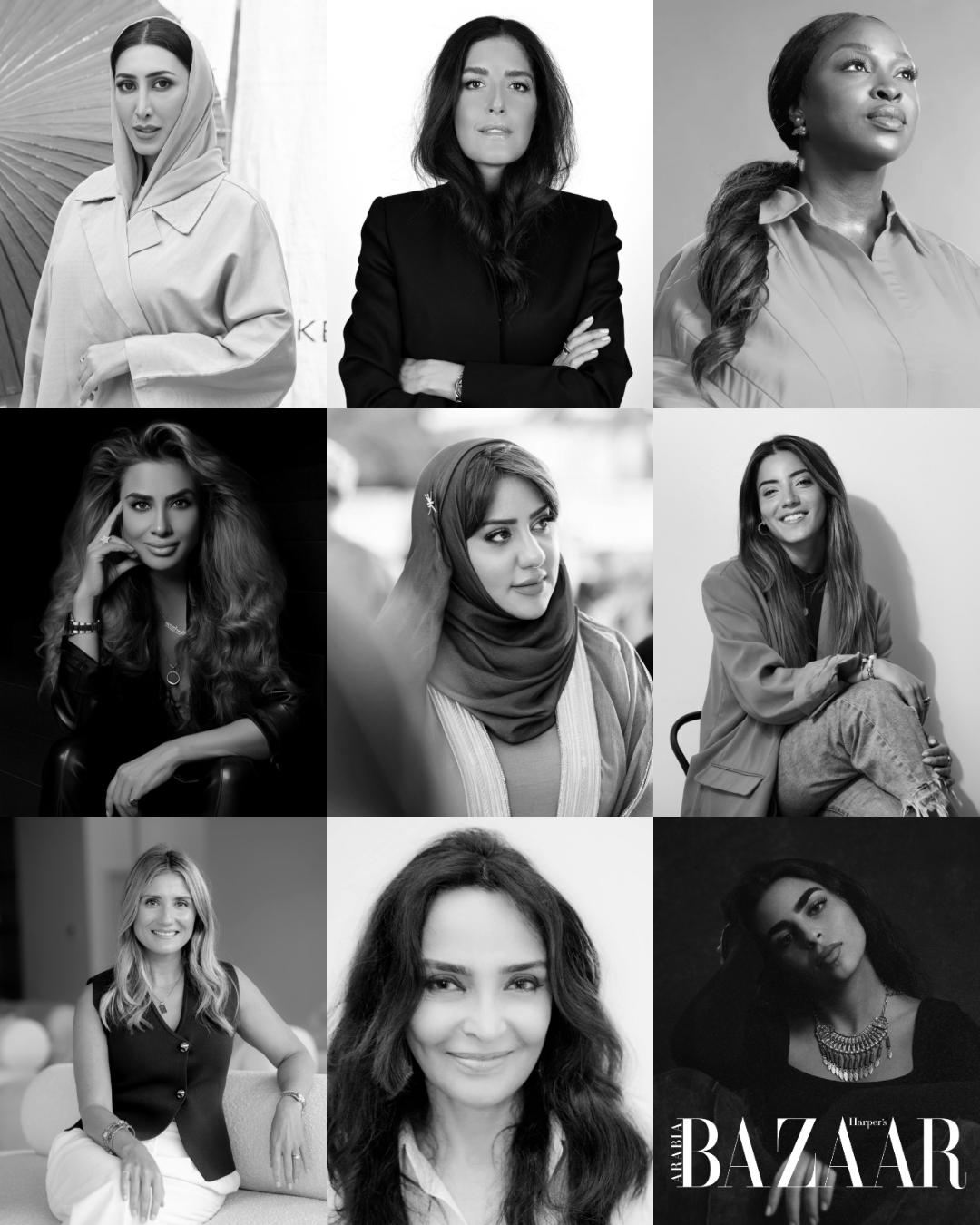
Forget everything you think you know. For International Women’s Day, Bazaar Arabia asked women from Muscat to Riyadh, Dubai to Casablanca to answer a simple question: what does it actually mean to be a woman in the Middle East right now? The results are a compelling portrait of power, ambition, faith, restraint, visibility and choice. No simplification. Just one region for itself…
Khadija Al Bastaki
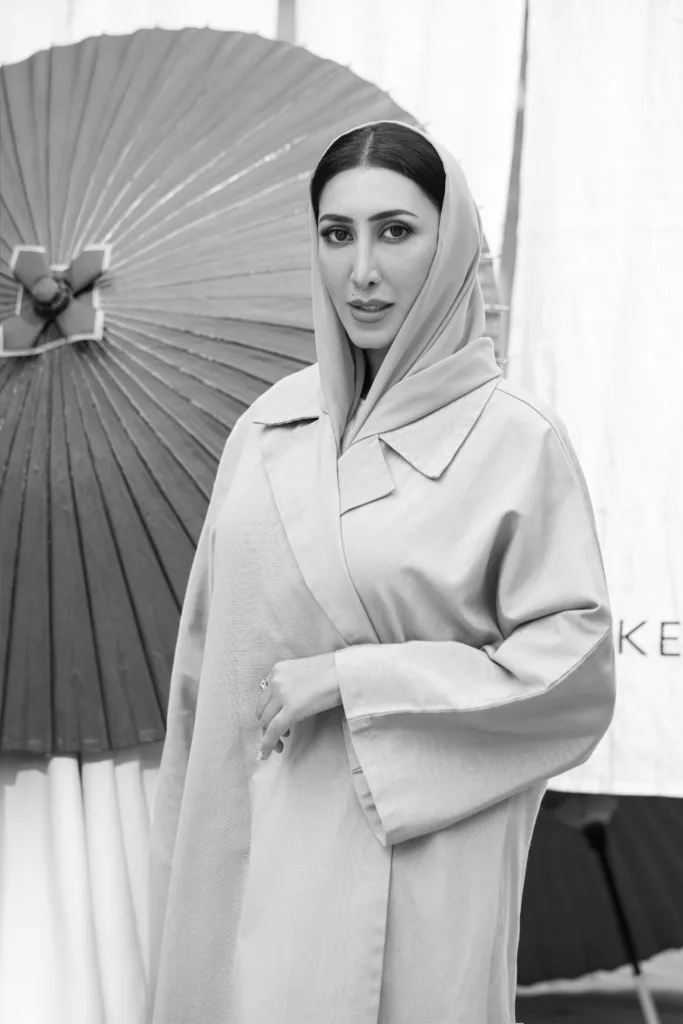
Job title: Senior Vice President, Dubai Design District (D3), Part of Tecom Group PJSC, Nationality: Emirati, Based in: Dubai
What does being a woman in the Middle East give you that people often misunderstand or overlook?
People don’t fully appreciate just how much support and opportunity women have when it comes to pursuing their ambitions, particularly here in Dubai. We are empowered, exalted, and encouraged to actively participate in society, politics, and the economy. Diversity of experience and perspective is welcomed here – and in the creative sector this makes for such a rich, vibrant and diverse offering.
What does it demand of you – emotionally, socially, or professionally?
Being a woman demands that I be uncompromisingly myself. That I use my voice and, most importantly, pay it forward. Providing mentorship, career development platforms, dedicated networks and flexibility help foster a culture in which women can tap into every facet of themselves to achieve their goals, rather than having to change who they are to fit a mould.
A stereotype about women here that you’re tired of correcting?
In the past, there were more defined expectations around the roles women could play, but this has evolved significantly. Today, women across sectors are leading business and shaping industries. I, like many of my peers, are evidence that women have a central role to play in helping advance the economy. In my role at d3, I see so much exciting female creative talent emerging, and only anticipate this going from strength to strength. Family undoubtedly is an important part of our lives, because that’s intrinsic to our culture, but it does not require sacrifice.
A rule, spoken or unspoken, that you’ve rewritten for yourself.
An extraordinary and exciting world exists just beyond your comfort zone – explore it. I embrace that rule by travelling wherever I can, whenever I can, as much as I can. I love engaging with new cultures, crafts and traditions.
What kind of power are you still learning to claim?
I am claiming back the power of rest. It brings clarity. This is not always easy as my nature is to be a busy and productive person, but I am realising that dedicating time to recharge is just as important because it gives you time to be inspired and see challenges from a different perspective.
What do you hope the next generation of women here will inherit, and what should end with us?
I hope the next generation of women inherit a world where they can ensure a good work-life balance – achieve their ambitions while being true to their family and social commitments. Women have more than enough proven themselves as powerful leaders, innovators, and creators but we just need to ensure even more flexibility, collaboration and community mindset. This is what the d3 community is all about.
What is something you no longer apologise for?
I no longer hesitate to ask questions. Asking questions is not a sign of uncertainty, but of curiosity and a genuine desire to learn. In our sector, curiosity and an openness to new solutions, processes and perspectives are the lifeblood of innovation and out-of-the-box thinking. Raising your hand to ask questions is a sign of courage and passion.
Morin Olu Wole
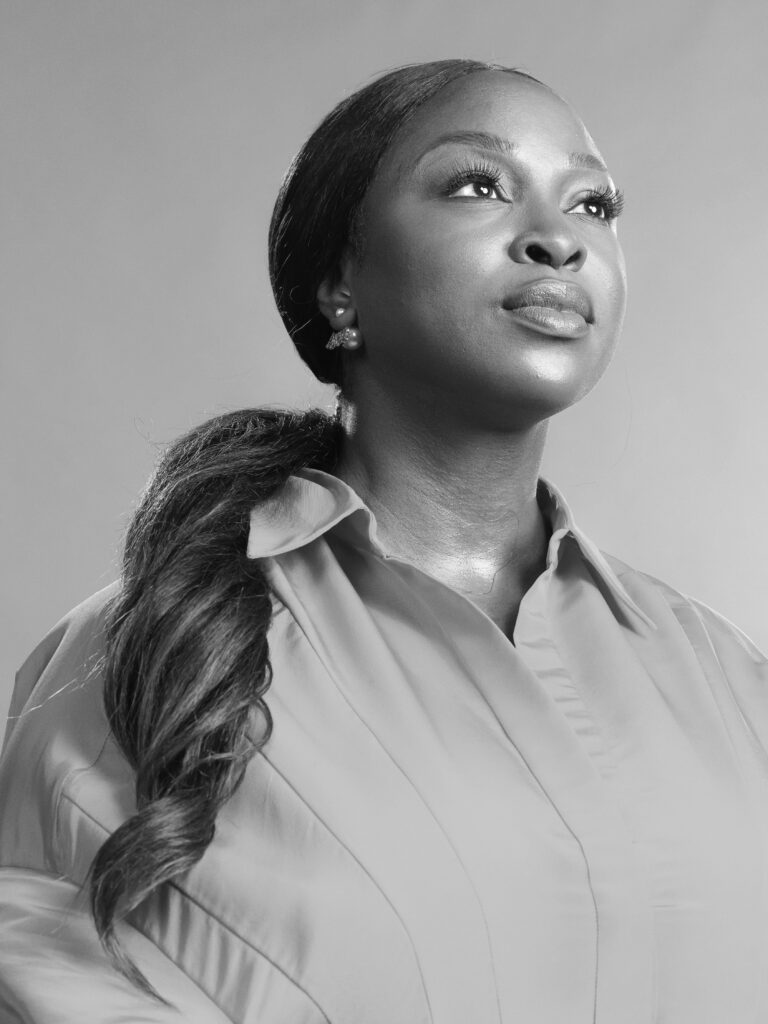
Age: 41, Job title: CEO & Co-Founder, Le Vitruve, Nationality: American, Based in: Dubai/Paris
What does being a woman in the Middle East give you that people often misunderstand or overlook?
Living in the Middle East gives you range. You learn early how to move between worlds – tradition and ambition, visibility and discretion, speed and patience. You understand that context matters, that timing matters, and that there is more than one way to lead or succeed. From the outside, this is often misunderstood as restriction. In reality, it builds perspective. You become more adaptable and more aware of people, culture, and nuance. It teaches you to read rooms, listen carefully, and act with intention. Over time, that becomes a real strength – not just socially, but professionally as well.
What does it demand of you – emotionally, socially, or professionally?
You learn when it’s important to speak up, when it’s better to listen, and when action matters more than words. That awareness doesn’t come from rules – it comes from paying attention to people, context, and timing. You’re expected to deliver, to earn trust through your work, and to stay grounded even when progress isn’t always visible. Emotionally, it requires resilience. You have to be clear about who you are and what success means to you, rather than measuring yourself against external expectations. Over time, that clarity becomes a source of confidence.
A stereotype about women here that you’re tired of correcting?
That women in the Middle East need to be given a voice. Women here have always spoken, led, and influenced their families, communities, and businesses – often in ways that weren’t loud or visible, but deeply impactful. As more women take on leadership roles and shape public life, their perspectives are harder to ignore. There is growing attention, recognition, and openness to listening. The shift isn’t about permission — it’s about visibility, access, and the willingness of institutions and audiences to truly hear what has always been there.
A rule, spoken or unspoken, that you’ve rewritten for yourself.
For a long time, there’s been an unspoken rule that you need to be liked before you can be respected. I’ve learned that this isn’t true. Chasing approval often leads to mixed messages, hesitation, or saying yes when you should say no.
Bridie Forster
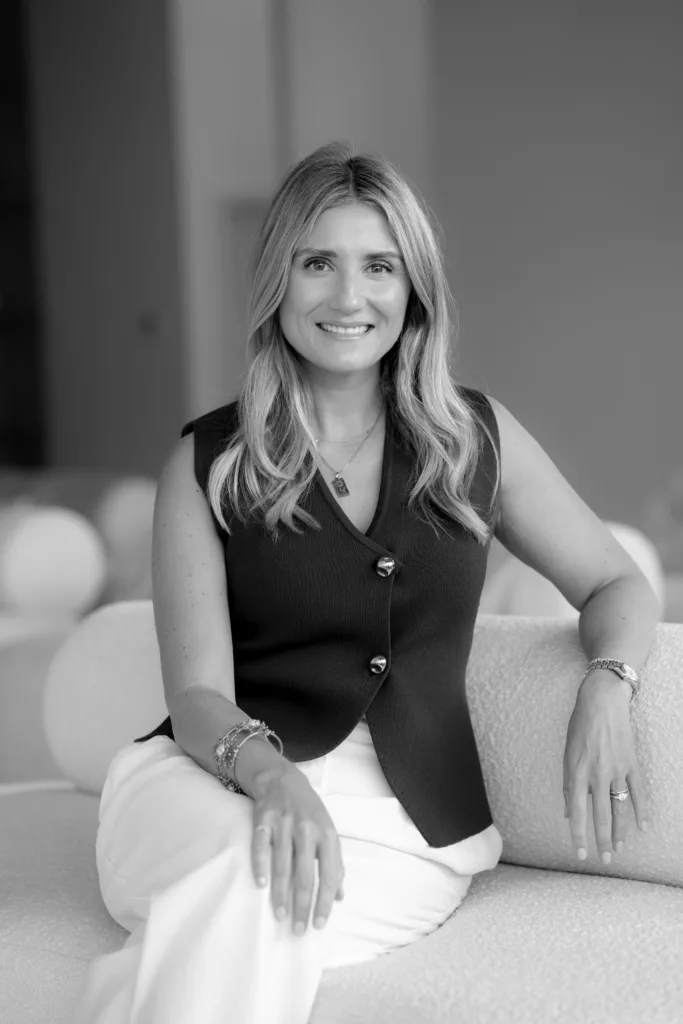
Age: 41, Job title: Founder of Bfore Agency, Nationality: British, Based in: Dubai
What does being a woman in the Middle East give you that people often misunderstand or overlook?
People often underestimate how progressive, globally minded and entrepreneurial women are in the Middle East. The women I know are founders, investors, creatives and decision-makers shaping industries and pushing boundaries every day.
What does it demand of you – emotionally, socially, or professionally?
It demands stamina and self-awareness. In a professional context, it demands knowing when to take an opportunity and when to let one pass. People asked me why I hadn’t started my own beauty PR agency sooner; I didn’t feel the timing of the beauty industry in the region was right, but now it has matured significantly and today the beauty industry is booming across the Middle East.
A stereotype about women here that you’re tired of correcting?
That women here are very sheltered or hyper-glamorous. The women I know here are building companies, managing capital, running families, shaping industries. They’re shaping the future of the region.
What do you hope the next generation of women here will inherit, and what should end with us?
I hope my daughter’s generation inherits normalised ambition. I want it to feel unremarkable for a woman here to run a company and still have a full personal life.
Her Highness Sayyida Basma Al Said
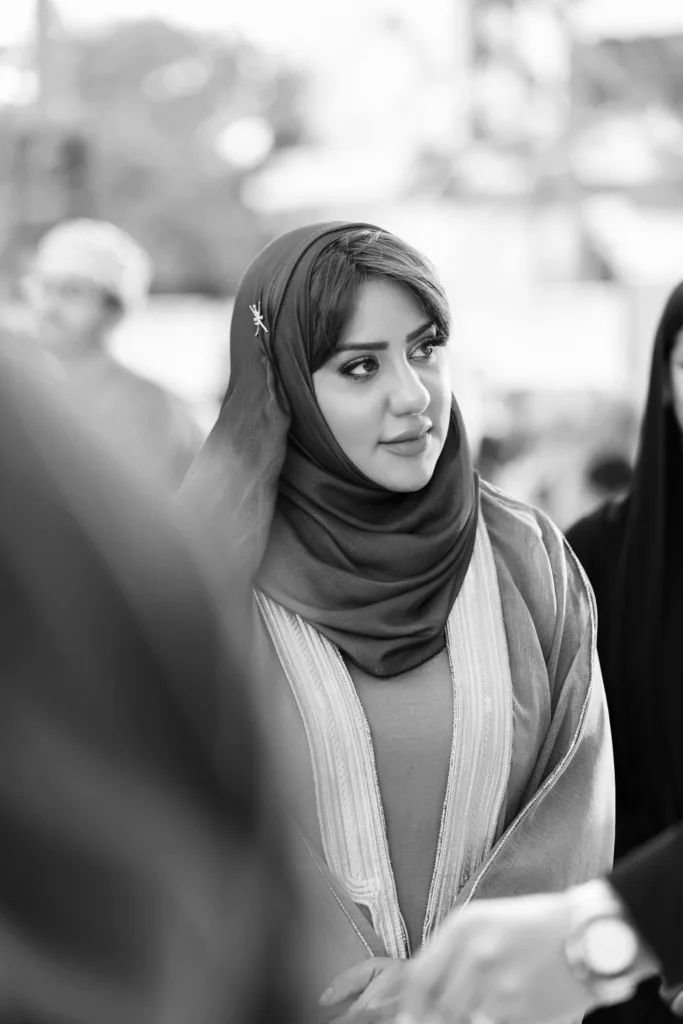
Age: 49, Job title: Specialist In Mental Health, PTSD Trainer, Founder Of Whispers Of Serenity Clinic, Head Of Not Alone Mental Health Awareness Campaign, Nationality: Omani, Based in: Muscat
What does being a woman in the Middle East give you that people often misunderstand or overlook?
When we talk about Middle Eastern women, there’s a constant narrative people seem to want to hold onto. They like the excitement of discussing us in a certain way – restricted or rebellious – and when that idea is challenged, it kills their vibe. But what it actually gives you is range. Most of us learn how to move through complexity from a very young age. We grow up navigating early family dynamics, ambition, tradition, public perception, and social codes all at once. That sharpens you. It teaches emotional intelligence, survival skills, and resilience. There is also something deeply powerful about the women’s network here. From the beginning of your existence, the closest circle is often women. You inherit powerful codes, stories from women you admire, and that deep, deep loyalty.
What does it demand of you – emotionally, socially, or professionally?
Constant collaboration and constant calibration. Emotionally, you learn to carry things without always making them visible. You’re expected to be strong, easy-going, ambitious – but not threatening. You’re told to be beautiful and composed, yet highly competent and productive. So you learn balance early. Often, you have to be twice as competent. Women are described as “half of society,” but we are also raising the other half. You are expected to manage, comfort, console, and perform – sometimes all at once. It isn’t just pressure. It’s performance. It’s the management of real life.
A stereotype about women here that you’re tired of correcting?
That we need to be saved. That we need to be empowered. I have grown out of the word “empowerment.” It frustrates me because it assumes power is something we lack and need to be given. I believe we are empowered from birth. For centuries, women here have carried responsibility, influence, and authority within their communities. When people, especially from the West, speak as if they are coming to rescue us, it erases that truth. It assumes we are passive or oppressed simply because we are traditional. What does tradition have to do with oppression? What does culture have to do with being powerless? Yes, historically there have been struggles – here and everywhere. But no society has fully resolved those struggles. The conversation should not be about one side saving the other. It is about being a woman – globally.
A rule, spoken or unspoken, that you’ve rewritten for yourself.
That I have to earn my choices by over-explaining them. I used to feel I had to justify everything – my career, my boundaries, my timings, my personality. I felt I needed to be perfect. With age, I’ve learned to let my decisions stand on their own. I no longer tie myself to those invisible chains – many of which were in my own head.
What kind of power are you still learning to claim?
Calm. And the power of taking up space without apologising for it — not only physically, but in conversations, leadership, and decision-making. The kind of power that does not ask permission or soften itself to be accepted. I am also still learning power within relationships. I used to want to fix everything and keep things smooth. But I’ve learned that being respected does not require being liked. That was a difficult lesson — and I am still learning it.
What is something you no longer apologise for?
Protecting my time, my energy, and my peace, even if it disappoints people.
Joelle Daaboul
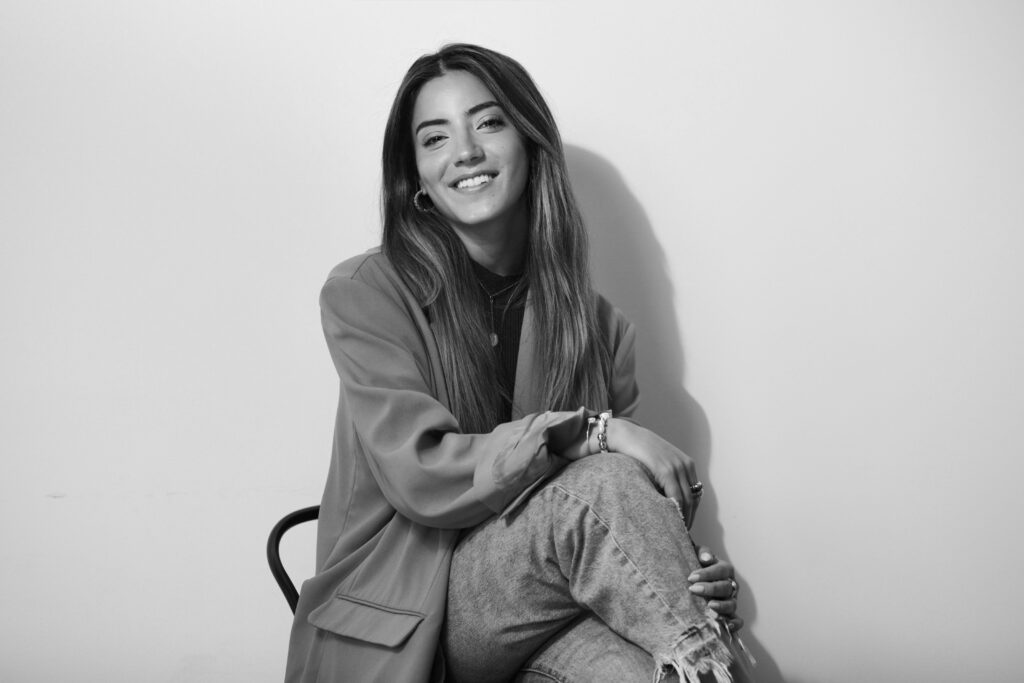
Age: 31, Job title: Brand Activations & PR Manager At Ounass, Nationality: Ecuadorian-Lebanese, Based in: Dubai
What does being a woman in the Middle East give you that people often misunderstand or overlook?
Depth. You grow up aware of responsibility early; to your family, your reputation, your ambition. It forces you to be intentional. People often assume women here are limited or sheltered, but what they miss is how strategic and self-aware many of us become. You learn to move carefully but confidently. When you act with integrity and good intention and are not constantly chasing the outcome, the result is usually stronger. A lot of us, me included, share the success but rarely speak about the pressure or struggle behind it. That discipline is not always visible, but it is real.
What does it demand of you – emotionally, socially, or professionally?
The constant balance of pursuing the concept of success, while also managing your personal life in a way that feels fulfilling. There is pressure to excel professionally but not at the cost of relationships. To be independent but not intimidating. That calibration can be exhausting at times. Over time, I have realised that learning to speak up and finding your voice is essential. You cannot set boundaries if you are more concerned with how you will be perceived than with what you need.
A stereotype about women here that you’re tired of correcting?
That if a woman’s life looks comfortable, it must be easy. What people don’t see is the pressure, expectation, and discipline behind it.
A rule, spoken or unspoken, that you’ve rewritten for yourself.
That I have to fit into one role at a time. I have learned that I can be ambitious, personal, emotional, and disciplined all at once.
The most repeated word Across All interviews? Choice
Nazzy Beglari-Scarlet
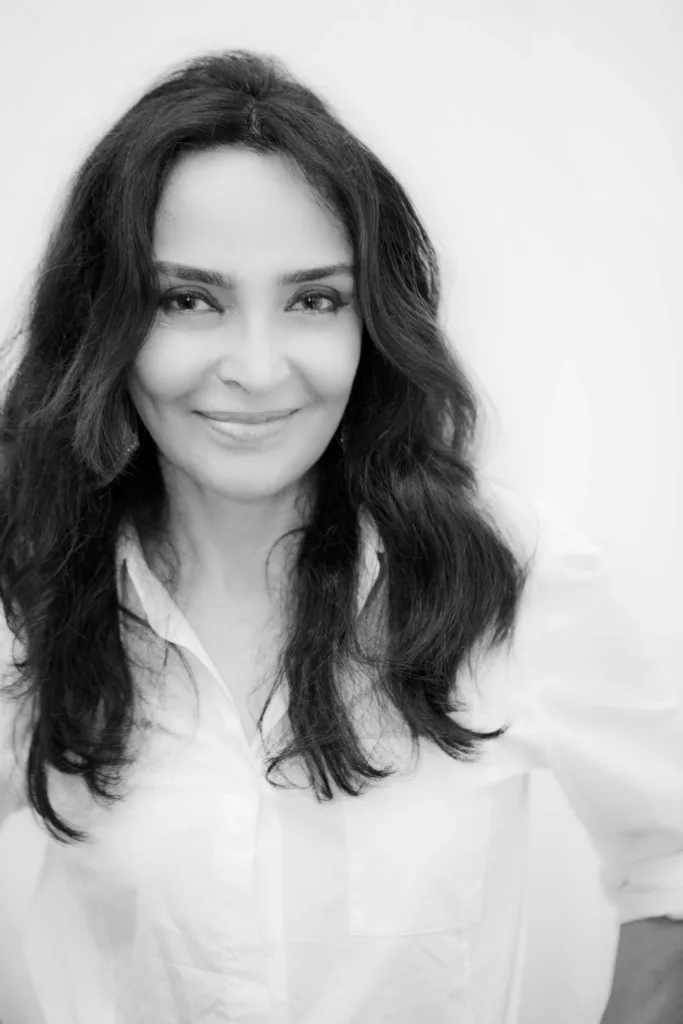
Age: Ageless, Job title: Journalist, Author & Designer, Nationality: American, Based in: Abu Dhabi/NYC
What does being a woman in the Middle East give you that people often misunderstand or overlook?
One thing that has always impressed me is the respect Emirati men show women
regardless of their nationality. In the first couple of years of living in UAE I was stopped by traffic police. I was pleasantly surprised how respectful the police officers were. “Just be more careful next time,” the officer told me.
What does it demand of you – emotionally, socially, or professionally?
Being a multicultural woman – Iranian, American, Georgian and Azeri – I’m shaped by different values, languages and traditions. Sometimes I think I have a schizophrenic identity. But I’ve learned how to navigate different societies and cultures. I find part of me in the region, another part in the US and Mexico. Abbas Kiarostami, the late Iranian filmmaker, gave me a valuable life lesson: focus on similarities between cultures rather than differences. This advice has guided me to feel at home no matter where I live.
What do you hope the next generation of women here will inherit, and what should end with us?
I have high respect for the Gen Z and Alpha generations. They have one foot in tradition and another in tech. They are independent, curious and strong. I hope they don’t depend too much on A.I. and keep their mind and critical thinking active.
A stereotype about women here that you’re tired of correcting?
Some westerners tend to define women of the Middle East solely by their headscarf or modest fashion. I’d like to quote Queen Rania of Jordan, “The scarf doesn’t cover the brain, it covers the hair.” When do you feel most yourself? When I travel and when I have new ideas.
Containing Multitudes
83% speak about tradition and ambition co-existing
50% discuss motherhood alongside leadership
33% reference faith or spirituality as grounding
Neda Shahzadeh
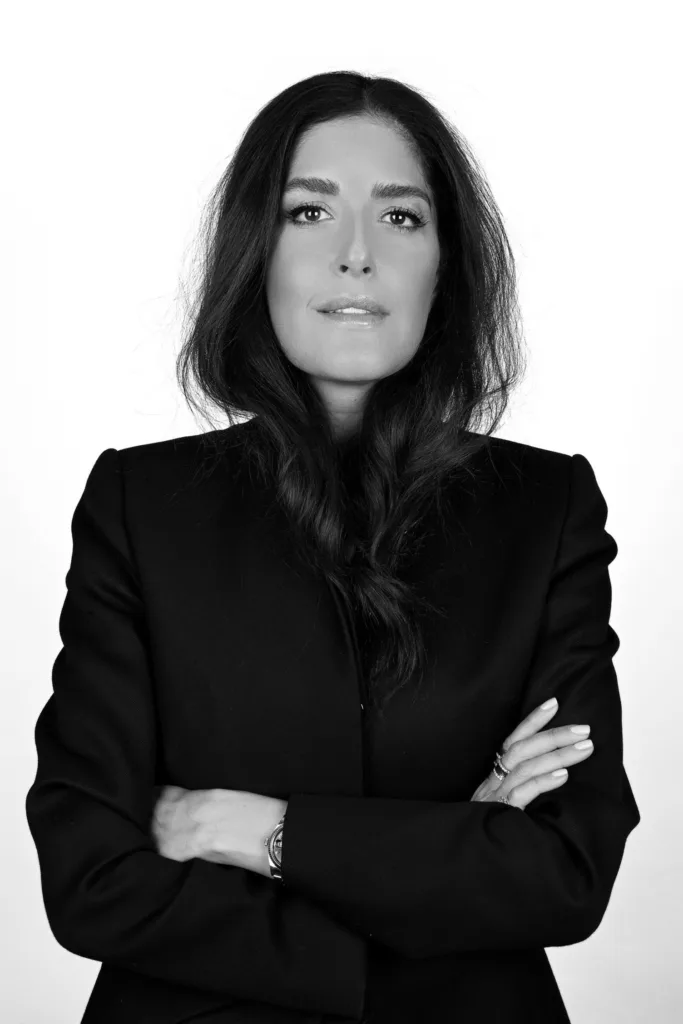
Age: 45, Job title: Creative Consultant, Fashion & Art, Nationality: British-Persian, Based in: Doha
What does being a woman in the Middle East give you that people often misunderstand or overlook?
People from outside are often surprised by the large number of women who hold important leadership positions in government, business, and culture, all while staying true to their roots in family and tradition. What’s really interesting is the balance that these women maintain between being ambitious and diplomatic, strong and soft. This ability to balance opposing forces is a real source of power.
What does it demand of you – emotionally, socially, or professionally?
Emotional intelligence. You must read rooms carefully and respect cultural layers while still asserting your vision. Professionally, it requires excellence. Socially, it calls for adaptability and cultural fluency. As a British-Persian woman living in Qatar, I’ve learned that navigating identities is not a challenge, but a skill.
A stereotype about women here that you’re tired of correcting?
The notion that women in the Middle East are powerless is not only oldfashioned, but it’s also misinformed. I can tell you that they’re making big decisions, investing in businesses, creating amazing art, starting their own companies, and even helping to shape policies.
A rule, spoken or unspoken, that you’ve rewritten for yourself.
Respect for different culture and adaptability. You don’t have to pick between respecting where you come from and being true to yourself. You can honour your roots while still growing and changing as a person. Being open to different cultures and able to adapt isn’t something that holds you back – it’s actually a strength.
Shargeeya
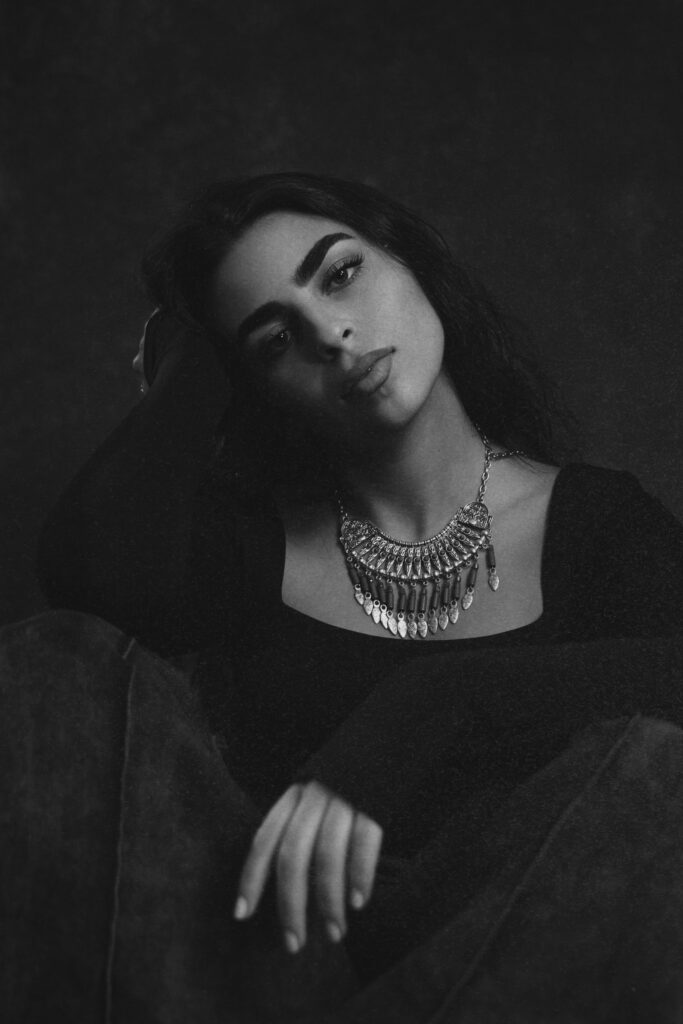
Age: 23, Job title: Singer-Songwriter, Nationality: Saudi, Based in: Jeddah/Eastern Province
What does being a woman in the Middle East give you that people often misunderstand or overlook?
I think it gives you nuance. You grow up very aware of layers, family, tradition, ambition and you’re constantly learning how to move between them without losing who you are. From the outside, it can look restrictive. But what people don’t really see is the emotional depth and resilience that comes from navigating that in-between space all the time.
What does it demand of you – emotionally, socially, or professionally?
It asks you to be intentional. You grow up learning how to move through expectations without completely losing yourself in them. There’s always an awareness that you’re part of something bigger than just your own story. And professionally, especially in music, I feel a responsibility to express myself honestly but in a way that still feels rooted in where I come from.
A stereotype about women here that you’re tired of correcting?
The idea that we’re either oppressed or suddenly empowered. It’s never been that simple. There’s always been strength here, it just hasn’t always been as loud, or packaged in a way that feels familiar to the West.
A rule, spoken or unspoken, that you’ve rewritten for yourself.
For a long time, I felt like I had to choose between being culturally rooted and being global. I’ve realised I don’t. I don’t have to separate those parts of myself. They can exist together.
What do you hope the next generation of women here will inherit, and what should end with us?
I hope they inherit a sense of ease, the ability to move through life and create without feeling like they have to justify themselves all the time. And maybe what should end with us is that constant need to explain who we are.
When do you feel most yourself?
When I’m creating. Especially on stage. It’s the one place I don’t overthink, I just exist in the energy.
What is something you no longer apologise for?
I no longer apologise for being ambitious, for wanting a life that holds both softness and power, or for being feminine and driven at the same time.
Farah Zafar
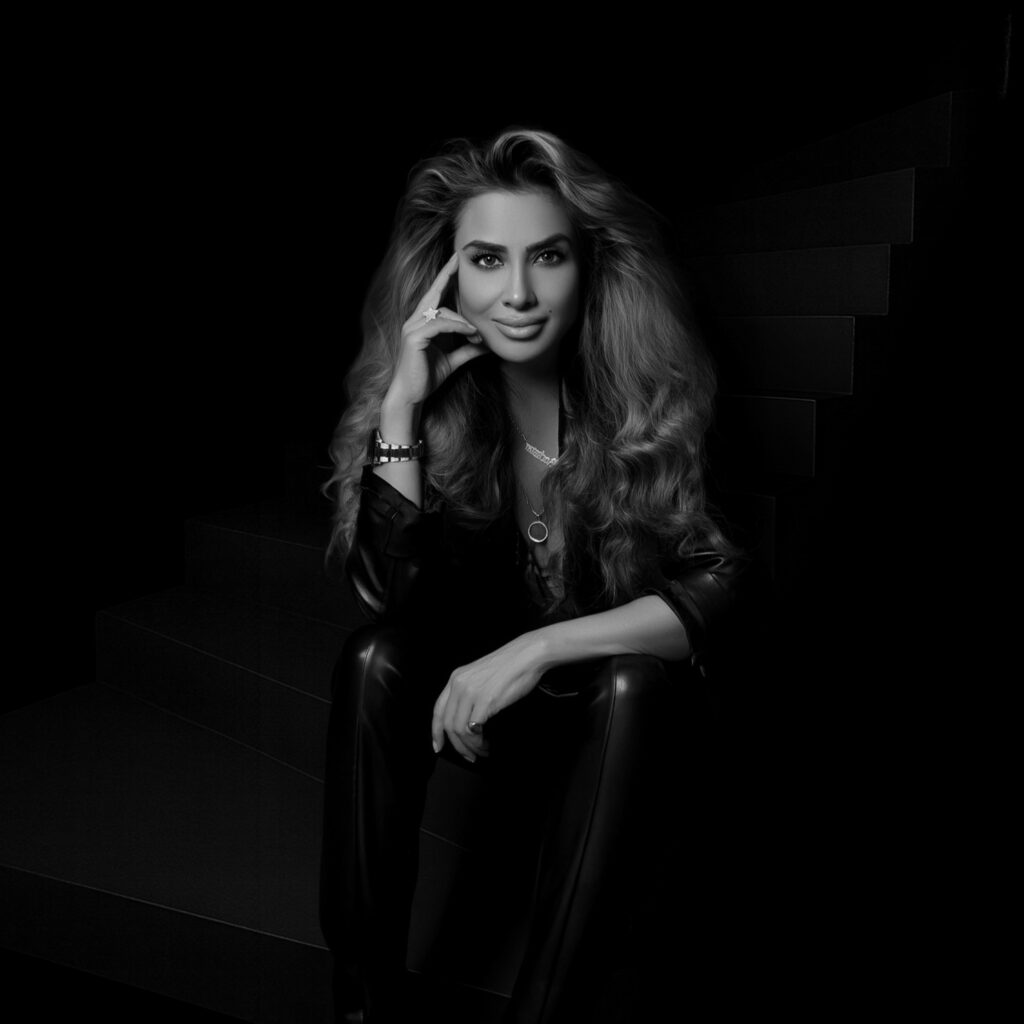
Age: None of your business 🙄, Nationality: British, Based in: Dubai, Occupation: CEO & Co Founder Lyvely/MD & Chief Legal Officer Phoenix Group PLC
What does being a woman in the Middle East give you that people often misunderstand or overlook?
The Middle East is often misunderstood as restrictive for women, but my experience has been the opposite. There is a deep cultural respect for women here, socially, intellectually and professionally – that people outside the region don’t always see. What this region shows us is that ambition and tradition don’t have to compete but can co-exist beautifully. You can be modern without losing identity, ambitious without losing grace.
What does it demand of you – emotionally, socially, or professionally?
Today, it demands alignment in a way previous generations never experienced. With the rise of technology and social media, your professional life, personal identity and public presence no longer exist in separate spaces – they exist simultaneously and visibly. If you have a mission or a vision, you are expected to express it publicly, stand behind it consistently and live it in real life. That can be incredibly powerful but also emotionally draining. The real challenge is learning how to effectively hold those three worlds – professional, social and emotional – in balance, without losing your authentic self in the process. Because in a hyper-connected world, leadership isn’t just what you build – it’s who you are, everywhere, all at once.
A stereotype about women here that you’re tired of correcting?
That happiness can only be derived from marriage, children, and a perfectly timed life plan. Some women build families. Some build companies. Some build movements, but many build all three and they do it with grace, resilience and ambition. True empowerment is not conformity; it is a choice. It is the ability to design a life that reflects who you are, not what society expects you to be, and having the freedom to define your own, without apology, cultural pressure or explanation.
A rule, spoken or unspoken, that you’ve rewritten for yourself.
The idea that ambition requires sacrificing integrity and values. I was raised by a father that taught me that loyalty, humility, honesty, and respect are non-negotiables. I am living proof that keeping your integral values are not obstacles to long-term success (they may impact short-term success), because without integrity, success is fragile and ultimately empty. For me, the rule I have rewritten is simple: ambition, integrity and my core values are not opposite and co-exist… because no achievement is worth gaining if you have to lose your soul to reach it. As Rumi says, “Do not sell your soul in exchange for anything. This is the only thing you have brought into this world, and the only thing you can take back.”
What kind of power are you still learning to claim?
The power of stillness. My life moves at lightning speed, and for a long time I equated motion with progress. But I’m learning that true clarity comes from pause, reflection, prayer and quiet perspective. We are entering an era defined by speed, AI and relentless change, yet the greatest risk is losing our connection to ourselves and to each other. For me, moments of quiet reflection allow ambition to remain guided by the power of the universe. They ensure that leadership is not reactive, but conscious.
What do you hope the next generation of women here will inherit, and what should end with us?
I hope they inherit humanity – and the confidence to lead with it. We are entering a moment in history where technology is accelerating faster than our emotional evolution. The real question is not whether technology will advance, because it will, but whether humanity will advance alongside it, and it is the duty of each and every one of us to lead with humanity and kindness.
Imagery supplied
From the Harper’s Bazaar Arabia March 2026 issue
