
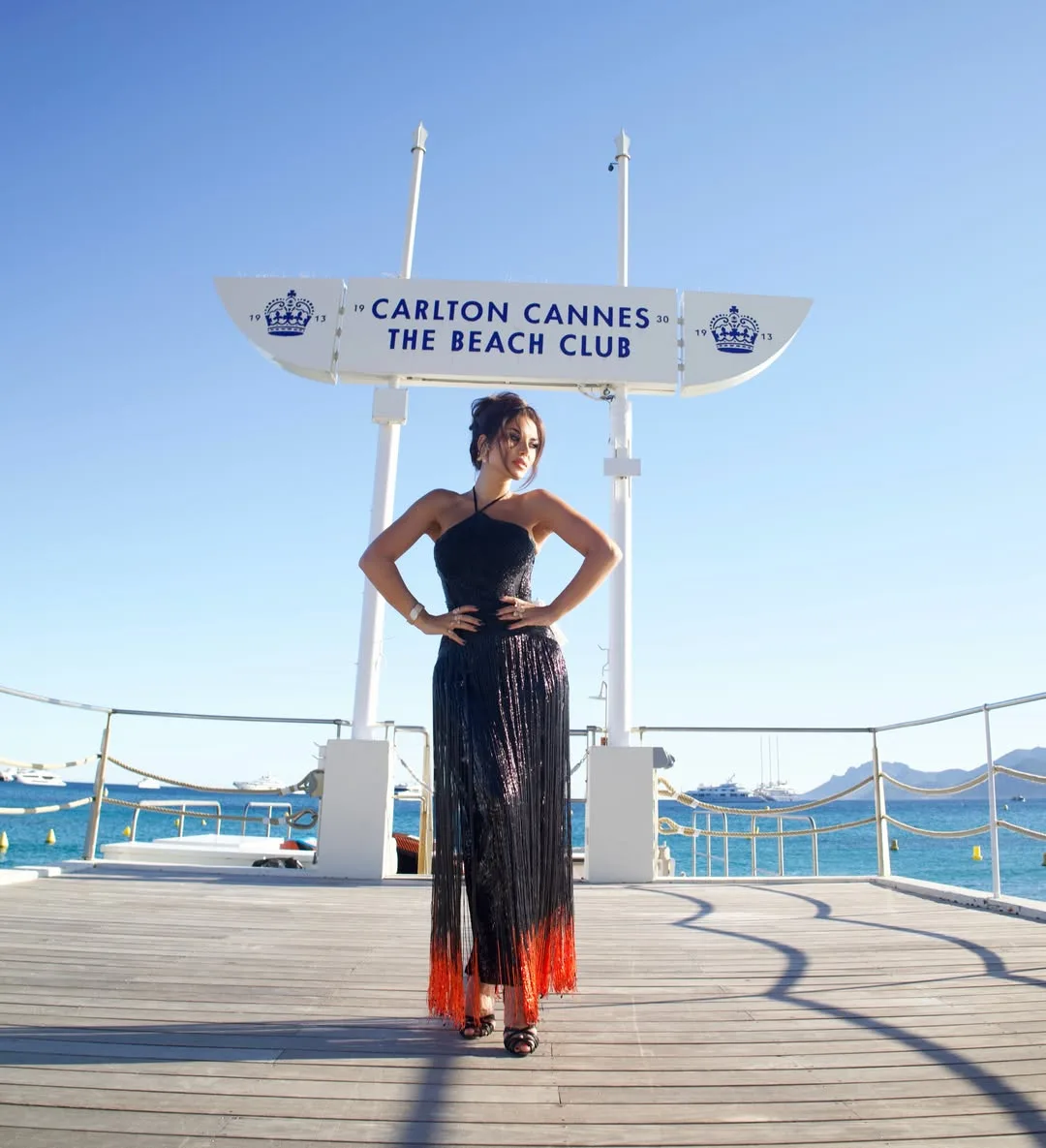
Nojoud Alrumaihi On The Cultural Importance Of Wearing Arab Designers On The Cannes Red Carpet
Nojoud Alrumaihi shares why she has chosen to spotlight all-Arab brands while attending the Riviera’s most iconic event for fashion and film
Every year, the Cannes Film Festival transforms into far more than a cinematic celebration. It becomes a global intersection where film, culture, economics, and image-making converge. Over the past few years, Arab presence at Cannes has evolved beyond ceremonial participation or regional representation; it has become a powerful cultural and visual force reshaping the region’s position within the global fashion industry.
Today, the red carpet is no longer simply a moment of visibility. It is a strategic platform for cultural influence. In the age of digital media, a single appearance can generate millions of impressions, influencing industries tied to fashion, jewellery, beauty, and even luxury tourism. Industry reports estimate that Cannes alone generated over $101 million in media impact value for luxury brands during one of its recent editions through digital coverage and social media exposure.
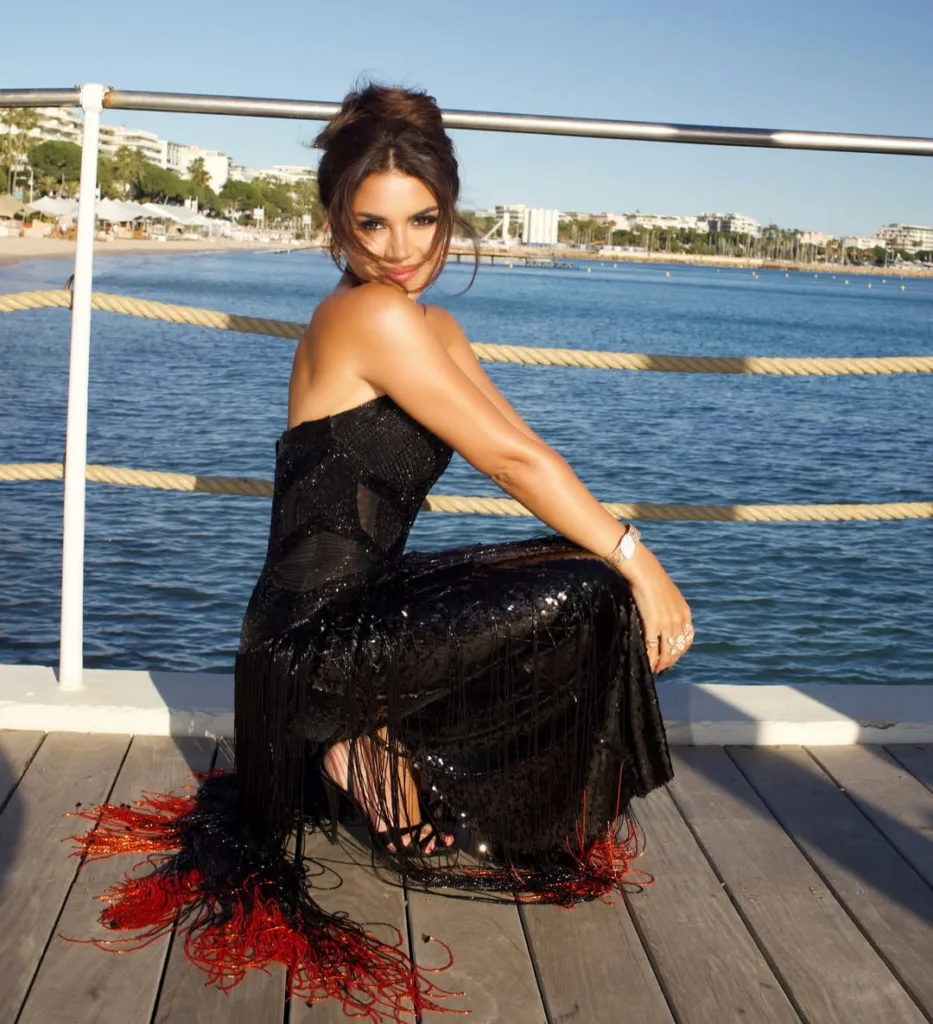
Within this transformation, Arab designers have emerged as some of the most influential names on the international red carpet. Designers from Lebanon, the Gulf, and the wider Arab world have established themselves alongside major global fashion houses, not only through visually striking creations, but through presenting a complete visual identity rooted in the culture and craftsmanship of the region.
Economically, this presence is no longer detached from the movement of the global market. Reports on the luxury sector indicate that the Gulf region has become one of the fastest-growing luxury markets worldwide, while the Arab consumer has evolved into both a cultural and economic force influencing how international brands position themselves within the region. Gradually, the Middle East is shifting from being viewed merely as a consumer of fashion to becoming an exporter of taste, trends, and creative direction.
This shift has directly impacted the global demand for Arab designers, particularly within haute couture. Arab fashion has become internationally associated with exceptional craftsmanship, intricate embroidery, and the dramatic visual storytelling demanded by major events such as Cannes, the Oscars, and the Met Gala. The appearance of an Arab design on a global platform is no longer perceived as regional representation alone, but as evidence of a rising cultural soft power redefining modern luxury.
For that reason, my choice of designers during Cannes carried a deeply personal and cultural message. Kuwaiti designer Huda Aljarallah represents a new generation of Gulf creatives balancing contemporary femininity with authentic Arab visual identity. Her work reflects a refined sense of luxury rooted in subtlety and precision rather than excess.
Meanwhile, Rami Kadi has become one of the most internationally recognised Arab couture designers by transforming fashion into a multidisciplinary artistic experience where technology, fantasy, and couture coexist in a distinctly modern Arab narrative. His global relevance stems not only from beauty, but from his ability to create a contemporary design language that competes internationally while remaining connected to its roots.
Similarly, Abbas Harajli represents a vision centered around craftsmanship and architectural construction in fashion, reflecting one of the defining strengths of Lebanese couture, a school of design that has influenced global eveningwear and haute couture for decades.
As someone deeply invested in fashion and present within international fashion platforms, I have always believed in carrying an Arab narrative through art and design. Today, wearing Arab designers is no longer simply a stylistic choice; it is a statement and a responsibility. Fashion and art have become forms of modern cultural diplomacy, and what we choose to wear on global platforms contributes to shaping the international perception of our region, our creativity, and our ability to compete on a global stage.
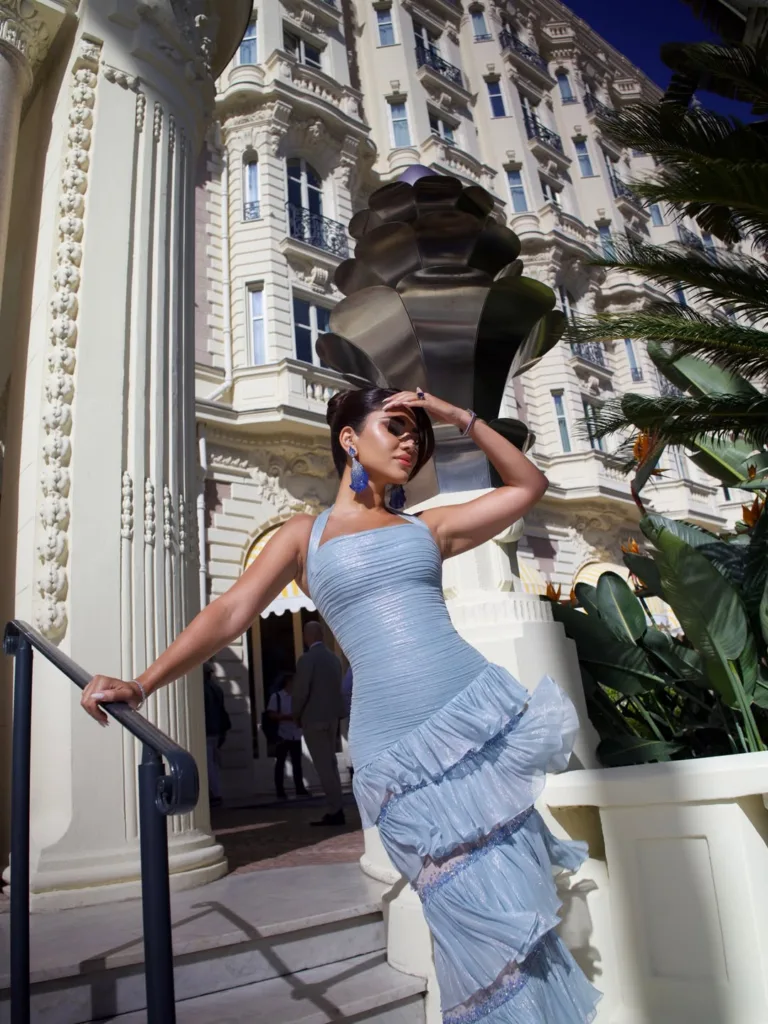
What is equally remarkable is that Arab presence at Cannes now extends far beyond fashion alone. Arab cinema, production, and cultural storytelling have become increasingly visible throughout the festival, reflecting the growing global interest in narratives emerging from the region amid expanding investments in fashion, entertainment, and creative industries across the Middle East.
Ultimately, what we are witnessing today goes far beyond fashion in its traditional sense. We are witnessing the rise of a new Arab cultural movement, one where soft power is built through image, craftsmanship, and storytelling. The red carpet is no longer simply a place for appearances; it has become a space where identity, culture, and modern Arab excellence are being redefined before a global audience.
In this evolving international landscape, “Arab Excellence” is no longer a celebratory phrase. It is becoming an economic, cultural, and artistic reality confidently taking its place on the world’s most influential platforms.
Imagery courtesy of Instagram / @nojoud_alrumaihi
