
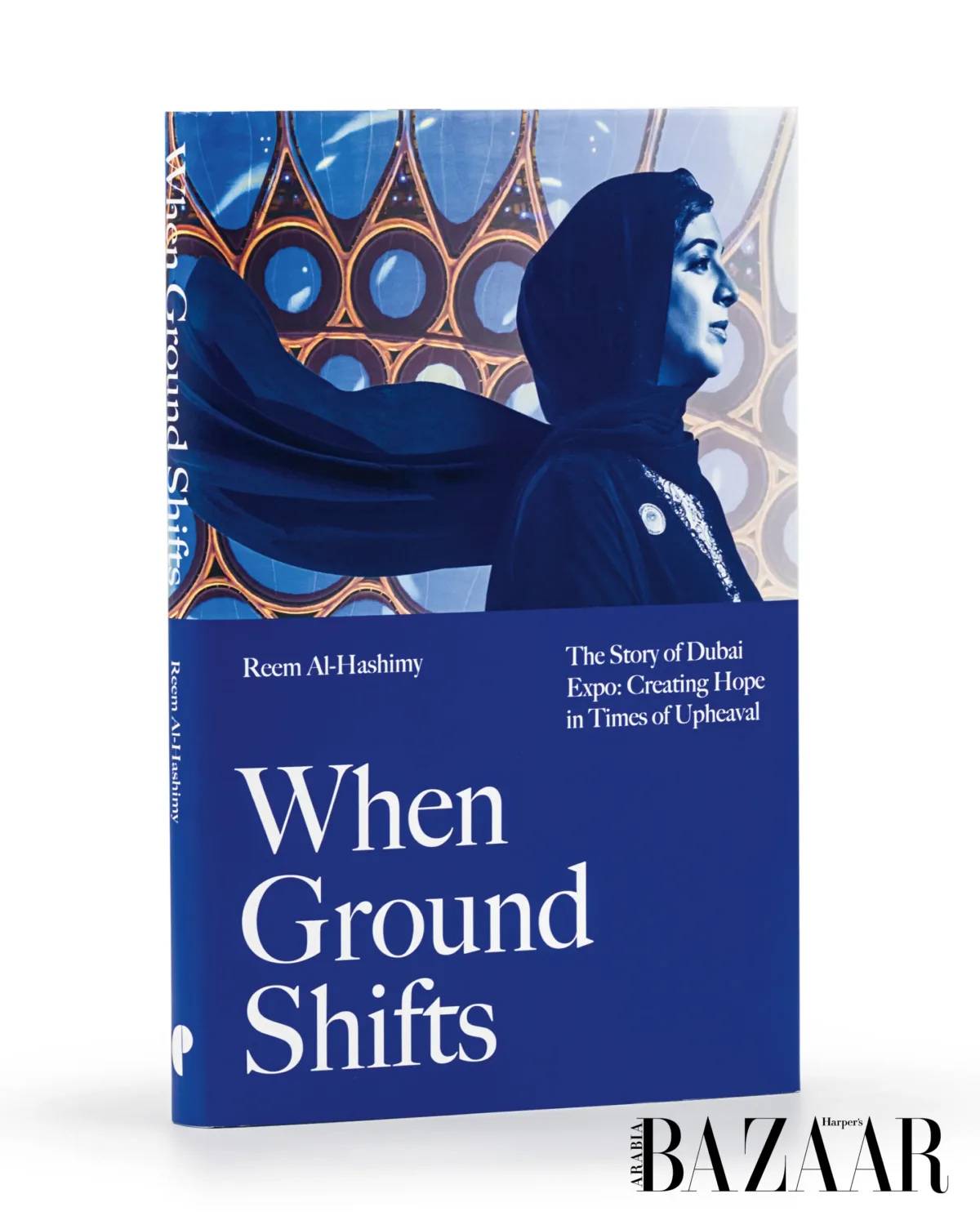
“I Know In My Heart That We Are At A Pivotal Moment”: Her Excellency Reem Al-Hashimy’s New Book Explores How To Thrive In Dark Times
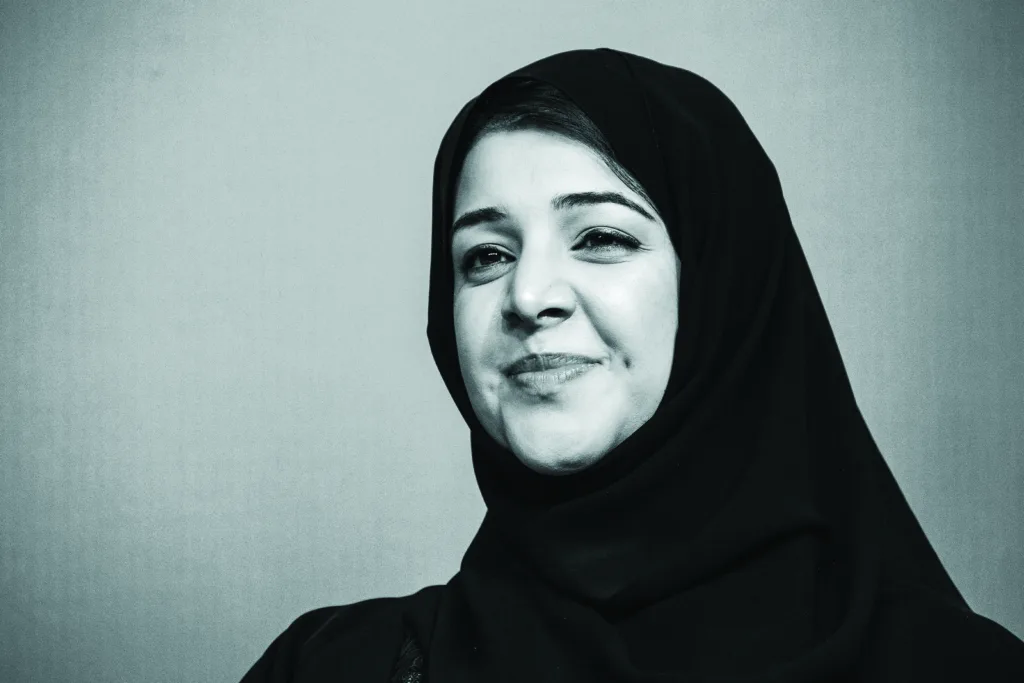
Her Excellency Reem Al-Hashimy Gives Us Rare Behind-The-Scenes Access To Her Personal And Professional World In The Just Released When Ground Shifts. As The Uae’s Minister Of International Cooperation, This High-profile Emirati Trailblazer Not Only Spearheaded The Success Of Expo 2020, But Is At The Heart Of Diplomatic Negotiations And One Of The Foremost Figures Representing Her Country On The Global Stage. In These Exclusive Excerpts From Her Book, We Hear From Her Excellency About Both The Triumphs And The Trials She Encountered – And Continues To Try And Conquer – During Her Storied Tenure.
When in 2011 we made our case to host Expo, it was still taken for granted that the hosting of major international events – like the hosting of international institutions – was dominated by the western world. We painstakingly had to prove our capacity and our right to host this event, nearly two centuries after its introduction as an institution for the sharing of ideas and innovation between nations. We fought hard for the opportunity. And when we won, we were determined to do it differently to any country before us. We went on to stage the most inclusive and dynamic Expo ever seen, reviving the institution within the process, all within our first 50 years of existence as a nation and in the teeth of an unprecedented global pandemic. We built a new city that was a microcosm of the world as it could be: holding out the vision of a peaceful future for our region and a different model for international affairs.
We did this because we believe in a positive path forward for the Middle East and for the world: one based on dignity, respect, tolerance, inclusion, diversity and more equitable ways of working. This holds true despite the dangerous pressures building – and surfacing – within the international community like rivers of molten lava, and indeed it is made more urgent by the very tensions that currently cast such an intense shadow over our shared future. However hard the task, we need to build bridges, generate consensus and restore trust (or create it where it has not existed before), in order to promote peace, openness, coexistence, cooperation and development.
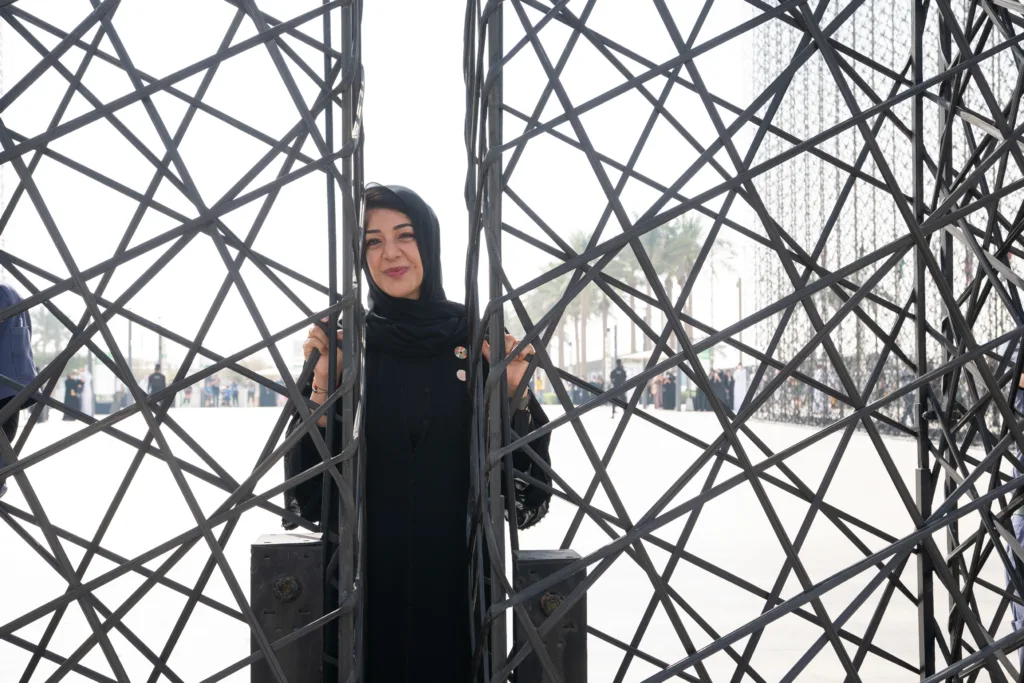
The result, Dubai Expo 2020, was a short-lived but intense period of hope and optimism. People from a vast range of backgrounds responded to the vision the UAE presented and to the opportunity of standing together as nations on an equal basis.
Furthermore, the city we built is still with us today: a vibrant experiment in new urban living that is environmentally, socially and economically sustainable. It is a place where we still seek to foster innovation, learning and collaboration: a hub for new ways of finding solutions to the challenges humanity faces. In 2023, the city hosted COP28, the most successful UN Climate Change Conference in decades, agreeing a fund to help vulnerable countries pay for climate-related damage – nearly 30 years after the idea was first presented – and pledging, for the first time, a ‘just, orderly and equitable’ global transition away from fossil fuels. This is the legacy of Expo: a lasting community built around cooperation, committed to the idea that we can do things differently, and that we can do it together.
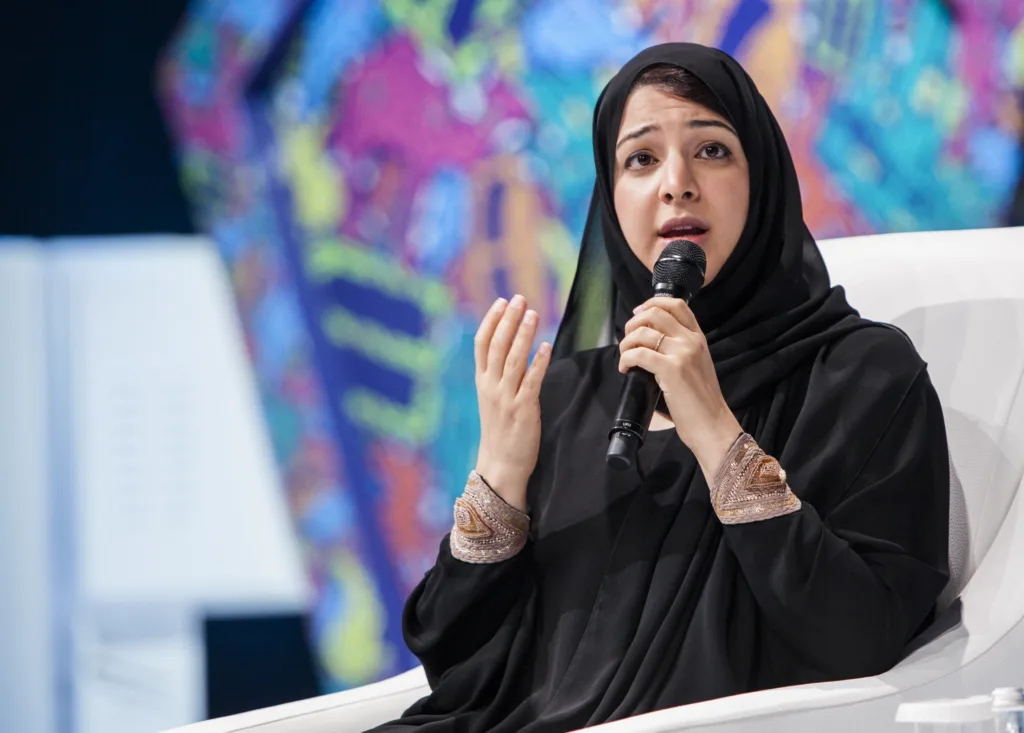
Sadly, the afterglow of Expo was short-lived. War and conflict have intensified once more in our region, which faces perhaps the most dangerously precarious period of my lifetime, with ramifications that are more consequential than ever before. The war in Gaza has led to civilians being killed at a faster rate than in any other modern conflict and has dragged the Middle East onto the precipice of broader conflict. At the time of writing, the war in Sudan has displaced more than 11 million people.
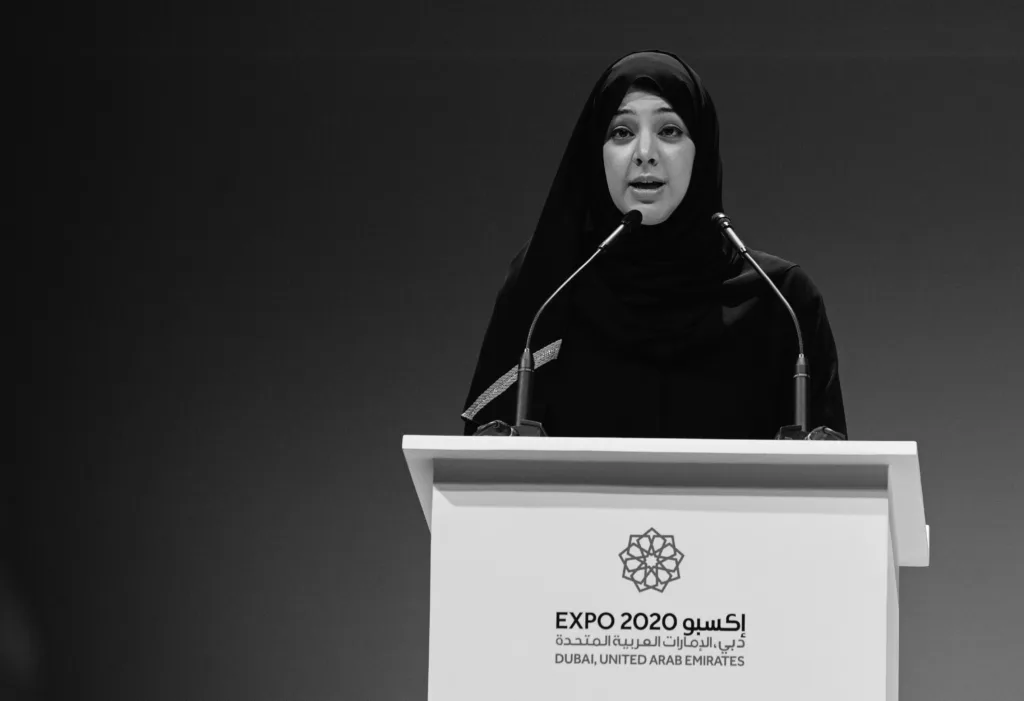
The war in Ukraine has broadened and deepened in scope. The arrival of freely and widely available A.I-powered digital tools has accelerated fears of a world swamped by misinformation and false narratives. The fragility of collective solidarity and of the international security architecture has been exposed. Trust is in short supply, and pressure is building up along global fault lines. Lenin is credited with having said that ‘there are decades where nothing happens; and there are weeks where decades happen’. This book was written during one of the latter periods. I know in my heart that we are at a pivotal moment: the lives and wellbeing of future generations will be determined by decisions being made as I write these pages. The kaleidoscope is being violently shaken, and the pattern that will emerge is still unclear. As we face the credible prospect of dark times ahead, it is easy to stop believing in the dream of progress. But now more than ever, we need to retain hope. At moments of upheaval, it is up to us – as individuals, as nations, as humanity – to shape the way the ground shifts, for the better. We have no choice; if we don’t hope, we stand still. Believing that things cannot change for the better will only hold us back.
I hope our story will inspire innovators and problem solvers of the next generation. Wherever you are born, there are countries and cities like ours that see your true potential and want to work with you. I hope it will also encourage other young women. If you are reading these pages and wondering, ‘Could I, might I, lead?’, the answer is yes. When I presented our case for hosting Expo 2020 to the Bureau International des Expositions alongside candidate nations from Europe, South America and Asia, I was the only woman to speak on behalf of their country. I am still one of the few women ever to have had the opportunity of leading a mega-event. But I have lost count of the young women I have met who could do the same – and more – if given the same chances, and if helped by others as I was.
I also hope this book will help anyone facing an uphill struggle, or fighting to achieve another ‘first’, in their own lives or for their country. We are not victims of our circumstances, or prisoners of the past, hard as the reality and legacy of our varied experiences may be. First and foremost, we are victims of our mindset. We have to be ambitious about the future: propelled forward with a sense of urgency; conscious of our strength and ingenuity; with the humility to recognise that we are all a work in progress; and, like mountaineers, always restlessly searching for the next peak to climb.
My message to anyone striving for dignity and peace and development is that, if we can succeed, so can you. You can chart your own path, find your own partners, and celebrate your independence of thought and your identity, as we did, whether you are an individual or working within a group or striving as a nation. You can design your own destiny, and it doesn’t need to be blessed by anyone else or meet any other standards than those to which your own people aspire. Be very proud of who you are, seek no permission from anyone, believe that you can do it, and forge the partnerships that make most sense for you and yours and that help you to achieve your collective goals. And if the fixed obstacles, the entrenched attitudes or the practical difficulties seem insurmountable, remember all the other transformations that have gone before, and take comfort in the fact that the world – like the ground beneath our feet – is constantly shifting.
Images Supplied
From Harper’s Bazaar Arabia September 2025 Issue.