
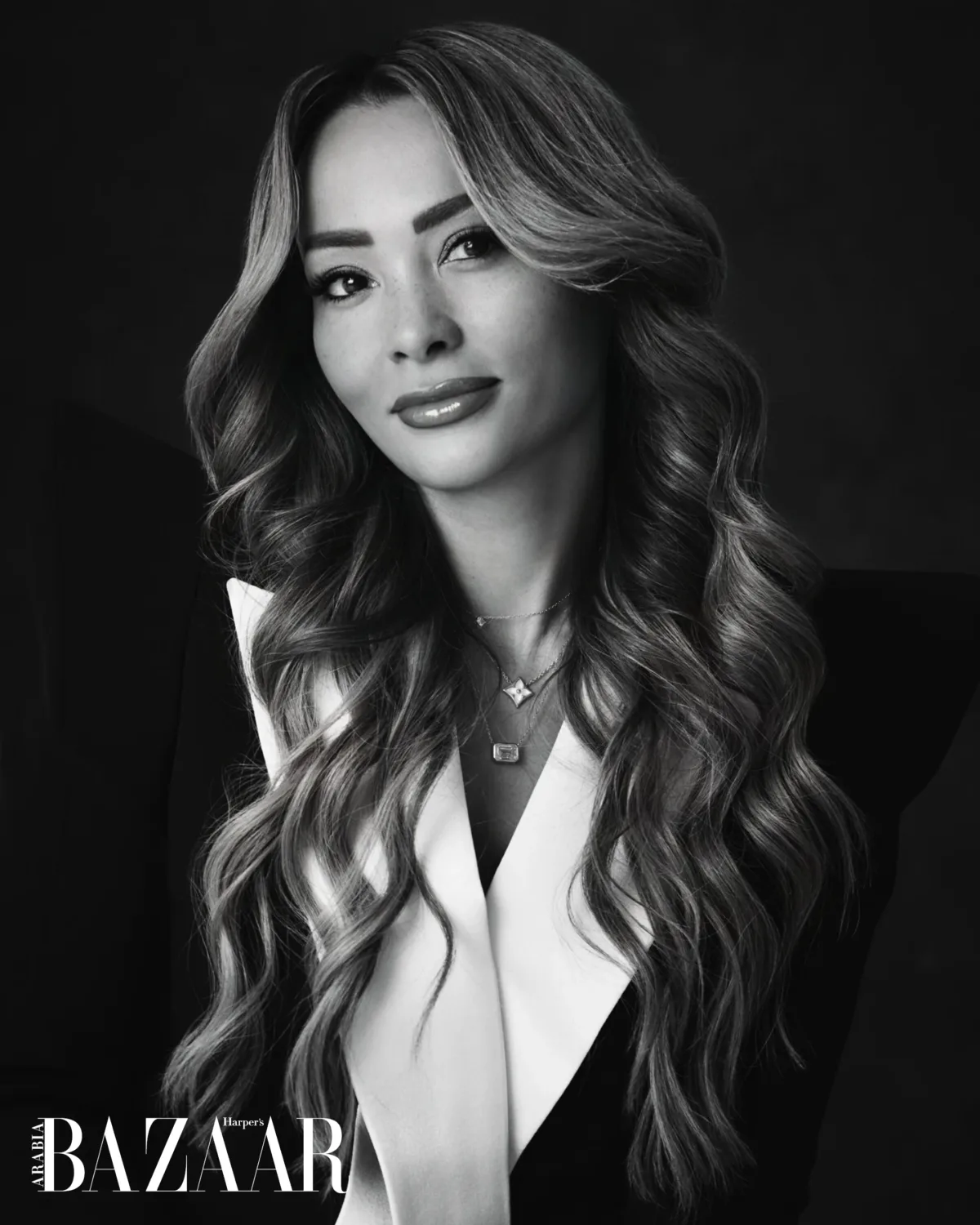
Ruwaida Abela Northen On The Heaviness Of Losing Weight
Ruwaida Abela Northen’s weight loss journey revealed the truth about how people treated her – and uncovered far more than just a lighter body
Beauty is a strange thing. We like to pretend it’s harmless. Personal. Superficial. But beauty is never neutral. It changes how you’re treated, how you’re heard, how much grace the world extends to you. To deny that is dishonest.
I know this because I’ve lived on both sides of it. There was a time when I weighed over 130 kilos. I say that plainly, without drama or apology, because it’s simply a fact. And because pretending numbers don’t matter is one of those polite lies we tell ourselves. They do matter. Not medically. Not morally. But socially.
It’s unsettling to realise how much the world responds to aesthetics. Beauty is a currency you don’t always consent to using. It buys you access, but it also comes with expectations. Be pleasant. Be grateful. Be presentable. Don’t waste it. Don’t age too loudly. Don’t let it go.
And then there’s the resentment. The quiet dismissal. The assumption that beauty negates substance. That if you’re attractive, you must have had it easier. That your success is somehow less earned.
Beauty giveth, and beauty taketh away. What we rarely talk about is how exhausting it is to be visible all the time. To be assessed constantly. To feel watched. Beauty can feel like armour, but armour is heavy.
At this stage of my life, beauty matters less as an asset and more as a choice. The choice to engage. The choice to be seen. The choice to opt out.
True beauty, I’ve discovered, is agency. It’s deciding when appearance matters and when it doesn’t. When to lean into it and when to disappear entirely. When to enjoy it and when to ignore it. Being overweight teaches you things very quickly. Like how people can look straight through you while still feeling perfectly entitled to have opinions about your body. How you can be invisible and hyper-visible at the same time. Overlooked professionally, yet discussed personally. Ignored in rooms, but somehow never left alone. No one asks how you got there. They just decide what it says about you.
When I had the gastric sleeve surgery and shed over 70 kilos, it wasn’t about vanity. It wasn’t about being thin. It was about me taking control of my life and healing from past trauma that got me there in the first place. About finally having one thing I could manage when everything else felt chaotic. And the moment my body began to change, the reaction was immediate. Praise. Approval.
The most jarring part of ‘becoming’ beautiful isn’t the attention, it’s the sudden politeness. The patience. The way doors open faster. The way people assume competence, kindness, even intelligence, simply because you look a certain way.
That’s the part we don’t like to admit. The world rewards a certain aesthetic. I was treated as more competent. More interesting. More worthy of space. Same brain. Same experience. Same woman. Different body.
Lead Image Supplied
From Harper’s Bazaar Arabia May 2026 Issue.