
Sabyasachi Takes New York: Craft, Culture And A New Chapter
Returning to New York after twenty years, Sabyasachi Mukherjee presented a collection rooted in India but designed for a global luxury customer, with more than a few clues for where the house could go next
Sabyasachi Mukherjee presented a collection on the last day of New York Fashion Week that, perhaps unexpectedly, spoke directly to how a sophisticated Middle Eastern woman dresses.
Called Bengal Byzantine Broadway, it was New York in outlook and Indian at soul, with a Byzantine thread running through it that landed squarely in this region’s vocabulary. The modesty was there in the longer-length wrap skirts, the blouses worn with scarves draped around the neck or over the head, and embellishment used with the kind of control that defines refined regional dressing. It was extravagant and elegant and never excessive. It was elevated everyday staples meeting elegant, if couture, craftsmanship, and with Sabyasachi having a store on New York’s Christopher Street and the relaxed elegance there was to the collection, there was no better city for him to make his international splash. In fact, it was the Manhattan skyline that formed the backdrop to his show; however, it could easily have been Dubai’s skyline, as so many pieces felt made to appeal to the Middle Eastern shopper.
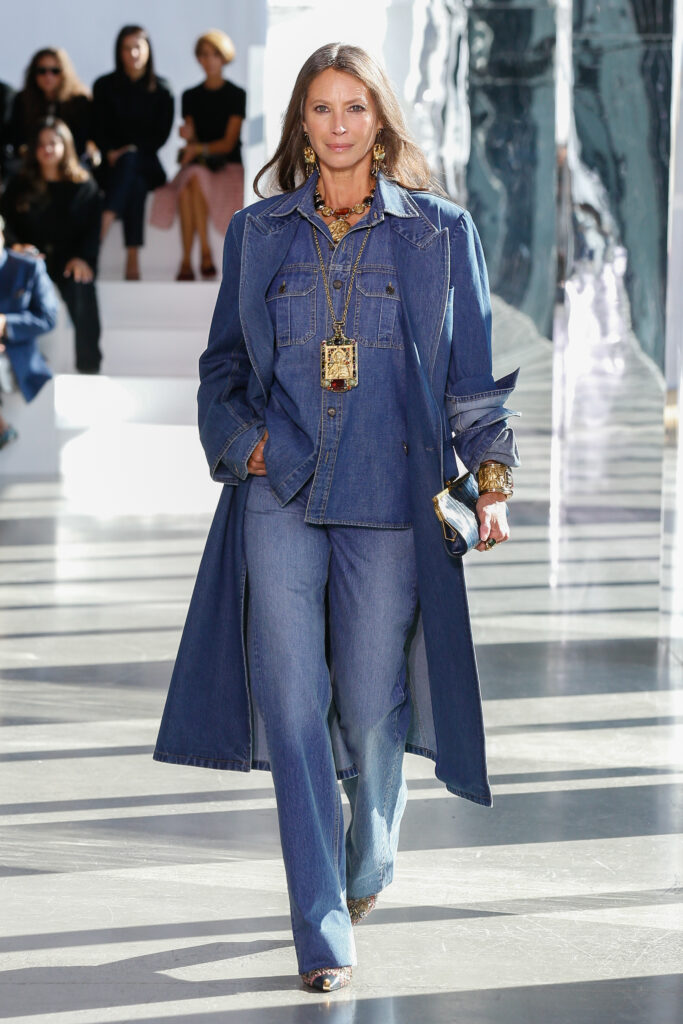
Several of the coats could be reinterpreted as abayas, particularly the long Japanese denim jacket that opened the show on Christy Turlington. The single sari he showed was paired with a long-sleeved, diaphanous jacket, softly tailored and draped rather than structured.
Asked whether the Middle East is next, Mukherjee would neither confirm nor deny. “The Middle East is going to become increasingly important for us. There is a sophisticated luxury customer there with a strong understanding of jewellery, craftsmanship, ceremony and exceptional retail experiences, so there is a natural affinity with Sabyasachi.”
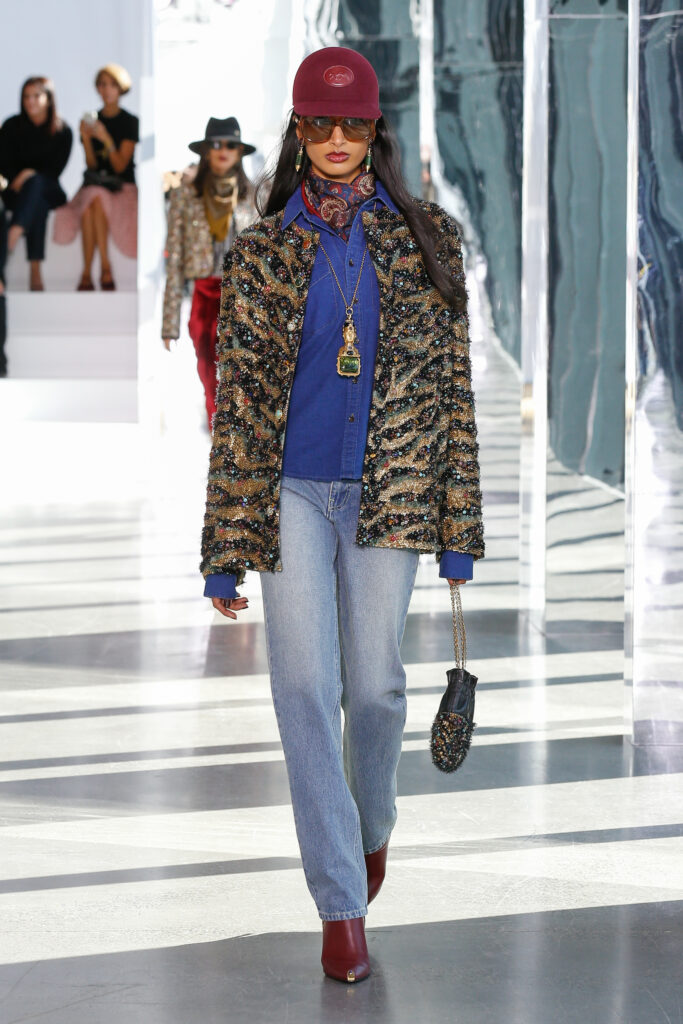
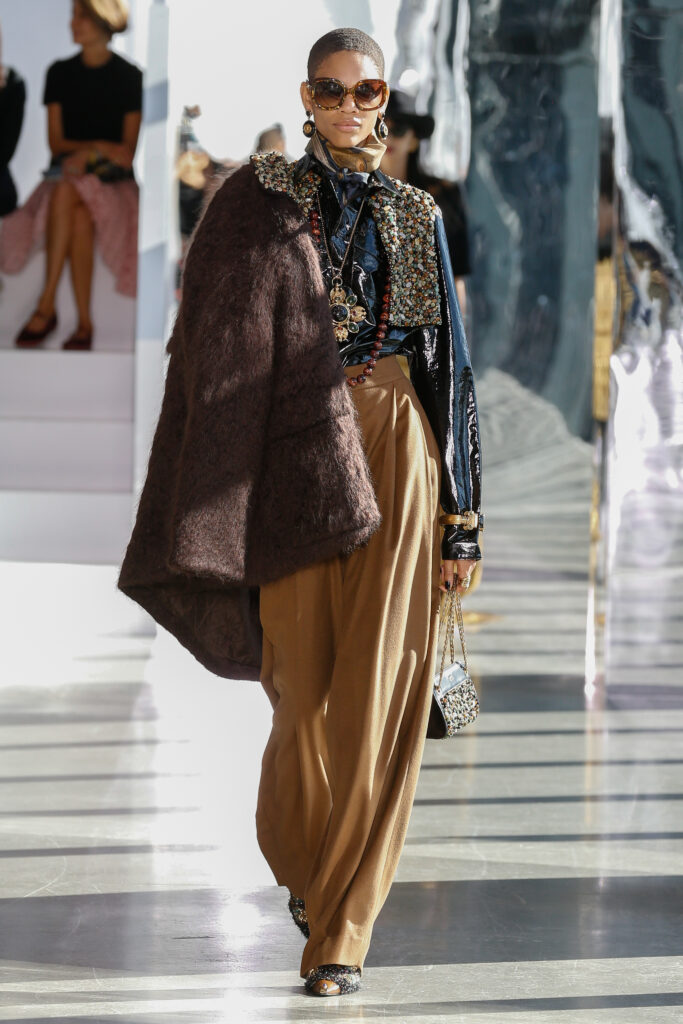
Then there was the jewellery. The show marked the debut of Sabyasachi’s multi-year collaboration with New York’s Metropolitan Museum of Art, a high jewellery collection drawn from the museum’s Byzantine archives. Important pieces were styled as everyday jewels, worn over denim shirts and trompe l’oeil tweed that was in fact embroidered. Monumental cuffs, oversized medallions, heavy gemstone necklaces in garnets, tourmalines, turquoise, sapphires, onyx and spinels. Jewellery maxxing, in every sense.
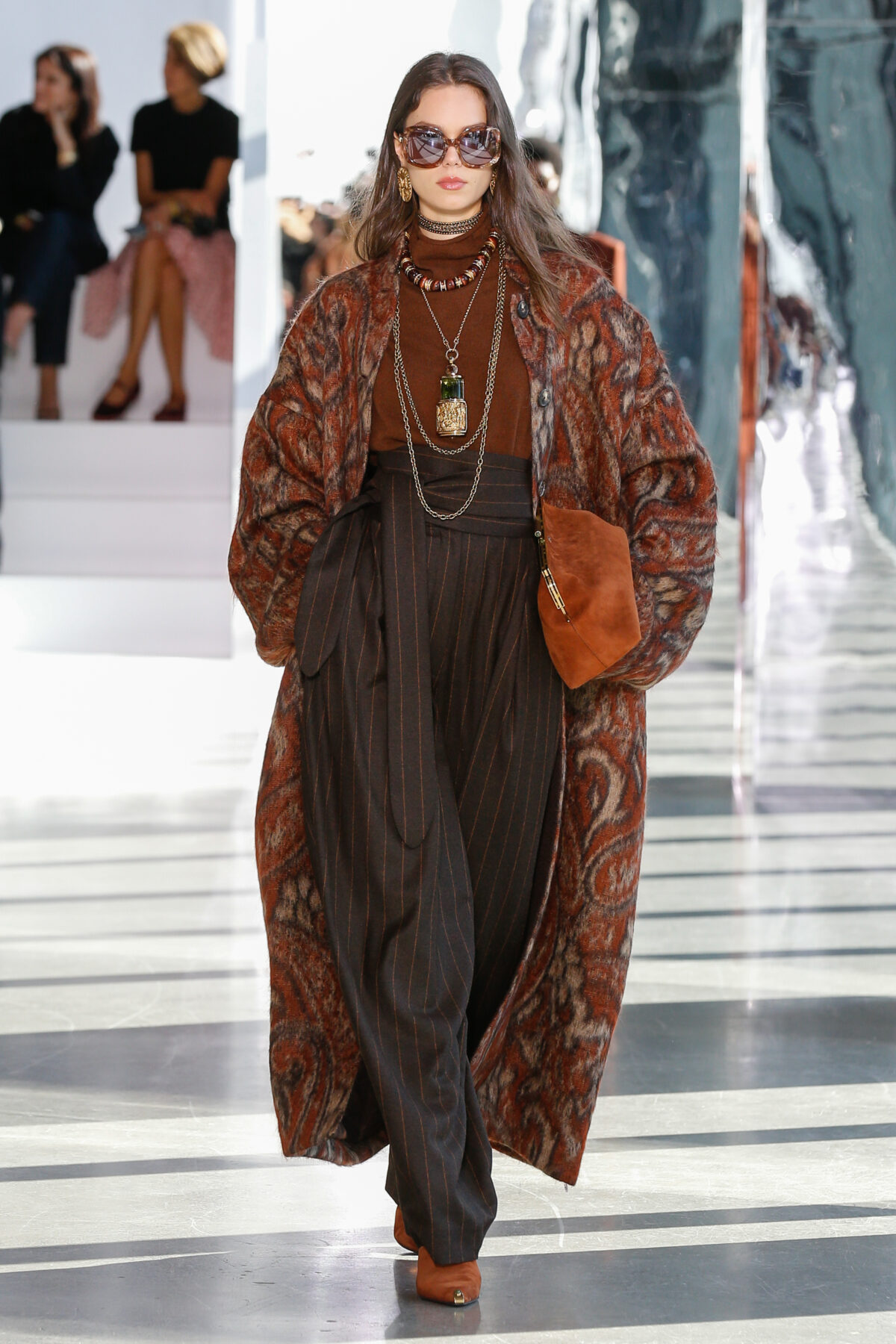
But the Byzantine influence was not simply decorative. Mukherjee describes the collection as being about cultural migration and what happens when different worlds encounter one another. “I am interested in cultures that become stronger through absorption rather than purity,” he says. Bengal, Byzantium and Broadway become three points in a story about trade, migration, history and exchange. A good example of that was his penchant for cummerbund belts in the collection, long a part of South Asian and Middle Eastern dressing tradition. They travelled to the West in the 19th century and became a de rigueur part of black tie dressing for men. Incidentally, both the cummerbund and obi belts had a strong season at New York Fashion Week, appearing in stalwart Ralph Lauren’s and debut designer Conner Ives’ Spring/Summer 2027 runway collections too.
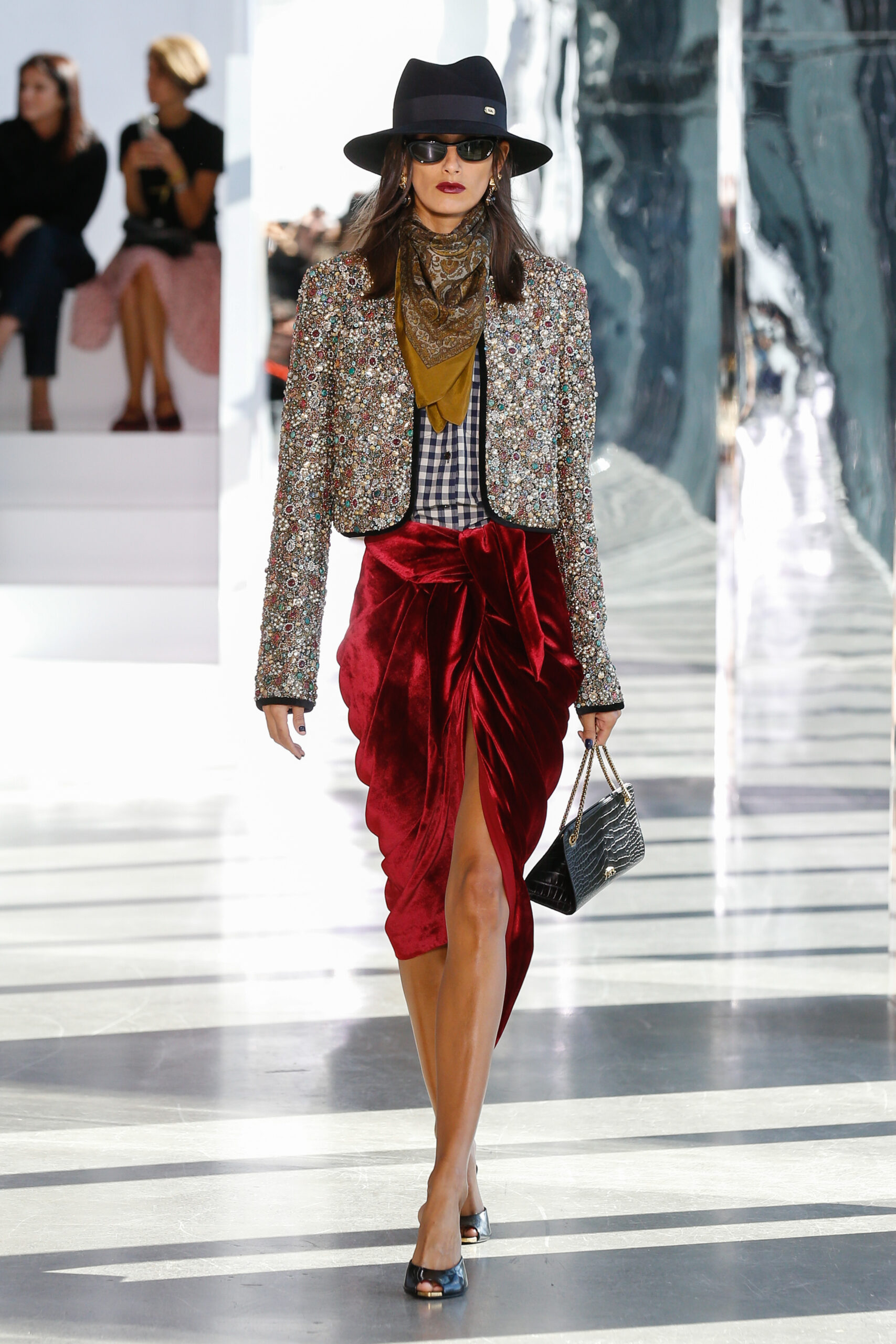
This was a complete collection, not just clothes. Oversized acetate sunglasses, sculptural handbags, metal-tipped shoes and the new high jewellery all formed part of the same vocabulary. Sabyasachi has spent the two decades since his last New York show expanding beyond fashion, and the result is increasingly visible on the runway. This is a house where one aesthetic language is being built across clothing, jewellery and accessories, rather than a designer adding categories simply for the sake of growth.
That distinction matters to Mukherjee. He says he has never wanted to build a fashion brand. His ambition is for Sabyasachi to become a complete luxury house, with fashion as one expression of it. Jewellery, accessories, stores, art, fragrance and eyewear are all intended to allow the same point of view to inhabit different parts of a customer’s life.
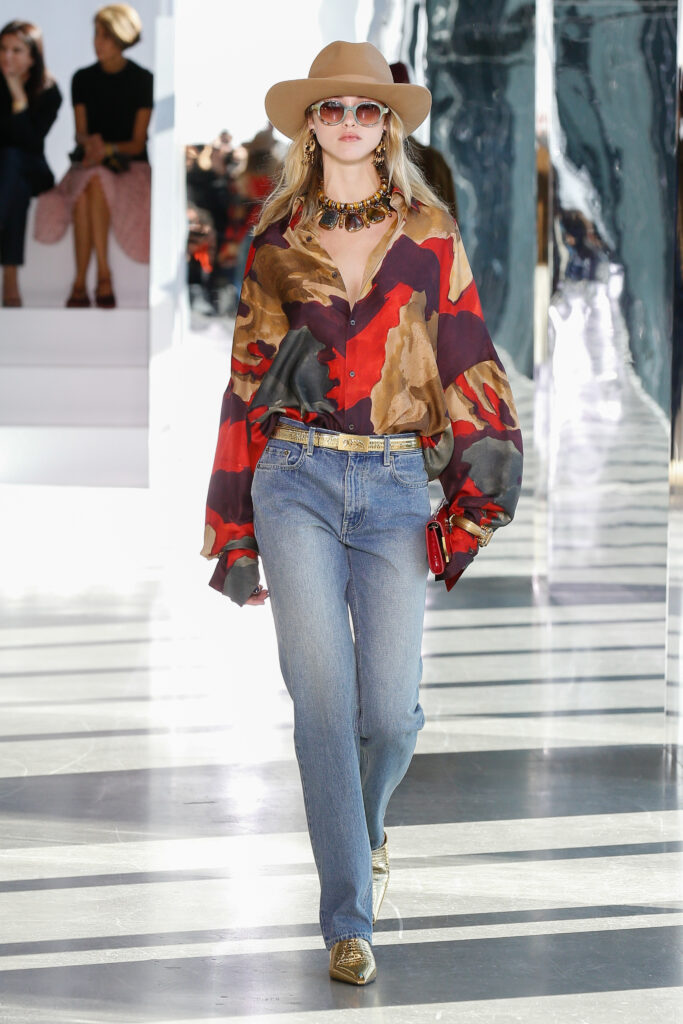
Mukherjee was clear about another thing too. As a house from the East, he could learn from the commercial architecture of Western luxury, but the identity had to remain his own. The silhouettes were Western. Everything else was not, from the multicoloured jewellery to the handbag details to the metallic threads. Cashmere from Mongolia, denim from Japan, fine tissue fabrics from Italy, and every piece of embroidery and construction done in his home city of Calcutta. He is not running from where he is made.
And the collection makes that point without turning Indian craft into costume. “Indian craftsmanship does not have to be presented as ethnicity,” he says. “It can be part of a modern international wardrobe.” That may be the most important idea underneath this collection. The Indian-ness is not being translated for New York. It is being allowed to exist on its own terms.
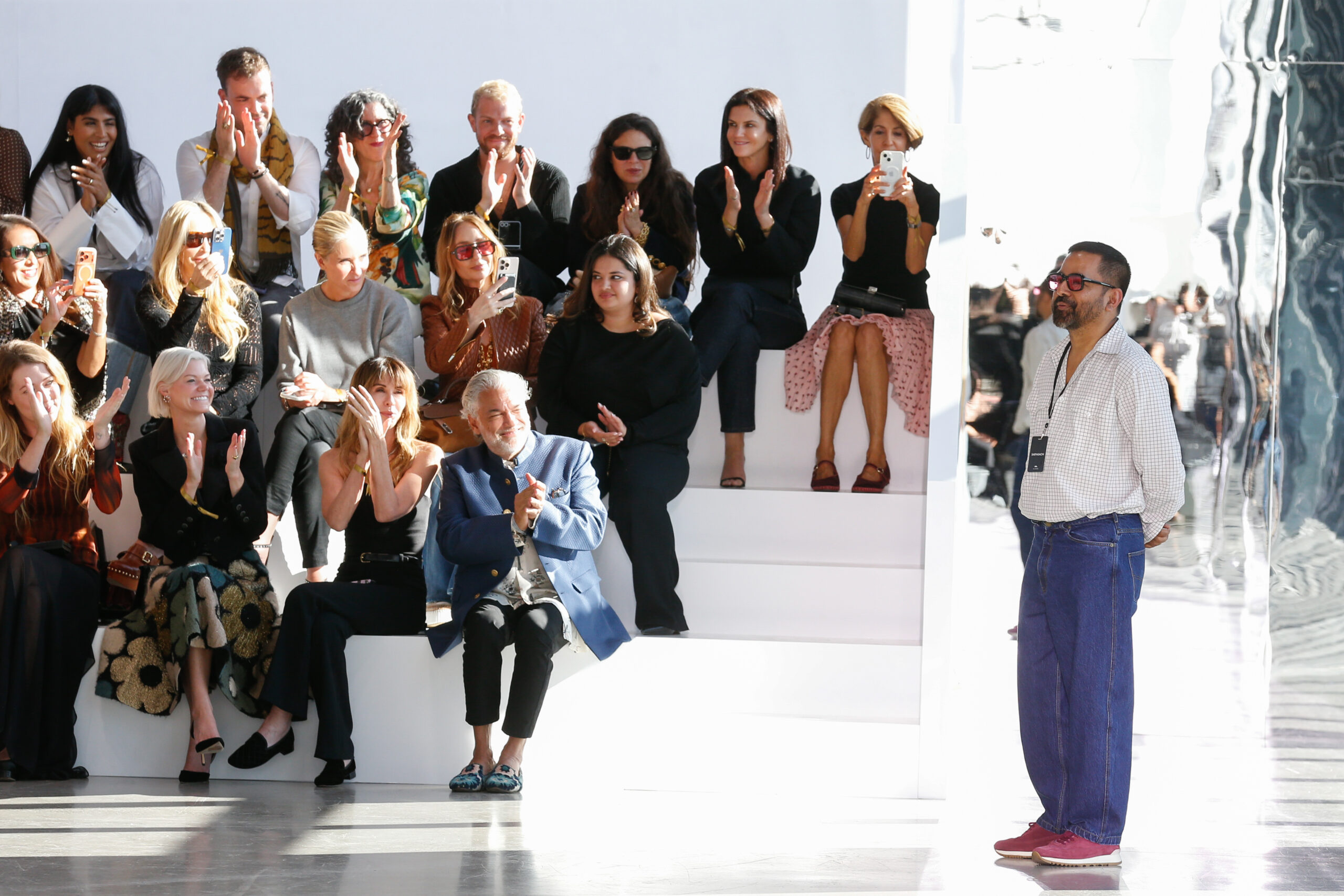
On when this collection will reach a fashion capital in the Middle East, he stays deliberately vague. “Our growth outside India will be deliberate and organic. Stores are extremely expensive commitments, particularly the kind of stores we build. They have to be justified by the business. So the Middle East is certainly part of the future. Whether Dubai is the next full Sabyasachi store is something I would rather confirm when we are ready.” He did say he is open to pop-ups in new markets. Given this region’s appetite for immersive flash retail, the odds of seeing this collection here are good.
Imagery Supplied