
A Matter of Salone: Everything You Need To Know For 2026
The Return of Salone del Mobile is shaping design’s future through craft, culture and innovation – from product to city
A More Connected Ecosystem
This year introduces a more integrated content framework, supported by thematic itineraries and a redesigned wayfinding system developed by Leftloft. Inspired by under-ground railway networks, the system simplifies complexity while encouraging exploration, reinforcing a layered yet intuitive visitor experience.
This logic extends to Salone’s wider network. Expanded partnerships across Asia, the Middle East and the United States position the fair as a relational platform generating exchange across design, architecture and art, further consolidating Milan’s global influence.
The 64th Edition of Salone Del Mobile
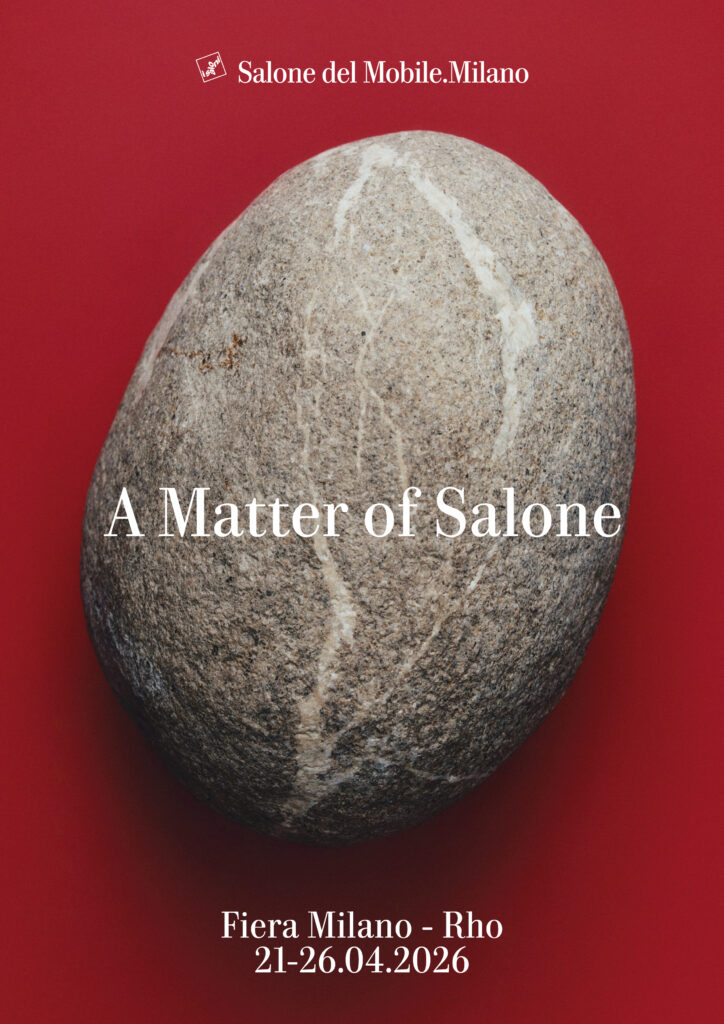
From 21-26 April, Salone del Mobile. Milano 2026 returns to Rho Fiera Milano focusing on the theme ‘A Matter of Salone’, and reinforcing its role as both a barometer and strategic driver of the global design industry. In a context shaped by geopolitical volatility, economic recalibration and evolving cultural priorities, the fair continues to expand its remit, emphasising international dialogue, curatorial experimentation and the growing strategic importance of contract and hospitality.
More than 1,900 exhibitors from 32 countries and a fully sold-out 169,000 square metres underline the event’s scale. More significantly, however, the 2026 edition reflects a structural shift: Salone is consolidating its position as a cultural and economic infrastructure linking design with architecture, art and emerging global markets.
“At a time marked by profound discontinuity,” says Salone President MariaPorro, “Salone reaffirms its role as a global platform where industry meets, ideas take shape and the future is planned.”
The Return of the Biennials
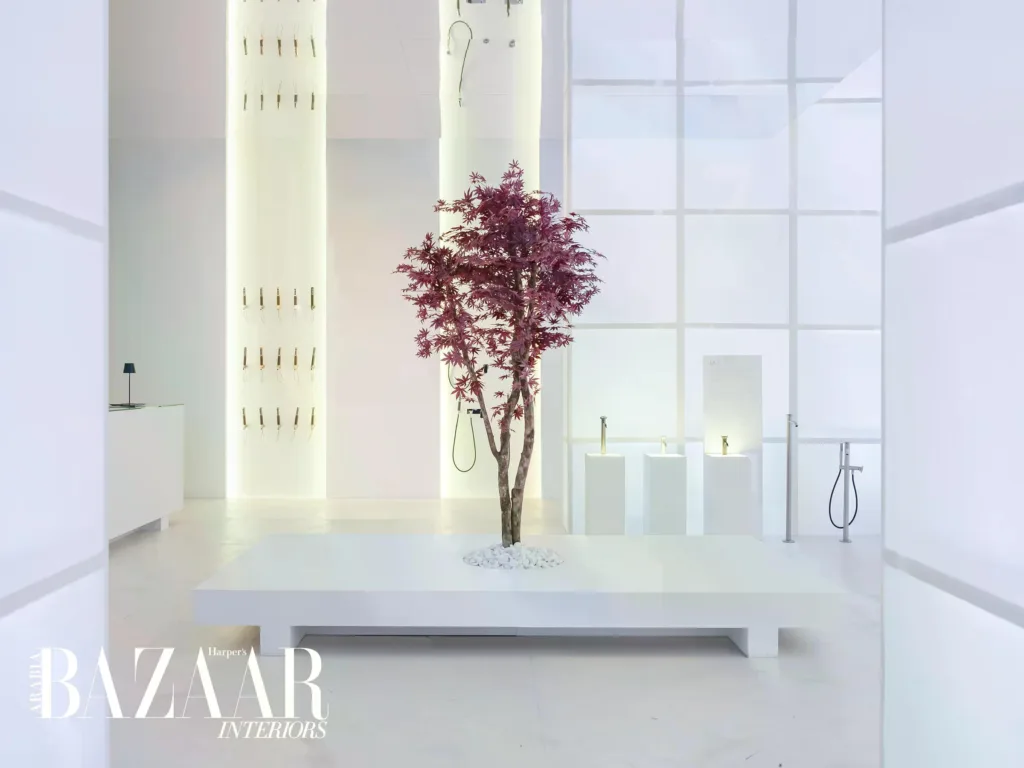
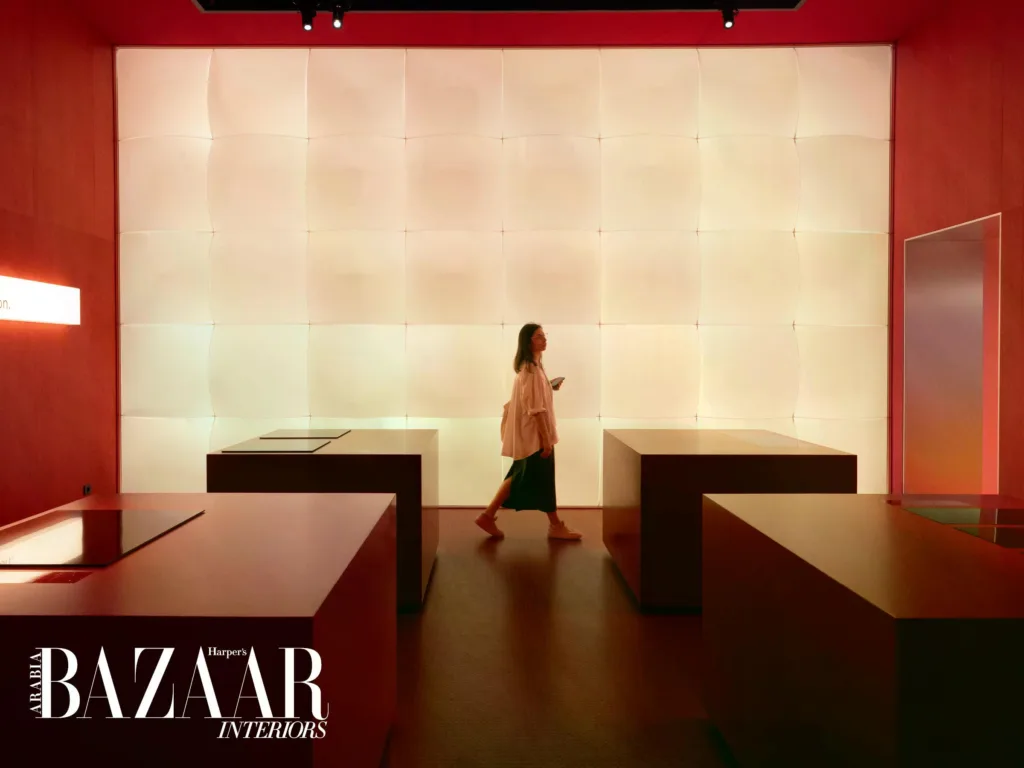
The return of EuroCucina with FTK – Technology For the Kitchen and the International Bathroom Exhibition anchors the programme. Both highlight adaptive, multisensory domestic environments integrating technology, wellbeing and sustainability. Invisible systems, intelligent appliances and wellness-driven bathrooms reflect a broader shift towards personalised and responsive domestic space.
Salone Contract: Redefining The Market
The most strategic development lies in contract design. The long-term Salone Contract initiative, guided by Rem Koolhaas and David Gianotten of OMA, reflects a shift from product-centred value to integrated systems and services.
The 2026 edition functions as a research phase structured through lectures, forums and curated pathways. Its official launch in 2027 is expected to reposition Salone as a predictive platform shaping global demand.
A Luxury Way and The Immersive World of Aurea
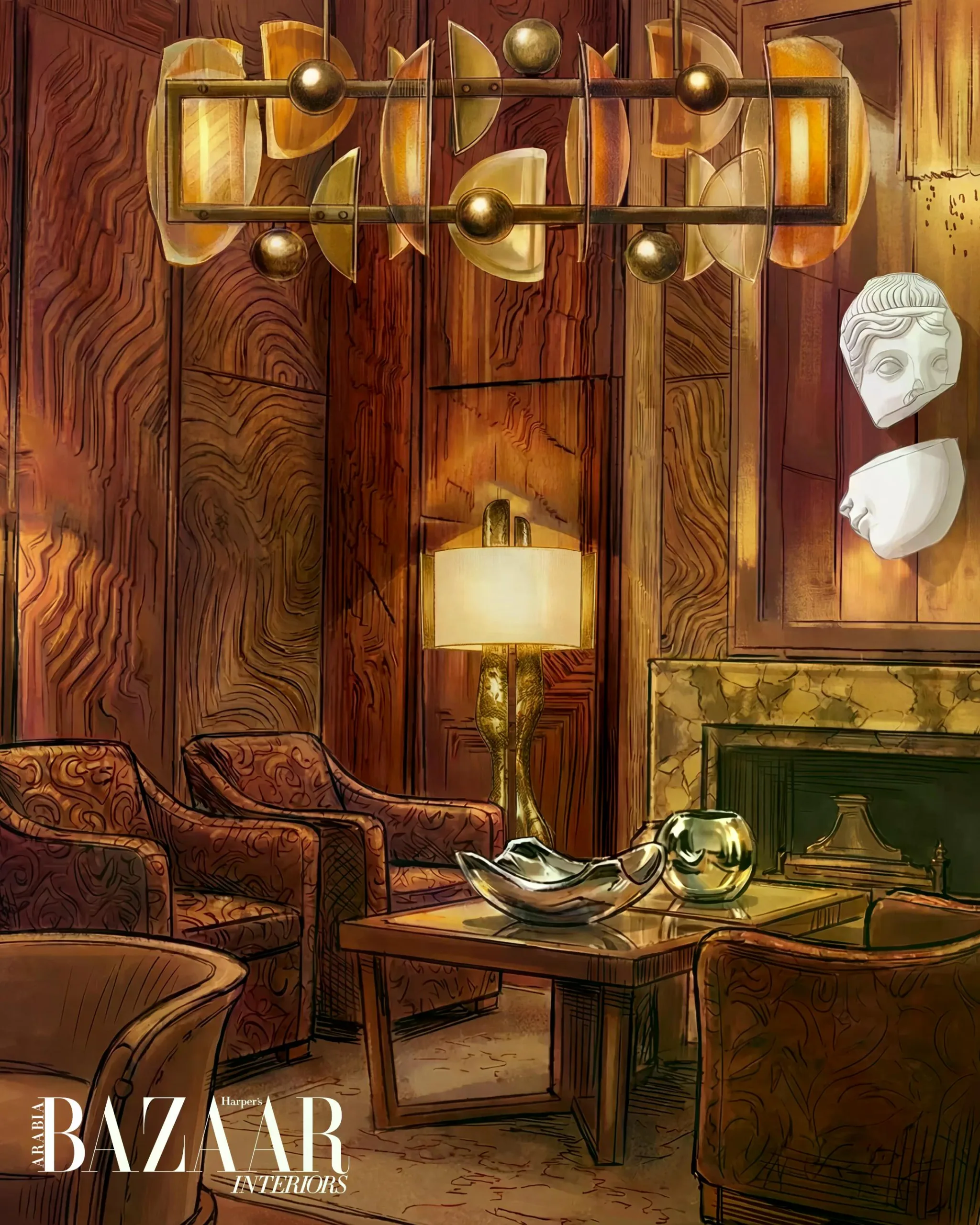
Luxury is framed as both aesthetic and ethical in A Luxury Way, returning to Pavilions 13–15. At its centre, Aurea, an Architectural Fiction, by Maison Numéro 20 under Oscar Lucien Ono, explores the narrative potential of interiors.
Structured as an imaginary hotel, the installation combines cinematic language, Art Deco and surrealist references with modern spatial storytelling. Sustainability is positioned as a defining parameter, reframing luxury in relation to material intelligence, responsibility and longevity.
Salonesatellite: Craftsmanship As Future Language
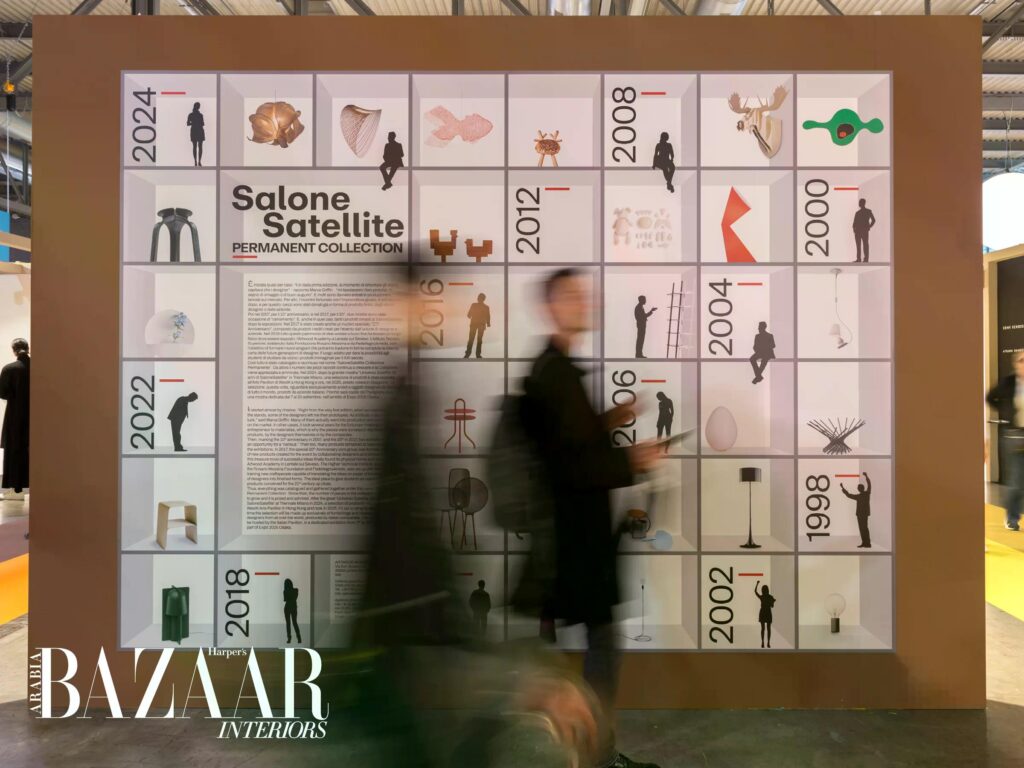
Now in its 27th edition, SaloneSatellite, curated by Marva Griffin Wilshire, to operate as a laboratory for emerging talent. This year’s theme, Skilled Craftsmanship + Innovation, positions manual knowledge as forward-looking rather than nostalgic.
With over 700 designers from 43 countries and more than 23 international schools, the section highlights hybrid practices linking craft, sustainability and digital production. Craft emerges as both cultural and political, reconnecting design with locality, circular economies and emotional value.
Cultural Dialogue and Critical Thinking
The fourth edition of Drafting Futures expands Salone’s intellectual framework through global conversations on sustainability, emerging markets and evolving professional paradigms, reinforcing its role as a discursive platform.
Salone in the City: Milan as an Open Laboratory
Beyond thefairgrounds, Salone activates Milan through a distributed programme. The opening night returns to Teatro alla Scala, featuring the orchestra conducted by Michele Mariotti with pianist Giuseppe Albanese.
Public initiatives extend to Piazza della Scala and Piazza del Duomo, alongside a collaboration with K-Way. A curated itinerary by Bianca Felicori reinterprets key architecture through textile and light. More than 200 showrooms will participate, reinforcing the permeability between fair and city.
Salone Raritas: A New Atlas Collectible Design
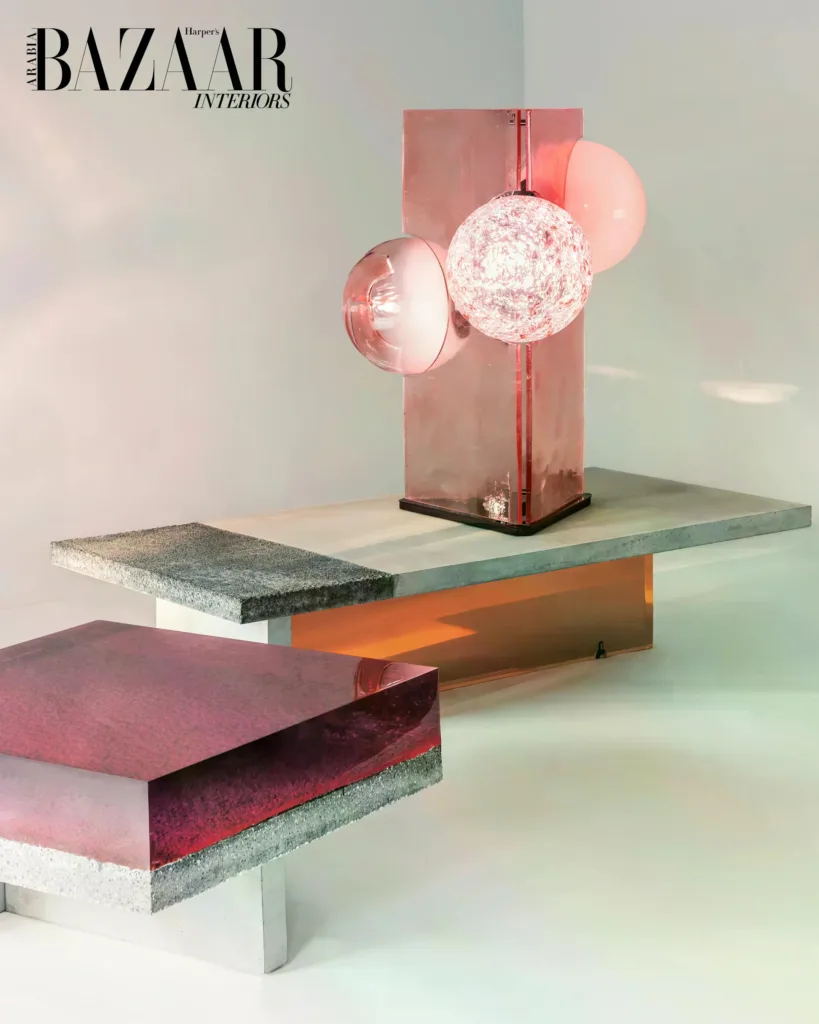
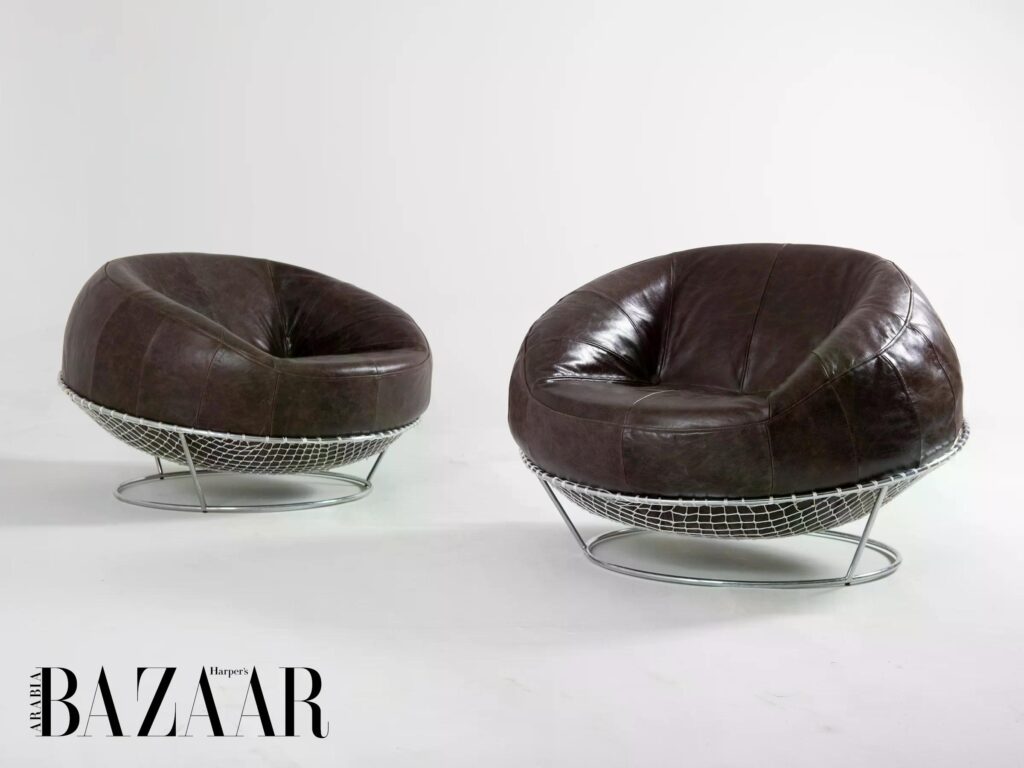
A key debut is Salone Raritas, curated by Annalisa Rosso and designed by Formafantasma. Conceived as a curatedatlas, the section integrates unique works, limited editions and experimental practices into the professional ecosystem, reflecting the growing relevance of collectible design.
Around 25 exhibitors explore the convergence of craftsmanship, rarity and cultural narrative. Participants include Nilufar; COLLECTIONAL, presenting a project curated by Sabine Marcelis; and Salviati with Draga & Aurel.
Emerging platforms such as Mouromtsev Design Editions and Mercado Moderno extend the geographic scope, while Bianco67 highlights hybrid craftsmanship combining traditional materials and advanced technologies. Collectively, the section positions rarity as a driver of identity-led spatial strategies.
Design As Infrastructure
In its 64th edition, Salone seeks to move beyond the trade fair model and operate as a platform generating cultural, social and economic value. By connecting craftsmanship and innovation, rarity and industry, and local heritage with global markets, the 2026 edition reflects a design culture defined by complexity and responsibility.
As the international community prepares to gather in Milan, Salone del Mobile 2026 signals a moment of recalibration.
To conclude, Porro reaffirms the fair’s broader vision: “The strength of the Salone has always lain in its ability to act as a system: not just an event, but a cultural and economic infrastructure in constant transformation.” Developed in dialogue with the Politecnico di Milano, this ecosystem generates economic impact while urging critical thinking, urban regeneration and new service models. “Milan is our centre of gravity,” she continued, “but today Salone is also an industrial policy that leads to vision and action. Because Salone is, above all, a collective responsibility towards the future.”
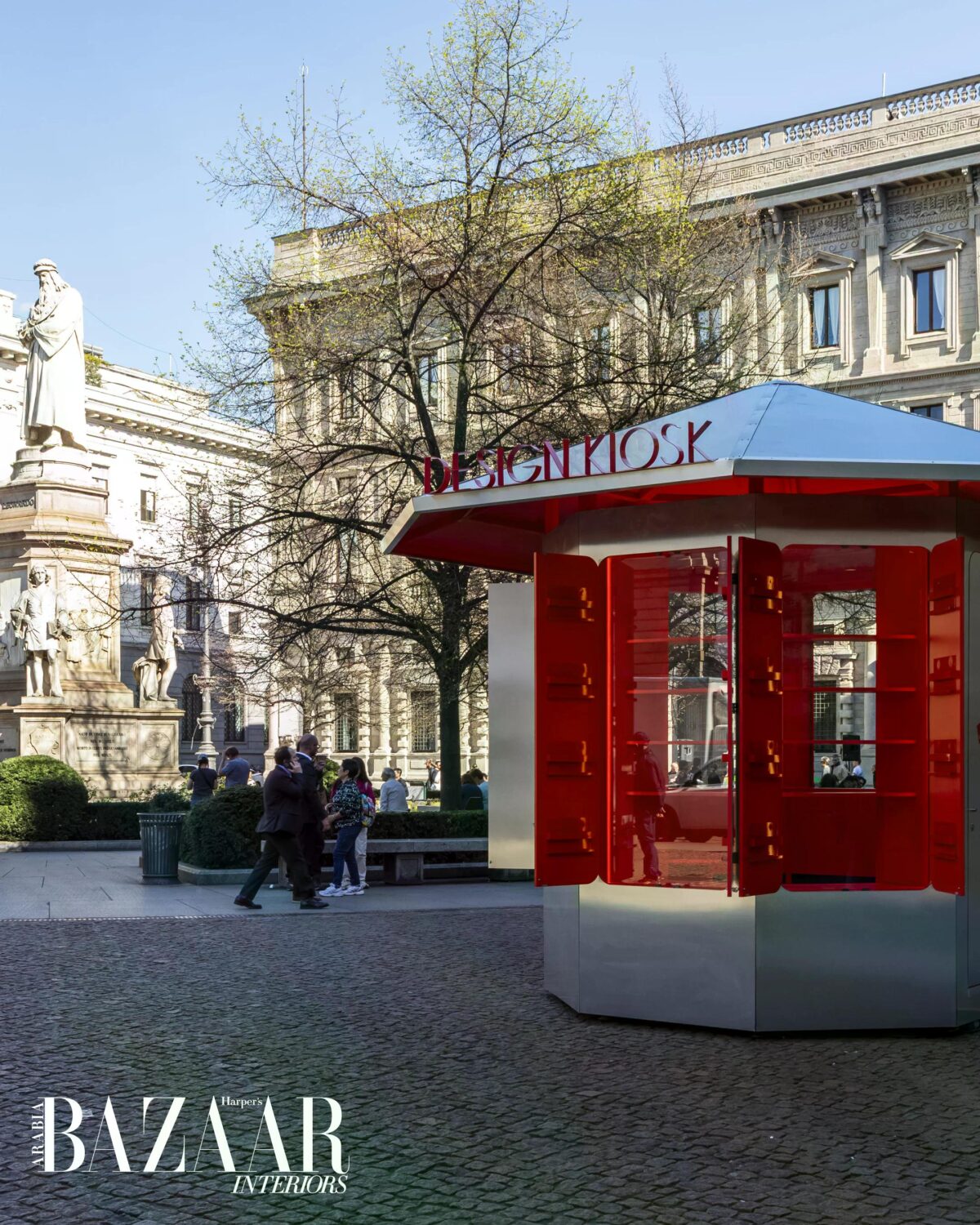
Lead Image of Design Kiosk at Salone del Mobile 2025