
Still Waters Run Deep: On Growing Up As The Oldest Child
On carrying everyone else while quietly figuring out your own life, and why solitude might be the most important thing the oldest child never allows themselves…
Nobody assigned you the role. There was no conversation, no formal handover, no moment where someone sat you down and explained what was about to be expected of you. You just became the oldest child and the rest followed naturally. The listening. The problem solving. The quiet awareness of everything happening in the room before anyone else has even registered that something is wrong.
Still waters run deep. That is the oldest child in a sentence.
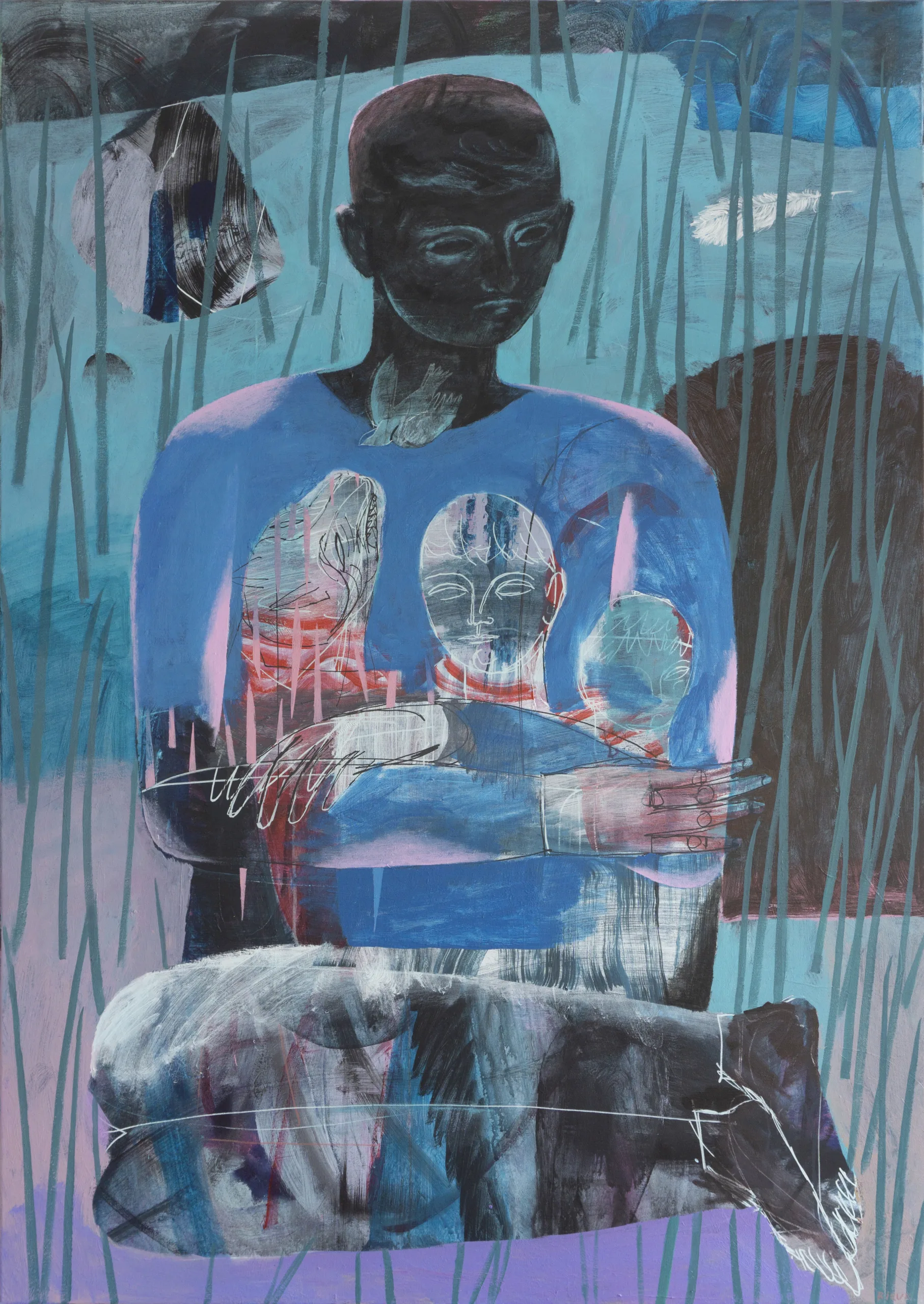
You become a good listener because you had to. A multitasker because the alternative was letting things fall. An overthinker because you learned early that anticipating a problem is always better than being caught off guard by one. You are always alert. Always aware. Always running a quiet calculation in the back of your mind about what might go wrong and what you will do when it does. And yet, despite all of that weight, you still show up. You still explore. You still move through the world and find ways to enjoy it.
Being the eldest does not require you to be a certain age. You could be seventeen and already carrying more than most adults you know. The responsibilities do not wait for you to be ready. They simply arrive and you adapt because you always do.
Most of us resist admitting when we are struggling. For the oldest child, that resistance runs even deeper. Vulnerability feels like a failure of the role. Reaching out feels like burdening someone who is already burdened. So you keep things to yourself. You cope by retreating to the things that feel like yours, music, reading, writing, a corner of the day that belongs to no one else. And even in those moments, the deepest part of you is waiting for someone to simply understand without you having to explain it.
The mediator. The one who softens arguments before they escalate. The person who hides the difficult things from younger siblings so they do not have to carry what you are carrying. The one who holds the family together quietly and without credit, while simultaneously managing work, personal ambitions and a future that feels like it could be stripped from you at any moment. Today, tomorrow, next week, next year. You never quite know. So you stay ready.
And when you finally find time alone, truly alone, that is when everything surfaces. Not as a crisis, but as a conversation you have been postponing with yourself. What do you actually want? What is yours and what have you taken on for everyone else? What does your life look like when you are not managing someone else’s?
The biggest misunderstanding about solitude is that it means loneliness. It does not have to. Being surrounded by people and feeling genuinely connected are entirely different things. And being alone is not the same as being unloved, or uninteresting, or too much. It is simply being with yourself. Some seasons are not meant to be full of noise. Some seasons are for hearing your own voice clearly, perhaps for the first time. Because if you are always surrounded by the needs of others, you will never have the space to understand your own.

When you start to sit in that quiet, something shifts. You stop measuring yourself against what everyone else seems to be doing. You stop treating your own life like a race you are losing. Comparison loses its grip when you are genuinely occupied with becoming more yourself rather than more like someone else. You are not your siblings. You need to be you.
Lead Artwork by Kitty Ritig /@kittyritig