
Syrian Artist Sara Shamma To Present An Ode To Palmyra At The 61st Edition Of La Biennale Di Venezia
Following the end of the Syrian Civil War, artist Sara Shamma hopes to use the 61st edition of La Biennale di Venezia as an opportunity to show her country in a new light by restoring an iconic heritage site to life, right in the heart of Venice
After more than a decade of civil war, Syria is a country seeking to redefine its own national identity, both at home and on the international stage. The lands that make up the modern Syrian Arab Republic have a continuous history of human settlement and civilisation that stretches all the way back to the neolithic era; a fact that is sadly obscured by recent history, but will soon be receiving fresh attention thanks to artist Sara Shamma and her upcoming project for the 61st International Art Exhibition of La Biennale di Venezia, ‘The Tower Tomb of Palmyra.’
“If you go back to the history and read about Palmyra,” Sara tells Harper’s Bazaar, “it used to be a place where all religions and ethnicities lived together peacefully. This is something to remember and consider nowadays, because we are all – especially in the Middle East – struggling with this idea. In Palmyra, they used to coexist happily together.”
“Today, Syria is a new country,” she continues. “Some people are optimistic. Some people are not. I am among the optimistic people, because this is a chance for us to be able to build something – anything – in this country. This is a huge opportunity for all the Syrians.”
The 2026 Biennale will be Syria’s first participation since the fall of the Assad regime and the appointment of President Ahmed Hussein al-Sharaa. For many Syrians, this transitionary period represents the beginning of a new chapter for Syria, both politically and culturally, and Sara’s project reflects this desire to establish a new paradigm.
While the National Pavilion of Syria has previously exhibited works at earlier editions of La Biennale di Venezia, Sara’s will be the first project to come entirely from a single Syrian artist to be shown at the event. Previous offerings have always shown multiple Syrian creatives together in collaboration with European artists, but without any central focus or unifying direction.
“There was no strong concept; nothing memorable,” says Sara. “This year, it’s a new government and a new country, so they wanted to show one artist with a big project. They invited me, and – as it happened – I already had a project in mind.”
Bringing together architecture, painting and various other elements, ‘The Tower Tomb of Palmyra’ will take the form of a large-scale immersive installation, offering visitors a multisensory journey through Syria’s rich and diverse cultural heritage, revealed through the histories of Palmyra. Famous for its extensive Greco-Roman and Persian ruins, the UNESCO World Heritage site was once an important and prosperous trading hub on the Silk Road, home to many different cultures.
The primary inspiration for the project comes from the eponymous funerary towers of Palmyra, which have long been objects of personal fascination for Sara. Constructed between the 1st and 3rd Centuries CE, these monumental limestone structures – distinguished by their multi-level design and intricately carved reliefs – acted as burial sites for generations of families. Sadly, all the towers that remained were destroyed during the Syrian Civil War, and many artefacts were looted and sold abroad. Today, the National Museum of Damascus holds only a few remnants of Palmyra’s once towering tombs.
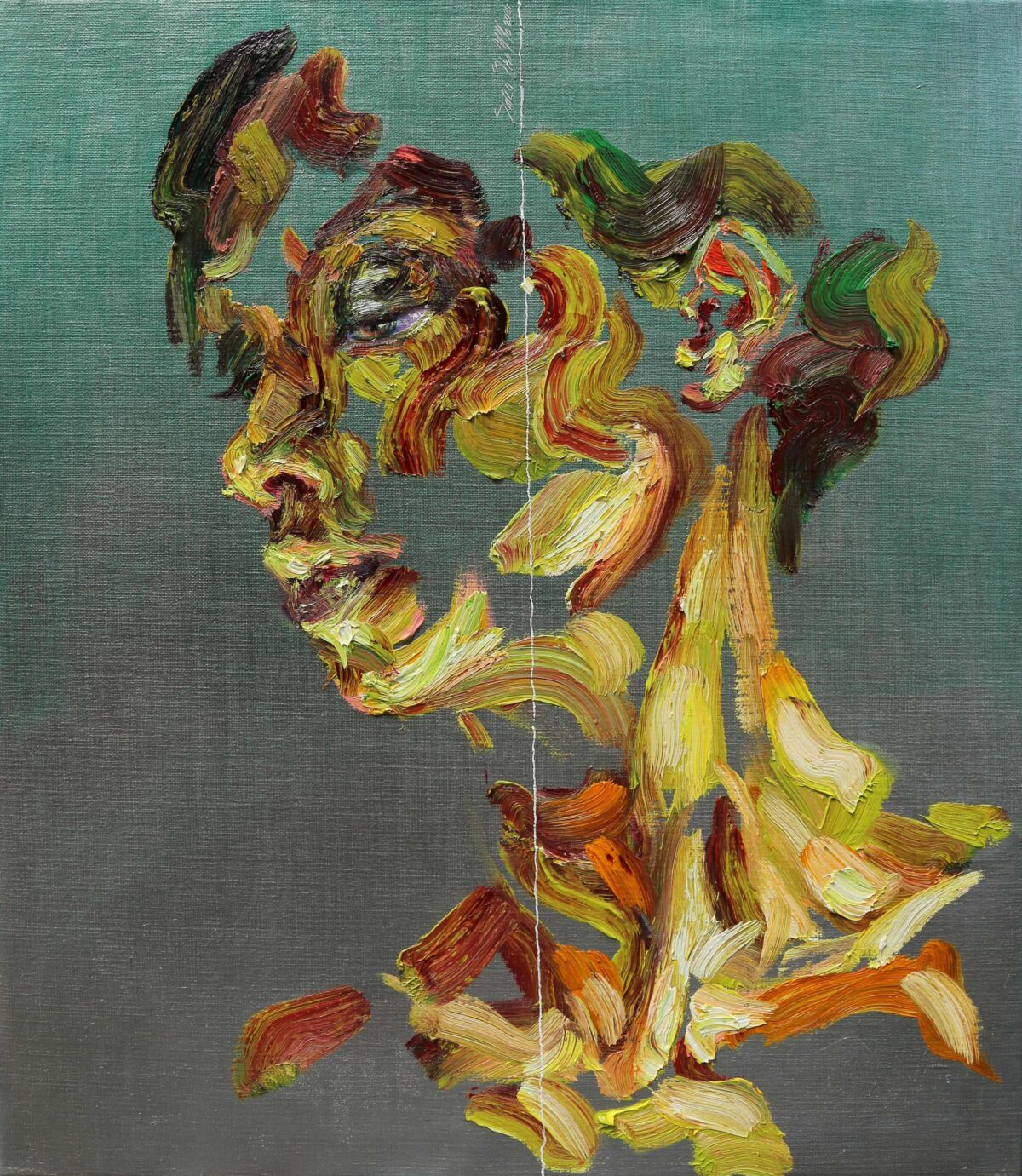
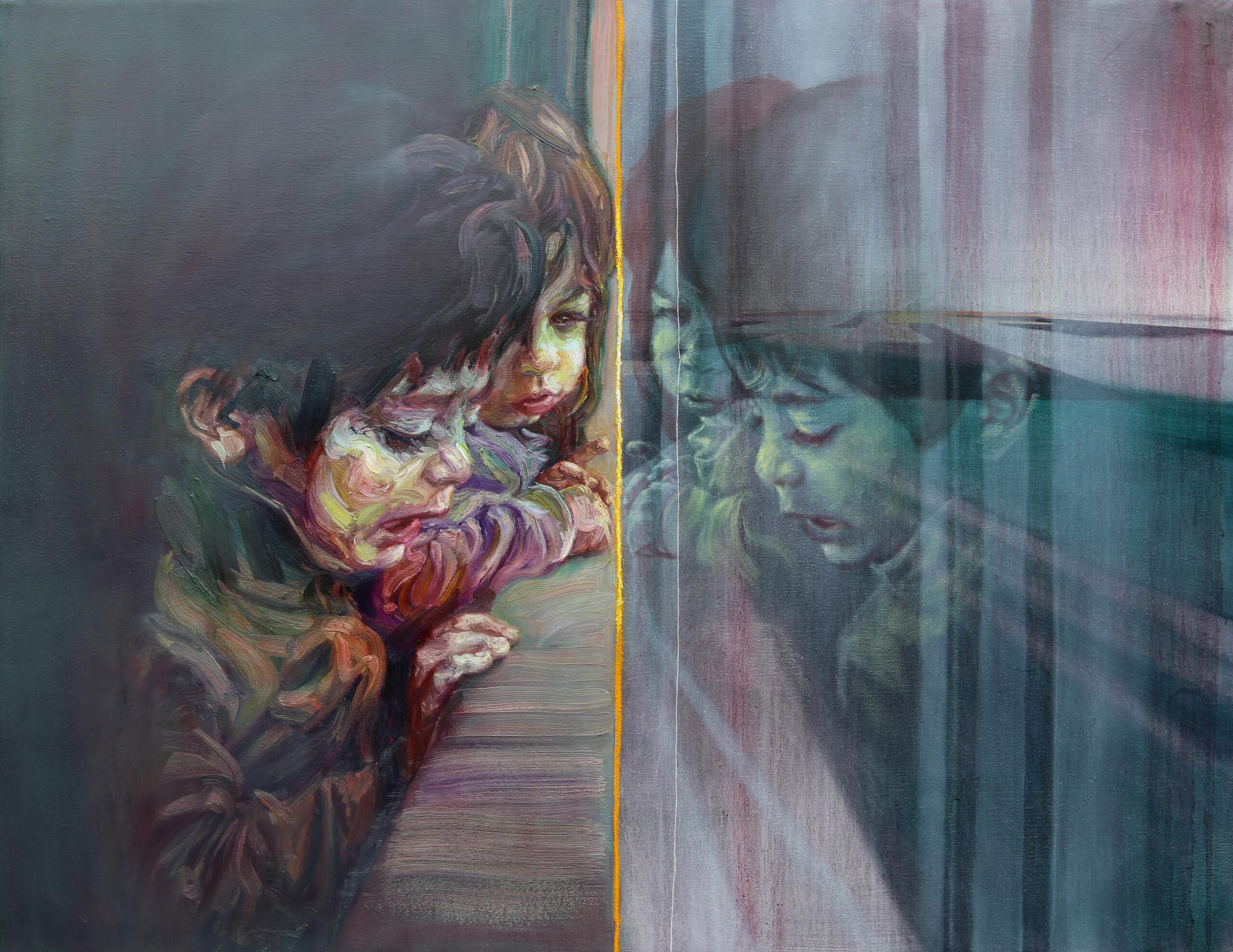
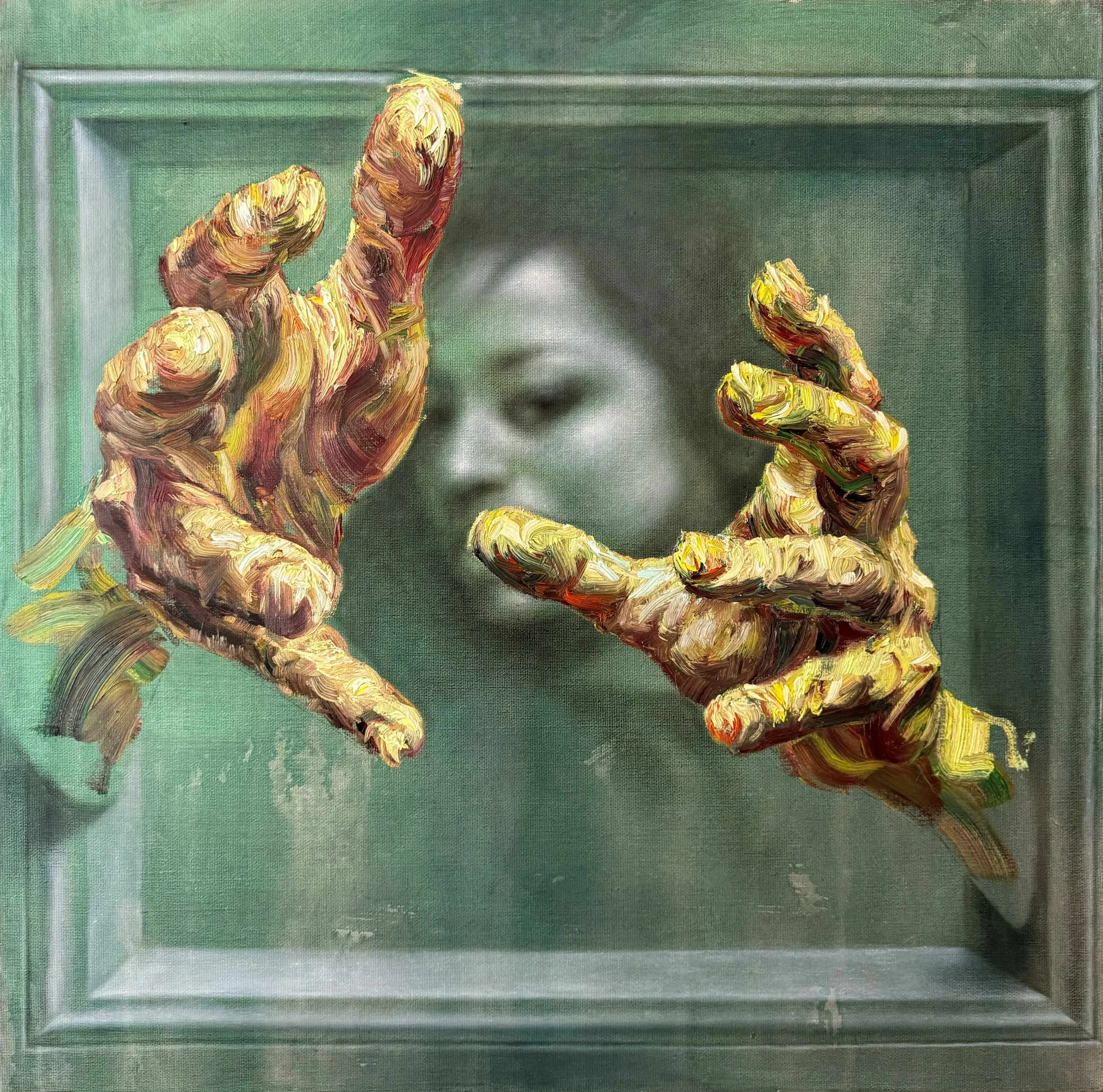
“When I was a university student in the nineties, I used to visit the National Museum of Damascus and see the Palmyran tomb they reconstructed,” recalls Sara fondly. “It’s beautiful. I used to go there and paint, and draw all the reliefs. To me, they represent the early forms of portraiture in Syria.”

“When they destroy heritage, they destroy history; in Gaza; in Lebanon; in Syria,” she laments. “We all live under the fear that this destruction could happen to any one of us. But Palmyra’s towers – though destroyed – continue to speak to the strength and diversity of our history. This exhibition is not only a reflection on loss, but a message of hope, unity, and the importance of protecting and restoring our shared heritage. These towers were all destroyed during the war; I wanted to bring one back to life.”
In addition to Sara’s paintings, visitors to the installation will also experience scents inside the structure, inspired by various herbs that are in the area of Palmyra. The work will also feature an audio track that will evoke the desert landscape of Palmyra and the daily lives of the people who live there, featuring elements of voices, music and natural background noise.
When ‘The Tower Tomb of Palmyra’ opens to the public at the National Pavilion of Syria on May 9, 2026, it will not do so as a memorial to the losses Syria has endured, but a celebration of both the country’s complex history and its fragile but hopeful future.
For more information, visit www.labiennale.org
All Images Supplied
