
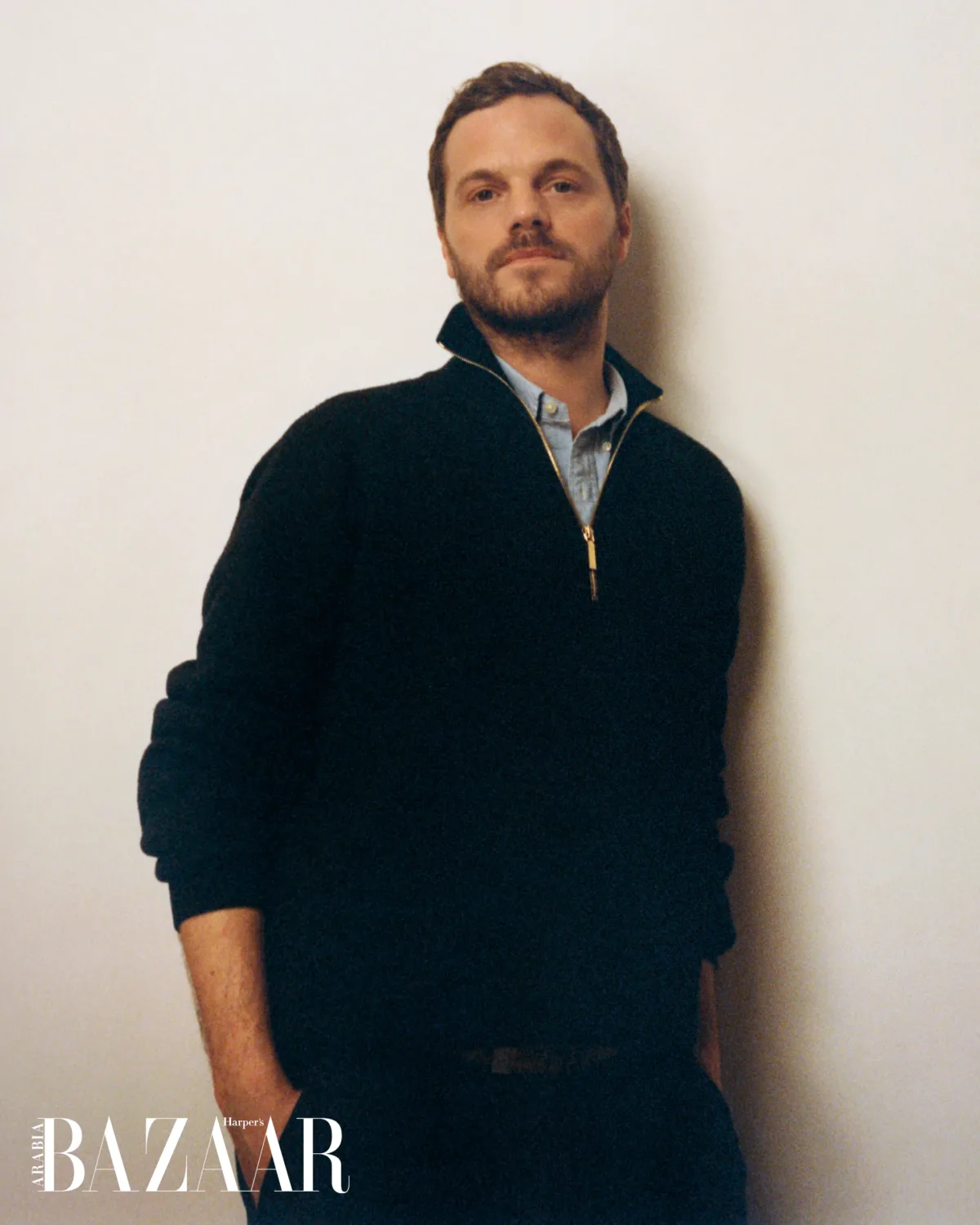
The Chanel Whisperer: We Decode The Magic Of Matthieu Blazy
Matthieu Blazy has given new life to the 116-year-old house built on the radical notion that glamour grounded in reality can make you feel something splendid
Who is Chanel for?
The lady who lunches in a tweed jacket? The K-pop idol who loves a double-C logo? The rich mum with her quilted flap bag? Certainly, it’s for the few who can afford it and for those who want to telegraph an association with the brand that epitomises the highest echelon of chic. But Matthieu Blazy, Chanel’s artistic director, sees things more expansively.
“I thought that the Chanel aesthetic was somehow overshadowing the idea of women,” Matthieu says. “It was one woman, but I see many, many women.”
He is telling me this from a corner of Chanel’s couture salon at 31 Rue Cambon, the one with the famous mirrored staircase where Gabrielle “Coco” Chanel used to stage her fashion shows and watch them, secretly, from the top steps.
It’s an unseasonably warm but typically grey February day in Paris, a few weeks before the Autumn/Winter 2026 Chanel show. In anticipation of Matthieu’s arrival, a reverential silence blankets the room. “He will be down in five and a half minutes,” a publicist says. On the wall behind me hangs a large black-and-white portrait of Mlle Chanel, her face turned to the side. She gazes down at me discerningly, even a little intimidatingly. I feel acutely aware that I am in the spiritual presence of one of fashion’s most important legacies, waiting for the person now tasked with carrying it forward.
When Matthieu bounds down the stairs, the austere hush dissipates. He’s dressed casually, in a quarter-zip sweater and navy trousers. “It’s almost like a uniform,” he says. We’re seated across from each other in cushy ivory armchairs, cordoned off by pastel-coloured screens. “The atelier has the white coats. I wear this one.”
Despite his rarefied surroundings, the 41-year-old designer, now four collections into his tenure at Chanel, is disarmingly lacking in pretension. I ask Matthieu if he ever feels Mlle Chanel’s presence when he’s in this room. “I have to say that the first time I stepped in here, I had that feeling.” He lowers his voice. “I was a bit like, “f****k.”
After Mlle Chanel revolutionised fashion in the 1920s with her long, loose silhouettes, drop-waist dresses, and boxy suits that freed women from the corset, Karl Lagerfeld came in 1983 and turned Chanel into a pop-culture juggernaut. He created an unabashedly glamorous, double C-bedecked, tweed-miniskirted world for Chanel. The runway shows at the Grand Palais were spectacles, the front rows lined with celebrities, the sets out of this world: a giant globe one season, a towering iceberg another, or a rocket ship that actually lifted off.
While it’s true that Matthieu’s runway debut last October included a set studded with giant planets, Chanel has come back down to earth under his watch. Or in the case of his December Métiers d’art show, subterranean, as Matthieu set the show in an abandoned New York City subway station and cast models as New York archetypes, with all of them hustling to catch a train. The glamour is still there, but the wattage is dialed down and everyone is invited in.
The Métiers d’art collection, inaugurated by Karl Lagerfeld in 2002, showcases the work of Chanel’s artisan maisons, which specialise in heritage crafts like embroidery and embellishment. Karl Lagerfeld would show these collections in far-flung and exotic locales like Salzburg, Monte Carlo and Shanghai. That Matthieu chose the New York City subway, a place where people of all backgrounds, styles, ideas and ambitions collide, as the setting. These are clothes that ignite desire because they feel accessible, even if they are made with the finest techniques and fabrications.
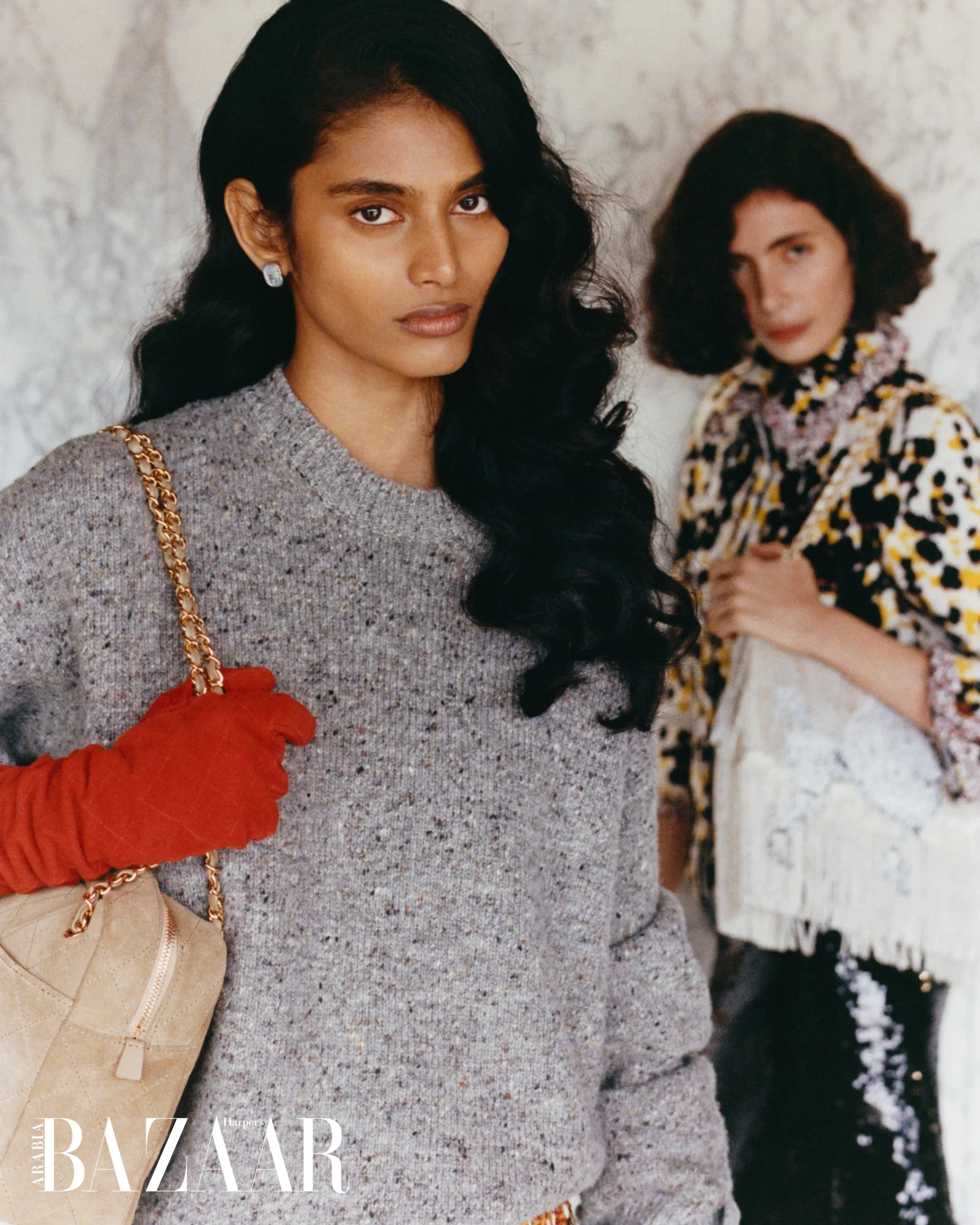
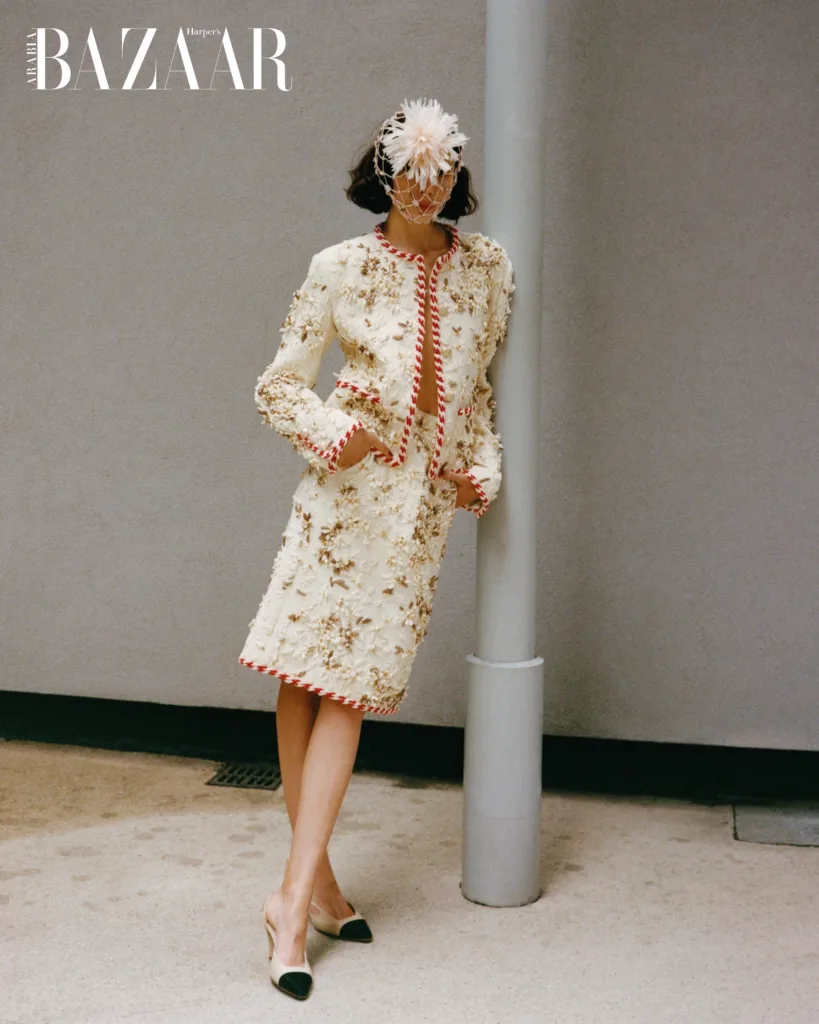
But the designer to showcase Chanel’s métiers was the clearest articulation of his vision for Chanel to date. Take, for instance, the opening look: a quarter-zip sweater (the same one he’s currently wearing) and jeans, modeled by NYU engineering student turned model Bhavitha Mandava. Or a double-wool-crepe skirt suit embroidered with tiny twisted bits of raffia and handblown glass beads designed to look like popcorn stuck to the fabric, as if you were just at the movies and forgot to dust yourself off. Or another pair of jeans, this time made with silk charmeuse. The magic was about the dissonance – people in clothes that took hundreds of hours to make hoofing it down a New York City subway platform, just like any other New Yorker trying to make it to the next thing on time.
There’s the blazer bluntly cut at the waist and an embroidered jacket hanging over a suede flap bag, looking like it’s gone through the wringer of life. A flannel shirt is actually made of bouclé. In an era where attention is king, Matthieu is capturing it with clothes – and a feeling – that we can recognise ourselves in.
“There is something very alive in his clothes,” says actress Jessie Buckley, who accepted her Best Actress Oscar in a red-and-pink Chanel gown. At the Métiers show in New York, Jessie says she “felt emboldened and tall and alert and in love with all of the characters of women. There was a pulse to it.”
Fellow Oscar-nominated actress Teyana Taylor echoes the sentiment: “Matt understands that the clothes need to complement the person wearing them, and you see that in the way people wear his collections.”
Blazy Was Inspired by the extraordinary clash of people you see on the subway. (He lived in New York a decade ago, while working for Raf Simons at Calvin Klein.) He had also unearthed a story about Mlle Chanel’s first visit to the city in 1931, when she walked around downtown and noticed how many women were dressed in knockoff Chanel. They weren’t mimicking a logo but a style. That invigorated her, pushing her to return to Paris and keep evolving her designs.
By then, Chanel “was a celebrity herself,” Matthieu points out. “I’m fascinated that instead of being mad about (seeing people copying her designs), she actually embraced it. She was always looking at women in Paris who were wearing Chanel to go for dinner or go dancing, but it was never really taken into the street.”
He adds, “When she came back to Paris, she actually reinvented herself completely and shortened her skirts. I think that’s where she became modern – like, radically modern.”
Matthieu doesn’t always sketch. More often, he drapes directly on the body, letting instincts guide him, along with a blend of pop-culture, literary and historical references that he culls from his past and present in collaboration with his head of research, Marie-Valentine Girbal. He tells me he’s reading a lot about Marie Antoinette and listening to Rosalía in the studio. His runway-show soundtracks have included nostalgic songs like Snap!’s Rhythm Is a Dancer and Lady Gaga’s Just Dance. At the Métiers d’art show, he used voiceovers from the movie The Hours and Bam Bam by Sister Nancy. “I think there is something honest in using references that I understand, that speak to me or my generation, or maybe we’ll talk to a younger generation,” Matthieu says. He pauses again and looks off toward a vase of flowers that match the colour scheme of the lighter-than-air couture collection hanging on racks and mannequins near us. “I don’t know, I try to be quite honest.”
Matthieu casts his shows with women of all ages and backgrounds, including 49-year-old model and vintage store owner Stephanie Cavalli, who has walked in three of Mattieu’s shows thus far and opened two, becoming one of his new muses. (He calls her a modern-day Coco Chanel.) Roberto Cavalli describes Matthieu’s Chanel as “opening up these possibilities for different people, different ages, different races; it’s like a flower opening and blossoming.”
That includes men. A$AP Rocky, Jacob Elordi, Pedro Pascal, and Kendrick Lamar have all worn Matthieu’s Chanel. But the designer’s quick to point out that gender isn’t a factor in his process. “We will never communicate about the fact that we do menswear,” Matthieu tells me. “There are just pieces that fit everyone.”
Part of Matthieu’s plan is to rethink the way the Chanel boutiques operate, doing away with targeting specific customers or clientele and opening up the merchandising to blend categories and sizing. “For some categories of product, we changed the sizing,” Matthieu explains. “So instead of naming 36, 38, 44, 48, we put S, M, L. We took out the gender of the sizing.”
“I propose stories and designs in which I believe, things that make my heart beat,” Matthieu tells me. “No one needs a new bag or a new jacket. Chanel has to be a dream.”
Bhavitha has walked in each of Matthieu’s shows, but she says that the quarter-zip-knit-and-jeans look was her favourite. “It felt the most like me,” she says. “I also loved seeing how many people re-created the look afterward, which speaks to its impact and how fashion can inspire and connect people across different spaces and communities.”
“I’m very happy if someone embraces the fashion and not just the product,” Matthieu says. “Because the clients who want Chanel, they will come anyway and get it. But if a student starts to wear their old quarter-zip and jeans, or if a young woman chops her blazer, I think it’s good. And it’s fun.”
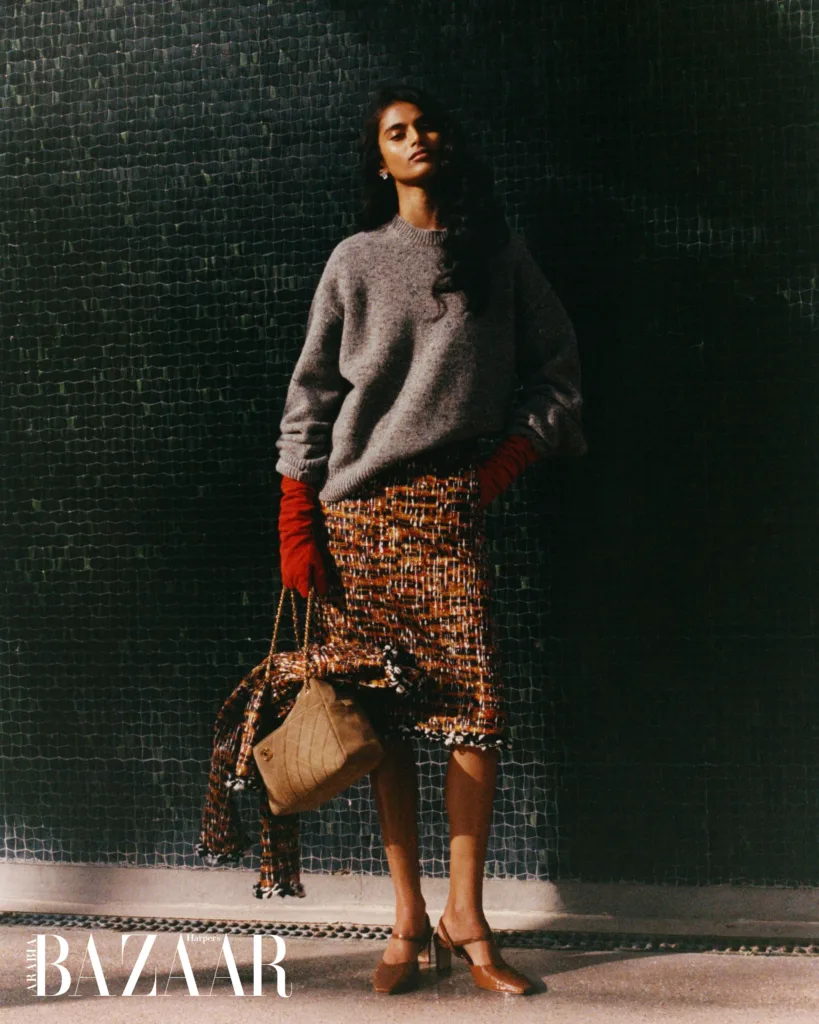
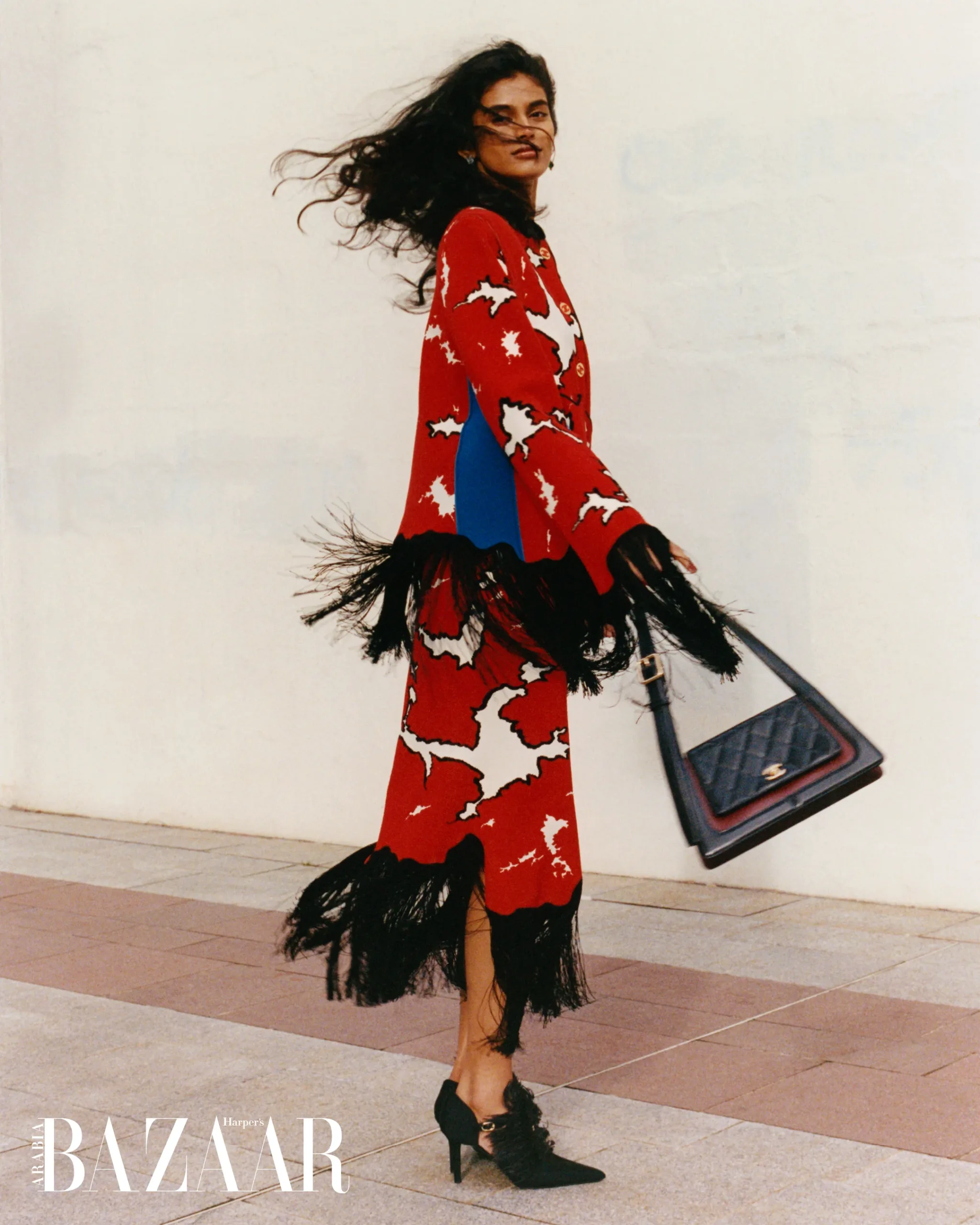
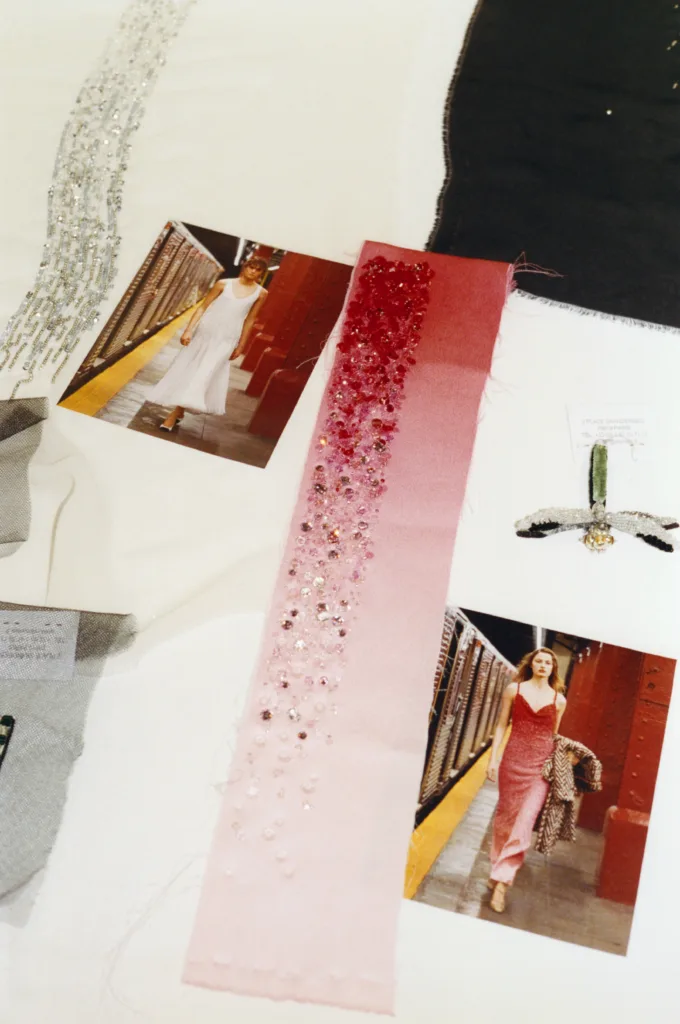
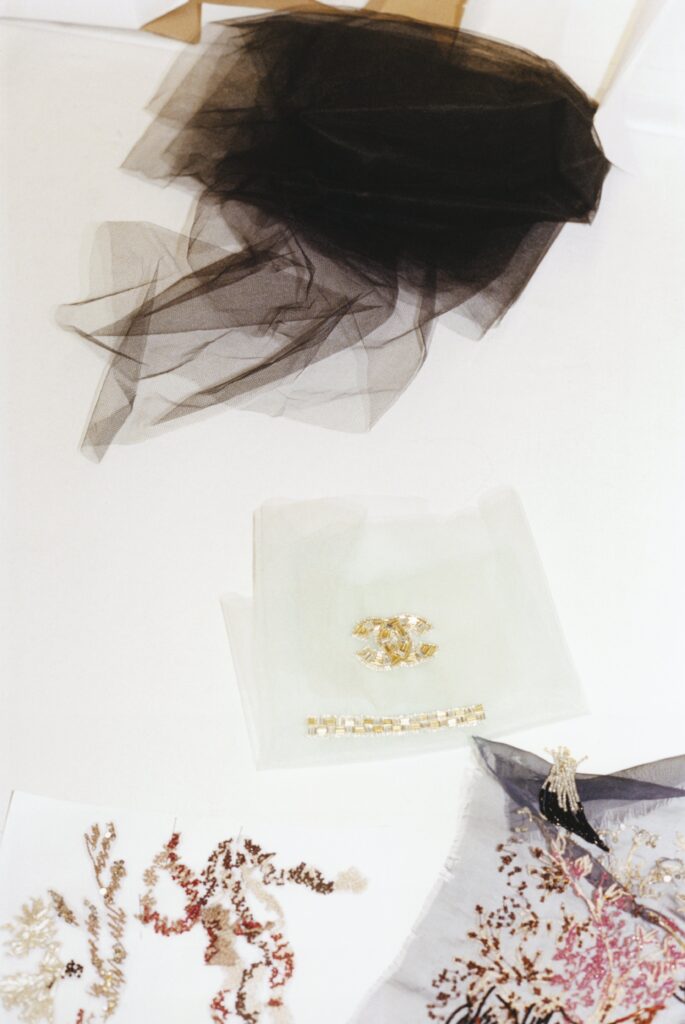
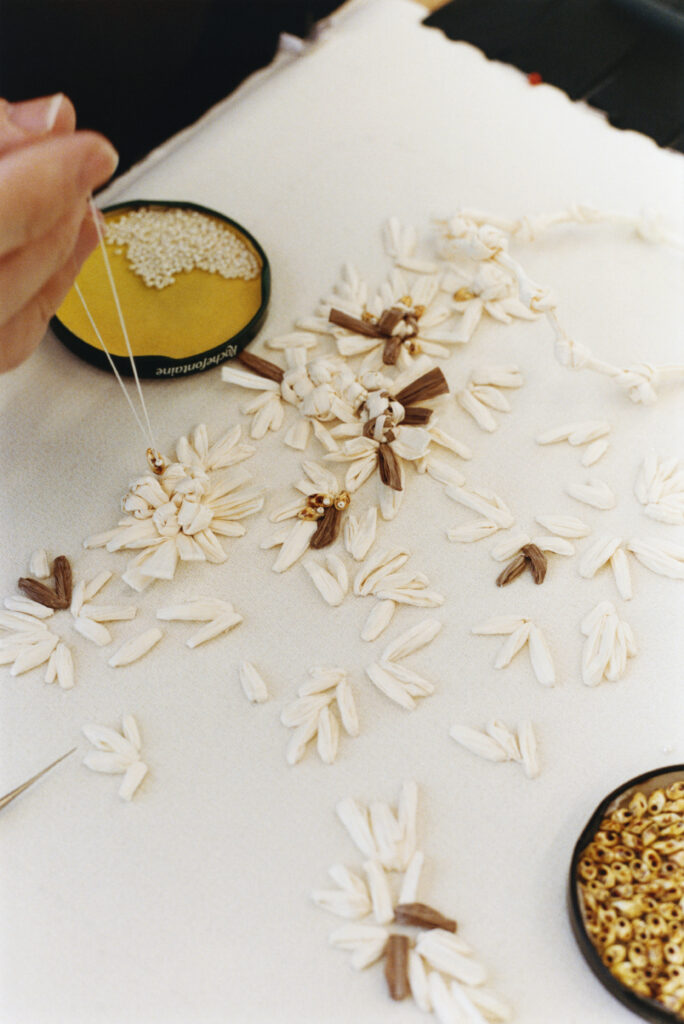
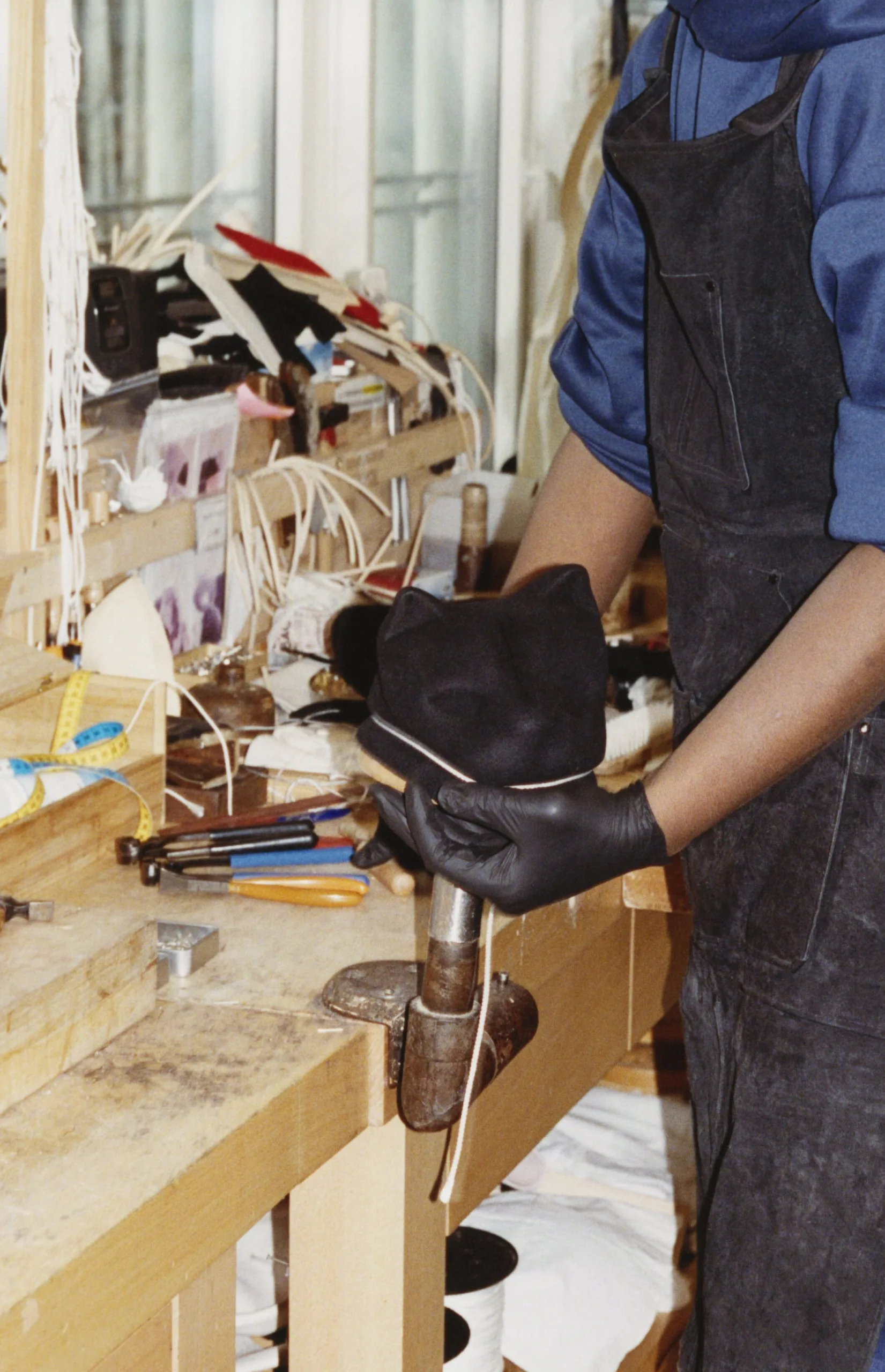
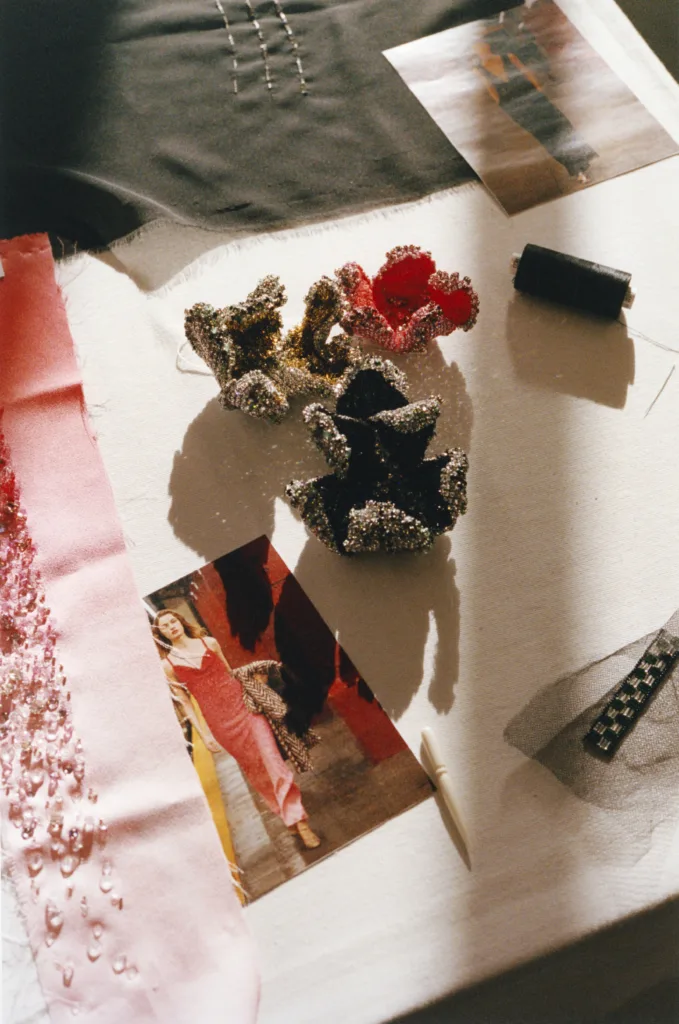
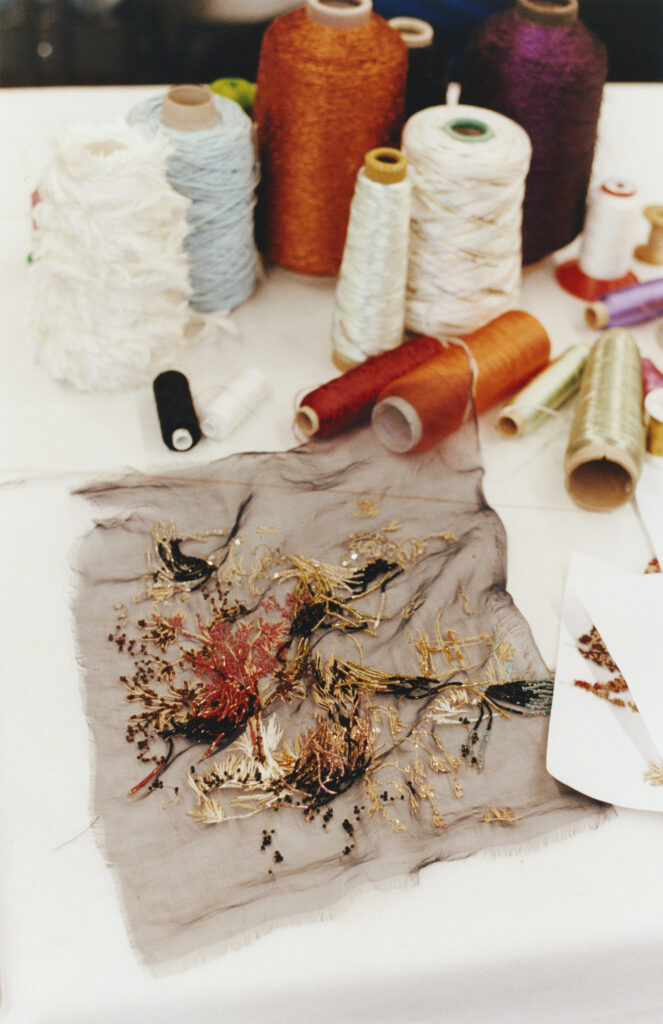
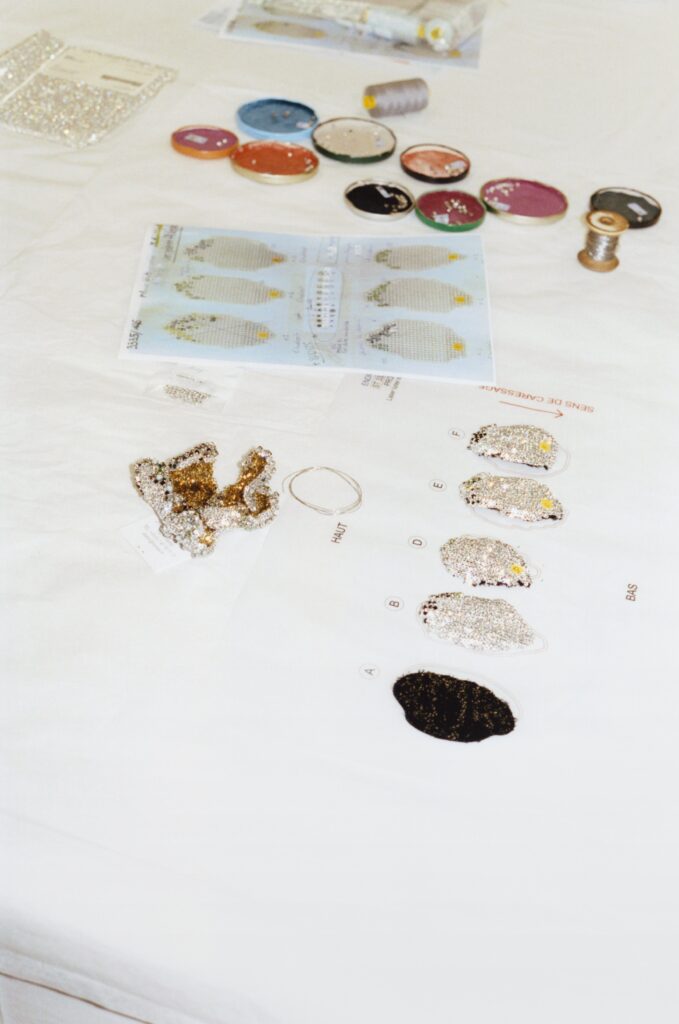
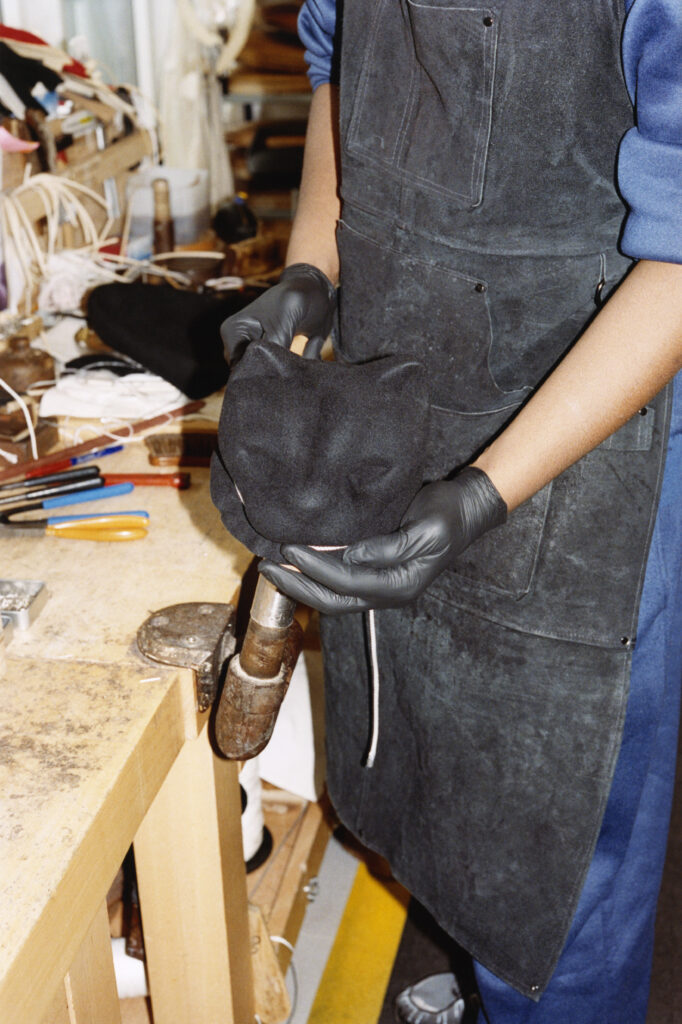
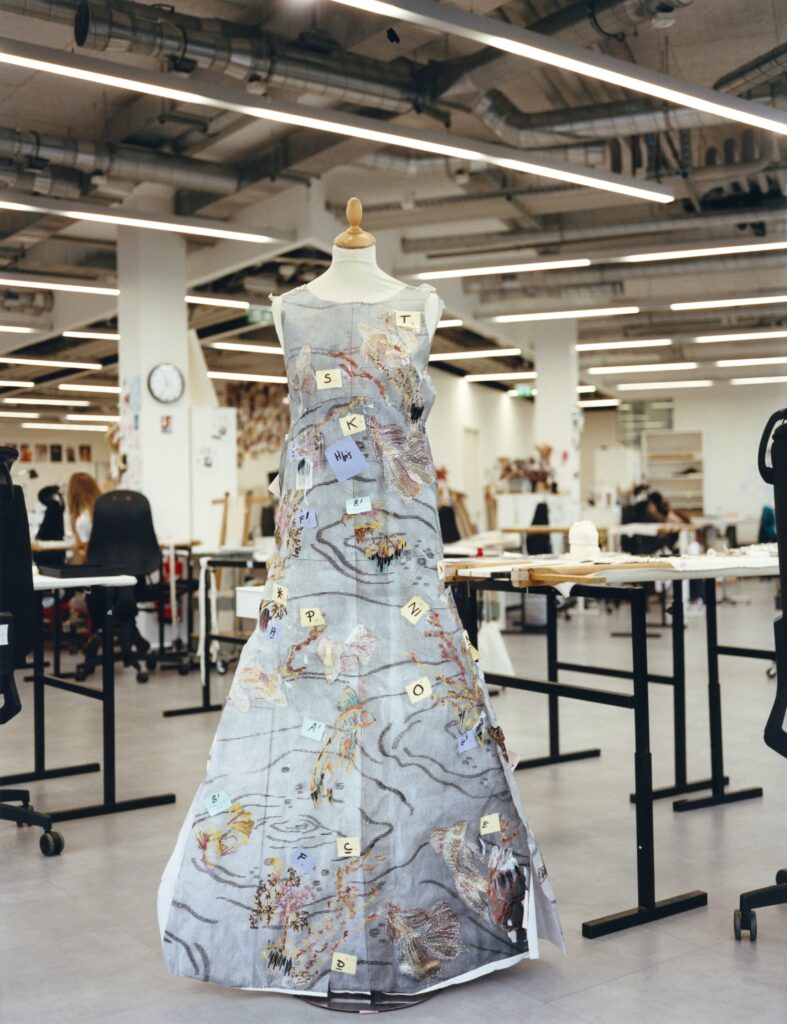
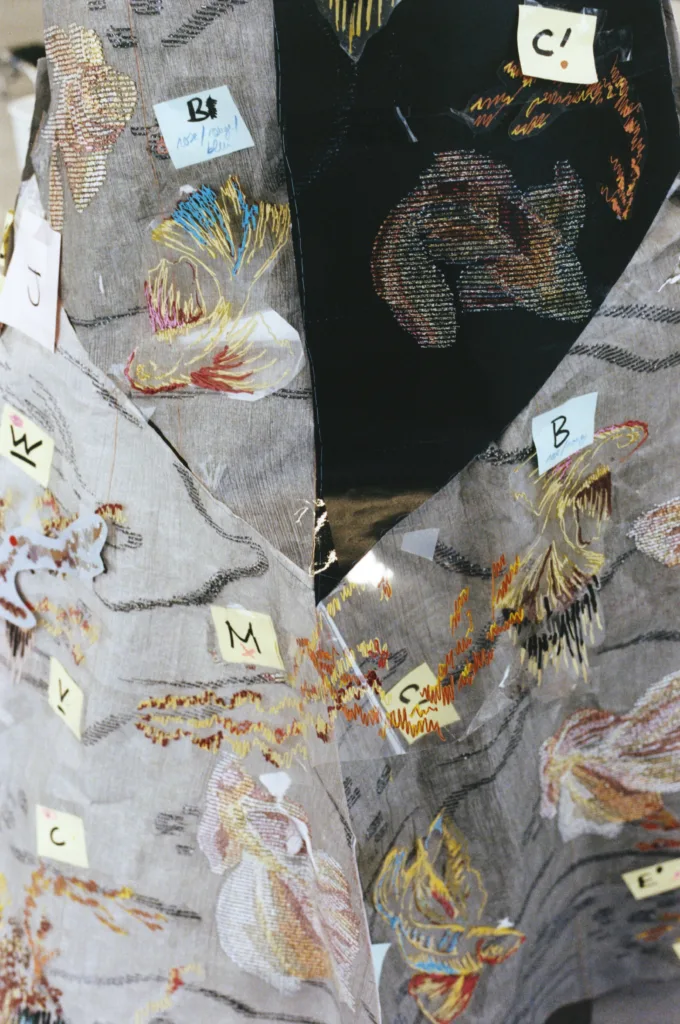
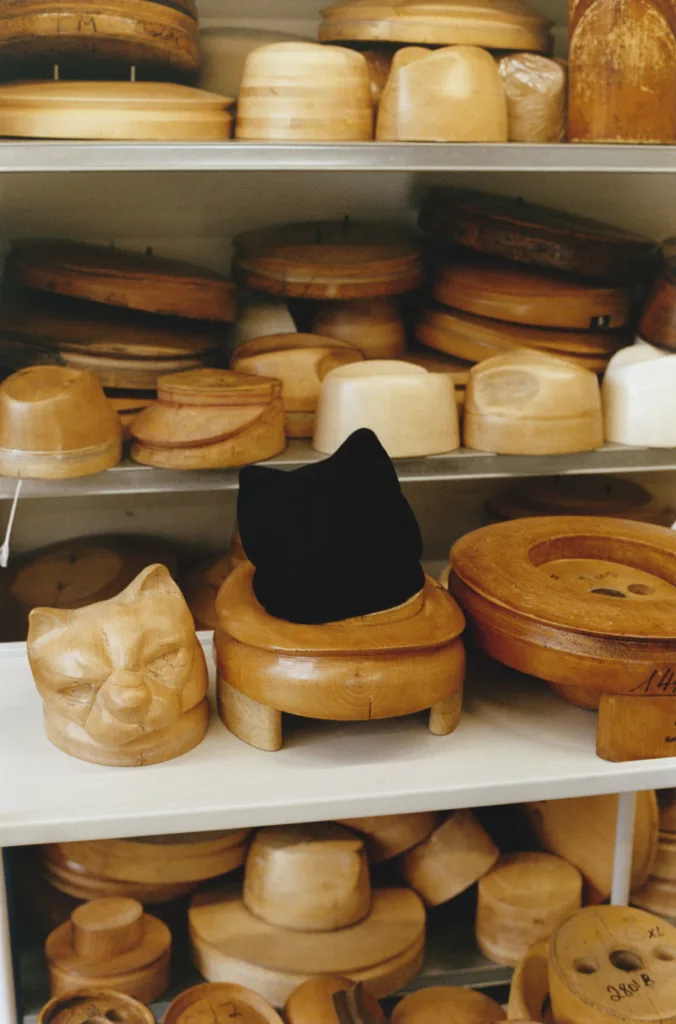
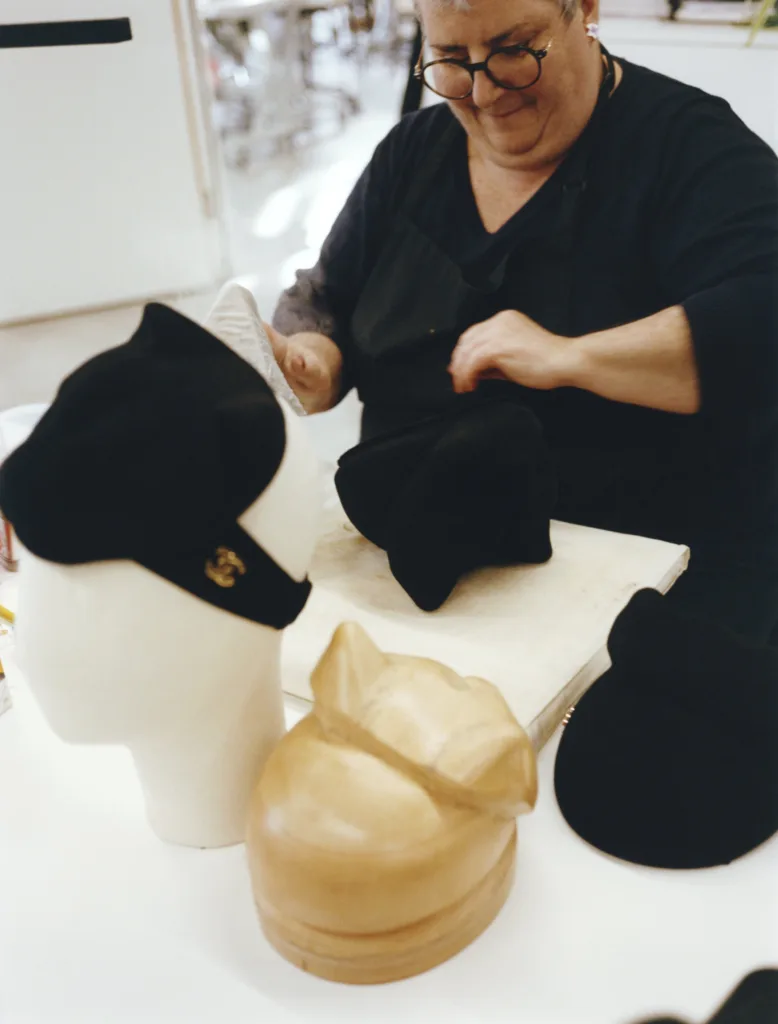
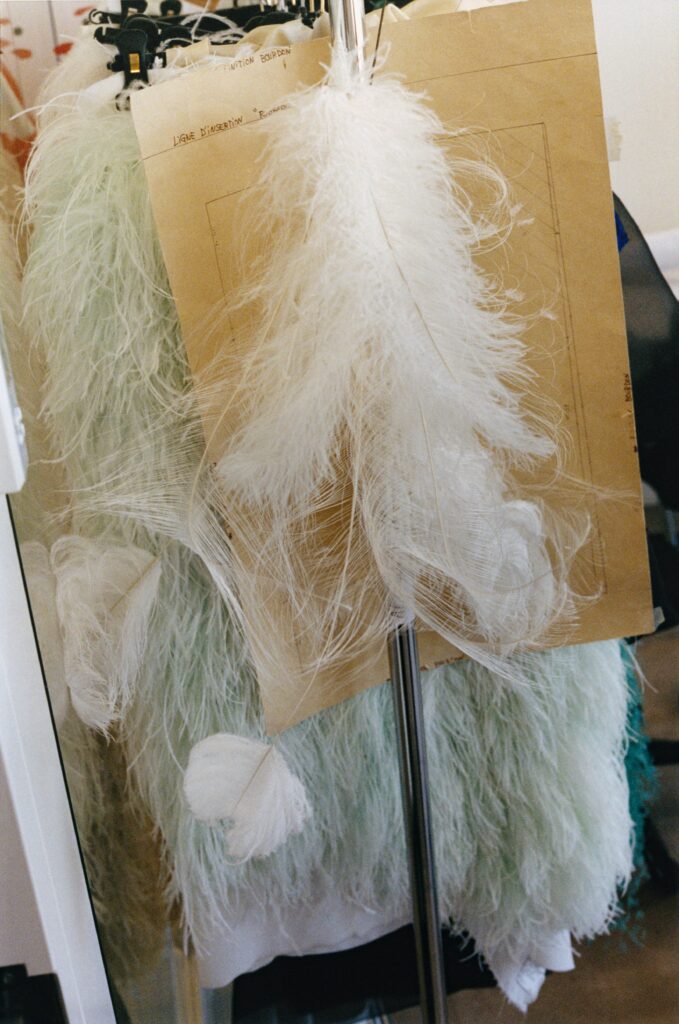
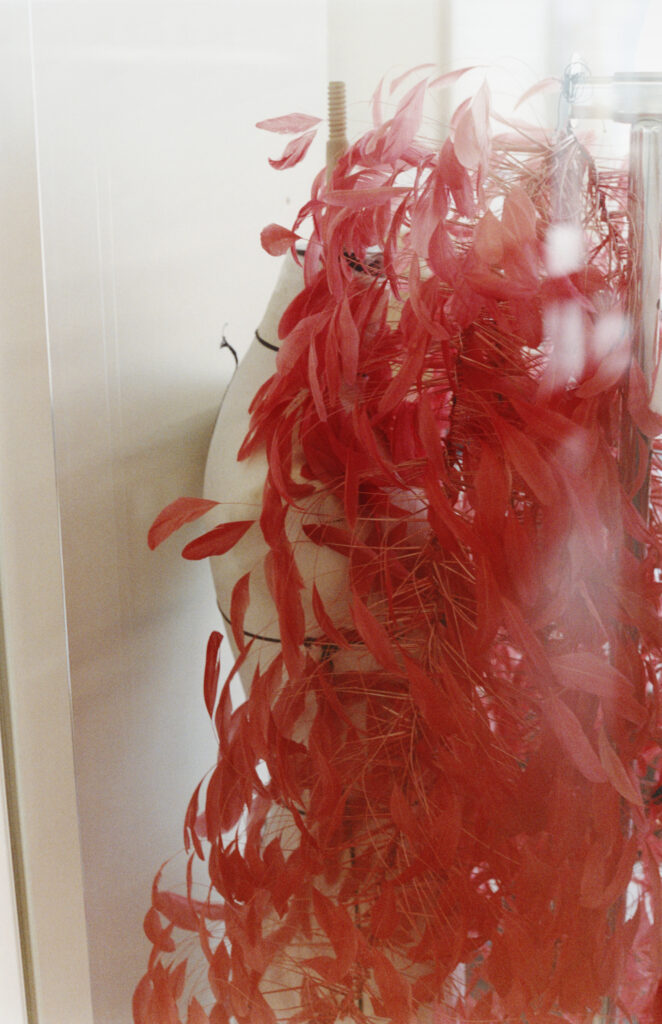
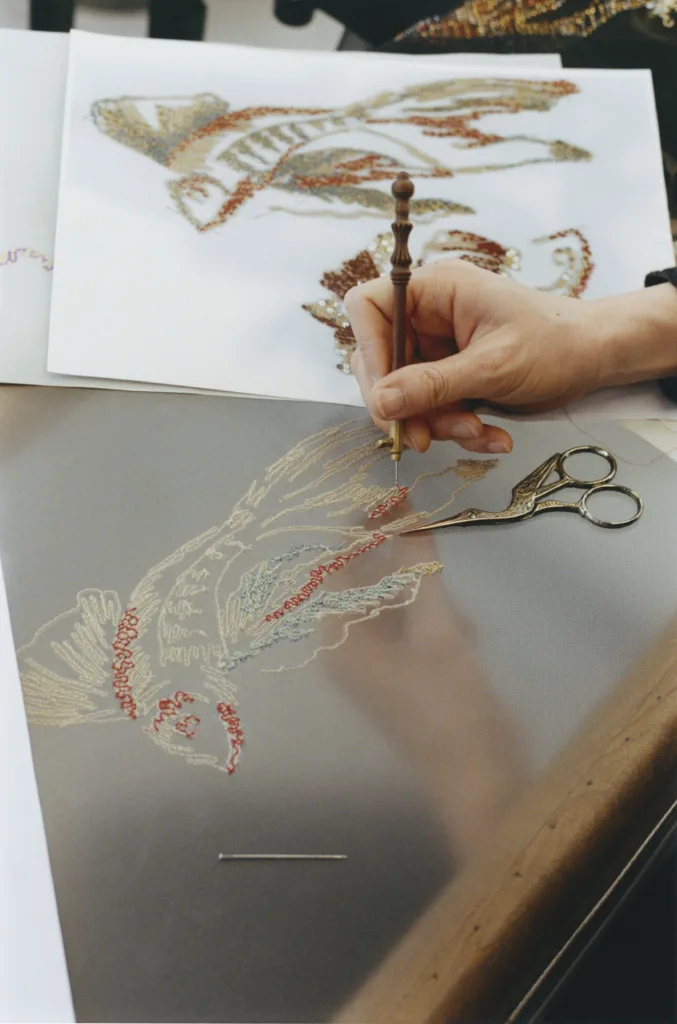
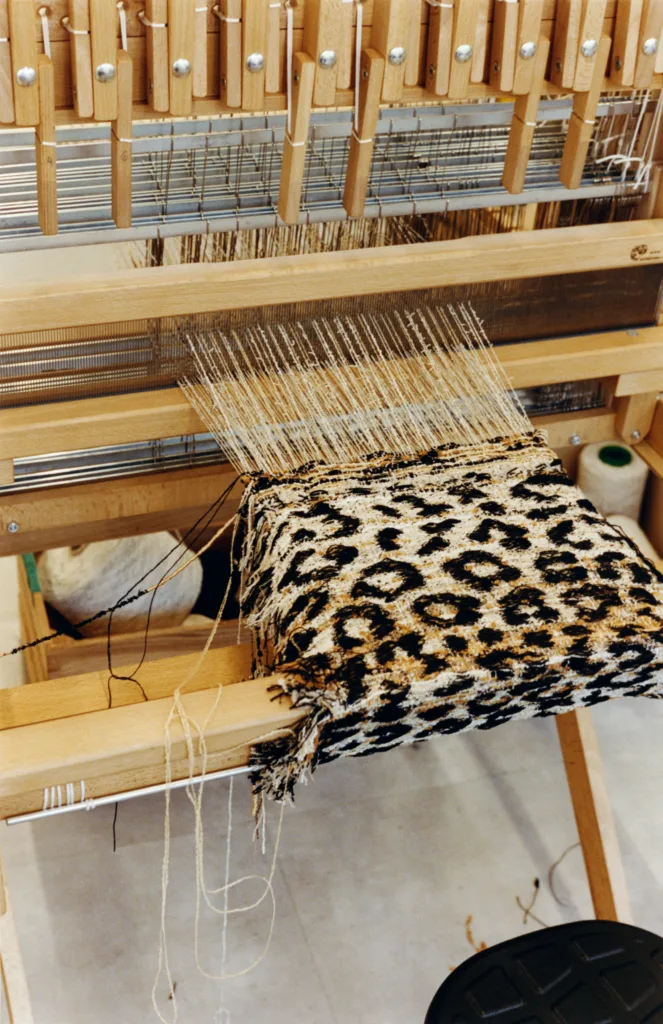
The Day After I meet with Matthieu, I tour Le19M, Inside the ateliers of Le19M, artisans specialising in techniques like embroidery, millinery and traditionally woven tweed develop exquisite pieces for Matthieu’s first Métiers d’art collection the complex that houses 11 of the artisan maisons owned by Chanel. Among them are Lesage and Atelier Montex, which specialise in embroidery; Lemarié, specialising in flowers and feathers; Massaro, a shoemaker; Paloma, a flou atelier that works with delicate fabrics; and Maison Michel, which is a millinery house. Typically, the savoir faire of most of these houses is reserved for couture or Métiers d’art, but Matthieu is bringing them deeper into the fold of the house and creating more collaborative workstreams between the maisons, involving them in the ready-to-wear collections too.
I start at Montex. There is a hush in the workrooms that is similar to what I felt back in the couture salon, save for the clicking sounds of the manual machines being delicately manipulated by young artisans. (Most appear to be between 25 and 40.) Their phones are put away, and there isn’t a laptop screen or noise-cancelling headphone set in sight – just silk, raffia, beads, muslin, and hand-drawn maps of embroidery to be placed on various garments.
The workmanship is exquisite, as it is at Lesage, where Chanel’s famous tweeds are developed on antique looms. When I walk through Maison Michel, the millinery house, I pick up a felt fascinator in the shape of a leopard’s head, but then a tiny veil catches my eye. According to the house’s artistic director, Priscilla Royer, it was designed collaboratively by several of the maisons – the cap from Maison Michel, the silk cage over the face from Paloma, the flower on top from Lemarié, and smaller flower embroideries from Montex.
It was a huge but exciting challenge, Priscilla says, to get the fascinator to Matthieu’s specifications: how it needed to look from afar, sit on the head, cover the face.
Holding that wisp of a thing in my own hands, I think about something Matthieu told me the day before: “You don’t just do a little embroidery because it’s pretty. It needs to explain something, bring an idea.”
Matthieu has honed his ability to translate products into zeitgeist shifting ideas throughout his career. He trained early with Raf Simons, who hired him straight out of school, after seeing his graduation collection at La Cambre in Brussels, which was inspired by astronaut Claudie Haigneré, the first French woman in space. (She sat in the front row at Chanel’s Fall 2026 show in March.)
His former professor Tony Delcampe remembers being struck by “his knowledge and interest in the arts, which was quite unusual for a young boy at 17.” Matthieu was a fit right away for the school, which, Tony explains, trains students “to be curious about our contemporary world where we are living, to build your culture more and more, and to be able to translate it in your clothing language.”
After his work with Raf in menswear, Matthieu joined Maison Margiela in 2011 as part of the anonymous design team for the house’s Artisanal line. He remained behind the scenes there until fashion journalist Suzy Menkes famously blew his cover by revealing his name in a review of the Artisanal collection in 2014. “I still remember the thrill when I saw the mix of detail and delicacy that he is now bringing to Chanel,” she says of her discovery.
Raf later hired Matthieu to work with him at Calvin Klein, alongside former Alaïa designer Pieter Mulier. Matthieu remained relatively unknown in the industry until 2021, when he was named creative director at Bottega Veneta, where his alchemical use of unexpected materials, such as raffia and textured leather made to look like banana leaf, turned everything he touched into gold. His famous white tank top and trompe l’oeil leather jeans inspired by Natalie Portman’s character in 2004’s Closer would become his signature – a perfect fantasy of the everyday meeting the extraordinary.
When Matthieu started at Chanel, he decided to begin not with the signature cap-toe shoes or the iconic 2.55 bag but with Mlle Chanel herself, delving into her personal history. He wanted to “understand the psychology behind it and what she saw in things and how that resulted,” he explains.
With each collection he’s done, he’s referenced anecdotes from her life: her love affair with Boy Capel and his shirts, a quote she gave to Le Figaro about women needing clothes to turn them from caterpillars to butterflies, the first New York visit, a flapper dress she loved to wear. “The reason it’s still relevant today is that the early approach was so humanist and so liberating. She was her own test; she designed what she wanted to wear. The birth of modern fashion came from an act of liberation, which is amazing.”
“What Matthieu is bringing is this evolution of the silhouette,” notes Chanel’s longtime president of fashion, Bruno Pavlovsky. “Something perhaps cooler than it was before.” When I ask him about the Métiers d’art show specifically, Bruno smiles and says, “There is a mix of everything, which gives you a show that is authentic, which is impactful. You almost forget the decor or set. At the end of the day, you look at the silhouette and the models and you say, ‘Why not for me?’ ”
Matthieu isn’t just crafting a world around Chanel, he’s making clothes for living in that world. “I never start a show or collection with the idea of the wardrobe,” Matthieu says. “But I always lean to make sure that it becomes one.”
When it’s time for Matthieu to go back to work, presumably on the autumn collection, which will include chain-mail skirt suits and exaggerated, belted drop waists, he thanks me warmly, then goes back up the mirrored staircase in his sweater and slacks.
A few weeks later, Matthieu’s Spring 2026 collection arrives in stores in Europe. The response is immediate and, well, rabid. Fashion editors plot their purchases strategically in furious group chats. Lines form at the boutique on Rue Cambon. Influencers broadcast their shopping hauls to their hundreds of thousands of followers. I’m not immune to the frenzy. I’m not in Paris when the collection hits stores, but a friend (the truest kind) FaceTimes me at 7:00 a.m. New York time so that I can shop for a pair of shoes virtually. The call wakes up my husband and my three-and a-half-year-old, but my turquoise-and-black square-toe slingbacks are worth it. I’ll wear them with my favourite jeans.
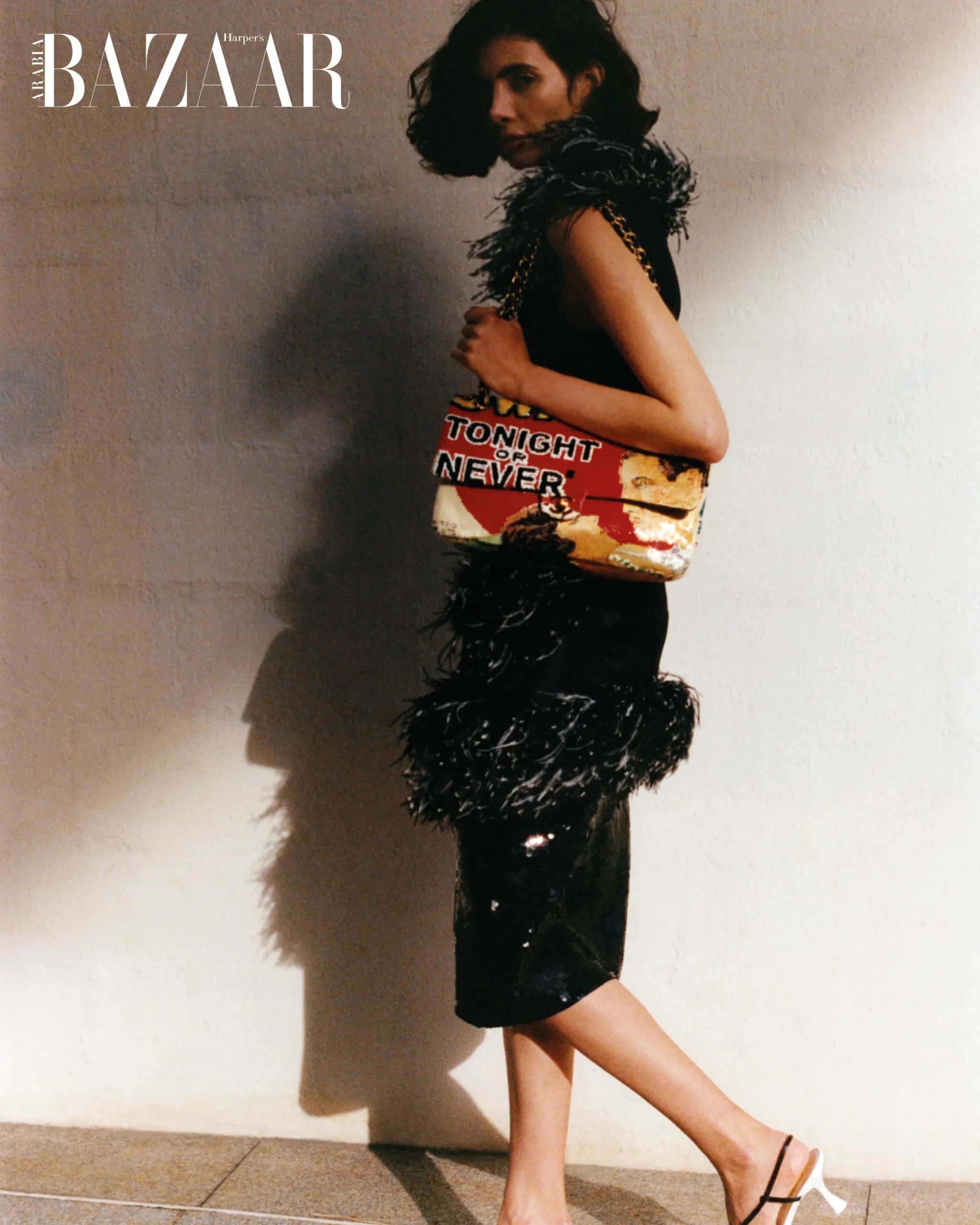
Lead Image Credit: All clothing, Matthieu Blazy’s own
Photography By Jeremy Everett: Styling By Laëtitia Gimenez Adam
From the Harper’s Bazaar Arabia May 2026 issue