
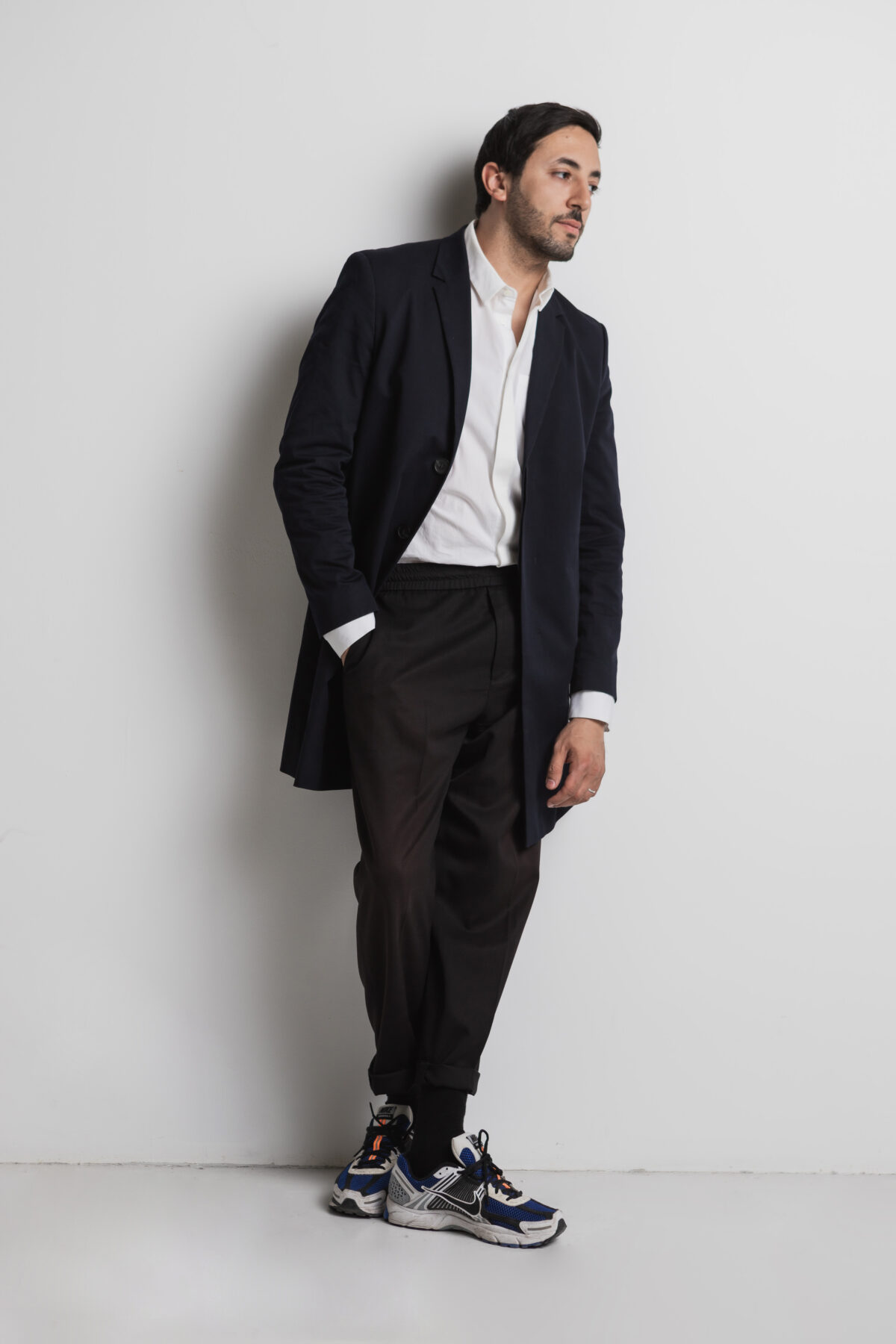
The Creativity Crash: Are We In A Saturated Cultural Age?
French-Algerian cultural commentator Sofiane Si Merabet wonders why so much creative work fails to resonate within the region
There’s a big chance – and this is especially true if you are scrolling on your phone to read this article – that very few pieces of content will fully catch your attention. You say it, you hear it – everything looks the same on Instagram. You venture into TikTok and enjoy the freshness and timeliness of cottoning onto trends early.
Then two weeks later, as you become used to it, it merges into that sameness as well. What happened to creativity? Films, tracks, and artwork are more available, displayed, and shared – not only through social media, but physically. In our region, the recent proliferation of art centres and fairs, Biennales, and music festivals are good indicators that culture seems to be having a moment. Dubai Design Week, Abu Dhabi Art with the Nomad Design’s inaugural session in the capital, or the opening of the M.F. Husain Museum in Qatar, in homage to the famous Indian painter, are events not to be missed.
But is this “all the same” feeling, the not-too-impressed face we sometimes (too often) wear, just another sign of visual indigestion? Why do we forget what we see? Why don’t we remember all the creativity around us?
In his book Why We Remember, Dr. Charan Ranganath enlightens us on memory and why we recall specific elements. He mentions that memory’s purpose is not to archive every detail, but to help us navigate the present and use past experiences to build our future. So, the quantity of creative elements we are being bombarded with is indeed an issue – but the main discussion should be on all this visual stimuli’s relevance. The algorithm is pushing what is allegedly best, but what would really make its mark on you? If memory helps us navigate the present and prepare for the future, as Dr. Charan suggests, then creative work that ignores our present reality becomes inherently – sometimes instantly – forgettable.
Take the fashion industry, for instance. The recent Paris and Milan Fashion Weeks were genuinely perceived as turning points for an industry facing the disaffection of consumers. Indeed, Anderson, Demna, Porter, and Blazy shared a new energy; some even claimed they made [fashion] history – but does that really count? In a few years’ time, what would you remember about these collections specifically?
As much as I love fashion’s role in showcasing a society’s pulse, I personally won’t remember much. Except one thing: the silence. When some voices in cinema, visual arts, or musicstood up and amplified the suffering of those in the region, fashion decided to stay silent. That might be why we always see the same thing every day. If it’s not in line with our reality, does it help us to navigate the present and build a future?
For textile lovers with a soul, I highly recommend Sila: All That Is Left to You – a show at Sharjah Maraya Art Center that is on till 5 January 2026. Curated by Cima Azzam (Maraya Art Centre), Noor Suhail (1971 – Design Space), and Rula Alami (Sila Exhibition Founder), Sila takes us on an artistic journey through Tatreez, Palestinian embroidery: a tool of resistance and identity.
From the Harper’s Bazaar November 2025 issue