

The Hormone-Friendly Edit To Eating Well
Consider this your ultimate guide to the do’s and don’ts of eating to optimise your overall well-being and women’s health
Nutrition is a cornerstone of women’s health, influencing everything from energy levels to hormonal harmony at every life stage. Informed by the principles of functional medicine, this guide offers a curated approach to dietary choices, highlighting what to embrace, what to limit, and how to eat in alignment with your body’s evolving needs.
The Healthy Habits To Foster
Prioritise Whole, Unprocessed Foods
Embrace a diet rich in whole foods, such as vegetables, fruits, lean proteins, and healthy fats. It is important to consume real, unprocessed foods that supports overall health and hormonal balance. In the UAE, the rapid nutrition transition – due to swift economic growth and urbanisation – has led to increased consumption of processed foods, contributing to rising obesity rates among women.
Ensure Adequate Protein Intake
Protein is crucial for muscle maintenance, metabolic function, and satiety. Start the day with a protein-rich breakfast to stabilise blood sugar levels and reduce cravings. In the UAE, dietary patterns can often lack sufficient protein, particularly among those adhering to restrictive diets.

Incorporate Healthy Fats
Healthy fats, such as those from avocados, nuts, seeds, and olive oil, are essential for
hormone production and brain health. Including these in your diet can aid in maintaining
hormonal equilibrium. Traditional Emirati diets, rich in healthy fats, have been largely
replaced by Western dietary patterns, which leads to increased health issues.
Embrace a Plant-Rich Diet
A diet abundant in plant-based foods provides essential nutrients and antioxidants. However, studies indicate that many women in the UAE consume diets low in fruits and vegetables, increasing the risk of micronutrient deficiencies. A “plant-rich” strategy, aiming for 70-80% of the plate to consist of vegetables, nuts, seeds, and fruits, is the optimal approach.
Stay Hydrated
Adequate water intake is vital for digestion, nutrient absorption, and skin health. Aim for
at least 8 glasses of water daily, adjusting based on activity level and climate. In the
UAE’s hot climes, maintaining hydration is especially important to prevent heat-related
illnesses.

Support Gut Health
A healthy gut microbiome influences immunity, mood, and hormone regulation.
Incorporating fermented foods like yogurt, kefir, and sauerkraut, along with high-fibre
foods, will promote good gut health. Traditional Emirati diets included fermented foods, but modern diets have seen a decline in these beneficial items.
Monitor Nutrient Levels
Regularly check your levels of essential nutrients such as iron, vitamin D, and B vitamins.
Deficiencies can impact energy, mood, and overall well-being – vitamin D deficiency is
notably prevalent among women in the UAE, with studies showing that nearly 90% of
the population is affected.
Practice Mindful Eating
Being present during meals aids digestion and prevents overeating. Focus on your food,
chew thoroughly, and listen to your body’s hunger cues. Mindful eating can help combat
the tendency toward overeating, which is a concern given the rising female obesity rates in the UAE.
The Unhealthy Habits To Leave Behind
Limit Processed and Sugary Foods
Excessive intake of processed foods and sugars can disrupt hormonal balance and
increase inflammation, and it is important to reduce the consumption of refined carbohydrates and sugars to maintain metabolic health. The high consumption of sugary beverages and fast foods is another factor behind increased obesity rates among women in the UAE.
Avoid Skipping Meals
Skipping meals can lead to blood sugar imbalances and increased cravings, while maintaining regular meal times will help support energy levels and hormonal stability. Studies in Dubai have shown that irregular meal patterns are associated with higher rates of obesity and anaemia among female university students.
Limit Alcohol and Caffeine
Excessive alcohol and caffeine can affect your sleep quality and hormonal health, so it’s crucial to consume these in moderation to support overall well-being. While alcohol consumption is generally low in the UAE, caffeine intake, particularly from energy drinks, is on the rise and may impact women’s health.
Don’t Neglect Sleep and Stress Management
Chronic stress and poor sleep can negatively impact hormonal balance. Incorporating
stress-reducing practices and prioritising restful sleep can help combat this. Urban lifestyles in cities like Dubai contribute to high stress levels, which can exacerbate health issues among women.
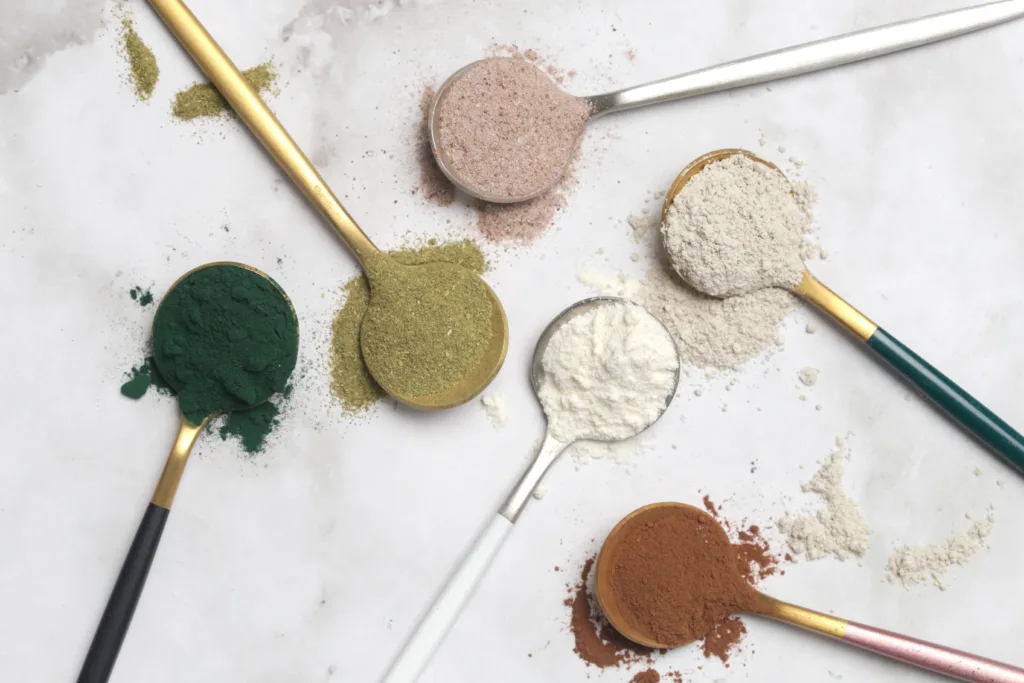
Don’t Rely Solely on Supplements
While supplements can address deficiencies, they shouldn’t replace a balanced diet.
Focus on obtaining nutrients from whole foods first. In the UAE, over-reliance on
supplements without dietary changes has not effectively addressed widespread nutrient
deficiencies.
Avoid Fad Diets
Extreme diets can lead to nutrient deficiencies and metabolic issues, so it’s important to adopt sustainable eating habits that support long-term health. In the UAE, the popularity of fad diets has been linked to increased cases of nutritional deficiencies among women.
Don’t Ignore Food Sensitivities
Pay attention to how your body reacts to certain foods. Identifying and eliminating food
sensitivities can improve digestion and energy levels. Awareness of food intolerances is
growing in the UAE, but many women still overlook symptoms that could be managed
through dietary adjustments.
Avoid Late-Night Eating
Eating late at night, a common practice in the UAE, can disrupt digestion and sleep patterns. Aim to have your last meal at least 2-3 hours before bedtime, as late night eating may contribute to weight gain and digestive issues.
Empower Yourself With Nutritional Knowledge
Understanding the impact of nutrition on women’s health can be life-changing. By adopting these evidence-based practices, women can support their hormonal balance, energy levels, and overall well-being. Remember, small, consistent changes can lead to significant health improvements over time.
Dr. Ido Sirota is an OBGYN and women’s health advocate based in the region, dedicated to advancing education and healthcare access for women locally and worldwide.
For more information on women’s health, follow Dr. Ido Sirota on Instagram.
Imagery Courtesy of Shutterstock
