
The New Proportions Report: Does Size Matter When Choosing A Watch?
Why the “feel” on the wrist is the real trend, and how to choose it by style, not gender
Let’s admit it. Watch culture loves a number. 36. 39. 41.
We say them the way people say shoe sizes, or runway seats, like the digit alone can explain taste. It can’t. It’s just the easiest thing to repeat at dinner.
Because what everyone is actually talking about, even when they’re pretending they’re talking about millimetres, is vibe. How it sits. How it moves. Whether it looks like it belongs on you, or like you borrowed it and forgot to give it back. That’s the shift right now. Not ‘small is back,’ not ‘big is boss.’ The real trend is proportion, in the full-body sense. The wrist feel. The way the watch behaves when you’re doing real life, walking, greeting, lifting a coffee, sliding a sleeve down, texting, living.
And if you’ve ever put on a watch that seemed perfect online, then immediately thought, why does this feel… wrong, you already understand the point.
The first thing to know: diameter is not the personality
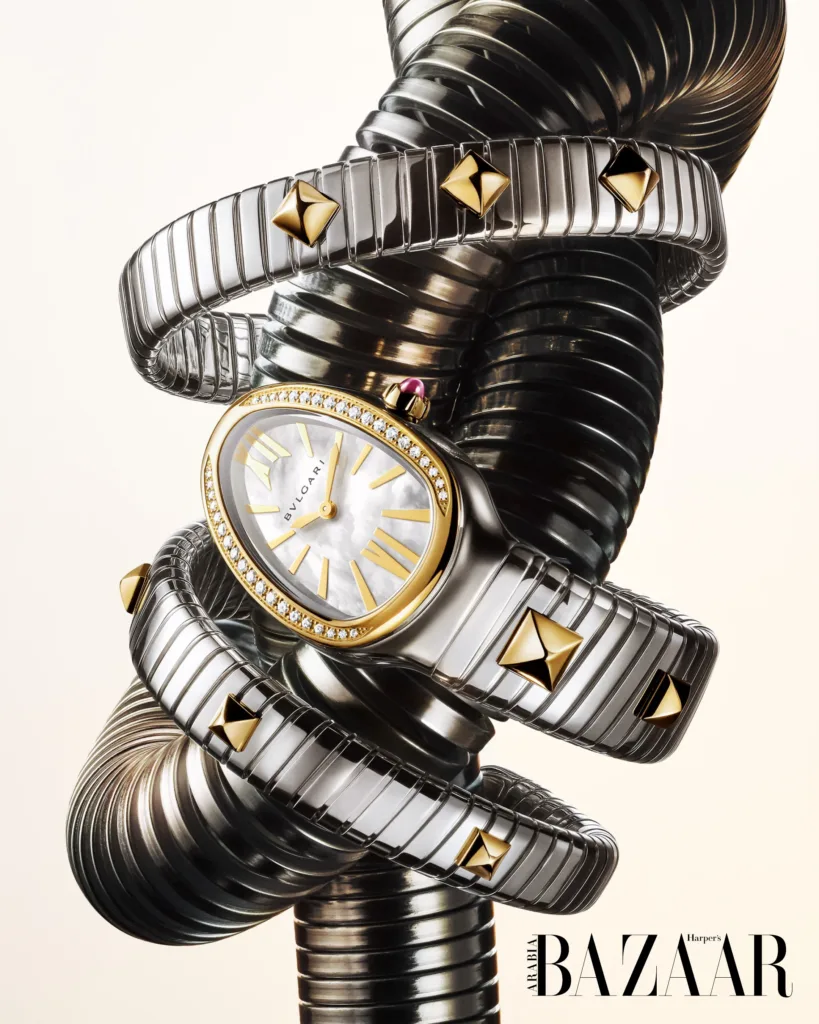
Case diameter is the headline number, which is why it gets all the drama. But it’s also the number that lies the most when it’s onits own. A 38mm can wear huge if the dial is wide and the bezel is skinny. A 41mm can look refined if the bezel is doing some work and the lugs actually drop nicely onto the wrist instead of standing there like tiny handlebars. Two watches can have the same diameter and feel like two totally different outfits. One is a clean blazer. One is an oversized jacket that walks into the room before you do. Same category, different energy.
So if you’re trying to shop with more confidence, stop asking, ‘What size is it?’ and start asking, ‘What does it do to my arm?’ Does it anchor you in a chic way, or does it dominate the whole look? Does it look intentional with your jewellery, or does it fight it?
Thin is not automatically chic
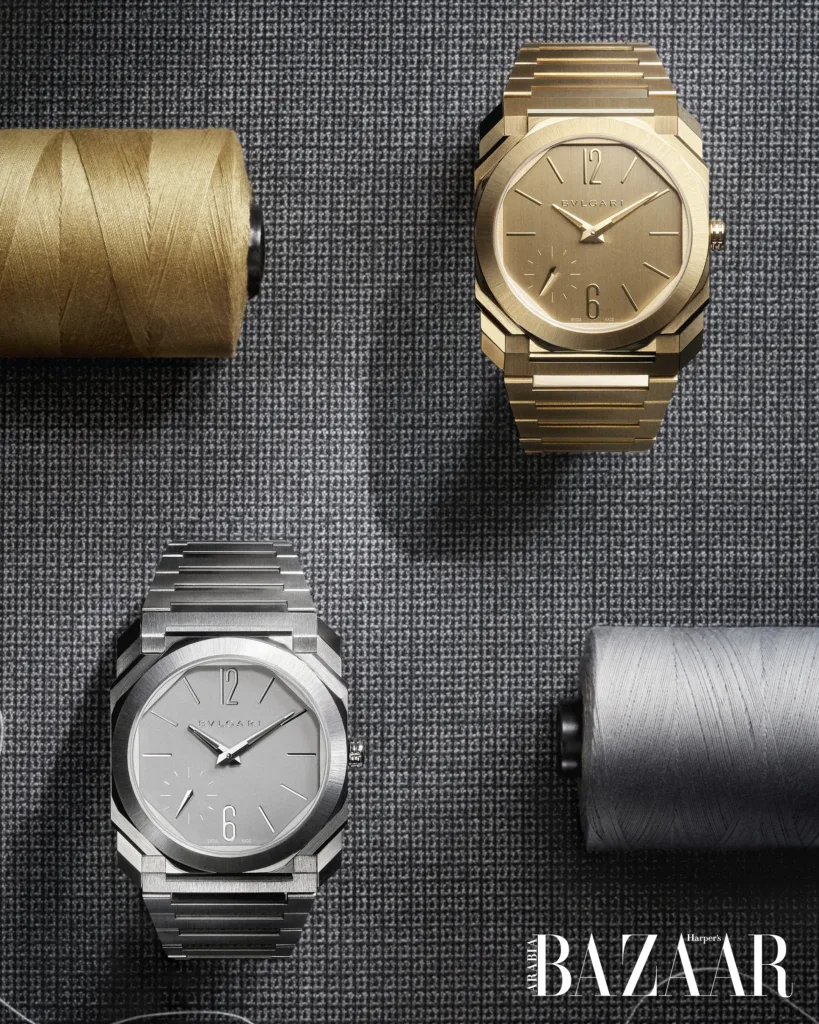
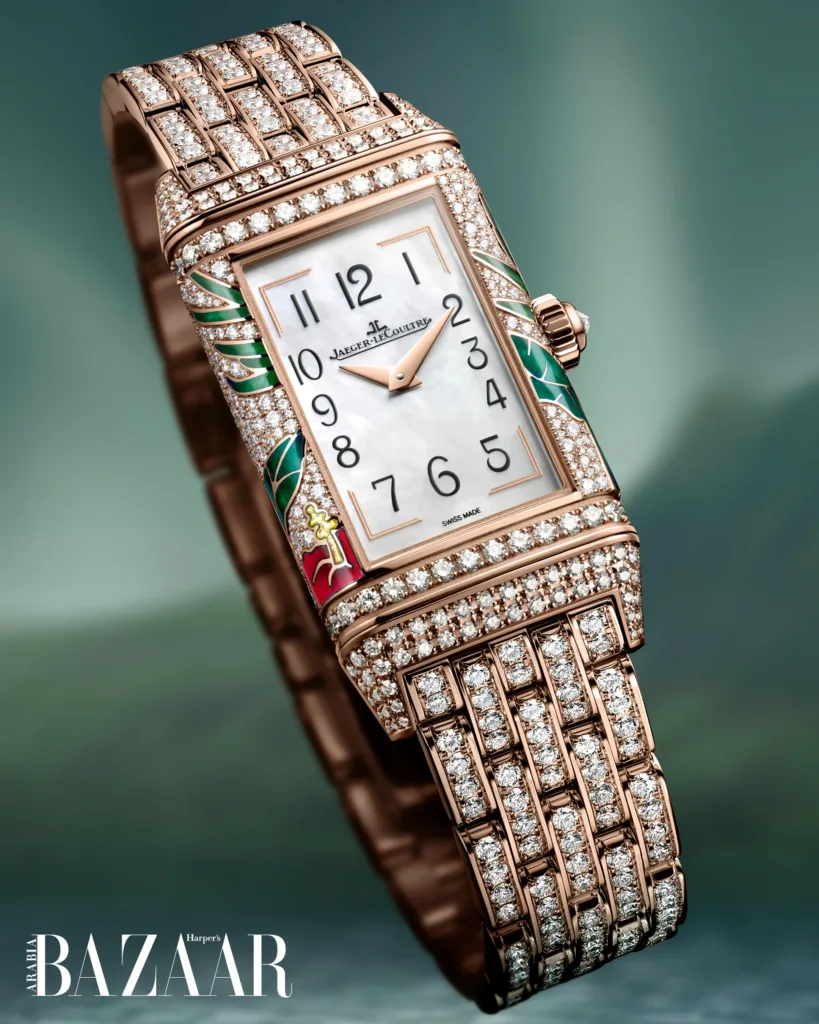
We’ve been trained to worship slimness, and to be fair, a thin watch can feel incredibly elegant. But thin isn’t the same as good. A super thin case on a stiff strap can look severe, like it’s trying to be ‘serious.’ A thin watch on a wide bracelet can read like a cuff, which can be gorgeous, but it’s a different mood than delicate. Meanwhile a slightly thicker watch can look more expensive if the thickness feels designed rather than accidental. The tell is whether the watch looks like it’s sitting comfortably on the wrist, or perching there like it’s waiting for applause.
Lug-to-lug is the plot twist
If you take one detail away from this piece, let it be this: lug-to-lug is often the real sizing story. It’s the length from the top lug tip to the bottom lug tip, and it decides whether a watch hugs the wrist or sprawls across it.
This is why people buy a ‘safe’ diameter and still feel weird. Because the lugs are long, straight, and make the whole thing wear bigger than expected. Or the opposite happens. The watch is technically larger, but the lugs are short and curved, so it sits neatly and suddenly feels like it was made for you.
Lugs are basically the shoulder line of a watch. They set the posture. Curved lugs soften. Straight lugs sharpen. Hidden lugs can make a watch feel bracelet-y and sleek. Strong lugs can make it feel sporty or assertive, depending on the rest of the design. It’s not better or worse. It’s just the vibe check.
Bracelet width and clasp drama
People talk about cases like the bracelet is just the thing holding it on. It isn’t. The bracelet is half the experience. Sometimes more. Bracelet width changes everything.
Wider bracelets can read more sporty, more confident, more ‘I’m not here to look fragile.’ Narrower bracelets can read jewellery-like, especially in gold, or with a very clean dial. Taper is another quiet flex. A bracelet that tapers toward the clasp tends to look more elegant. One that stays wide can look graphic and bold, but it’s a choice you feel. And then there’s the clasp, the sneakiest villain of comfort. A heavy clasp can make the watch spin. A bulky clasp can make stacking miserable. A great clasp disappears, and the whole watch feels calmer because of it. This is the part no one wants to talk about because it isn’t glamorous, but it matters: if the watch annoys you, you won’t wear it. And if you don’t wear it, it’s not a collector’s piece, it’s expensive storage.
The real trend is “how it lives”
This is why the “feel” conversation is taking over. Because watches are being worn like styling, not like a separate hobby with the wrist being a focal point. Especially here. We dress for evenings that stretch. We greet. We host. A watch sits right where all of that happens. It’s the hard object against soft dressing, the polished detail that keeps an outfit from floating away. So the modern question is not “Is this a women’s size?” It’s “Is this my kind of watch?”, which brings us to the part people actually want.
A collector guide to choosing proportion by style, not gender
Think of it like choosing shoes. You don’t buy heels simply because they’re ‘for women’ – you choose the pair that fits your lifestyle, your wardrobe and your personality. Watches should be approached the same way. If your days move between reformer classes and spontaneous swims, a heavily diamond-encrusted watch with a delicate leather strap is unlikely to keep up with you.
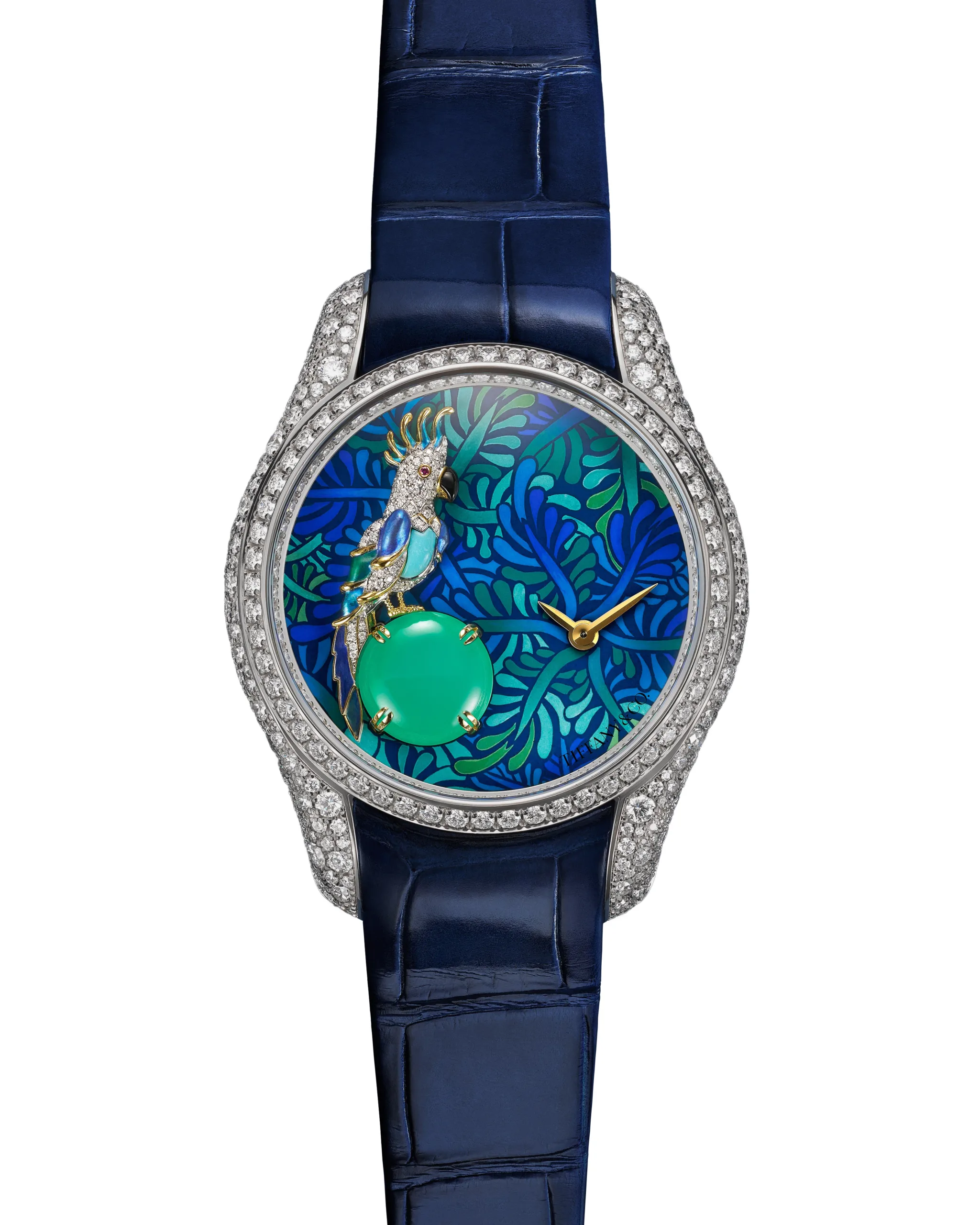
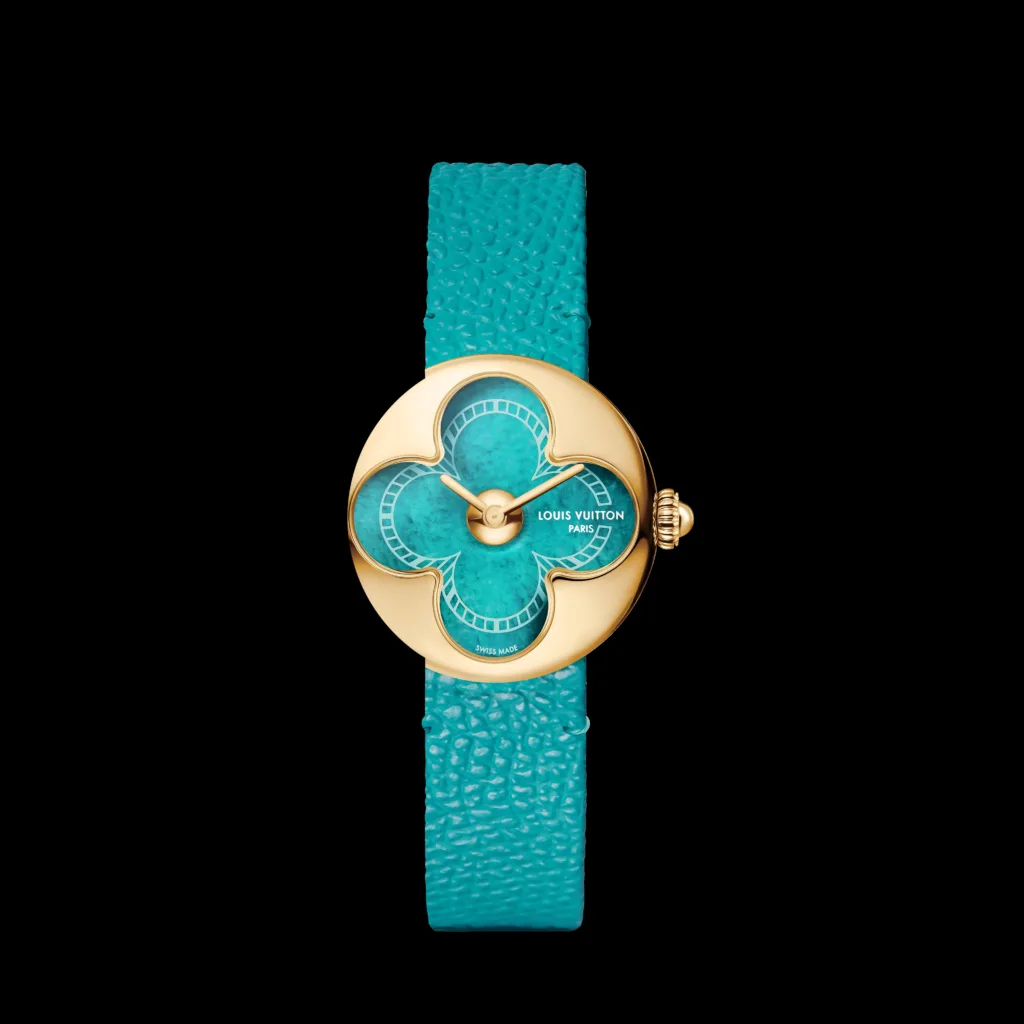
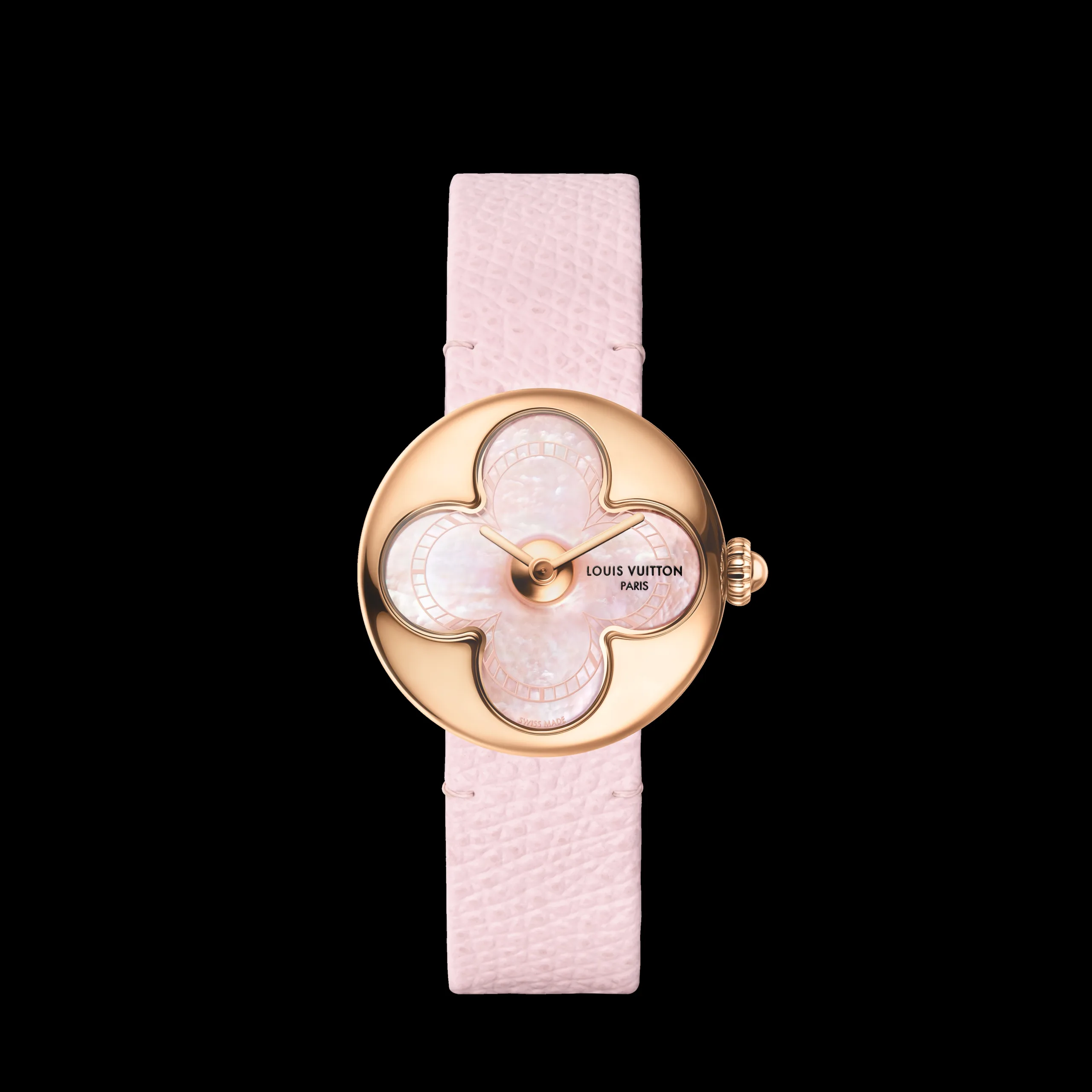
If your style is crisp and tailored
You want a watch that behaves like good tailoring. Clean, composed, not too tall onthe wrist, and happy living under a cuff. The dial should feel calm. The bracelet or strap should look considered, not flimsy. This is where proportion is about neatness, not smallness. You want it to sit like it belongs, not like it’s making a statement you didn’t ask for.
If your style is jewellery-first
You already understand the wrist as real estate. You stack. You mix. You like pieces that look like they’re part of the look, not a separate gadget. Your best proportion move is to pick a watch that plays well with other things. It shouldn’t sit too high if you like bracelets. It shouldn’t have a clasp that constantly interrupts the party. It should feel like it can either be the main piece on the wrist, or sit happily beside bangles without sulking. This is also where you can lean into bracelet-like watches and cuff energy if that’s your taste. Some people want a watch that whispers. Some people want a watch that reads like jewellery with a dial. Both are valid. The point is choosing it on purpose.
If your style is soft, draped, and very feminine
This is where a structured watch can be the best kind of contrast. The trick is avoiding anything too chunky or overly technical unless that’s the exact tension you want. A rounded case, softer lugs, a dialthat’s easy on the eye, these details keep the watch from feeling harsh against fluid silhouettes. You’re aiming for balance. Something that grounds the look without turning it into armour.
If your style is sporty, practical, and confident
You can handle more presence on the wrist without it wearing you. A slightly larger case can look completely right if the lug-to-lug is sensible and the watch actually sits well. The danger zone is bulk for bulk’s sake, the watch that feels like it’s wearing you, not the other way around. The chic sporty watch still has to be designed well. It has to feel smooth in movement. You should be able to wear it all day and not feel like you’ve strapped a small appliance to your arm.
If your style changes depending on the day
You want a watch that flexes. The one that works with a day dress, a dinner look, a blazer, a kaftan, tailoring, whatever version of you shows up. This is where ‘middle’ proportions are often the smartest, not because they’re safe, but because they’re adaptable. A watch that sits comfortably, doesn’t catch on sleeves, doesn’t spin, and doesn’t demand a full outfit built around it is the one you’ll reach for constantly. And repetition is how a watch becomes yours.
The takeaway, without the math
The new proportions story is not about chasing a perfect number. It’s about choosing a watch that feels right the way a great shoe feels right. It changes your posture. It makes you move differently. It looks natural on you because it suits your style, not because it followed a gender rule. The real trend is the watch you forget you’re wearing, until you catch it in the light and remember exactly why you bought it.
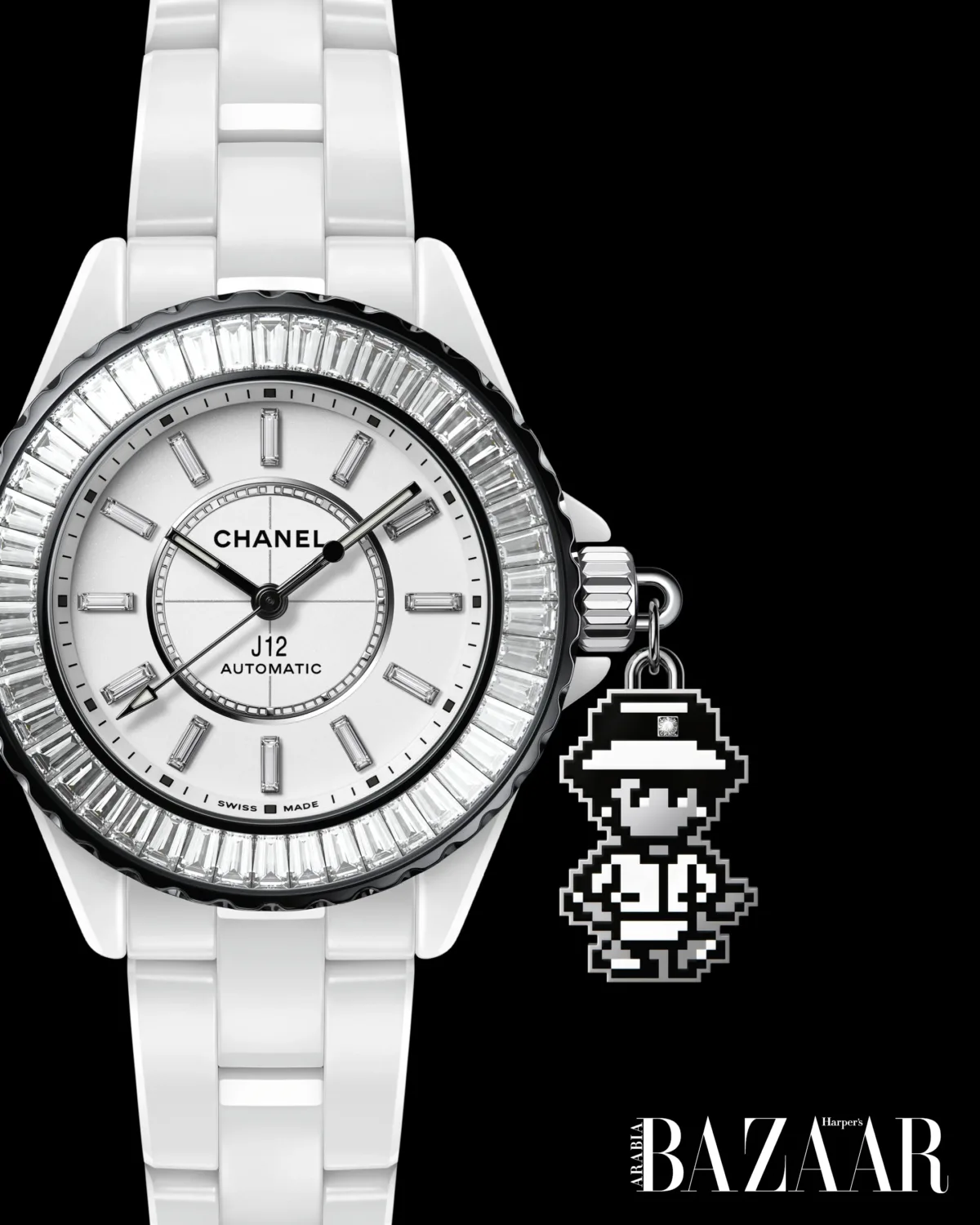
Lead Image Credit: J12 Coco Game Charm Watch in White Matte Ceramic with Diamonds, POA, Chanel
Images Supplied
From Harper’s Bazaar Arabia June 2026 issue