

The Ramadan Switchboard: Iftar Then Out
Ramadan style is not about owning two sets of wardrobes, it is about learning one skill: recalibration. The evening begins in soft light, close conversation, longtales and the kind of elegance that should feel calm. Later, the night sharpens. The same
room can turn from family warmth to social electricity in under an hour. One base look, then one switch. Not a reinvention, a refinement. The kind of small change that photographs like couture because it looks contemplated, not complicated
Ramadan style is not about owning two sets of wardrobes, it is about learning one
skill: recalibration. The evening begins in soft light, close conversation, long tables
and the kind of elegance that should feel calm. Later, the night sharpens. The same
room can turn from family warmth to social electricity in under an hour. One base
look, then one switch. Not a reinvention, a refinement. The kind of small change that photographs like couture because it looks contemplated, not complicated.
Day
The Smallest Details Make The Biggest Difference During Iftar

The Second Shoe
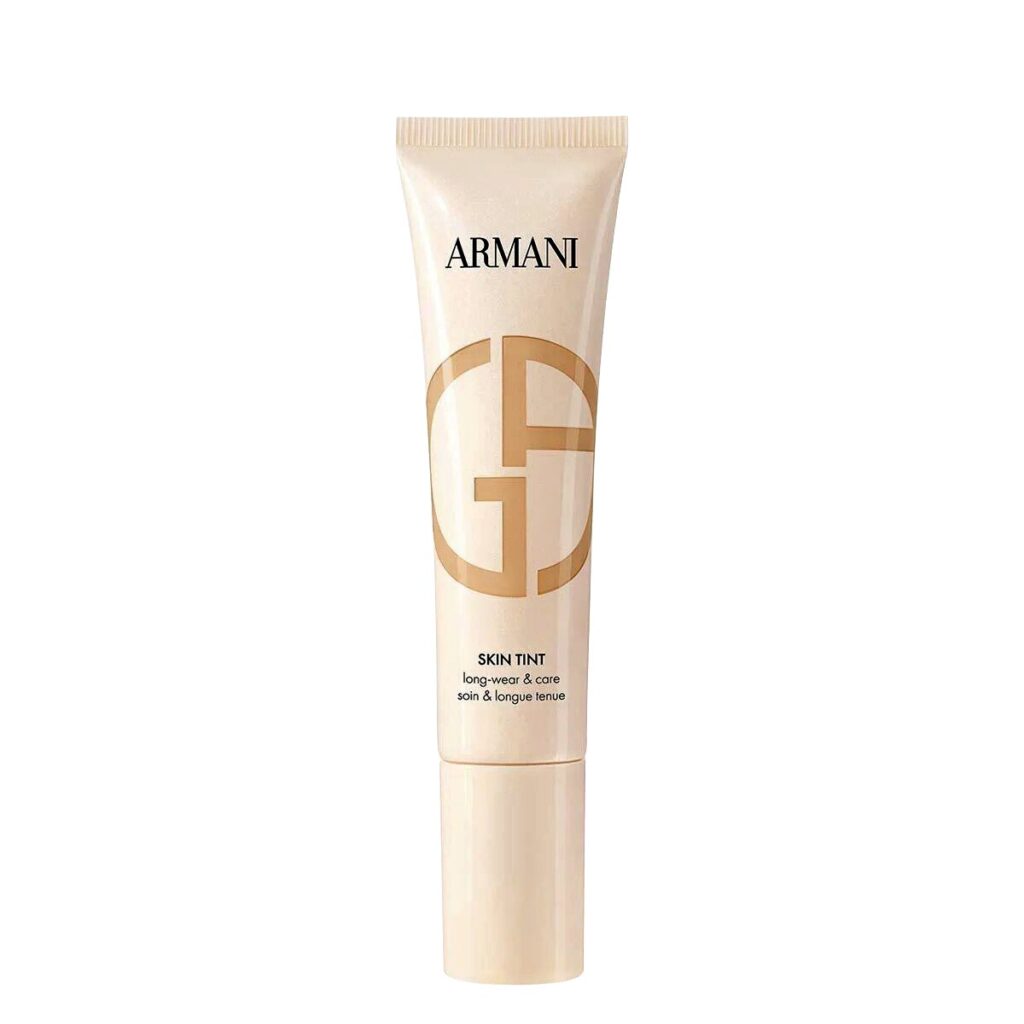
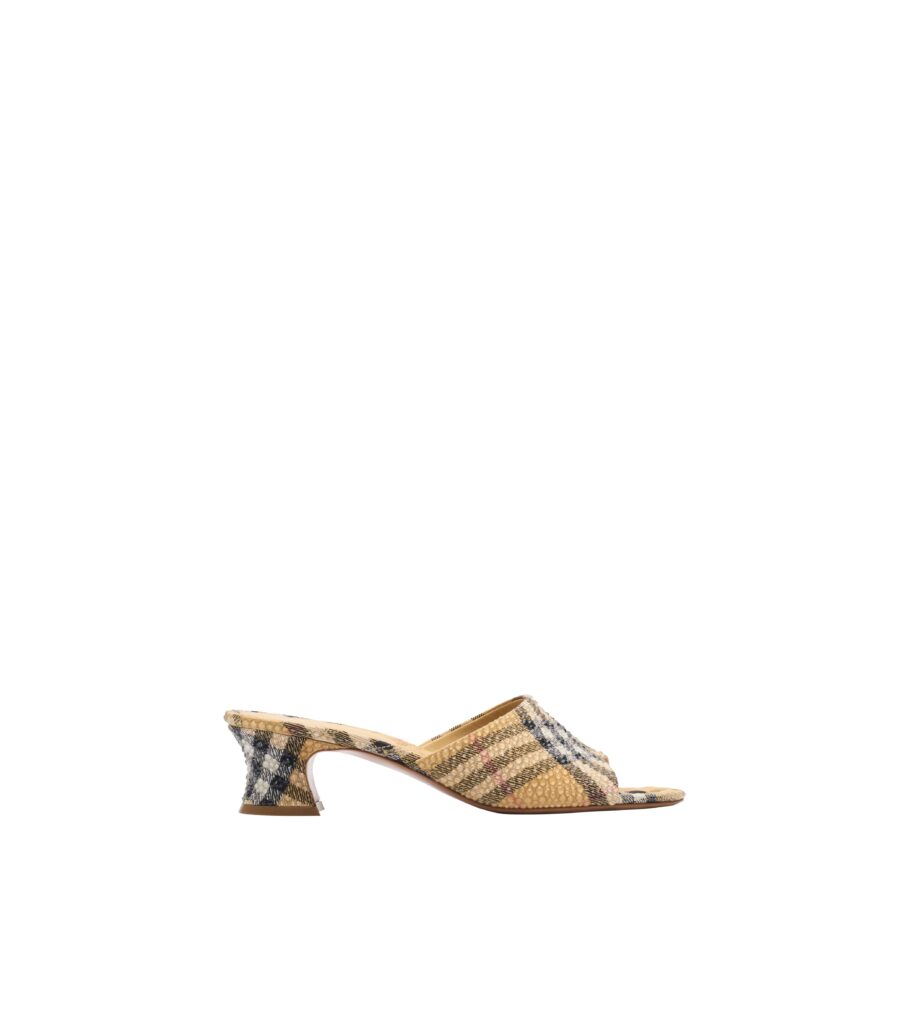
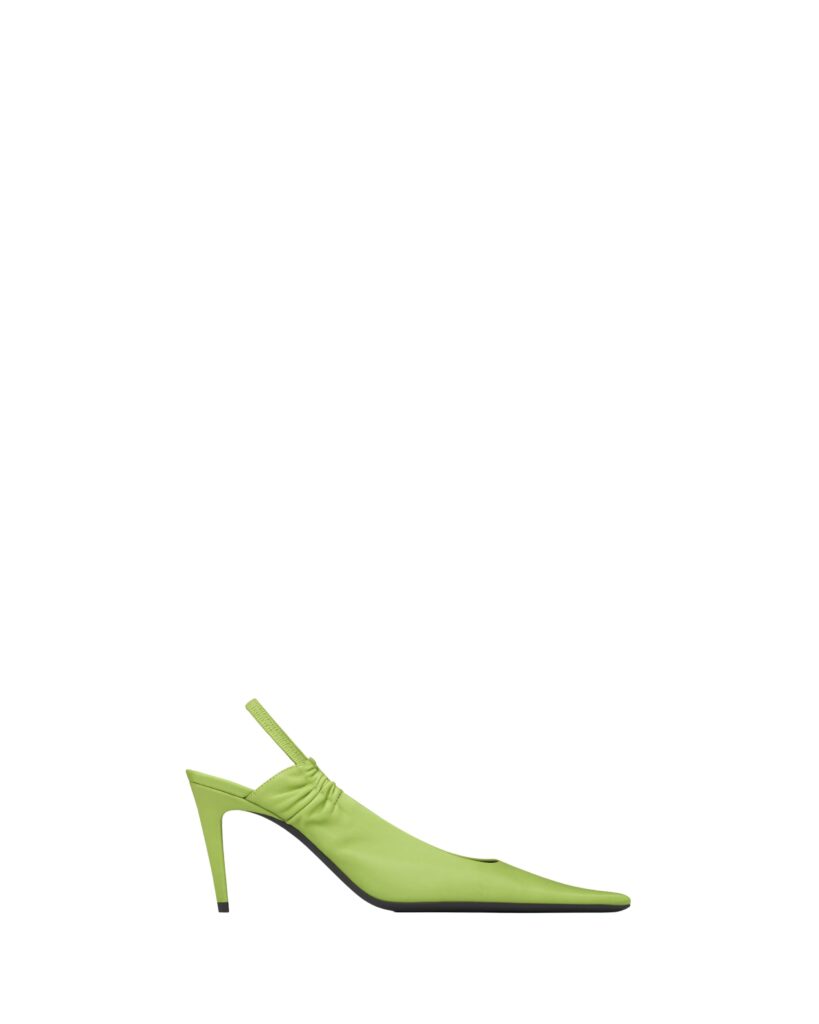
At iftar, the best shoe is the one you forget you are wearing: slim, clean, low, quiet. It lets you move through greetings and a long meal without performing discomfort as a personality trait. Later, you change nothing except height and line. A sharper heel, a more precise point, a sandal that makes your ankle look deliberate. The posture shifts first, then the whole outfit follows. Trousers fall differently. A skirt looks longer. A jacket reads more tailored. It is the smallest lever in the room, but it moves everything.
A bag that holds nothing
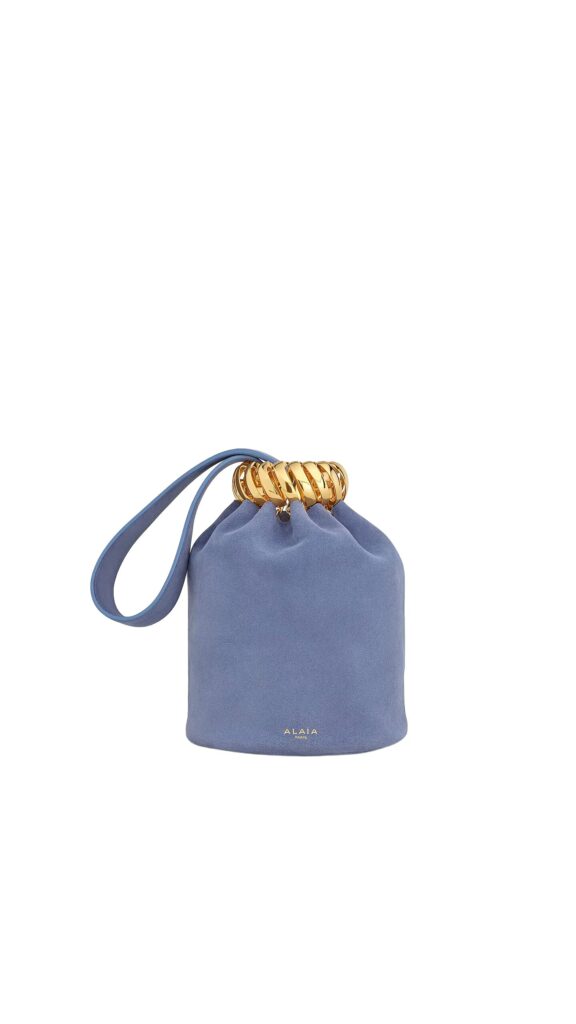
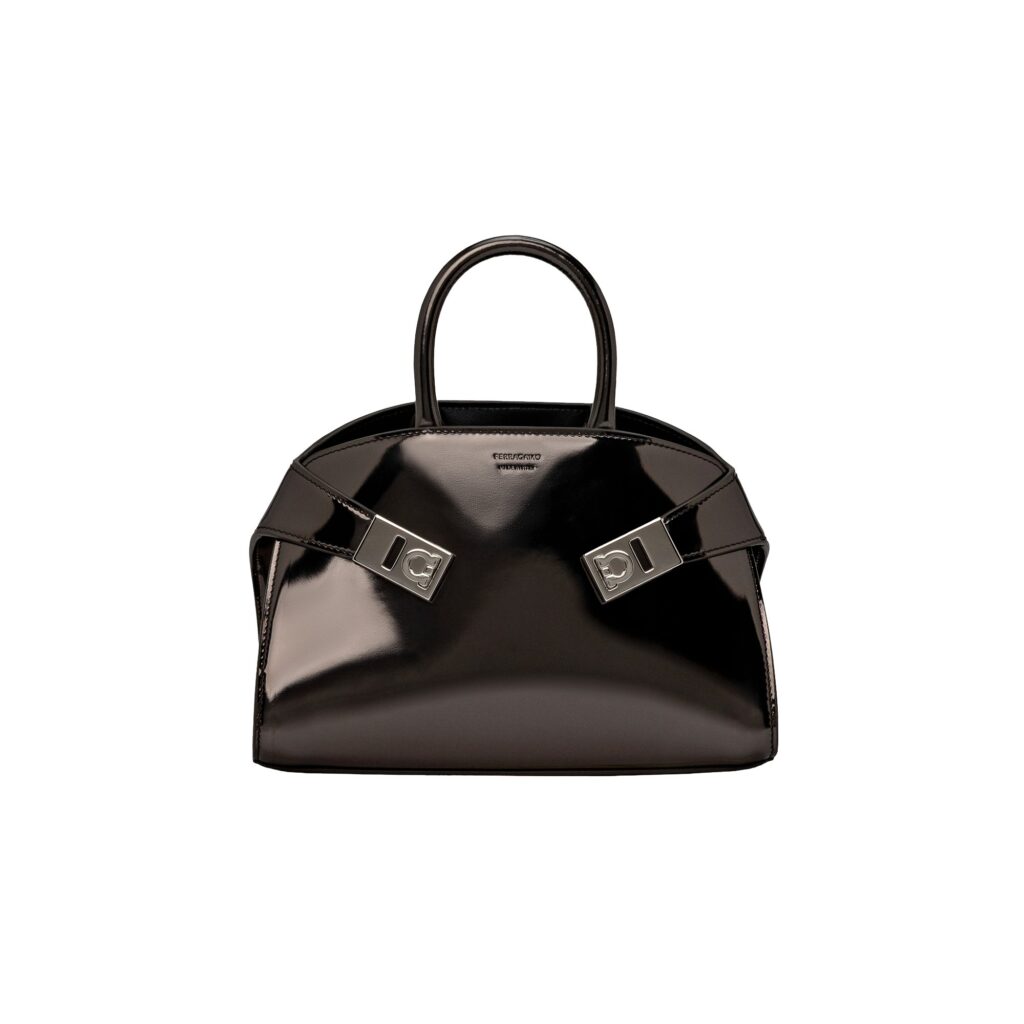
Your day bag might speak in practical sentences, but your evening bag needs to speak in punctuation. For iftar, a small shoulder shape or a soft pouch feels elegant, close to the body, easy to manage. For later, choose something with structure, a hard edge, a top handle, a smooth clutch that sits under the arm like it belongs there. The point is not capacity, it is clarity. A compact bag edits your gestures. It keeps you lighter. It makes the look feel finished, even if your outfit is beautifully simple.

Earring Not Everything
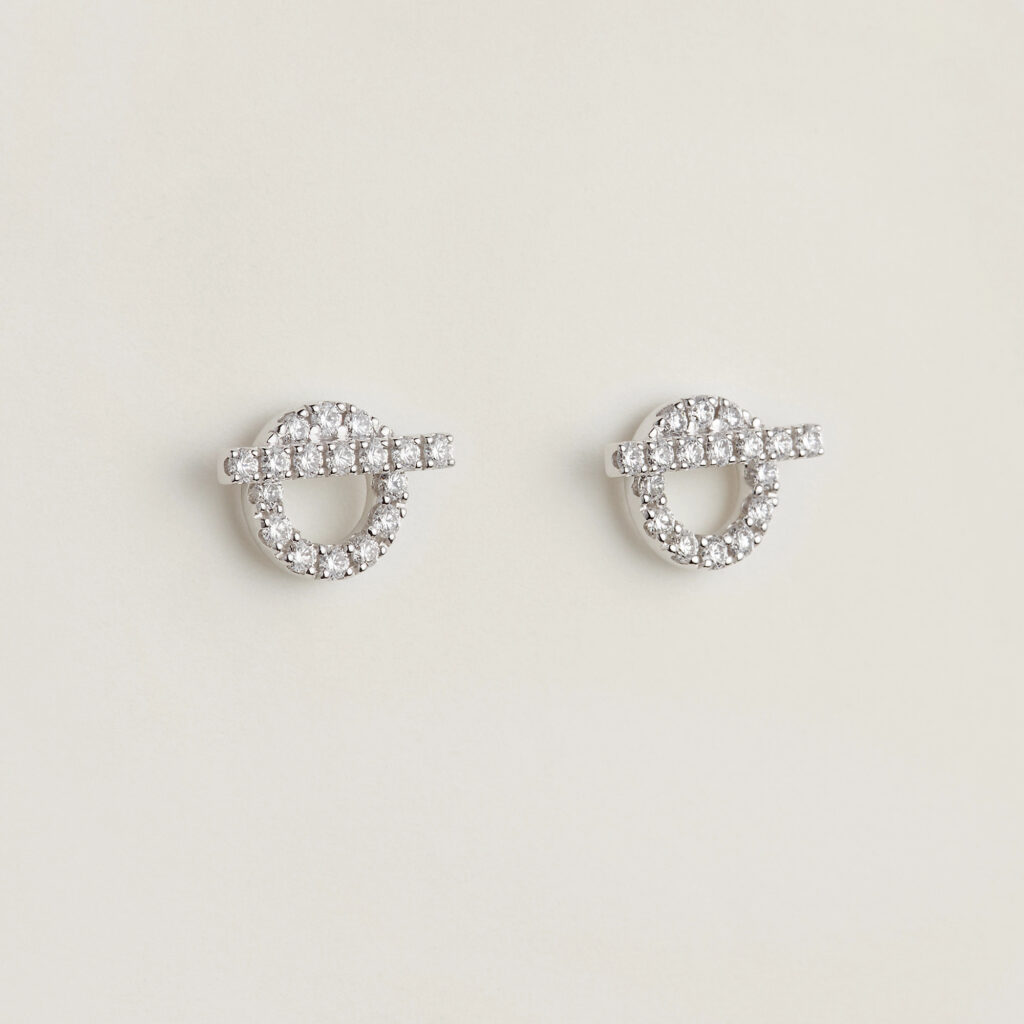
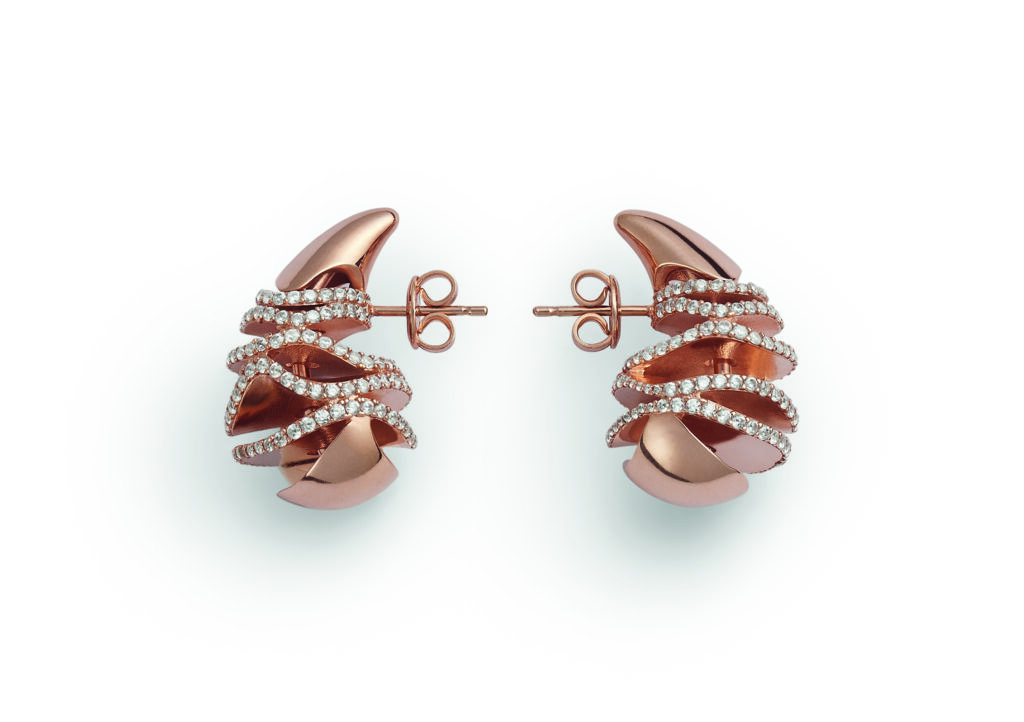
If you want your outfit to read “after,” do it near the face and stop there. At iftar, keep it soft, a clean stud, a small hoop, something that catches light politely. Later, swap to one decisive earring, a longer line, a sculptural drop, a piece that moves when you speak. The rest should stay quiet. No competing necklace. No loud hair. No frantic stacking. It is not about being dramatic, it is about being clear. One good earring can do what an entire outfit of effort never manages.
The Necklace Adjustment
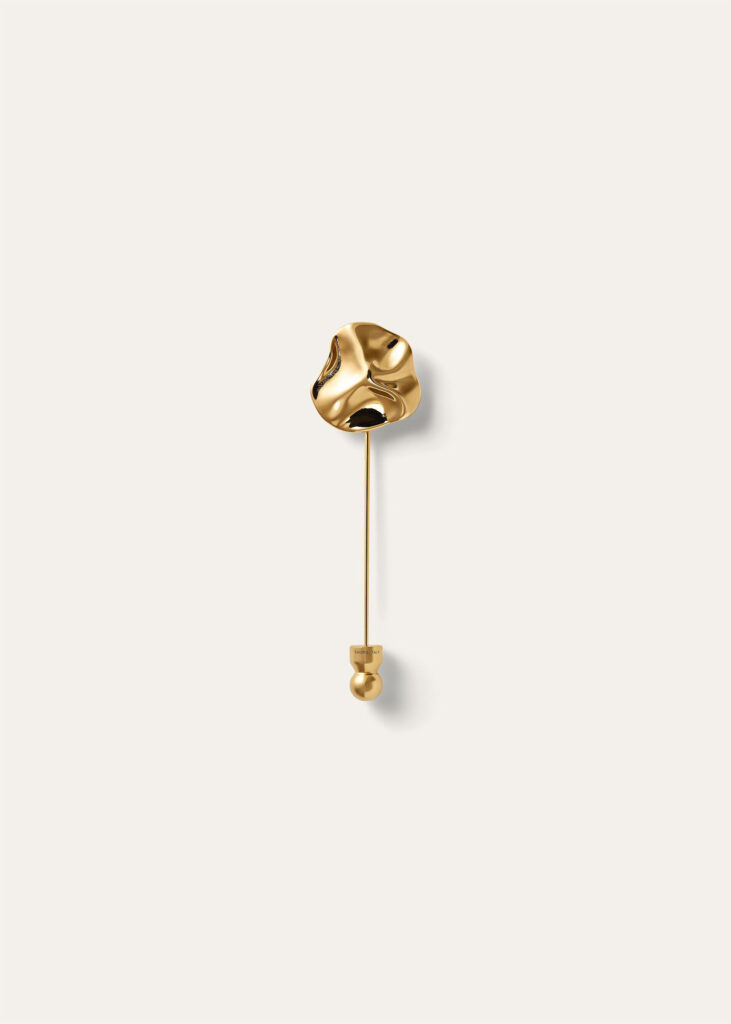
This one is almost invisible, which is why it works. At iftar, the neckline tends to be composed, a clean crew, a modest V, a soft scarf worn as part of the silhouette. Later, you do not change the garment, you change the framing. Add a single brooch at the shoulder, or a fine chain that sits like a whisper rather than a statement.
Night
Layering Comes Into Play With Key Accessories That Highlight Ornamental Outwear
The Wrist Line
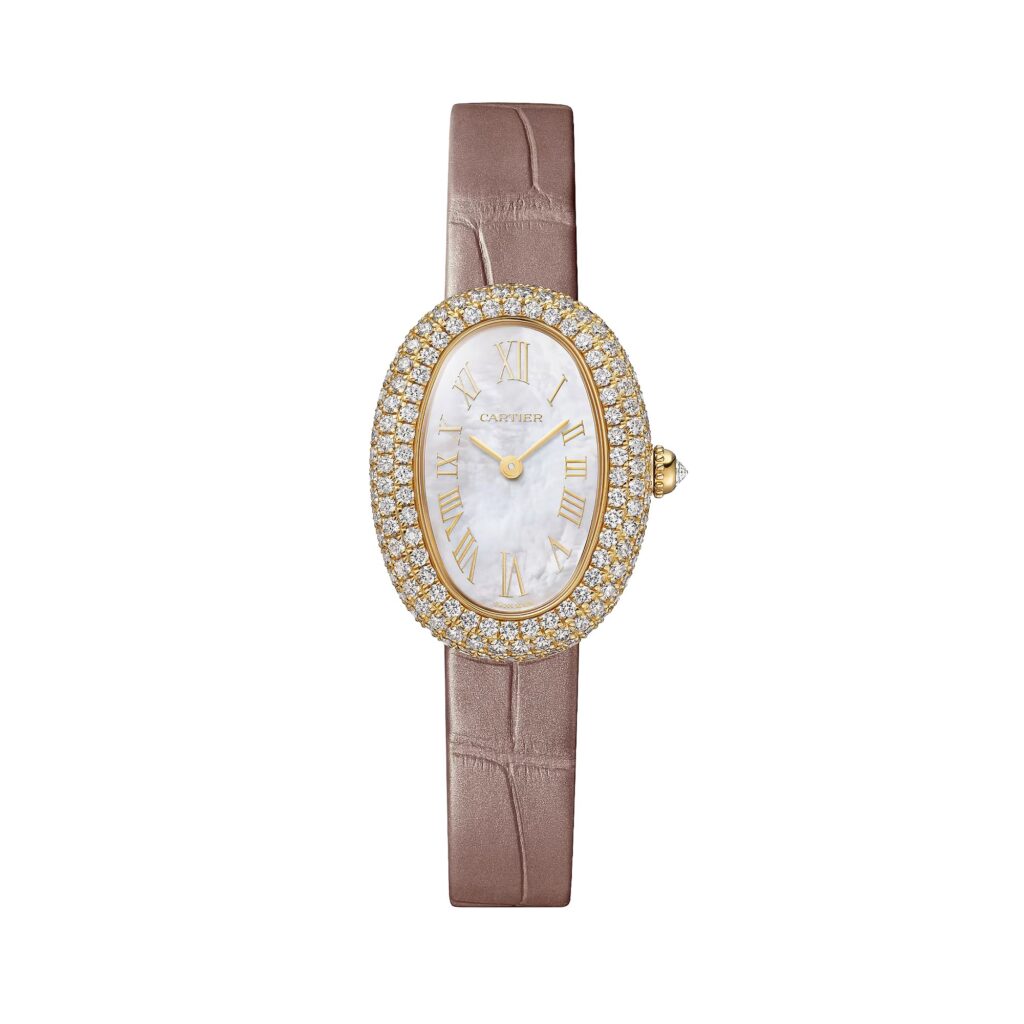
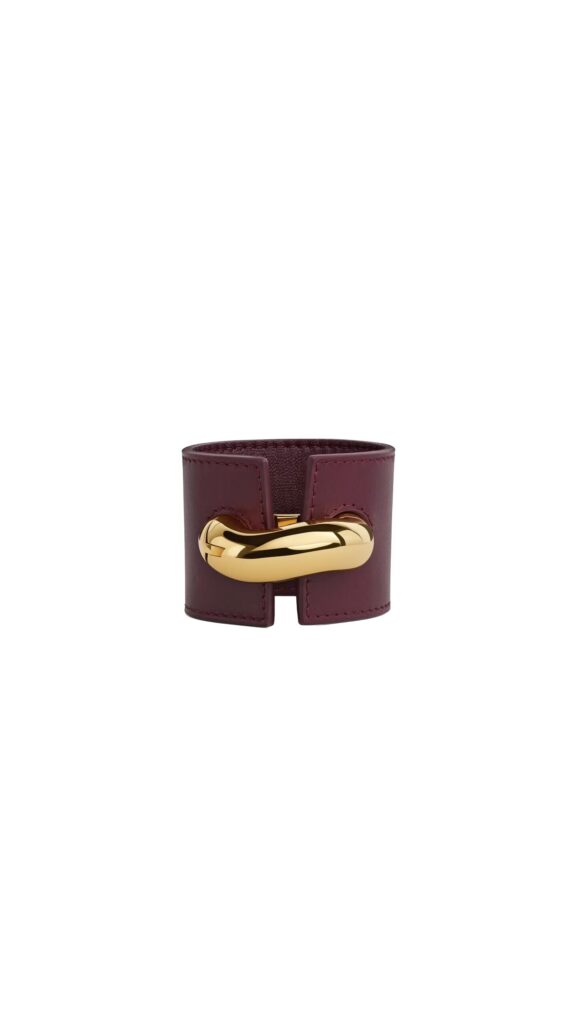
The wrist is where luxury becomes personal. It is also where a look becomes nocturnal without becoming loud. At iftar, a watch alone feels composed, a quiet signal of polish. Later, introduce one companion, a cuff, a single bangle, a bracelet with weight that reads expensive because it is not trying. Push the sleeve back slightly, not rolled like casual, just eased. Suddenly the look has a focal point when you reach, greet, lift a glass. The outfit remains calm, but it now has sparkle in motion, and motion is where the night lives.
The Outer Layer Rewrite
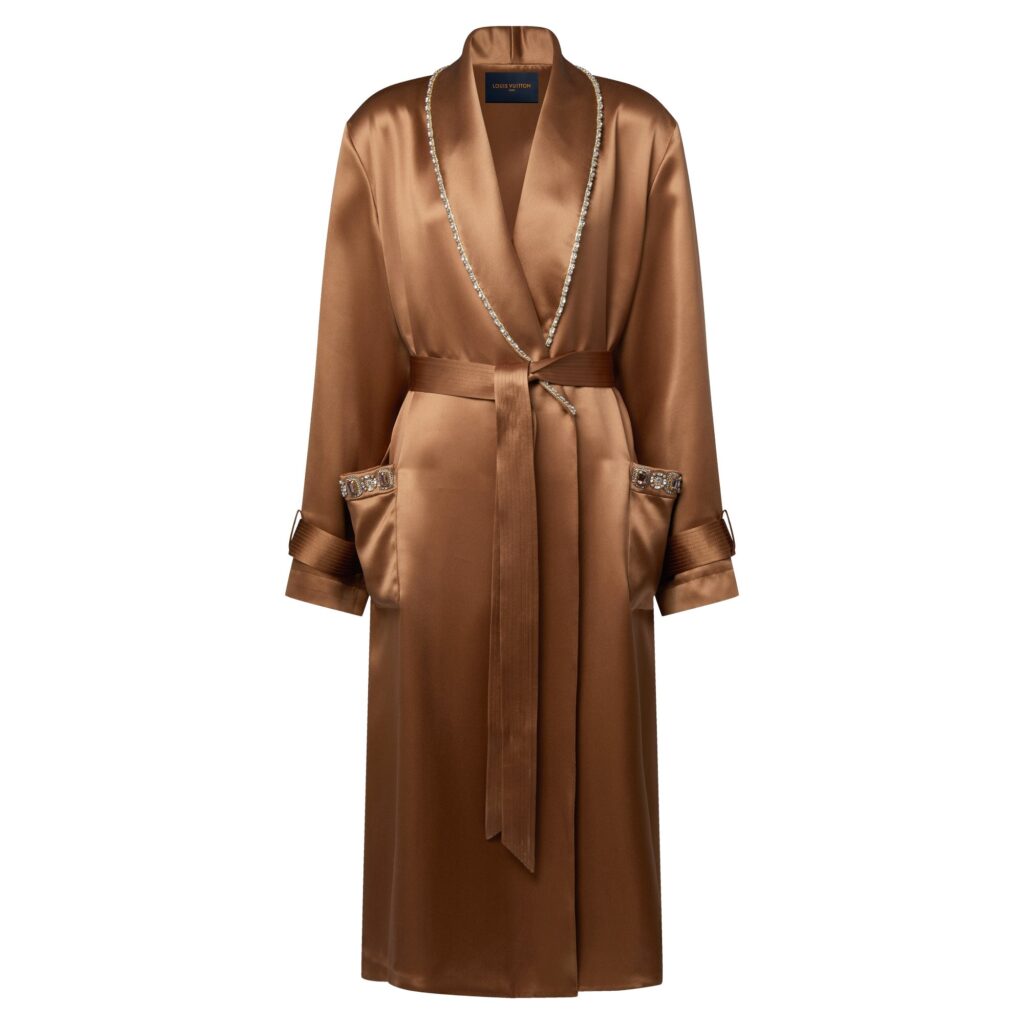
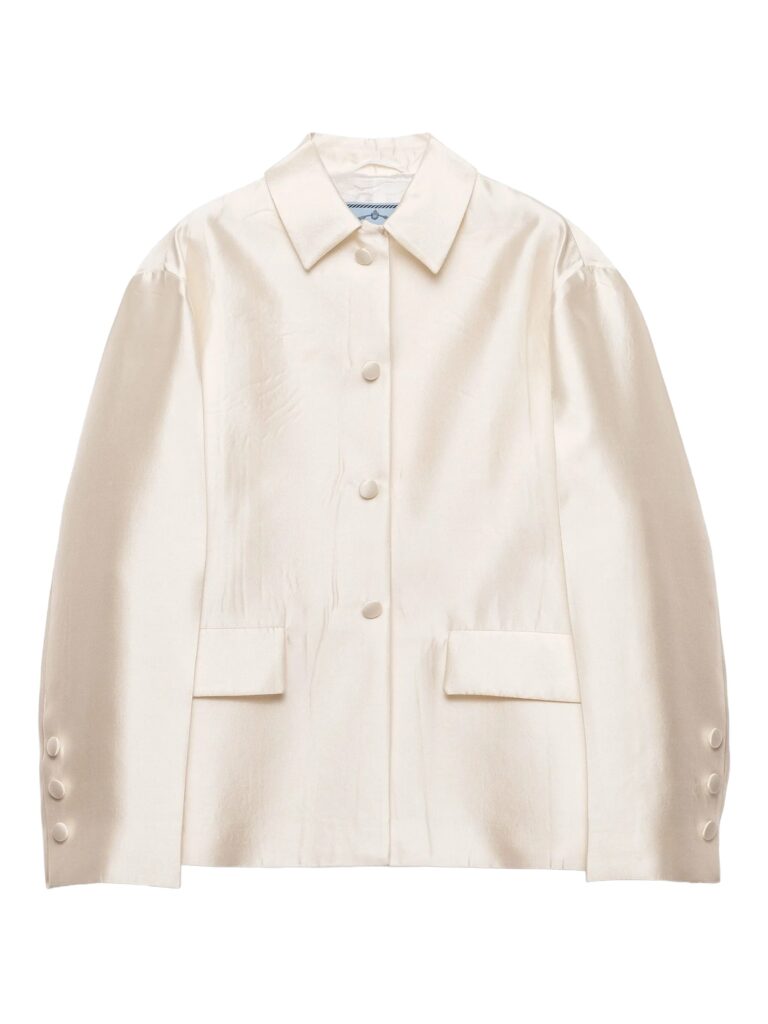
Outerwear is the most underused Ramadan tool. At iftar, a longline layer keeps the look smooth and covered, a fluid blazer, a tailored cape, a light coat that glides. Later, change the architecture. Swap long for cropped. Swap soft for sharp. Or remove the layer entirely to reveal a cleaner silhouette underneath. You are not “taking off” to be more revealing, you are taking off to be more defined. Think of it as editing the line, not changing the mood. The night wants shape.
Beauty But Contained
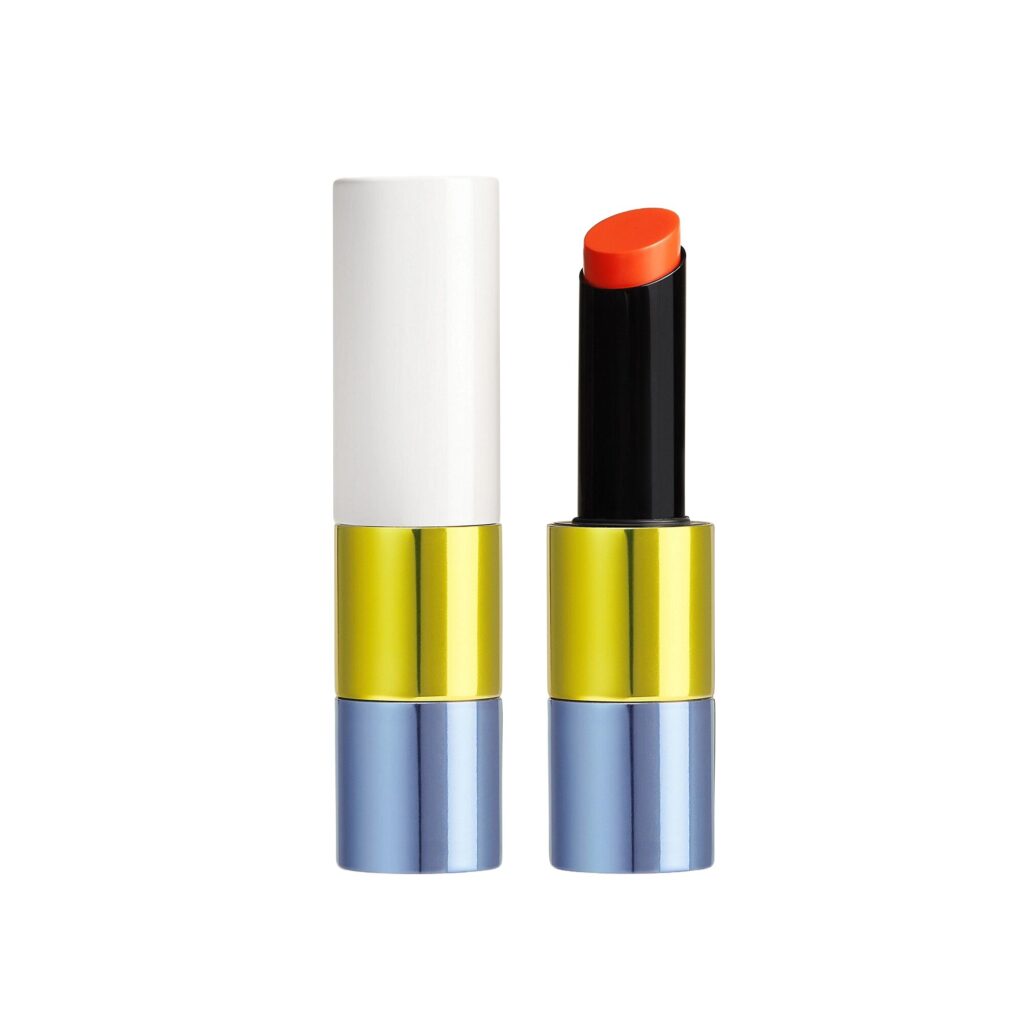
The easiest mistake is to overcorrect. The smartest beauty switch is small, deliberate, and precise. At iftar, a fresh face, soft contour, lips that feel lived-in. Later, do not repaint your whole identity. Choose one adjustment: a stronger lip, a slightly deeper liner, or hair loosened from your head dress into something softer. One change that reads like a decision. The best late-night glamour is not heavy. It is controlled. It looks like you planned it, even when you did not. Iftar dressing asks for grace. Later dressing asks for definition. The modern Ramadan wardrobe does not solve this with excess, it solves it with intelligence. A base look with composure, then one small shift that tightens the line, lifts the posture, sharpens the face, or clarifies the silhouette. The point is not to look like two different women in one night. The point is to look like one woman whose style knows how to move with the hour.
Lead Image Credits: Valentino Ramadan Collection 2026
Images Supplied
From Harper’s Bazaar Arabia March 2026 Issue