
The Rise Of The Backseat
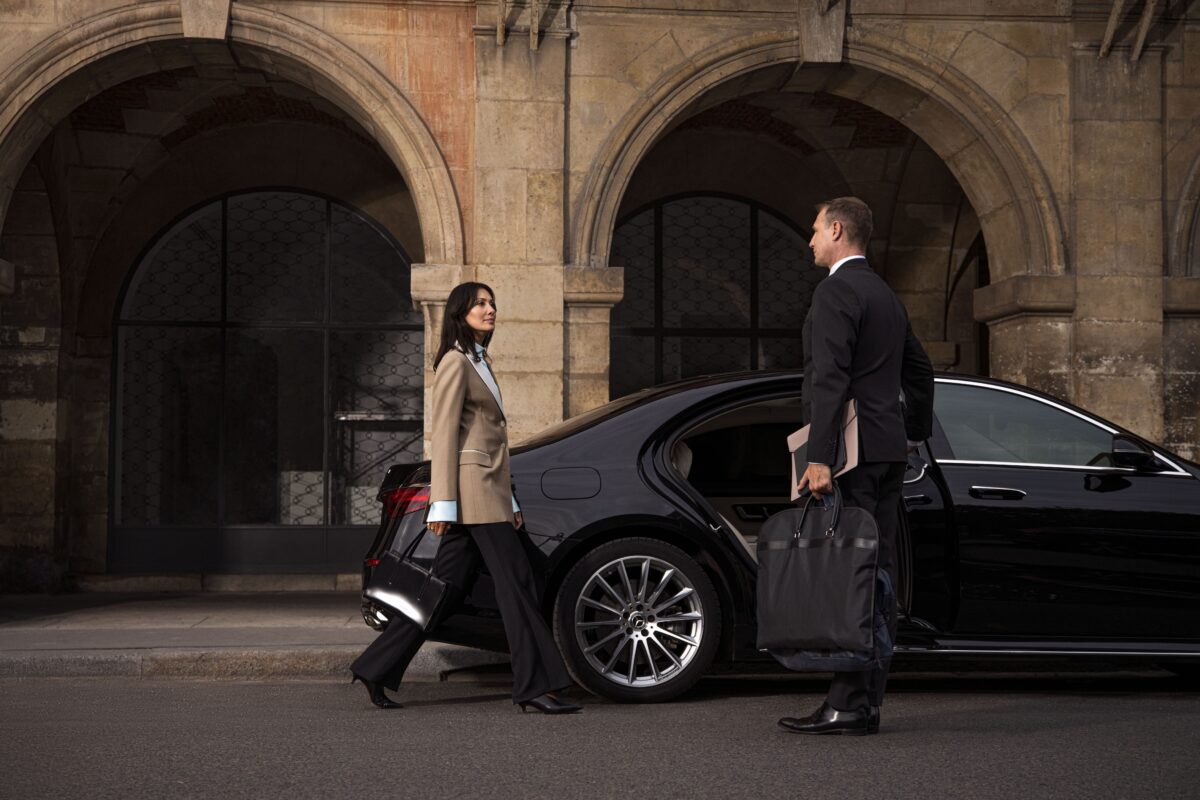
With elite chauffeur services such as Wheely thriving in cities built for driving – the likes of Dubai, Paris or New York – we ask why more women are choosing to be driven than ever before…
For women in particular, there’s a special kind of exhaustion that doesn’t show up on a calendar, or even – if you know which treatments to book – on your face, either. It’s the invisible admin running underneath everything: the remembering, the planning, the constant hum of responsibility that, as sociologist Leah Ruppanner recently shared with the BBC, still disproportionately falls to women.
The term is ‘mental load’, but the reality is far messier. Particularly in a city like Dubai, where so many women are balancing businesses alongside households, productivity becomes as prized as caffeine. It’s not simply about doing more; it’s about thinking more, managing more… often (ok, always) while appearing entirely composed.
It’s little wonder, then, that in a city where life runs at full tilt, that cognitive relief might actually be the newest and most valuable form of luxury. The appeal of removing even a single layer of friction carries real weight, which makes the rise of chauffeur services feel like an obvious evolution rather than an indulgence.
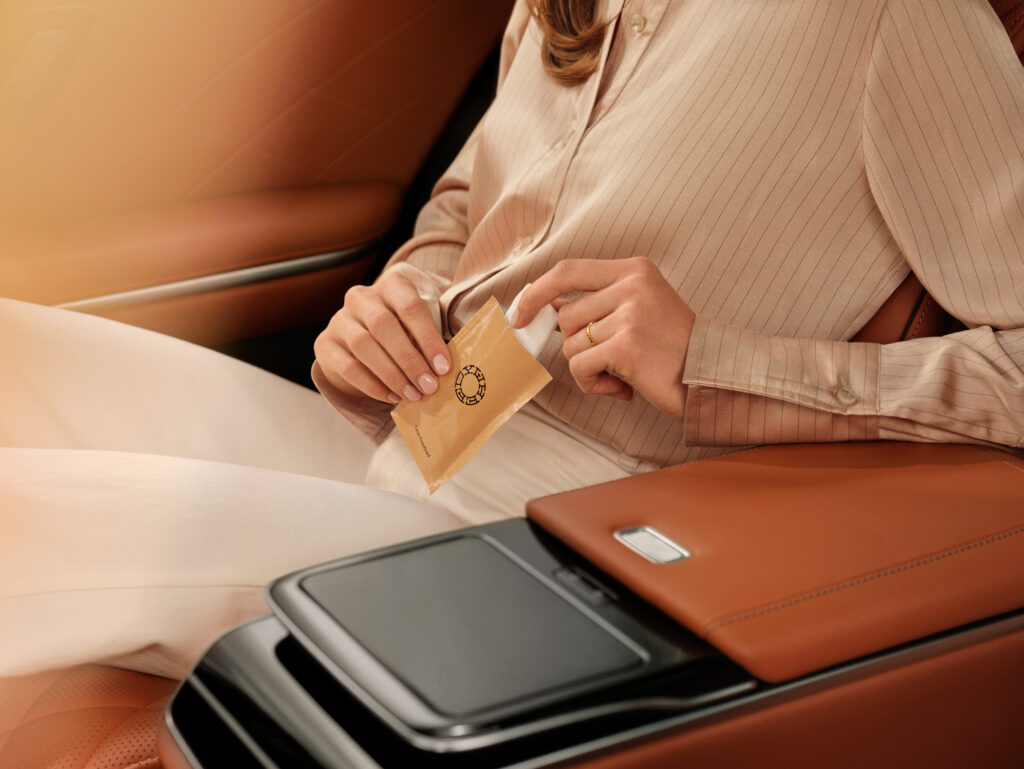
Of course, not all chauffeur services are created equal. Wheely, the Swiss-founded, London-headquartered platform, distinguishes itself through an almost old-world level commitment to detail, and the kind that actually holds up in practice. Whether navigating the slightly chaotic geography of a Dubai pick-up point or locating you in the middle of a rain-soaked Paris street, or even navigating New York’s gridlocked matrix, the experience is seamless to the point of feeling pre-emptive. On more than one occasion, I’ve had a chauffeur appear as if conjured, umbrella already in hand, ensuring a dry, unruffled arrival – proof that the smallest gestures are often the most transformative.
That level of attentiveness lands differently today, particularly as expectations around service continue to evolve globally. We’re living in an increasingly frictionless economy, where apps, concierge culture and digital assistance have recalibrated what convenience looks like. For those with endlessly full schedules, ease has become its own form of currency.
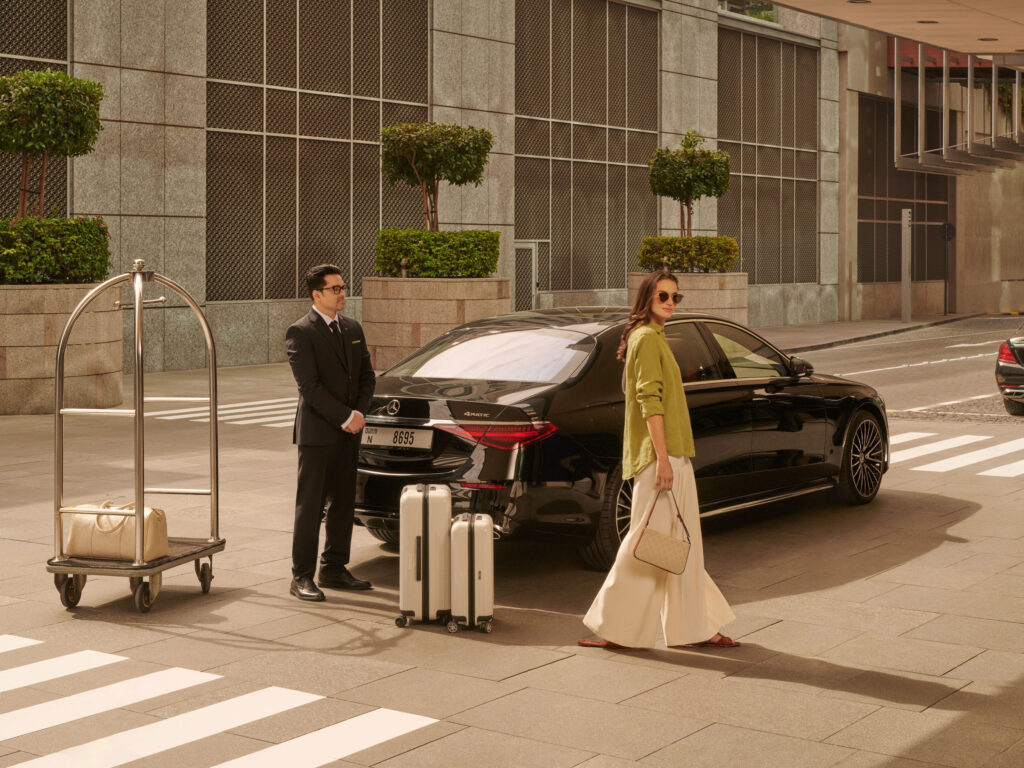
Within that landscape, Wheely feels less like a ride-hailing app and more like an extension of a certain way of living. Because even if you have the fanciest car on the road, the real flex may not actually be driving it. It’s delegating.
And in a world where women are still carrying more than their visible share, that feels less like a luxury, and more like the future.
Imagery Supplied
