
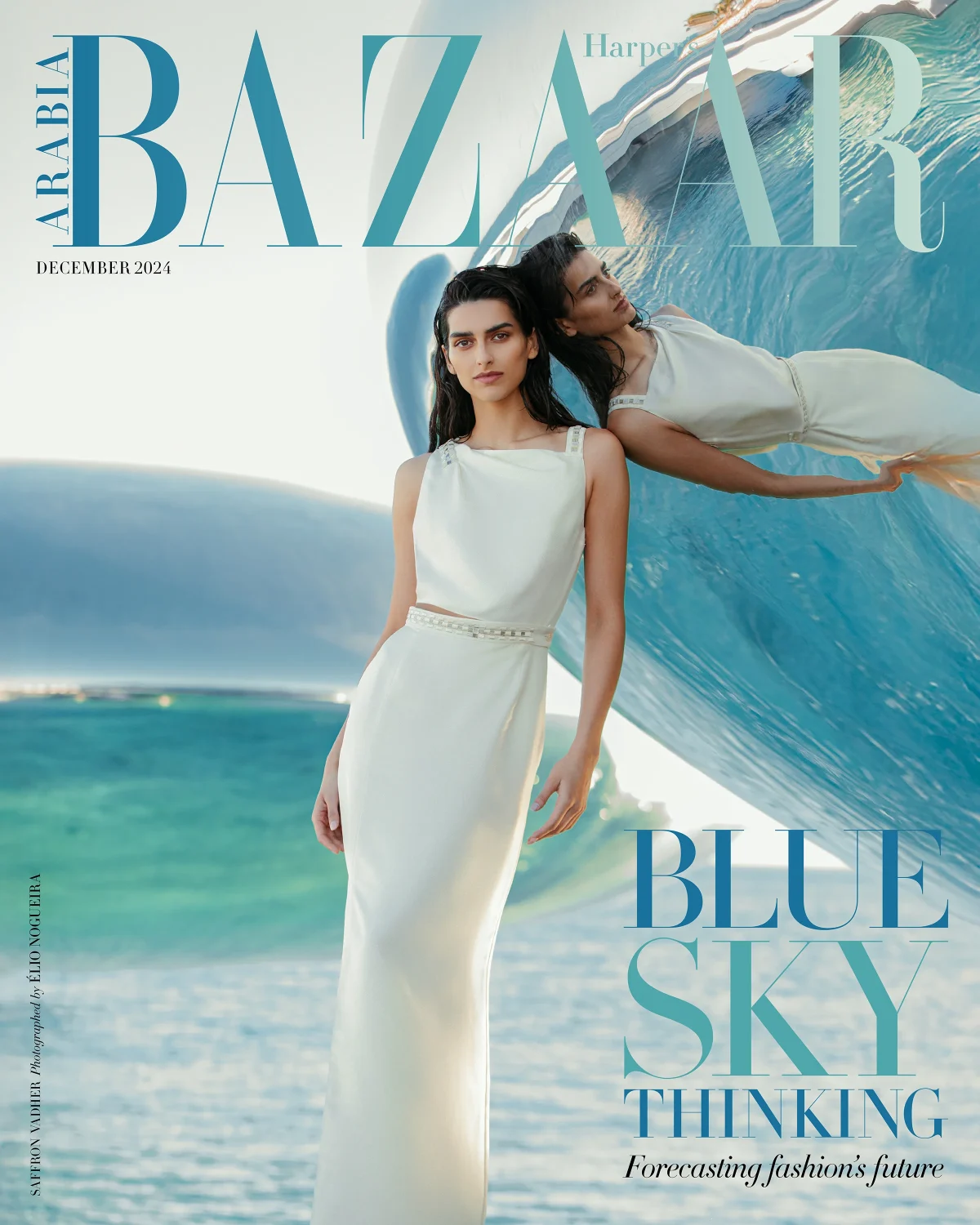
Tomorrowland: What’s Next For The Fashion Industry?
From tech to trend ennui, greenhushing to the Trump effect, Bazaar investigates what 2025 will likely bring…
A quarter of a century into the new millennium and you may be faced with disappointment that your childhood dreams of flying cars and The Jetsons-style accommodation haven’t quite come to fruition yet. Instead there are businessmen flying to the moon and buildings scraping the sky but we’re not walking around wearing spacesuits – yet. Although if Prada’s recent spacesuit designs for NASA do become available, we’ll be first in line when they drop in store. Even without such futuristic looks filling our wardrobes and defining our day-to-day dress, 2025 is still set to be a pivotal year in the fashion world. So much technology, design and engineering seems rooted in the 1960s space age’s silver-toned prediction of the future, and when faced with war, political uncertainty and worldwide financial turmoil, there is comfort and nostalgia to be found in a vintage vision of it. As always, fashion is the creative discipline that brings so much joy and fun to our everyday existence, so be ready for a playful and thoughtful take from the world’s most imaginative leaders on where the fashion industry – and with it, our entire world – will head next.
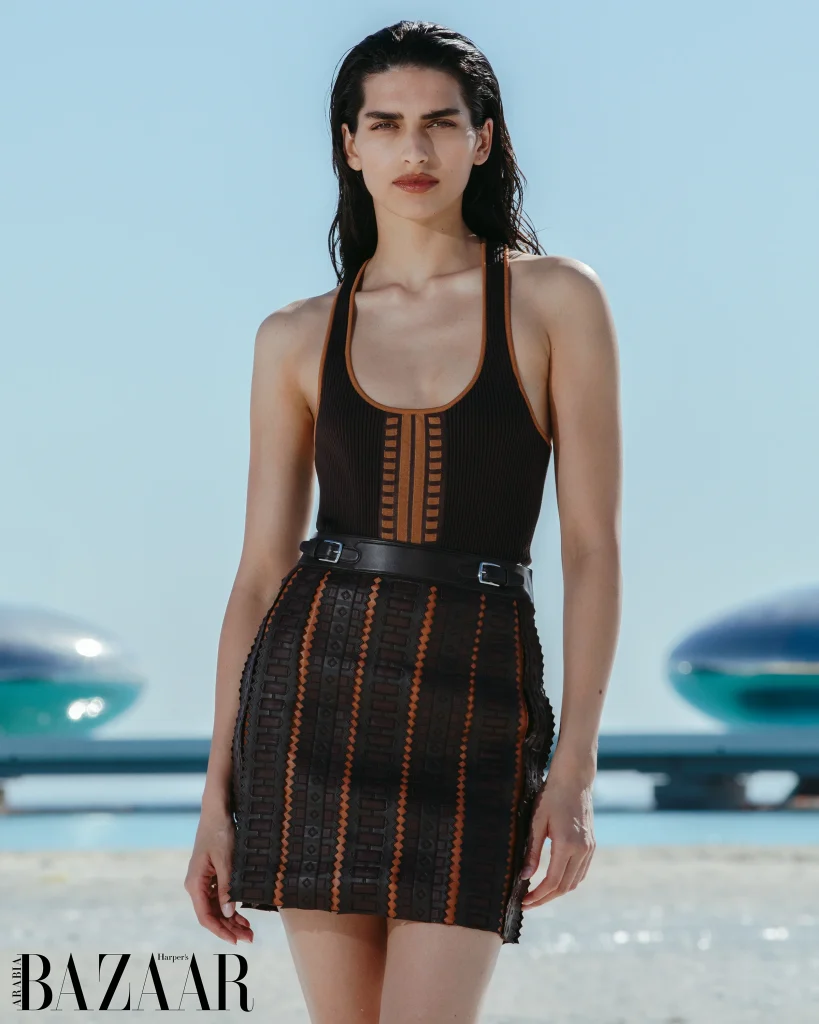
But before we look forward, for a moment let’s take a glimpse into the rear-view mirror as 2024 ebbs away from us. For some seasons now, catwalk collections have offered a doubling down on individual designer DNA. Instead of everyone flipping their aesthetic every six months to embrace ‘blue’ as the colour of the season or an overarching ‘gothic’ aesthetic, consumers are returning to the maisons that serve their style best and are eschewing traditional six-monthly trends as we knew them. Trends still exist. They’re everywhere and always will be, across interiors, politics, architecture, food and music. However, for 2025 and beyond they are reframed as tendencies, and will make much more sense in your wardrobe.
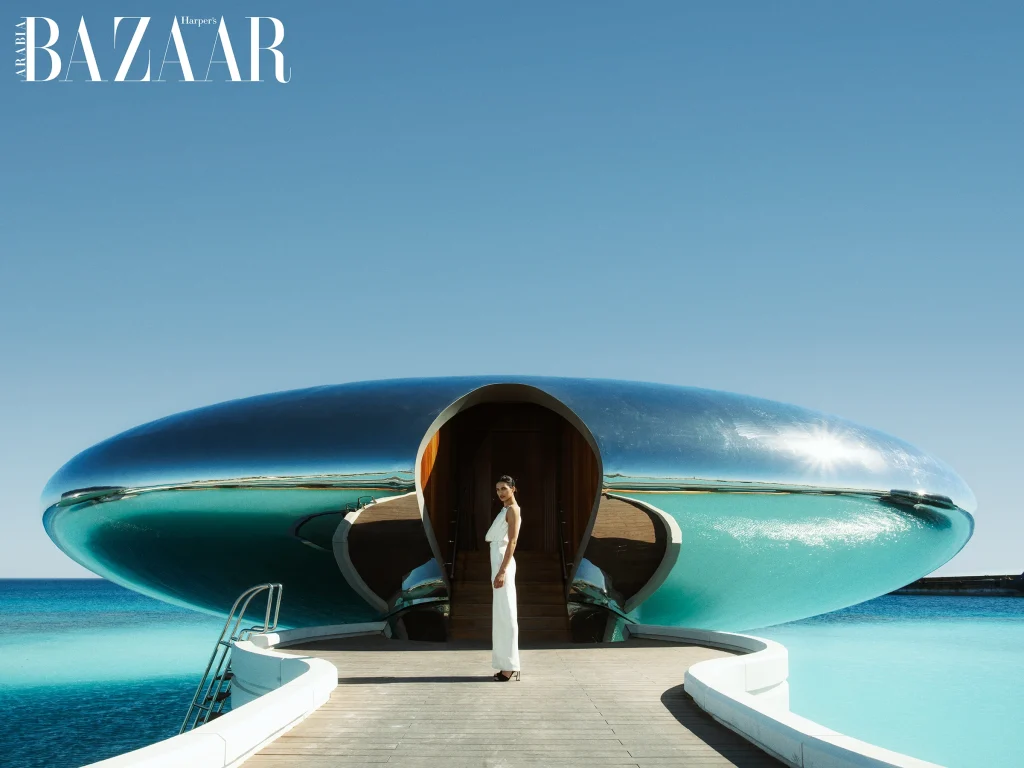
Harriet Walker is Fashion Editor of The Times and suggests, rather than ‘brown is the new black’ proclamations, an overarching theme for 2025 is “a movement of many designers going back to what they know and what they do best.” It’s classic, considered and eminently shoppable. “When the economic outlook is uncertain, you go back to your DNA,” she continues. “Designers put out what they know works. Literally, in the case of Prada, where they did an almost ‘greatest hits’ [show] of pieces from previous collections that have done very well and are recognisably part of the canon.” If fashion thrives on the shock of the new, couldn’t this methodology be a little… dull? Absolutely not. One can still find plenty of novelties if you want to switch up your style every six months, or less, and as micro-trends continue to blow up on social media (take winter’s obsession with all things burgundy and suede) there are multiple options for those wanting a fast fix or refresh. And although this winter’s It colour and material could all be found in the biggest designer’s collections, the rise of many smaller trends will continue to come from more niche brands, coupled with the immense power of the biggest influencers.
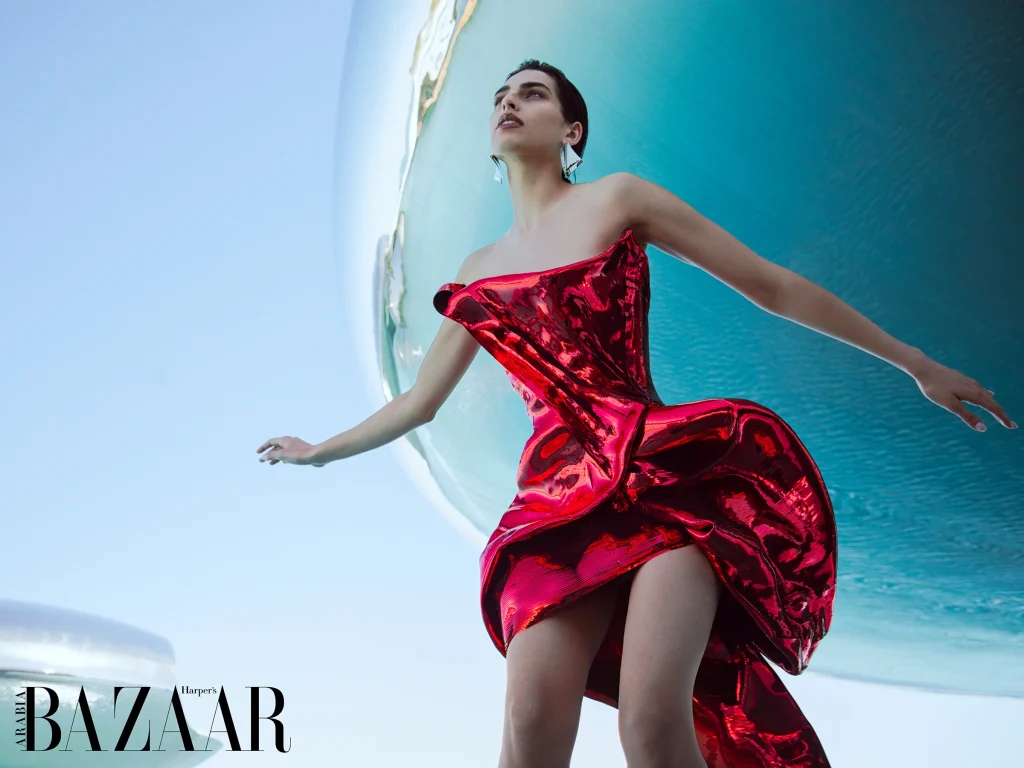
However, the influence of mega-creators – and the monopolisation of just a few behemoth brands – may be waning. Remember when social media was a simple – and fun – way to keep up with your close friends and family, rather than a dictator of trends or serving as a giant shopping mall? Angela Baidoo is a trend forecaster, brand strategist and fashion editor and points out that Instagram’s newly released tool to refresh your algorithm will offer an interesting change. “Currently there doesn’t seem to be much curation [in our feeds]. We’ve been bogged down with seeing the same things every day but the new algorithm hack will open a new door to new content. We will get to discover new designers, new brands or see behind the scenes with smaller brands.” Being the first to reveal a new to-you designer, artist, architect or brand will be easier and this personalised way of curating our social media feeds will offer sweet relief from the same old, same old we have been subjected to day in, day out thus far.
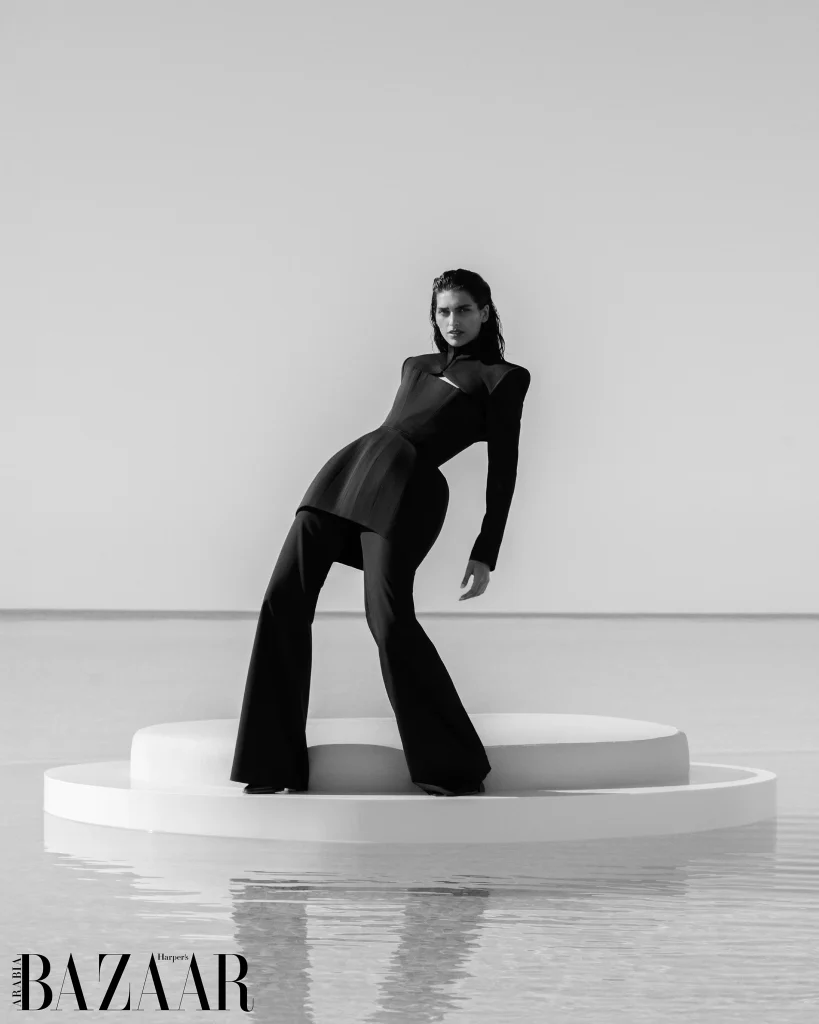
Even though independent discoveries will be important, 2025 will be a pivotal year for the mega-maisons too. At the time of writing, the creative director role at Chanel remains vacant (Hedi Slimane and Marc Jacobs were both touted as potential new hires), but Matthieu Blazy is currently rumoured to be named for the top job. According to Harriet Walker, “It makes sense. He’s been working in a very high-end way at Bottega Veneta and made it a relevant and zeitgeist-y luxury label, without dialling down any of the uber-classiness of it.” We can’t wait for clarity on a position that has been vacant since Virginie Viard left the role in June, after a 30-year tenure at the maison.
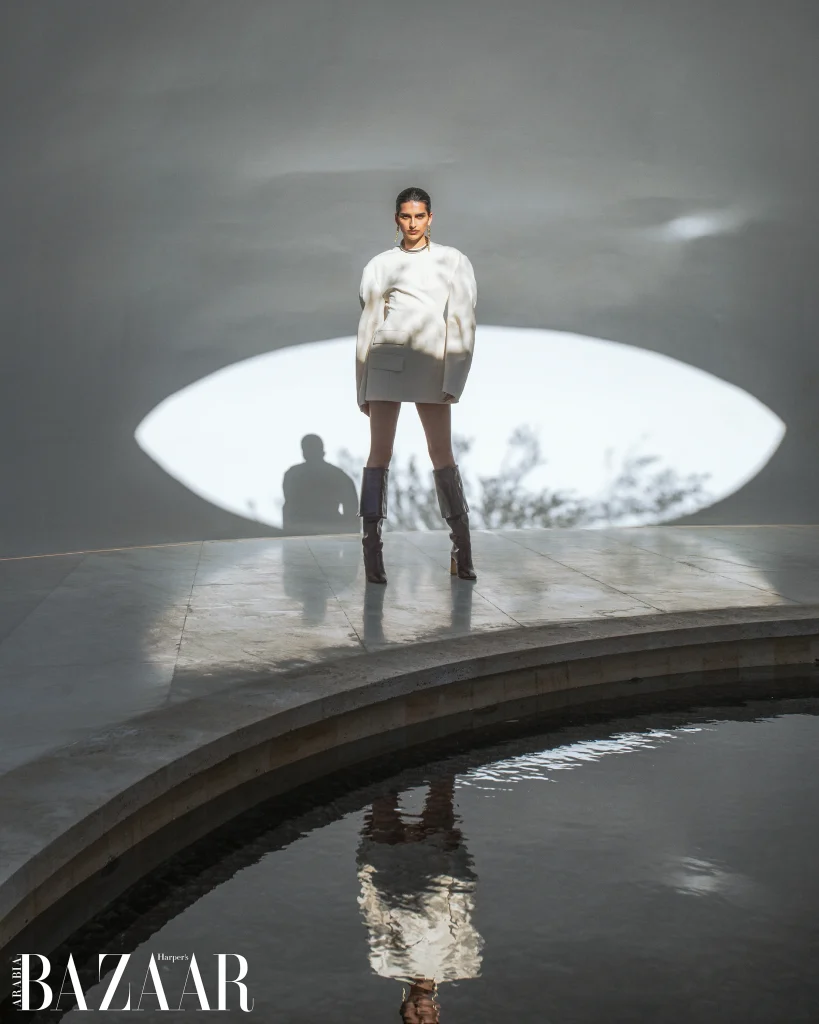
In other speculative news, Jonathan Anderson may move from Loewe to Dior, while current Dior creative director Maria Grazia Chiuri may make a move to Rome-based Fendi… a role that may also be filled by her former Valentino colleague (and Roman) Pierpaolo Piccioli. However, after designing Inditex heiress Marta Ortega’s wedding dress and by making an appearance at a dinner held by Zara during Couture week, there are also rumours floating that we might find a new designer collaboration on the high street to covet quite soon. “Luxury prices have gone up so quickly,” shares Harriet, “so there is a middle strand of customer who is very fashion literate, relatively affluent, but who simply can’t afford high end labels anymore. The High Street is figuring out what it’s good at, in its own way, and pivoting to speak to customers who aren’t being served at the moment.” Harriet also believes that as high-end designers have a “patina” of doing things properly, the pull of a big name would allay any sustainability worries about the high street and make a collaboration “luxurious and quite special.”
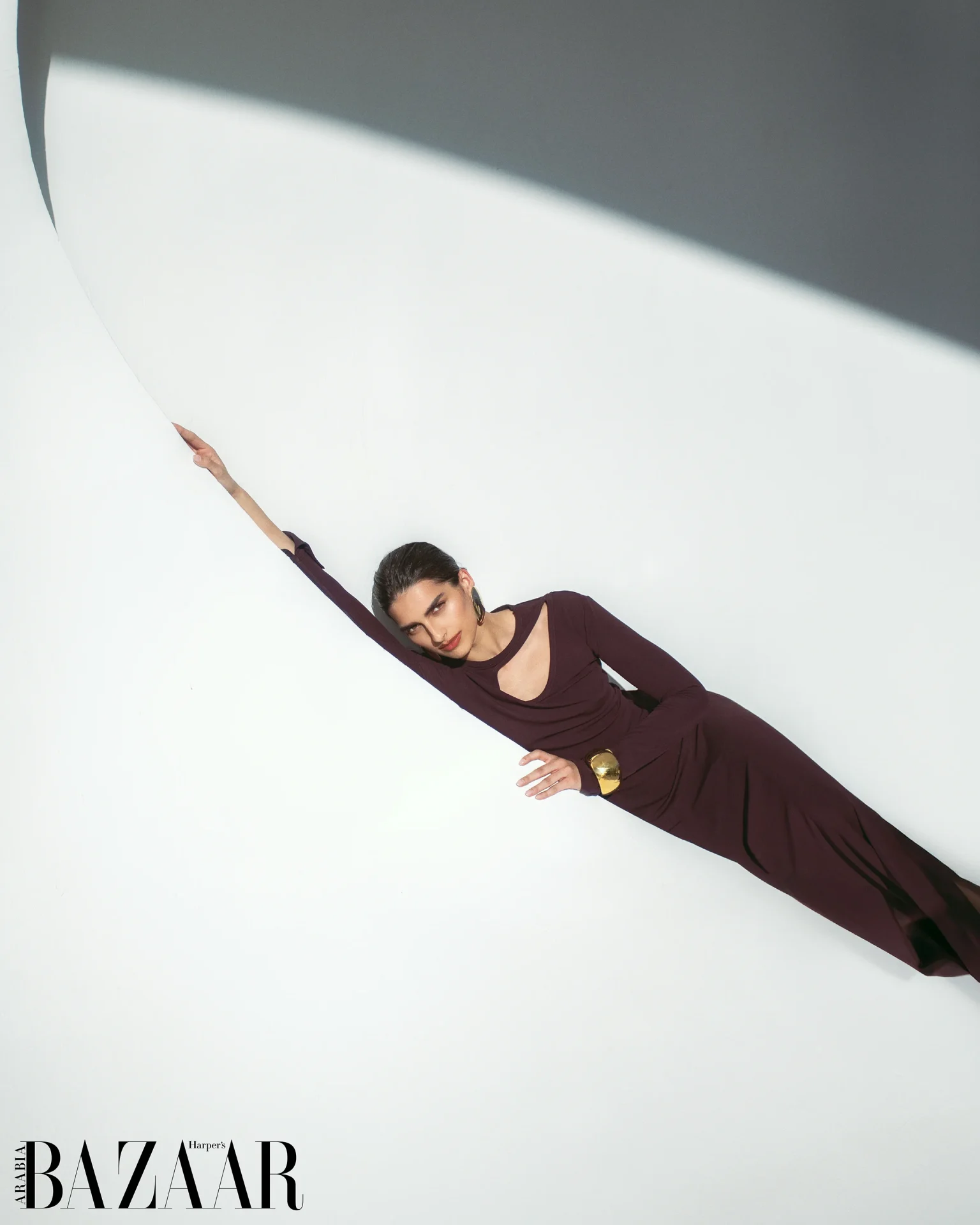
We wait with bated breath for the news of all these appointments to drop into our inboxes – but in the meantime keep dreaming about what each heavily gossiped appointment may bring to each house.
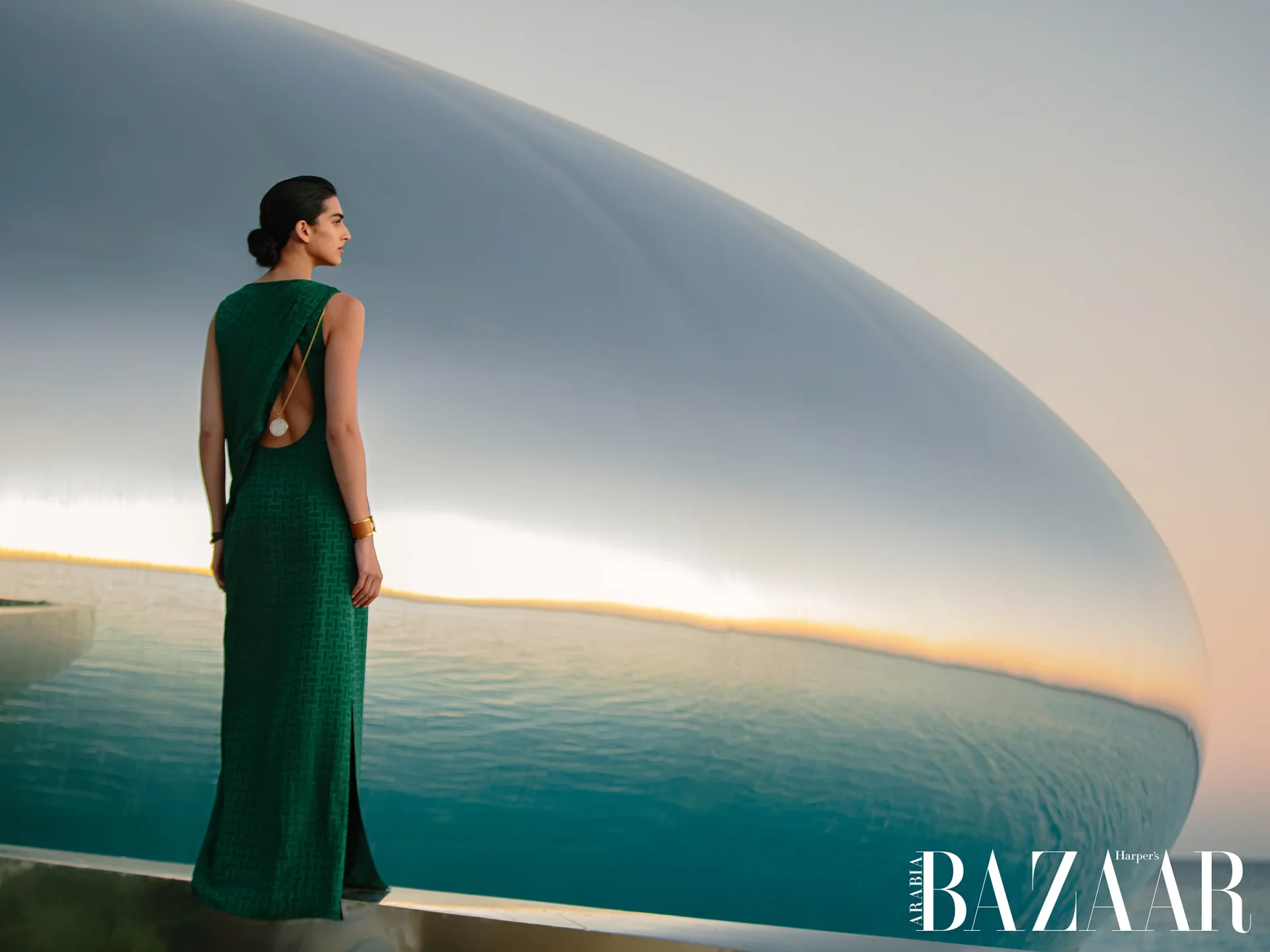
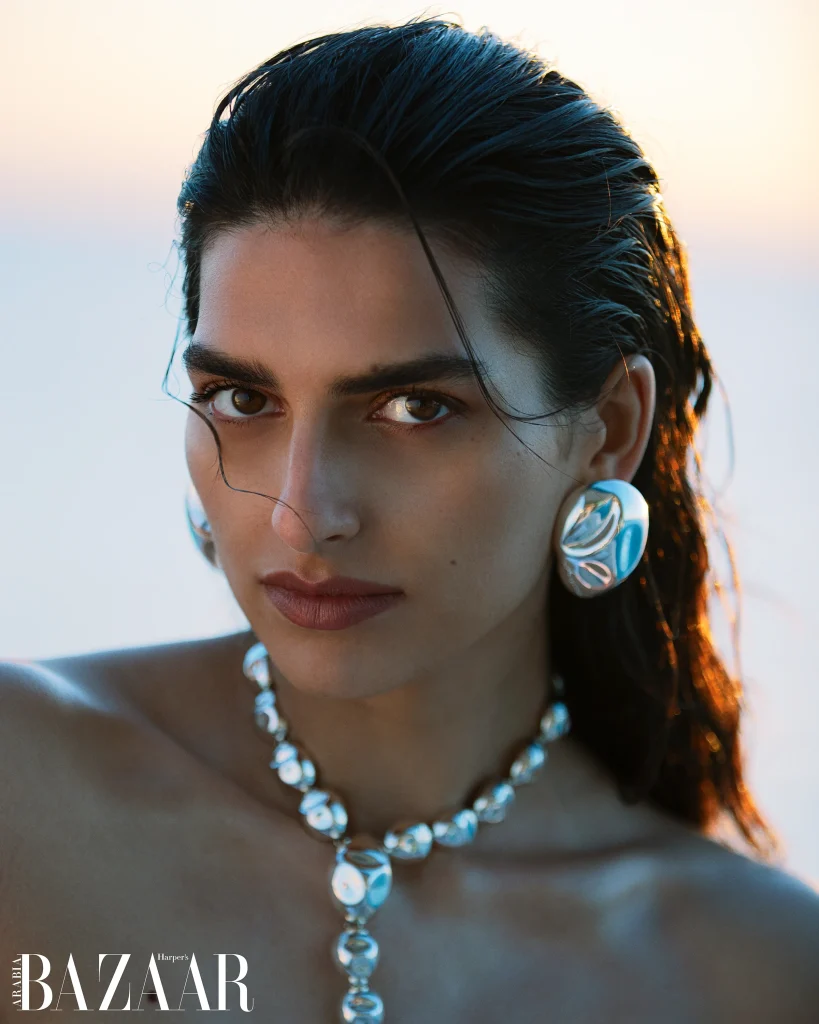
Meanwhile, closer to home, our Bazaar cover story was shot in Saudi Arabia’s Shebara – near where the Kingdom hosted its inaugural Red Sea Fashion Week this summer showcasing homegrown resort collections, including swimwear. Just one example of how the country is taking great fashion strides forward. Last year in particular was a pivotal one. “2023 will be remembered as the year of building a Saudi fashion identity, showcasing the diverse design language from the Kingdom, establishing a fashion calendar, and gaining global recognition,” Burak Çakmak, CEO of the Fashion Commission (Ministry of Culture) wrote. 2024 saw a focus on injecting capital to take these labels to the next stage. When once only overseas brands were sought after regionally, now homegrown brands are representing the Middle East on the international stage.
“What will make the biggest impact on the future of the fashion industry in Saudi Arabia is our efforts to build the first ever product development studio, The Lab at City Hub in Riyadh. We cannot improve product quality until we have the right resources in place in the country to have face-to-face conversations about development to ensure we deliver at the highest level. The success of any designer depends on the brand’s ability to discover innovations, and the producer pushing the boundaries and understanding what it takes to create something new,” Burak explained.
Elsewhere, as we get closer to The Paris Agreement’s deadline that emissions must peak before 2025, the urgency of climate change and industry attitude remain at odds. As consumers are ever more wary of greenwashing, and brands move to greenhush their environmental efforts, sustainability has sadly – but clearly – shifted away from being fashion’s biggest focus. The Business of Fashion and McKinsey’s report on The State of Fashion 2025 shows that “sustainability has fallen off the agenda. Only 18 per cent of fashion executives cite it as a top three risk for growth in 2025, down from 29 per cent in 2024.” The emphatic plea that they must try harder is falling on deaf ears, although there is still optimism to be found.
As fashion remains the world’s third most polluting industry, making change will need the boldest innovators to work across platforms and join forces with leaders in science and tech to create the most impactful ideas. This is where the richest seam of creativity can be mined. It was something we saw with Coperni and Fabrican’s collaboration for Spring 2023, where Bella Hadid was sprayed with liquid fabric, and something that Circulose aims to lead the way with, in 2025. The recycled fabric provider creates pieces in collaboration with Ganni, Levi’s, Tommy Hilfiger and Arket using recycled textiles and scraps. As only one per cent of clothing sent to recycling is turned back into clothing, this is an innovation that needs to see wider adoption but with former H&M CEO Helena Helmersson as the newly appointed chair, perhaps we will see more promising strides and a return to sustainable concerns at the forefront of the fashion industry’s collective mind.
For those looking for news on the more futuristic side of style, plant-based leather alternatives have been growing in availability – from mushrooms to pineapples and bananas. But Imperial College London revealed a wallet and shoe grown from bacteria which is able to dye itself – this could be an epic step forward for innovation. Dyeing, particularly with black pigment, is one of the most polluting elements of the fashion production process, so any steps to reduce this would wildly reduce the industry’s environmental impact. Again, we’re waiting impatiently to see if the innovation can be rolled out for consumers to shop.
Fashion is also not immune to the influence of politics, but despite worldwide citizen unrest, Angela Baidoo is optimistic. “From a political standpoint we now have stability [after elections in the UK, Indonesia, Ghana and the USA in 2024] and that allows the fashion world a confidence to move forward.” Even the individuals in power have the potential to influence trends beyond the obvious. With the return of Donald Trump to the White House, a new conservatism will be visible. Traditional values are coming to the forefront and with it comes clothes that reflect that new mood. Angela has seen the influence with #tradwife content, the TV show The Secret Lives of Mormon Wives, and it’s already appearing as a fashion trend. “One of the trends I noticed on the catwalk was the idea of shrouding. Many designers placed sheer fabrics, whether mesh or chiffon, over full looks, to create more of a modest look.”
Also reflecting how we live now is a return to tailoring. Angela continues, “even though we still have hybrid working, a lot of people are going back to the office in 2025 so we’re going to see more tailoring. Although it’s been relaxed over the past couple of years, comfort is going to be a key factor here.” Once you experience an elasticated waistband, can you ever go back? And where will we buy this relaxed tailoring or shrouded chiffon dresses? Luxury e-commerce is set to face a reckoning in 2025. Consumers don’t want basic… we want to be entertained! Perhaps in line with the gamification of fashion, this need for shopping to become a pillar of creativity will see increased membership schemes and perks for high-spending customers; press-trip style events and intimate access to designers are a basic requirement for high-spenders. Yet luxury brands are struggling with global inflation and revenue is predicted to only rise by single figures in 2025. Trade restrictions are making business harder with many brands hoping to near-shore their production (which would also be a win for sustainability) but brands will be wise to engage with regional differences and serve their customers in different areas, countries and even cities in individual, personalised ways. Likewise, the link between happy employees and profits has been noted, so concentrating on raising staff morale will be a sensible strategy for employers to take on board.
The global outlook for 2025 may still seem glum. The BoF and McKinsey report revealed that 39 per cent of fashion executives surveyed thought industry conditions would worsen. But Angela has an optimistic counterbalance for such pessimism, citing Dutch trend forecaster Lidewij Edelkoort, and her idea of living in fluidity. Set to become a major mindset shift, the mood for fluidity focuses on wearing what you want, when you want. Beyond the very obvious move towards gender fluidity, Angela elaborates “you can wear an occasion dress for brunch with the girls… You can wear a blazer and maybe a satin skirt if you’re going for a job interview.” There is set to be a loosening of rules. “From a social, mental and emotional state, embracing fluidity allows us to embrace change,” Angela continues. “Uncertainty is the new normal but the idea of fluidity allows whatever comes at us, to wash over us.” Instead of overwhelm and worry, fluidity will become “the next stage for consumers.” Beyond the confines of fashion, fluidity looks set to be a joyful way to live now. Even if we aren’t wearing a Prada spacesuit, the future looks bright for fashion.
Lead image credit: Embroidered Long Dress in Macro Silk Twill; Women Keen Sandals in Smooth Calfskin, POA, both Hermès
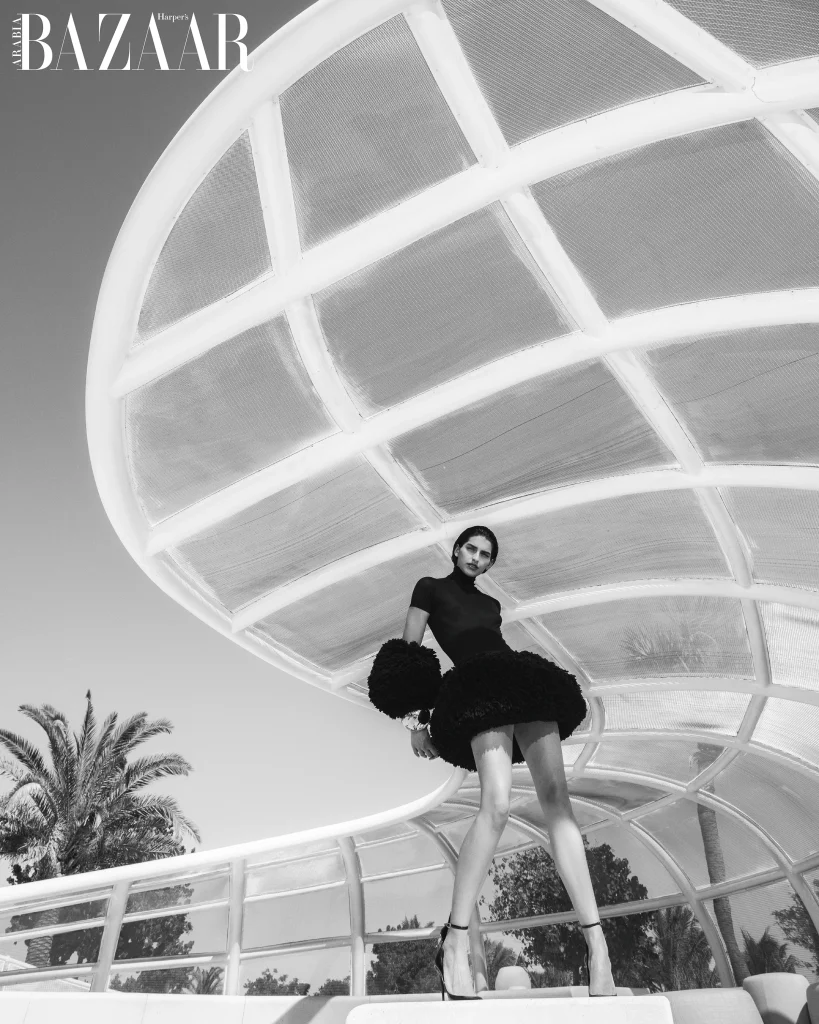
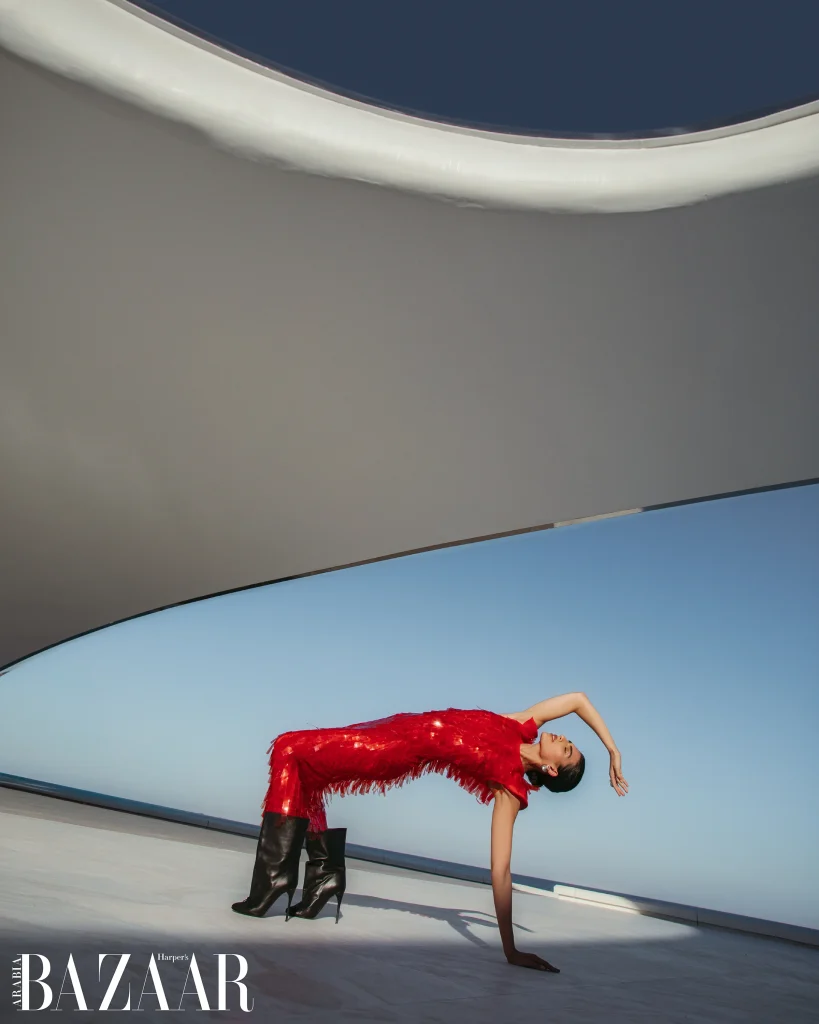
Photographer: Élio Nogueira. Stylist: Laura Jane Brown. Model: Saffron Vadher at Viva Model Management Barcelona. Hair & Make-Up: Manuel Losada. Senior Producer: Steff Hawker. Photographer’s Assistant: Jessica Carvalho. Special thanks to Shebara and Red Sea Global.
From Harper’s Bazaar Arabia December 2024 issue