

Why You Need A Sleep Coach
Wellbeing advocate and Shark Tank Arabia judge Maha Khalid Taibah discusses why world-class athletes have sleep coaches – and why you should too
In the competitive world of business, professionals are always searching for ways to gain an edge. Whether it’s honing leadership skills or improving productivity, success in the corporate world often comes down to being at your best. But there’s a secret world-class athletes have long embraced – sleep is the most effective biohack for high performance.
Elite athletes understand that sleep is just as critical as any physical training. They hire sleep coaches and take their nightly rest as seriously as their workouts. For professionals, the same principle applies. A good night’s sleep can be the difference between excelling in the boardroom or falling behind. In today’s fast-paced corporate environment, where sharp thinking, quick responses, and emotional resilience are key, prioritising sleep is your greatest advantage.
For many, sleep is often sacrificed for late-night work or early-morning meetings. But sleep is far from a luxury – it’s essential to maintaining peak performance. The benefits go beyond just feeling refreshed. Sleep powers your mental and physical abilities, ensuring you perform at your highest level.
The Many Benefits of Quality Sleep:
A stronger immune system: Research shows those who sleep fewer than seven hours a night are up to three times more likely to catch a cold than those who sleep eight hours. Sleep directly impacts your immune system, which is critical for professionals who can’t afford to miss work. Adequate sleep fortifies your immune defenses, helping you stay healthy and perform at your best.
Cardiovascular health: Sleep is vital for heart health, a factor often overlooked in corporate wellbeing programs. Sleep deprivation increases the risk of hypertension, heart attacks, and strokes – major causes of premature death among busy professionals. However, quality sleep can reduce your risk of cardiovascular disease, keeping your heart strong for the long haul.
Weight management and energy levels: Sleep plays a critical role in managing weight and maintaining energy. Sleep helps regulate ghrelin and leptin, the hormones that prompt you to feel hungry and full, respectively; proper sleep maintains the balance of these hormones and keeps your weight in check.
Improved cognitive function: In today’s competitive world, cognitive performance is non-negotiable. Good sleep enhances memory, concentration, and decisionmaking. Sleep deprivation impairs these functions, making it harder to retain information, focus, and think critically. Chronic sleep loss can slow your reaction time, undermining your ability to stay sharp in high-pressure situations. Multiple studies demonstrate that the effects of being sleep-deprived are similar to those of being intoxicated or having a blood-alcohol content of 0.05-0.10 per cent.
Emotional regulation and stress management: Sleep has a profound effect on how we handle stress. Well-rested individuals are better equipped to manage stress, regulate emotions, and avoid burnout. On the flip side, poor sleep increases emotional volatility, stress, and anxiety – making it harder to stay composed at work.
Creativity and problemsolving: Creativity isn’t just for artists; it is crucial for solving business problems and thinking outside the box. Sleep fosters creative thinking by helping your brain form novel connections between ideas. When well-rested, you’re more likely to approach challenges with fresh perspectives and innovative solutions, giving you a competitive edge.
Three Steps for Better Sleep:
Stick to a consistent wake-up time Waking up at the same time every day – even on weekends – is the single most effective habit for improving sleep quality. This practice reinforces your circadian rhythm, helping you fall asleep and wake up naturally. Over time, this consistency leads to deeper, more restorative sleep.
Create boundaries Professionals often struggle to unwind because they don’t set clear boundaries between work and downtime. Establishing a defined end to your workday is crucial for signaling to your brain that it’s time to shift gears. Relaxing activities – such as stretching or listening to music – lower cortisol levels and prime your body for rest. By creating space between work and rest, you foster the mental and emotional separation necessary for a good night’s sleep.
Optimise your sleep environment Even the best sleep routine can be undermined by a poor sleep environment. Your bedroom should be a sanctuary for rest, free from distractions like electronic devices. Pay attention to lighting, temperature, and noise. Blackout curtains, a cool room (16-19°C), and noise reduction with earplugs or white noise machines can promote deep sleep. Consult with your doctor on taking supplements such as magnesium and ashwagandha too.
In the fast-paced corporate world, where performance is paramount, sleep is often overlooked. But for professionals seeking a sustainable edge, prioritising sleep improves cognitive function, emotional regulation, and long-term health. Sleep isn’t just a break from the grind – it’s the longest wellbeing intervention you can commit to within a 24-hour day. It’s also an act of self-care that builds your confidence and mental toughness. After all, the foundation of high performance is often found not in how hard we push, but in how well we rest.
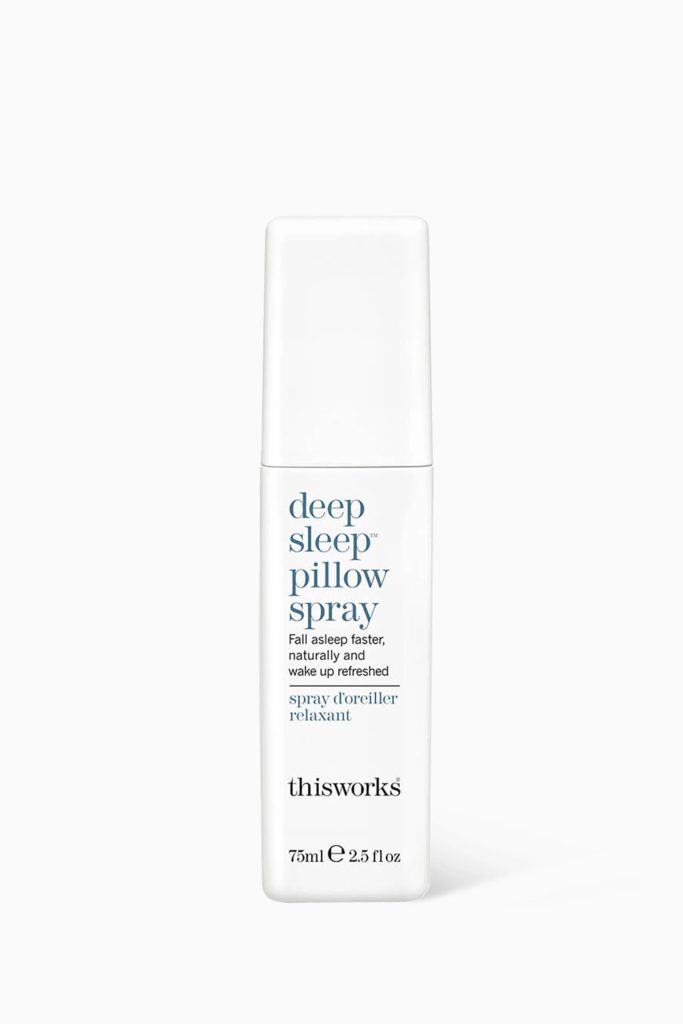
Six essentials to lull you into a restful slumber…





From Harper’s Bazaar Arabia’s Winter 2024/2025 Issue