
In The Pink: Vacheron Constantin Unveils Its New Égérie Moon Phase Spring Blossom Watch
It’s a bumper year for Vacheron Constantin on the back of its 270th anniversary, unveiling its La Quête du Temps exhibition and a new saccharine sensation at Watches & Wonders 2026
Not many watchmaking maisons have enough ammunition to roll out a major campaign celebrating a legacy birthday worldwide and then immediately trot out a retrospective come the next edition of Watches & Wonders. Yet the 2026 instalment of the watchmaking world’s most major industry event saw a unique exhibition – La Quête du Temps – feature five creations that have defined Vacheron Constantin’s cachet as a force majeure; the astronomical automaton clock La Quête du Temps, the Reference 57260, the Berkley Grand Complication, the Solaria Ultra Grande Complication – La Première, and the Métiers d’art – Tribute to the Quest of Time.
The exhibition appeared at the Musée du Louvre in 2025, but Watches & Wonders marked its first appearance in Switzerland, a reminder to industry insiders of the maison’s unrelenting quest for excellence and innovation. Presenting these haute horlogerie heavyweights at the fair undeniably flexed the maison’s technical prowess, but its ability to hold pioneering engineering in one hand and exquisite artistry in the other was proved by the simultaneous unveiling of its ultra-feminine novelty for 2026 – the Égérie Moon Phase Spring Blossom.
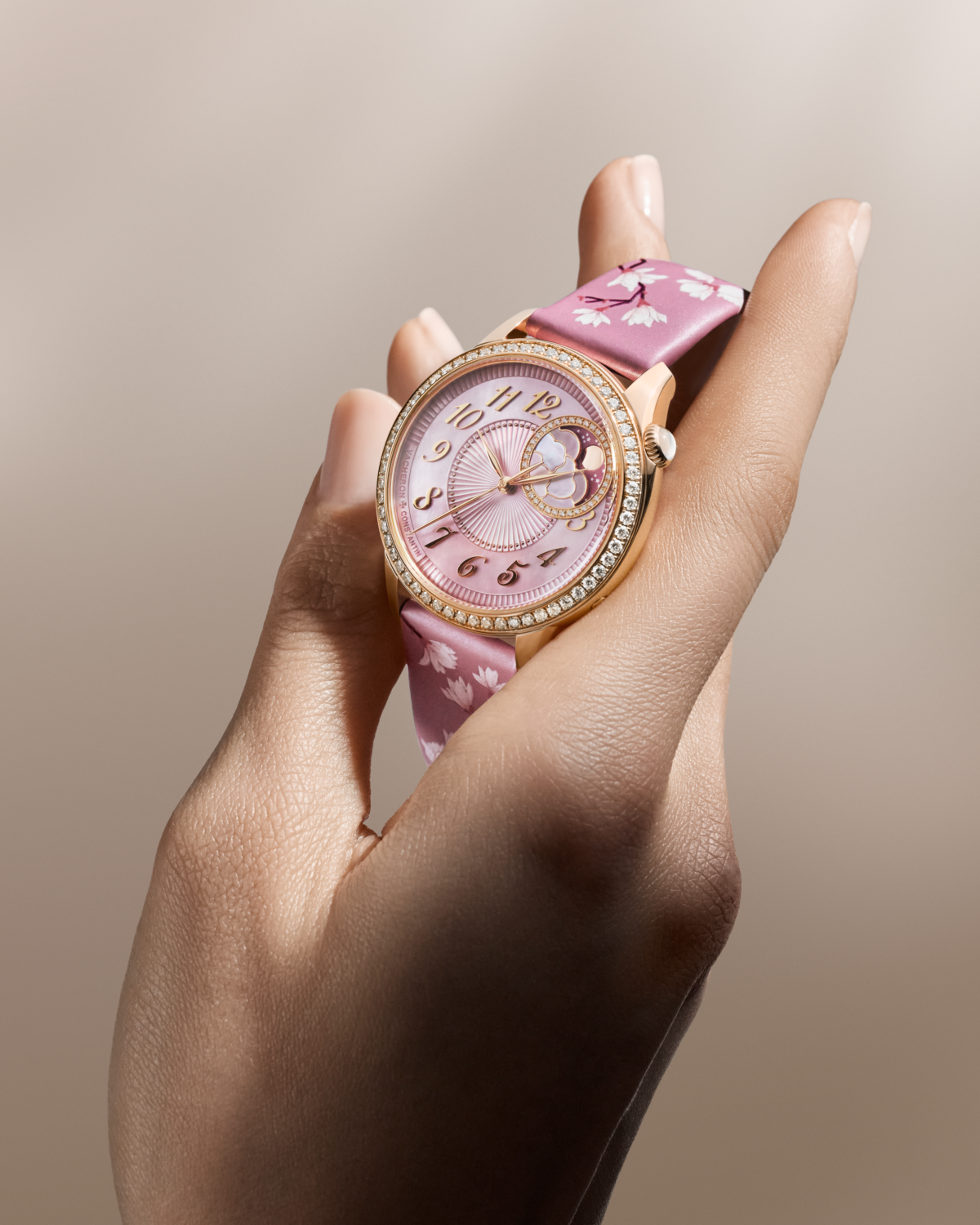
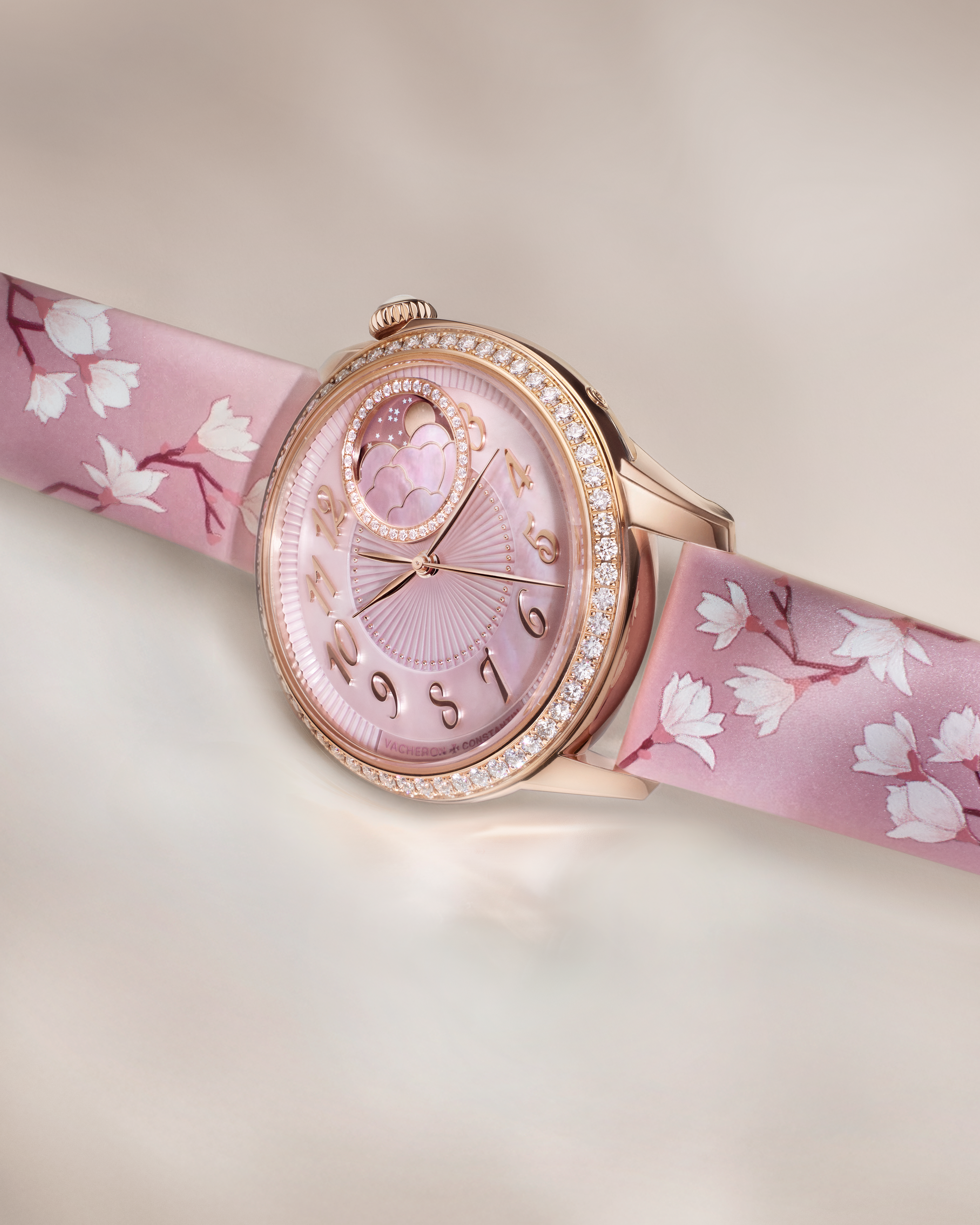
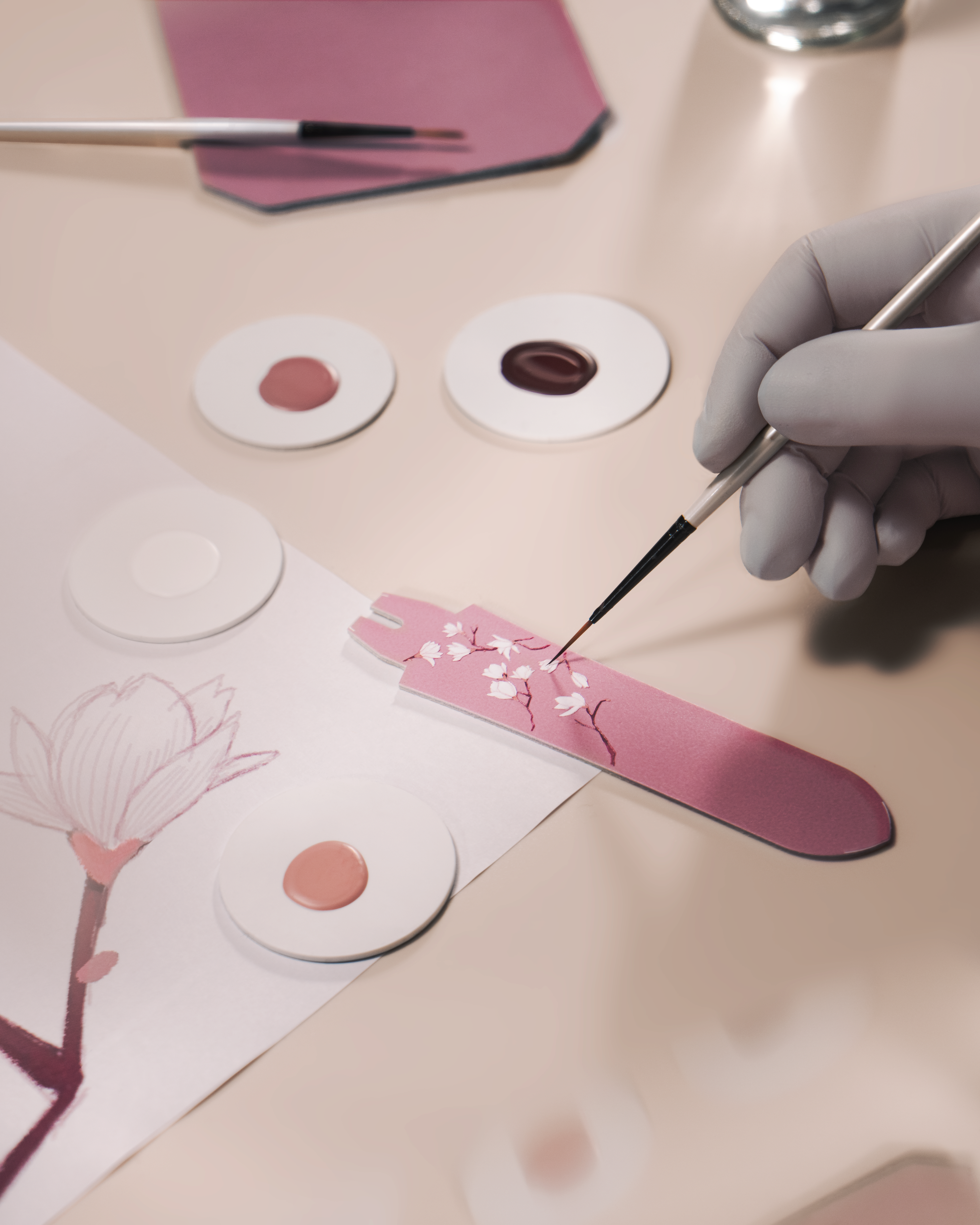
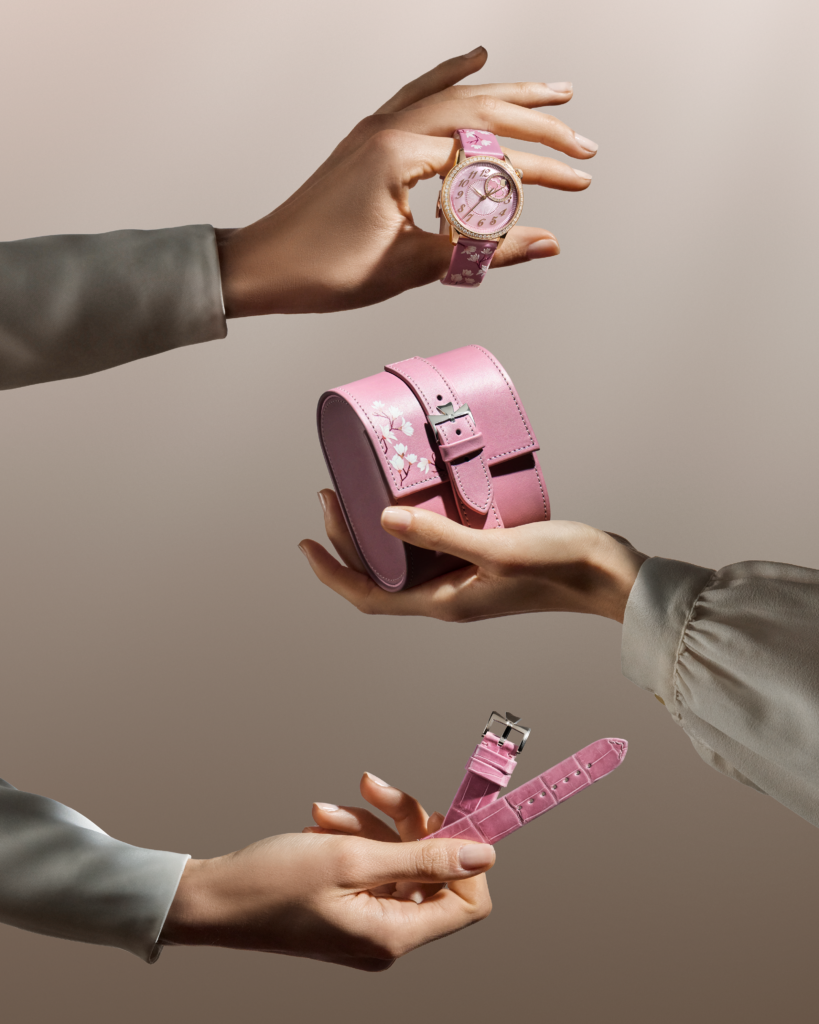
Limited to 100 exclusive pieces, this is a watch that shirks the longstanding school of thought within the watchmaking world that women’s timepieces must lean away from the hyper feminine, for fear of patronising clientele with a ‘pink and shrink’ mentality. Here, the ideology is far removed; the Égérie Moon Phase Spring Blossom is delivering saccharine sweetness in spades. A pink mother-of-pearl dial is complemented by a hand-painted calfskin strap bearing springtime blossoms, which can be interchanged with a raspberry pink alligator strap or blush pink grosgrain strap, all bestowed with a rose gold buckle.
This might well be the most pastel fantastic iteration of the Égérie thus far, but its design codes were already deeply rooted in the realms of haute couture. Each detail is as carefully considered as every stitch by the petites mains in Paris’ most elite ateliers – details on the dial were conceived to evoke beading, embroidery and trimmings, with a pleated centre to recall the skirt of a gown, curling numerals to evoke scalloped patterns of lace, and multiple strap options to add texture and watch wardrobing versatility. A diamond-set bezel is the final flourish of preciousness, and even the moon phase is set within a circle of diamonds, while the crown is adorned with a gleaming moonstone. The subtle variations of shades of mother-of-pearl, along with the hand-painted blooms, ensure that every single piece within the 100-strong offering references the utmost pinnacle of couture sensibilities.
Flowers are, in fact, an ever-recurring motif within the brand’s repertoire over the last 200 years. One of the earliest examples was an 1815 yellow gold pocket watch engraved with a delicate floral motif and set with garnets, while an 1838 quarter-repeater watch – worn in a lady’s pocket or as an elegant pendant – featured a guilloché floral dial; precursors to many pearl-adorned and engraved pieces that came to the fore during the early 20th century with the arrival of Paris’ Art Nouveau movement.
Yet looking at the new timepiece of today, it doesn’t belie its era – despite being made in the maison’s state of the art manufacture in Plan-les-Ouates, it also relies on artisanal techniques that have barely changed since those initial treasures were crafted. The mantra of the house, “Do better if possible. And it is always possible,” certainly rings true here – while the design codes remain firmly aligned with the maison’s founding fathers’ principles, its precision, engineering and ultra-luxe finish are testament to its vision of the future, where it is easy to believe that anything is possible.
Imagery courtesy of Vacheron Constantin